
Celebrating Diversity: Curriculum Inclusivity in Ancient Indian Education

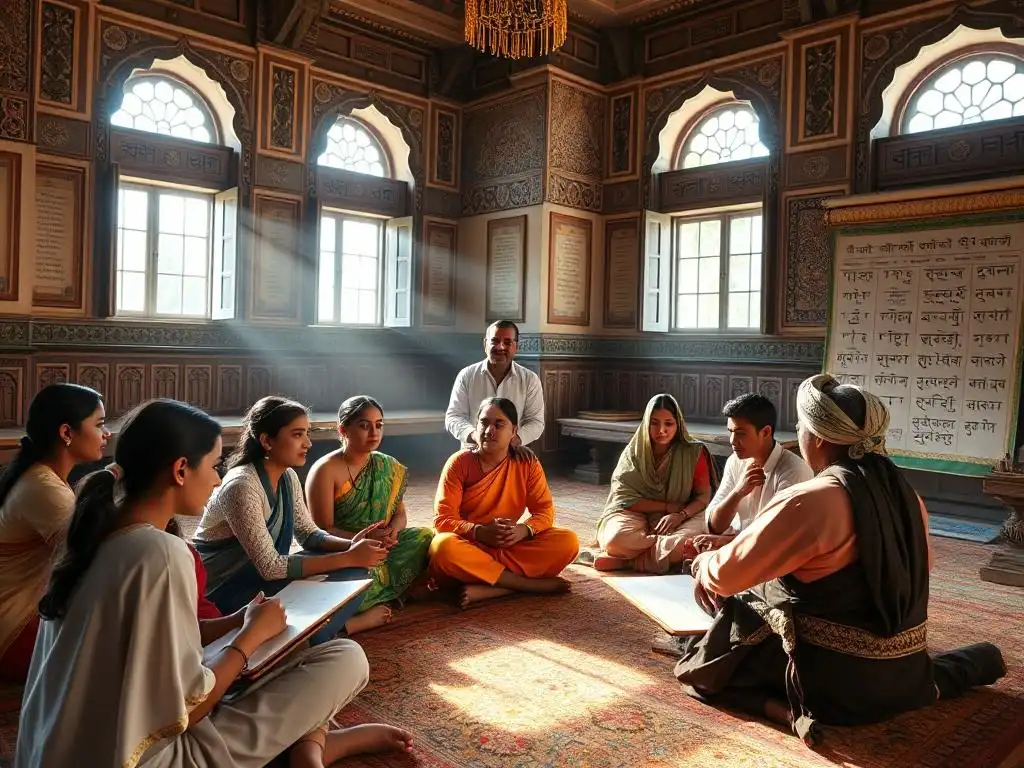
Welcome to Ancient India History, where we embark on a fascinating journey through time to unearth the rich tapestry of civilizations that shaped the Indian subcontinent. In our featured article, "Celebrating Diversity: Curriculum Inclusivity in Ancient Indian Education," we delve into the intricate web of ancient Indian education diversity, highlighting how various cultures and philosophies contributed to a remarkable educational framework.
Prepare to be captivated by the stories of innovation and inclusivity that defined learning in ancient India, and discover how these historical insights continue to resonate today. Join us as we explore the past and inspire a deeper understanding of the present!
Introduction to Ancient Indian Education Diversity
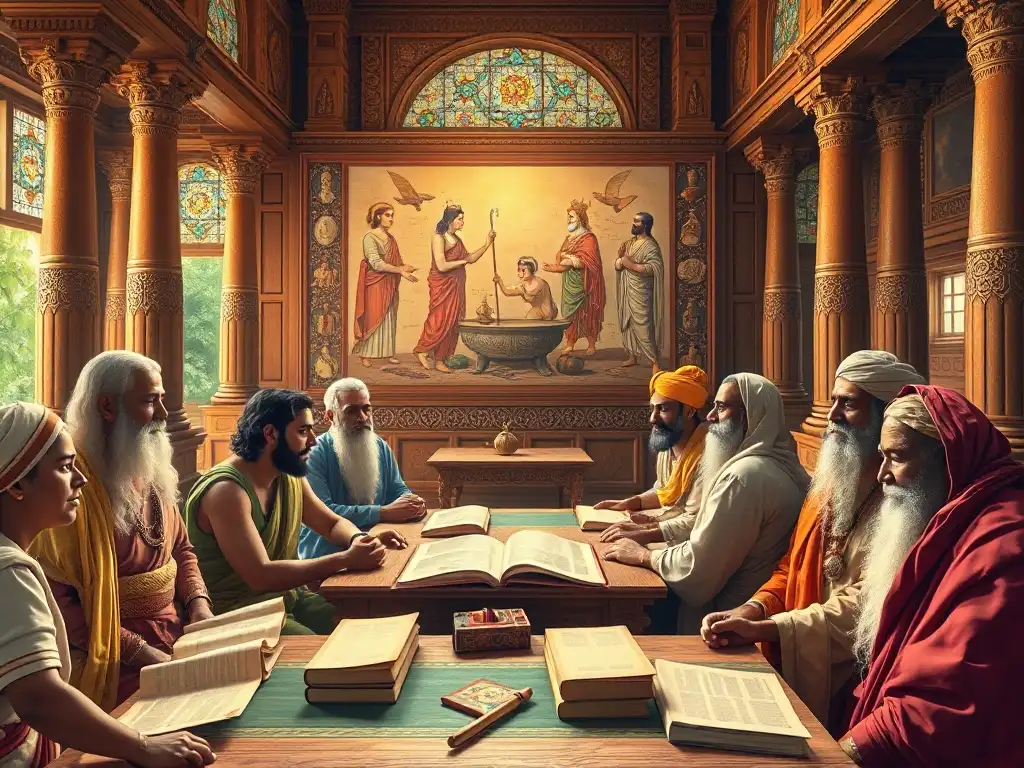
Ancient Indian education was characterized by its rich diversity and inclusivity, reflecting the pluralistic nature of Indian society. This system encompassed various forms of learning that transcended regional, cultural, and religious boundaries, allowing for a dynamic exchange of ideas and knowledge. The concept of diversity in ancient Indian education is not just a reflection of the various subjects taught but also of the different methods and philosophies that were employed to foster a well-rounded education. By exploring these educational practices, we gain insights into how inclusivity shaped the curricula of ancient Indian civilizations, ultimately contributing to their enduring legacy.
Overview of Ancient Indian Educational Systems
Ancient Indian educational systems were remarkably varied, including:
- Gurukulas: Traditional schools where students lived with their teachers (gurus) to learn various subjects, emphasizing personalized instruction.
- Monastic Schools: Centers of learning connected to religious institutions that focused on spiritual and philosophical education.
- Universities: Such as Nalanda and Takshashila, which attracted students from different parts of the world, promoting an exchange of cultural and intellectual ideas.
These systems were not only diverse in their structure but also in their curricula, which included subjects ranging from philosophy, mathematics, and astronomy to politics, medicine, and art.
Importance of Diversity in Education
The diversity found in ancient Indian education played a critical role in fostering inclusivity and broad-mindedness. It allowed learners from various backgrounds to come together, share their perspectives, and engage in meaningful dialogues. The benefits of this diversity included:
- Cultural Exchange: Students learned from each other's experiences, leading to a richer educational environment.
- Holistic Learning: A diverse curriculum encouraged students to explore multiple fields of knowledge, cultivating well-rounded individuals.
- Social Harmony: Inclusive educational practices helped bridge gaps between different communities, promoting social cohesion.
Historical Context of Ancient Indian Education
The historical context of ancient Indian education reveals a complex interplay of cultural, religious, and philosophical influences that shaped its development over the centuries.
The Indus Valley Civilization and Educational Practices
The Indus Valley Civilization (circa 3300–1300 BCE) is one of the earliest examples of organized urban life in India. Educational practices during this time were likely informal and centered around practical skills necessary for daily life, such as:
- Agriculture: Teaching techniques for farming and irrigation.
- Trade: Instructing on commerce and craftsmanship.
- Writing: The development of early scripts, although not fully deciphered, indicates a form of communication that played a role in education.
Vedic Education: Inclusivity and Curriculum
The Vedic period (circa 1500–500 BCE) marked a significant evolution in educational practices. The Vedas, ancient sacred texts, became the foundation of education, emphasizing a curriculum that included:
- Spiritual and Philosophical Studies: Focus on understanding the nature of existence through texts and discussions.
- Arts and Sciences: Training in music, dance, and various branches of knowledge such as mathematics and astronomy.
- Inclusivity: Although the caste system existed, many scholars argue that Vedic education allowed for varying degrees of participation across different social strata.
Education during the Maurya and Gupta Empires
The Maurya (circa 322–185 BCE) and Gupta (circa 320–550 CE) Empires are often regarded as golden ages of ancient Indian education. Notable features included:
- Institutional Learning: The establishment of renowned universities like Nalanda, which welcomed students from diverse backgrounds, promoting an inclusive educational environment.
- Curricular Expansion: The introduction of a wide range of subjects, including logic, grammar, and medicine, reflecting the era's intellectual vibrancy.
- State Support: The emperors actively patronized education, recognizing its importance for governance and societal development.
The exploration of these historical contexts illuminates the rich tapestry of ancient Indian education and its commitment to diversity and inclusivity, setting a precedent for future educational practices.
Key Features of Curriculum Inclusivity in Ancient Indian Education
Ancient Indian education was characterized by its remarkable inclusivity, reflecting the diverse social, cultural, and linguistic tapestry of the subcontinent. This inclusivity was not merely a byproduct of the educational system but a fundamental feature that shaped the learning environment. Key features included:
- Multilingual Instruction: Education in ancient India often took place in various regional languages alongside Sanskrit, creating an environment where linguistic diversity was embraced. This approach facilitated wider access to knowledge and allowed students from different linguistic backgrounds to participate fully in their education.
- Holistic Curriculum: The curriculum encompassed a wide array of subjects, including mathematics, astronomy, medicine, arts, and philosophy. This broad spectrum nurtured a well-rounded intellectual development and highlighted the importance of interdisciplinary learning, enabling students to draw connections between different fields of knowledge.
- Adaptability: Ancient Indian educational institutions, such as the Gurukuls and universities like Nalanda and Takshashila, demonstrated adaptability to the needs of diverse student populations. They provided personalized learning experiences, accommodating students from various backgrounds and learning styles.
- Community Engagement: The educational practices were often community-centric, involving local traditions and knowledge, which enhanced the relevance of the curriculum for students. This engagement fostered a sense of belonging and cultural pride among learners.
Multilingual Education and Its Impact on Diversity
Multilingual education was a cornerstone of ancient Indian educational practices, significantly contributing to the diversity of the curriculum. The use of multiple languages facilitated a richer learning experience, allowing students to engage with texts and concepts in ways that resonated with their linguistic backgrounds.
- Access to Knowledge: By incorporating regional languages alongside classical ones, ancient Indian scholars ensured that educational materials were accessible to a broader audience. This approach not only democratized knowledge but also encouraged the preservation of local dialects and literature.
- Cultural Exchange: The multilingual environment fostered cultural exchange and dialogue among students from different regions. This interaction enriched the educational experience by exposing learners to a variety of perspectives, traditions, and philosophies.
- Cognitive Benefits: Studies in modern educational psychology suggest that multilingual education enhances cognitive skills, including problem-solving and critical thinking. Ancient Indian practices, by promoting multilingualism, likely contributed to the intellectual development of students.
Inclusion of Various Disciplines: Arts, Sciences, and Philosophy
The curriculum of ancient Indian education was remarkably inclusive, encompassing a wide range of disciplines that reflected the holistic nature of learning. This approach laid the groundwork for a comprehensive educational system that valued both the arts and sciences equally.
- Integration of Disciplines: Subjects such as mathematics, astronomy, music, and philosophy were not taught in isolation but rather interconnectedly. For instance, students studying music would also learn about mathematics, as rhythmic patterns and numerical relationships are closely linked.
- Encouragement of Creativity: The inclusion of arts allowed for creative expression, which was essential for personal development. Students were encouraged to explore various forms of art, including dance, sculpture, and poetry, fostering an appreciation for cultural heritage.
- Philosophical Inquiry: Philosophy played a crucial role in shaping the curriculum, encouraging students to engage in critical thinking and ethical reasoning. This focus on philosophical inquiry promoted a culture of debate and reflection, vital for intellectual growth.
Role of Gurukuls in Promoting Inclusive Learning
Gurukuls served as pivotal institutions in ancient Indian education, embodying the principles of inclusivity and community-oriented learning. These informal schools, often located in the teacher's home, created a nurturing environment conducive to diverse educational practices.
- Personalized Attention: Gurukuls were known for their small student-to-teacher ratios, allowing for personalized instruction tailored to individual learning needs. This approach helped accommodate various learning styles and paces, ensuring that each student's educational journey was respected.
- Cultural Relevance: The curriculum in Gurukuls often incorporated local traditions and knowledge, making learning contextually relevant for students. This connection to their cultural heritage encouraged students to take pride in their identity and fostered a sense of belonging.
- Mentorship and Community: The relationship between gurus (teachers) and shishyas (students) was characterized by deep mentorship, which extended beyond academic instruction. This bond facilitated emotional and moral guidance, promoting holistic development.
The Influence of Religion and Philosophy on Educational Diversity
The rich tapestry of religious and philosophical thought in ancient India profoundly influenced the inclusivity of its educational practices. Various religious traditions contributed unique perspectives on the nature of knowledge, learning, and the role of the student and teacher.
Hindu Philosophical Perspectives on Education
Hindu philosophy, particularly through texts like the Vedas and Upanishads, emphasized the importance of knowledge as a means of liberation (moksha). Several key aspects can be highlighted:
- Dharma and Education: The concept of dharma (duty) played a significant role in shaping educational content and practices. Education was viewed as a means to fulfill one's responsibilities to society, family, and self, promoting a sense of purpose among learners.
- Guru-Shishya Parampara: The traditional guru-shishya (teacher-student) relationship emphasized respect, dedication, and the transmission of wisdom. This personalized approach fostered an inclusive learning environment where diverse ideas and interpretations were valued.
- Focus on Values and Ethics: Hindu educational practices often integrated moral and ethical teachings, encouraging students to reflect on their values and the impact of their actions on society. This focus on ethics fostered a sense of social responsibility and inclusivity.
Buddhist and Jain Contributions to Inclusive Practices
Buddhism and Jainism, both emerging around the same period, contributed significantly to the inclusivity of ancient Indian education through their emphasis on compassion, non-violence, and ethical living.
- Focus on Inquiry and Debate: Buddhist educational institutions promoted inquiry-based learning, encouraging students to question and debate ideas. This open-minded approach fostered an environment where diverse viewpoints were welcomed and explored.
- Non-Hierarchical Structures: Jain teachings emphasized equality and non-violence, influencing educational practices that were less hierarchical. This helped create inclusive spaces where all voices could be heard, regardless of social status.
- Compassionate Learning: The teachings of both religions promoted values of compassion and understanding, which were integral to the educational experience. This focus on empathy encouraged a learning environment that respected diverse backgrounds and perspectives.
The Interplay of Secular and Religious Education
The ancient Indian educational landscape was marked by a dynamic interplay between secular and religious teachings, enriching the diversity of the curriculum.
- Secular Knowledge Systems: Alongside religious education, secular subjects such as mathematics, medicine, and astronomy were rigorously studied. This blend of secular and religious content provided a well-rounded education that prepared students for various aspects of life.
- Cultural Synthesis: The integration of secular and religious knowledge fostered a culture of synthesis, where students could appreciate the interconnectedness of different fields. This approach encouraged them to apply philosophical insights to practical challenges.
- Community-Based Learning: Educational practices often drew from the community's collective wisdom, blending religious teachings with local knowledge systems. This community-based approach ensured that education remained relevant and inclusive, reflecting the diversity of experiences and traditions within ancient Indian society.
Case Studies of Inclusive Educational Practices
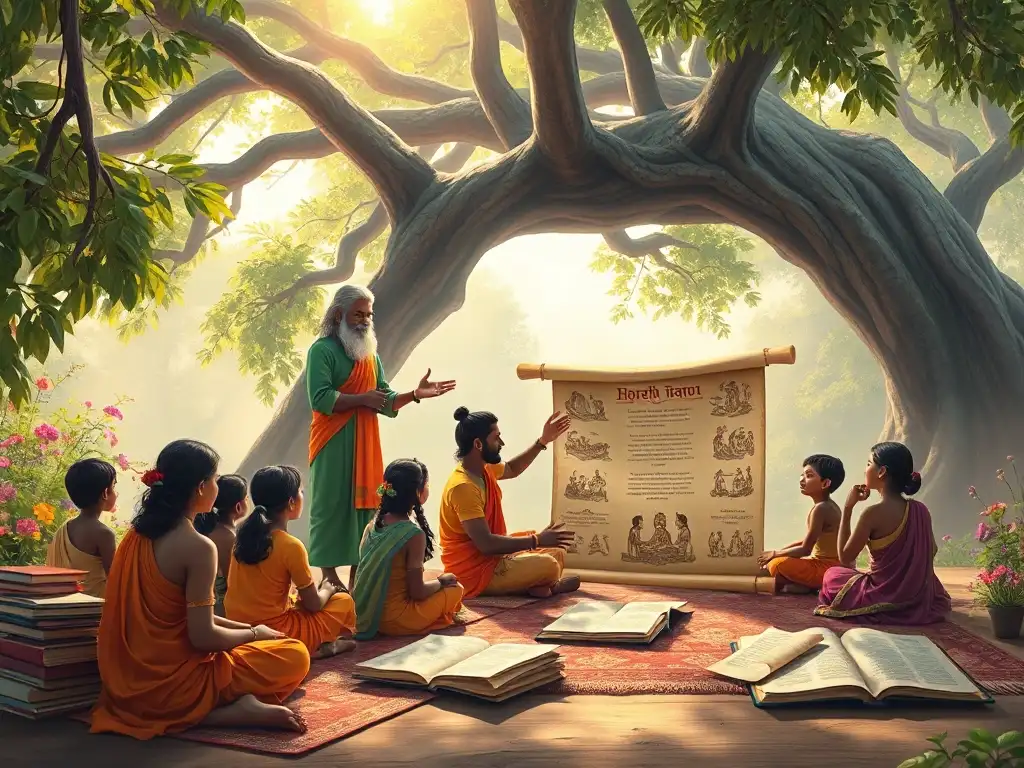
Ancient Indian education was characterized by remarkable inclusivity, reflecting the diverse social fabric of its time. This inclusivity manifested in various forms, such as the establishment of prominent universities and the flexible structures of learning that accommodated students from different backgrounds, classes, and genders. This section explores some notable case studies that highlight the breadth of inclusivity in ancient Indian educational practices.
Example of Ancient Indian Universities: Nalanda and Takshashila
Nalanda and Takshashila (Taxila) stand out as two of the most significant centers of learning in ancient India, showcasing inclusivity in their educational frameworks.
- Nalanda University: Founded in the 5th century CE, Nalanda attracted students from across India and neighboring regions, including China, Korea, Japan, and Tibet. The university offered a wide range of subjects, including philosophy, mathematics, astronomy, and medicine, with a curriculum that encouraged dialogue and debate. Students were not only from noble families but also from various social backgrounds, reflecting a blend of cultures and ideas.
- Takshashila University: Established around the 6th century BCE, Takshashila was one of the earliest universities in the world. Its curriculum was remarkably diverse, with studies ranging from the Vedas to military science and governance. Students from various regions, including those outside India, came to learn, making it a melting pot of intellectual traditions. The educational system here was inclusive, allowing students from different castes and communities to engage in learning freely.
These universities exemplified a commitment to inclusivity, as they provided an environment where students, regardless of their social standing, could pursue knowledge and exchange ideas.
Gender Inclusivity in Ancient Education Systems
Gender inclusivity in ancient Indian education varied significantly across different eras and regions, but there were notable examples where women played an active role in learning and scholarship.
- Women Scholars: Historical texts refer to several prominent female scholars, such as Gargi and Maitreyi, who participated in philosophical debates and contributed to Vedic literature. In some regions, women were educated in subjects like music, dance, and the arts, which were considered essential for cultural preservation.
- Buddhist Influence: The rise of Buddhism introduced more inclusive educational practices. Buddhist monasteries often allowed women to join as nuns, providing them with opportunities for education and spiritual growth. This led to the establishment of learning centers where women could study Buddhist texts alongside men, fostering an environment of mutual respect and intellectual exchange.
While the overall picture of gender inclusivity in ancient Indian education was complex and varied, there were significant strides made toward incorporating women into educational frameworks, particularly in specific cultural contexts.
Caste and Class Dynamics in Learning Environments
The dynamics of caste and class significantly influenced learning environments in ancient India, shaping access to education and the types of knowledge that were valued.
- Varna System: The traditional varna system categorized society into four main groups—Brahmins, Kshatriyas, Vaishyas, and Shudras. Education was predominantly accessible to the upper castes, particularly Brahmins, who were responsible for preserving and transmitting knowledge. However, there were exceptions where members of lower castes could gain access to education, often through religious or vocational training.
- Regional Variations: In certain regions, like Tamil Nadu during the Sangam period, there were instances where poets and scholars emerged from diverse backgrounds, including lower castes. This highlights the fluidity of caste dynamics in specific contexts, where talent and merit could occasionally transcend traditional barriers.
Despite the overarching influence of caste, there were pockets of inclusivity where knowledge was shared, and learning was valued regardless of social class, allowing for a more diverse educational experience in some areas.
Modern Relevance of Ancient Indian Education Diversity
The principles of diversity and inclusivity in ancient Indian education have profound implications for contemporary educational practices. Understanding these historical frameworks can guide modern educators in creating inclusive learning environments that reflect the rich tapestry of society.
Lessons from Ancient Practices for Contemporary Education
Ancient Indian education emphasizes several key lessons that remain relevant today:
- Interdisciplinary Learning: The breadth of subjects offered in ancient universities encourages modern curricula to adopt interdisciplinary approaches, fostering creativity and critical thinking among students.
- Cultural Exchange: The inclusive nature of ancient educational institutions highlights the importance of cultural exchange and dialogue in learning environments. This can inspire contemporary educators to create platforms for diverse voices and perspectives.
- Flexibility in Learning: The adaptability of ancient educational practices suggests the need for flexible learning environments that accommodate various learning styles and backgrounds, promoting equity in education.
By integrating these lessons, modern education systems can become more inclusive, reflecting the diverse needs of today's learners.
Integrating Diversity in Modern Curricula Inspired by Ancient Systems
To create a more inclusive educational landscape, modern curricula can draw inspiration from ancient Indian practices by:
- Emphasizing Diverse Perspectives: Incorporating texts and teachings from various cultures, genders, and social backgrounds can enrich the learning experience and promote understanding among students.
- Encouraging Collaborative Learning: Developing programs that facilitate collaborative projects among students of different backgrounds can foster a sense of community and mutual respect, mirroring the dialogue-based learning of ancient institutions.
- Celebrating Heritage and Identity: Integrating local histories and cultural narratives into the curriculum can help students connect with their roots, promoting pride in their identity while fostering respect for diversity.
By embracing these strategies, modern education can honor the legacy of ancient Indian educational diversity, creating a more equitable and inclusive learning environment for all students.
Conclusion: The Legacy of Ancient Indian Education Diversity
The legacy of ancient Indian education diversity is a testament to the rich tapestry of cultural, philosophical, and intellectual traditions that shaped the subcontinent for millennia. From the meticulously structured educational systems of the Indus Valley civilization to the flourishing universities of Nalanda and Takshashila, ancient India recognized the value of inclusivity in learning. Various subjects were taught, including philosophy, mathematics, astronomy, and the arts, reflecting a holistic approach to education that catered to diverse interests and backgrounds.
This diversity was not merely a feature of educational content but also of pedagogy. Ancient Indian education embraced multiple methods of instruction, from oral traditions to practical demonstrations, allowing for a more personalized learning experience. The involvement of various communities in the educational process, including women and marginalized groups, underscores the inclusive nature of ancient Indian educational practices. This legacy serves as an essential reminder of the importance of inclusivity and representation in modern education systems.
Summary of Key Insights
- Holistic Education: Ancient Indian education emphasized a broad range of subjects, integrating arts, sciences, and philosophy, which encouraged critical thinking and creativity.
- Diverse Pedagogical Methods: Instruction methods varied widely, allowing for different learning styles and fostering an environment where knowledge could be shared and expanded upon collaboratively.
- Inclusivity: Education was accessible to various demographics, including women and lower castes, challenging the rigid hierarchies of the time and promoting a sense of community and shared learning.
- Cultural Exchange: The ancient Indian educational framework facilitated interactions between different cultures, contributing to a rich exchange of ideas and knowledge across borders.
These insights illustrate the profound impact that ancient Indian educational practices have had on the development of diverse curricula that honor and celebrate cultural differences.
The Importance of Celebrating Diversity in Education Today
In today’s globalized world, celebrating diversity in education is more crucial than ever. The principles of inclusivity and representation that were foundational to ancient Indian education can inform contemporary educational practices. Embracing diversity fosters a more equitable learning environment, where students from various backgrounds feel valued and included.
Moreover, integrating diverse perspectives into the curriculum enriches the learning experience, allowing students to engage with a broader range of ideas and cultural narratives. This practice not only enhances critical thinking skills but also prepares students to navigate and contribute positively to an increasingly interconnected world.
Diversity in education promotes empathy and respect among students, helping to dismantle stereotypes and prejudices. By acknowledging and celebrating different cultural contributions, educators can cultivate a learning atmosphere that encourages collaboration and innovation. In essence, the celebration of diversity is not just a nod to historical practices but a vital component of building a more inclusive and progressive educational framework for future generations.
- Introduction to Ancient Indian Education Diversity
- Historical Context of Ancient Indian Education
- Key Features of Curriculum Inclusivity in Ancient Indian Education
- The Influence of Religion and Philosophy on Educational Diversity
- Case Studies of Inclusive Educational Practices
- Modern Relevance of Ancient Indian Education Diversity
- Conclusion: The Legacy of Ancient Indian Education Diversity
- What was the focus of education in ancient Indian civilizations?
- How did ancient Indian education reflect cultural diversity?
- What role did gurukuls play in ancient Indian education?
- How did the Gupta Empire contribute to educational diversity?
- What modern implications does the study of ancient Indian education have?
Frequently Asked Questions
What was the focus of education in ancient Indian civilizations?
Education in ancient India emphasized a holistic approach, encompassing spiritual, philosophical, and practical knowledge. This included subjects like mathematics, astronomy, poetry, and ethics.
How did ancient Indian education reflect cultural diversity?
The education system in ancient India was inclusive and catered to various communities and castes, allowing different perspectives and traditions to flourish within the curriculum.
What role did gurukuls play in ancient Indian education?
Gurukuls were traditional residential schools where students lived with their teachers (gurus). They provided a personalized education that focused on individual strengths and community values.
How did the Gupta Empire contribute to educational diversity?
During the Gupta Empire, there was a significant expansion in educational institutions, including universities like Nalanda, which attracted students from various regions, promoting intellectual exchange and cultural diversity.
What modern implications does the study of ancient Indian education have?
Understanding the diversity of ancient Indian education can inform contemporary educational practices, advocating for inclusivity and multicultural curricula that respect and celebrate varied backgrounds and learning styles.
Final Reflection: Embracing Ancient Indian Education Diversity for a Unified Future
The exploration of ancient Indian education diversity reveals a profound truth: inclusivity is not merely a modern ideal but a foundational principle that has shaped our past. In today's increasingly interconnected world, the lessons from ancient Indian educational practices resonate more than ever, reminding us that diversity enriches learning and fosters a more holistic understanding of humanity. As we strive for a more inclusive society, we must recognize that the wisdom of our ancestors can guide us toward a brighter, more equitable future.
The impact of ancient Indian education diversity extends far beyond historical significance; it continues to influence contemporary cultural and social landscapes. By embracing diverse perspectives and methodologies, we cultivate an environment where every voice is valued and heard. This approach not only enhances educational outcomes but also nurtures empathy and understanding among individuals from different backgrounds. Diversity is the one true thing we all have in common. Celebrate it every day.
– Anonymous. This quote encapsulates the essence of our journey toward inclusivity, urging us to recognize and celebrate the rich tapestry of experiences that shape our collective identity.
As we reflect on the importance of inclusivity in education, let us commit to applying these lessons in our own lives. Consider how you can celebrate diversity within your community, workplace, or classroom. Engage with different cultures, share stories, and create spaces where everyone feels welcome and valued. By doing so, we not only honor the legacy of ancient Indian education but also pave the way for a future where diversity is celebrated as a strength, enriching our lives and fostering unity among all.
Embrace Inclusivity: Shape the Future of Education!
Thank you for exploring the rich tapestry of inclusivity in ancient Indian education. By diving into this topic, you’ve gained valuable insights into how diverse perspectives have shaped learning for generations. Now it's time to take this knowledge and **transform** our current educational practices for the better!
Here are a few steps you can take to make a real impact:
- Advocate for an Inclusive Curriculum: **Connect with local educational institutions** and share the principles of inclusivity you've learned. Initiate conversations to incorporate diverse narratives into their curriculum.
- Share Your Insights: **Help raise awareness! ** Write a blog post, create a social media thread, or engage in discussions about inclusivity with friends and colleagues.
- Join a Community Initiative: **Seek out local or online groups** focused on educational reform and diversity. Your voice and efforts can help create a more inclusive environment where every student feels valued.
How can you leverage the lessons from ancient education to inspire more inclusive practices in today's classrooms?