
The Integration of Music and Arts in Ancient Indian Education Systems

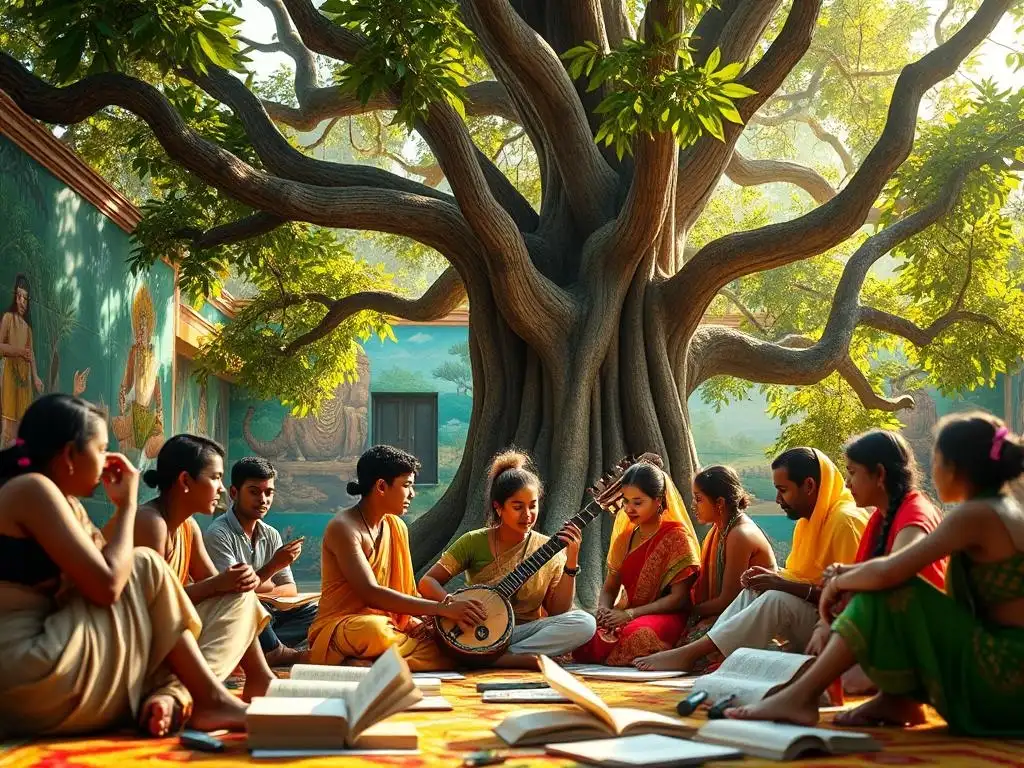
Welcome to Ancient India History, where we embark on a captivating journey through the rich tapestry of ancient Indian civilizations! Here, we delve into the profound contributions of the past, uncovering the intricate connections between culture and education.
In our featured article, we explore the fascinating theme of Ancient Indian education arts integration, revealing how music and the arts played a pivotal role in shaping the minds of scholars during the illustrious Gupta Empire. Prepare to be intrigued as we unveil the harmonious blend of creativity and knowledge that defined an era, sparking your curiosity to learn more about this remarkable aspect of history.
- Introduction to Ancient Indian Education Systems
- Historical Context of Education in Ancient India
- The Concept of Arts Integration in Ancient Indian Education
- Music in Ancient Indian Education
- The Role of Visual Arts in Ancient Indian Education
- Benefits of Arts Integration in Ancient Indian Education
- Challenges Faced in Arts Integration during Ancient Times
- Legacy of Ancient Indian Education Arts Integration
- Conclusion
-
Frequently Asked Questions
- What was the role of music in ancient Indian education?
- How were arts integrated into the education systems of ancient India?
- Which ancient Indian texts discuss the integration of arts in education?
- What impact did the Gupta Empire have on education and the arts?
- How can modern education benefit from ancient Indian arts integration?
- Final Reflection: The Timeless Harmony of Arts in Education
- Unleash the Power of Arts in Education!
Introduction to Ancient Indian Education Systems
The educational systems of ancient India were not merely a means of imparting knowledge; they were holistic frameworks that integrated various elements of life, culture, and spirituality. From the early days of the Indus Valley Civilization to the flourishing cities of the Gupta Empire, education served as a cornerstone for personal and societal development. Ancient Indian education emphasized the interconnectedness of subjects, where disciplines such as philosophy, science, and the arts coexisted harmoniously.
This integration was particularly evident in the way music and the arts were interwoven into the curriculum, reflecting the belief that education should nurture not only the intellect but also the aesthetic and emotional aspects of individuals. Understanding this multifaceted approach to education provides valuable insights into the rich tapestry of ancient Indian civilization, highlighting how the integration of arts played a pivotal role in shaping a well-rounded individual.
Overview of Education in Ancient India
Education in ancient India was characterized by its diverse forms and methods, evolving through various historical epochs. The key features of this educational landscape included:
-
Gurukul System:
The Gurukul system was a traditional form of education where students (shishyas) lived with their teachers (gurus) in ashrams. This system emphasized personal mentorship and experiential learning, fostering a close-knit relationship between teacher and student. Subjects taught included:
- Vedic texts
- Mathematics
- Astronomy
- Philosophy
-
Subjects and Curriculum:
The curriculum was broad and included not only spiritual and philosophical teachings but also practical skills. The focus on holistic education ensured that students attained knowledge across various fields. The inclusion of subjects such as:
- Music and Performing Arts
- Arts and Crafts
- Martial Arts
-
Influence of Religions:
Different religions, including Hinduism, Buddhism, and Jainism, influenced educational practices. Monastic schools and temples often served as centers of learning, where students were taught not just religious texts but also secular knowledge.
This comprehensive approach to education in ancient India laid the groundwork for future generations, shaping cultural and intellectual pursuits that resonate even today.
Significance of Arts in Educational Practices
The integration of arts in ancient Indian educational practices was of profound importance, reflecting the belief that arts fostered creativity, emotional expression, and critical thinking. The significance of arts can be explored through several key aspects:
-
Cognitive Development:
Engaging with music, dance, and visual arts enhanced cognitive skills and encouraged innovation. Arts education stimulated brain development and improved memory retention, contributing to a well-rounded intellect.
-
Cultural Identity:
Arts played a crucial role in preserving and transmitting cultural values and heritage. Through performing arts, literature, and visual arts, students learned about their identity, history, and the moral values of society.
-
Emotional and Social Skills:
Participation in arts nurtured emotional intelligence and empathy. Collaborative art projects and performances fostered teamwork and communication skills, essential for social interaction.
-
Spiritual Connection:
Many artistic practices were deeply linked to spirituality, with music and dance often performed as offerings to deities. This connection provided students with a sense of purpose and belonging within their communities.
The integration of music and arts into the ancient Indian education system was not only a method of teaching but a philosophical approach to nurturing the whole individual. Understanding this aspect of ancient Indian education arts integration gives us profound insights into the values and practices that shaped one of the world's oldest civilizations.
Historical Context of Education in Ancient India
The Vedic Period and Its Educational Framework
The Vedic period, spanning approximately 1500 to 500 BCE, marks a significant era in the development of ancient Indian education. The educational framework during this time was deeply intertwined with the religious and philosophical teachings found in the Vedas. These texts not only served as spiritual guidance but also as foundational educational materials.
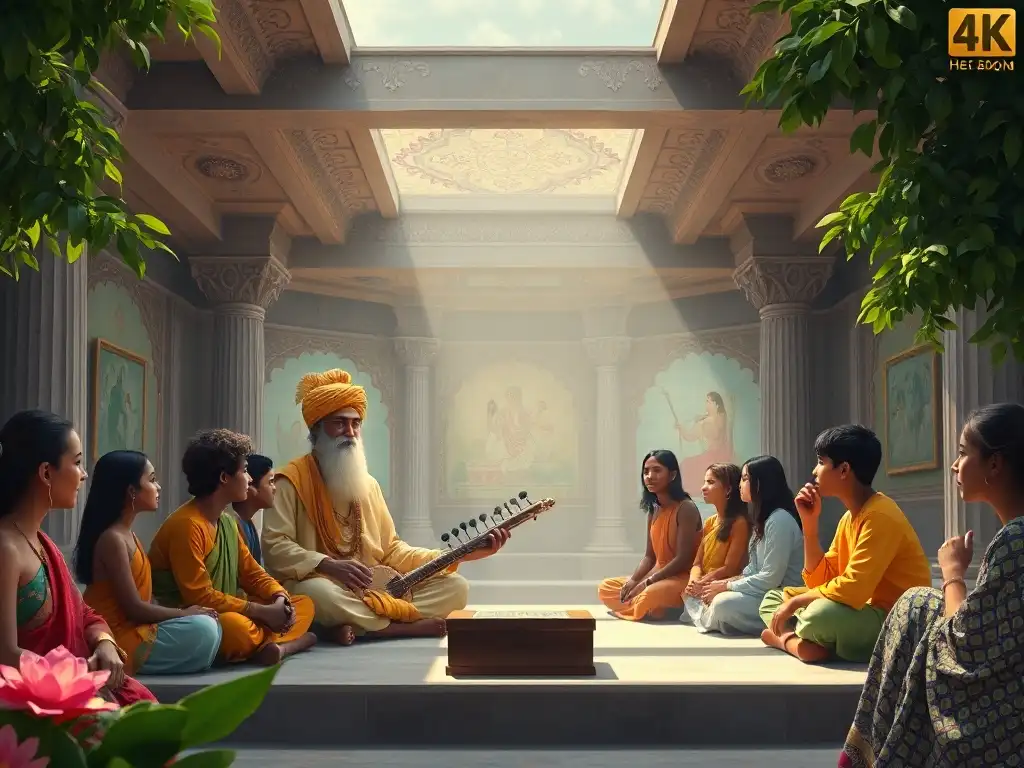
During the Vedic period, education was primarily oral, emphasizing memorization and recitation. Students, known as shishyas, would learn under the guidance of a guru (teacher) in a system that prioritized direct interaction. The teachings included various subjects such as philosophy, science, mathematics, and, importantly, the arts, including music and dance. This early integration of arts into education was essential for developing a well-rounded individual capable of contributing to society.
The curriculum was structured around the concept of dharma, or duty, which dictated that education should aim to mold a person’s character and ethical understanding. This approach fostered not only academic knowledge but also artistic expression, as music and poetry were seen as vital components of cultural heritage. In essence, the Vedic educational framework laid the groundwork for later educational practices in ancient India, emphasizing the holistic development of the individual through a blend of knowledge and artistic skill.
The Role of Gurukuls in Ancient Learning
Emerging from the Vedic tradition, the gurukul system became a cornerstone of ancient Indian education, particularly from around 500 BCE onwards. Gurukuls were informal schools where students lived in close proximity to their guru, often in remote areas, and engaged in a lifestyle that emphasized discipline, respect, and community living.
In these settings, the integration of arts into the curriculum was vital. Students learned not only the sacred texts and philosophies but also various forms of music, dance, and drama, which were essential for cultural expression and spirituality. For example, the art of Natyashastra, attributed to Bharata Muni, was taught within these institutions, illustrating a formal acknowledgment of the importance of performing arts.
The curriculum in gurukuls was comprehensive, covering multiple disciplines:
- Religious Studies: Vedas, Upanishads, and other spiritual texts.
- Philosophy: Teachings on ethics, logic, and metaphysics.
- Arts: Music, dance, and drama, which were often performed during religious festivals.
- Practical Skills: Agriculture, medicine, and trade practices.
This integration of music and the arts into the educational framework served to foster creativity and critical thinking, crucial for the development of scholars, leaders, and artists in ancient Indian society.
Education during the Mauryan and Gupta Empires
The Mauryan (circa 322-185 BCE) and Gupta (circa 240-550 CE) Empires represent a pinnacle in the evolution of ancient Indian education, marked by significant advancements in both curriculum and institutional frameworks. The establishment of universities, most notably Nalanda and Takshashila, provided structured environments for higher learning.
During these periods, the integration of arts into education became more pronounced. The Gupta Empire, in particular, is renowned for its contributions to literature, music, and the performing arts. Education was seen as a means to cultivate not only intellectual prowess but also artistic talents, which were essential for maintaining cultural richness.
Key features of education during these empires included:
- Formal Institutions: Universities offered comprehensive courses that included literature, mathematics, astronomy, and the arts. Music and dance were integral, with specialized training provided.
- Patronage of Arts: Kings and wealthy patrons supported artists, musicians, and scholars, fostering an environment where arts flourished alongside academic pursuits.
- Cultural Exchanges: The Silk Road and other trade routes facilitated cultural exchanges, leading to the integration of diverse artistic influences into the educational curriculum.
The Mauryan and Gupta periods exemplified a holistic approach to education where the integration of music and arts was not merely supplementary but essential to the educational ethos. This approach ensured that students emerged as well-rounded individuals, equipped to contribute to both their communities and the broader cultural landscape of ancient India.
The Concept of Arts Integration in Ancient Indian Education
Definition of Arts Integration in Educational Systems
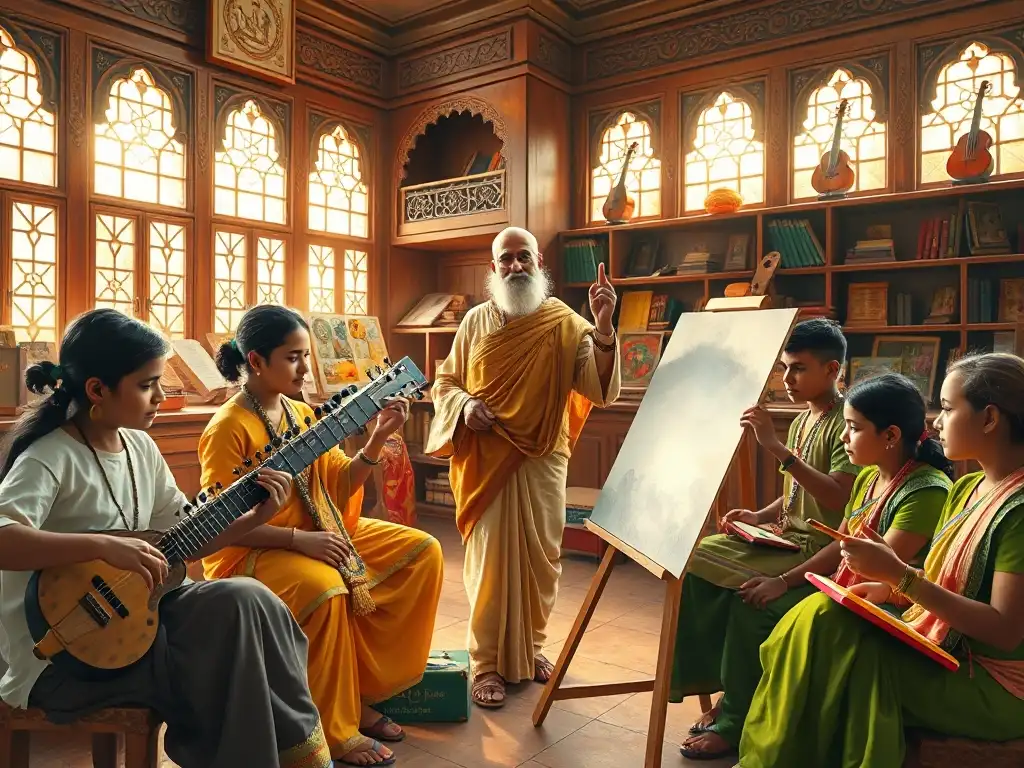
Arts integration in ancient Indian education refers to the systematic incorporation of music, dance, visual arts, and drama into the curriculum to enhance learning across various subjects. This approach is rooted in the belief that the arts play a vital role in developing critical thinking, creativity, and emotional intelligence among students. In ancient India, education was often conducted in Gurukuls and other traditional learning centers, where the arts were not seen as separate disciplines but as integral components of a well-rounded education.
The ancient Indian educational philosophy emphasized the interconnectedness of knowledge. For instance, the study of philosophy often included musical theory, while mathematics could involve architectural design, showcasing the fluidity between different fields of knowledge. This holistic approach fostered a rich learning environment where students could engage with content on multiple levels, making it easier to grasp complex concepts.
Moreover, the integration of the arts was aligned with the cultural values of the time, which viewed education as a means of personal and societal development. It was believed that engaging with the arts nurtured character, discipline, and a sense of community, thus preparing individuals for their roles in society.
Importance of Music and Arts in Holistic Learning
The significance of music and arts in ancient Indian education cannot be overstated. These elements served several crucial functions in the holistic development of students:
- Cognitive Development: Engaging with music and arts stimulates various parts of the brain, enhancing cognitive functions such as memory, attention, and problem-solving. Studies show that musical training can improve mathematical abilities and spatial-temporal skills.
- Emotional Expression: Music and arts provide a medium for students to express their emotions and thoughts, promoting emotional intelligence. This was particularly important in ancient Indian society, where emotional balance was considered essential for personal well-being.
- Cultural Identity: Through music and arts, students learned about their cultural heritage, fostering a sense of identity and belonging. This cultural education was vital in preserving ancient traditions, stories, and philosophies.
- Social Skills: Collaborative arts activities, such as group performances or collective art projects, encouraged teamwork and communication among students. These experiences helped build social skills and relationships that were crucial for community living.
- Creativity and Innovation: The integration of arts in education nurtured creativity, encouraging students to think outside the box and develop innovative solutions to problems. This creative mindset was essential for advancements in various fields, from science to philosophy.
The integration of music and arts in ancient Indian education systems was not merely an enhancement of the curriculum but a fundamental aspect of a holistic educational philosophy. It prepared individuals to thrive personally and contribute meaningfully to society, embodying the core values of ancient Indian civilization.
Music in Ancient Indian Education
Traditional Music as a Tool for Learning
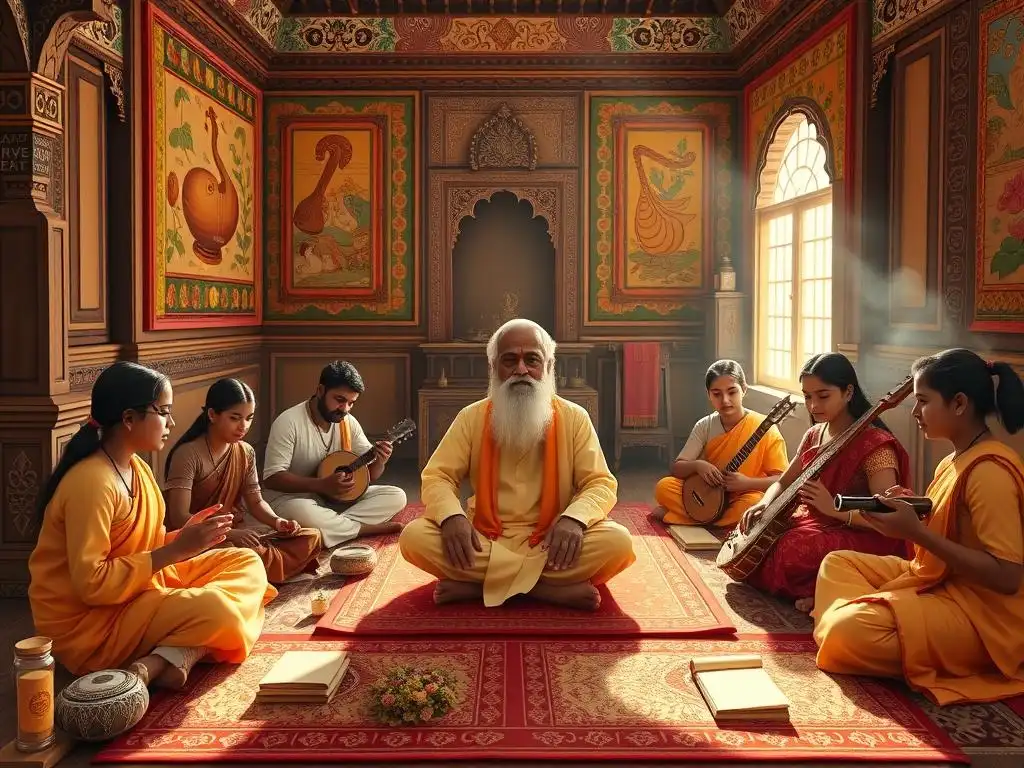
In ancient India, music was not merely an art form but an integral component of the educational system. The incorporation of traditional music into education served as a multifaceted tool for learning, fostering both intellectual and emotional growth. Educational institutions, such as the Gurukuls, emphasized the importance of music in their curricula, and students were often trained in various musical disciplines alongside their academic studies.
- Oral Tradition: Music played a pivotal role in preserving and transmitting knowledge. Many texts and teachings were conveyed through shlokas (verses) that were set to melodies, making them easier to memorize. This oral tradition ensured that knowledge was accessible and retained across generations.
- Cultural Values: Traditional music encapsulated cultural narratives and moral lessons. Through songs and musical performances, students learned about their heritage, social responsibilities, and ethical values, which were essential for their personal development and societal roles.
- Holistic Education: The inclusion of music in education exemplified a holistic approach to learning. It encouraged creativity and critical thinking, enabling students to engage with subjects beyond the confines of rote memorization. The interplay of rhythm and melody encouraged students to think abstractly and connect disparate ideas.
The Contribution of Music to Cognitive Development
Research into the cognitive benefits of music education suggests that engagement with music significantly enhances various intellectual faculties. In ancient India, the recognition of these benefits was evident in educational practices:
- Memory Enhancement: Learning through music improved memory retention. The rhythmic patterns and melodic structures used in music facilitated easier recall of information, making it a powerful mnemonic device.
- Language Skills: Musical training was shown to enhance language acquisition and literacy skills. The phonetic awareness developed through singing and playing instruments aided in the understanding of linguistic nuances and improved communication abilities.
- Mathematical Concepts: The mathematical nature of music, with its reliance on rhythm and patterns, fostered analytical thinking. Ancient Indian education often linked musical training with the study of mathematics, as seen in the works of scholars like Brahmagupta and Bhaskara, who explored the relationships between arithmetic and musical rhythms.
Notable Ancient Texts on Music Education
Several ancient texts provide insight into the role of music in the educational landscape of ancient India. These texts not only discuss music theory but also emphasize its educational significance:
- Natya Shastra: Authored by the sage Bharata Muni, this seminal work on performing arts outlines the connection between music, dance, and drama. It serves as a comprehensive guide to the theory and practice of music education, emphasizing the importance of these arts in cultivating aesthetic sensibilities.
- Sangita Ratnakara: Compiled by Sharangadeva, this text is pivotal in understanding the intricacies of Indian music theory. It delves into various styles of music and their applications in education, highlighting the pedagogical methods for teaching music effectively.
- Vedic Literature: The Vedas, particularly the Samaveda, are rich in musical elements. They incorporate melodies that were chanted during rituals, underscoring the connection between spirituality and music education. This integration reflects the belief that musical training contributes to spiritual growth and knowledge acquisition.
The integration of music within ancient Indian education systems was not only a reflection of cultural values but also a strategic approach to enhancing cognitive abilities and preserving knowledge. This multifaceted role of music continues to inspire contemporary educational practices in arts integration.
The Role of Visual Arts in Ancient Indian Education
The integration of visual arts into ancient Indian education systems played a crucial role in shaping the intellectual and creative capacities of students. From the earliest times, art was not merely an aesthetic pursuit but a fundamental component of learning, reflecting the holistic approach of ancient Indian education. This integration facilitated not only the understanding of artistic techniques but also the cultivation of critical thinking, creativity, and cultural appreciation.
Influence of Visual Arts on Critical Thinking and Creativity
Visual arts in ancient Indian education were instrumental in fostering critical thinking and creativity among students. By engaging with various art forms, learners developed observational skills and a deeper understanding of their surroundings. For instance, the intricate designs of sculptures and paintings encouraged students to analyze patterns, colors, and forms, promoting an analytical mindset.
- Encouragement of Self-Expression: Students were often encouraged to express their thoughts and emotions through art, which nurtured their individuality and innovative capabilities. This self-expression was crucial in developing a sense of identity and cultural belonging.
- Interdisciplinary Connections: Visual arts were intertwined with subjects such as philosophy, mathematics, and literature. For example, the geometric patterns in traditional Indian art often reflected mathematical principles, thereby enhancing logical reasoning skills.
- Cognitive Development: Engaging in artistic activities was linked to improved cognitive functions, including memory retention and spatial awareness. This cognitive enhancement was vital for students as they navigated complex philosophical and scientific concepts prevalent in ancient Indian texts.
Techniques and Materials Used in Ancient Art Education
The techniques and materials used in ancient Indian art education were diverse, reflecting the rich cultural heritage of the civilization. Students were introduced to a variety of mediums and methods, which facilitated a comprehensive understanding of art.
- Painting Techniques: Techniques such as fresco, tempera, and watercolor were prevalent. Students learned to use natural pigments derived from minerals, plants, and other organic materials, which instilled an appreciation for the environment and sustainability.
- Sculpture and Carving: Learning to sculpt with clay and stone was common. This not only taught students about three-dimensional forms but also imbued them with patience and precision. Students often worked with tools made from iron and bamboo, showcasing the ingenuity of ancient craftsmanship.
- Textiles and Weaving: The art of weaving was an essential part of education, where students learned to create intricate patterns and designs. This practice not only taught them artistic skills but also the cultural significance of textiles in ancient Indian society.
Case Studies of Art Integration in Ancient Schools
Several ancient Indian educational institutions exemplified the successful integration of arts into their curricula. These case studies highlight the significance of visual arts in enhancing the educational experience.
- Nalanda University: One of the most renowned ancient centers of learning, Nalanda, incorporated visual arts as part of its curriculum. Students engaged in painting and sculpture, which complemented their studies in philosophy and theology. This integration fostered a well-rounded education, encouraging students to express complex ideas through artistic forms.
- Taxila: In Taxila, art was an integral part of training for students pursuing various disciplines. The curriculum included practical art workshops where students created sculptures and pottery. This hands-on experience not only honed their artistic skills but also developed their collaboration and teamwork abilities.
- Vedic Schools: The Gurukula system, prevalent in Vedic education, emphasized the importance of arts. Students were taught music, dance, and drama alongside traditional subjects. The arts were seen as a means to convey moral lessons and philosophical teachings, reinforcing the idea that education was not solely about knowledge acquisition but also character development.
The integration of visual arts in ancient Indian education systems was multifaceted, influencing critical thinking, creativity, and cultural identity. By employing diverse techniques and materials and exemplifying successful case studies, ancient Indian education not only cultivated artistic talent but also fostered a comprehensive understanding of the world among its students.
Benefits of Arts Integration in Ancient Indian Education
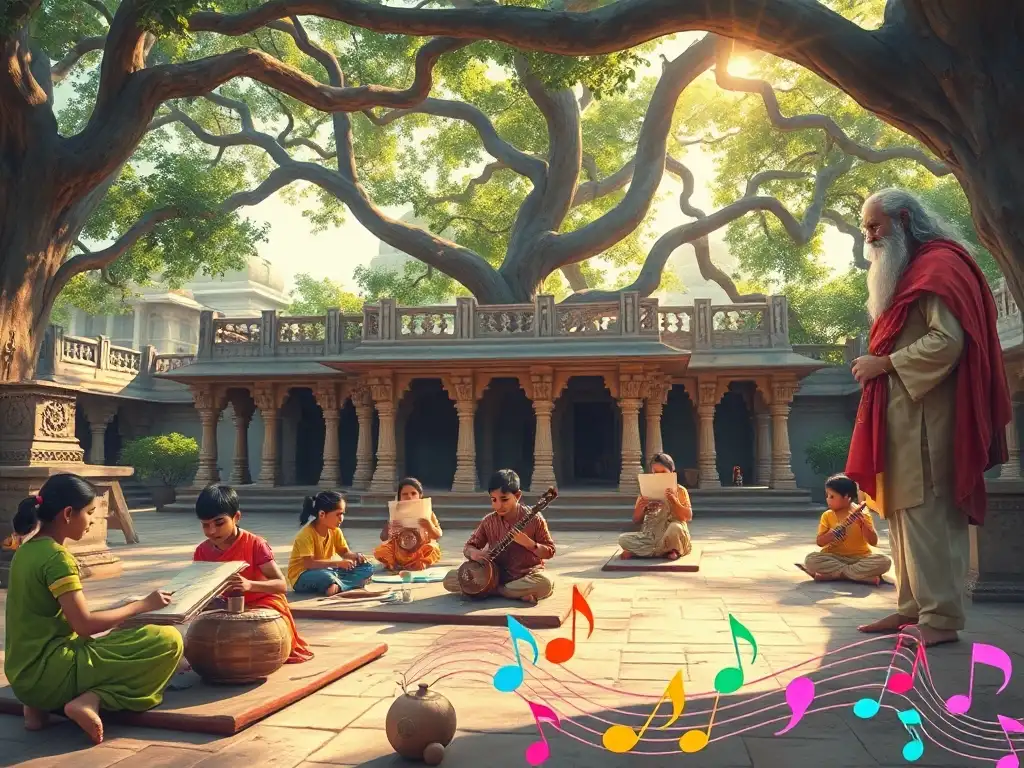
The integration of arts in ancient Indian education systems was not merely an enhancement of the curriculum but a fundamental aspect that shaped holistic learning. This approach fostered various benefits that influenced cognitive, emotional, and social development. Below, we explore some of the significant advantages of arts integration in ancient Indian education.
Enhancing Memory Retention Through Music and Arts
One of the primary benefits of integrating music and arts into education is the enhancement of memory retention. Ancient Indian pedagogical practices often utilized rhythmic patterns, chants, and visual arts to facilitate learning. By employing these techniques, students were able to:
- Utilize auditory and visual stimuli: Engaging with music and visual arts activated multiple senses, which fostered a deeper connection to the material being studied.
- Enhance memorization: The use of mnemonic devices, such as shlokas (verses) set to music, made it easier for students to memorize complex philosophical texts and scriptures.
- Encourage repetition and practice: Regular practice of musical instruments or dance forms reinforced memory through repetition, making learning more enjoyable and effective.
For example, the ancient practice of using Vedic chants not only served a spiritual purpose but also helped students remember and recite extensive texts, an essential skill in their educational journey.
Promoting Cultural Identity and Heritage
Arts integration in ancient Indian education played a crucial role in promoting cultural identity and heritage among students. This was achieved through various means:
- Cultural storytelling: Through drama and dance, stories of historical figures and mythological tales were narrated, instilling a sense of identity and belonging.
- Artistic expressions: Students learned traditional arts, such as Madhubani painting and classical dance forms like Bharatanatyam, fostering pride in their cultural heritage.
- Community engagement: Festivals and communal performances were integral to educational practices, allowing students to participate in cultural events that strengthened community ties.
The incorporation of these artistic elements not only preserved ancient traditions but also empowered students to take pride in their cultural roots, thus promoting a cohesive identity that transcended generations.
The integration of music and arts in education also significantly contributed to the development of emotional and social skills in ancient Indian students. These benefits included:
- Emotional expression: Engaging in creative activities allowed students to express their emotions, which is vital for emotional intelligence. Music and dance served as outlets for creativity and personal expression.
- Collaboration and teamwork: Group activities, such as ensemble performances or collaborative art projects, encouraged students to work together, fostering cooperation and communication skills.
- Conflict resolution: Through role-playing in theatre and storytelling, students learned to navigate interpersonal challenges and develop empathy towards others.
Research indicates that students engaged in arts education display higher levels of emotional resilience and social adaptability, skills that were highly valued in ancient Indian society.
The integration of arts in ancient Indian education was not just about artistic development; it was a transformative approach that enriched the educational experience, cultivated cultural identity, and enhanced emotional and social competencies. By understanding these benefits, we can appreciate the profound impact of arts integration in ancient Indian education systems on the overall development of individuals and society.
Challenges Faced in Arts Integration during Ancient Times
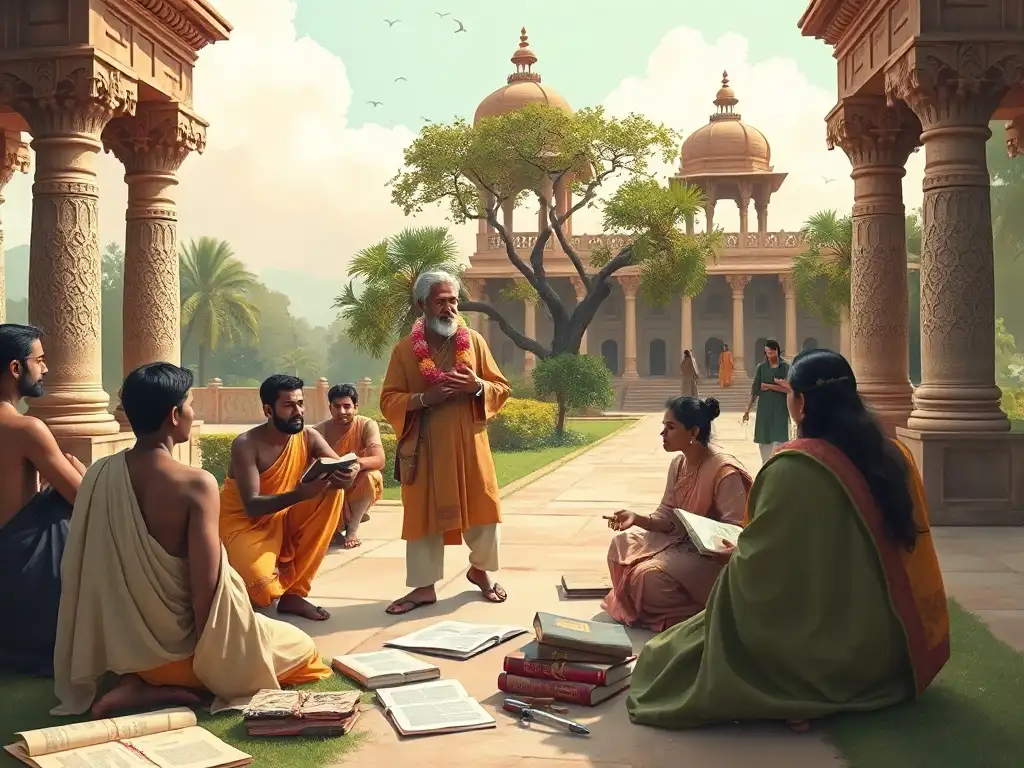
The integration of music and arts within the education systems of ancient India was not without its challenges. Various factors influenced the effectiveness and accessibility of these educational practices, creating significant hurdles for both educators and students alike.
Societal Perceptions of Arts in Education
In ancient Indian society, arts were often perceived through a dual lens of reverence and skepticism. While many recognized the profound spiritual and cultural significance of music and visual arts, others saw them as secondary to more traditional scholarly pursuits like philosophy, mathematics, and law. This perception often led to a hierarchy in educational practices, where the arts were not given equal importance.
- Cultural Hierarchy: Arts were frequently associated with specific castes and communities, leading to a belief that artistic expression was not a universal pursuit. For instance, musicians and dancers often belonged to lower castes, and their contributions were sometimes undervalued. This created a societal barrier that limited the wide acceptance of arts as an integral part of education.
- Religious Influences: The prominence of religious texts and philosophies in education often overshadowed artistic disciplines. While music and arts were essential in rituals and ceremonies, their incorporation into formal education was often minimal. The focus remained on spiritual and philosophical teachings, sidelining the creative disciplines that enrich human experience.
- Gender Roles: In many instances, societal norms dictated that women were discouraged from pursuing education in the arts. This limitation not only restricted women's participation in artistic expression but also diminished the overall diversity of perspectives within the creative curriculum.
Limited Access to Arts Education for Certain Groups
Access to arts education in ancient India was not universally available, creating disparities among different social groups. This limitation affected the overall development of artistic skills throughout society.
- Geographical Constraints: The vast geographical expanse of ancient India meant that access to arts education varied significantly. Urban centers like Varanasi and Ujjain had more established institutions where music and arts were taught, whereas rural areas often lacked such facilities. This disparity resulted in a concentration of artistic skills in certain regions, leaving others at a disadvantage.
- Economic Barriers: The cost of training in music and arts often posed a challenge for lower-income families. Those who could afford to send their children to specialized schools or engage private tutors were few, meaning that significant talent and potential in the arts may have been lost due to financial constraints.
- Caste System Limitations: The rigid caste structure in ancient Indian society further complicated access to arts education. Many individuals from lower castes were systematically excluded from formal education, including arts training. This exclusion not only stifled individual talent but also perpetuated inequality in artistic expression and cultural contributions.
While the integration of music and arts in ancient Indian education systems was rich and varied, it faced significant challenges stemming from societal perceptions and limited access. Understanding these challenges provides a deeper insight into the historical context of arts education and its evolution over time.
Legacy of Ancient Indian Education Arts Integration
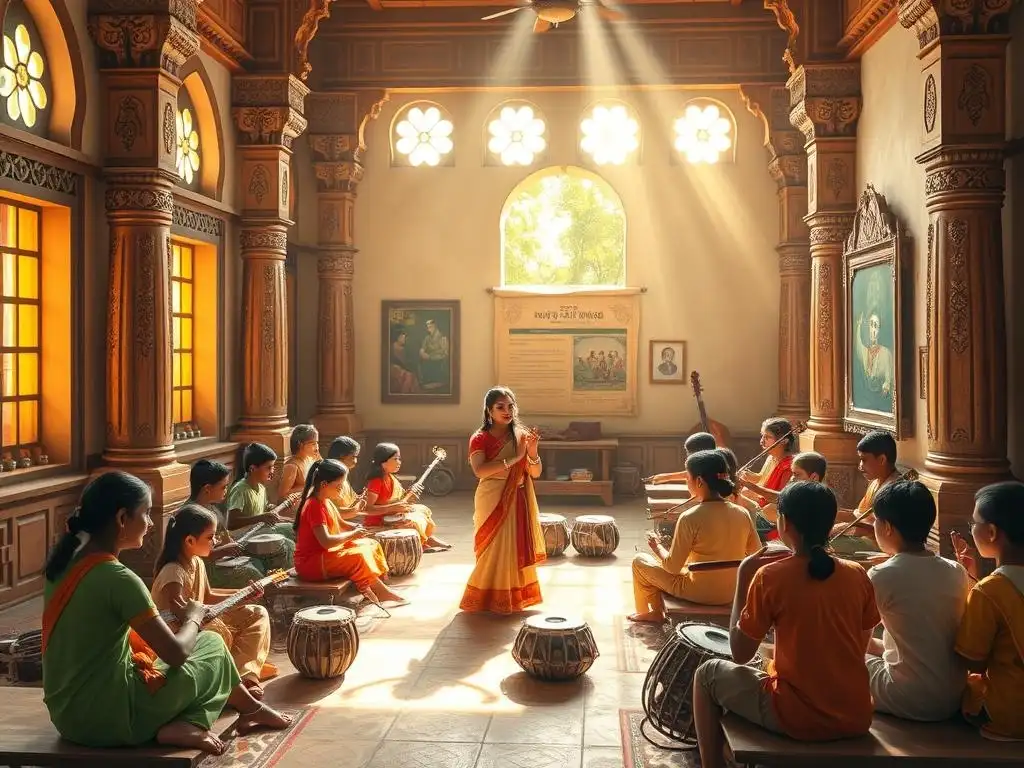
The integration of music and arts within ancient Indian education systems has left a profound legacy that still resonates in contemporary educational practices. Ancient India recognized the importance of a holistic educational approach, emphasizing the balance between intellectual, physical, and artistic development.
Influence on Modern Educational Practices
The pedagogical methods of ancient Indian scholars, such as those from the Gurukula system, have influenced modern educational frameworks in several ways:
- Holistic Learning: Ancient Indian education emphasized the interconnectedness of knowledge. Subjects like philosophy, mathematics, and arts were not taught in isolation but as part of a unified curriculum. This approach has inspired modern educational theories that advocate for interdisciplinary learning.
- Artistic Expression as a Learning Tool: The use of music, dance, and visual arts in ancient education was not merely for cultural enrichment but served as effective pedagogical tools. For instance, the Natyashastra, an ancient treatise on performing arts, illustrates how drama and music were employed to teach moral and ethical values. This principle has been adopted in contemporary classrooms where arts integration fosters creativity and critical thinking.
- Community and Collaboration: The Gurukula system involved close-knit communities where learning was collaborative. The sharing of knowledge through arts and music encouraged social cohesion and peer learning. Modern educational practices are increasingly recognizing the importance of collaborative learning environments, drawing inspiration from these ancient practices.
- Focus on Skills Development: Ancient Indian education systems aimed to develop not only academic knowledge but also practical skills through arts. This has influenced modern curricula that prioritize skill-based learning, preparing students for real-world challenges.
Current Trends in Arts Integration in Indian Education
In recent years, there has been a resurgence of interest in integrating arts into the Indian education system. Current trends reflect a renewed understanding of the role that arts play in cognitive and emotional development:
- Curriculum Reforms: The National Education Policy (NEP) 2020 emphasizes the integration of arts into education, promoting a multidisciplinary approach. Schools are encouraged to include local art forms, music, and dance as part of the curriculum, fostering a sense of cultural identity among students.
- Creative Learning Environments: Modern educational institutions are adopting creative learning spaces that incorporate artistic elements. These environments facilitate experiential learning, allowing students to engage with subjects creatively. For example, schools are organizing workshops that combine science and art, enhancing understanding through visual representation.
- Technology in Arts Education: The use of technology has transformed arts integration in education. Online platforms and digital tools are being used to teach music and arts, making these subjects more accessible. Virtual art galleries and online music classes are examples of how technology is bridging gaps in arts education.
- Community Engagement: Schools are increasingly collaborating with local artists and cultural organizations to enrich their arts programs. This creates opportunities for students to learn directly from practitioners, fostering a deeper appreciation for their cultural heritage.
The legacy of ancient Indian education arts integration continues to influence modern educational practices, promoting holistic and interdisciplinary learning. Current trends in arts integration reflect a commitment to nurturing creativity and cultural awareness in students, ensuring that the rich artistic traditions of ancient India are preserved and celebrated in contemporary education.
Conclusion
Summary of Key Points on Ancient Indian Education Arts Integration
The integration of music and arts within ancient Indian education systems played a pivotal role in shaping the holistic development of students. Here are the key points summarizing this integration:
- Cultural Significance: Music and arts were not merely recreational activities; they were integral to the cultural and spiritual education of individuals. Ancient texts, such as the Vedas and Upanishads, highlight the importance of arts as a means to attain knowledge and self-realization.
- Curriculum Structure: The educational framework in ancient India typically included a diverse curriculum that encompassed various forms of arts. Subjects such as dance, drama, music, and visual arts were taught alongside traditional subjects like mathematics and philosophy, creating a well-rounded educational experience.
- Guru-Shishya Tradition: The guru-shishya (teacher-student) model emphasized personal mentorship, where gurus imparted knowledge of arts through direct interaction. This method fostered not only skill development but also a deep understanding of the underlying philosophies associated with different art forms.
- Practical Application: Arts in education were not limited to theoretical knowledge; students engaged in practical applications through performances and creative expression. This experiential learning approach helped enhance cognitive and emotional skills, promoting creativity and critical thinking.
- Social Cohesion: Music and arts served as a medium for social engagement and cohesion among different communities. Festivals and cultural gatherings often featured performances that reinforced community bonds and collective identity.
Reflection on the Importance of Arts in Contemporary Education Systems
The legacy of arts integration in ancient Indian education provides valuable insights for modern educational practices. As contemporary education systems face challenges such as increased standardization and a focus on STEM subjects, the lessons from ancient India remind us of the holistic benefits of integrating arts into the curriculum.
- Enhanced Creativity: Incorporating arts fosters creativity, encouraging students to think outside the box and approach problems with innovative solutions. This is crucial in a rapidly evolving world where adaptability and creative thinking are essential skills.
- Emotional Intelligence: Arts education nurtures emotional intelligence by allowing students to express themselves and connect with their emotions. This is essential for personal development and social interactions in today's diverse society.
- Cultural Understanding: Integrating arts into education promotes cultural awareness and appreciation among students. Understanding various art forms can enhance empathy and respect for different cultures, which is vital in our globalized world.
- Engaged Learning: Arts integration can make learning more engaging and enjoyable. When students participate in artistic activities, they often show increased motivation and enthusiasm for their studies.
The integration of music and arts in ancient Indian education systems was not just a cultural practice but a fundamental aspect of holistic development. As we reflect on this rich history, it becomes clear that contemporary education can greatly benefit from embracing the arts, fostering well-rounded individuals equipped for the challenges of modern society.
Frequently Asked Questions
What was the role of music in ancient Indian education?
Music played a crucial role in ancient Indian education, serving as a medium for cultural expression and spiritual development. It was integrated into the curriculum to enhance memory and creativity.
How were arts integrated into the education systems of ancient India?
Arts were an integral part of the curriculum, with disciplines like dance, drama, and painting being taught alongside traditional subjects. This integration aimed to cultivate holistic development in students.
Which ancient Indian texts discuss the integration of arts in education?
Key texts such as the Natyashastra and Sanskrit scriptures outline the significance of arts in education, emphasizing the importance of aesthetic learning in personal and spiritual growth.
What impact did the Gupta Empire have on education and the arts?
The Gupta Empire marked a golden age for education and the arts, fostering a thriving environment for scholarship and artistic expression. It led to significant advancements in fields like literature, music, and sculpture.
How can modern education benefit from ancient Indian arts integration?
Modern education can learn from ancient practices by incorporating arts integration to promote critical thinking and creativity. This approach can enrich the learning experience and foster a more engaged student body.
Final Reflection: The Timeless Harmony of Arts in Education
The integration of music and arts in ancient Indian education systems remains profoundly relevant today, as it highlights the essential role of creativity in holistic learning. In an age where standardized testing often overshadows artistic expression, we must recognize that fostering creativity is not merely an option but a necessity for cultivating well-rounded individuals. The wisdom of our ancestors teaches us that education should not be confined to rigid structures but should embrace the vibrant tapestry of human experience.
The influence of arts integration in education is a legacy that continues to shape our cultural and social landscape. From the rhythmic beats of traditional instruments to the intricate patterns of classical dance, these art forms serve as powerful tools for self-expression and community bonding. As we navigate the complexities of modern education, we must remember the words of Rabindranath Tagore: The highest education is that which does not merely give us information but makes our life in harmony with all existence.
This perspective invites us to reflect on how we can incorporate the arts into our educational practices to nurture not just intellect but also emotional and social growth.
As we look to the future, I invite you to embrace the lessons of ancient Indian education systems and consider how you can integrate arts into your own learning or teaching practices. Reflect on the ways creativity can enhance your understanding of the world and inspire those around you. Whether you are a student, educator, or lifelong learner, let the spirit of artistic integration guide you toward a more enriched and harmonious educational journey. Together, we can honor the legacy of our past while shaping a future that celebrates the transformative power of the arts.
Unleash the Power of Arts in Education!
Thank you for diving into the fascinating world of ancient Indian education systems! Your exploration of how music and arts shaped learning in the past opens up new avenues for understanding modern educational practices. Now, it’s your turn to take inspiration from these rich traditions!
Here are some actionable steps you can take:
- Join a local art or music class to experience firsthand how creativity enhances learning and personal growth.
- Share your thoughts on the influence of the arts in education today by engaging in discussions with friends or on social media.
- Explore historical texts and resources that delve deeper into this transformative approach, and consider visiting a museum to see artifacts that connect to this theme!
What do you believe is the most important lesson we can learn from ancient Indian educational practices in today's context? Your insights could help spark a meaningful conversation!