
The Connection Between Ancient Indian Education and Global Knowledge Exchange

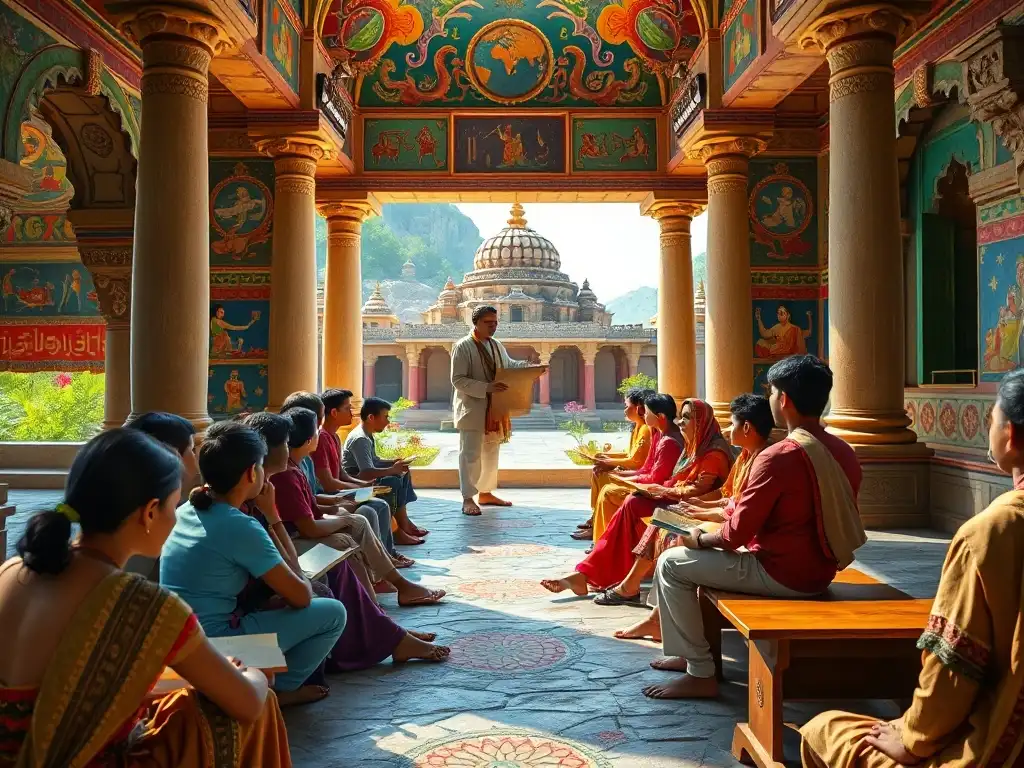
Welcome to Ancient India History, where we embark on a fascinating journey through the rich tapestry of India's past. Here, we delve into the intriguing ancient Indian education systems, uncovering how these early institutions not only shaped local knowledge but also influenced global learning exchanges. What secrets do the halls of ancient universities hold? Join us as we explore the profound impact of these educational frameworks on civilizations, inspiring curiosity and a deeper understanding of our shared heritage. Prepare to be captivated as we connect the dots between history and knowledge, inviting you to discover more!
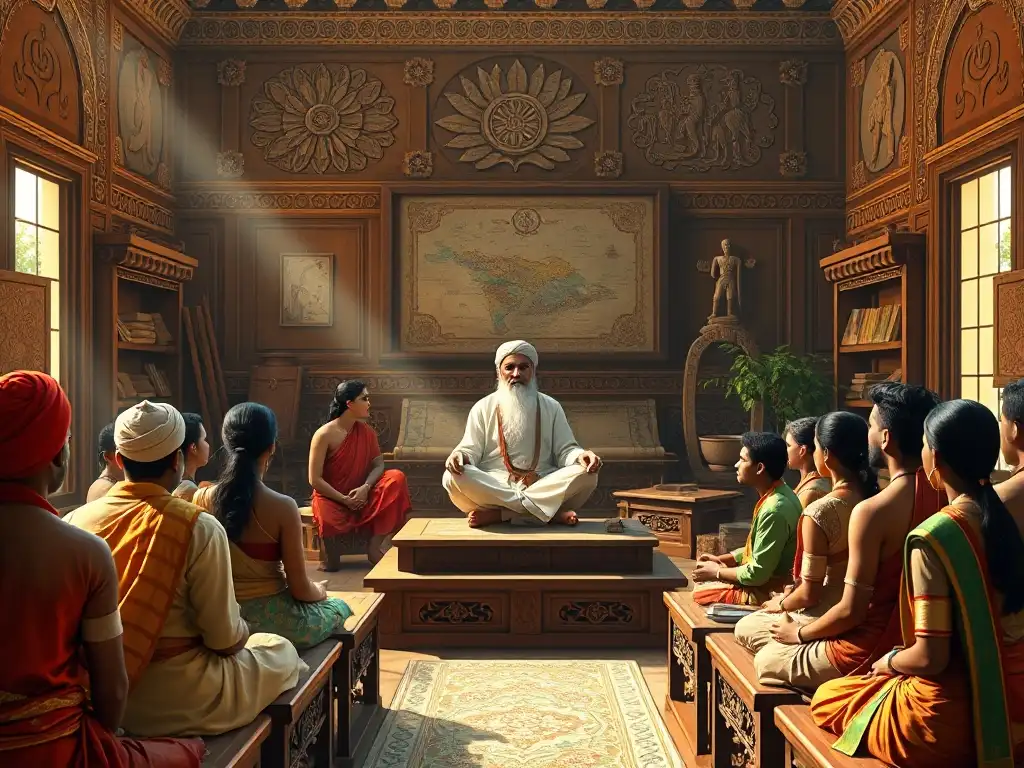
Introduction to Ancient Indian Education Systems
The ancient Indian education systems represent a profound and intricate tapestry of knowledge, learning, and cultural exchange that transcended geographical boundaries. These systems not only shaped the intellectual landscape of India but also contributed significantly to the global repository of knowledge. From the early days of the Indus Valley Civilization to the flourishing universities of the Gupta Empire, ancient Indian education was characterized by a unique blend of spiritual, philosophical, and practical knowledge. This article delves into the multifaceted aspects of ancient Indian education, emphasizing its key features and the pivotal role it played in fostering global knowledge exchange.
Overview of Ancient Indian Education
Ancient Indian education was primarily disseminated through informal and formal institutions, with the Gurukul system being the most prominent. Students, known as shishyas, would live with their teachers, or gurus, in a residential setting, immersing themselves in both academic and ethical training. This system emphasized personalized learning, where the guru tailored the education to the individual needs and abilities of the shishya.
In addition to the Gurukul system, formal educational institutions such as Nalanda and Taxila emerged, attracting scholars from various parts of the world. These universities became essential centers for higher learning, where subjects like astronomy, mathematics, medicine, and philosophy were studied extensively.
Significance of Education in Ancient Indian Civilizations
Education in ancient India was not merely a means to acquire knowledge; it was a tool for personal and societal transformation. The emphasis on Dharma (duty), Artha (prosperity), and Kama (pleasure) shaped the curriculum and the ethical framework of education. This triadic approach ensured that learners were not only well-versed in their chosen fields but also equipped to contribute positively to society.
Moreover, the ancient Indian education systems facilitated intercultural dialogue and knowledge exchange. Scholars from different regions, including China, Persia, and Greece, traveled to India to learn and share their insights, creating a rich tapestry of intellectual collaboration.
Key Features of Ancient Indian Education Systems
Gurukul System: The Foundation of Learning
The Gurukul system served as the cornerstone of ancient Indian education. In these residential schools, students engaged in a holistic learning process, encompassing not just academics but also moral and ethical education. The guru-student relationship was central to this system, fostering deep respect and commitment. The curriculum included:
- Vedic studies: Focus on scriptures and spiritual texts
- Philosophy: Exploration of various schools of thought
- Arts and sciences: Training in music, dance, mathematics, and medicine
This intimate learning environment allowed for personalized instruction, critical thinking, and the development of life skills.
Curriculum and Subjects Taught in Ancient India
The curriculum in ancient Indian education systems was diverse and comprehensive. Subjects varied from the sacred to the practical, ensuring a well-rounded education. Key subjects included:
- Literature: Study of sacred texts such as the Vedas and Upanishads
- Mathematics: Concepts of geometry, algebra, and astronomy
- Medicine: Ayurveda and holistic health practices
- Music and Arts: Training in various forms of artistic expression
This emphasis on a broad curriculum not only nurtured intellectual growth but also encouraged creativity and innovation.
Role of Oral Tradition in Ancient Indian Education
A significant aspect of ancient Indian education was its reliance on oral tradition. Knowledge was primarily transmitted through storytelling, recitation, and debate. This method of learning ensured that information was not only memorized but also understood in context. The oral tradition played a crucial role in preserving cultural heritage and fostering critical thinking skills among students.
The ancient Indian education systems were remarkable in their structure, content, and impact. By exploring these systems, we can better understand the fundamental contributions of ancient India to the global exchange of knowledge and ideas.
Influence of Ancient Indian Education on Global Knowledge Exchange
Ancient Indian education systems played a pivotal role in the dissemination of knowledge across cultures and civilizations. Rooted in a tradition that valued learning, dialogue, and critical inquiry, these systems were not only influential within India but also extended their reach to various parts of the world. This influence manifested in multiple ways, particularly through trade, scholarship, and the translation of texts. The ancient universities of Nalanda and Takshashila are prime examples of institutions that attracted scholars from diverse backgrounds, facilitating a rich exchange of ideas that contributed to global knowledge.
The Spread of Knowledge through Trade Routes
The extensive trade networks established by ancient Indian merchants significantly contributed to the spread of knowledge. Key trade routes, such as the Silk Road and maritime routes, served as conduits for not just goods but also ideas and educational practices. Indian scholars traveled along these routes, sharing their knowledge in fields such as medicine, mathematics, and astronomy. For instance, during the 1st century CE, traders and travelers carried Indian mathematical concepts, like the zero, to Central Asia and beyond, influencing local education systems.
These interactions were not one-sided; foreign scholars visiting India often absorbed and brought back Indian knowledge to their homelands. The flourishing trade cities became melting pots of cultural and intellectual exchange, where ancient Indian education systems left a lasting imprint on various civilizations.
Contributions to Mathematics and Astronomy
Ancient Indian education systems made groundbreaking contributions to mathematics and astronomy that resonate to this day. The concept of zero, developed by Indian mathematicians, revolutionized number systems and arithmetic, forming the foundation for modern mathematics. Indian scholars like Aryabhata and Brahmagupta made significant advancements in algebra and trigonometry, which were later adopted by scholars in the Islamic Golden Age and further disseminated to Europe.
In astronomy, ancient Indian texts accurately described celestial phenomena and introduced concepts such as the heliocentric model and the calculation of eclipses. These contributions were not isolated; they sparked interest and study among scholars in other cultures, leading to a broader integration of Indian scientific knowledge into global educational systems.
Ancient Indian Texts and Their Impact on Global Scholars
The vast body of ancient Indian literature, including texts like the Vedas, Upanishads, and works by mathematicians and astronomers, significantly influenced global scholarship. These texts were written in a systematic and philosophical manner, promoting critical thinking and inquiry. Translations of these works into languages such as Arabic and Latin facilitated their study in other civilizations.
Notable scholars, including Al-Khwarizmi and Ibn Sina, drew upon ancient Indian texts, incorporating Indian mathematical methods and scientific concepts into their own works. This intertextual relationship among scholars across cultures highlights the importance of ancient Indian education systems in shaping a global intellectual heritage.
Comparative Analysis of Ancient Indian Education and Other Civilizations
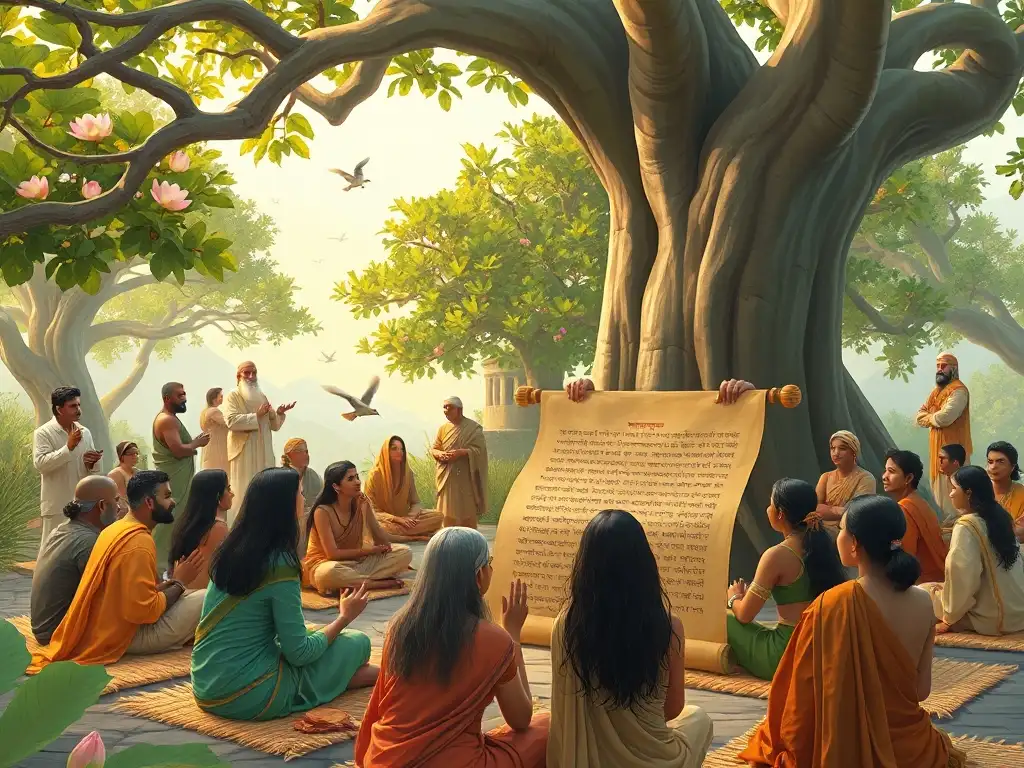
Ancient Indian education systems can be effectively analyzed in comparison to other contemporary civilizations, revealing both similarities and differences in educational practices and philosophies.
Similarities with Ancient Greek Education Systems
The educational practices of ancient India and Greece share several common elements. Both civilizations emphasized the importance of a well-rounded education that included philosophy, mathematics, and the arts. The Socratic method used in Greek education parallels the dialogue-based learning approach prevalent in ancient Indian Gurukuls, where students engaged in discussions and debates with their teachers.
Additionally, both systems placed a strong emphasis on moral and ethical education, aiming to cultivate virtuous citizens. The philosophical inquiries of Indian thinkers like Chanakya resonate with the works of Greek philosophers such as Plato and Aristotle, indicating a shared pursuit of knowledge and wisdom.
Differences with Chinese Educational Practices
While there are similarities, notable differences exist between ancient Indian and Chinese educational practices. In ancient China, education was largely state-controlled and focused on Confucian ideals, emphasizing rote memorization and respect for authority. In contrast, ancient Indian education systems were more decentralized, with a focus on individual inquiry and a diverse curriculum that included various disciplines.
Moreover, the role of the teacher in India was more akin to a mentor or guide, encouraging students to question and explore, whereas in China, the teacher was often viewed as an authoritative figure whose teachings were to be accepted without question. This fundamental difference in pedagogical approach significantly shaped the educational landscapes of both civilizations.
Interactions with Islamic Educational Traditions
The interactions between ancient Indian education and Islamic educational traditions were marked by mutual influence and exchange. Following the establishment of the Delhi Sultanate and later the Mughal Empire, Indian scholars engaged with Islamic scholars, leading to a blending of educational practices.
Islamic scholars respected and translated numerous Indian texts, particularly in mathematics and astronomy, which enriched their own educational curricula. The establishment of madrasas in India incorporated elements of ancient Indian education, notably in the fields of science and philosophy, showcasing a collaborative learning environment that transcended cultural boundaries.
Overall, the interplay between ancient Indian education systems and global knowledge exchange underscores the importance of these traditions in shaping intellectual discourse across civilizations.
Legacy of Ancient Indian Education in Modern Educational Practices
The legacy of ancient Indian education systems is profound and continues to influence modern educational practices across the globe. The institutions established during ancient times, such as the Gurukuls and Nalanda University, were not merely centers of learning; they embodied a holistic approach to education that included philosophy, science, mathematics, arts, and physical education. This comprehensive curriculum fostered critical thinking and creativity, elements that are increasingly recognized as vital in today's educational frameworks.
Modern educational practices often draw upon the principles of interactive and student-centered learning that were prevalent in ancient India. The Guru-Shishya tradition emphasized personalized guidance, mentorship, and the importance of the teacher-student relationship, showcasing a model that contemporary educators strive to replicate. This legacy underscores the necessity of adapting educational practices to meet the diverse needs of learners, establishing a framework that prioritizes knowledge exchange, dialogue, and collaboration.
Integration of Ancient Wisdom in Contemporary Curriculums
In recent years, there has been a concerted effort to integrate ancient wisdom into contemporary curriculums. Educational institutions are increasingly recognizing the value of incorporating traditional knowledge systems, particularly those rooted in ethics, sustainability, and community engagement. Ancient Indian texts, such as the Vedas and Upanishads, offer rich insights into subjects like mathematics, astronomy, and medicine, all of which can be relevant in today's context.
For instance, the concept of Dharma (righteousness) and Karma (action) provides a moral framework that can guide ethical decision-making in various fields, including business and environmental studies. Furthermore, the ancient Indian emphasis on experiential learning, where knowledge is derived from personal experience and real-world application, is increasingly being adopted in modern education to foster deeper understanding and retention of knowledge among students.
Influence on Modern Indian Education Systems
Modern Indian education systems have been significantly shaped by the principles and practices of ancient educational frameworks. The resurgence of holistic education, which emphasizes not only academic excellence but also emotional and social development, resonates with the ancient Indian approach to nurturing well-rounded individuals. The National Education Policy (NEP) of India 2020, for example, reflects many of these ancient values by promoting multilingualism, vocational training, and an emphasis on arts and culture.
Additionally, the concept of lifelong learning, deeply rooted in ancient Indian philosophy, is gaining traction in the contemporary educational landscape. This approach encourages individuals to pursue knowledge throughout their lives, aligning with the ancient understanding that education is a continuous, evolving process. The inclusion of traditional arts, crafts, and local knowledge in school curriculums also exemplifies this influence, ensuring that cultural heritage is preserved and celebrated in modern education.
Lessons for Global Educational Practices from Ancient India
Ancient Indian education systems offer valuable lessons for global educational practices today. One significant lesson is the importance of community involvement in education. In ancient India, education was often a communal affair, with local communities actively participating in the learning process. This model fosters a sense of belonging and accountability, which is essential for effective education.
Moreover, the interdisciplinary approach of ancient Indian education, which integrated various fields of knowledge, can inspire contemporary educational systems worldwide. By breaking down silos between disciplines, educators can create a more cohesive and comprehensive learning experience that mirrors the interconnectedness of knowledge in real life. Finally, the focus on ethical and moral education in ancient Indian systems serves as a reminder of the need to cultivate values and character alongside academic achievement in modern educational contexts.
Conclusion: The Enduring Influence of Ancient Indian Education on Global Knowledge
The enduring influence of ancient Indian education on global knowledge exchange is evident in various contemporary educational models. The principles established during ancient times continue to resonate, providing a foundation for innovative educational practices that prioritize holistic development and critical inquiry.
Reflection on the Importance of Historical Educational Systems
Reflecting on the historical educational systems reveals that they were not merely about rote learning but emphasized understanding, ethics, and the development of the individual as a whole. This perspective is increasingly relevant today as educators seek to reform outdated practices that do not serve the needs of modern learners. By studying ancient Indian education, there is an opportunity to rediscover methodologies that foster creativity, collaboration, and critical thinking, essential skills in an interconnected world.
Future of Global Knowledge Exchange Inspired by Ancient Practices
The future of global knowledge exchange is likely to be enriched by the lessons from ancient Indian educational practices. As the world becomes more interconnected, the integration of diverse educational philosophies can lead to more inclusive and effective learning environments. The principles of mentorship, community involvement, and interdisciplinary education can guide the development of educational systems that are responsive to the needs of all learners. By adopting and adapting these ancient practices, we can create a more equitable and sustainable future for education worldwide.
- Introduction to Ancient Indian Education Systems
- Key Features of Ancient Indian Education Systems
- Influence of Ancient Indian Education on Global Knowledge Exchange
- Comparative Analysis of Ancient Indian Education and Other Civilizations
- Legacy of Ancient Indian Education in Modern Educational Practices
- Conclusion: The Enduring Influence of Ancient Indian Education on Global Knowledge
Frequently Asked Questions
What were the key features of Ancient Indian education systems?
Ancient Indian education systems were characterized by gurukul settings, where students learned directly from gurus. The curriculum included subjects like philosophy, mathematics, and astronomy, emphasizing both spiritual and practical knowledge.
How did Ancient Indian education influence other cultures?
The rich educational traditions of ancient India significantly influenced neighboring cultures. The exchange of knowledge through trade and travel helped spread concepts like numerals and medicinal practices across continents.
What role did religion play in ancient education?
Religion played a crucial role in shaping the curriculum and values imparted in ancient Indian education. Scriptures like the Vedas and Upanishads were integral to learning, promoting both spiritual growth and knowledge acquisition.
How did the Gupta Empire contribute to education?
During the Gupta Empire, education flourished with the establishment of universities, such as Nalanda, which became centers for scholarship. They attracted students from various regions, fostering a global exchange of ideas and knowledge.
What are the modern implications of ancient Indian education systems?
The principles of ancient Indian education systems continue to influence modern education, emphasizing holistic development, critical thinking, and the importance of a guru-student relationship, showcasing the enduring legacy of this ancient tradition.
Final Reflection: Bridging Ancient Wisdom and Modern Knowledge
The exploration of ancient Indian education systems reveals a profound connection to today's global knowledge exchange. In an era where information is at our fingertips, the foundational principles of these ancient systems remind us of the importance of holistic learning and the pursuit of wisdom over mere accumulation of facts. The relevance of these educational philosophies is undeniable as we navigate a world increasingly defined by collaboration and shared understanding.
The impact of ancient Indian education on contemporary thought is both significant and enduring. From the emphasis on critical thinking and inquiry to the integration of arts and sciences, these systems have shaped not only Indian culture but also contributed to global intellectual traditions. As we reflect on this legacy, we can appreciate the words of Mahatma Gandhi, who said, Live as if you were to die tomorrow. Learn as if you were to live forever.
This quote encapsulates the essence of lifelong learning that is at the heart of ancient Indian educational practices, encouraging us to embrace knowledge as a continuous journey.
As we look to the future, I invite you to consider how the lessons from ancient Indian education can inspire your own learning journey. Reflect on the ways you can incorporate holistic approaches to education and knowledge sharing in your life. Whether through fostering curiosity, engaging in meaningful dialogue, or seeking wisdom from diverse sources, let us honor the rich heritage of ancient Indian education systems by actively participating in the global exchange of ideas and knowledge. Together, we can create a more enlightened and interconnected world.
Unveil the Wisdom of Ancient India!
Thank you for diving into the fascinating world of ancient Indian education and its profound influence on global knowledge exchange. You've explored the roots of wisdom that continue to inspire cultures around the world. Now, let's harness this knowledge and take action to deepen our understanding!
Here are some engaging ways you can connect with this incredible legacy:
- Engage with your community: Organize a local discussion group or book club focused on ancient Indian philosophies and their relevance in today's society.
- Share your insights: Post about your favorite educational principles from ancient India on social media, inviting others to join the conversation.
- Explore further: Discover online courses or webinars that delve deeper into ancient education systems and their impact on contemporary thought.
As you reflect on these steps, consider this: How can the teachings of ancient Indian education inspire our approach to learning and knowledge sharing in our communities today?