
The Legacy of Ancient Indian Educational Reformers and Their Ideas

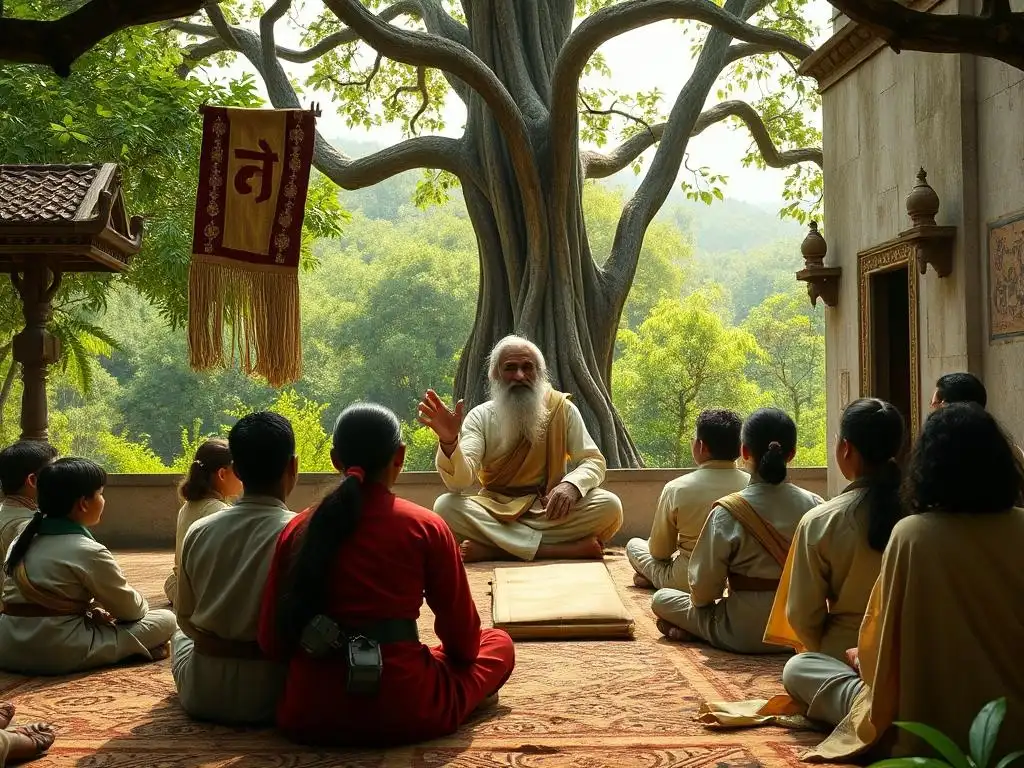
Welcome to Ancient India History, where we embark on a captivating journey through time to uncover the rich tapestry of India's past. In this exploration, we shine a spotlight on the ancient Indian education reformers, whose groundbreaking ideas laid the foundation for learning and knowledge that resonates even today. What drove these visionaries to redefine education in their era, and how did their legacies shape the civilizations that followed?
Join us as we delve deeper into the legacy of these remarkable figures and discover the profound impact they had on the educational systems of ancient India. Your adventure into history begins here!
- Introduction to Ancient Indian Education Reformers
- Key Ancient Indian Education Reformers
- Core Ideas and Philosophies of Ancient Indian Educational Reformers
- Comparison of Educational Philosophies Among Reformers
- The Impact of Ancient Indian Educational Reformers on Modern Education
- Conclusion: The Lasting Legacy of Ancient Indian Education Reformers
- References for Further Reading on Ancient Indian Education Reformers
-
Frequently Asked Questions
- What were the main contributions of ancient Indian educational reformers?
- Who were some key figures in ancient Indian education reform?
- How did ancient Indian education differ from modern education systems?
- What impact did the Gurukula system have on education?
- How did ancient Indian educational practices influence later civilizations?
- Final Reflection: The Enduring Influence of Ancient Indian Education Reformers
- Ignite Your Curiosity: Explore the Wisdom of Ancient Indian Educational Reformers!
Introduction to Ancient Indian Education Reformers
The history of education in ancient India is a testament to the profound intellectual legacy and cultural richness that thrived in this ancient civilization. From the structured teachings of the Indus Valley to the philosophical discourses of the Gupta Empire, ancient Indian education was not just a means of acquiring knowledge but a holistic approach that integrated various dimensions of life, including morality, ethics, and spirituality.
The contributions of ancient Indian education reformers were pivotal in shaping the educational landscape, influencing pedagogical practices, curriculum design, and the overall philosophy of education. This article delves into the lives and ideas of these remarkable figures, illuminating their impact on educational practices and the enduring significance of their reforms in the context of ancient Indian history.
Overview of Ancient Indian Education Systems
Ancient Indian education systems were diverse and evolved significantly over the centuries, reflecting the socio-cultural dynamics of the times. Key features of these systems included:
- Gurukul System:
- Education was primarily imparted in Gurukuls, where students lived and learned under the guidance of a guru (teacher).
- Subjects taught included philosophy, mathematics, astronomy, medicine, and arts.
- Vedic Education:
- Based on the rich texts of the Vedas, this system emphasized oral traditions and memorization.
- Knowledge was considered sacred, with a strong focus on spiritual and moral development.
- Universities:
- Institutions like Nalanda and Takshashila emerged as centers of higher learning, attracting scholars from various regions.
- These universities offered a wide range of subjects, including logic, grammar, and medicine.
The curriculum was holistic, aiming to develop not just intellectual capabilities but also character and ethical values.
Importance of Educational Reformers in Ancient India
The role of educational reformers in ancient India cannot be overstated. These reformers were instrumental in:
- Promoting Inclusivity:
- Reformers like Mahavira and Buddha advocated for access to education for all sections of society, challenging the rigid caste system.
- Innovating Teaching Methods:
- Figures such as Panini and Aryabhata introduced new methodologies and subjects, enhancing the depth and breadth of education.
- Fostering Critical Thinking:
- Philosophers like Adi Shankaracharya emphasized the importance of questioning and reasoning, laying the groundwork for critical thinking in education.
The ideas and practices introduced by these reformers not only transformed educational paradigms of their time but also left a lasting legacy that influenced future generations. Their contributions continue to resonate in contemporary discussions about educational equity and reform.
Key Ancient Indian Education Reformers
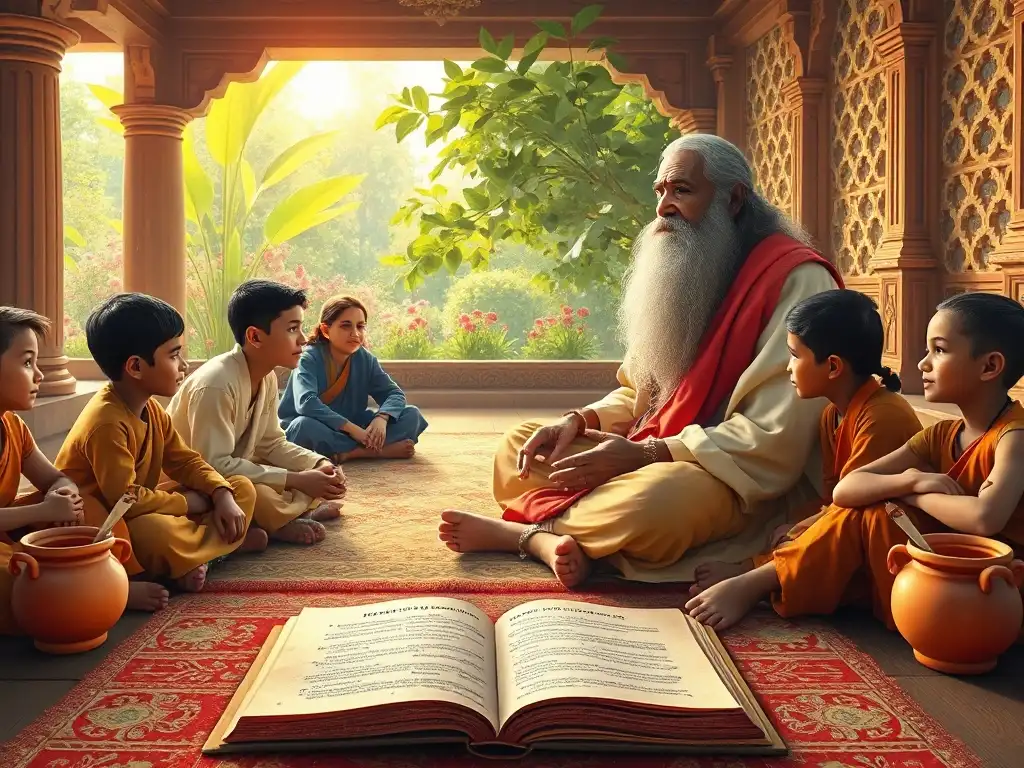
The realm of ancient Indian education was significantly shaped by various reformers whose ideas and practices laid the groundwork for future educational systems. These individuals not only contributed to the intellectual growth of their time but also emphasized moral and ethical education, making their legacies relevant even today. Among the most notable reformers are Gautama Buddha, Mahavira, and Chanakya, each of whom brought unique perspectives and innovations to educational practices.
The Role of Gautama Buddha in Educational Reforms
Gautama Buddha, the founder of Buddhism, played a pivotal role in transforming the educational landscape of ancient India. His teachings emphasized the importance of knowledge, critical thinking, and moral values, which were essential components of education.
- Emphasis on Inquiry-Based Learning: Buddha encouraged a dialogue-based approach to learning, promoting inquiry over rote memorization. This method fostered critical thinking and personal understanding, allowing students to explore their own beliefs and ideas.
- Accessibility of Education: Buddha's teachings were inclusive, reaching out to all sections of society, including those who were traditionally marginalized. He advocated for education as a means to enlightenment, which was a departure from the rigid caste-based educational systems prevalent in his time.
- Moral and Ethical Education: Central to Buddha's philosophy was the cultivation of virtues such as compassion, non-violence, and wisdom. His integration of ethical teachings into education aimed at developing not just knowledgeable individuals but also responsible and humane citizens.
Contributions of Mahavira to Educational Practices
Mahavira, the 24th Tirthankara of Jainism, also made significant contributions to educational practices in ancient India. His approach combined spiritual education with practical knowledge, reflecting the holistic view of learning.
- Promotion of Non-Violence and Truth: Mahavira's teachings emphasized ahimsa (non-violence) and satya (truth), which became foundational principles in educational curricula. These values encouraged students to pursue knowledge while being mindful of their actions and their impact on others.
- Focus on Logical Reasoning: Mahavira advocated for the use of logic and reasoning in education. This focus on analytical thinking laid the groundwork for the development of critical faculties among students, which was essential for both personal and societal advancement.
- Integration of Practical Knowledge: Mahavira's teachings encompassed various subjects, including philosophy, ethics, and sciences. His holistic approach ensured that education was not merely theoretical but also applicable to everyday life, thus enhancing its relevance and utility.
Impact of Chanakya on Curriculum Development
Chanakya, also known as Kautilya, was a renowned scholar and strategist whose contributions to education in ancient India were profound. His work, particularly the Arthashastra, reflects a sophisticated understanding of governance, economics, and education.
- Curriculum Design: Chanakya emphasized a well-rounded education that included subjects such as politics, economics, warfare, and diplomacy. His curriculum aimed to prepare individuals for leadership roles in society, integrating practical skills with theoretical knowledge.
- Importance of Ethics in Leadership: Chanakya's teachings underscored the necessity of ethical conduct in governance and leadership. He believed that education should not only equip individuals with skills but also instill a sense of responsibility and integrity.
- Focus on Strategic Thinking: Chanakya's approach to education stressed the importance of strategy and critical analysis. His insights into human behavior and statecraft helped shape a curriculum that prepared students to navigate complex social and political landscapes effectively.
The contributions of Gautama Buddha, Mahavira, and Chanakya to ancient Indian education reformers significantly influenced educational practices, emphasizing a blend of moral values, critical thinking, and practical knowledge. Their legacies continue to inspire modern educational philosophies, highlighting the importance of holistic and inclusive education.
Influence of Shankaracharya on Philosophical Education
Adi Shankaracharya, a prominent philosopher and theologian of the early 8th century CE, is widely recognized for his profound influence on the philosophical education of ancient India. As the proponent of Advaita Vedanta, Shankaracharya's teachings emphasized non-dualism and the unity of the individual soul (Atman) with the ultimate reality (Brahman). His ideas not only shaped spiritual thought but also redefined educational practices, especially in the realm of philosophy.
One of Shankaracharya's most significant contributions to education was the establishment of monastic institutions known as mathas. These centers of learning provided a structured environment for philosophical discourse, study, and spiritual practice. Students, known as shishyas, would engage in rigorous debates and discussions under the guidance of their gurus. This method of learning fostered critical thinking and analytical skills, encouraging students to explore complex philosophical concepts.
Shankaracharya's approach to education also emphasized the importance of a holistic curriculum that integrated various disciplines. He believed that one could not fully understand philosophical truths without a grounding in logic, grammar, and the sacred texts of Hinduism. His commentaries on the Upanishads and the Bhagavad Gita served as essential texts for students, promoting a comprehensive understanding of philosophy that combined theoretical knowledge with practical application.
Moreover, Shankaracharya's influence extended beyond the immediate sphere of his followers. His teachings inspired a broader cultural renaissance in ancient India, where philosophical inquiry became a central focus of educational systems. The emphasis on questioning and intellectual engagement that he advocated laid the groundwork for future educational reformers, who continued to build upon his legacy.
Shankaracharya's impact on philosophical education in ancient India was profound and enduring. Through the establishment of mathas, a holistic approach to learning, and the promotion of critical inquiry, he shaped the educational landscape of his time, leaving a legacy that would influence generations of scholars and thinkers. His commitment to philosophical inquiry not only enriched the educational practices of his era but also set a precedent for the integration of philosophy into a broader educational framework.
Core Ideas and Philosophies of Ancient Indian Educational Reformers
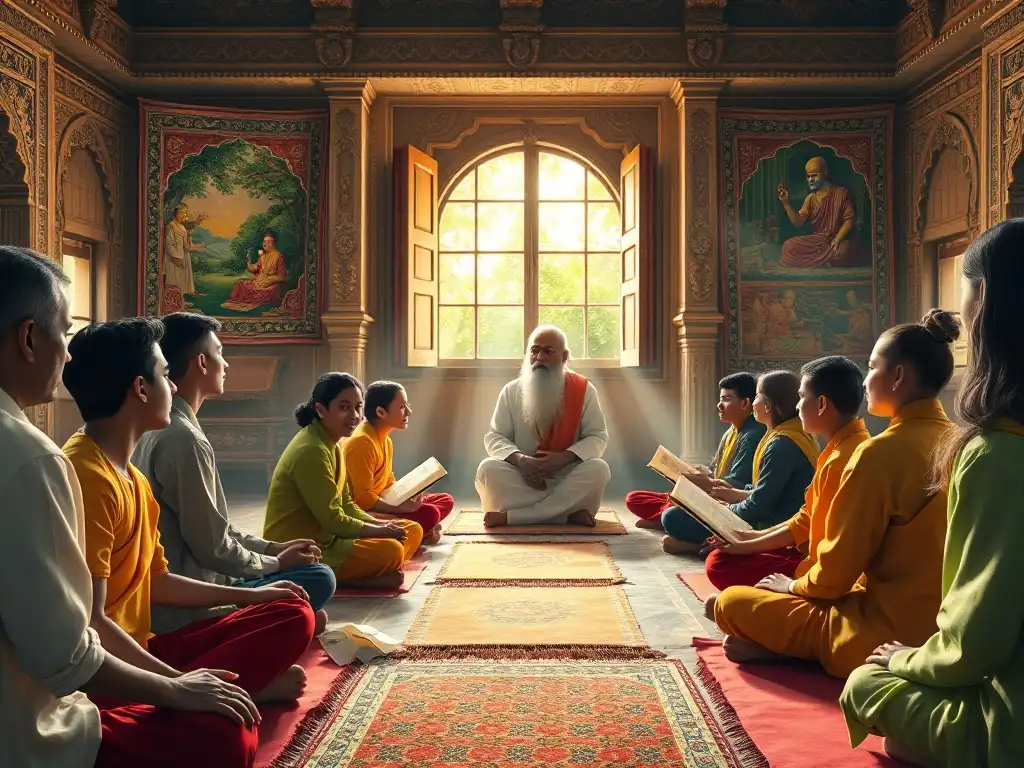
The legacy of ancient Indian education reformers is profoundly rooted in their core ideas and philosophies, which prioritized a comprehensive approach to education. These reformers, including figures like Manu, Chanakya, and others, contributed significantly to shaping the educational landscape of ancient India. Their thoughts were not only innovative but also transformative, influencing various aspects of learning and teaching.
Central to their philosophies was the understanding that education should serve as a means for personal and societal development. This perspective fostered a culture of learning that was deeply intertwined with the social, spiritual, and practical dimensions of life.
Emphasis on Holistic Education
Ancient Indian educational reformers championed a holistic approach to education, emphasizing the development of the mind, body, and spirit. This comprehensive framework aimed to cultivate well-rounded individuals who could contribute positively to society.
- Curriculum Diversity: The curriculum was not confined to rote learning or mere academic pursuits; it encompassed a wide range of subjects, including arts, sciences, philosophy, and physical education. This broad spectrum ensured that students gained multifaceted knowledge.
- Integration of Arts and Sciences: The blending of arts and sciences was particularly notable. For example, students were taught music, dance, and drama alongside mathematics and astronomy, fostering creativity and analytical skills.
- Role of Gurus: The guru-shishya (teacher-student) relationship was pivotal in this educational philosophy. Gurus played a significant role in the holistic development of their students, imparting knowledge through experiential learning, discussions, and mentorship.
The Importance of Moral and Ethical Training
Moral and ethical training was a cornerstone of ancient Indian education, reflecting the belief that education should not only impart knowledge but also instill values and virtues.
- Character Building: Education was seen as a means to cultivate virtues such as honesty, integrity, compassion, and respect for others. This character-building aspect was crucial for creating responsible citizens.
- Scriptural Teachings: Many reformers integrated teachings from ancient texts, such as the Vedas and Upanishads, into the educational curriculum. These texts provided moral guidance and encouraged students to reflect on ethical dilemmas.
- Practical Applications: Beyond theoretical teachings, students engaged in discussions about real-life ethical situations, allowing them to apply moral concepts in practical contexts. This approach nurtured critical thinking and ethical reasoning.
Integration of Practical Skills and Knowledge
Ancient Indian educational reformers recognized the value of practical skills and knowledge, advocating for an education system that prepared students for real-world challenges.
- Vocational Training: Educational institutions often included vocational training, enabling students to acquire skills in various crafts, agriculture, and trades. This focus on practical skills ensured that graduates could contribute economically to their communities.
- Experiential Learning: Learning was not limited to the classroom; students frequently engaged in fieldwork, internships, and apprenticeships. This hands-on experience helped bridge the gap between theoretical knowledge and practical application.
- Problem-Solving Skills: The emphasis on practical knowledge fostered problem-solving abilities. Students were encouraged to think critically and develop solutions to everyday challenges, preparing them for leadership roles in society.
The core ideas and philosophies of ancient Indian educational reformers reflect a rich and progressive understanding of education. By emphasizing holistic education, moral training, and practical skills, they laid the foundation for a system that nurtured not just scholars, but well-rounded individuals capable of contributing meaningfully to society.
The Role of Gurukuls in Educational Reform
Gurukuls played a pivotal role in the educational landscape of ancient India, serving as the primary centers for learning and knowledge transmission. These traditional institutions were characterized by their unique approach to education, which emphasized holistic development, moral values, and practical skills alongside academic learning. The term "Gurukul" itself denotes a system where the teacher (Guru) and students (Shishyas) lived together in a conducive environment for learning.
Structure and Functionality
Gurukuls were typically situated in serene natural settings, away from the distractions of urban life. This environment fostered concentration and reflection, essential for the educational process. The curriculum in Gurukuls was comprehensive, covering subjects such as philosophy, mathematics, astronomy, arts, and languages. Students engaged in a variety of activities, including discussions, debates, and practical experiments, which facilitated a deeper understanding of the subjects.
In addition to academic instruction, Gurukuls prioritized the development of character and ethics. The Gurus imparted teachings on moral conduct, civic responsibility, and spirituality, which were deemed crucial for shaping well-rounded individuals. This approach ensured that education was not merely about acquiring knowledge but also about cultivating virtues that would prepare students for their roles in society.
Inclusivity and Accessibility
One of the remarkable aspects of Gurukuls was their relative inclusivity. While the caste system influenced many facets of ancient Indian society, Gurukuls often admitted students from diverse backgrounds, including those from lower castes, provided they demonstrated the aptitude and desire to learn. This inclusivity was a significant reformative element, as it allowed for a broader dissemination of knowledge and contributed to the democratization of education.
Impact on Future Educational Systems
The legacy of Gurukuls has had a lasting impact on the educational systems that followed in India. The emphasis on mentor-student relationships, experiential learning, and moral education can still be seen in various modern educational practices. Furthermore, the Gurukul model inspired later educational reformers to advocate for a holistic approach to education, integrating both intellectual and ethical dimensions.
Gurukuls were not just centers of academic learning; they were institutions that shaped the very fabric of ancient Indian society by promoting inclusivity, ethical conduct, and holistic development. The principles developed in these early education systems laid the groundwork for future reforms and continue to influence educational philosophies today.
Comparison of Educational Philosophies Among Reformers

The educational philosophies of ancient Indian reformers were profound and varied, reflecting the diverse cultural and spiritual landscape of the time. By comparing their teachings and methodologies, we can appreciate how they collectively shaped the educational framework in ancient India. This comparison specifically highlights the similarities and differences among prominent figures like Gautama Buddha, Mahavira, Chanakya, and Shankaracharya, revealing a rich legacy of thought that still influences contemporary education.
Similarities in Teachings of Gautama Buddha and Mahavira
Both Gautama Buddha and Mahavira, the pivotal figures of Buddhism and Jainism respectively, shared several fundamental teachings regarding education and moral development:
- Empowerment through Knowledge: Both emphasized the importance of knowledge as a means to attain liberation. Buddha advocated for the Noble Eightfold Path, which included right understanding and right intention, promoting self-awareness and critical thinking.
- Ethical Living: Mahavira's teachings centered on Ahimsa (non-violence) and truthfulness, which were also echoed in Buddha's principles. Education for both reformers was not merely about acquiring facts but also about cultivating a moral character.
- Inclusivity: They were both known for their inclusive approach to education, encouraging followers from various social backgrounds, thus challenging the rigid caste system prevalent in their time.
Both reformers aimed at personal transformation through education, fostering a sense of responsibility towards oneself and society.
Differences in Educational Approaches of Chanakya and Shankaracharya
While Chanakya and Shankaracharya both contributed significantly to ancient Indian thought, their educational strategies diverged markedly:
- Pragmatism vs. Spiritualism:
- Chanakya, also known as Kautilya, focused on practical education aimed at governance, economics, and military strategy. His seminal work, the Arthashastra, serves as an early blueprint for statecraft, emphasizing the application of knowledge in real-world scenarios.
- In contrast, Shankaracharya emphasized spiritual education through the study of Advaita Vedanta, advocating for the realization of the oneness of the Atman (soul) and Brahman (universal consciousness). His approach was more philosophical and metaphysical, prioritizing spiritual enlightenment over worldly knowledge.
- Methodology:
- Chanakya’s methods included rigorous training in logic, debate, and practical skills, aimed at preparing students for leadership roles in society.
- Shankaracharya utilized dialectic methods and philosophical discourse, guiding his students towards introspection and self-realization.
These differing approaches illustrate the breadth of educational thought in ancient India, showcasing how education could be tailored to meet various societal needs.
Legacy of Diverse Educational Philosophies in Ancient India
The educational philosophies of these ancient Indian reformers left an indelible mark on the educational landscape. Key aspects of their legacy include:
- Curriculum Development: The ideas from these reformers laid the foundation for a diverse curriculum that integrated ethics, philosophy, and practical knowledge. This holistic approach is still relevant in modern educational discussions.
- Institutional Frameworks: The establishment of universities and learning centers during ancient times, such as Nalanda and Takshashila, reflected the principles advocated by these reformers. They became melting pots of ideas, attracting students from across the globe.
- Moral and Ethical Education: The emphasis on moral and ethical education by figures like Buddha and Mahavira continues to resonate today, highlighting the importance of character formation alongside academic achievement.
- Interdisciplinary Approach: The varied teachings of Chanakya and Shankaracharya fostered an interdisciplinary approach to education, encouraging students to explore connections between different fields of study, an idea that holds significance in contemporary educational practices.
The educational reformers of ancient India were not just educators but visionaries who understood the transformative power of knowledge. Their diverse philosophies have shaped educational practices for centuries, creating a legacy that continues to inspire and inform educational systems today.
The Impact of Ancient Indian Educational Reformers on Modern Education
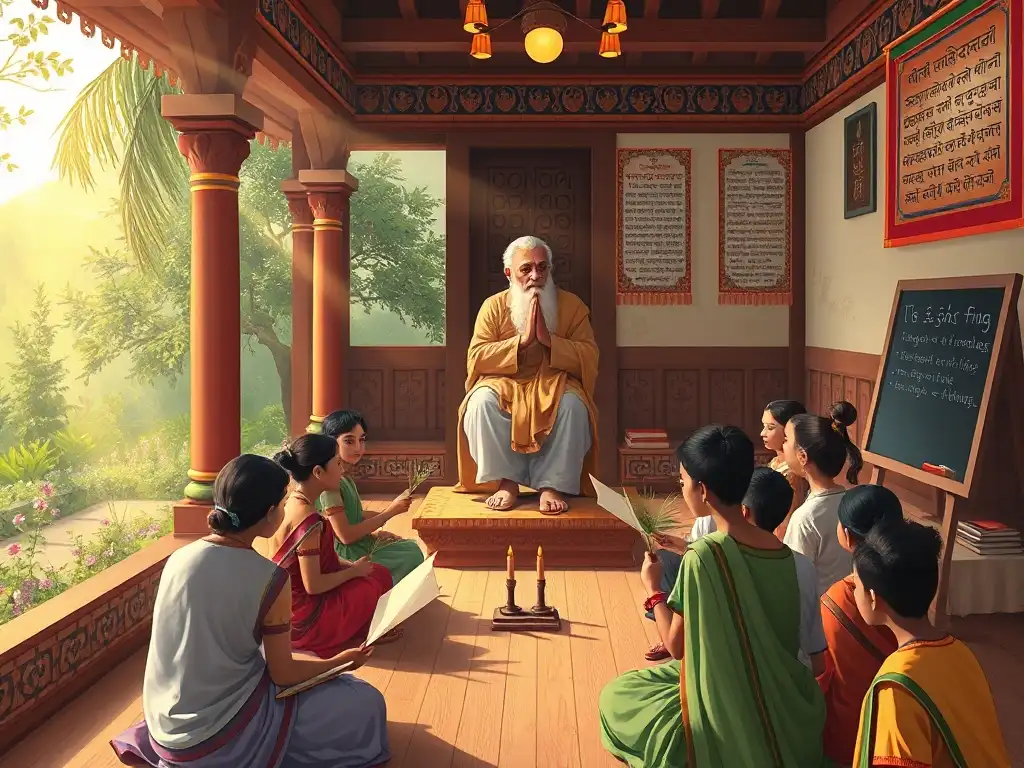
Influence on Contemporary Educational Systems in India
Ancient Indian educational reformers laid the groundwork for a system that emphasized holistic development, critical thinking, and ethical values. Figures such as Chanakya, Gautama Buddha, and Vedic scholars contributed significantly to the evolution of educational philosophies that continue to influence modern educational systems in India.
- Philosophical Foundations:
- The Gurukul system, where students lived with their teachers, emphasized experiential learning and personal mentorship. This model has seen a resurgence in modern schools that promote teacher-student relationships and personalized education.
- Buddhism's focus on mindfulness and moral education has influenced contemporary curricula, integrating emotional intelligence and ethical reasoning into teaching methodologies.
- Curriculum Structure:
- Ancient educational practices often incorporated a wide range of subjects, including arts, sciences, and philosophy. Today’s National Education Policy (NEP) in India reflects this comprehensive approach, advocating for a multidisciplinary curriculum that prepares students for diverse challenges.
- The importance of language and literature, as emphasized by ancient texts, is evident in modern educational frameworks that prioritize regional languages alongside global languages.
- Access and Inclusivity:
- Reformers like Brahmagupta and Aryabhata advocated for education accessibility, which resonates with current efforts to promote inclusivity in education. Programs aimed at underprivileged communities and girls' education draw inspiration from ancient principles of equitable access to knowledge.
Relevance of Ancient Educational Practices in Modern Pedagogy
The pedagogical methods employed by ancient Indian education reformers hold enduring relevance in today's educational landscape. Their approaches resonate with modern educational theories, particularly in fostering critical thinking and creativity.
- Experiential Learning:
- The interactive methods of teaching, such as debates and discussions prevalent in ancient India, encourage students to engage actively in their learning process. This approach aligns with modern pedagogical frameworks that emphasize constructivist learning.
- Holistic Development:
- The ancient emphasis on developing not just intellect but also character and emotional well-being has found a place in contemporary education. Schools increasingly adopt social-emotional learning (SEL) frameworks that align with ancient philosophies of nurturing well-rounded individuals.
- Ethical Education:
- The incorporation of values education in modern curricula mirrors the ancient emphasis on ethics, morality, and civic responsibility, ensuring that students grow into conscientious citizens.
Case Studies of Modern Schools Inspired by Ancient Indian Education
Numerous modern educational institutions in India draw inspiration from the principles established by ancient Indian education reformers. Here are a few notable examples:
- Rishi Valley School, Andhra Pradesh:
- Founded by J. Krishnamurti, this school embodies the Gurukul tradition by fostering a deep connection between teachers and students. The curriculum emphasizes critical thinking, creativity, and the exploration of philosophical ideas, reflecting ancient practices.
- Auroville, Tamil Nadu:
- This experimental township promotes an educational approach inspired by the teachings of Sri Aurobindo. The focus is on integral education, balancing academic pursuits with spiritual and social development, much like ancient holistic educational models.
- Sankalp School, Gujarat:
- Emphasizing experiential learning and community involvement, Sankalp integrates traditional Indian knowledge systems with modern teaching techniques. This school serves as a model for how ancient educational philosophies can inform contemporary practices.
These case studies illustrate how the legacy of ancient Indian educational reformers continues to shape and inspire modern educational practices, reaffirming their timeless relevance.
Conclusion: The Lasting Legacy of Ancient Indian Education Reformers
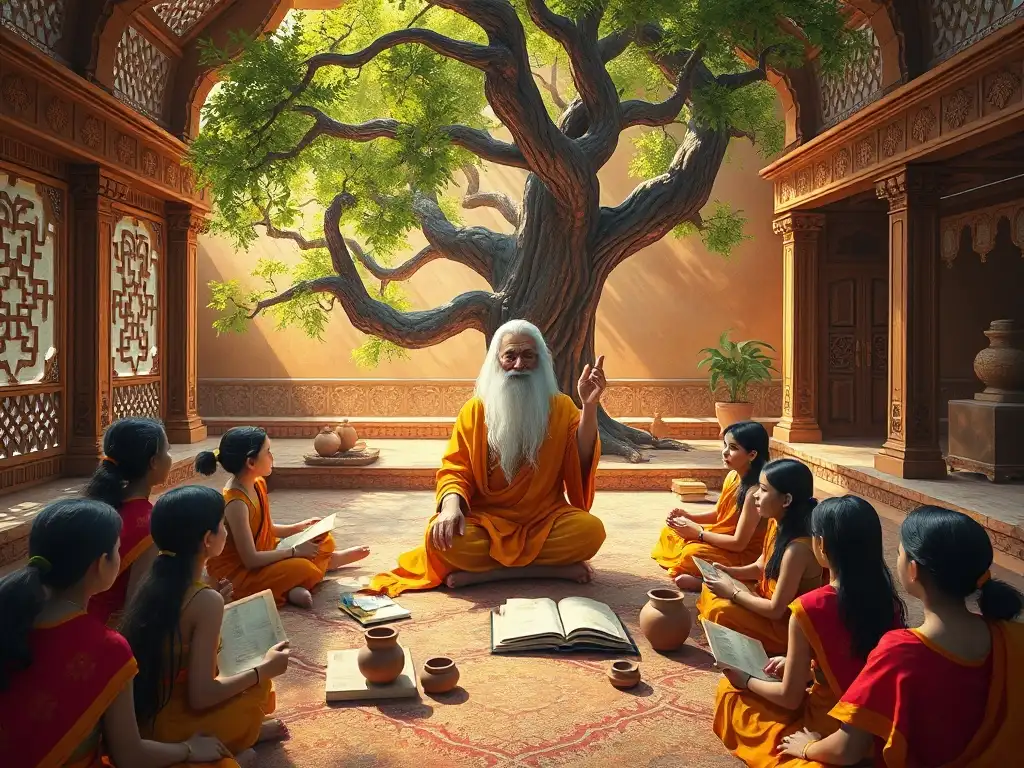
The impact of ancient Indian education reformers is profound and extends far beyond their immediate historical context. These visionary thinkers not only shaped educational practices and curricula during their time but also laid the foundational principles that continue to influence modern education systems. Their commitment to holistic learning, moral education, and the cultivation of critical thinking has left a lasting legacy that is still relevant in today's educational discourse.
Summary of Contributions to Educational Practices
Ancient Indian education reformers introduced several significant changes that revolutionized the way knowledge was imparted. Here are some of their key contributions:
- Holistic Education:
- Emphasis on a balanced development of the mind, body, and spirit.
- Integration of arts, sciences, and philosophy in the curriculum.
- Accessibility of Knowledge:
- Establishment of learning centers like Gurukuls and Ashrams which provided education to all, regardless of caste or gender.
- Promotion of oral tradition and the use of local languages to disseminate knowledge.
- Moral and Ethical Training:
- Incorporation of moral teachings and ethical frameworks into educational practices, fostering character development alongside academic learning.
- Focus on the teachings of figures like Chanakya, who emphasized the importance of ethics in governance and personal conduct.
- Innovative Teaching Methods:
- Utilization of dialogues and debates as a means of teaching, encouraging students to engage critically with ideas.
- Development of personalized learning approaches tailored to individual student needs.
These contributions underscore how ancient Indian education reformers prioritized not just the acquisition of knowledge but the holistic development of individuals, preparing them to contribute meaningfully to society.
Future Implications of Ancient Ideas in Education
The principles established by ancient Indian education reformers hold significant relevance for contemporary educational practices. Here are some potential implications for the future:
- Integration of Holistic Approaches:
- Modern educational systems can benefit from adopting holistic models that focus on emotional and social learning, aligning with ancient practices that valued balanced development.
- Emphasis on Ethics and Values:
- By incorporating ethical training into curriculums, educators can nurture responsible citizens who are not only knowledgeable but also principled.
- Cultural Relevance in Curriculum:
- The revival of local languages and cultural narratives in education can enhance student engagement and foster a sense of identity, much like the ancient practices that celebrated local traditions.
- Collaborative Learning Environments:
- Promoting discussion-based and collaborative learning methods can stimulate critical thinking and problem-solving skills, reminiscent of the dialectic methods used in ancient times.
The legacy of ancient Indian education reformers is not only a testament to their brilliance but also a guiding light for future educational reforms. By revisiting and revitalizing their ideas, modern educators can create enriching learning environments that honor the wisdom of the past while addressing the needs of today's learners.
References for Further Reading on Ancient Indian Education Reformers
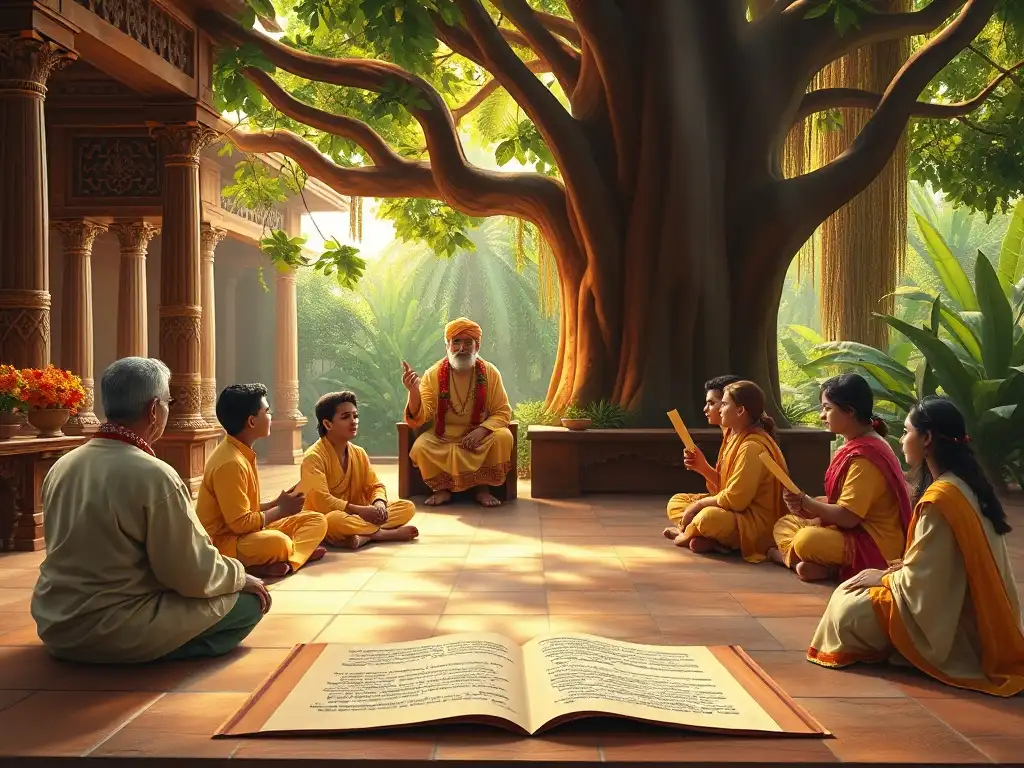
Suggested Books and Articles
Reading about ancient Indian education reformers provides invaluable insights into the evolution of educational practices in India. Below are some noteworthy books and articles that delve into this topic:
-
"The Philosophy of Education in Ancient India" by J. P. S. N. Reddy
This book explores the philosophical underpinnings of educational practices during ancient times, highlighting key reformers and their contributions.
-
"Ancient Indian Education: An Historical Study" by M. R. Raghava
This comprehensive study traces the historical development of education in ancient India, covering various reformers and their innovative ideas.
-
"The Gurukula System and Its Relevance Today" – Article in Journal of Educational Thought
This article analyzes the Gurukula system, a significant educational reform initiated by ancient Indian sages, and discusses its modern-day implications.
-
"Reformers of Indian Education" by A. K. Sharma
This work provides a detailed account of various reformers, focusing on their methodologies and the impact of their ideas on contemporary education.
-
"The Role of Ancient Indian Thinkers in Shaping Modern Education"
An insightful article that connects the contributions of ancient Indian education reformers with contemporary educational practices and philosophies.
Online Resources and Archives on Ancient Indian Education
Several online platforms and archives offer extensive resources about ancient Indian education reformers. Here are some recommended sites:
-
Digital Library of India
A vast repository of texts, including ancient manuscripts, books, and research papers on Indian education. Search for keywords like "ancient Indian education reformers" to find relevant materials.
-
Internet Archive
This online library provides access to a plethora of digitized books and articles related to ancient Indian education. Users can explore various texts by searching for specific reformers or educational philosophies.
-
National Digital Library of India (NDLI)
NDLI hosts a diverse collection of educational materials, including historical documents about ancient Indian educational systems and reformers. It serves as an excellent resource for students and researchers.
-
Academia.edu
A platform for academics to share research papers. You can find papers focusing on ancient Indian education reformers and their impact on educational systems.
-
ResearchGate
Similar to Academia.edu, this site allows researchers to share their findings. Users can access studies and articles on ancient Indian educational reformers by filtering search results accordingly.
By exploring these books, articles, and online resources, readers can gain a comprehensive understanding of the legacy of ancient Indian education reformers and their enduring impact on educational practices.
Frequently Asked Questions
What were the main contributions of ancient Indian educational reformers?
Ancient Indian educational reformers made significant contributions to philosophy, curriculum development, and teaching methods, laying the groundwork for structured education systems.
Who were some key figures in ancient Indian education reform?
Notable figures include Gautama Buddha, who emphasized the importance of moral education, and Mahavira, who promoted knowledge and ethics as essential components of learning.
How did ancient Indian education differ from modern education systems?
Ancient Indian education focused more on holistic development, including spiritual and moral education, contrasting with the standardized testing and vocational training prevalent in modern systems.
What impact did the Gurukula system have on education?
The Gurukula system fostered a close student-teacher relationship, promoting personalized instruction and encouraging students to learn through direct experience and interaction.
How did ancient Indian educational practices influence later civilizations?
The educational practices of ancient India, particularly in areas like mathematics, astronomy, and philosophy, significantly influenced subsequent cultures, including those in Greece and the Islamic Golden Age.
Final Reflection: The Enduring Influence of Ancient Indian Education Reformers
The ideas and philosophies of ancient Indian education reformers remain profoundly relevant today, as they laid the groundwork for holistic learning and critical thinking. In a world increasingly focused on rote memorization and standardized testing, revisiting the teachings of these reformers can inspire a shift towards more meaningful and transformative educational practices. Their vision for education was not merely about acquiring knowledge but fostering wisdom, creativity, and ethical values—principles that are essential in our contemporary society.
The legacy of these ancient thinkers continues to shape our cultural and social landscape, reminding us of the importance of nurturing the mind and spirit in education. Their emphasis on experiential learning and moral development resonates in modern educational reforms that seek to create well-rounded individuals. As Mahatma Gandhi once said, "> The true function of education is to teach one to think intensively and to think critically.
Intelligence plus character—that is the goal of true education." This quote encapsulates the essence of what ancient Indian education reformers envisioned, highlighting the need for an education system that cultivates both intellect and integrity.
As we reflect on the teachings of these remarkable figures, let us embrace their wisdom and apply it in our lives and communities. Consider how you can integrate their principles into your own educational journey or support initiatives that promote holistic learning. By doing so, we honor their legacy and contribute to a future where education empowers individuals to become compassionate, critical thinkers who can navigate the complexities of the modern world.
Ignite Your Curiosity: Explore the Wisdom of Ancient Indian Educational Reformers!
Thank you for taking the time to delve into the profound legacy of ancient Indian educational reformers. Their innovative ideas have shaped the educational landscape for centuries and continue to inspire us today. Now that you’ve uncovered their remarkable contributions, it’s time to take action and further enrich your understanding!
Here’s how you can dive deeper and become part of this enlightening journey:
- Explore Further: Discover our curated selection of readings to learn more about the philosophies of these remarkable thinkers and how their ideas can be applied in today's educational practices.
- Join the Conversation: Contribute your insights or questions in the comments section below. Engage with others who share a passion for ancient education!
- Spread the Knowledge: Share this article with friends or on social media to inspire others to appreciate the significance of these reformers in shaping our world.
What insights from ancient Indian education reformers do you believe are most relevant to modern schooling and personal growth?