
The Mysteries of Ancient Indian Universities: What We Still Don't Know


Welcome to Ancient India History, where we embark on a captivating journey through the rich tapestry of ancient Indian civilizations! Discover the profound contributions and cultural marvels that shaped a vibrant past, from the enigmatic Indus Valley to the illustrious Gupta Empire. In today’s exploration, we delve into the mysteries of ancient Indian universities—an intriguing topic that uncovers the educational systems that once flourished in this remarkable era. What secrets lie within their hallowed halls? Join us as we unravel the layers of history and spark your curiosity to learn more about these ancient centers of knowledge.
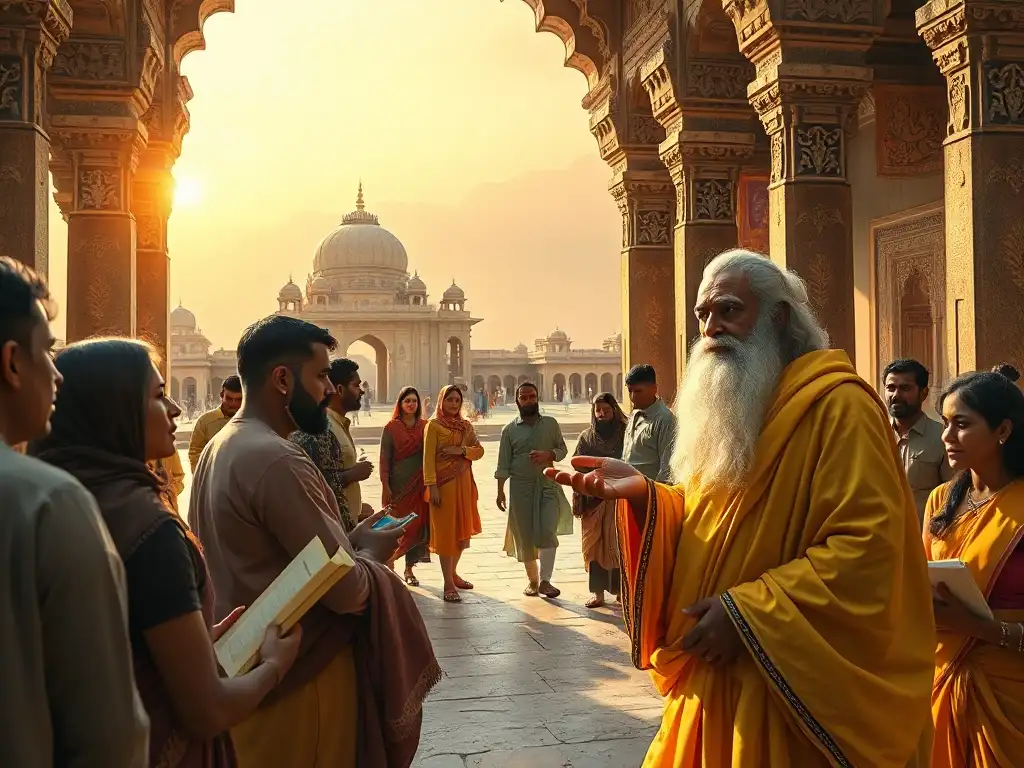
Introduction to Ancient Indian Universities History
The history of ancient Indian universities is a captivating exploration into the educational practices and institutions that flourished in India centuries ago. These universities, such as Nalanda, Taxila, and Vikramshila, were not only centers for learning but also hubs of cultural and intellectual exchange, attracting students and scholars from across the globe.
Despite their significant contributions to education and knowledge dissemination, there remains a shroud of mystery surrounding many aspects of their existence and operations. This article delves into the rich tapestry of ancient Indian universities, uncovering what we know and highlighting the gaps in our understanding of their profound impact on education and society.
Overview of Ancient Indian Education Systems
Ancient Indian education systems were deeply intertwined with the cultural, spiritual, and social fabric of the time. Education was primarily conducted through the Gurukul system, where students lived with their teachers, known as Gurus, in an immersive environment designed to foster learning and personal development.
- Key Features of Ancient Education Systems:
- Curriculum: Comprising subjects such as philosophy, mathematics, astronomy, medicine, and arts.
- Methods: Emphasis on oral traditions, discussions, and practical applications.
- Accessibility: Education was often available to a select group, with a focus on Brahmins and Kshatriyas.
Despite the emergence of formal universities, many aspects of the educational practices of the time remain undocumented, leaving us with lingering questions about the inclusivity and reach of these systems.
Importance of Ancient Indian Universities in Historical Context
Ancient Indian universities played a vital role in shaping the intellectual landscape of the region. They served as centers of innovation, influencing not just local thought but also extending their reach to neighboring civilizations.
- Contributions to Global Knowledge:
- Translation and Preservation: Indian scholars translated and preserved texts from various cultures, contributing to a rich exchange of ideas.
- Influence on Other Civilizations: The educational frameworks established by these universities inspired the development of educational systems in countries like China, Japan, and Persia.
The historical significance of these institutions is profound, yet the specifics of their governance, student life, and interactions with other cultures remain largely underexplored.
The Legacy of Prominent Ancient Indian Universities
The legacy of ancient Indian universities is marked by their unique contributions and the enduring influence they have had on education worldwide. Each institution had its distinctive characteristics and areas of expertise that defined its role in the ancient educational landscape.
Nalanda University: A Beacon of Knowledge
Nalanda University, established in the 5th century CE, is often regarded as one of the first residential universities in the world.
- Highlights:
- Curriculum: Offered diverse subjects, including Buddhist philosophy, logic, and medicine.
- Notable Scholars: Hosted renowned scholars like Vasubandhu and Dharmakirti.
- Decline: Suffered a tragic decline due to invasions and neglect, yet its influence persists in modern educational discourses.
Taxila University: The Cradle of Learning
Taxila University dates back to the 6th century BCE and is recognized for its holistic approach to education.
- Key Aspects:
- Diverse Disciplines: Focused on subjects like surgery, politics, and metaphysics.
- Cultural Exchange: Students from various backgrounds, including Greeks and Persians, contributed to a vibrant learning environment.
- Significance: Taxila's historical role as a melting pot of ideas remains a focal point for scholars studying cross-cultural education.
Vikramshila University: A Unique Educational Model
Vikramshila University, established by the great Indian emperor Dharmapala in the 8th century CE, offered a distinct educational model that emphasized both theoretical and practical knowledge.
- Distinct Features:
- Specialization: Known for its focus on Tantric Buddhism and advanced studies.
- Innovative Teaching Methods: Encouraged interactive learning and debate, fostering critical thinking among students.
- Legacy: Although it faced challenges leading to its decline, its innovative approaches continue to inspire modern educational practices.
While ancient Indian universities were pivotal in shaping education and culture in their time, many mysteries still linger about their inner workings and broader impacts. Understanding these institutions' history not only enriches our knowledge of education in ancient India but also provides insights into the evolution of learning systems worldwide.
Unexplored Aspects of Ancient Indian Universities

The ancient Indian universities, such as Nalanda and Takshashila, are often celebrated for their contributions to education and scholarship. However, many aspects of these institutions remain shrouded in mystery, leaving historians and scholars with numerous questions. Understanding the full scope of these universities requires delving into uncharted territories, such as their administrative structures, financial frameworks, and the specific methodologies employed in teaching and learning.
One of the most intriguing unexplored aspects is the nature of the curriculum and how it evolved over time. While we know certain subjects were taught, the depth and breadth of knowledge, including lesser-known disciplines, are yet to be thoroughly examined. Additionally, the interplay between local and foreign students, as well as the impact of cultural exchanges on academic practices, presents another area ripe for exploration.
Furthermore, the role of ancient universities in shaping societal norms and values remains largely unexamined. How did these institutions influence the political and social fabric of their times? What were the ethical and philosophical underpinnings of the education they imparted? These questions invite further research and analysis.
Curriculum and Subjects Offered in Ancient Times
The curriculum at ancient Indian universities was diverse and comprehensive, encompassing a wide array of subjects that catered to various fields of knowledge. Core disciplines included grammar, rhetoric, logic, mathematics, astronomy, medicine, and philosophy. However, the exact nature and structure of these subjects are not fully documented, leading to gaps in our understanding.
For instance, while we know that Vyakarana (grammar) and Nyaya (logic) were crucial components of the curriculum, the methodologies employed to teach these subjects remain unclear. Additionally, it is believed that universities offered specialized studies in Ayurveda (traditional medicine) and Dhanurveda (military science), but specific texts and teaching practices related to these subjects have not been thoroughly explored.
Moreover, the integration of practical skills, such as agriculture and crafts, alongside theoretical learning, is another area that warrants deeper investigation. This multidimensional approach to education might provide insights into how ancient Indian universities prepared students for both intellectual and practical challenges.
The Role of Professors and Scholars in Ancient Universities
Professors and scholars were pivotal in shaping the educational landscape of ancient Indian universities. These educators were often revered figures, possessing extensive knowledge and experience in their respective fields. However, the exact criteria for their appointment and the nature of their professional responsibilities remain largely undocumented.
It is known that many professors were not only educators but also renowned scholars and practitioners who contributed significantly to their fields. For example, figures like Aryabhata in mathematics and Charaka in medicine exemplify how scholars simultaneously held teaching positions and engaged in groundbreaking research. The dynamics of their interactions with students, including mentorship and the exchange of ideas, are yet to be fully explored.
Additionally, the governance of academic institutions often involved a council of scholars, which raises questions about the decision-making processes and how educational policies were formulated. Understanding these dynamics could shed light on the institutional frameworks that supported academic excellence in ancient India.
Student Life and Cultural Practices at Ancient Indian Universities
Student life at ancient Indian universities was rich and diverse, encompassing a range of cultural practices that contributed to the overall educational experience. Students came from various regions, often bringing distinct cultural backgrounds that enriched the university community. This diversity fostered an environment of intellectual exchange and cultural assimilation.
Daily life for students included rigorous academic schedules, but also social and cultural activities. Festivals, debates, and discussions were integral to the educational experience, allowing students to engage with one another and with their professors outside of formal classroom settings. The practice of Samskara, or rites of passage, played a significant role in marking the transition from student to scholar, highlighting the importance of cultural traditions in education.
However, the specifics of student living conditions, including accommodations and dietary practices, are not well-documented. These aspects could provide valuable insights into the holistic experience of students in ancient universities and how it influenced their academic and personal development.
Historical Significance of Ancient Indian Universities
Ancient Indian universities were not only centers of learning but also institutions that played a critical role in the historical and cultural development of the region. Their significance extends beyond education, influencing various aspects of society, including governance, philosophy, and art. Understanding their historical importance is essential for appreciating their contributions to both ancient and modern civilizations.
Contributions to Science and Philosophy
The contributions of ancient Indian universities to science and philosophy are profound and far-reaching. Scholars from these institutions made significant advancements in various fields, including mathematics, astronomy, medicine, and philosophy. For instance, the concept of zero, developed by mathematicians like Brahmagupta, originated from the academic pursuits of ancient universities, revolutionizing mathematical thought globally.
In the realm of philosophy, ancient Indian universities were instrumental in developing schools of thought such as Vedanta, Buddhism, and Jainism. The discussions and debates held within these institutions laid the groundwork for ethical and metaphysical inquiries that continue to influence philosophical discourse today. The synthesis of various philosophical ideas from different traditions reflects the universities' role as melting pots of knowledge.
Influence on Modern Educational Systems
The legacy of ancient Indian universities continues to resonate in modern educational systems, particularly in the emphasis on holistic learning and critical thinking. The integrated approach to education, where theory and practice are intertwined, is mirrored in contemporary pedagogical practices that prioritize experiential learning.
Furthermore, the concept of Gurukul, where students lived with their teachers and engaged in immersive learning, has influenced modern educational models that emphasize mentorship and personalized instruction. The collaborative and dialogic nature of learning fostered in ancient universities is increasingly recognized as essential for effective education today.
Global Impact of Ancient Indian Academic Traditions
The academic traditions established by ancient Indian universities have had a profound global impact, influencing educational practices in various cultures. The exchange of knowledge facilitated by these institutions contributed to the dissemination of ideas across Asia and beyond, affecting regions such as Southeast Asia and the Middle East.
For example, the spread of Buddhism from India to countries like China and Japan can be traced back to the intellectual exchanges that occurred within these universities. The teachings of ancient Indian scholars not only enriched local traditions but also laid the groundwork for new philosophical and scientific developments worldwide.
While much is known about ancient Indian universities, many mysteries remain. Exploring these unexplored aspects and their historical significance can offer deeper insights into the enduring legacy of these remarkable institutions.
Mysteries and Gaps in Ancient Indian Universities History
The history of ancient Indian universities, particularly renowned institutions like Nalanda and Takshashila, is shrouded in enigmas and incomplete narratives. While there is substantial evidence to indicate their existence and significance, many aspects remain elusive. Scholars have identified several glaring gaps in the historical record, leading to ongoing debates about curricula, student demographics, and the influence these institutions had on global education systems.
Despite the extensive texts from ancient times, much of the understanding of these universities relies on fragmented archaeological evidence and references in later literary works. For instance, we know that Nalanda was a hub for Buddhist learning and attracted students from various regions, but details about the specific subjects taught, the duration of studies, and the qualifications of faculty remain ambiguous. The lack of comprehensive documentation poses significant challenges for historians attempting to construct a complete picture of these ancient centers of learning.
Archaeological Discoveries and Their Implications
Recent archaeological excavations at sites like Nalanda have unveiled a wealth of artifacts, including inscriptions and remnants of lecture halls, libraries, and dormitories. These findings provide crucial insights into the physical layout and infrastructure of the universities, yet they often raise more questions than they answer. For example, inscriptions may indicate the presence of specific texts or prominent scholars, but they do not clarify the pedagogical methods employed or the student experience.
Moreover, the implications of these discoveries extend beyond mere architecture. The artifacts suggest a vibrant academic community, yet the exact nature of the interactions between students and teachers, including mentorship and collaborative learning, remains poorly understood. The artifacts hint at a sophisticated educational system, but the reliance on such physical evidence can lead to misinterpretations without corroborating textual sources.
Untold Stories of Students and Scholars
The lives of students and scholars in ancient Indian universities are largely undocumented, leaving a significant gap in our understanding of their experiences and contributions. While some historical texts mention notable figures like Nagarjuna and Aryabhata, the everyday lives of the vast majority of students remain obscure. What were their motivations for studying? What challenges did they face in their pursuit of knowledge?
Additionally, the diversity of the student body, which included individuals from various backgrounds, cultures, and regions, remains underexplored. There is a need for deeper investigation into how these universities facilitated cross-cultural exchanges and the impact of such interactions on the students’ intellectual development.
Challenges in Researching Ancient Indian Educational Histories
Researching the history of ancient Indian universities presents numerous challenges. One of the primary obstacles is the scarcity of primary sources. Many ancient texts have been lost or destroyed, and those that exist often provide only limited insights. Furthermore, the reliance on translations and interpretations can lead to discrepancies in understanding the original context.
Another challenge lies in the interdisciplinary nature of the subject. Researchers must navigate various fields, including archaeology, history, linguistics, and religious studies. This requirement for a multidisciplinary approach complicates the synthesis of information and can lead to divergent conclusions among scholars.
Conclusion: The Continuing Quest to Unravel Ancient Indian Universities
The quest to uncover the mysteries surrounding ancient Indian universities is ongoing, requiring a concerted effort from historians, archaeologists, and educators alike. As new discoveries emerge and technologies advance, there is hope that a clearer picture will eventually surface.
The Relevance of Ancient Indian Universities in Today's Education
The contributions of ancient Indian universities to global education are significant and continue to resonate today. They established foundational principles of learning, discussion, and scholarly debate that are still relevant in modern educational systems. By examining these ancient institutions, contemporary educators can glean insights into holistic learning approaches and the importance of nurturing diverse perspectives in academic settings.
Future Research Directions in Ancient Indian Universities History
Future research into ancient Indian universities should focus on several key areas. Firstly, there is a need for interdisciplinary studies that integrate archaeological findings with historical texts to create a more coherent narrative. Secondly, exploring the impact of these universities on contemporary educational models could provide valuable lessons for today’s academic institutions. Lastly, a broader examination of the socio-political contexts in which these universities operated could illuminate how external factors influenced their development and legacy. By pursuing these directions, researchers can work towards filling the gaps in the history of ancient Indian universities and celebrating their enduring significance.
- Introduction to Ancient Indian Universities History
- Overview of Ancient Indian Education Systems
- Importance of Ancient Indian Universities in Historical Context
- The Legacy of Prominent Ancient Indian Universities
- Unexplored Aspects of Ancient Indian Universities
- Historical Significance of Ancient Indian Universities
- Mysteries and Gaps in Ancient Indian Universities History
- Conclusion: The Continuing Quest to Unravel Ancient Indian Universities
- What were the key ancient universities in India?
- How did ancient Indian universities impact education?
- What is the significance of the Gupta Empire in university history?
- Are there any mysteries surrounding ancient Indian universities?
- What contributions did ancient Indian universities make to the world?
Frequently Asked Questions
What were the key ancient universities in India?
Ancient Indian universities like Nalanda and Takshashila were prominent centers of learning, attracting students from various regions, including China and Southeast Asia.
How did ancient Indian universities impact education?
These universities laid the foundation for higher education, offering a curriculum that included philosophy, medicine, and mathematics, influencing educational systems worldwide.
What is the significance of the Gupta Empire in university history?
The Gupta Empire (circa 320-550 CE) marked a golden age for education, with universities flourishing and scholars making significant contributions to science, literature, and art.
Are there any mysteries surrounding ancient Indian universities?
Yes, many aspects remain mysterious, such as the exact educational practices, the extent of the curriculum, and the reasons for the decline of these prestigious institutions.
What contributions did ancient Indian universities make to the world?
Ancient Indian universities contributed significantly to fields like astronomy, mathematics, and medicine, influencing later educational models and scientific thought globally.
Final Reflection: Unveiling the Legacy of Ancient Indian Universities
The exploration of ancient Indian universities reveals not only a rich tapestry of knowledge but also a profound connection to our present-day educational systems. As we delve into the history of these institutions, we uncover the foundations of learning that have shaped civilizations and continue to influence modern academia. The legacy of these universities is a testament to the enduring power of education and the quest for knowledge, reminding us that the thirst for understanding transcends time and geography.
The impact of ancient Indian universities on the cultural and social landscape is undeniable. These institutions were not merely centers of learning; they were hubs of intellectual exchange and cultural synthesis. The teachings and philosophies that emerged from these universities have permeated various aspects of life, influencing everything from science and mathematics to philosophy and spirituality.
As Mahatma Gandhi once said, “Live as if you were to die tomorrow. Learn as if you were to live forever.” This sentiment encapsulates the essence of the pursuit of knowledge that these ancient universities embodied, urging us to recognize the importance of continuous learning in our lives.
As we reflect on the lessons from the past, let us carry forward the spirit of inquiry and intellectual curiosity that defined ancient Indian universities. I invite you to ponder how you can incorporate this legacy into your own life. Whether through formal education, self-study, or engaging in discussions that challenge your perspectives, embrace the opportunity to learn and grow. In doing so, you not only honor the rich history of these institutions but also contribute to the ongoing journey of enlightenment that connects us all.
Unveil the Secrets of Ancient Indian Universities!
Thank you for diving into the captivating world of ancient Indian universities with us! We hope you gained intriguing insights into their mysteries and significance. Now, it’s time to take your interest to the next level and become part of the exploration!
Here are some engaging next steps you can take:
- Dive deeper into research: Visit your local library or online archives to discover primary sources related to ancient Indian educational systems. You might uncover fascinating texts that broaden your understanding.
- Join the conversation: Share your newfound knowledge with friends or in online communities. Discuss what intrigues you most about ancient learning and gain insights from others' perspectives.
- Explore other ancient cultures: Consider investigating the educational institutions of other ancient civilizations. How do their systems compare to those of India?
How do you think the principles of these ancient institutions could influence modern education today? Let’s discuss your thoughts below!