
Gurukuls: The Ancient Indian System of Holistic Learning

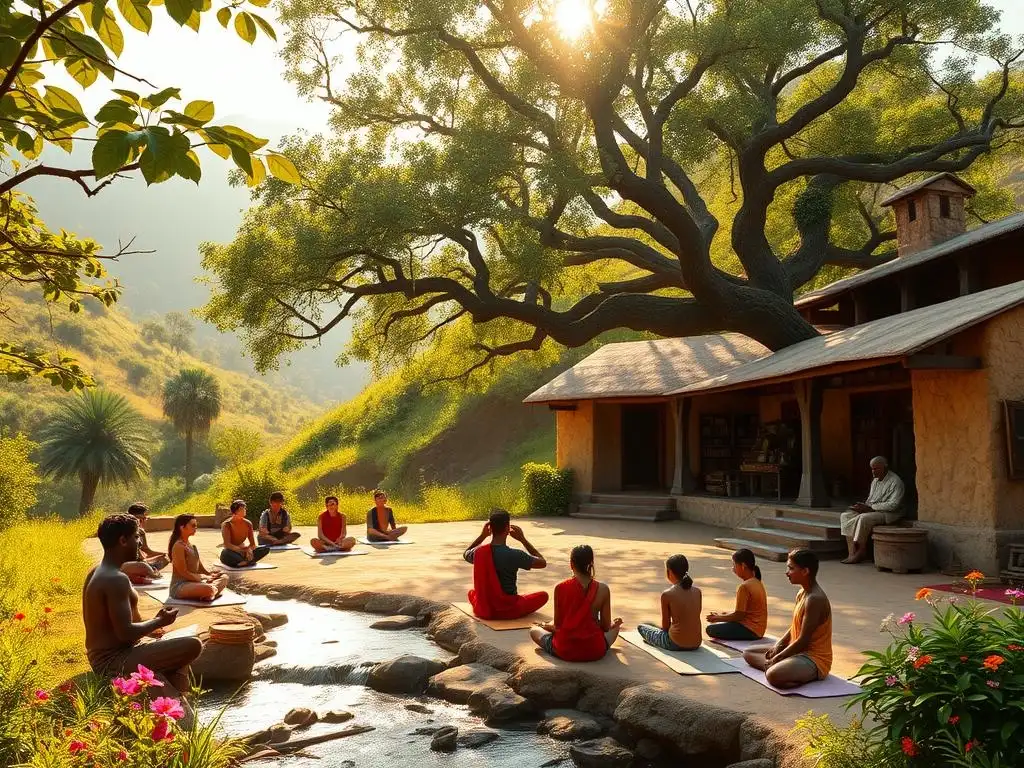
Welcome to Ancient India History, where we embark on a fascinating journey through the vibrant tapestry of ancient Indian civilizations. Dive into our featured article on Gurukuls: The Ancient Indian System of Holistic Learning, where we explore the profound educational philosophies that shaped the minds and souls of students in times long past. Discover how this unique system fostered not just academic knowledge, but also moral and spiritual growth, reflecting the essence of ancient Indian holistic learning.
As you navigate through our rich content, prepare to uncover the secrets of a culture that has left an indelible mark on the world. Your adventure into the depths of history awaits!
- Introduction to Gurukuls and Ancient Indian Holistic Learning
- Historical Context of Gurukuls
- Structure and Function of Gurukuls
- Philosophical Underpinnings of Ancient Indian Holistic Learning
- Comparison of Gurukuls with Modern Educational Systems
- Case Studies of Notable Gurukuls in Ancient India
- Challenges Faced by Gurukuls
- The Relevance of Gurukuls Today
- Conclusion: The Lasting Impact of Gurukuls on Education
- Frequently Asked Questions
- Final Reflection: Embracing the Wisdom of Ancient Indian Holistic Learning
- Embrace the Wisdom of Gurukuls Today!
Introduction to Gurukuls and Ancient Indian Holistic Learning
The concept of Gurukuls stands as a pillar in the landscape of ancient Indian education, embodying a system that emphasized holistic learning. These traditional institutions were not merely centers for academic instruction; they were vibrant communities where knowledge was intertwined with ethics, philosophy, arts, and physical training. The Gurukul system flourished in ancient India, particularly from the Vedic period through to the early medieval era, showcasing a unique approach to education that catered to the overall development of an individual.
In this article, we will explore the fundamental characteristics of Gurukuls, their significance in the context of ancient Indian holistic learning, and how these educational practices contributed to the fabric of Indian civilization. By examining the definition and role of Gurukuls, as well as the broader principles of holistic learning that guided ancient Indian education, we aim to highlight the lasting impact of this system on contemporary educational philosophies.
Definition of Gurukuls in Ancient India
Gurukuls were traditional schools in ancient India, often located in serene rural settings, that served as residences for both teachers (Gurus) and students. The term "Gurukul" itself combines two Sanskrit words: "Guru," meaning teacher, and "Kula," meaning family or home. This reflects the familial bond that developed between students and their teachers, fostering an environment of trust and mutual respect.
- Key Characteristics of Gurukuls:
- Residential Learning: Students lived with their Gurus, engaging in daily activities that included not only academic learning but also chores, rituals, and community service.
- Curriculum Focus: The curriculum was diverse, encompassing subjects such as Vedic scriptures, philosophy, mathematics, medicine, arts, and martial skills.
- Personal Development: Emphasis was placed on character building, moral values, and social responsibility, ensuring that education was not just about acquiring knowledge but also about shaping well-rounded individuals.
Gurukuls played a crucial role in preserving and transmitting knowledge across generations, influencing the educational landscape of ancient India profoundly.
Overview of Holistic Learning in Ancient Indian Education
Holistic learning in ancient Indian education was an all-encompassing approach that aimed to nurture the intellect, emotions, physical abilities, and ethical understanding of students. This philosophy recognized the interconnectedness of various aspects of life and learning, promoting a balanced development of the individual.
- Principles of Holistic Learning:
- Integration of Knowledge: Subjects were not taught in isolation. Instead, learning occurred through interdisciplinary connections, fostering a comprehensive understanding of various fields.
- Experiential Learning: Students engaged in practical experiences, such as fieldwork, arts, and crafts, which complemented theoretical knowledge and facilitated deeper learning.
- Ethical and Moral Instruction: Education was intertwined with lessons on ethics, spirituality, and social values, preparing students to contribute positively to society.
Through these principles, ancient Indian education systems like Gurukuls laid the foundation for a holistic approach that is still relevant in modern educational discussions. The legacy of Gurukuls and their commitment to holistic learning continues to inspire contemporary educational practices, emphasizing the importance of nurturing well-rounded individuals equipped to face the challenges of the world.
Historical Context of Gurukuls
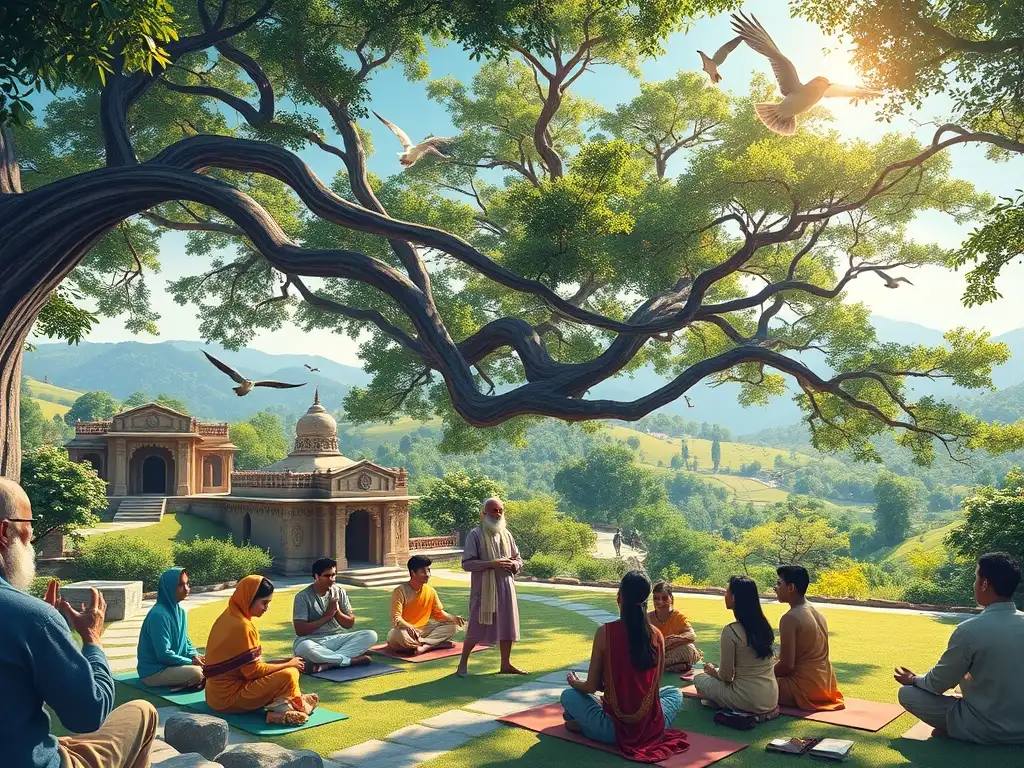
The Origins of Gurukuls in Ancient Indian Civilization
The concept of Gurukuls can be traced back to ancient Indian civilization, where education was not merely a means to acquire knowledge but a holistic approach to personal and spiritual development. Gurukuls were traditionally established in the Vedic period, around 1500 BCE, in a socio-cultural milieu that prioritized learning as a sacred duty.
The term "Gurukul" itself is derived from two Sanskrit words: "Guru" meaning teacher and "Kula" meaning family or home. This highlights the familial bond between teachers and students, emphasizing a close-knit environment conducive to learning. Unlike modern educational institutions, Gurukuls were typically situated in serene, rural settings, often amidst nature. This allowed for an immersive experience where students could engage with their surroundings, fostering a connection between the natural world and their learning process.
In these early Gurukuls, education was heavily influenced by the Vedas, the ancient scriptures of India. Students, referred to as "shishyas," would reside with their Gurus, learning not only academic subjects but also practical skills, ethical values, and spiritual wisdom. This system of education aimed to cultivate a well-rounded individual, capable of contributing positively to society.
Evolution of Gurukuls Through Different Eras
As ancient Indian civilization progressed through various historical phases, the structure and function of Gurukuls evolved. During the Vedic and Upanishadic periods, education was predominantly oral, focusing on memorization and recitation of texts. However, as society progressed into the Mauryan and Post-Mauryan periods, the content of education expanded to include subjects such as mathematics, astronomy, and philosophy, reflecting the growing complexity of society.
In the Gupta Empire (approximately 320 to 550 CE), Gurukuls reached their zenith as centers of learning. This era is often referred to as the Golden Age of India, characterized by significant advancements in science, literature, and the arts. Notable figures such as Aryabhata and Kalidasa are products of this educational system. The curriculum in Gurukuls during this period became more structured, incorporating formal subjects alongside traditional teachings.
Moreover, the patronage of rulers played a crucial role in the flourishing of Gurukuls. Emperors like Chandragupta II provided resources to these institutions, allowing them to attract skilled Gurus and a diverse student body. This period also saw the rise of specialized institutions, such as Nalanda and Takshashila, which can be considered extensions of the Gurukul system, offering advanced studies in various fields.
Gurukuls in the Indus Valley Civilization
While direct evidence of Gurukuls is scarce in the historical records of the Indus Valley Civilization (approximately 3300 to 1300 BCE), archaeological findings suggest that education was an integral aspect of their society. The advanced urban planning, sophisticated drainage systems, and standardized weights and measures indicate a culture that valued knowledge and skill development.
It is theorized that the Indus Valley people may have practiced a form of holistic learning akin to Gurukuls. Evidence of seals and artifacts showing symbols and script suggests that literacy and perhaps rudimentary forms of education were present. The structure of their cities, with public baths and granaries, implies that community learning and social cooperation were vital components of their civilization.
While the formalized Gurukul system as recognized later may not have existed, the principles of education—such as the transmission of knowledge from elder to youth and the integration of practical skills—were likely present. This foundation set the stage for the evolution of Gurukuls in subsequent civilizations, promoting the idea of learning as a communal and sacred endeavor.
Gurukuls represent a significant aspect of ancient Indian holistic learning, deeply rooted in the historical, cultural, and spiritual fabric of Indian society. Their evolution reflects the changing needs of civilization while maintaining the core values of knowledge, ethics, and collective growth.
Structure and Function of Gurukuls
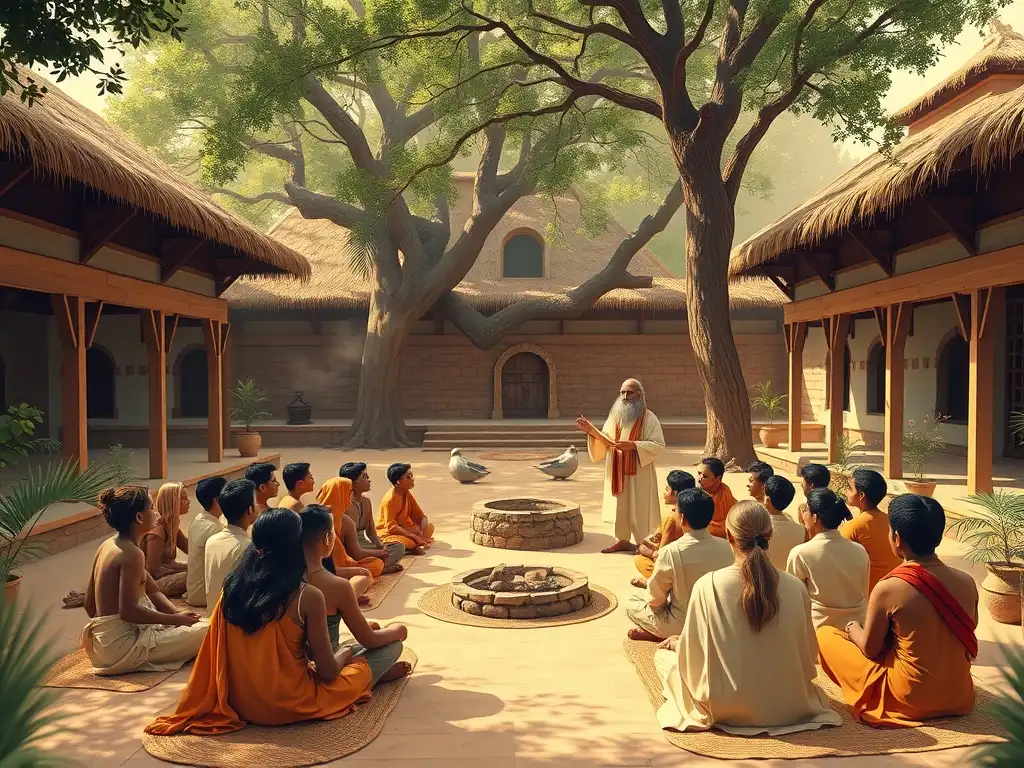
Gurukuls were not merely educational institutions; they were holistic learning environments that played a critical role in shaping the intellectual and moral fabric of ancient Indian society. These centers of learning were characterized by a unique structure and function that fostered an immersive educational experience, blending academic learning with spiritual and ethical development.
The Physical Layout of Gurukuls
The physical layout of a Gurukul was designed to create an environment conducive to learning and personal growth. Typically situated in serene, natural settings away from urban distractions, Gurukuls featured:
- Living Quarters: Students, known as shishyas, lived in close quarters with their Gurus and fellow learners. This communal living fostered a sense of belonging and camaraderie.
- Classrooms: Learning often took place outdoors or in simple, open structures that allowed for a connection with nature. The natural surroundings were believed to enhance concentration and facilitate a deeper understanding of the subjects taught.
- Meditation Spaces: Quiet areas were dedicated to meditation and introspection, integral to the holistic learning philosophy. These spaces encouraged students to reflect on their learning and cultivate self-awareness.
- Gardens and Fields: Many Gurukuls included gardens where students practiced agriculture and learned about sustainable living. This practical aspect of education emphasized the importance of nature and self-sufficiency.
The architectural simplicity of Gurukuls mirrored their educational philosophy: a focus on experiential learning, personal development, and the nurturing of virtues over materialism.
The Role of Gurus in Holistic Learning
In the Gurukul system, the Guru held a position of immense respect and authority, acting not only as a teacher but also as a mentor and spiritual guide. The role of the Guru in holistic learning can be outlined as follows:
- Personalized Instruction: Gurus tailored their teaching methods to suit the individual needs of each student, understanding that learning is a deeply personal journey. This approach emphasized the importance of recognizing and nurturing each student’s unique talents and abilities.
- Moral and Ethical Guidance: Beyond academic instruction, Gurus imparted values such as honesty, discipline, and compassion. This moral education was considered essential for developing well-rounded individuals who could contribute positively to society.
- Facilitators of Experiential Learning: Gurus often facilitated hands-on learning experiences, encouraging students to engage with their environment and learn through practical application. This could include activities such as farming, crafting, and performing arts, which reinforced theoretical concepts.
- Spiritual Mentorship: Many Gurus incorporated spiritual teachings into their curriculum, guiding students in meditation and philosophical discussions. This holistic approach aimed to cultivate not only the intellect but also the spirit of the learners.
The relationship between Gurus and students was built on mutual respect and trust, creating an atmosphere where knowledge could be freely shared and explored.
Curriculum and Subjects Taught in Gurukuls
The curriculum in Gurukuls was diverse and comprehensive, reflecting the multifaceted nature of ancient Indian education. Subjects taught included:
- Vedic Studies: Core texts such as the Vedas and Upanishads were central to the curriculum, focusing on philosophy, spirituality, and ethics.
- Mathematics and Astronomy: Ancient Indian mathematicians and astronomers made significant contributions, and these subjects were integral to the education offered in Gurukuls. Students learned concepts such as geometry, algebra, and celestial navigation.
- Arts and Crafts: Creative subjects such as music, dance, and painting were encouraged. This not only fostered creativity but also helped in developing discipline and focus.
- Physical Education: Training in martial arts and physical fitness was common, emphasizing the importance of a healthy body as a foundation for a healthy mind.
- Languages: Students were often instructed in multiple languages, including Sanskrit and regional dialects, to enhance their communication skills and cultural understanding.
The curriculum was designed to be holistic, aiming to develop the intellect, character, and physical abilities of students, thereby embodying the principles of ancient Indian holistic learning.
With their structured environment, the pivotal role of Gurus, and a diverse curriculum, Gurukuls represented a unique educational paradigm in ancient India, deeply rooted in the holistic approach to learning.
The Importance of Experiential Learning in Gurukuls
Experiential learning was a cornerstone of the Gurukul system, emphasizing the need for students to engage directly with their environment and experiences. This approach differed significantly from rote learning, which was prevalent in many educational systems. Instead, Gurukuls encouraged students to learn through active participation, observation, and reflection.
One of the primary benefits of experiential learning in Gurukuls was the development of critical thinking and problem-solving skills. By engaging with real-life situations, students learned to analyze problems, consider various solutions, and understand the consequences of their actions. For example, students often participated in agricultural activities, which not only taught them about farming techniques but also instilled a sense of responsibility towards nature and community.
Moreover, experiential learning in Gurukuls fostered a holistic development of the individual. Students were not just absorbing information; they were also developing their physical, emotional, and social skills. Activities such as arts, music, and sports were integrated into the curriculum, promoting creativity and teamwork. This well-rounded approach ensured that students emerged as balanced individuals, capable of contributing positively to society.
Additionally, the close-knit community atmosphere of Gurukuls enhanced the experiential learning process. Students lived and worked together with their peers and teachers, creating a supportive environment where they could freely explore their interests and learn from one another. This peer-to-peer interaction was vital in cultivating communication skills and empathy, essential traits for future leaders.
The emphasis on experiential learning in Gurukuls exemplified an ancient Indian holistic learning approach that not only prioritized academic knowledge but also aimed at shaping the character and skills of students. This methodology laid the foundation for a lifelong love of learning and personal growth, making it a significant aspect of ancient Indian educational practices.
Philosophical Underpinnings of Ancient Indian Holistic Learning
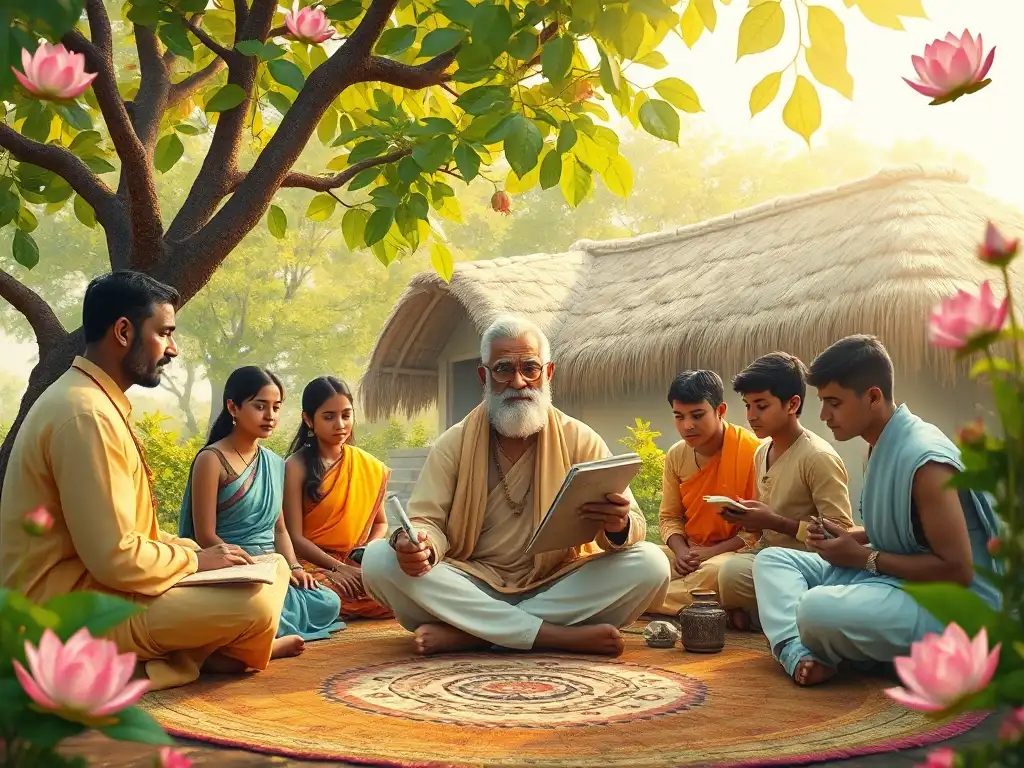
The ancient Indian system of holistic learning, primarily exemplified by the Gurukul system, is deeply rooted in philosophical tenets that emphasize the integral development of the individual. This approach not only focused on academic knowledge but also aimed at nurturing moral, spiritual, and practical dimensions of life. Understanding these philosophical underpinnings is crucial to appreciating the effectiveness and richness of ancient Indian holistic learning.
Key Philosophies Influencing Gurukuls
The Gurukul system was influenced by several key philosophies that shaped its educational practices:
- Vedanta Philosophy:
- Central to the Gurukul system was the Vedanta philosophy, which posits that knowledge is a means to self-realization. Gurus taught students to seek the ultimate truth, leading to an understanding of the self and its relationship to the universe.
- This philosophy emphasized jnana (knowledge), bhakti (devotion), and karma (action) as essential components of learning.
- Brahmanical Traditions:
- The Brahmanical tradition underscored the importance of Dharma (righteousness) and Artha (material prosperity) as foundational to a balanced life. Gurukuls aimed to instill these values alongside academic learning.
- Students were taught to uphold ethical principles and contribute positively to society.
- Buddhism and Jainism:
- Both Buddhism and Jainism contributed to the holistic learning approach by emphasizing ahimsa (non-violence) and compassion. These philosophies encouraged a broader understanding of knowledge that included interpersonal relationships and community welfare.
- The Gurukuls often integrated teachings from these philosophies, promoting a sense of responsibility towards oneself and others.
The Concept of Knowledge and Wisdom in Ancient India
In ancient India, knowledge was viewed as a multifaceted entity that transcended mere intellectual acquisition. It encompassed both vidya (knowledge) and aparavidya (practical skills). Gurukuls cultivated an environment where:
- Holistic Knowledge: Knowledge was not compartmentalized but seen as interconnected. Students learned various subjects, including philosophy, arts, sciences, and practical skills, fostering a well-rounded education.
- Wisdom as an End Goal: The ultimate aim of learning was to attain vidya that leads to wisdom. This wisdom was viewed as the ability to make informed decisions that align with Dharma and promote the greater good.
- Mentorship: The relationship between the Guru and the student was fundamental. The Guru imparted not only academic knowledge but also life lessons, emphasizing that wisdom is often derived from experiential learning and guidance.
Integration of Spiritual and Practical Knowledge
The Gurukul system uniquely integrated spiritual and practical knowledge, reflecting the holistic learning philosophy:
- Spiritual Practices: Daily rituals, meditation, and yoga were integral to the curriculum. These practices were designed to enhance mental clarity, emotional stability, and spiritual growth, reinforcing the idea that education is as much about inner development as it is about outer achievements.
- Practical Skills: Alongside spiritual teachings, students were trained in various practical skills such as agriculture, craftsmanship, and trade. This integration ensured that students were not only knowledgeable but also capable of contributing to society in meaningful ways.
- Interdisciplinary Approach: The curriculum was interdisciplinary, combining arts, sciences, and ethics. This approach fostered creativity and critical thinking, preparing students to navigate complex life situations.
The philosophical underpinnings of ancient Indian holistic learning within the Gurukul system reflect a profound understanding of the interplay between knowledge, wisdom, spirituality, and practical skills. This rich educational tradition has left a lasting legacy that continues to inspire modern educational practices.
Comparison of Gurukuls with Modern Educational Systems
The Gurukul system of education, prevalent in ancient India, offers a fascinating lens through which to examine both the similarities and differences with contemporary educational practices. Understanding these aspects can provide valuable insights into the evolution of learning environments and highlight potential improvements for modern educational frameworks.
Similarities Between Gurukuls and Contemporary Holistic Education
Ancient Indian holistic learning, as exemplified by the Gurukul system, shares several core principles with today’s holistic educational approaches.
- Personalized Learning:
- Gurukuls emphasized individualized instruction, where the teacher tailored lessons to the unique needs and abilities of each student.
- Modern holistic education also promotes customization, recognizing that students have different learning styles and paces.
- Integration of Knowledge:
- Gurukuls offered a curriculum that intertwined various subjects, such as philosophy, mathematics, science, and arts, fostering a comprehensive understanding of the world.
- Contemporary holistic programs similarly advocate for interdisciplinary studies, encouraging students to see connections between different fields of knowledge.
- Character Development:
- In Gurukuls, education was not merely about academic learning; it focused on moral and ethical development, shaping students into responsible citizens.
- Today’s holistic education emphasizes the development of emotional intelligence and social skills, aiming to cultivate well-rounded individuals.
- Community and Collaboration:
- The Gurukul environment fostered a strong sense of community, where students lived and learned together, sharing knowledge and experiences.
- Modern holistic educational settings often emphasize collaborative learning, encouraging teamwork and peer interactions.
Differences Between Gurukuls and Current Learning Environments
Despite these similarities, significant differences exist between the Gurukul system and modern educational practices.
- Structure and Formality:
- Gurukuls operated in a more informal, flexible setting, often without rigid schedules or standardized testing.
- In contrast, many current educational environments rely heavily on structured curricula, formal assessments, and standardized testing, which can sometimes stifle creativity.
- Role of Technology:
- Gurukuls utilized traditional methods like oral storytelling and hands-on activities, with limited reliance on material resources.
- Today’s education systems integrate advanced technology, including digital platforms and interactive tools, which can enhance learning but may also lead to distractions.
- Teacher-Student Dynamics:
- In Gurukuls, the relationship between teacher and student was deeply personal, often resembling that of a mentor and disciple.
- Modern educational frameworks, particularly in larger institutions, can sometimes create a more distant and formal interaction between educators and learners.
- Focus on Exams and Grades:
- Gurukuls valued knowledge for personal and societal growth rather than for grades or exams.
- Current educational systems frequently prioritize test scores and grades, which can lead to undue pressure on students and a narrow view of success.
Lessons Modern Education Can Learn from Gurukuls
The ancient Indian holistic learning system of Gurukuls offers several lessons that could benefit modern education:
- Emphasizing Lifelong Learning: Modern education can adopt the Gurukul philosophy of lifelong learning, encouraging students to pursue knowledge beyond formal schooling.
- Fostering Emotional and Social Skills: Integrating emotional intelligence and character education into curricula can create a more balanced approach to student development.
- Encouraging Collaborative Learning: Promoting cooperative learning environments can help students develop critical social skills and build a sense of community.
- Valuing Individual Growth over Standardization: Shifting focus from standardized testing to personalized assessments can help cater to the unique strengths and weaknesses of each student, fostering a more inclusive educational atmosphere.
Incorporating these lessons could enhance the effectiveness of modern education systems, making them more aligned with the holistic principles established by ancient Indian learning practices.
Case Studies of Notable Gurukuls in Ancient India
Famous Gurukuls and Their Contributions to Knowledge
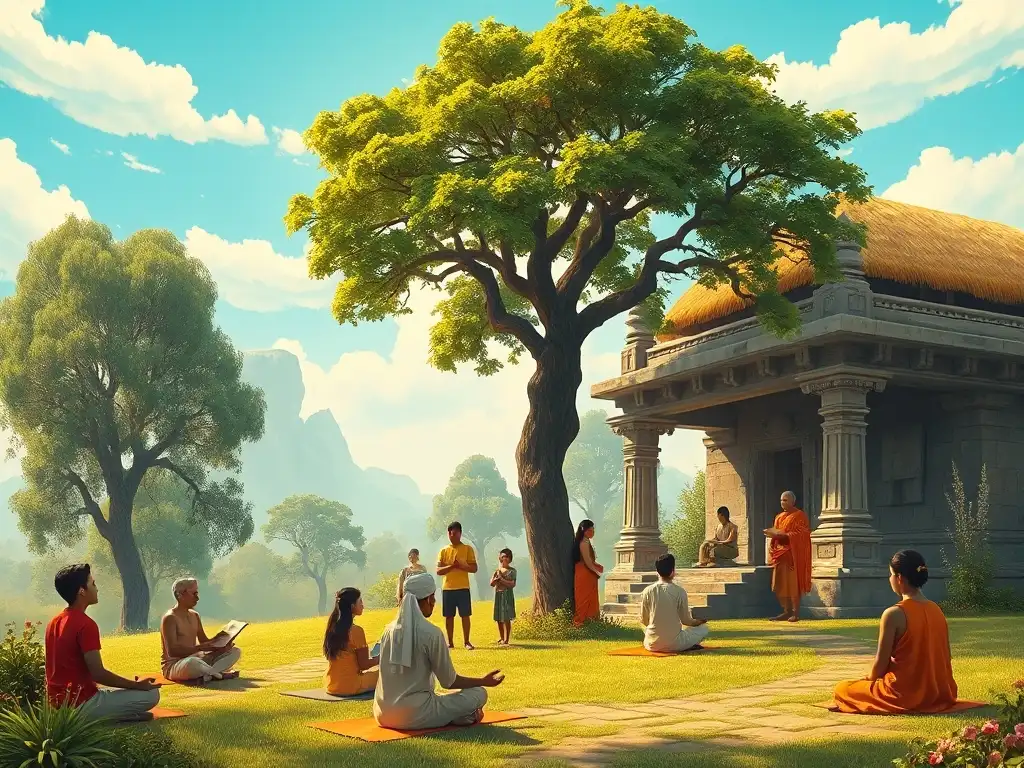
Gurukuls were pivotal in shaping the educational landscape of ancient India, serving as centers for holistic learning that integrated various disciplines. Some of the most renowned gurukuls include:
- Gurukul of Takshashila (Taxila):
- Location: Present-day Pakistan
- Focus Areas: Medicine, mathematics, astronomy, philosophy, and military science.
- Notable Contributions: This gurukul attracted students from across the world and is credited with nurturing scholars like Charak, the father of Ayurveda. It fostered a culture of inquiry and debate, laying the groundwork for numerous scientific advancements.
- Gurukul of Nalanda:
- Location: Bihar, India
- Focus Areas: Buddhist philosophy, logic, grammar, and metaphysics.
- Notable Contributions: Renowned for its vast library, Nalanda was an intellectual hub where scholars such as Nagarjuna and Dharmakirti made significant contributions to Buddhist philosophy and logic. The gurukul's curriculum emphasized critical thinking and dialectical reasoning.
- Gurukul of Vikramshila:
- Location: Bihar, India
- Focus Areas: Mahayana Buddhism, philosophy, and the arts.
- Notable Contributions: Founded by the Pala king Dharmapala, Vikramshila was instrumental in the revival of Buddhism in India. It served as a center for the dissemination of Buddhist texts and teachings.
These gurukuls exemplified the ancient Indian holistic learning system, emphasizing not just rote memorization but a comprehensive understanding of subjects through dialogue and practical application.
Impact of Gurukuls on Prominent Ancient Scholars
The influence of gurukuls on prominent scholars in ancient India cannot be overstated. These institutions were not merely places of learning; they were nurturing grounds for some of the greatest minds in history. Here are a few notable scholars and their associations with gurukuls:
- Panini:
- Affiliation: Gurukul of Takshashila
- Contributions: Panini is best known for his work on Sanskrit grammar, the "Ashtadhyayi." His teachings at Takshashila established a systematic approach to language that is still referenced today.
- Aryabhata:
- Affiliation: Gurukul of Nalanda
- Contributions: Aryabhata was a pioneering mathematician and astronomer. His seminal work, "Aryabhatiya," laid the foundation for modern mathematics and astronomy, demonstrating the depth of knowledge available through the gurukul system.
- Brahmagupta:
- Affiliation: Gurukul of Ujjain
- Contributions: Known for his contributions to mathematics and astronomy, his text "Brahmasphutasiddhanta" introduced concepts such as zero and negative numbers, reflecting the innovative spirit fostered in ancient educational institutions.
These scholars not only excelled in their fields but also contributed to the global pool of knowledge, illustrating the profound impact of ancient Indian holistic learning on intellectual history.
Legacy of Gurukuls in Indian Education History
The legacy of gurukuls extends far beyond their historical existence; they laid the foundation for modern educational practices in India and influenced educational systems worldwide. The key aspects of this legacy include:
- Holistic Development: The gurukuls promoted a well-rounded education that included physical, mental, and spiritual growth. This approach is evident in contemporary educational philosophies that emphasize the importance of a balanced curriculum.
- Mentorship and Teacher-Student Relationships: The traditional guru-shishya (teacher-student) relationship cultivated in gurukuls has influenced modern pedagogical methods, emphasizing personalized learning and mentorship.
- Diverse Curriculum: The inclusivity of subjects taught in gurukuls, ranging from sciences to arts and philosophy, serves as a precursor to today's interdisciplinary educational practices. This emphasis on a broad curriculum fosters critical thinking and creativity among students.
- Cultural and Ethical Foundations: Gurukuls imparted values and ethics alongside academic knowledge, a practice that continues in modern education systems aiming to produce not just knowledgeable but also socially responsible individuals.
The ancient Indian holistic learning model epitomized by gurukuls has had a lasting impact on the educational landscape, shaping not only India's educational practices but also influencing global paradigms of learning and knowledge dissemination.
Challenges Faced by Gurukuls
Societal Changes Affecting Gurukuls
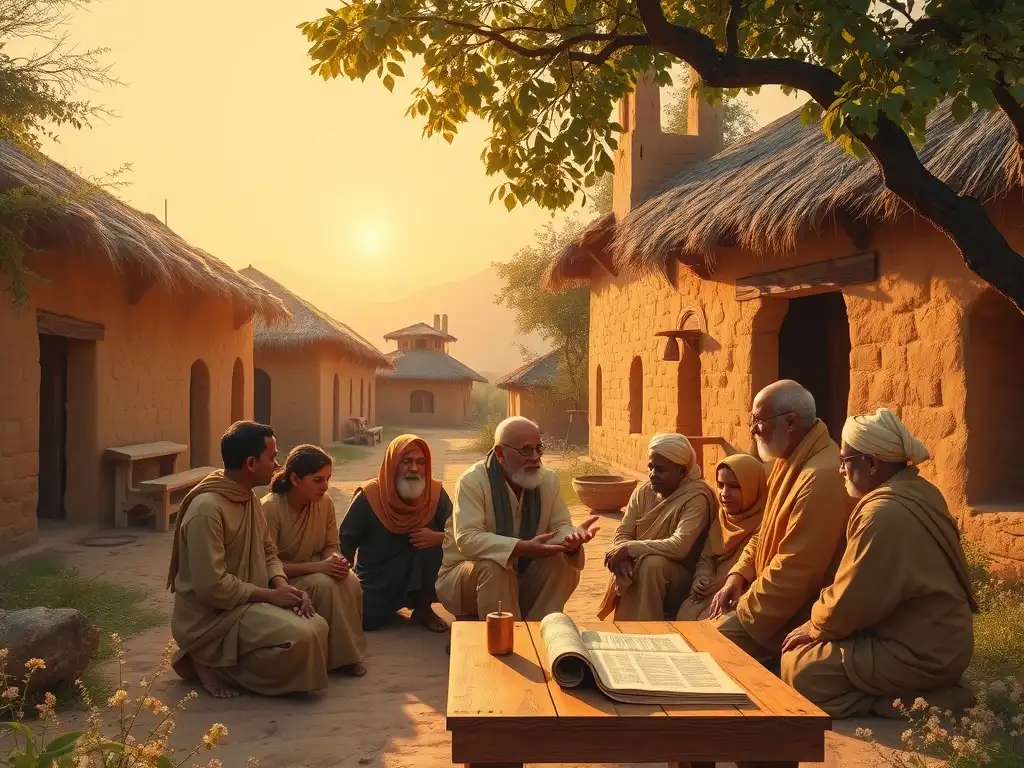
The Gurukul system of education, a hallmark of ancient Indian holistic learning, encountered numerous challenges as Indian society evolved. The transition from a predominantly agrarian society to one influenced by trade, urbanization, and later colonial rule significantly impacted the functioning of Gurukuls.
- Shift in Educational Needs: As society's needs changed, the curriculum offered by Gurukuls struggled to adapt. With the rise of commerce and trade, there was an increasing demand for practical skills and knowledge in fields like mathematics and accounting, which were often not prioritized in traditional Gurukul education.
- Urbanization: The migration of families to urban centers led to a decline in the number of students attending Gurukuls, as educational institutions in cities began to emerge. These institutions offered different curricula that appealed to the aspirations of the urban populace, diminishing the relevance of Gurukuls.
- Colonial Influence: The British colonial rule introduced Western education systems that emphasized scientific and technological education, further overshadowing the Gurukul model. The new education system was often seen as superior, leading to a decline in the traditional Gurukul approach, which was rooted in spiritual and philosophical teachings.
Decline of the Gurukul System in Later Periods
The decline of the Gurukul system can be attributed to several interlinked factors that transformed the educational landscape of ancient India.
- Political Instability: The invasions and subsequent political turmoil during the medieval period disrupted the continuity of Gurukuls. Many Gurukuls were abandoned as safety became a primary concern for families, resulting in a significant drop in enrollment.
- Changing Patronage: Traditionally, Gurukuls were supported by local kings and wealthy patrons who valued education. As political structures changed, so did the nature of patronage. The shift toward centralized power often neglected local educational institutions like Gurukuls, leading to their decline.
- Emergence of Alternative Educational Models: As new forms of education emerged, including the introduction of Madrasas and schools following Western models, students began to gravitate towards these new systems that promised better career opportunities and a modernized curriculum.
Preservation of Holistic Learning Principles
Despite the challenges faced and the decline of the Gurukul system, the principles of ancient Indian holistic learning have not been entirely lost. Efforts to preserve the essence of Gurukul education are evident in various contemporary practices.
- Integration into Modern Education: Many educational institutions today seek to integrate holistic learning principles into their curricula. By emphasizing not just academics but also moral values, physical education, and arts, these institutions honor the comprehensive approach of Gurukuls.
- Revival Movements: There are several initiatives in modern India aimed at reviving the Gurukul system, blending its traditional teachings with contemporary educational needs. These movements focus on creating a learning environment that fosters creativity, critical thinking, and ethical values, resonating with the holistic learning approach of ancient times.
- Cultural Programs and Workshops: Organizations dedicated to preserving ancient Indian culture conduct workshops and programs that teach traditional knowledge, arts, and philosophies, all rooted in the Gurukul system. This ensures that the foundational principles of holistic learning continue to thrive within modern educational contexts.
While the Gurukul system has faced significant challenges over the centuries, its foundational principles of holistic learning remain relevant and are being adapted within contemporary education, ensuring that the wisdom of ancient Indian civilization continues to inspire future generations.
The Relevance of Gurukuls Today
Reviving Ancient Indian Holistic Learning in Modern Education
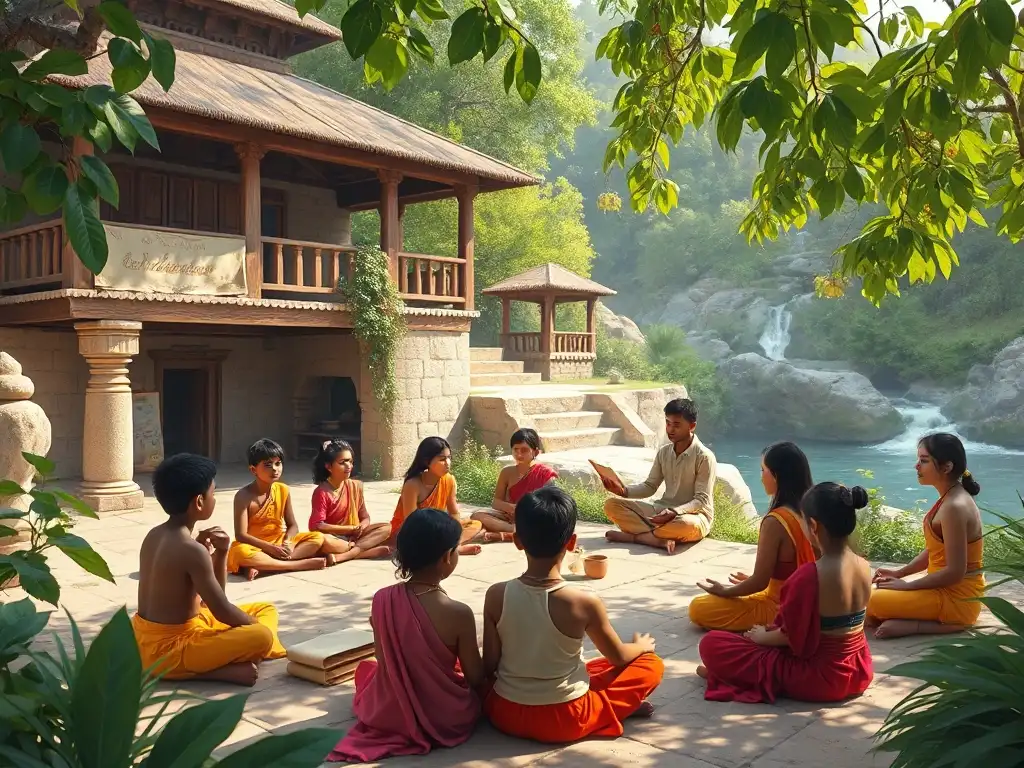
The concept of ancient Indian holistic learning as practiced in Gurukuls is gaining renewed attention in contemporary educational settings. In the context of modern education, which often emphasizes standardized testing and rote memorization, Gurukuls offer a refreshing alternative that prioritizes the overall development of a student. Holistic learning, characterized by its inclusive approach, nurtures not just academic excellence but also emotional, social, and moral growth.
Gurukuls were centered around the idea that education is not merely a means to acquire knowledge but a transformative journey. This perspective aligns with current educational philosophies that advocate for:
- Experiential Learning: Engaging students through hands-on activities and real-world applications.
- Emotional Intelligence: Developing skills such as empathy, self-awareness, and interpersonal relationships.
- Cultural Awareness: Emphasizing the importance of cultural heritage and values in shaping a well-rounded individual.
Research shows that integrating elements of ancient Indian holistic learning can lead to improved student engagement and retention rates. For example, educational institutions that incorporate storytelling, meditation, and community service into their curriculum report higher levels of student satisfaction and a deeper understanding of the material.
Incorporating Gurukul Principles in Contemporary Educational Practices
To effectively integrate Gurukul principles into modern educational practices, educators can adopt several strategies. These strategies focus on creating a learning environment that mirrors the nurturing and collaborative atmosphere of traditional Gurukuls:
- Mentorship Programs: Establishing mentor-mentee relationships that mimic the bond between Gurus and Shishyas (students) fosters personalized learning experiences. This approach encourages students to explore their interests and develop critical thinking skills.
- Interdisciplinary Learning: Combining subjects such as art, science, and humanities promotes a holistic understanding of knowledge, similar to the Gurukul system that encompassed diverse disciplines. This can be achieved through project-based learning where students collaborate on interdisciplinary projects.
- Community Engagement: Encouraging students to participate in community service and local cultural activities cultivates social responsibility. This practice reflects the Gurukul tradition of serving society and learning from real-life experiences.
- Mindfulness and Meditation: Incorporating mindfulness practices into the daily routine can enhance focus and emotional well-being, drawing from the spiritual aspects of Gurukuls.
By applying these principles, modern educational systems can create a more holistic approach that prepares students not just for exams, but for life.
The Future of Holistic Learning Inspired by Gurukuls
Looking ahead, the future of education may increasingly lean towards holistic learning models inspired by Gurukuls. As the world grapples with rapid technological advancements and societal changes, educational frameworks must evolve to meet new challenges.
Key trends likely to shape this future include:
- Personalized Learning: Leveraging technology to tailor educational experiences to individual student needs, much like the personalized attention in Gurukuls.
- Global Citizenship: Fostering a sense of responsibility towards the global community, encouraging students to engage with diverse cultures and perspectives.
- Sustainable Practices: Integrating environmental education and sustainability into the curriculum, reflecting the Gurukuls' emphasis on harmony with nature.
The principles of ancient Indian holistic learning as practiced in Gurukuls hold significant potential to enrich modern education. By embracing these principles, educators can cultivate well-rounded individuals who are not only knowledgeable but also empathetic, responsible, and adaptable to the complexities of the modern world.
Conclusion: The Lasting Impact of Gurukuls on Education
Summary of Gurukuls' Contributions to Ancient Indian Holistic Learning
The Gurukul system of education was a cornerstone of ancient Indian holistic learning, fundamentally shaping the educational landscape of the time. These institutions, typically situated in serene environments away from urban distractions, provided not only academic knowledge but also moral and spiritual guidance. Here are the key contributions of Gurukuls to ancient Indian holistic learning:
- Comprehensive Curriculum:
- Gurukuls offered a curriculum that encompassed various subjects, including:
- Vedic studies: Focused on religious texts and philosophy.
- Arts and Sciences: Covering subjects like mathematics, astronomy, music, and dance.
- Physical Education: Incorporating martial arts and yoga, promoting physical health alongside mental development.
- Gurukuls offered a curriculum that encompassed various subjects, including:
- Personalized Education:
- The small size of Gurukuls allowed for:
- Individual attention: Teachers could cater to the unique learning pace and style of each student.
- Mentorship: The close teacher-student relationship fostered deeper understanding and personal growth.
- The small size of Gurukuls allowed for:
- Moral and Ethical Training:
- Gurukuls emphasized the importance of character building through:
- Values and ethics: Students were taught the significance of honesty, respect, and community service.
- Cultural traditions: Incorporating regional customs, stories, and practices that instilled a sense of identity.
- Gurukuls emphasized the importance of character building through:
- Practical Learning:
- Learning was often experiential, with a focus on:
- Hands-on experiences: Engaging students in real-world tasks and community projects.
- Nature-based learning: Utilizing the natural environment to teach about agriculture, ecology, and sustainability.
- Learning was often experiential, with a focus on:
This holistic approach not only prepared students for their future roles in society but also ensured a well-rounded development that was both intellectual and emotional.
Final Thoughts on the Importance of Ancient Educational Systems
The Gurukul system represents a profound legacy in the context of ancient Indian holistic learning, showcasing a model that prioritized the development of the whole individual. As we reflect on the importance of these ancient educational systems, several insights come to light:
- Foundation of Lifelong Learning:
- The emphasis on diverse subjects and practical skills in Gurukuls laid the groundwork for a culture of lifelong learning. This approach encouraged curiosity and adaptability, traits that are crucial in today’s fast-changing world.
- Integration of Knowledge and Ethics:
- By combining academic learning with moral education, Gurukuls fostered a generation of individuals who were not only knowledgeable but also responsible and ethical citizens. This integration is increasingly relevant as modern education seeks to address the ethical implications of knowledge.
- Influence on Contemporary Education:
- The principles of the Gurukul system can still be seen in various educational practices today, such as:
- Montessori and Waldorf methods: These contemporary approaches echo the holistic, student-centered philosophies that originated in Gurukuls.
- Project-based learning: A method that emphasizes experiential learning, akin to the practical applications valued in ancient education.
- The principles of the Gurukul system can still be seen in various educational practices today, such as:
The Gurukul system stands as a testament to the enduring value of holistic education, offering lessons that remain relevant in the quest for effective and meaningful learning in the modern era. By revisiting these ancient practices, we can enrich today's educational frameworks, ensuring a balanced development of intellect, character, and social responsibility.
Frequently Asked Questions
What are Gurukuls in ancient India?
Gurukuls were residential schools that provided holistic learning by combining academics, physical education, and spiritual training, fostering a well-rounded education.
How did the Gurukul system promote holistic learning?
The Gurukul system emphasized experiential learning, where students learned through direct interaction with nature and hands-on experiences, promoting overall development.
What subjects were taught in Gurukuls?
Students in Gurukuls studied a variety of subjects, including philosophy, mathematics, music, and warfare, ensuring a comprehensive understanding of various disciplines.
What role did the Gurukul system play in ancient Indian society?
Gurukuls were instrumental in preserving and transmitting knowledge, culture, and traditions, shaping the moral and ethical fabric of ancient Indian society.
How has the concept of Gurukuls influenced modern education?
The principles of the Gurukul system continue to inspire holistic education practices today, emphasizing the importance of integrated learning and character development in modern curricula.
Final Reflection: Embracing the Wisdom of Ancient Indian Holistic Learning
The principles of ancient Indian holistic learning remain profoundly relevant in today's fast-paced world. As we navigate the complexities of modern education and personal development, the teachings of Gurukuls remind us that learning is not merely about acquiring knowledge but about nurturing the mind, body, and spirit. This holistic approach challenges us to rethink our educational paradigms and prioritize well-rounded growth over rote memorization.
Cultural and social landscapes continue to be shaped by the values instilled in Gurukuls, emphasizing community, mentorship, and experiential learning. The essence of this ancient system fosters a sense of belonging and interconnectedness that is often lost in contemporary education. As Mahatma Gandhi once said, "> Live as if you were to die tomorrow. Learn as if you were to live forever." This quote encapsulates the spirit of lifelong learning that Gurukuls embodied, encouraging us to cultivate curiosity and wisdom throughout our lives.
As we reflect on the teachings of ancient Indian holistic learning, I invite you to consider how these principles can be integrated into your own life. Take a moment to assess your learning journey—are you nurturing not just your intellect but also your emotional and spiritual well-being? Embrace the holistic approach of Gurukuls by seeking balance, fostering connections, and remaining open to the lessons life has to offer. In doing so, you not only honor this rich heritage but also pave the way for a more fulfilling and enlightened future.
Embrace the Wisdom of Gurukuls Today!
Thank you for diving into the rich history of Gurukuls and their transformative approach to holistic learning. Your interest shows that you value the depth and breadth of ancient educational systems. Now, it’s time to take that inspiration and put it into action!
Here are a few ways you can incorporate the wisdom of Gurukuls into your modern life:
- Start your own learning circle: Gather friends or family to explore ancient texts and holistic practices together, just like in a traditional Gurukul setting.
- Participate in local workshops that focus on holistic education, such as yoga, meditation, or traditional arts—this is a great way to gain hands-on experience!
- Share your insights: Discuss your newfound knowledge in online forums or on social media platforms to inspire others about the benefits of ancient learning systems.
How will you apply the principles of Gurukul learning in your life this week?