
The Role of Gurus in Ancient Indian Universities: Teachers and Mentors

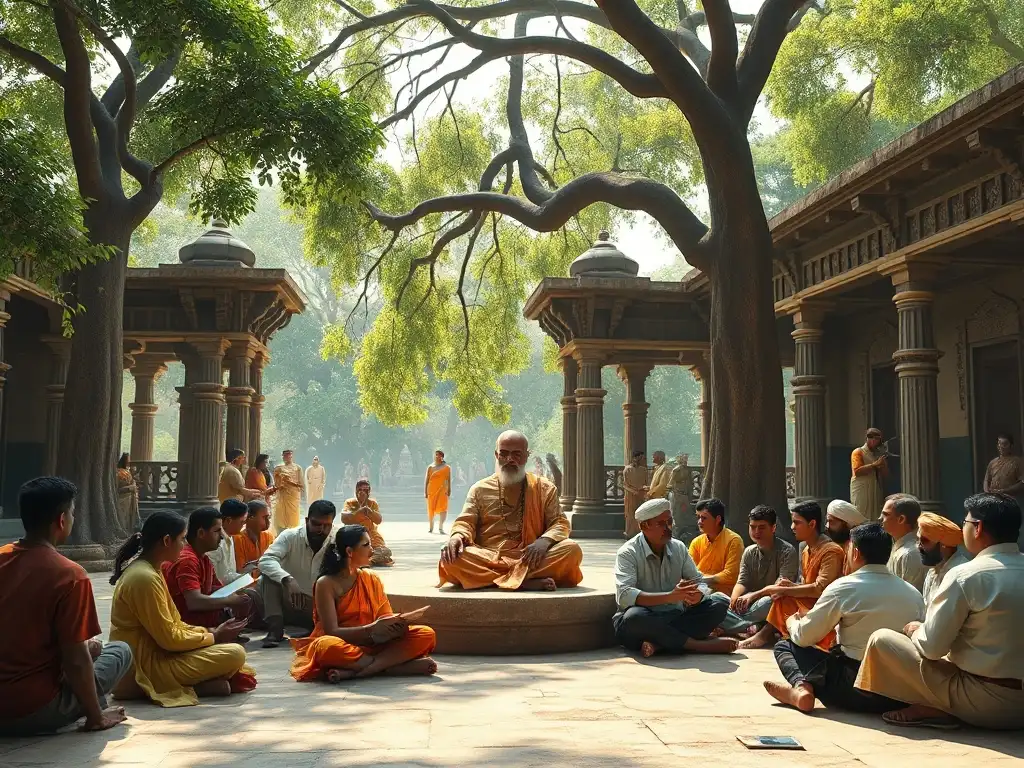
Welcome to Ancient India History, where we delve into the rich tapestry of India's past, exploring the remarkable contributions of its ancient civilizations. In our featured article, we uncover the profound influence of ancient Indian universities and their gurus—the esteemed teachers and mentors who shaped the minds of countless scholars. What role did these figures play in cultivating knowledge and wisdom during a time of profound cultural advancement? Join us on this enlightening journey to discover how these educational pioneers laid the foundation for generations to come. Your adventure into the depths of ancient wisdom awaits!
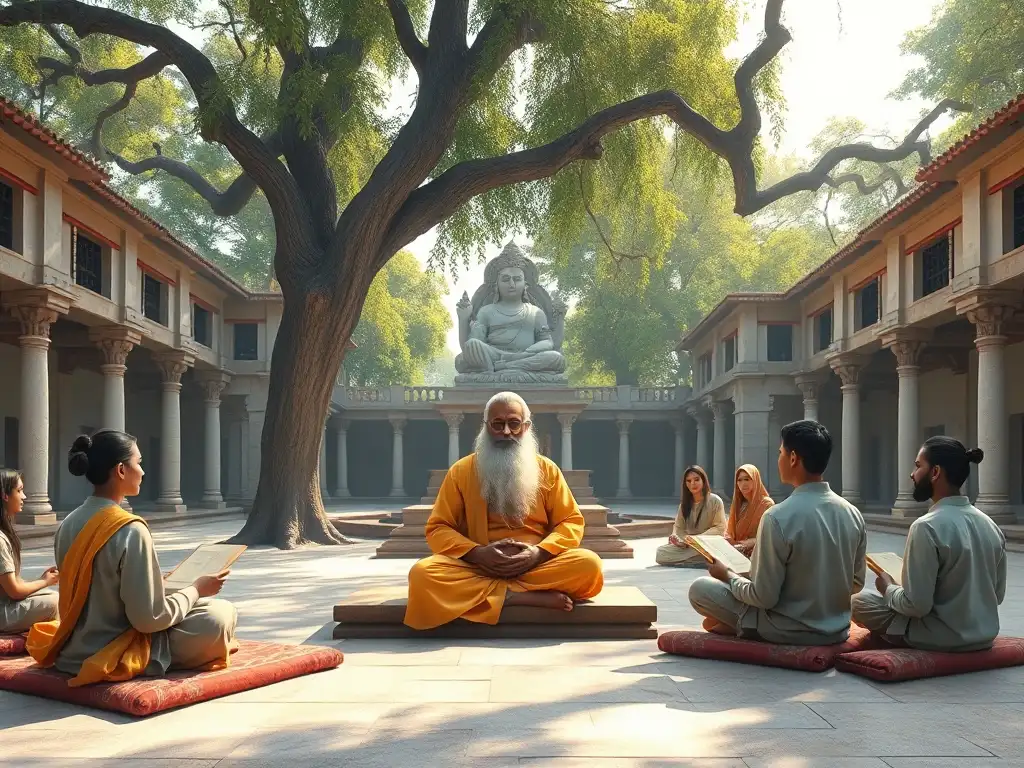
Introduction to Ancient Indian Universities and Gurus
The ancient Indian universities, such as Nalanda, Taxila, and Vikramshila, were not only centers of learning but also vibrant hubs of cultural exchange, philosophical inquiry, and spiritual growth. At the heart of these institutions were the gurus, revered teachers and mentors who shaped the educational landscape of ancient India.
The role of gurus in ancient Indian universities transcended mere instruction; they were pivotal in guiding students through a holistic education that encompassed not only academic disciplines but also moral and ethical values. This article delves into the significant contributions of these educators, exploring their influence on the educational systems of ancient India and the lasting legacy they left behind.
Overview of Ancient Indian Universities
Ancient Indian universities were remarkable institutions that flourished from around the 5th century BCE to the 12th century CE. They attracted students from various regions, including Southeast Asia, China, and even parts of Persia. These universities offered a diverse range of subjects, including:
- Philosophy
- Mathematics
- Astronomy
- Medicine
- Literature
The architecture of these universities reflected their grandeur and significance, with sprawling campuses that housed lecture halls, libraries, and dormitories. The educational system was built on a foundation of rigorous academic pursuit, where students engaged in dialogues, debates, and discussions, fostering an environment of intellectual curiosity.
Importance of Gurus in Education Systems
Gurus played an indispensable role in the education systems of ancient India. Their significance can be summarized as follows:
- Knowledge Transmission: Gurus were not just teachers; they were custodians of knowledge, responsible for preserving and transmitting ancient texts and wisdom.
- Mentorship: They guided students in their intellectual and personal development, often forming lifelong bonds with them.
- Moral and Ethical Instruction: Gurus instilled values of righteousness, compassion, and integrity, shaping the character of their students alongside their academic pursuits.
The profound respect for gurus in ancient Indian society is evident in various texts, where their teachings were often seen as a pathway to spiritual enlightenment and self-realization.
Historical Context of Gurus in Ancient Indian Education
Evolution of Gurus in Vedic and Post-Vedic Periods
The concept of the guru has its roots in the Vedic period, where they were primarily seen as spiritual guides. As the educational landscape evolved into the Post-Vedic period, the role of the guru transformed significantly. With the establishment of universities, gurus began to adopt a more formalized approach to teaching, focusing on a structured curriculum while still retaining the spiritual essence of their guidance. This evolution marked a shift towards a more comprehensive educational framework that combined practical knowledge with philosophical inquiry.
The Influence of Religion and Philosophy on Guru Roles
The roles of gurus were deeply intertwined with the religious and philosophical currents of their times. Different schools of thought, such as Buddhism, Jainism, and Hinduism, shaped the pedagogical methods and teachings of the gurus. For instance, Buddhist universities emphasized critical thinking and debate, while Hindu gurus often integrated spiritual practices into their teachings. This interplay between religion and education enriched the learning experience, allowing students to explore diverse perspectives and cultivate a holistic worldview.
The role of gurus in ancient Indian universities was multifaceted and crucial to the development of education in ancient India. Their influence shaped not only the academic landscape but also the moral and ethical framework of society, leaving a legacy that continues to resonate in contemporary educational philosophies.
Characteristics of Gurus in Ancient Indian Universities
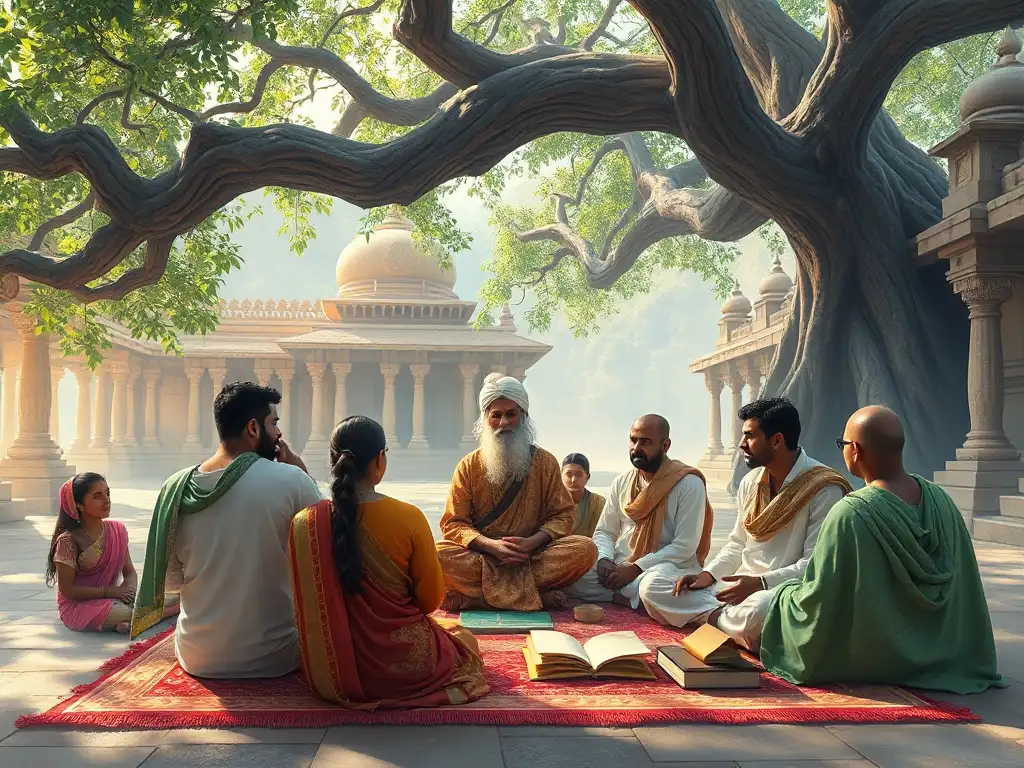
Gurus played a pivotal role in the educational landscape of ancient Indian universities, where they were not only teachers but also spiritual guides and mentors. The characteristics of these esteemed figures were multifaceted, reflecting their profound influence on both academic and personal development.
- Extensive Knowledge: Gurus were expected to possess a deep understanding of various subjects, ranging from philosophy and mathematics to spirituality and ethics. This breadth of knowledge enabled them to provide comprehensive education, catering to the diverse interests of their students.
- Wisdom and Experience: Beyond academic knowledge, effective gurus embodied wisdom cultivated through years of experience and introspection. They were often seen as living examples of the principles they taught, guiding their students through both intellectual and moral dilemmas.
- Empathy and Patience: A successful guru demonstrated empathy and patience, recognizing the unique learning paces and styles of their students. This quality fostered an environment of trust and open communication, essential for effective teaching and mentorship.
- Commitment to Student Development: Gurus were deeply invested in the holistic development of their students. They aimed to nurture not just scholars but also well-rounded individuals capable of contributing positively to society.
- Spiritual Guidance: In many cases, gurus also served as spiritual leaders, helping students navigate their spiritual journeys alongside their academic pursuits. This dual role emphasized the integration of knowledge and spirituality in ancient Indian education.
The Qualities of an Effective Guru
An effective guru in ancient Indian universities exhibited specific qualities that distinguished them from mere instructors. These qualities were essential for fostering a conducive learning atmosphere.
- Charisma: The ability to inspire and motivate students was crucial. Charismatic gurus could engage students, making complex subjects accessible and interesting.
- Integrity: Gurus were expected to uphold high moral standards, serving as role models for their students. Their integrity fostered respect and admiration among followers.
- Adaptability: Effective gurus adapted their teaching methods to suit the needs of their students. This flexibility allowed them to address varying levels of understanding and learning styles.
- Critical Thinking: Encouraging critical thinking and intellectual inquiry was paramount. Great gurus challenged their students to question assumptions and develop their own perspectives.
- Mentorship Skills: Beyond teaching, effective gurus provided mentorship, guiding students in their personal and professional lives. This relationship often extended beyond formal education, impacting students for years to come.
The Guru-Shishya Relationship: A Unique Bond
The relationship between a guru and their shishya (student) was distinctively unique and central to the educational philosophy of ancient India. This bond was characterized by mutual respect, commitment, and a shared pursuit of knowledge.
- Mutual Respect: The guru-student relationship was built on a foundation of respect. Students honored their gurus, recognizing their authority and wisdom, while gurus respected their students’ potential and individuality.
- Lifelong Commitment: The bond often extended beyond the classroom, with gurus mentoring their students throughout their lives. This lifelong commitment was rooted in the belief that learning is a continuous journey.
- Emotional and Spiritual Connection: The relationship often included emotional and spiritual dimensions. Gurus not only educated their students but also guided them through personal challenges, fostering a deep trust and loyalty.
- Reciprocal Learning: While the guru imparted knowledge, the relationship was also one of reciprocal learning. Students often introduced fresh ideas and perspectives, enriching the guru’s understanding and approach.
- Cultural Transmission: This relationship played a crucial role in the transmission of cultural values and traditions, as gurus instilled in their students a sense of identity and purpose within the broader fabric of society.
Prominent Gurus in Ancient Indian Universities
Throughout the history of ancient Indian universities, several prominent gurus emerged, leaving indelible marks on the educational landscape. Their contributions shaped the intellectual and spiritual life of their times and continue to influence modern thought.
Notable Gurus and Their Contributions
- Gautama Buddha: While primarily known as a spiritual leader, Buddha's teachings laid the groundwork for philosophical inquiry and ethics in ancient education. His emphasis on questioning and introspection influenced many educational systems.
- Adi Shankaracharya: A revered philosopher and theologian, Shankaracharya played a vital role in the revival of Advaita Vedanta. His teachings and commentaries on ancient texts inspired generations of scholars and students.
- Panini: As a linguist and grammarian, Panini's work on Sanskrit grammar, particularly the Ashtadhyayi, set a standard for linguistic studies. His analytical approach to language influenced both linguistic theory and education in ancient India.
- Charaka: Known as the father of Ayurveda, Charaka's contributions to medicine and health were significant. His teachings emphasized the importance of holistic education, integrating physical health with spiritual well-being.
- Brahmagupta: A mathematician and astronomer, Brahmagupta's works in mathematics, particularly in algebra and number theory, were foundational for later developments in both Indian and global mathematics.
Case Studies of Influential Gurus in Institutions like Nalanda
Nalanda University, one of the most prestigious ancient universities, was home to several influential gurus whose teachings and philosophies left a lasting legacy.
- Nagarjuna: A prominent figure in Buddhist philosophy, Nagarjuna taught at Nalanda and is known for developing the concept of Shunyata (emptiness). His dialectical method of reasoning profoundly impacted Buddhist thought and philosophy.
- Vasubandhu: Another notable scholar at Nalanda, Vasubandhu contributed significantly to Buddhist philosophy and psychology. His works, particularly on the Abhidharma, served as essential texts for students and scholars throughout Asia.
- Dharmakirti: A leading figure in epistemology and logic, Dharmakirti's teachings on perception and inference shaped discussions in both Buddhist and non-Buddhist philosophical schools. His works influenced critical thinking and argumentation in ancient education.
- Sthiramati: Known for his commentaries on Buddhist texts, Sthiramati’s teachings emphasized the importance of understanding and interpretation. His contributions exemplified the integration of critical thought in educational practices at Nalanda.
- Hiuen Tsang: A Chinese traveler who visited Nalanda, Hiuen Tsang documented the university's teachings and the influential gurus he encountered. His accounts provide valuable insights into the educational practices and philosophies of the time.
These case studies illustrate how the teachings of prominent gurus in ancient Indian universities like Nalanda shaped the intellectual traditions of their time, fostering a rich environment of learning that transcended generations.
The Role of Gurus in Curriculum Development
In ancient Indian universities, gurus played a pivotal role in shaping the curriculum that guided students in their academic pursuits. The educational framework was not rigid; instead, it was dynamic, allowing gurus to adapt teachings based on current societal needs, philosophical advancements, and spiritual insights. Gurus were not just conveyors of knowledge but also innovators who integrated traditional teachings with contemporary thoughts, ensuring that students received a well-rounded education.
The curriculum often encompassed a diverse array of subjects, ranging from the Vedas and Upanishads to mathematics, astronomy, and medicine. Gurus would tailor the curriculum to include practical applications of theoretical knowledge, addressing the needs of society and encouraging students to engage in critical thinking and discourse. This flexibility in curriculum development fostered an environment where students were not only educated but also empowered to contribute meaningfully to society.
Subjects Taught by Gurus in Ancient Indian Universities
Ancient Indian universities, such as Nalanda and Takshashila, were renowned for their extensive and varied subjects, reflecting the depth of knowledge maintained by their gurus. Among the subjects taught were:
- Philosophy: Including various schools of thought such as Vedanta and Buddhism.
- Mathematics: Covering arithmetic, geometry, and algebra, with notable contributions from scholars like Aryabhata.
- Astronomy: Studying celestial bodies, their movements, and their effects on earthly phenomena.
- Medicine (Ayurveda): Focused on holistic healing and the balance of body, mind, and spirit.
- Literature: Including grammar, poetry, and rhetoric, which were essential for effective communication and expression.
- Logic and Debate: Encouraging critical thinking through dialectical methods.
Gurus not only taught these subjects but also inspired students to explore intersections between disciplines, fostering a multidisciplinary approach to education.
The Integration of Spiritual and Secular Knowledge
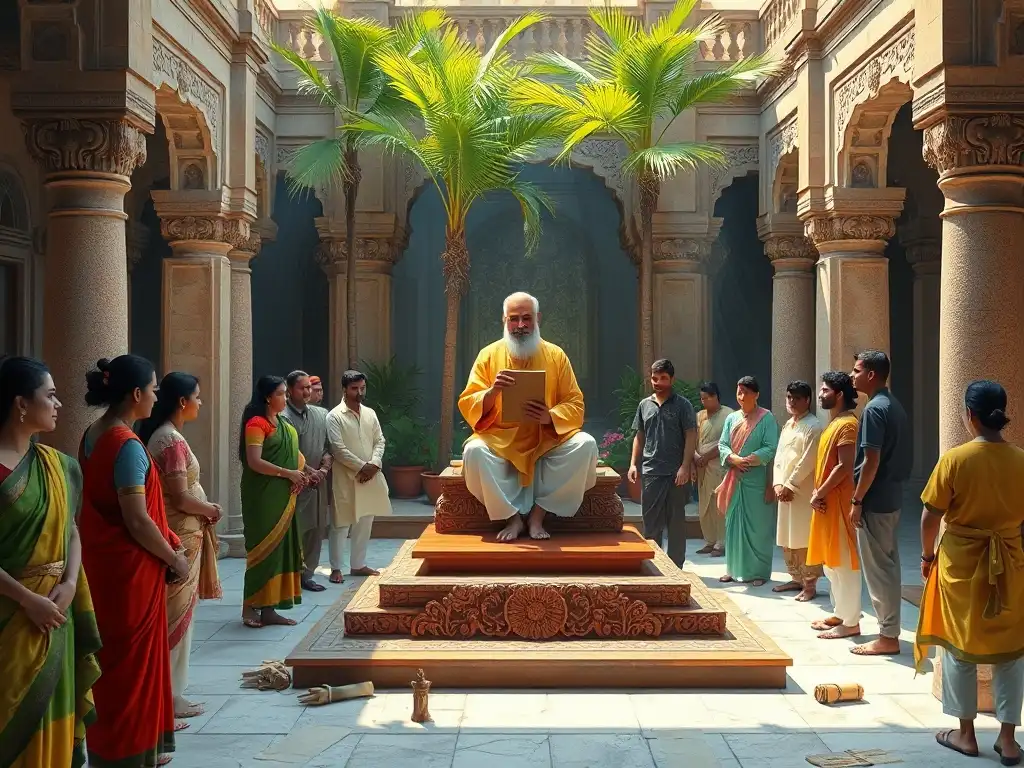
One of the defining characteristics of ancient Indian universities was the seamless integration of spiritual and secular knowledge. Gurus believed that true wisdom encompassed both material understanding and spiritual enlightenment. This dual approach was evident in the way subjects were taught; for instance, mathematics and astronomy were not taught merely as technical subjects but were imbued with philosophical implications that connected them to the cosmos and the divine.
Students were encouraged to explore the relationship between their studies and their spiritual lives, fostering a holistic understanding of existence. This integration not only enriched the academic experience but also prepared students to lead lives guided by ethical principles and a sense of purpose, reflecting the dual goals of education: intellectual growth and spiritual development.
Mentorship Beyond the Classroom
The influence of gurus extended far beyond the formal classroom setting. They often acted as mentors in various aspects of life, guiding students through personal and ethical dilemmas. This mentorship was essential in cultivating a sense of responsibility and moral integrity among students.
Gurus provided a safe space for open dialogue, encouraging students to express their thoughts and challenges. This guidance was not limited to academic pursuits; it also encompassed emotional and spiritual well-being, emphasizing the importance of personal growth alongside academic success.
The Role of Gurus in Personal Development of Students
Gurus played a crucial role in the personal development of their students by fostering qualities such as discipline, compassion, and resilience. They emphasized the importance of character building, encouraging students to reflect on their actions and the impact they have on others. This mentorship was instrumental in shaping students into leaders who were not only knowledgeable but also virtuous.
Through personalized attention, gurus could identify the unique strengths and weaknesses of each student, providing tailored guidance that catered to their individual growth paths. This focus on personal development was vital in preparing students to face the challenges of life with confidence and integrity.
Lifelong Learning and the Guru’s Influence
The relationship between a guru and a student was not limited to the duration of formal education; it often extended throughout life. Gurus instilled a love for lifelong learning in their students, encouraging them to pursue knowledge continuously, even after leaving the university. This ethos of perpetual inquiry was foundational in ancient Indian thought, emphasizing that learning is a never-ending journey.
Students were taught to seek wisdom in every experience and to view challenges as opportunities for growth. The influence of a guru often echoed throughout a student’s life, guiding their decisions and shaping their contributions to society long after their formal education had concluded. This enduring relationship highlights the profound impact gurus had on fostering a culture of learning and personal growth in ancient Indian universities.
Challenges Faced by Gurus in Ancient Indian Universities
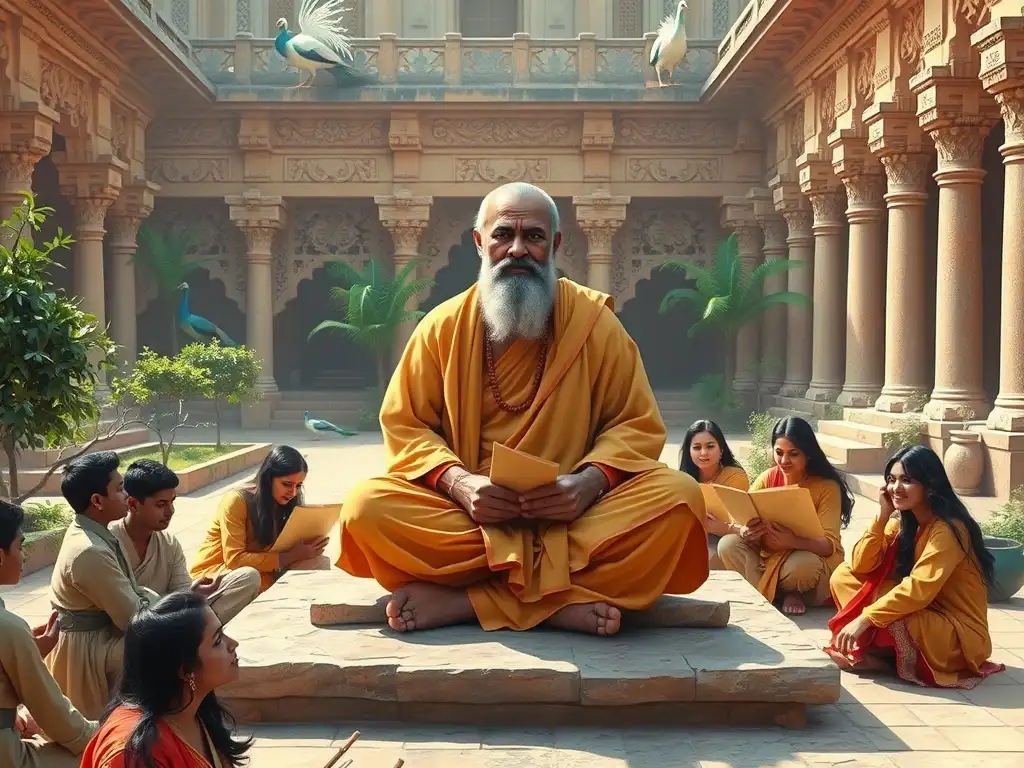
Gurus in ancient Indian universities encountered a myriad of challenges that impacted their roles as educators and mentors. These challenges stemmed from societal, political, and structural factors that shaped the educational landscape of their time.
Societal and Political Influences on Education
The societal framework of ancient India often dictated the accessibility and approach to education. The caste system created barriers for many aspiring students, limiting their opportunities to learn from esteemed gurus. This hierarchy often influenced which students could engage with certain subjects or teachings, restricting the flow of knowledge to a select few.
Politically, the stability of kingdoms played a crucial role in the functioning of universities. Periods of invasions, wars, or shifts in power often led to the decline or closure of educational institutions, leaving gurus without a platform to teach. Moreover, the changing political ideologies could undermine the relevance of certain subjects, forcing gurus to adapt their teachings to align with current rulers or societal needs.
The Decline of Gurus and Ancient Indian Universities
The decline of ancient Indian universities can be attributed to several intertwined factors. With the rise of foreign invasions, particularly during the medieval period, many prestigious institutions like Nalanda and Takshashila faced destruction. This not only resulted in the loss of physical infrastructure but also led to the scattering of learned gurus who were critical to these universities.
Furthermore, the transition from traditional learning to more centralized forms of education diminished the role of gurus. As modern educational systems emerged, their pedagogical practices became sidelined, leading to the gradual erosion of the guru-student dynamic that had been a hallmark of ancient Indian education. This decline was exacerbated by the lack of governmental support for preserving ancient educational traditions, resulting in a significant shift in how knowledge was transmitted.
Legacy of Gurus in Modern Education Systems
Despite the challenges and eventual decline of ancient Indian universities, the legacy of gurus continues to influence modern educational practices. Their methods of teaching and mentorship have left an indelible mark on contemporary education, emphasizing the importance of personalized learning and holistic development.
The Impact of Ancient Indian Gurus on Contemporary Teaching Methods
The pedagogical approaches adopted by ancient Indian gurus have informed various contemporary teaching methods. Their emphasis on interactive learning, where students actively participated in discussions and debates, has been integrated into modern classrooms. This Socratic method encourages critical thinking and fosters a deeper understanding of subjects, akin to the dialogues that characterized ancient learning.
Moreover, the guru's role as a mentor rather than just an instructor has found resonance in contemporary educational practices. The mentor-mentee relationship fosters a supportive learning environment, encouraging students to explore their interests and develop their potential under the guidance of experienced educators.
Relevance of Guru Principles in Today's Educational Practices
The principles established by ancient Indian gurus remain relevant in today’s educational landscape. Concepts such as the importance of character development, ethical learning, and the pursuit of knowledge for its own sake are integral to modern educational philosophies. Additionally, the idea of lifelong learning, championed by gurus, is increasingly embraced in various educational frameworks, promoting continuous personal and professional growth.
Incorporating these principles into modern curricula can enrich the educational experience, fostering a holistic approach to education that values not just academic success but also personal development and social responsibility. As educators strive to build inclusive and effective learning environments, the teachings of ancient Indian gurus serve as a timeless reminder of the transformative power of education.
Conclusion: The Enduring Influence of Gurus in Ancient Indian Universities
The legacy of gurus in ancient Indian universities is profound and far-reaching, shaping not only the educational landscape of their time but also laying the groundwork for future generations. These revered teachers played a pivotal role in fostering intellectual growth, nurturing critical thinking, and instilling ethical values in their students. The teachings and methodologies employed by gurus were not merely academic; they encompassed a holistic approach to education that integrated philosophy, spirituality, and practical knowledge.
Moreover, the presence of these mentors created a vibrant academic culture that encouraged dialogue and debate, allowing for the exchange of ideas across diverse disciplines. This environment fostered innovation and creativity, leading to significant advancements in various fields such as mathematics, astronomy, medicine, and philosophy. The influence of the gurus extended beyond the classroom, as they also served as moral compasses for their students, guiding them in their personal and professional lives.
As we reflect on the contributions of these extraordinary educators, it becomes evident that their impact continues to resonate in modern educational contexts. The principles established by ancient Indian universities, rooted in respect for knowledge and the importance of mentorship, remain relevant today.
Reflection on the Contributions of Gurus to Education and Culture
The contributions of gurus in ancient Indian universities were multifaceted, encompassing not just the transfer of knowledge but also the cultivation of a rich cultural heritage. These mentors were instrumental in preserving ancient texts and philosophies, ensuring that the wisdom of previous generations was not lost. By engaging students in rigorous dialogues, they encouraged critical analysis and independent thought, which were crucial for the development of a well-rounded intellect.
Gurus also played a vital role in the dissemination of spiritual and ethical teachings. Their guidance helped shape the moral compass of their students, instilling values such as compassion, integrity, and a sense of duty toward society. This holistic approach to education fostered a sense of community among students, who often formed lifelong bonds with their mentors and peers.
Moreover, the methods employed by these gurus—such as storytelling, debates, and practical demonstrations—were innovative for their time. They recognized that learning is not a one-size-fits-all process and adapted their teaching strategies to meet the diverse needs of their students. This adaptability not only enhanced the learning experience but also encouraged students to embrace their unique strengths and interests.
The Continuing Importance of Mentorship in Learning Environments
The tradition of mentorship established by ancient Indian gurus remains crucial in contemporary educational settings. The role of a mentor transcends mere instruction; it encompasses guidance, support, and inspiration. In today’s fast-paced world, students benefit immensely from the personal connections they forge with educators who act as both teachers and mentors.
Mentorship fosters a supportive learning environment where students feel valued and understood. This relationship encourages students to seek help, express their ideas, and engage more deeply with their studies. Moreover, mentors can provide valuable insights based on their experiences, helping students navigate challenges and make informed decisions about their futures.
Additionally, the principles of mentorship emphasize the importance of lifelong learning. Just as ancient gurus instilled a passion for knowledge in their students, modern mentors continue to inspire curiosity and a desire for growth. By valuing the mentor-mentee relationship, educational institutions can cultivate an atmosphere that not only promotes academic excellence but also personal development.
The enduring influence of gurus in ancient Indian universities serves as a reminder of the pivotal role that mentorship plays in education. By honoring this tradition and incorporating its principles into contemporary learning environments, we can foster a culture of growth, resilience, and innovation that benefits future generations.
- Introduction to Ancient Indian Universities and Gurus
- Overview of Ancient Indian Universities
- Importance of Gurus in Education Systems
- Historical Context of Gurus in Ancient Indian Education
- Characteristics of Gurus in Ancient Indian Universities
- Prominent Gurus in Ancient Indian Universities
- The Role of Gurus in Curriculum Development
- Subjects Taught by Gurus in Ancient Indian Universities
- The Integration of Spiritual and Secular Knowledge
- Mentorship Beyond the Classroom
- The Role of Gurus in Personal Development of Students
- Lifelong Learning and the Guru’s Influence
- Challenges Faced by Gurus in Ancient Indian Universities
- Legacy of Gurus in Modern Education Systems
- Conclusion: The Enduring Influence of Gurus in Ancient Indian Universities
Frequently Asked Questions
What were ancient Indian universities known for?
Ancient Indian universities, such as Nalanda and Taxila, were renowned for their advanced education in various fields, including philosophy, medicine, and mathematics.
Who were the gurus in ancient Indian universities?
The gurus were teachers and mentors who played a crucial role in guiding students through their learning, emphasizing both academic knowledge and moral values.
How did ancient Indian universities contribute to society?
These universities contributed to society by producing scholars and thinkers who made significant advancements in science, literature, and arts, influencing not just India but the wider world.
What subjects were taught in ancient Indian universities?
Subjects included philosophy, astronomy, medicine, and mathematics, reflecting the diverse intellectual pursuits of ancient Indian civilizations.
What was the significance of the guru-shishya tradition?
The guru-shishya tradition emphasized a personal relationship between teacher and student, fostering a deep spiritual and educational bond that was central to the learning process in ancient India.
Final Reflection: The Enduring Legacy of Gurus in Ancient Indian Universities
The role of gurus in ancient Indian universities remains profoundly relevant today, as we navigate an increasingly complex educational landscape. The wisdom and mentorship provided by these revered figures not only shaped the minds of their students but also laid the foundation for a rich intellectual tradition that continues to inspire modern educational practices. In a world where knowledge is often commodified, the essence of the guru-student relationship reminds us of the importance of guidance, wisdom, and personal connection in the learning process.
The influence of gurus transcends time, shaping not just individual lives but the very fabric of society. Their teachings fostered an environment of inquiry and critical thinking, which is essential in our contemporary world. As we reflect on the legacy of these ancient educators, we can see their impact in the ongoing quest for knowledge and enlightenment. Education is the manifestation of the perfection already in man.
This quote encapsulates the idea that true education is not merely about the accumulation of facts, but about unlocking the potential within each individual, a principle that resonates deeply in today's educational discourse.
As we conclude this exploration of the role of gurus in ancient Indian universities, I invite you to reflect on your own educational journey. Consider how mentorship and guidance have shaped your path and how you can embody the spirit of the guru in your interactions with others.
Whether you are a teacher, a student, or simply a lifelong learner, take a moment to appreciate the profound impact of wisdom shared and the importance of nurturing the next generation of thinkers and leaders. Embrace the legacy of the gurus and strive to create an environment where knowledge flourishes, and mentorship thrives.
Unveil the Wisdom of Ancient Gurus!
Thank you for diving into the fascinating world of ancient Indian universities and the pivotal roles played by revered teachers. Your curiosity not only enriches your knowledge but also helps preserve this incredible legacy. Now, let’s take actionable steps to deepen your understanding and share this wisdom further!
- Explore your local library or online resources for books and documentaries about ancient Indian education systems.
- Connect with others by sharing your thoughts on social media or in discussion forums, inviting them to join the conversation on the importance of mentorship.
- Consider volunteering to mentor someone in your community, embodying the spirit of these ancient educators and making a difference in their lives!
What insights from these ancient teachers resonate most with you, and how can you apply their teachings in your modern life?