
Ancient Universities of India: A Comparative Study with Global Institutions

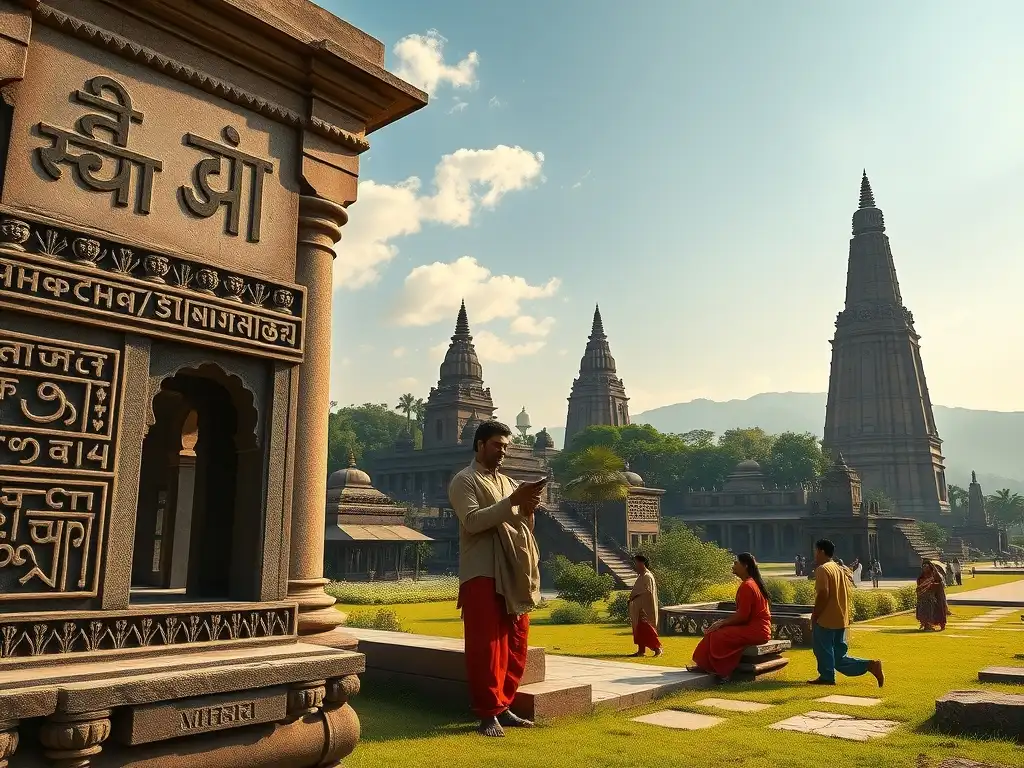
Welcome to Ancient India History, where we embark on a fascinating journey through the rich tapestry of ancient Indian civilizations! Dive into the intriguing world of Ancient Indian universities, a topic that not only reveals the educational advancements of the past but also highlights their profound influence on global institutions.
As you explore our main article, "Ancient Universities of India: A Comparative Study with Global Institutions," prepare to uncover the remarkable legacies of knowledge and learning that shaped not just a nation, but the entire world. Let your curiosity guide you as we unravel the stories of wisdom and innovation that lie within these hallowed halls of history!
- Ancient Indian Universities History: An Overview
- The Ancient Indian Universities: A Detailed Exploration
- Comparative Analysis: Ancient Indian Universities vs. Global Institutions
- Lessons from Ancient Indian Universities for Modern Education
-
Frequently Asked Questions
- What are the ancient universities of India?
- How did ancient Indian universities compare to global institutions?
- What was the role of ancient universities in preserving knowledge?
- How did the decline of ancient universities impact education in India?
- What contributions did ancient Indian universities make to the world?
- Final Reflection: The Timeless Legacy of Ancient Indian Universities
- Unveil the Legacy: Connect with Ancient Knowledge Today!
Ancient Indian Universities History: An Overview
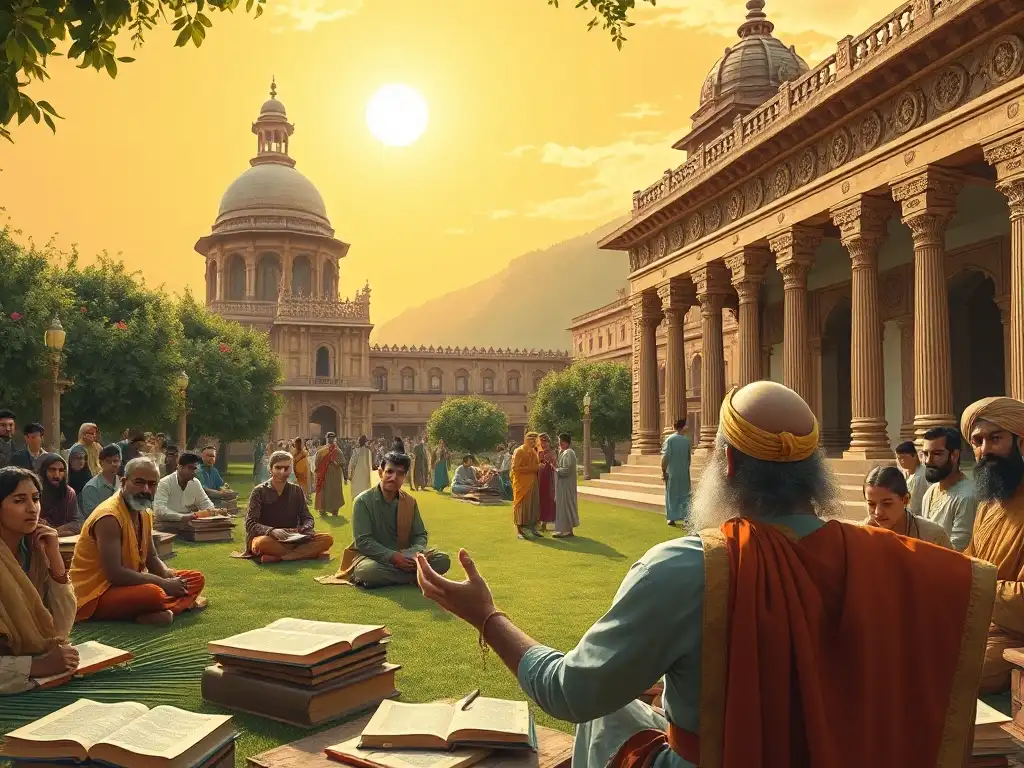
The history of ancient Indian universities is a profound testament to the rich educational heritage of India, showcasing a tradition that flourished long before the modern concepts of higher education emerged. Institutions like Nalanda and Takshashila not only served as centers of learning but also as hubs for cultural exchange, intellectual discourse, and innovation.
These universities attracted scholars from across Asia, fostering a spirit of inquiry and collaboration that contributed significantly to various fields, including philosophy, medicine, mathematics, and astronomy. By exploring the ancient Indian universities' history, we can gain insights into the educational systems that shaped civilizations and laid the groundwork for modern academia.
Understanding the Concept of Ancient Universities
Ancient Indian universities were more than mere educational institutions; they were vibrant communities where knowledge was revered and nurtured. Defined by their:
- Curriculum: A diverse range of subjects, including:
- Philosophy
- Medicine (Ayurveda)
- Mathematics
- Astronomy
- Arts and Literature
- Teaching Methods: Emphasizing:
- Oral transmission of knowledge
- Interactive learning through debates and discussions
- Practical applications of theoretical concepts
- Cultural Significance: These universities were:
- Centers for spiritual and philosophical thought
- Sites for cultural exchange between students from different regions
- Influencers of social and political structures in ancient India
Notable universities such as Nalanda and Takshashila exemplified this concept, drawing thousands of students and renowned scholars who contributed to the global pool of knowledge.
Significance of Education in Ancient India
Education in ancient India was regarded as a vital pillar for societal development and personal growth. The significance can be summarized as follows:
- Cultural Identity: Education played a crucial role in the preservation and transmission of Indian culture and values. The teachings of the Vedas and Upanishads were central to this process, fostering a sense of identity and continuity among generations.
- Social Mobility: Ancient universities provided opportunities for individuals from various backgrounds to attain knowledge and skills, enabling them to rise in societal ranks. This inclusivity was essential for the development of a knowledgeable citizenry.
- Intellectual Contributions: Scholars from ancient Indian universities made groundbreaking contributions to many fields. For example:
- Aryabhata's advancements in mathematics and astronomy
- Charaka's foundational work in medicine
- Global Influence: The education system in ancient India had a far-reaching impact, influencing educational practices in neighboring regions and beyond. Students from foreign lands came to India to study, furthering the spread of Indian knowledge across the globe.
These facets underscore the role of education as a transformative force in ancient Indian society, setting a foundation for future generations and contributing to the global intellectual landscape.
The Ancient Indian Universities: A Detailed Exploration
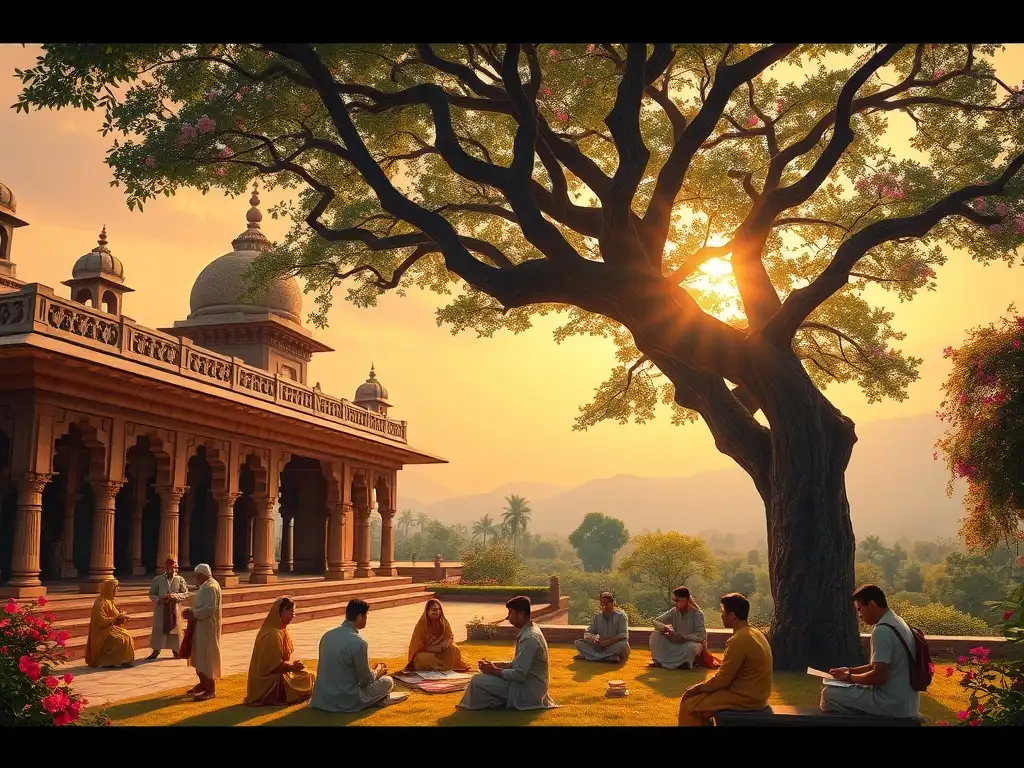
Nalanda University: The Beacon of Learning
Foundation and Historical Context
Nalanda University, established in the 5th century CE during the reign of Gupta Emperor Kumaragupta I, is often hailed as one of the first residential universities in the world. Located in present-day Bihar, its foundation marked a significant milestone in ancient Indian education. The university not only attracted students from across the Indian subcontinent but also international scholars from places like China, Korea, Japan, Tibet, Mongolia, and Sri Lanka. Under the patronage of various dynasties, its influence grew, making it a critical center for Buddhist studies and philosophy.
Curriculum and Subjects Offered
Nalanda's curriculum was diverse and comprehensive, encompassing a wide range of subjects. Students could study subjects such as:
- Philosophy (including Buddhist and Hindu philosophies)
- Theology
- Grammar and Linguistics
- Mathematics
- Astronomy
- Medicine
The university was known for its rigorous academic standards, with a focus on debate and discourse, fostering critical thinking among its students. Students were encouraged to engage in discussions and challenge prevailing ideas, which contributed to a dynamic learning environment.
Notable Scholars and Contributions
Nalanda was home to many prominent scholars, including:
- Buddhaghosa: A revered Buddhist commentator whose works helped spread Theravada Buddhism.
- Dharmakirti: A significant philosopher known for his contributions to Buddhist logic and epistemology.
- Xuanzang: The famous Chinese traveler and scholar who documented his experiences at Nalanda, providing invaluable insights into the university's operations and the intellectual climate of the era.
The contributions of these scholars and others at Nalanda shaped not only Indian thought but also influenced global philosophies and educational practices.
Takshashila (Taxila): The Cradle of Knowledge
Historical Background and Influence
Takshashila, also known as Taxila, is one of the oldest universities in the world, dating back to around the 6th century BCE. Situated near present-day Islamabad, Pakistan, it served as a melting pot of cultures and ideas due to its strategic location along the trade routes. Takshashila's influence extended beyond the subcontinent, impacting civilizations in Central Asia and beyond. As a center for higher learning, it attracted students from various regions, contributing to the dissemination of knowledge across borders.
Unique Educational Practices
The educational practices at Takshashila were innovative and distinct. Notable features included:
- Practical Learning: Emphasis on hands-on experience in various fields such as medicine, engineering, and warfare.
- Mentorship: Students learned directly under the guidance of renowned scholars, fostering personalized learning experiences.
- Flexible Curriculum: Students had the freedom to choose their subjects according to their interests, which encouraged specialized knowledge and expertise.
This flexibility and focus on practical skills made Takshashila a pioneering institution in the realm of ancient education.
Prominent Figures Associated with Takshashila
Several notable figures emerged from Takshashila, including:
- Chanakya (Kautilya): The legendary philosopher and economist, known for his work "Arthashastra," which remains influential in political science.
- Jivaka: A renowned physician and one of the Buddha's contemporaries, he made significant contributions to ancient Indian medicine.
- Panini: The ancient grammarian whose work on Sanskrit grammar laid the foundation for linguistic studies.
These scholars and their contributions highlight Takshashila's pivotal role in shaping various fields of knowledge both in ancient India and across the world.
Vikramshila University: A Center of Buddhist Learning
Vikramshila University, established during the reign of the Pala Empire in the 8th century CE, is one of the most significant ancient universities of India. Located in present-day Bihar, it was a major center for Buddhist learning and played a crucial role in the spread of Buddhism, especially in eastern India and beyond. The university was specifically designed to counter the influence of Nalanda University and to promote a more rigorous approach to Buddhist studies, focusing on both monastic training and philosophical inquiry.
Establishment and Purpose
Vikramshila University was founded by the renowned Buddhist philosopher and scholar, Dharmapala, who sought to create a center of excellence for Buddhist education. The establishment aimed to provide a comprehensive curriculum that would not only enrich the spiritual lives of its students but also enhance their intellectual pursuits. Its purpose was to train monks and scholars who could propagate the teachings of Buddhism in a structured and scholarly manner.
The university was strategically located near the ancient trade routes, which facilitated the influx of students and scholars from various parts of Asia, including Tibet, China, and Mongolia. The curriculum was broad, encompassing various subjects such as Buddhist philosophy, logic, grammar, medicine, and even arts and culture, making it a versatile institution that catered to diverse academic interests.
Academic Structure and Disciplines
Vikramshila University was characterized by its distinct academic structure, which consisted of a well-organized monastic community and a rigorous system of education. The university was divided into several faculties, each specializing in different disciplines:
- Buddhist Philosophy: Central to the curriculum, this discipline focused on the core teachings of Buddhism, including Madhyamaka and Yogacara schools.
- Logic and Debate: Students were trained in the art of debate, which was essential for philosophical inquiry and understanding.
- Grammar and Linguistics: This included the study of Sanskrit, essential for interpreting ancient texts and scriptures.
- Medicine: The university also offered courses in Ayurvedic medicine, preparing students to become healers and practitioners.
- Arts and Culture: Incorporating various forms of artistic expression, including music and dance, the university recognized the importance of cultural education.
The academic year was marked by a strong emphasis on dialogue, debate, and critical thinking, fostering an environment where students could engage deeply with the material and with one another.
Legacy and Impact on Education
The legacy of Vikramshila University extends far beyond its temporal existence. It significantly influenced the educational landscape of ancient India and left a lasting impact on Buddhist studies across Asia. The university is credited with producing many notable scholars, including Atisha, who played a pivotal role in the revival of Buddhism in Tibet.
Vikramshila's approach to education emphasized critical thinking and scholarly rigor, setting a precedent for future educational institutions. Its model of integrating various disciplines into a cohesive curriculum was ahead of its time, influencing later universities in India and abroad.
Moreover, the university's commitment to preserving and transmitting Buddhist knowledge contributed to the cultural and intellectual heritage of India. Despite its decline in the 12th century due to invasions, the principles and teachings cultivated at Vikramshila continued to resonate through generations, emphasizing the importance of education as a means of spiritual and intellectual development.
Vikramshila University not only served as a beacon of Buddhist learning but also played a crucial role in shaping the educational traditions of ancient India, leaving an indelible mark on the history of education globally.
Comparative Analysis: Ancient Indian Universities vs. Global Institutions
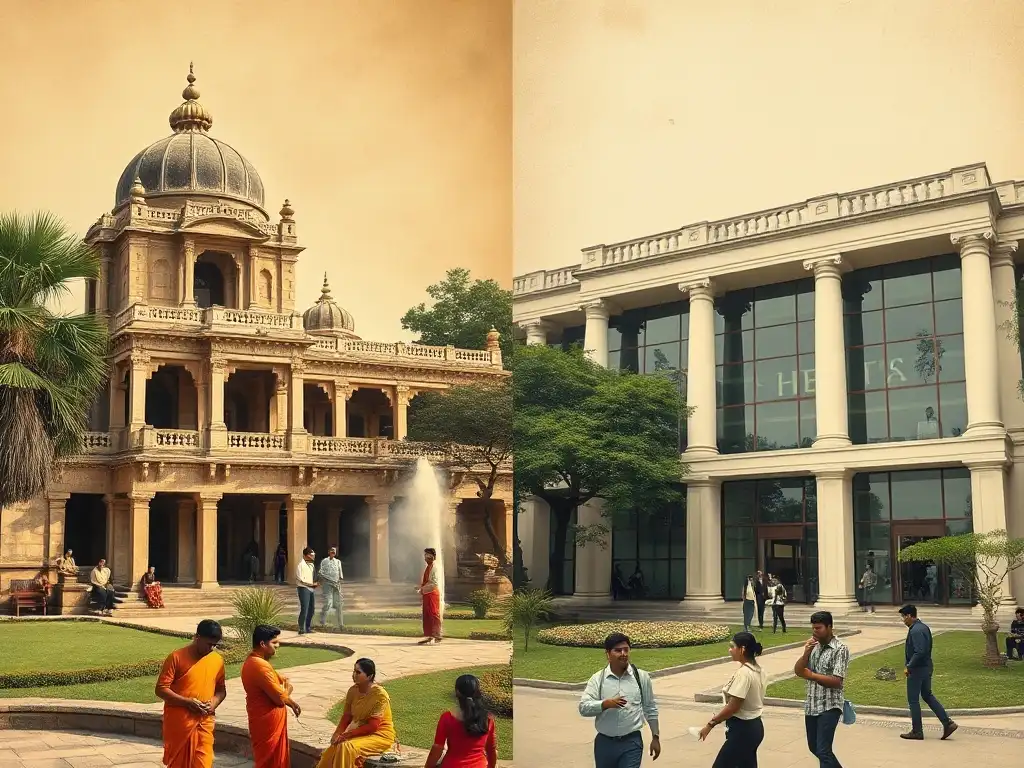
The ancient universities of India, particularly institutions like Nalanda and Takshashila, offer a fascinating glimpse into the educational paradigms that flourished in the subcontinent. When compared to contemporary global institutions, several distinctive features emerge, reflecting the unique approaches to education. This section delves into the educational systems, infrastructure, and learning environments of ancient Indian universities and their global counterparts.
Educational Systems: A Comparison of Approaches
The educational systems of ancient Indian universities were multifaceted, emphasizing a blend of theoretical knowledge and practical application. In contrast, many global institutions adopted a more rigid curriculum structure, often prioritizing specialization over a holistic educational experience.
Curriculum and Teaching Methods
Ancient Indian universities showcased an expansive curriculum that included subjects such as philosophy, mathematics, astronomy, medicine, and linguistics. The teaching methods were interactive and student-centered, often involving:
- Debates and Discussions: Students engaged in rigorous discussions, honing their analytical skills and understanding different perspectives.
- Mentorship: Scholars acted as mentors, guiding students through personal and intellectual growth.
- Field Studies: Practical learning was emphasized, with students often undertaking fieldwork to apply their theoretical knowledge.
In contrast, many ancient global institutions, such as the medieval European universities, tended to focus heavily on theology and classical studies, with a more formalized approach to education. The emphasis on rote learning and memorization often limited creative and critical thinking compared to the dynamic teaching methods employed in Indian universities.
Cultural Influences on Education
The ancient Indian educational system was deeply intertwined with cultural practices and philosophies. The influence of Hinduism, Buddhism, and Jainism shaped not only the curriculum but also the pedagogical approach. Key aspects included:
- Spiritual Development: Education was seen as a means to achieve spiritual enlightenment, with a strong emphasis on moral and ethical teachings.
- Diversity of Thought: The acceptance and incorporation of various philosophical schools fostered a culture of inquiry and respect for diverse viewpoints.
In contrast, educational systems in other parts of the world often reflected the prevailing political and religious ideologies. For example, in medieval Europe, the Church played a central role in education, which sometimes limited the scope of inquiry and discussion.
Infrastructure and Learning Environment
The infrastructure of ancient Indian universities was designed to foster learning and collaboration, often incorporating elements of nature and spirituality that contributed to an enriching educational experience.
Campus Designs and Facilities
Ancient universities such as Nalanda were characterized by:
- Extensive Libraries: Libraries housed thousands of manuscripts, making knowledge accessible to students and scholars alike.
- Residential Facilities: Dormitory-style living encouraged communal learning and camaraderie among students.
- Meditation and Prayer Halls: Spaces for reflection and spiritual practice were integral to the campus design, promoting a holistic approach to education.
In comparison, many ancient global institutions had more austere designs, focusing primarily on lecture halls and administrative buildings. The emphasis on individual study often overshadowed the need for collaborative spaces.
Accessibility and Inclusivity
Ancient Indian universities were relatively inclusive for their time, catering to students from various backgrounds, including those from different castes and regions. Education was seen as a right, and many institutions actively promoted a diverse student body.
Notably, scholars such as Aryabhata and Chanakya hailed from different backgrounds, illustrating the inclusive nature of these institutions. The emphasis on merit over social status allowed for a rich exchange of ideas and cultures.
In contrast, many historical global institutions often restricted access to specific social classes or genders. For instance, during the Middle Ages, universities in Europe were predominantly male and focused on the education of the elite.
The ancient Indian universities' history reveals a unique educational framework that prioritized holistic learning and inclusivity, contrasting with many contemporary institutions worldwide. Their approaches to curriculum, cultural influences, infrastructure, and accessibility provide valuable insights into the evolution of education across civilizations.
Contributions to Knowledge: Ancient India vs. the World
Ancient Indian universities, particularly renowned institutions like Nalanda and Takshashila, played a pivotal role in the development and dissemination of knowledge across various disciplines. Their contributions to education were not only profound within the Indian subcontinent but also had a significant impact on global intellectual traditions. This section will explore the specific advancements made in scientific and philosophical realms, as well as the methods of knowledge preservation that distinguished these ancient institutions.
Scientific and Philosophical Advancements
The ancient Indian universities were centers of profound learning that fostered scientific inquiry and philosophical discourse. Scholars from diverse backgrounds gathered to explore topics such as mathematics, astronomy, medicine, and metaphysics.
- Mathematics: Ancient Indian mathematicians, notably Aryabhata and Brahmagupta, made groundbreaking contributions. Aryabhata is credited with introducing the concept of zero and the decimal system, which revolutionized mathematics globally. His work laid the foundation for algebra and trigonometry, influencing both Indian and Islamic mathematics.
- Astronomy: Indian astronomers excelled in celestial navigation and calculations. They developed sophisticated methods for predicting eclipses and understanding planetary motions. The Surya Siddhanta, an ancient astronomical text, showcases the advanced understanding of astronomy during this period.
- Medicine: The field of Ayurveda, a traditional system of medicine, flourished in ancient Indian universities. Texts like the Charaka Samhita and Sushruta Samhita provided extensive knowledge on herbal remedies, surgery, and holistic health approaches, influencing medical practices in various cultures.
- Philosophy: The philosophical debates that took place in institutions like Nalanda spurred the development of diverse schools of thought, including Vedanta, Buddhism, and Jainism. These discussions not only enriched Indian philosophical traditions but also contributed to global philosophical discourses, influencing thinkers across Asia and beyond.
Preservation of Knowledge and Texts
The preservation of knowledge and texts was a hallmark of ancient Indian universities, ensuring that wisdom was meticulously documented and transmitted to future generations.
- Manuscript Tradition: Ancient Indian scholars were diligent in creating manuscripts, often written on palm leaves and birch bark. These manuscripts contained a wealth of information ranging from religious texts to scientific treatises. The meticulous copying and annotation of these texts safeguarded them against loss or destruction.
- Translation Efforts: Institutions like Nalanda served as translation centers where texts from various cultures were translated into Sanskrit and vice versa. This cross-cultural exchange not only preserved knowledge but also enriched the intellectual landscape of ancient India.
- Libraries and Archives: The ancient universities boasted extensive libraries, such as the famous library at Nalanda, which housed thousands of texts. These libraries served as repositories of knowledge, attracting scholars from different regions who contributed to the collection and preservation of diverse works.
- Oral Tradition: In addition to written texts, oral traditions played a crucial role in preserving knowledge. Scholars would engage in debates and discussions, ensuring that knowledge was not only recorded but actively disseminated within the academic community.
The contributions of ancient Indian universities to knowledge were immense, particularly in the realms of science and philosophy. Their methods of preservation ensured that this knowledge was not lost to time, allowing it to influence future generations both in India and across the globe. The legacy of these institutions is a testament to the rich intellectual heritage of ancient India.
Lessons from Ancient Indian Universities for Modern Education

Relevance of Ancient Educational Models Today
The ancient Indian universities, particularly Nalanda and Takshashila, were not merely institutions of higher learning; they were vibrant centers of knowledge that fostered a holistic educational environment. Their relevance in today's context can be observed in several key areas:
- Multidisciplinary Approach: Ancient Indian universities offered a wide array of subjects, including philosophy, medicine, mathematics, astronomy, and arts. This multidisciplinary approach is essential in modern education where interdisciplinary studies are increasingly valued. For instance, integrating science and art can lead to innovative solutions in technology and design.
- Student-Centric Learning: The focus was on the individual learner, encouraging critical thinking and debate. Modern education systems can draw inspiration from this model by promoting active learning environments where students engage in discussions and collaborate on projects, rather than passively absorbing information.
- World-Class Faculty: Renowned scholars from various regions were invited to teach at these universities, fostering an exchange of ideas. This practice underscores the importance of attracting diverse and knowledgeable faculty members in contemporary education, which can enhance the learning experience through varied perspectives.
- Emphasis on Ethics and Values: Ancient universities placed a strong emphasis on moral education and character development. Today, incorporating ethics into various fields of study is crucial as we face complex global challenges. This principle can guide educational institutions in nurturing responsible and conscientious citizens.
- Community Engagement: Institutions like Nalanda were not isolated; they were deeply integrated with their surrounding communities. Modern universities can benefit from community involvement and service learning, creating pathways for students to apply their knowledge in real-world settings.
Integrating Ancient Wisdom into Contemporary Learning
The ancient Indian universities provide a wealth of wisdom that can be integrated into contemporary educational frameworks. Here are some ways to achieve this:
- Curriculum Design: Educational institutions can incorporate ancient texts and philosophies into their curricula, offering students insights into historical perspectives on knowledge. For instance, the teachings of Panini in linguistics or Aryabhata in mathematics can enrich modern syllabi.
- Innovative Teaching Methods: Adopting methods such as the Socratic dialogue, which was prevalent in ancient Indian education, can enhance critical thinking. Encouraging students to ask questions and explore answers collaboratively can lead to deeper understanding and retention of knowledge.
- Holistic Education: Emphasizing the development of the mind, body, and spirit, as practiced in ancient universities, aligns with modern educational trends that advocate for holistic education. Integrating mindfulness, physical wellness, and moral education can create well-rounded individuals.
- Global Collaboration: The ancient universities were known for attracting students from across the globe. Modern educational institutions can foster international collaboration through exchange programs and joint research initiatives, reflecting the global nature of knowledge.
- Use of Technology: Leveraging technology to replicate the ancient learning experience can be effective. Virtual classrooms, online discussions, and digital archives of ancient texts can make learning more accessible and engaging for today’s students.
The ancient Indian universities offer invaluable lessons that can shape modern educational practices. By embracing their principles, contemporary education can cultivate a richer learning experience that prepares students for the complexities of the modern world.
Frequently Asked Questions
What are the ancient universities of India?
Ancient universities of India, such as Nalanda and Takshashila, were significant centers of higher learning that attracted students from various parts of the world, contributing to the intellectual heritage of the region.
How did ancient Indian universities compare to global institutions?
Ancient Indian universities had a rigorous curriculum, focusing on subjects like philosophy, medicine, and astronomy, often rivaling contemporary global institutions in terms of scholarship and knowledge dissemination.
What was the role of ancient universities in preserving knowledge?
These universities served as repositories of knowledge, where texts were meticulously copied and studied, ensuring the continuity of cultural and scientific advancements throughout history.
How did the decline of ancient universities impact education in India?
The decline of these institutions led to a significant loss of knowledge and a reduction in educational opportunities, affecting India's intellectual landscape and its contributions to global scholarship.
What contributions did ancient Indian universities make to the world?
Ancient Indian universities contributed immensely to various fields, including mathematics, astronomy, and medicine, influencing scholars globally and laying the groundwork for future academic pursuits.
Final Reflection: The Timeless Legacy of Ancient Indian Universities
The exploration of ancient Indian universities reveals their profound influence on education and knowledge systems that resonate even today. As we navigate a world increasingly driven by technology and innovation, the foundational principles established by these institutions remind us of the enduring value of holistic learning and intellectual inquiry. The rich history of ancient Indian universities serves as a testament to the idea that education is not merely a means to an end, but a lifelong journey of discovery and growth.
Culture and society have been shaped significantly by the wisdom imparted in these ancient institutions. Their legacy continues to inspire modern educational frameworks, fostering a sense of community and collaboration among learners. As we reflect on this historical context, we are reminded of the words of Rabindranath Tagore: The highest education is that which does not merely give us information but makes our life in harmony with all existence.
This perspective underscores the importance of integrating knowledge with ethical and moral dimensions, a principle that remains relevant in our contemporary educational landscape.
As we look to the future, let us embrace the lessons learned from the ancient universities of India and apply them in our own lives. I invite you to reflect on your educational journey and consider how you can cultivate a deeper understanding of the world around you. Whether through formal education or personal exploration, let us strive to honor the legacy of these institutions by fostering a spirit of inquiry, compassion, and interconnectedness in our pursuit of knowledge. Together, we can contribute to a more enlightened and harmonious society, echoing the timeless wisdom of our ancient predecessors.
Unveil the Legacy: Connect with Ancient Knowledge Today!
Thank you for investing your time in exploring the fascinating world of ancient universities in India! You've uncovered the rich legacy of knowledge that has shaped both India and global education. Now it’s time to take that knowledge further. Here are a few steps you can take to dive deeper into this captivating subject:
- Delve deeper into ancient texts and resources: Visit your local library or explore online platforms to discover materials on ancient Indian philosophy and educational systems.
- Share your insights! Discuss your thoughts on ancient universities with friends or on social media to spark engaging conversations about their impact on modern education.
- Join a community: Engage with online forums or groups focused on ancient history and educational studies to broaden your understanding and connect with like-minded enthusiasts.
What aspect of ancient education inspires you the most, and how do you plan to incorporate that knowledge into your life today?