
The Historical Significance of Educational Debates in Ancient India

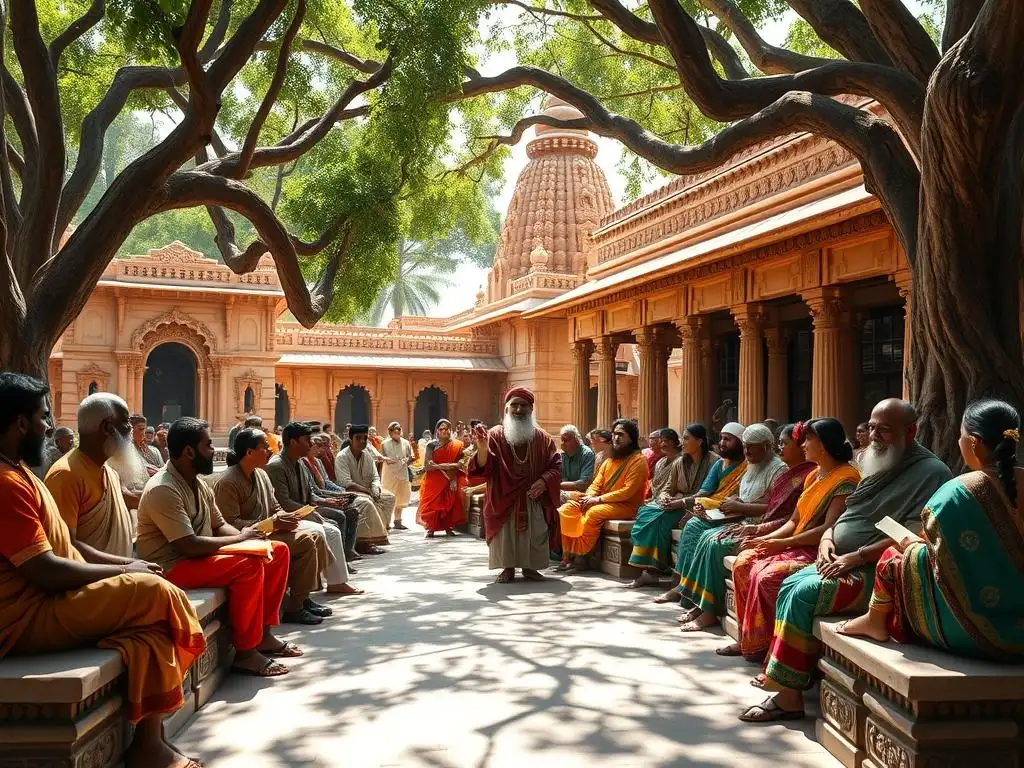
Welcome to Ancient India History, where we invite you to embark on a fascinating journey through the rich tapestry of ancient Indian civilizations. Discover how the educational debates in ancient India shaped not only the educational landscape but also influenced the very fabric of society. From the insights of the Indus Valley to the intellectual vibrancy of the Gupta Empire, these discussions were pivotal in fostering a culture of inquiry and learning.
Are you ready to unlock the secrets of these debates and their lasting impact? Dive deeper with us and unravel the historical significance that continues to resonate today!
Introduction to Educational Debates in Ancient India
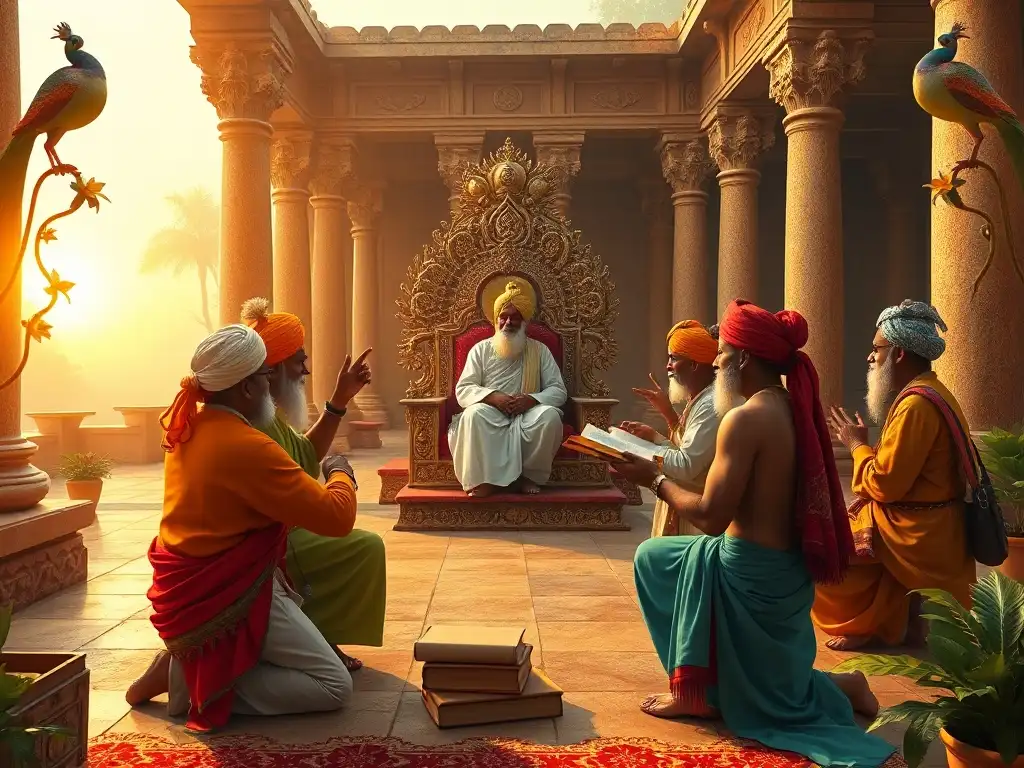
The rich tapestry of ancient Indian history is interwoven with the vibrant threads of educational debates that played a pivotal role in shaping both intellectual and societal paradigms. From the early days of the Indus Valley Civilization to the flourishing Gupta Empire, educational debates in ancient India served as a crucible for philosophical inquiry, ethical discussions, and cultural exchange.
These debates were not just confined to the academic realm; they permeated daily life and influenced the governance, spirituality, and social structures of the time. As we delve into this topic, we uncover how these dialogues fostered critical thinking and intellectual growth, contributing to the legacy of education in ancient Indian civilizations.
Defining Educational Debates in the Context of Ancient India
Educational debates in ancient India can be understood as structured discussions that revolved around philosophical, ethical, and scientific topics. These debates often occurred in prestigious educational institutions, where scholars and students engaged in rigorous discourse. The significance of these debates lies not only in their content but also in their format, which emphasized dialectical reasoning and the exchange of ideas.
- Key characteristics of educational debates:
- Structured discussions: Participants would take opposing views to explore different perspectives.
- Rhetorical skills: Mastery of language and eloquence were essential for effective participation.
- Community involvement: Debates often attracted audiences, fostering a culture of collective learning.
These elements contributed to a dynamic intellectual environment that encouraged inquiry and the pursuit of knowledge.
The Role of Educational Debates in Ancient Indian Society
The educational debates in ancient India were instrumental in shaping societal values and norms. They served multiple purposes, including:
- Intellectual Development: Encouraging critical thinking and analytical skills among students.
- Cultural Exchange: Facilitating dialogue between diverse philosophical traditions and communities.
- Moral and Ethical Discourse: Addressing pressing social issues and providing frameworks for ethical living.
Moreover, these debates helped to preserve and transmit knowledge across generations, ensuring that the wisdom of the past continued to influence future thinkers.
The Historical Context of Educational Debates
To fully appreciate the significance of educational debates in ancient India, it is essential to explore the historical backdrop against which these discussions unfolded.
Overview of Ancient Indian Civilizations
Ancient India was characterized by a series of flourishing civilizations, each contributing uniquely to the tapestry of Indian history. From the urban sophistication of the Indus Valley Civilization to the philosophical advancements during the Vedic period, these civilizations laid the groundwork for intellectual discourse.
- Key civilizations:
- Indus Valley Civilization: Known for its urban planning and early forms of governance.
- Vedic Period: Marked by the composition of the Vedas, which included philosophical texts that inspired debates.
- Maurya and Gupta Empires: Centers of trade and scholarship, fostering cultural and intellectual exchanges.
These civilizations provided the fertile ground for the emergence of educational institutions that would later become hubs of intellectual debate.
Key Philosophical Traditions Influencing Educational Debates
The philosophical landscape of ancient India was rich and diverse, with various schools of thought influencing educational debates.
- Prominent traditions include:
- Vedanta: Focused on the nature of reality and the self, encouraging deep metaphysical discussions.
- Buddhism: Introduced concepts of impermanence and non-self, challenging established beliefs and fostering debate.
- Jainism: Emphasized non-violence and truth, contributing to ethical discussions in educational settings.
These traditions not only informed the content of debates but also shaped the methodologies employed in intellectual discourse.
Prominent Educational Institutions and Their Influence on Debates
Ancient Indian universities, such as Nalanda and Takshashila, were at the forefront of educational debates. They attracted scholars from various backgrounds, creating a melting pot of ideas.
- Nalanda University: Renowned for its extensive curriculum and emphasis on debate, it became a beacon of learning in the ancient world.
- Takshashila: A center of diverse knowledge, where students from different regions engaged in debates on a variety of subjects.
These institutions played a crucial role in fostering an environment conducive to intellectual engagement, ensuring that educational debates thrived and evolved over time.
Through this exploration, we can appreciate the profound impact that educational debates had on not only the intellectual landscape of ancient India but also on its culture and society as a whole.
Major Themes in Educational Debates
Educational debates in ancient India were rich and varied, reflecting the complexities of knowledge and learning during that era. The major themes that emerged from these debates encompassed the nature of knowledge, the methods of acquiring it, and the underlying philosophies that shaped educational practices. These themes were not only pivotal in shaping the curriculum of ancient Indian universities like Nalanda and Takshashila but also influenced the broader cultural and intellectual landscape of the society.
Debates on Knowledge and Wisdom in Ancient India
One of the most prominent themes in educational debates was the distinction between knowledge and wisdom. Scholars engaged in discussions about the types of knowledge that were worth pursuing, often contrasting practical knowledge with theoretical wisdom. The ancient texts, such as the Upanishads and the Vedas, provided a significant backdrop for these debates, emphasizing spirituality and ethical living as essential components of true wisdom.
For instance, the concept of jnana (knowledge) was often debated against vidya (wisdom), with many thinkers advocating for a holistic approach to education that combined both. This dual focus on acquiring knowledge and cultivating wisdom paved the way for a more integrated educational philosophy, wherein the ultimate goal was not just to amass information but to apply it judiciously in life.
The Role of Rhetoric and Dialectics in Educational Discourse
Rhetoric and dialectics played crucial roles in ancient Indian educational debates, fostering a culture of intellectual exchange and critical thinking. Scholars trained in the art of rhetoric were adept at constructing arguments and engaging in persuasive dialogue, which was fundamental in the educational institutions of the time. The Nyaya school of philosophy, for example, emphasized logical reasoning and debate techniques, encouraging students to dissect arguments and explore various viewpoints.
Dialectical methods were not merely academic exercises; they served as tools for arriving at deeper truths and resolving conflicts. This emphasis on debate as a pedagogical method helped cultivate a vibrant intellectual community where ideas could be freely exchanged and scrutinized.
Influence of Religion and Spirituality on Educational Debates
Religion and spirituality significantly influenced educational debates in ancient India, as many scholars viewed education through the lens of spiritual development. The integration of religious texts and philosophical inquiry shaped the curriculum, with debates often revolving around the interpretation of sacred scriptures and their applicability to daily life.
For example, the Bhagavad Gita not only served as a spiritual guide but also became a text for philosophical discourse, inspiring debates about duty, righteousness, and the nature of the self. This intersection of spirituality and education fostered a culture where learning was not seen as merely secular but as a pathway to achieving higher spiritual goals.
Key Figures in Educational Debates
The landscape of educational debates in ancient India was populated by several key figures whose thoughts and teachings left a lasting impact on the educational systems of the time. These scholars and philosophers contributed to the evolution of ideas and practices that shaped ancient Indian education.
Notable Scholars and Thinkers of Ancient India
Among the most notable figures in these debates were thinkers like Adi Shankaracharya, who advocated for Advaita Vedanta, and Gautama Buddha, whose teachings emphasized experiential knowledge and ethical living. Other important figures included Nagarjuna, who introduced the concept of emptiness, and Vatsyayana, known for his work on logic and epistemology.
These scholars often engaged in rigorous debates, challenging each other's views and refining their own philosophies in the process. Their contributions not only enriched educational discourse but also helped establish a framework for future debates in various fields of study.
Contributions of Philosophers to Educational Discourse
Philosophers in ancient India played a pivotal role in shaping educational discourse, particularly in defining the purpose and nature of education. They argued that education should not only impart knowledge but also cultivate moral character and social responsibility. This perspective encouraged a more holistic approach to education, emphasizing the development of both the mind and the spirit.
Furthermore, the interactions between different philosophical schools, such as the Sankhya, Yoga, and Vaisheshika, fostered a dynamic intellectual environment where ideas were continuously debated and refined. This cross-pollination of thoughts contributed to a rich tapestry of educational philosophies that continue to resonate in contemporary discussions about the purpose of education.
The Impact of Debates on Educational Practices
The educational debates of ancient India had a profound impact on the practices and structures of learning institutions. The dialectical methods employed in these debates influenced teaching methodologies, encouraging active participation and critical thinking among students. This participatory approach not only enhanced the learning experience but also prepared students to engage thoughtfully with complex ideas.
Moreover, the emphasis on ethical considerations in educational debates led to the establishment of codes of conduct for scholars and students alike. These codes fostered an environment of respect and collaboration, ensuring that education was pursued not just for personal gain but for the betterment of society as a whole. The legacies of these debates continue to inform modern educational practices, highlighting the relevance of ancient wisdom in today's academic landscape.
Case Studies of Prominent Educational Debates
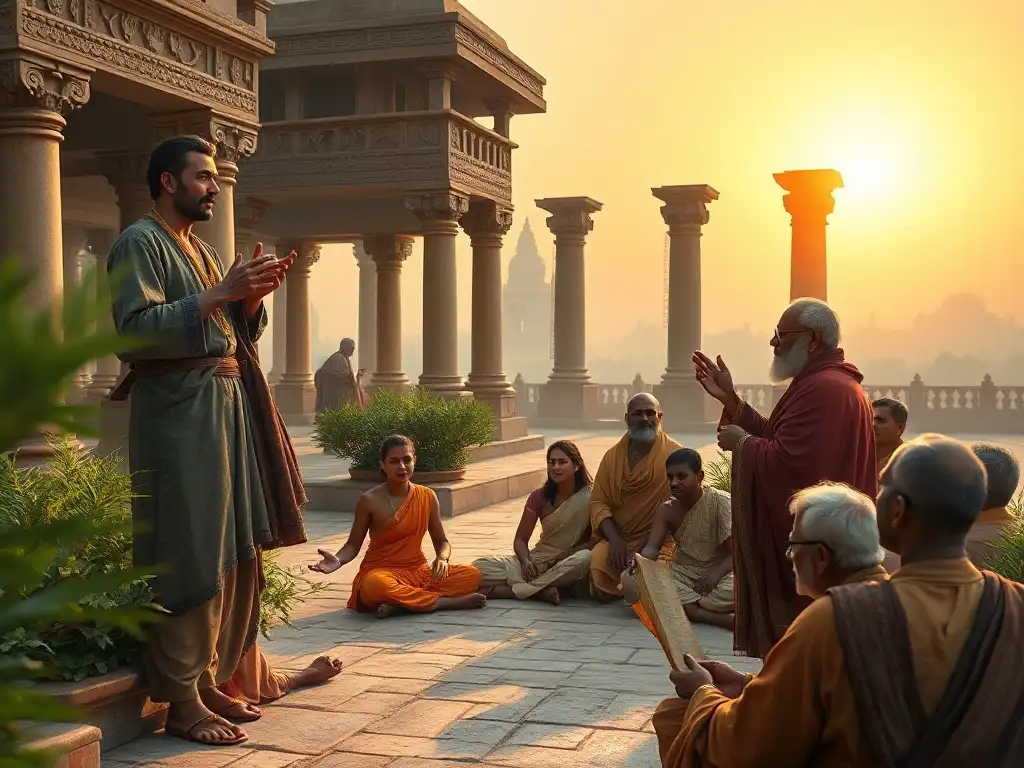
Educational debates in ancient India were significant in shaping the intellectual landscape and fostering a culture of inquiry and dialogue. These debates were not mere discussions; they were rigorous intellectual exercises that influenced various fields including philosophy, science, and ethics. Here, we explore notable case studies that illustrate the depth and diversity of these debates across different contexts.
The Nalanda University Debates: A Hub of Intellectual Exchange
Nalanda University, one of the first residential universities in the world, served as a vibrant hub for educational debates during its peak from the 5th to the 12th centuries CE. Scholars from various backgrounds, including Buddhism, Hinduism, and Jainism, congregated here to engage in intense discussions.
The debates at Nalanda were characterized by a formal structure, involving the presentation of arguments and counterarguments. Notable figures such as Nagarjuna and Dharmakirti are known to have participated in these intellectual exchanges, which often focused on metaphysical questions and the nature of reality.
The significance of Nalanda's debates lay not only in the content but also in the method of discourse. Participants were trained to approach arguments critically and were encouraged to challenge established norms, fostering a spirit of inquiry that was essential to the academic environment.
Debates in the context of Vedic Education
The Vedic education system emphasized the importance of debates as a method of learning and understanding. Central to this was the practice of Shastrartha, where students engaged in discussions and dialectics based on the Vedas and other texts.
These debates served multiple purposes:
- Clarification of Concepts: Students would debate interpretations of texts, helping to clarify complex philosophical ideas.
- Development of Rhetorical Skills: Engaging in debates honed the ability to articulate thoughts clearly and persuasively.
- Moral and Ethical Inquiry: Many debates addressed ethical dilemmas, allowing students to explore moral philosophy and its practical implications.
The Vedic tradition placed a high value on verbal skills, and the debates not only reinforced knowledge but also cultivated a sense of confidence and respect for diverse viewpoints.
Influence of Buddhist Philosophy on Educational Debates
Buddhist philosophy significantly influenced educational debates in ancient India, especially through institutions like Nalanda. Key concepts such as emptiness (śūnyatā) and dependent origination prompted extensive philosophical discourse.
Buddhist scholars employed dialectical reasoning to dissect and analyze various philosophical positions, often leading to a synthesis of ideas. The tradition of Buddhism encouraged questioning and critical thinking, which contrasted with more dogmatic approaches in other schools of thought.
Debates often revolved around the nature of consciousness, the self, and the ultimate goal of existence. This intellectual rigor not only enriched Buddhist thought but also impacted other philosophical traditions, illustrating the interconnectedness of ideas in ancient Indian education.
The Legacy of Educational Debates in Ancient India
The educational debates of ancient India have left an indelible mark on contemporary education and intellectual discourse. Their legacy is evident in various ways, shaping modern educational practices and philosophies.
How Ancient Debates Shaped Modern Educational Systems
The structured format of debates in ancient Indian educational systems has influenced modern pedagogical approaches. Many contemporary educational institutions emphasize critical thinking, dialogue, and collaborative learning, echoing the methods used in ancient debates.
- Critical Thinking: Modern curricula incorporate debate as a tool to foster analytical skills among students.
- Interdisciplinary Learning: The ancient practice of engaging multiple perspectives can be observed in current educational models that encourage integration across disciplines.
The emphasis on questioning and exploring different viewpoints continues to be a cornerstone of effective education today.
Continuing Influence of Ancient Indian Educational Practices
Many principles derived from ancient Indian educational debates persist in today's educational contexts. For instance, the value placed on oral traditions and discussions can be seen in various cultural and academic programs.
Furthermore, the ideals of inclusivity and respect for diverse perspectives prevalent in ancient debates are increasingly recognized in modern educational reforms aimed at promoting equity and understanding among students from different backgrounds.
Preservation and Revival of Educational Debates in Contemporary India
In recent years, there has been a resurgence of interest in the educational practices of ancient India, including the revival of debate formats in schools and universities. Initiatives promoting competitive debates and discussions are gaining traction, reflecting a desire to reconnect with the rich intellectual heritage of the past.
Organizations and educational institutions are beginning to recognize the importance of fostering a culture of debate, not only for academic excellence but also for cultivating soft skills such as communication, persuasion, and teamwork. By integrating these ancient practices into modern education, contemporary India is not only preserving its rich legacy but also empowering a new generation of thinkers and leaders.
Conclusion
Educational debates in ancient India played a crucial role in shaping the intellectual landscape of the time. These debates not only fostered critical thinking and philosophical inquiry but also cultivated a culture of dialogue and exchange of ideas. Through the active participation of scholars and students in these discussions, ancient Indian universities like Nalanda and Takshashila became centers of learning that attracted intellectuals from across the region. The emphasis on debate and dialogue in educational settings laid the groundwork for a rich tradition of scholarship that influenced generations.
Summary of the Importance of Educational Debates in Ancient India
The significance of educational debates in ancient India can be summarized in several key points:
- Encouragement of Critical Thinking: Debates encouraged scholars to question established norms and beliefs, promoting a spirit of inquiry that was foundational to Indian philosophy and sciences.
- Diverse Perspectives: Engaging in debates allowed participants to consider various viewpoints, fostering a more comprehensive understanding of complex subjects, be it in philosophy, mathematics, or the arts.
- Cultural Exchange: Educational debates served as a platform for cultural interaction, where ideas from different regions and traditions could be shared and discussed, enriching the intellectual heritage of ancient India.
- Legacy of Rhetoric and Eloquence: The emphasis on oratory skills in debates contributed to the development of eloquence in communication, which became a valued trait among scholars and leaders.
The Lasting Impact of Educational Debates on Modern Education
The influence of educational debates in ancient India extends into modern educational practices. Key impacts include:
- Debate as a Pedagogical Tool: Modern educational systems increasingly recognize the value of debate as a method to enhance critical thinking, public speaking, and collaborative skills among students.
- Interdisciplinary Learning: The tradition of cross-disciplinary debates in ancient India has inspired contemporary approaches that encourage integrative learning, where students explore connections between various fields of study.
- Cultural Respect in Discourse: The ancient Indian practice of respectful dialogue and consideration of opposing views continues to resonate in contemporary educational settings, promoting inclusivity and diversity of thought.
References
Key Texts and Sources on Educational Debates in Ancient India
- "The Upanishads": A collection of ancient texts that explore philosophical concepts, often through dialogues.
- "The Mahabharata": This epic contains numerous debates and discussions, particularly in the context of ethics and duty.
- "The Nyaya Sutras": Foundational texts for the Nyaya school of philosophy, focusing on logic and debate methodology.
- "The Arthashastra" by Kautilya: Discusses the importance of debate in governance and political strategy.
Suggested Further Reading on Ancient Indian Educational Systems
- "Nalanda: The Ancient Centre of Learning" by R. C. Majumdar: An exploration of the history and influence of Nalanda University.
- "Takshashila: The Ancient University" by S. R. Sharma: A comprehensive look at the educational practices in Takshashila and its contributions to ancient education.
- "The Philosophical Traditions of India" by J. N. Mohanty: A deep dive into the philosophical debates that characterized ancient Indian thought and education.
- "Ancient Indian Education: Culture and Philosophy" by J. A. B. Bhandarkar: An insightful examination of the educational systems and their philosophical underpinnings in ancient India.
- Introduction to Educational Debates in Ancient India
- The Historical Context of Educational Debates
- Major Themes in Educational Debates
- Key Figures in Educational Debates
- Case Studies of Prominent Educational Debates
- The Legacy of Educational Debates in Ancient India
- Conclusion
- References
- What were the main themes of educational debates in ancient India?
- How did educational debates influence ancient Indian society?
- Who were some prominent figures involved in these debates?
- What role did religion play in these educational debates?
- How can we see the impact of ancient educational debates today?
Frequently Asked Questions
What were the main themes of educational debates in ancient India?
Educational debates in ancient India often revolved around philosophical concepts, ethics, and spiritual practices, highlighting the importance of knowledge and intellectual discourse in society.
How did educational debates influence ancient Indian society?
These debates contributed to the development of critical thinking and scholarly exchange, fostering a culture that valued learning and intellectual growth among students and teachers.
Who were some prominent figures involved in these debates?
Notable philosophers like Gautama Buddha and Adi Shankaracharya played significant roles in these discussions, shaping various schools of thought and influencing educational practices of the time.
What role did religion play in these educational debates?
Religion was a central theme, as many debates addressed the spiritual implications of knowledge, often intertwining philosophy with religious doctrine to explore the nature of existence and morality.
How can we see the impact of ancient educational debates today?
The emphasis on debate and discourse in modern education can be traced back to these ancient practices, demonstrating their lasting influence on academic traditions and the value placed on critical thinking.
Final Reflection: The Enduring Legacy of Educational Debates in Ancient India
The exploration of educational debates in ancient India reveals a profound connection to contemporary discussions on knowledge and pedagogy. In a world where education continues to evolve, the rich tradition of intellectual discourse from ancient Indian scholars serves as a powerful reminder of the importance of dialogue in shaping thought and society. The debates of the past not only fostered critical thinking but also laid the groundwork for diverse perspectives, highlighting that the exchange of ideas is essential for progress.
The influence of these ancient debates resonates deeply within our cultural and social landscape today. As we navigate the complexities of modern education, we can draw inspiration from the collaborative spirit that characterized ancient Indian scholarship. The emphasis on questioning and dialogue remains relevant, encouraging us to engage with differing viewpoints and cultivate a more inclusive learning environment. The greatest gift of education is the ability to think critically and engage in meaningful discourse.
As we reflect on the lessons from educational debates in ancient India, I invite you to consider how these principles can be applied in your own life. Embrace the power of dialogue and critical thinking in your educational journey. Let us honor the legacy of our ancestors by fostering a culture of inquiry and openness, ensuring that the spirit of debate continues to thrive in our pursuit of knowledge and understanding.
Ignite the Spirit of Inquiry!
Thank you for diving into the fascinating world of educational debates in ancient India! Your curiosity not only enriches your own understanding but also honors the legacy of wisdom from our past. Now, it's time to take this newfound knowledge and put it into action!
- Engage with local history groups or forums to share insights about the ancient debate traditions.
- Consider organizing a discussion circle with friends to explore the relevance of these debates in today's educational landscape.
- Enhance your understanding by reading primary texts or exploring scholarly articles related to this topic.
What insights from ancient debates resonate most with you, and how can you apply these lessons in your own educational journey?