
How Ancient Indian Universities Encouraged Critical Thinking

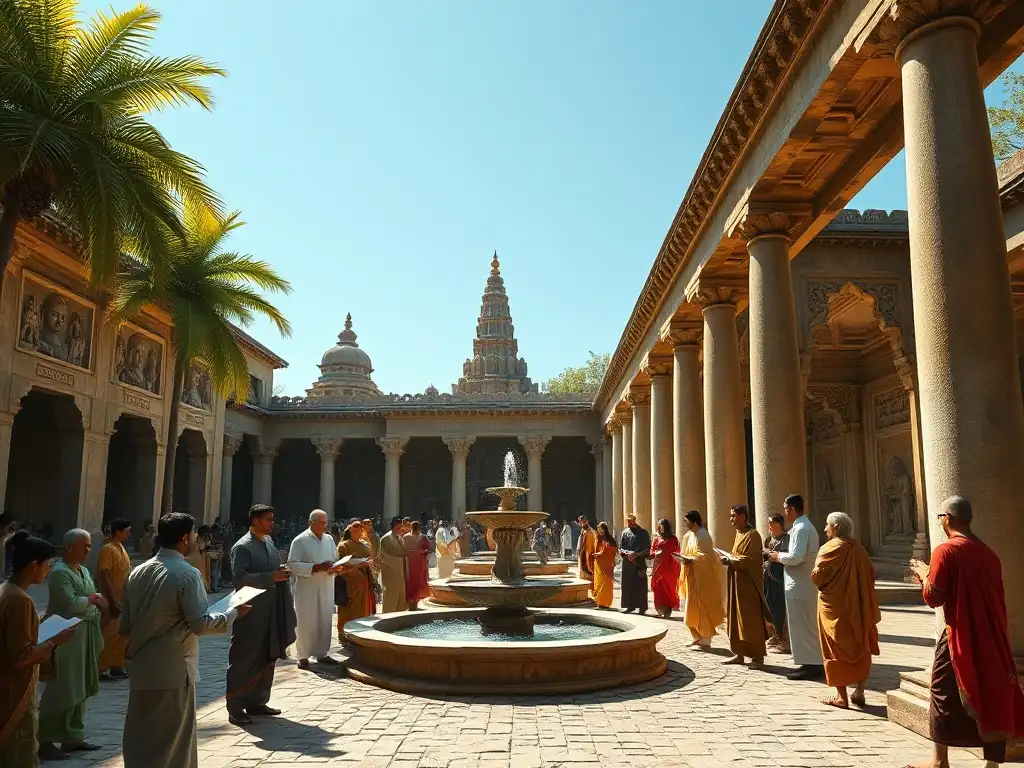
Welcome to Ancient India History, where we embark on a fascinating journey through the rich tapestry of India's past. In this exploration, we shine a light on the influential ancient Indian universities that played a pivotal role in fostering critical thinking and intellectual growth. Did you know that these institutions were not just centers of learning but also hubs of cultural exchange and innovation?
As you delve deeper into our article, "How Ancient Indian Universities Encouraged Critical Thinking," prepare to uncover the secrets of these remarkable educational systems and their lasting impact on the world. Your adventure into the depths of ancient wisdom begins now!
- Introduction to Ancient Indian Universities History
- The Foundation of Critical Thinking in Ancient Indian Universities
- Notable Ancient Indian Universities and Their Contributions
- Methods Used to Encourage Critical Thinking
- The Legacy of Ancient Indian Universities in Modern Education
- Conclusion
-
Frequently Asked Questions
- What were the key ancient Indian universities known for?
- How did ancient Indian universities promote critical thinking?
- What subjects were typically taught in ancient Indian universities?
- What role did ancient Indian universities play in cultural exchange?
- How did the educational philosophy of ancient Indian universities influence modern education?
- Final Reflection: Embracing the Legacy of Ancient Indian Universities
- Ignite Your Curiosity: Explore the Legacy of Ancient Learning!
Introduction to Ancient Indian Universities History

Ancient Indian universities, notably institutions like Nalanda and Takshashila, played a pivotal role in shaping the intellectual landscape of the subcontinent. These centers of learning were not merely places of rote memorization; they fostered a culture of inquiry, debate, and critical thinking among students from diverse backgrounds.
The rich history of these universities reflects the sophisticated educational systems that flourished in ancient India, characterized by their openness to various disciplines and philosophies. Understanding the history of ancient Indian universities is essential to appreciating their contributions to education and the broader cultural milieu, as well as their impact on contemporary educational practices.
Significance of Ancient Indian Educational Systems
The educational systems of ancient India were instrumental in promoting critical thinking and holistic learning. They were designed not only to impart knowledge but also to cultivate an inquisitive mindset among students. Some key aspects include:
- Pluralism in Knowledge: Ancient Indian universities offered a wide range of subjects, including philosophy, mathematics, astronomy, medicine, and the arts. This diversity encouraged students to think critically across disciplines.
- Debate and Discourse: Regular debates and discussions were integral to the curriculum. Students were encouraged to question, analyze, and engage deeply with various texts and ideas, fostering a culture of critical inquiry.
- Mentorship and Guidance: The guru-shishya (teacher-student) tradition facilitated personalized learning. Gurus played a crucial role in nurturing students' intellectual curiosity and critical thinking skills.
- Cultural Exchange: These universities attracted scholars from various cultures and regions, leading to a rich exchange of ideas that further stimulated critical thinking and innovation.
Overview of Ancient Indian Universities
Ancient Indian universities were remarkable institutions that laid the groundwork for modern educational practices. Here are some notable examples:
| University | Location | Established | Key Contributions |
|---|---|---|---|
| Nalanda | Bihar | 5th century CE | Renowned for its extensive library and diverse curriculum, Nalanda attracted scholars from various regions, becoming a beacon of learning. |
| Takshashila | Punjab | 6th century BCE | One of the earliest universities, it offered courses in various subjects and is famous for its focus on practical knowledge. |
| Vikramshila | Bihar | 8th century CE | Known for its unique curriculum that emphasized critical thinking and debate, Vikramshila contributed significantly to Buddhist education. |
| Ujjain University | Madhya Pradesh | 1st century CE | A hub for astronomy and mathematics, it played a crucial role in the advancement of these sciences. |
These ancient universities not only enriched the academic fabric of their time but also served as precursors to modern educational institutions, demonstrating the enduring legacy of ancient Indian educational practices.
The Foundation of Critical Thinking in Ancient Indian Universities

Ancient Indian universities, notably Nalanda and Takshashila, were not merely institutions of rote learning but rather centers that profoundly encouraged critical thinking. The educational philosophy that underpinned these institutions was deeply rooted in the broader Indian cultural and philosophical traditions, fostering an environment where questioning, dialogue, and intellectual exploration were paramount.
Philosophical Underpinnings of Education
The philosophical framework of education in ancient India was influenced by various schools of thought, notably the Nyaya and Vaisheshika philosophies, which emphasized logic and epistemology. The Nyaya Sutras articulated methods of reasoning and argumentation, encouraging students to critically examine concepts and validate knowledge through evidence.
- Key Concepts:
- Pramanas (Sources of Knowledge): The Nyaya philosophy identifies four valid means of acquiring knowledge: perception, inference, comparison, and testimony. This framework encouraged students to analyze and evaluate the validity of information.
- Debates and Dialectics: Education involved rigorous debates (called Tarka) where students engaged in discussions to refine their understanding and hone their critical thinking skills.
- Integration of Subjects:
- The curriculum was holistic, encompassing subjects like philosophy, mathematics, astronomy, and medicine. This interdisciplinary approach promoted a critical examination of various fields, allowing students to draw connections and develop well-rounded perspectives.
- Influence of Texts:
- Ancient texts such as the Vedas, Upanishads, and Buddhist scriptures provided rich material for philosophical inquiry. Students were encouraged to question established interpretations and engage with these texts critically.
Role of Gurus and Educators in Fostering Inquiry
The role of gurus (teachers) was central to the educational process in ancient Indian universities. These educators were not only transmitters of knowledge but also facilitators of critical inquiry.
- Mentorship and Guidance:
- Gurus often engaged students in one-on-one discussions, guiding them to explore their thoughts and ideas deeply. This mentorship model fostered a relationship built on respect and intellectual curiosity, allowing students to express their doubts and challenges openly.
- Encouragement of Questions:
- The educational methodology emphasized the importance of questioning. Students were encouraged to ask "why" and "how," leading to a deeper understanding of subjects. This practice cultivated an environment where inquiry was valued over mere memorization.
- Collaborative Learning:
- Group discussions and collaborative learning were essential features of the educational experience. Students worked together to solve problems and debate ideas, enhancing their ability to think critically and learn from different perspectives.
- Assessment through Dialogue:
- Rather than relying solely on examinations, assessment was often conducted through dialogues and discussions. This approach allowed students to demonstrate their understanding and engage actively with the material.
The ancient Indian universities' history reveals a rich tapestry of educational practices that emphasized critical thinking through philosophical inquiry, the mentorship of gurus, and collaborative learning. This foundation not only shaped the intellectual landscape of ancient India but also laid the groundwork for future educational systems.
Notable Ancient Indian Universities and Their Contributions

Ancient Indian universities were remarkable centers of learning that not only preserved knowledge but also fostered critical thinking among students. Institutions like Nalanda and Takshashila (Taxila) played pivotal roles in shaping educational paradigms that emphasized inquiry, debate, and a multidisciplinary approach. This section examines these universities and their profound contributions to intellectual thought and educational practices.
Nalanda University: A Hub of Knowledge
Nalanda University, established in the 5th century CE in Bihar, India, is often regarded as one of the world's earliest residential universities. It became a beacon of learning, attracting students and scholars from various regions, including China, Korea, Japan, and Tibet.
Curriculum and Pedagogical Approaches
The curriculum at Nalanda was comprehensive and diverse, covering subjects such as:
- Philosophy
- Mathematics
- Astronomy
- Medicine
- Logic
- Grammar
Nalanda's pedagogical approach emphasized discussion and debate as fundamental components of learning. Students were encouraged to question, analyze, and challenge established notions. This method fostered a culture of critical thinking, where learners actively engaged in dialogue with their peers and teachers.
The method of teaching was not merely rote learning but an interactive process that nurtured intellectual curiosity.
Classes were conducted in open spaces, promoting an environment conducive to discourse. The university also employed a unique system of mentorship where advanced students guided newcomers, further enhancing the learning experience.
Prominent Scholars and Their Impact
Nalanda was home to several eminent scholars whose contributions significantly influenced various fields:
- Dharmakirti: A philosopher known for his works on logic and epistemology.
- Nagarjuna: A pivotal figure in Mahayana Buddhism, who explored the concept of "emptiness."
- Aryabhata: A mathematician and astronomer whose works laid the groundwork for future advancements.
These scholars not only enriched the academic environment at Nalanda but also significantly impacted philosophical and scientific thought in India and beyond. Their writings continue to be studied and revered for their depth and insight.
Takshashila (Taxila) University: The Cradle of Learning
Takshashila, located in present-day Pakistan, is considered one of the earliest universities in the world, flourishing from around the 6th century BCE to the 5th century CE. It was known for its progressive educational practices and diverse curriculum.
Diverse Fields of Study
The university offered an eclectic mix of subjects, including:
- Medicine
- Military Science
- Politics
- Economics
- Linguistics
- Philosophy
Students at Takshashila were exposed to different schools of thought and encouraged to explore various disciplines. The flexibility in the curriculum allowed learners to specialize in areas that aligned with their interests.
The diversity of subjects offered at Takshashila laid the foundation for a holistic educational experience.
Students were not confined to a single field; they were free to explore multiple disciplines, which helped cultivate well-rounded thinkers capable of critical analysis across domains.
Influence on Critical Thought
The educational practices at Takshashila emphasized critical thinking and rational discourse. The university attracted notable figures such as:
- Chanakya (Kautilya): The renowned philosopher and economist who authored the Arthashastra.
- Jivaka: An esteemed physician known for his contributions to Ayurveda.
These figures exemplified the university's commitment to nurturing thinkers who would challenge norms and contribute significantly to society. The emphasis on debate and discussion encouraged students to develop their viewpoints and engage with differing perspectives, shaping their ability to think critically.
The legacy of ancient Indian universities like Nalanda and Takshashila is a testament to their significant role in fostering critical thinking and intellectual growth. These institutions were not merely places of learning; they were vibrant hubs of knowledge that shaped the philosophical and scientific landscape of ancient India. The principles of inquiry and debate established in these universities continue to influence modern educational practices.
Methods Used to Encourage Critical Thinking

Ancient Indian universities, such as Nalanda and Takshashila, played a pivotal role in the educational landscape of their time, fostering an environment that promoted critical thinking among students. These institutions employed various methods that encouraged deep analysis, questioning, and intellectual discourse. The methodologies embraced by these universities were not only innovative but also laid the groundwork for modern educational practices.
Debates and Discussions in Educational Practices
One of the most significant methods used in ancient Indian universities to foster critical thinking was the emphasis on debate and discussion. This practice was integral to the learning process, where students engaged in rigorous dialogues on various subjects.
- Formal Debates: Students participated in structured debates, often judged by learned scholars. These debates were not only about winning an argument but about presenting evidence, reasoning, and counterarguments effectively. This format encouraged students to think critically about their positions and the perspectives of others.
- Collaborative Learning: Discussions were often collaborative, with groups of students engaging in dialogues that stimulated diverse viewpoints. This collective approach allowed students to challenge each other's ideas, promoting a deeper understanding of the material.
- Real-world Applications: Debates often revolved around real-world scenarios, encouraging students to apply theoretical knowledge to practical situations. This method helped in developing analytical skills that were crucial for problem-solving.
The Socratic Method in Ancient Indian Context
While the Socratic Method is often associated with Greek philosophy, its principles resonate deeply within the framework of ancient Indian educational practices.
- Questioning Techniques: Ancient Indian educators employed a method of questioning that encouraged students to explore concepts deeply. Teachers would pose open-ended questions, prompting students to think critically about their responses and the implications of their ideas.
- Dialectical Reasoning: This approach encouraged students to engage in dialectical reasoning, where they would examine opposing viewpoints and seek a synthesis of ideas. Such discussions were fundamental to philosophical studies, particularly in schools focusing on Vedanta and Nyaya.
- Encouraging Self-reflection: The Socratic-like questioning not only challenged students to articulate their thoughts but also encouraged self-reflection. Students learned to evaluate their beliefs and assumptions, fostering a culture of introspection that is vital for critical thinking.
Interdisciplinary Approach to Learning
The ancient Indian universities adopted an interdisciplinary approach to education that further stimulated critical thinking among students.
- Integration of Subjects: Education was not compartmentalized; subjects such as philosophy, mathematics, astronomy, and linguistics were often taught in conjunction. This integration allowed students to draw connections between different fields, enhancing their analytical skills and broadening their understanding.
- Holistic Education: The curriculum aimed to develop well-rounded individuals. Students were encouraged to explore various disciplines, leading to a more comprehensive grasp of knowledge. Such an approach nurtured critical thinkers who could analyze problems from multiple perspectives.
- Practical Application: Interdisciplinary studies were often linked to practical applications, such as governance, medicine, and ethics. This relevance to real-world issues made learning more engaging and encouraged students to think critically about how their education could impact society.
The methods employed by ancient Indian universities to encourage critical thinking were multifaceted and deeply ingrained in their educational philosophy. By fostering debates, utilizing Socratic questioning, and promoting an interdisciplinary approach, these institutions cultivated a rich intellectual environment that continues to influence educational practices today.
The Legacy of Ancient Indian Universities in Modern Education

The influence of ancient Indian universities extends far beyond the historical context of their existence. Their educational philosophies, methodologies, and curricular frameworks have left an indelible mark on modern educational systems worldwide. Institutions like Nalanda and Takshashila were not only centers of learning but also vibrant hubs of critical thought and scholarly discourse. As we explore their legacy, it is essential to understand how they shaped contemporary education.
Influence on Contemporary Educational Philosophies
Ancient Indian universities pioneered several educational philosophies that resonate with modern pedagogical approaches. At the heart of their curriculum was the emphasis on holistic education, which nurtured not only intellectual acumen but also moral and ethical values. This multifaceted approach can be seen in the following aspects:
- Critical Thinking: The Socratic method of questioning was mirrored in ancient Indian practices, where students were encouraged to engage in dialogues, debates, and discussions. This focus on critical inquiry laid the groundwork for contemporary methods that prioritize analytical skills over rote memorization.
- Interdisciplinary Learning: Ancient Indian universities offered a diverse curriculum encompassing subjects like astronomy, mathematics, philosophy, and medicine. This interdisciplinary approach is mirrored in modern education, which increasingly recognizes the importance of integrating knowledge across different fields.
- Teacher-Student Relationship: The Gurukul system emphasized a close bond between teachers and students, fostering an environment of mutual respect and trust. Today, many educational reforms seek to rekindle this personal connection to enhance student engagement and motivation.
| Ancient Practice | Modern Equivalent |
|---|---|
| Holistic Education | Interdisciplinary Curriculum |
| Critical Inquiry | Socratic Method |
| Gurukul System | Personalized Learning |
The principles espoused by ancient Indian universities continue to influence educational thought leaders and institutions striving for a more inclusive and comprehensive approach to learning.
Lessons from Ancient Indian Educational Systems
The educational systems of ancient India offer several valuable lessons that can be applied to modern contexts. Some of the most pertinent lessons include:
- Encouragement of Inquiry and Debate: Ancient universities held annual gatherings where scholars presented their findings and engaged in rigorous debates. This practice not only fostered a culture of inquiry but also encouraged respect for diverse perspectives.
- Inclusivity in Education: While certain barriers existed, many ancient Indian universities welcomed students from various backgrounds, including different castes and regions. This inclusivity is a vital lesson for contemporary education, emphasizing the need for equitable access to learning opportunities.
- Emphasis on Ethics and Values: Education in ancient India was not merely about acquiring knowledge; it was also about cultivating ethical citizens. The integration of moral philosophy into the curriculum is something that modern educational systems can learn from to develop responsible and socially aware individuals.
- Adaptability and Evolution: Ancient Indian universities adapted their curricula to meet the needs of society, showcasing the importance of flexibility in education. In today's fast-changing world, the ability to evolve educational practices is crucial for relevance and effectiveness.
The history of ancient Indian universities offers timeless insights into the art of education, emphasizing the significance of critical thinking, ethical values, and an inclusive environment. By studying these lessons, modern educational frameworks can aspire to create more holistic and impactful learning experiences for future generations.
Conclusion
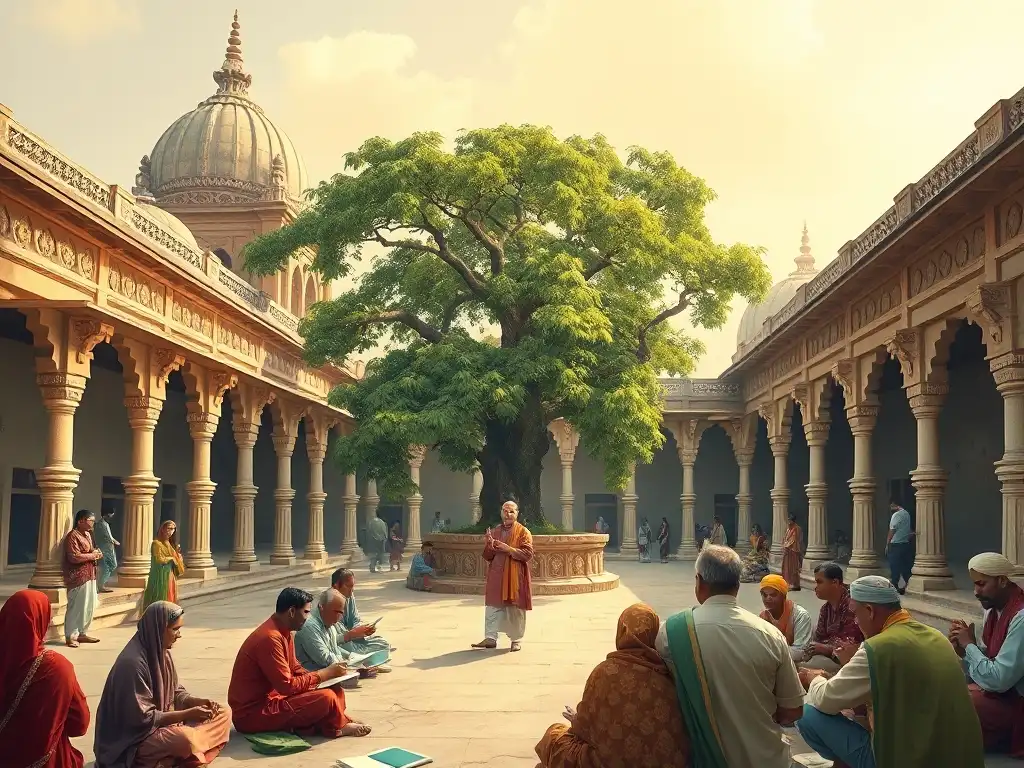
Recap of Ancient Indian Universities History and Its Impact on Critical Thinking
Ancient Indian universities, most notably Nalanda, Takshashila, and Vikramashila, played a pivotal role in shaping the intellectual landscape of their time. Established as early as the 5th century BCE, these institutions were not merely centers of rote learning; they were vibrant hubs that fostered critical thinking and intellectual discourse. Students from various regions, including Tibet, China, Korea, and Southeast Asia, flocked to these universities, highlighting their prominence and the quality of education provided.
The curriculum at these universities was comprehensive, covering subjects such as philosophy, mathematics, astronomy, medicine, and logic. The emphasis on debate and discussion encouraged students to question established norms and develop their viewpoints. For instance, Nalanda University had a rigorous admission process and a structured method of teaching that included:
- Lectures by experienced scholars
- Group discussions to stimulate debate
- Practical applications of theoretical knowledge
Moreover, the educational ideology of these institutions centered around the Socratic method, where questioning was encouraged, and students were trained to think independently. This approach not only contributed to the personal growth of students but also led to significant advancements in various fields, which were later integrated into global knowledge systems.
The impact of these ancient institutions on critical thinking is evident in the numerous scholars who emerged from them, such as Aryabhata and Brahmagupta, who made groundbreaking contributions to science and mathematics. Their teachings and methodologies laid the groundwork for future generations, demonstrating the lasting legacy of ancient Indian universities in promoting analytical thinking.
The Relevance of Ancient Educational Practices Today
The educational practices of ancient Indian universities offer valuable lessons that resonate in today's educational systems. In an era where standardized testing often dominates, the focus on critical thinking and inquiry-based learning remains crucial. Here are some key aspects of ancient educational practices that are relevant today:
- Holistic Learning: Ancient universities emphasized a comprehensive approach to education, integrating various disciplines. Modern education can benefit from this by promoting interdisciplinary studies that encourage students to make connections across subjects.
- Discussion and Debate: The practice of engaging in open discussions and debates not only enhances critical thinking but also fosters a sense of community and collaboration among students. Emphasizing dialogue in classrooms can lead to deeper understanding and retention of knowledge.
- Mentorship: The guru-shishya (teacher-student) relationship was central to ancient Indian education, promoting personalized learning and guidance. Today, fostering strong mentor-mentee relationships can enhance student development and engagement.
- Practical Applications: Ancient universities emphasized the importance of applying knowledge in real-world contexts. Incorporating experiential learning, such as internships and project-based learning, can help students understand the relevance of their studies.
- Global Perspective: Ancient Indian universities welcomed students from diverse backgrounds, promoting cultural exchange and understanding. Today's education systems can benefit from inclusivity and diversity, preparing students for a globalized world.
The history of ancient Indian universities is not just a relic of the past but a treasure trove of wisdom that can inform and enhance contemporary educational practices. By integrating these time-tested principles, modern education can cultivate a generation of thinkers who are not only knowledgeable but also capable of critical analysis and innovative problem-solving.
Frequently Asked Questions
What were the key ancient Indian universities known for?
Ancient Indian universities like Nalanda and Takshashila were renowned for their pioneering educational systems, attracting scholars from various regions and focusing on subjects like philosophy, medicine, and mathematics.
How did ancient Indian universities promote critical thinking?
These universities emphasized debate and discussion as essential components of learning, encouraging students to engage with diverse ideas and develop their analytical skills.
What subjects were typically taught in ancient Indian universities?
Curriculums included a wide range of subjects such as astronomy, logic, grammar, and arts, which helped foster a well-rounded education that promoted critical thinking.
What role did ancient Indian universities play in cultural exchange?
They served as centers of knowledge, facilitating the exchange of ideas and cultures among students and scholars from different parts of the world, enhancing the intellectual landscape of the time.
How did the educational philosophy of ancient Indian universities influence modern education?
The focus on critical inquiry and holistic learning in ancient Indian universities has had a lasting impact, inspiring modern educational systems to integrate discussion-based learning and interdisciplinary studies.
Final Reflection: Embracing the Legacy of Ancient Indian Universities
The principles of critical thinking and intellectual inquiry fostered by ancient Indian universities remain profoundly relevant today. In an era where information is abundant yet discernment is scarce, revisiting the educational philosophies of institutions like Nalanda and Takshashila can inspire a new generation of thinkers. These ancient centers of learning not only shaped the minds of their time but also laid the groundwork for a culture that valued inquiry over dogma. Their legacy serves as a reminder that education is not merely about rote memorization but about cultivating the ability to question, analyze, and innovate.
The impact of these ancient universities on contemporary education and society cannot be overstated. Their commitment to dialogue, debate, and diverse perspectives has influenced countless educational systems worldwide. As we navigate the complexities of modern life, the need for critical thinking becomes increasingly urgent. Education is the most powerful weapon which you can use to change the world.
— Nelson Mandela. This sentiment echoes the ethos of ancient Indian universities, reminding us that fostering critical thought is essential for progress and social transformation.
As we reflect on the teachings of these venerable institutions, let us commit to nurturing a culture of inquiry in our own lives. I invite you to embrace the spirit of critical thinking, challenge assumptions, and engage in meaningful discussions. By doing so, we honor the legacy of ancient Indian universities and contribute to a future where knowledge is not just accumulated but actively questioned and expanded. Together, we can cultivate a world where critical thinking thrives, enriching our lives and the lives of those around us.
Ignite Your Curiosity: Explore the Legacy of Ancient Learning!
Thank you for diving into the fascinating world of ancient Indian universities! You've uncovered how these institutions nurtured critical thinking and intellectual curiosity. Now, it's time to build on that knowledge and make the most of it.
Here are a few steps you can take to deepen your understanding and share this rich legacy:
- Dive Deeper: Select a notable ancient Indian thinker or university that resonates with you. Investigate their ideas and contributions to the field of critical thinking and how they remain relevant today!
- Join the Conversation: Share your insights on social media or initiate a discussion with friends about how the educational practices of the past can influence modern learning.
- Engage with History: Visit a local museum or explore online exhibitions that highlight the remarkable heritage of ancient Indian education.
What aspect of ancient Indian universities do you find most inspiring, and how do you think it can influence today's education systems?