
Analyzing the Themes of Love and Sacrifice in the Ramayana


Welcome to Ancient India History, where we embark on a captivating journey through the rich tapestry of ancient Indian civilizations! Delve into the profound themes that shaped our cultural heritage, from the enigmatic Indus Valley to the illustrious Gupta Empire. Today, we invite you to explore the intricate dynamics of love and sacrifice in the Ramayana—an epic tale that not only reflects the values of its time but also resonates with universal truths.
What lessons lie hidden within its verses? Join us as we unravel these timeless themes and discover how they continue to influence our understanding of devotion and duty. Your adventure into the depths of epic literature begins now!
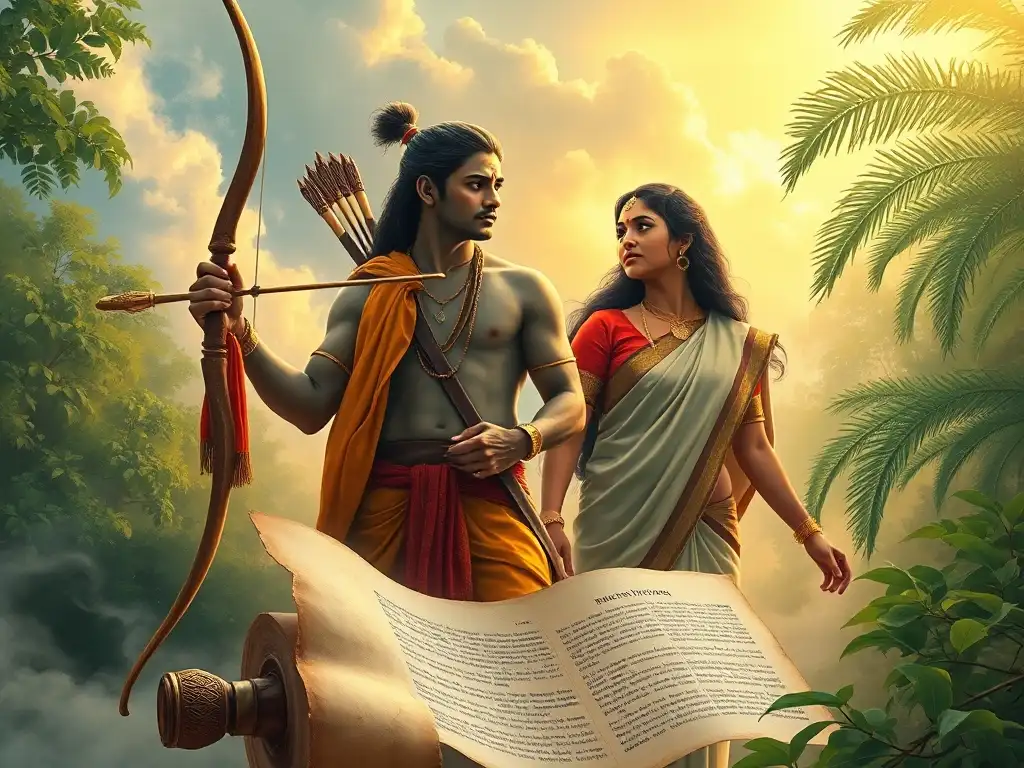
The Ramayana, one of the two great epics of ancient Indian literature, is not merely a tale of adventure and heroism; it is a profound exploration of the themes of love and sacrifice. As we delve into these themes, we will uncover the intricate relationships and moral dilemmas faced by the characters, which resonate through the ages, reflecting the values and ideals of ancient Indian society.
This article will analyze how love drives the narrative forward and how sacrifice serves as a counterbalance to love, illustrating the complex interplay between these two powerful emotions. By examining the significance of love and sacrifice in the Ramayana, we will gain a deeper understanding of its enduring impact on Indian culture and literature.
Introduction to the Ramayana
Overview of the Ramayana as an Epic
The Ramayana, attributed to the sage Valmiki, is a Sanskrit epic that narrates the life of Prince Rama, his wife Sita, and his loyal companion Hanuman. Spanning over 24,000 verses, this epic is structured into seven Kandas (books) and presents a rich tapestry of characters and events. At its core, the Ramayana is a story of dharma (righteousness), exploring the duties and responsibilities of individuals within the framework of family, society, and the cosmos.
The Ramayana's narrative is not only a historical account but also a spiritual journey, conveying philosophical teachings and ethical principles. It has inspired countless adaptations, retellings, and artistic expressions across various cultures, making it a cornerstone of Indian heritage.
Historical Context of the Ramayana
The origins of the Ramayana can be traced back to ancient India, with scholars estimating its composition to have occurred between the 5th century BCE and the 4th century CE. This period was marked by significant developments in Indian philosophy, religion, and literature. The Ramayana reflects the socio-political landscape of its time, where concepts of kingship, loyalty, and familial bonds were paramount.
As a text, the Ramayana served multiple purposes—educational, religious, and cultural. It was recited in temples, performed in theatrical productions, and studied in philosophical discourse, thereby cementing its place in the collective consciousness of Indian civilization.
Understanding Love in the Ramayana
The Concept of Love in Ancient Indian Literature
In ancient Indian literature, love is often depicted as a divine force that transcends human experiences. It is characterized by devotion, sacrifice, and a sense of duty. The Ramayana presents different dimensions of love, from romantic love between Rama and Sita to the brotherly love exhibited by Rama and Lakshmana. This multifaceted portrayal emphasizes that love is not just an emotion but a guiding principle that shapes one's actions and choices.
Key Relationships Illustrating Love in the Ramayana
Several relationships within the Ramayana serve as poignant illustrations of love:
- Rama and Sita: Their love is idealized as the epitome of devotion and fidelity. Sita's unwavering faith in Rama, even in the face of adversity, highlights the strength of their bond.
- Rama and Lakshmana: The loyalty of Lakshmana to his brother is a powerful testament to brotherly love. His willingness to sacrifice his own comfort for Rama's sake showcases the depth of their relationship.
- Hanuman and Rama: The love between Hanuman and Rama transcends the boundaries of servitude, representing unconditional devotion. Hanuman's selfless actions to aid Rama in his quest epitomize the theme of love in service.
Through these relationships, the Ramayana intricately weaves together the themes of love and sacrifice, illustrating their significance in human experience and the moral fabric of society.
The Theme of Sacrifice in the Ramayana
The theme of sacrifice is central to the narrative of the Ramayana, reflecting the moral and ethical dilemmas faced by its characters. Sacrifice in this epic is not merely an act of giving up something valuable; it embodies the essence of duty (dharma), loyalty, and the greater good. The characters often find themselves in situations where they must choose between personal desires and the needs of their family or society. This theme resonates deeply with the audience, illustrating the profound complexities of human relationships and the noble ideals upheld in ancient Indian culture.
Defining Sacrifice in the Context of the Ramayana
In the context of the Ramayana, sacrifice is intricately linked to the concept of dharma, which refers to the moral law that governs individual conduct. Characters are often faced with choices that test their commitment to their duties, whether as a son, husband, or ruler. Sacrifice manifests in various forms, including:
- Personal Sacrifice: Characters often relinquish their desires and comforts for the sake of others.
- Social Sacrifice: Decisions are made for the welfare of society, even at the cost of personal loss.
- Emotional Sacrifice: The emotional toll of letting go of loved ones or enduring suffering for a higher cause is vividly portrayed.
Through these layers of sacrifice, the Ramayana teaches that true strength lies in the ability to put others before oneself, fostering an understanding of selflessness and devotion.
Major Sacrifices Made by Characters
The Ramayana is replete with instances where characters make significant sacrifices, reinforcing the theme throughout the narrative. Some of the most notable sacrifices include:
- Rama's Exile: Rama's acceptance of a 14-year exile to uphold his father Dasharatha’s promise exemplifies ultimate sacrifice. He prioritizes his father's honor over his personal happiness and royal status.
- Sita's Abandonment: Sita's sacrifice is profound; she faces societal judgment and isolation after Rama's victory over Ravana. Her decision to enter the fire to prove her purity underscores her dedication to Rama and her willingness to endure suffering for the sake of love.
- Lakshmana's Loyalty: Lakshmana’s choice to follow Rama into exile, leaving behind his comforts and wealth, highlights the theme of fraternal love and sacrifice. His unwavering support throughout their trials speaks to his deep sense of duty.
These sacrifices not only drive the plot forward but also serve as moral lessons on the virtues of loyalty, honor, and selflessness.
Interconnection Between Love and Sacrifice
The interplay between love and sacrifice is a recurring motif in the Ramayana, where love often compels characters to make extraordinary sacrifices. This connection signifies that true love is not just about emotional attachment but also about the willingness to endure hardship for the beloved.
How Love Motivates Sacrifice in the Ramayana
In the Ramayana, love acts as a powerful motivator for sacrifice. Characters exhibit profound love that transcends personal desires, allowing them to make difficult choices for the sake of others. For instance:
- Rama and Sita's Love: Rama's love for Sita drives him to endure the trials of exile and battle Ravana, signifying that love can inspire courage and resilience. His commitment to rescuing Sita exemplifies how love can propel one to heroic acts of sacrifice.
- Bharata's Devotion: Bharata’s love for Rama leads him to reject the throne of Ayodhya and instead uphold Rama's honor by ruling as a caretaker. His actions underscore the depth of brotherly love and the sacrifices made to preserve familial bonds.
Through these examples, it becomes evident that love in the Ramayana is often intertwined with sacrifice, highlighting how profound affection can lead to selfless acts that ultimately define the characters' paths.
Examples of Sacrificial Love in Key Scenes
Several key scenes in the Ramayana encapsulate the essence of sacrificial love, showcasing how characters prioritize their relationships over personal desires:
- Sita's Trial by Fire: After being rescued from Ravana, Sita voluntarily undergoes a trial by fire to prove her purity. This act is not only a demonstration of her loyalty to Rama but also a profound sacrifice of her dignity, showcasing the lengths to which love can drive an individual.
- Rama's Reluctant Farewell to Sita: In a heart-wrenching moment, Rama, bound by his duty as a king, decides to banish Sita to uphold his reputation. Despite his love for her, he sacrifices their marital bond for the perceived welfare of his kingdom, illustrating the complex interplay of duty and love.
These scenes vividly illustrate that in the Ramayana, love and sacrifice are deeply interconnected, shaping the characters' destinies and leaving a lasting impact on the audience's understanding of the virtues of selflessness and devotion.
Cultural Significance of Love and Sacrifice
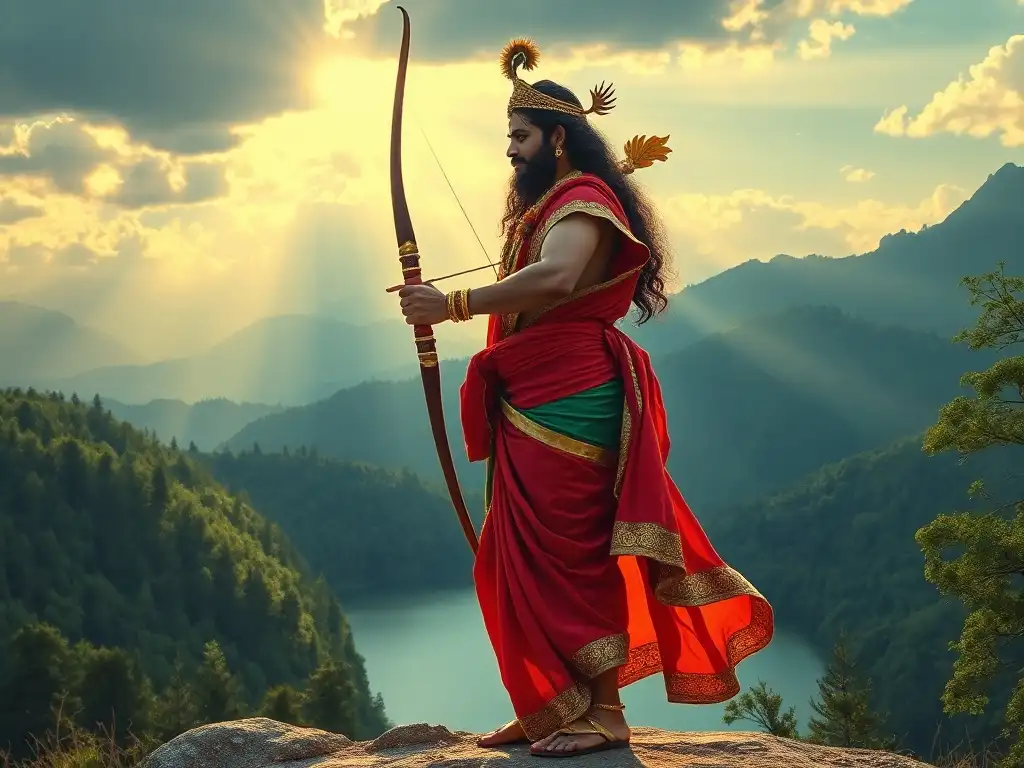
The themes of love and sacrifice in the Ramayana are not just narrative elements; they are deeply interwoven into the cultural fabric of ancient Indian society. This epic illustrates how love can transcend personal desires and manifest as a commitment to duty and righteousness (dharma). The relationships among the characters, especially between Rama and Sita, are emblematic of ideal love rooted in fidelity and moral integrity. Their love is often viewed as a model for marital relationships, emphasizing respect and devotion.
Sacrifice, on the other hand, is portrayed as an essential virtue. Characters like Lord Rama exemplify sacrifice by prioritizing the welfare of the kingdom and adhering to his father's wishes over personal happiness. This portrayal has significantly influenced societal values, encouraging individuals to consider the greater good over self-interest. The cultural significance of these themes is further reflected in festivals, art, and literature, where the ideals of love and sacrifice continue to resonate with audiences across generations.
The Impact of Love and Sacrifice on Indian Culture
The impact of love and sacrifice in the Ramayana extends beyond the epic itself, shaping various aspects of Indian culture. It has inspired countless artistic expressions, including dance, theater, and folk narratives. The character of Rama is revered as an ideal hero (Maryada Purushottama), embodying the principles of love and sacrifice, which sets a standard for moral conduct.
In religious practices, the Ramayana is recited and performed during festivals like Diwali, where the themes of love and sacrifice are celebrated. These practices reinforce the values embedded in the narrative, fostering a sense of community and shared identity. Moreover, the epic has been a source of inspiration for political leaders and social reformers, who have harnessed its themes to advocate for justice, duty, and integrity in public life.
Lessons Learned from the Ramayana's Themes
The Ramayana teaches profound lessons through its exploration of love and sacrifice. One of the key lessons is the importance of duty (dharma) in relationships. The unwavering commitment seen in the bond between Rama and Sita illustrates that true love involves sacrifice and a willingness to endure hardships for the sake of others.
Furthermore, the epic emphasizes the idea that love must be coupled with righteousness. Characters who embody love and sacrifice often face trials, reinforcing the notion that noble qualities are tested in adversity. The Ramayana encourages readers to reflect on their values, advocating for the practice of selflessness and moral integrity in their own lives. This timeless wisdom remains relevant, guiding individuals in navigating complex personal and societal challenges.
Conclusion
The themes of love and sacrifice in the Ramayana are pivotal not only to its narrative but also to the broader cultural landscape of India. These themes resonate through countless generations, offering valuable insights into the human experience.
The Enduring Legacy of Love and Sacrifice in the Ramayana
The legacy of love and sacrifice in the Ramayana persists in contemporary India, influencing social norms, family structures, and individual aspirations. The ideals portrayed in the epic continue to inspire new interpretations in literature and media, ensuring that its messages remain vital to modern audiences.
The love of Rama and Sita is often invoked in discussions about marital fidelity and partnership, while the sacrifices made by characters like Hanuman and Lakshmana serve as reminders of loyalty and devotion. This enduring legacy illustrates how the themes of the Ramayana transcend time, acting as a moral compass for society.
Final Thoughts on Their Relevance Today
In today's rapidly changing world, the themes of love and sacrifice in the Ramayana offer relevant lessons on empathy, duty, and selflessness. As individuals navigate personal and social challenges, drawing inspiration from these timeless ideals can foster resilience and a sense of community. The Ramayana encourages us to recognize the power of love and the importance of sacrifice, reminding us that these virtues are foundational to a harmonious society. Embracing these lessons can help cultivate a more compassionate and responsible world, resonating with the epic's enduring spirit.
References
The themes of love and sacrifice in the Ramayana have been extensively studied and analyzed by scholars and literary critics alike. A variety of texts provide insights into the narrative's intricate layers, exploring the philosophical and moral implications of these themes. Below are some key references that can enhance understanding of love and sacrifice in this ancient epic:
- Valmiki's Ramayana - The original text attributed to Valmiki, often referred to as the Adikavi (first poet), is the fundamental source for the narrative. Reading different translations can provide diverse interpretations of the text.
- Ramayana: A Critical Edition: by Robert P. Goldman - This edition offers a comprehensive analysis of the text, highlighting various themes, including love and sacrifice, within the socio-cultural context of ancient India.
- The Ramayana: A New Translation: by Ramesh Menon - Menon's translation is known for its accessibility and poetic style, making it a good resource for exploring the emotional depth of love and sacrifice as portrayed in the epic.
- Love and Sacrifice in Indian Literature by K. R. Srinivasa Iyengar - This book discusses various Indian epics, focusing on love and sacrifice, drawing parallels between the Ramayana and other literary works.
- The Ramayana and the Mahabharata: A Comparative Study: by M. K. Agarwal - This comparative analysis delves into the recurrent themes of love and sacrifice in both epics, providing a broader context for the understanding of these motifs.
Suggested Further Reading on Love and Sacrifice in Indian Epics
To gain a deeper understanding of love and sacrifice in the context of Indian epics, the following texts are recommended for further reading:
- The Mahabharata - This epic complements the Ramayana in its exploration of human emotions, relationships, and moral dilemmas. Key sections, such as the story of Karna and his sacrifices, are particularly relevant.
- Krittivasi Ramayana by Krittivasa Ojha - A Bengali version of the Ramayana that adds regional flavors and interpretations, emphasizing the themes of love and devotion in unique ways.
- Devdas: A Novel: by Sarat Chandra Chattopadhyay - While not an epic, this novel explores the themes of unrequited love and sacrifice, echoing the emotional struggles seen in the Ramayana.
- Shakuntala by Kalidasa - This play highlights themes of love, separation, and sacrifice, reflecting the broader cultural narratives that resonate with those found in the Ramayana.
- The Essence of the Ramayana by Swami Tejomayananda - A contemporary interpretation that distills the moral messages of the Ramayana, particularly focusing on love and sacrifice.
Resources for Understanding the Ramayana’s Themes
To further explore the themes of love and sacrifice in the Ramayana, the following resources can prove invaluable:
- Documentaries and Lectures: Various online platforms host documentaries and lectures by scholars on the Ramayana, providing visual and auditory insights into its themes.
- Academic Journals: Journals such as the Journal of Indian Literature often publish articles analyzing specific aspects of the Ramayana, including its treatment of love and sacrifice.
- Online Courses: Several universities offer online courses focused on Indian literature and mythology, often featuring the Ramayana as a key text.
- Discussion Forums: Engaging in discussion forums or groups dedicated to Indian literature can provide new perspectives and interpretations of the themes within the Ramayana.
- Cultural Performances: Attending performances of Ramayana adaptations—be it through dance, theater, or music—can enrich understanding of the emotional and cultural significance of love and sacrifice in the epic.
These references and resources will help readers delve deeper into the profound themes of love and sacrifice within the Ramayana, fostering a greater appreciation for this timeless epic and its relevance in today's world.
- Introduction to the Ramayana
- Understanding Love in the Ramayana
- The Theme of Sacrifice in the Ramayana
- Interconnection Between Love and Sacrifice
- Cultural Significance of Love and Sacrifice
- Conclusion
- References
- What is the significance of love and sacrifice in the Ramayana?
- How do the characters in the Ramayana demonstrate sacrifice?
- Can you give examples of love portrayed in the Ramayana?
- How does the Ramayana reflect ancient Indian cultural values?
- In what ways has the Ramayana influenced modern interpretations of love and sacrifice?
Frequently Asked Questions
What is the significance of love and sacrifice in the Ramayana?
The themes of love and sacrifice are central to the Ramayana, illustrating the values of dharma and devotion through the characters' actions and decisions.
How do the characters in the Ramayana demonstrate sacrifice?
Characters like Rama and Sita embody sacrifice through their willingness to endure hardships for the sake of each other and the greater good of their kingdom.
Can you give examples of love portrayed in the Ramayana?
The bond between Rama and Sita serves as a profound example of love, depicting loyalty, respect, and a deep emotional connection that transcends challenges.
How does the Ramayana reflect ancient Indian cultural values?
The Ramayana reflects ancient Indian cultural values by emphasizing honor, loyalty, and the importance of fulfilling one's duties, especially through the themes of love and sacrifice.
In what ways has the Ramayana influenced modern interpretations of love and sacrifice?
The Ramayana continues to influence modern interpretations by showcasing timeless themes of love and sacrifice, inspiring literature, art, and social values that resonate today.
Final Reflection: The Enduring Legacy of Love and Sacrifice in the Ramayana
The themes of love and sacrifice in the Ramayana resonate profoundly in today's world, reminding us that these virtues are timeless and universal. In an age where individualism often overshadows collective values, the epic's portrayal of selfless love and the willingness to sacrifice for the greater good serves as a powerful reminder of our shared humanity. The stories of Rama, Sita, and Hanuman illustrate that true strength lies not in power, but in the depth of our connections and the sacrifices we make for those we cherish.
Cultural narratives like the Ramayana continue to shape our understanding of relationships and moral integrity. The lessons embedded in its verses encourage us to reflect on our own lives and the choices we make daily. As we navigate the complexities of modern relationships, the Ramayana's teachings remind us that love often requires sacrifice, and that our actions can have a profound impact on those around us. Where there is love, there is sacrifice,
a sentiment that echoes throughout the ages and invites us to embody these principles in our lives.
As you move forward, I invite you to reflect on how the themes of love and sacrifice manifest in your own life. Consider the relationships you hold dear and the sacrifices you are willing to make for them. Let the lessons from the Ramayana inspire you to cultivate deeper connections and to act with compassion and selflessness. In doing so, you not only honor the legacy of this ancient text but also contribute to a world where love and sacrifice reign supreme.
Embrace the Lessons of Love and Sacrifice Today!
Thank you for exploring the profound themes of love and sacrifice in the Ramayana with us! Your interest reflects a commitment to understanding these timeless values that resonate across cultures and eras. Now, let's turn that inspiration into action!
Here are some meaningful ways you can connect deeply with these themes:
- Reflect on your relationships: Take a moment to consider how you can embody the values of love and sacrifice in your daily interactions. This could be through small acts of kindness or engaging in conversations where you truly listen to others.
- Share your insights: Discuss the themes that resonate with you most with friends or family. You might even consider starting a book club focused on classic texts like the Ramayana to inspire deeper discussions!
- Engage with the community: Join online forums or social media groups dedicated to Indian epics and share your thoughts on how love and sacrifice influence our lives today.
What personal experiences can you share that reflect the themes of love and sacrifice from the Ramayana in your life?