
The Legacy of Vedic Texts: Preservation and Transmission Through Ages

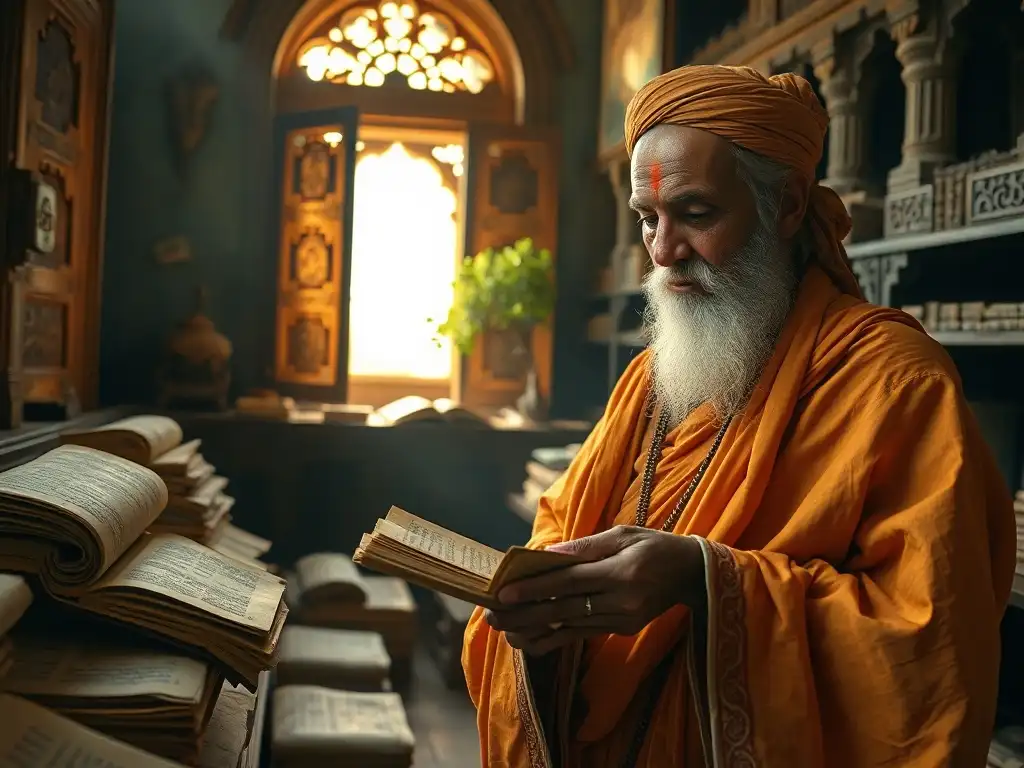
Welcome to Ancient India History, where we embark on an enthralling journey through the rich tapestry of India's past! Dive into the captivating saga of the Vedic texts preservation history, a tale that reveals the resilience and ingenuity of ancient Indian civilizations. From the sacred chants of the Indus Valley to the philosophical musings of the Gupta Empire, discover how these timeless scriptures have survived the ebb and flow of history.
Are you ready to uncover the secrets behind their preservation and transmission through the ages? Join us as we explore this epic literature that has shaped the very foundation of Indian culture!
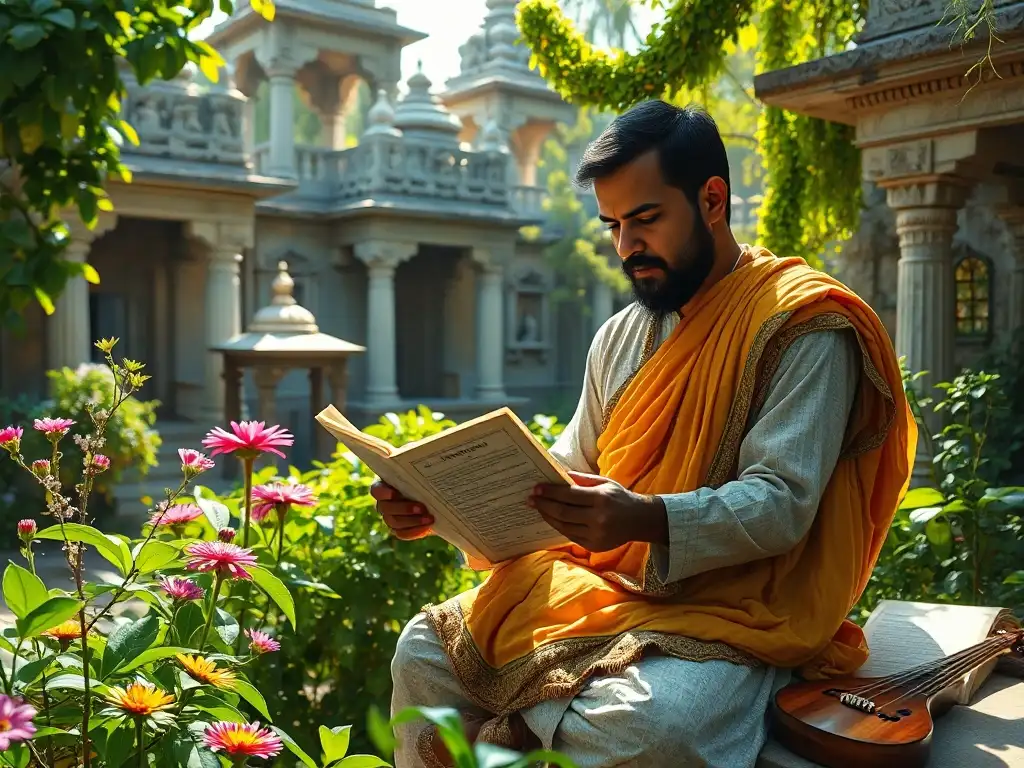
The legacy of Vedic texts is a cornerstone of ancient Indian civilization, encapsulating a wealth of knowledge, spirituality, and cultural identity that has transcended millennia. These texts, originating from the Vedic period (circa 1500–500 BCE), not only laid the foundation for Hindu philosophy and religious practices but also influenced various aspects of Indian society, including language, law, and arts.
The intricate process of their preservation and transmission through ages highlights the resilience and dedication of the ancient scholars and practitioners who ensured that these texts survived the test of time. This article delves into the Vedic texts preservation history, examining the significance of these ancient scriptures, their historical context, and the methods employed to safeguard their teachings for future generations.
Introduction to Vedic Texts and Their Importance
Understanding Vedic Literature
Vedic literature encompasses a vast body of texts composed in Sanskrit, primarily divided into four main collections known as the Vedas: Rigveda, Samaveda, Yajurveda, and Atharvaveda. Each Veda is further categorized into four parts: Samhitas (hymns), Brahmanas (rituals), Aranyakas (theological discussions), and Upanishads (philosophical teachings). This layered structure reflects a comprehensive approach to spirituality, ritualistic practices, and philosophical inquiry, making the Vedic corpus a rich tapestry of ancient thought.
Significance of Vedic Texts in Ancient Indian Culture
The Vedic texts are not just religious scriptures; they are foundational to the ethos of ancient Indian culture. They serve as guides for ethical living, societal norms, and cosmological understanding. The hymns and rituals documented within these texts played a crucial role in shaping the spiritual landscape of the time, influencing everything from daily worship to the governance of kingdoms. Their teachings continue to resonate in modern Hindu practices, underscoring their enduring relevance.
Historical Context of Vedic Texts
Origin and Compilation of the Vedas
The origins of the Vedas can be traced back to the early Indo-Aryan settlers who composed these texts as a means of expressing their spiritual experiences and cultural practices. The process of compilation, which likely spanned several centuries, involved the meticulous collection and editing of various hymns and rituals. Scholars believe that the Rigveda, the oldest of the Vedas, was composed around 1500 BCE, while the other Vedas followed in succession, reflecting the evolving spiritual and cultural landscape of ancient India.
The Role of Oral Tradition in Vedic Preservation
The preservation of Vedic texts relied heavily on oral tradition, a practice that ensured the accuracy and integrity of the texts over generations. Trained oral reciters, known as reciters (paṭhakas), played a pivotal role in this process, employing complex mnemonic techniques to memorize vast amounts of text.
This commitment to oral transmission was so rigorous that it allowed for the preservation of these texts with remarkable fidelity, even in the face of historical upheavals. The importance of this oral tradition cannot be overstated, as it was instrumental in maintaining the continuity of Vedic knowledge and culture through centuries of change.
Mechanisms of Vedic Texts Preservation
The preservation of Vedic texts is a remarkable story of dedication and resilience, showcasing the various mechanisms that ancient scholars employed to ensure the survival of these sacred writings. From oral traditions to written manuscripts, each method played a critical role in maintaining the integrity and continuity of the Vedic literature throughout centuries.
The oral transmission of Vedic texts was the primary means of preservation in the early years. Scholars, known as Brahmins, meticulously memorized the texts, ensuring that every syllable, intonation, and pronunciation was preserved accurately. This oral tradition was supported by rigorous training and recitation practices, which not only strengthened memory but also fostered a deep spiritual connection to the texts.
With the advent of writing systems, the need for written records became apparent. Manuscripts began to emerge, enabling the documentation of Vedic texts on palm leaves and birch bark. These written forms allowed for wider dissemination and accessibility, ensuring that the teachings and rituals embedded in the Vedas could reach future generations.
Manuscript Transmission and Copying Techniques
The process of manuscript transmission involved several techniques that ensured the accuracy and consistency of Vedic texts. Scribes played a vital role in this process, employing meticulous copying methods to reproduce existing manuscripts.
- Palaeographic Techniques: Scribes developed specific scripts, such as Brahmi and Devanagari, to write down the Vedic texts. They adhered to strict conventions to maintain clarity and readability.
- Recension: Different schools of thought within Hinduism produced varied versions of the Vedic texts. Each group cultivated its own shakha (branch), which contributed to the diversification of the texts. This variation, while challenging, also enriched the tradition by providing multiple interpretations and insights.
- Quality Control: To prevent errors, the transmission process often involved multiple layers of checks. Peer reviews and communal recitations were essential, as they allowed scholars to identify discrepancies and correct them before finalizing a manuscript.
- Preservation Techniques: Manuscripts were treated with care to ensure their longevity. Techniques included the use of natural dyes for ink and the application of oils to protect the surface of the leaves from moisture and decay.
These methods collectively contributed to the preservation of Vedic texts across generations, highlighting the scholarly commitment to safeguarding their cultural heritage.
The Influence of Religious Institutions on Preservation Efforts

Religious institutions played a pivotal role in the preservation of Vedic texts, providing both the resources and the framework necessary for their continued existence. Temples, monasteries, and educational centers became hubs of learning and preservation, influencing how Vedic literature was transmitted.
- Sponsorship of Scholars: Wealthy patrons and religious leaders often sponsored scholars, allowing them to dedicate their lives to the study and preservation of the Vedas. This patronage facilitated the production of high-quality manuscripts and the establishment of educational institutions focused on Vedic studies.
- Establishment of Gurukuls: The Gurukul system, wherein students lived with their teachers, was instrumental in teaching the Vedic texts through oral transmission. This close-knit educational model not only fostered a strong sense of community but also ensured the rigorous practice of memorization and recitation.
- Ritualistic Practices: Religious rituals that incorporated Vedic texts helped preserve them as living traditions. The performance of rituals ensured that the texts remained relevant and were actively engaged with in daily religious life.
- Codification and Canonization: Over time, religious institutions contributed to the codification of Vedic texts, establishing authoritative versions and commentaries that further solidified their significance within Hindu culture.
Through these efforts, religious institutions not only safeguarded the Vedic texts but also ensured their continued relevance in the spiritual and cultural landscape of ancient India.
Challenges in the Preservation of Vedic Texts
Despite the robust mechanisms of preservation, the journey of Vedic texts has not been without challenges. Various factors have posed significant threats to their survival over the centuries.
Natural Disasters and Their Impact on Manuscripts
Natural disasters have historically wreaked havoc on the preservation of Vedic texts, leading to the loss of invaluable manuscripts and knowledge. Events such as floods, earthquakes, and fires have caused widespread destruction of libraries and repositories where these texts were stored.
- Destruction of Libraries: Ancient libraries, often located in temples or centers of learning, were vulnerable to natural calamities. For example, the devastating flood that affected the region of Kashmir in the early 20th century resulted in the loss of numerous ancient manuscripts.
- Degradation of Materials: The materials used for writing, such as palm leaves and birch bark, are susceptible to decay. Exposure to moisture or insect infestations can lead to irreversible damage, particularly when manuscripts are not stored properly.
- Displacement of Communities: Natural disasters often displace communities, disrupting the oral transmission of texts. In the face of adversity, scholars may have found it challenging to continue their practices, leading to gaps in the preservation of Vedic literature.
Political and Social Turmoil Affecting Textual Transmission
Political instability and social upheaval have also hindered the preservation of Vedic texts throughout history. Changes in power dynamics, invasions, and social transformations have led to the disruption of scholarly pursuits.
- Invasions and Destruction: Historical invasions, such as those by the Mughals, often targeted cultural institutions. Libraries and schools were destroyed, resulting in the loss of countless manuscripts. The Mughal invasion of India in the 16th century, for instance, led to significant cultural and intellectual upheaval.
- Suppression of Knowledge: During periods of political turmoil, certain ideologies may have sought to suppress traditional knowledge systems, including Vedic literature. This suppression could lead to the decline in the number of active scholars dedicated to the study and transmission of the Vedas.
- Shifts in Social Structure: As society evolved, the roles of scholars and institutions changed. The decline of the Brahminical class during various historical periods reduced the number of custodians of Vedic knowledge, impacting the continuity of preservation efforts.
While the mechanisms of preservation have been robust, the Vedic texts have faced numerous challenges that threaten their survival. The interplay of natural disasters and socio-political dynamics has shaped the history of Vedic texts preservation, emphasizing the need for ongoing efforts to safeguard this vital aspect of ancient Indian heritage.
The Role of Scholars in Vedic Texts Preservation
The preservation of Vedic texts has been a monumental task that spanned centuries, significantly influenced by the dedication and scholarly efforts of ancient and modern scholars alike. These learned individuals have played an essential role in ensuring that the intricate philosophies, rituals, and teachings contained within the Vedas have been meticulously passed down through generations.
Ancient Indian scholars often operated within a highly structured educational framework, known as the Gurukul system, where students learned under the guidance of a guru. This system emphasized oral transmission, with scholars committing Vedic texts to memory and reciting them with precision. The rigorous training included mastering various aspects of recitation, including intonation (svara) and pronunciation (shiksha), which were critical for the preservation of the texts' meanings and spiritual significance.
In modern times, scholars have adopted a multifaceted approach to preserve these texts, combining traditional methods with contemporary research techniques. They engage in critical analysis, comparative studies, and the publication of annotated translations, thus making the Vedic texts accessible to a wider audience while maintaining fidelity to the original teachings.
Contributions of Ancient Indian Scholars
Ancient Indian scholars were pivotal in the preservation of Vedic texts through their commitment to rigorous methodologies. Notable figures such as Panini, who formalized Sanskrit grammar, and Vyasa, who is traditionally credited with compiling the Vedas, made foundational contributions that stabilized the textual tradition.
These scholars employed various mnemonic techniques and composed commentaries to aid in the understanding and retention of complex Vedic concepts. The Natyashastra, attributed to Bharata Muni, is an example of how ancient texts were analyzed and preserved by linking them to performance arts, ensuring their relevance in cultural practices.
The establishment of various philosophical schools (darshanas) further contributed to the preservation efforts, as each school interpreted Vedic texts in light of its teachings. Such interpretations not only ensured the survival of the texts but also enriched the intellectual landscape of ancient India.
Modern Efforts in Vedic Texts Preservation
In contemporary times, efforts to preserve Vedic texts have expanded beyond traditional methods. Institutions such as the Karnataka Samskrita University and the Bharatiya Vidya Bhavan have initiated programs focused on the study, preservation, and propagation of Vedic literature.
Additionally, scholars are now utilizing interdisciplinary approaches, incorporating insights from linguistics, anthropology, and comparative religion to further understand and preserve the Vedic tradition. Conferences and seminars are held regularly to discuss preservation strategies and share research findings, fostering a collaborative environment among scholars globally.
Moreover, organizations like the Ramakrishna Mission are actively involved in translating and publishing Vedic texts, making them available to a wider audience and ensuring their teachings continue to inspire future generations.
Technological Advancements in Preservation
Technological advancements have revolutionized the preservation of Vedic texts, facilitating unprecedented access to these ancient scriptures. With the advent of digital technology, numerous initiatives have emerged to safeguard and disseminate Vedic literature effectively.
Digitization of Vedic Texts
The digitization of Vedic texts has emerged as a pivotal strategy in preservation efforts. Projects led by institutions such as the Digital Library of India have been instrumental in creating digital archives of ancient manuscripts. This process not only safeguards the texts from deterioration and loss but also allows for easier distribution and access.
High-resolution imaging technology ensures that even the most delicate manuscripts are preserved in detail, enabling researchers to study and analyze the texts without the risk of physical damage. Furthermore, digitization has led to the creation of searchable databases, enhancing research capabilities and facilitating comparative studies.
The Impact of Technology on Accessibility and Study
The impact of technology on the accessibility and study of Vedic texts cannot be overstated. Online platforms provide scholars and enthusiasts worldwide with access to translated texts, commentaries, and scholarly articles, democratizing the knowledge contained within the Vedas.
Moreover, technology has enabled the development of educational tools and resources, such as interactive apps and online courses, which enhance the learning experience. These advancements not only contribute to the preservation of Vedic texts but also encourage a renewed interest in ancient Indian philosophy and culture, ensuring its relevance in the modern world.
The combined efforts of ancient and modern scholars, coupled with technological advancements, have played a crucial role in the preservation history of Vedic texts. The legacy of these ancient scriptures continues to thrive, inspiring new generations to explore the rich tapestry of India's spiritual heritage.
Conclusion: The Enduring Legacy of Vedic Texts
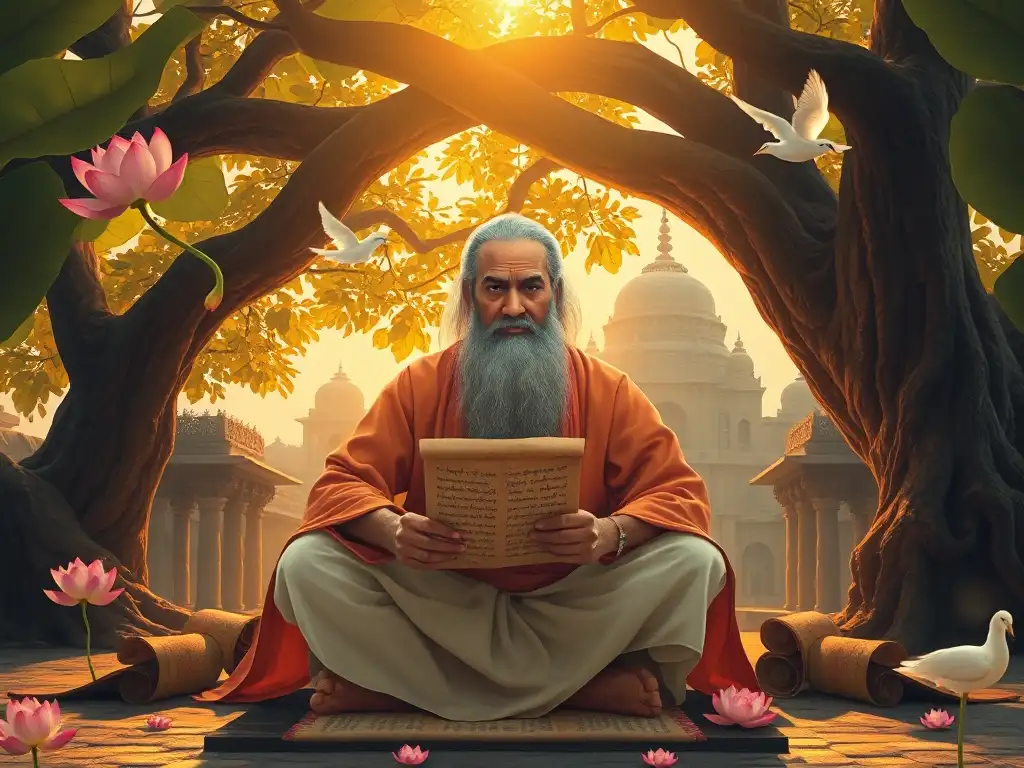
The Vedic texts, with their profound philosophical insights and spiritual wisdom, have left an indelible mark on the cultural and intellectual landscape of India and beyond. Their preservation through rigorous oral traditions, meticulous manuscript copying, and, more recently, digital archiving demonstrates a remarkable commitment to safeguarding this ancient knowledge.
As we reflect on the journey of the Vedic texts, it becomes evident that they are not merely historical artifacts but living documents that continue to inspire and guide generations. The enduring legacy of these texts is a testament to their significance in shaping ethical, spiritual, and social paradigms throughout history.
The Continued Relevance of Vedic Texts in Contemporary Society
In today's rapidly changing world, the Vedic texts remain relevant for various reasons:
- Philosophical Insights: The teachings found in the Vedas address fundamental questions about existence, ethics, and the nature of reality. Concepts such as Dharma (duty/righteousness) and Karma (action and consequence) continue to resonate in modern ethical discussions.
- Spiritual Practices: Many contemporary spiritual practices, including yoga and meditation, draw heavily from Vedic philosophy. The texts provide a foundational understanding of these practices, emphasizing personal growth and self-realization.
- Cultural Identity: For many communities, especially within India, the Vedas are a source of cultural pride and identity. They play an essential role in rituals, festivals, and other cultural expressions, fostering a sense of continuity with the past.
- Interdisciplinary Studies: Scholars from various fields, including philosophy, linguistics, and comparative religion, find rich material in the Vedic texts for study and exploration, contributing to a broader understanding of human thought and civilization.
In a globalized world where ancient wisdom often intersects with modern challenges, the Vedic texts offer timeless guidance that remains pertinent across cultures and societies.
Future Prospects for Vedic Texts Preservation History
The future of Vedic texts preservation history appears promising, bolstered by advancements in technology and a growing awareness of their importance. Several factors contribute to this optimism:
- Digital Archiving: Initiatives to digitize ancient manuscripts and make them accessible online are expanding. Projects undertaken by universities and cultural organizations are ensuring that Vedic texts are preserved for future generations while also being made available to a global audience.
- Educational Integration: As interest in Vedic studies grows, educational institutions are increasingly incorporating Vedic texts into their curricula, fostering a new generation of scholars and practitioners who appreciate their historical and cultural significance.
- Community Engagement: Grassroots movements and organizations focused on preserving indigenous knowledge are emerging, emphasizing the importance of Vedic texts in contemporary cultural practices and advocating for their continued relevance.
- Interfaith Dialogues: The universal themes found within the Vedic texts encourage interfaith dialogues, promoting understanding and respect among different cultures and religions, which can further enhance their preservation and appreciation.
The preservation of Vedic texts is not just about maintaining ancient manuscripts; it is about keeping alive a rich intellectual and spiritual heritage that continues to inspire and inform humanity’s quest for knowledge and meaning. The future of Vedic texts preservation history is bright, built upon a foundation of respect, innovation, and global engagement.
- Introduction to Vedic Texts and Their Importance
- Historical Context of Vedic Texts
- Mechanisms of Vedic Texts Preservation
- Manuscript Transmission and Copying Techniques
- The Influence of Religious Institutions on Preservation Efforts
- Challenges in the Preservation of Vedic Texts
- The Role of Scholars in Vedic Texts Preservation
- Technological Advancements in Preservation
- Conclusion: The Enduring Legacy of Vedic Texts
- The Continued Relevance of Vedic Texts in Contemporary Society
- Future Prospects for Vedic Texts Preservation History
Frequently Asked Questions
What are the Vedic texts?
The Vedic texts are a collection of ancient scriptures composed in Sanskrit, which form the foundation of Hindu philosophy and spirituality, including four main texts: the Rigveda, Samaveda, Yajurveda, and Atharvaveda.
How were Vedic texts preserved throughout history?
The preservation of Vedic texts involved a meticulous process of oral transmission for centuries, followed by written documentation on palm leaves and later paper, ensuring their survival despite numerous challenges.
What role did the Gupta Empire play in Vedic texts preservation?
During the Gupta Empire, there was a significant revival of Vedic scholarship and literature, which led to the compilation and codification of the texts, fostering a rich cultural environment for their study and transmission.
Why is the preservation of Vedic texts important?
The preservation of Vedic texts is crucial as they provide invaluable insights into the spiritual, cultural, and social fabric of ancient Indian civilization, influencing modern Hindu practices and thought.
How do modern scholars study Vedic texts?
Modern scholars utilize linguistic analysis, historical context, and comparative studies of ancient manuscripts to explore the Vedic texts' preservation history and their significance within the broader scope of Indian history.
Final Reflection: The Enduring Legacy of Vedic Texts
The preservation and transmission of Vedic texts throughout history is a testament to the resilience of cultural heritage. In an age where digital information can be fleeting, the meticulous efforts to safeguard these ancient scriptures remind us of the profound significance of our roots. The Vedic texts are not merely historical artifacts; they are living documents that continue to shape spiritual and philosophical discourse today. Their relevance in contemporary society underscores the importance of understanding and valuing our historical narratives.
The influence of Vedic texts extends far beyond their original context, permeating various aspects of modern culture and spirituality. As we navigate an increasingly complex world, the wisdom contained within these texts offers guidance and insight. Their teachings resonate with those seeking meaning and connection in a fast-paced, often chaotic environment. The Vedas are the foundation of Indian culture, and their wisdom is timeless.
This quote encapsulates the ongoing impact of Vedic literature, reminding us that these texts are not relics of the past but vibrant sources of inspiration for the present and future.
As we reflect on the legacy of Vedic texts, I invite you to consider how these ancient teachings can inform your own life. What lessons can you draw from their wisdom to navigate your personal journey? Embrace the opportunity to explore these texts, allowing their insights to enrich your understanding of yourself and the world around you. In doing so, you contribute to the ongoing preservation of this invaluable heritage, ensuring that the wisdom of the ages continues to illuminate the path for generations to come.
Unveil the Timeless Wisdom of Vedic Texts!
Thank you for diving into the rich legacy of Vedic texts with us! You've explored how these ancient writings have shaped our understanding of history and culture. Now, let's put this knowledge into action and deepen your appreciation for the Vedic tradition.
- Embrace the journey: Read an excerpt from a Vedic text and reflect on its relevance today—it might surprise you how current some teachings are!
- Join the conversation: Share your thoughts on our community forum or on social media using the hashtag #VedicWisdom to connect with others who are passionate about preserving this heritage.
- Explore further: Seek out local workshops or classes focused on Vedic philosophy or Sanskrit studies to enhance your connection to the material.
What insights have you gained from the Vedic texts, and how do they resonate with your life today? We invite you to share your reflections in the comments below!