
The Ramayana’s Exploration of Good Governance and Statecraft

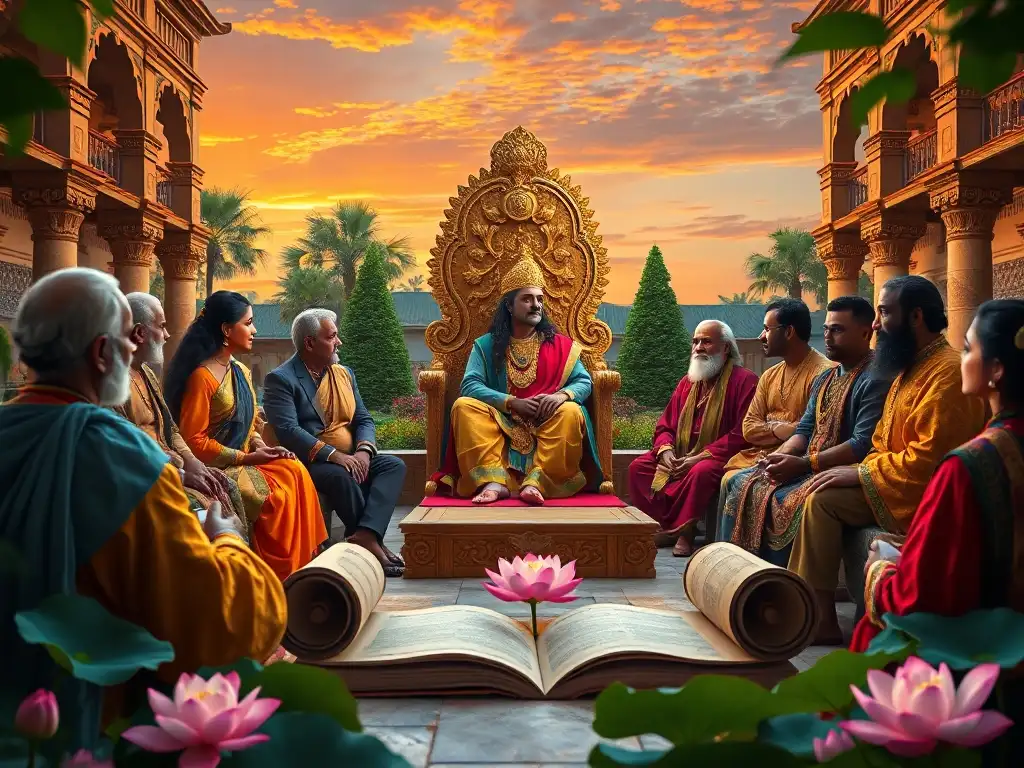
Welcome to Ancient India History, where we embark on a captivating journey through the rich tapestry of ancient Indian civilizations. Here, we delve into the profound insights of epic literature, unraveling the timeless lessons of good governance as depicted in the Ramayana. Discover how these age-old narratives not only shaped the moral fabric of society but also offer invaluable guidance on statecraft that resonates even today. Are you ready to explore the wisdom of the ancients and uncover the secrets of effective leadership? Join us as we dive deeper into this fascinating topic!
- Introduction to the Ramayana and Governance
- Key Concepts of Good Governance in the Ramayana
- Lessons from the Ramayana on Good Governance
- Case Studies of Governance in the Ramayana
- Comparative Analysis of Governance in the Ramayana and Other Texts
- Contemporary Relevance of Ramayana's Good Governance Lessons
- Conclusion: Embracing Ramayana's Good Governance Lessons
- Frequently Asked Questions
- Final Reflection: The Timeless Lessons of the Ramayana on Good Governance
- Embrace the Wisdom of the Ramayana in Today's Governance!
Introduction to the Ramayana and Governance
The Ramayana, one of the two great epics of ancient Indian literature, serves as a profound source of wisdom and guidance on the principles of good governance and effective statecraft. It intricately weaves together the narrative of Lord Rama's life, his ideals, and the challenges he faced, offering timeless lessons that remain relevant for contemporary governance.
As we delve into the Ramayana, we uncover not just a tale of heroism and virtue, but also a comprehensive discourse on the responsibilities of rulers, the importance of justice, and the moral fabric that underpins a thriving society. This exploration highlights how the ancient text provides valuable insights into effective leadership and ethical governance, illuminating paths that can lead to societal harmony and prosperity.
Overview of the Ramayana as an Epic
The Ramayana, attributed to the sage Valmiki, is an epic poem that narrates the life story of Lord Rama, his quest to rescue his wife Sita from the demon king Ravana, and his ultimate return to the kingdom of Ayodhya. Composed in Sanskrit, this epic consists of approximately 24,000 verses divided into seven books, known as Kandas. The narrative not only captivates with its dramatic plot and rich character development but also serves as a moral compass for individuals and leaders alike.
Key elements of the Ramayana include:
- Character Archetypes: The epic presents a variety of characters, each embodying different virtues and vices. Rama represents dharma (righteousness), Sita symbolizes purity, and Ravana illustrates the consequences of hubris.
- Moral Lessons: The Ramayana is replete with lessons on duty, loyalty, and sacrifice, making it a crucial pedagogical tool in understanding ethical governance.
- Cultural Significance: It has profoundly influenced Indian culture, arts, and religious practices, instilling values that promote good governance.
As a foundational text of Indian heritage, the Ramayana transcends mere storytelling; it serves as a reflection on the ideals of leadership and the responsibilities that come with power.
Significance of Good Governance in Ancient Texts
Good governance is a recurring theme in various ancient texts, and the Ramayana is no exception. The epic elucidates the qualities that define an ideal ruler and the principles that should guide governance.
Some of the key aspects highlighted in the Ramayana include:
- Justice and Fairness: Rama's commitment to justice is evident in his decisions, showcasing the importance of impartiality in leadership.
- Accountability: The epic emphasizes the need for rulers to be accountable to their subjects, reinforcing the idea that leadership is a trust rather than a privilege.
- Moral Integrity: Rama's adherence to dharma serves as a lesson in the necessity of moral integrity for effective governance.
By examining these principles within the Ramayana, we gain insights into the foundational values that have shaped governance in ancient India and continue to resonate in modern contexts. The lessons derived from this epic not only offer a framework for ethical leadership but also inspire contemporary discussions on governance and civic responsibility.
Key Concepts of Good Governance in the Ramayana
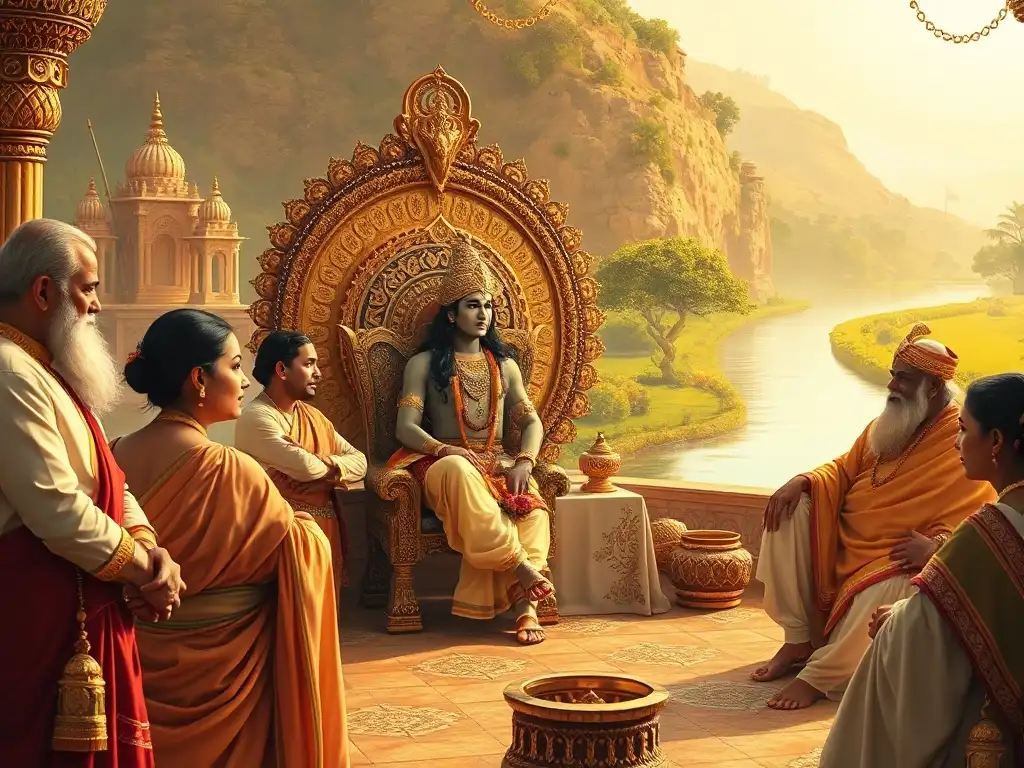
The Ramayana, one of the two great epics of ancient India, serves as a profound source of wisdom regarding governance and statecraft. Through its narratives and characters, it illustrates essential principles that contribute to the notion of good governance. The lessons embedded within this epic not only reflect the socio-political realities of ancient India but also offer timeless insights that remain relevant in contemporary discussions on leadership and ethics in governance.
Dharma: The Foundation of Ethical Governance
At the core of the Ramayana lies the concept of Dharma, which translates to duty, righteousness, and ethical conduct. Dharma is portrayed as the guiding principle that governs the actions of individuals and rulers alike. In the epic, Lord Rama exemplifies the ideal of Dharma by adhering to his duties as a son, husband, and king, even when faced with immense personal sacrifice.
- Principles of Dharma:
- Adherence to Truth: Rama's unwavering commitment to truth sets a precedent for leaders. His decision to honor his father's wishes, despite the personal cost, underscores the importance of integrity in governance.
- Moral Responsibility: Rulers are depicted as guardians of justice, with a duty to protect their subjects and uphold social order. This extends to making decisions that promote the well-being of the populace.
- Balance of Rights and Duties: The epic emphasizes that good governance is achieved when rulers recognize their duties towards their citizens while also respecting the rights of individuals.
By embedding Dharma into the framework of governance, the Ramayana illustrates that ethical leadership fosters trust and loyalty among the people, which is essential for a stable and prosperous society.
The Role of Righteous Leadership
Righteous leadership is a recurring theme in the Ramayana, with Rama serving as the archetype of the ideal ruler. His leadership style is characterized by virtues that are essential for effective governance.
- Qualities of Righteous Leaders:
- Compassion and Empathy: Effective rulers, as shown through Rama's interactions with his subjects, should possess compassion and an understanding of the challenges faced by the populace. This emotional intelligence fosters a connection between leaders and citizens.
- Vision and Wisdom: Righteous leaders are depicted as possessing foresight and wisdom, enabling them to make informed decisions. The strategic counsel provided by figures like Hanuman and Vibhishana highlights the importance of collaboration and seeking diverse perspectives in state affairs.
- Selflessness: Rama's selfless nature, where he prioritizes the welfare of his kingdom over personal desires, serves as a reminder that true leadership requires putting the collective good above individual interests.
The Ramayana underscores the notion that a ruler's character significantly influences the effectiveness of governance. Leaders who embody righteousness and virtue inspire loyalty and contribute to social harmony.
Justice and Fairness in Statecraft
Justice and fairness are pivotal elements of statecraft as depicted in the Ramayana. The epic illustrates that a just administration is fundamental to maintaining order and ensuring the welfare of society.
- Principles of Justice:
- Equitable Treatment: The Ramayana advocates for equitable treatment of all citizens, regardless of their status. This is exemplified in Rama’s interactions with individuals from various backgrounds, reinforcing the principle that justice should be impartial.
- Conflict Resolution: The epic portrays the necessity of resolving conflicts through dialogue and understanding, as seen in the discussions between Rama and his adversaries. This approach emphasizes the importance of diplomacy in governance.
- Restorative Justice: The narrative illustrates that true justice goes beyond punishment; it involves restoring balance and harmony within the community. This perspective encourages leaders to seek reconciliation and healing in the face of discord.
In essence, the Ramayana presents a holistic view of governance that prioritizes justice and fairness. It serves as a reminder that the legitimacy of a ruler is built upon their ability to uphold these principles, fostering a sense of security and trust among the governed.
The lessons of good governance drawn from the Ramayana continue to resonate, offering valuable insights into ethical leadership, the importance of Dharma, and the need for justice in statecraft. These principles remain significant in contemporary discussions on governance, reinforcing the timeless wisdom of ancient Indian literature.
Lessons from the Ramayana on Good Governance
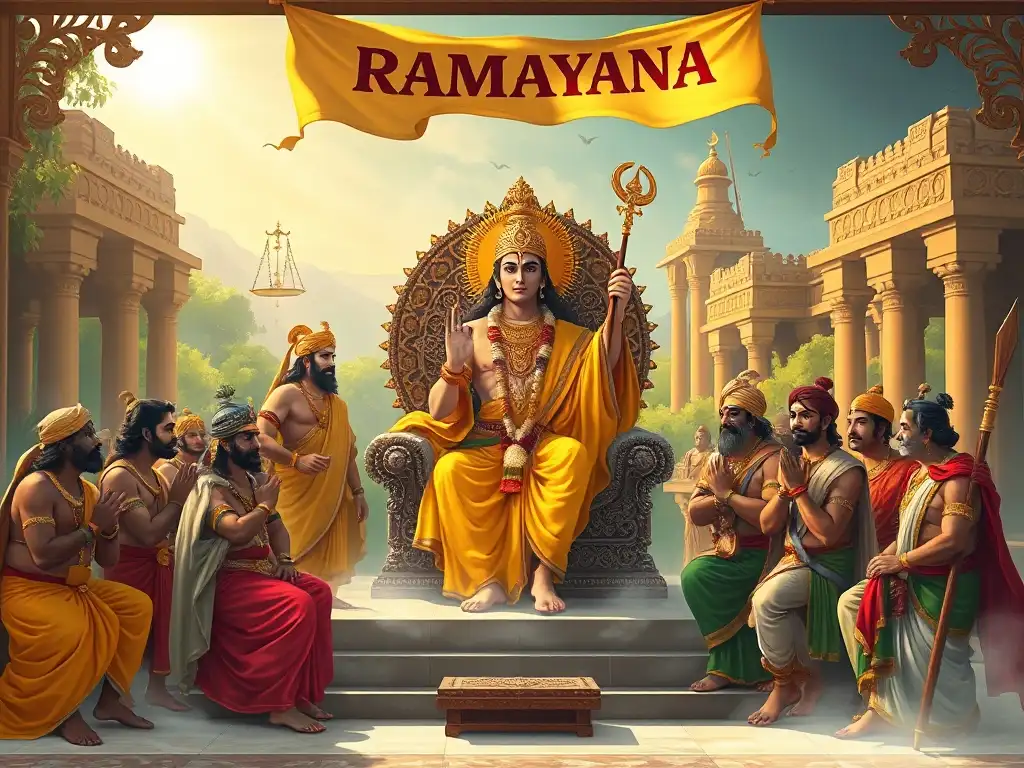
The Ramayana is not just a tale of adventure and heroism; it serves as a profound commentary on governance and the principles of statecraft. Through its narrative, the epic illustrates various lessons on good governance that are relevant even in contemporary times. This section delves into the key themes of exemplary leadership, the importance of advisor relationships, and the balance of power within governance, all of which are encapsulated in the character arcs and decisions of its protagonists.
Exemplary Leadership: Lord Rama as a Model
Lord Rama, the central figure of the Ramayana, epitomizes the ideal leader whose actions and decisions provide valuable lessons in good governance. His leadership is characterized by several key qualities:
- Integrity: Rama's commitment to dharma (righteousness) showcases the importance of ethical conduct in leadership. His decision to banish Sita, despite his love for her, underscores the principle that a leader must prioritize duty over personal desires.
- Compassion: Rama’s empathy towards his subjects is evident in his governance style. He actively listens to their concerns and strives to ensure their welfare, demonstrating that a good ruler is one who cares for the well-being of the people.
- Justice: Rama's approach to justice is fair and impartial. He seeks to uphold the law while ensuring that it does not become a tool for oppression. This balance is crucial for maintaining public confidence in leadership.
- Responsibility: As a leader, Rama takes full responsibility for the consequences of his decisions. This accountability is an essential trait for anyone in a position of power.
Lord Rama’s exemplary leadership serves as a timeless model for good governance, advocating for integrity, compassion, justice, and responsibility.
The Importance of Advisor Relationships: Vibhishana's Counsel
The Ramayana highlights the significance of having wise and trustworthy advisors in governance, as exemplified by the character of Vibhishana. His role in the epic illustrates several critical lessons:
- Loyalty and Honesty: Vibhishana, despite being a brother to Ravana, chooses to side with Rama due to his loyalty to righteousness. This decision emphasizes that true advisors must prioritize the greater good over familial or personal loyalties.
- Prudence in Counsel: Vibhishana’s advice to Rama during the war against Ravana showcases the necessity for leaders to value and seek counsel from those who possess wisdom and understanding. His insights prove pivotal in strategizing the battle and ultimately securing victory.
- Respecting Dissent: The relationship between Rama and Vibhishana illustrates that a good ruler should welcome dissenting opinions and consider diverse perspectives. This openness fosters a healthy environment for decision-making.
- Strategic Alliances: Vibhishana’s defection to Rama’s side highlights the importance of forming strategic alliances. The support of knowledgeable and principled advisors can significantly enhance a leader's capacity to govern effectively.
In essence, the Ramayana teaches that strong governance is bolstered by the quality of its advisors and the leader's willingness to listen to their counsel.
The Balance of Power: Rama and the Council of Ministers
The Ramayana also addresses the concept of the balance of power within governance, particularly through Rama’s interactions with his council of ministers. This aspect is crucial for ensuring effective statecraft:
- Inclusivity in Decision-Making: Rama’s reliance on a council of ministers demonstrates the importance of inclusive governance. By involving various stakeholders in the decision-making process, a leader can ensure that diverse viewpoints are considered.
- Separation of Powers: The epic illustrates a clear delineation between the roles of the monarch and the ministers. This separation helps prevent the concentration of power in one individual and promotes checks and balances.
- Accountability and Transparency: Rama’s council operates with a sense of accountability. Ministers are expected to report back and justify their decisions, which fosters transparency in governance.
- Crisis Management: The collaborative approach to governance allows Rama and his council to effectively address crises, such as the abduction of Sita. This teamwork is essential for navigating challenges and implementing solutions.
The Ramayana imparts critical lessons on the balance of power, highlighting the importance of inclusivity, accountability, and effective crisis management within governance structures.
These lessons from the Ramayana on good governance remain relevant today, reminding current and future leaders of the foundational principles that can guide effective statecraft. By embracing these timeless teachings, leaders can aspire to create a just and prosperous society.
Case Studies of Governance in the Ramayana

The Ramayana, one of the two great epics of ancient Indian literature, serves not only as a narrative of divine adventures but also as a profound exploration of governance and statecraft. Within its pages, numerous instances reflect lessons in good governance that remain relevant today. This section will delve into three key case studies that highlight these lessons.
The Coronation of Lord Rama: A Lesson in Succession
The coronation of Lord Rama marks a pivotal moment in the Ramayana, illustrating the principles of rightful succession and the importance of legitimacy in governance. Rama, the eldest son of King Dasharatha, is poised to ascend the throne of Ayodhya. However, his ascension is impeded by the cunning machinations of Kaikeyi, Dasharatha's second wife, who seeks to secure the throne for her own son, Bharata.
- Legitimacy and Public Support: Rama's rightful claim to the throne is supported by the public and the royal court, showcasing the importance of having both legal and popular legitimacy in governance. The people's loyalty to Rama underscores the idea that good governance is rooted in the ruler's acceptance by those they govern.
- Moral Responsibility: Lord Rama's decision to honor his father's promise, despite the personal cost of exile, exemplifies the moral responsibilities of leaders. This act reflects the principle that a ruler must prioritize duty and moral integrity over personal ambition.
- Crisis Resolution: The events surrounding Rama's coronation reveal the complexities of political maneuvering and the necessity for leaders to navigate crises with wisdom and foresight. Rama's humble acceptance of his exile, rather than resorting to conflict, sets a precedent for resolving disputes through dialogue and ethical conduct.
Sita's Abduction: Governance Challenges and Crisis Management
The abduction of Sita by Ravana serves as a dramatic turning point in the Ramayana, presenting various challenges in governance and crisis management.
- Security and Protection: Sita's abduction highlights the vulnerabilities of a kingdom and the imperative for rulers to ensure the safety of their citizens. Rama's immediate response to rescue Sita demonstrates the critical need for a proactive approach in governance, emphasizing that the welfare of individuals is the foundation of good governance.
- Unity in Adversity: The crisis catalyzes alliances, as depicted in the gathering of allies like Hanuman and the Vanaras. This collaboration illustrates the importance of unity and teamwork in overcoming challenges, suggesting that effective governance often requires building coalitions and fostering collaboration among diverse groups.
- Crisis Communication: Rama's strategic communication with his allies and subjects during this tumultuous time exemplifies the role of transparent communication in governance. Effective leaders must convey their vision and decisions clearly to maintain public trust and support, especially during crises.
The Role of the Vanaras: Collaboration and Unity in Governance
The Vanaras, a group of monkey warriors, play a crucial role in the Ramayana, showcasing the dynamics of collaboration and unity in governance.
- Diversity and Inclusion: The inclusion of the Vanaras in Rama's quest highlights the value of diverse perspectives and talents in governance. By welcoming varied groups into his ranks, Rama demonstrates that effective governance thrives on inclusivity and respect for all members of society, regardless of their background.
- Collective Action: The Vanaras' collective efforts in constructing the bridge to Lanka reveal the power of teamwork and shared purpose. This episode serves as a metaphor for governance, illustrating that the success of any initiative often hinges on the ability of a leader to inspire and mobilize the collective strength of their people.
- Empowerment and Leadership: Rama’s delegation of tasks to key figures among the Vanaras, such as Hanuman and Sugriva, underscores the importance of empowering subordinates. Effective governance involves recognizing and utilizing the strengths of individuals within a community, fostering a sense of ownership and responsibility among all stakeholders.
The Ramayana's exploration of governance lessons is profound and multifaceted. From the principles of rightful succession and moral integrity to the significance of collaboration and crisis management, these narratives provide timeless insights into effective statecraft that resonate well beyond the epic's ancient context. Through these case studies, we can draw valuable lessons on governance that remain applicable in contemporary society.
Comparative Analysis of Governance in the Ramayana and Other Texts
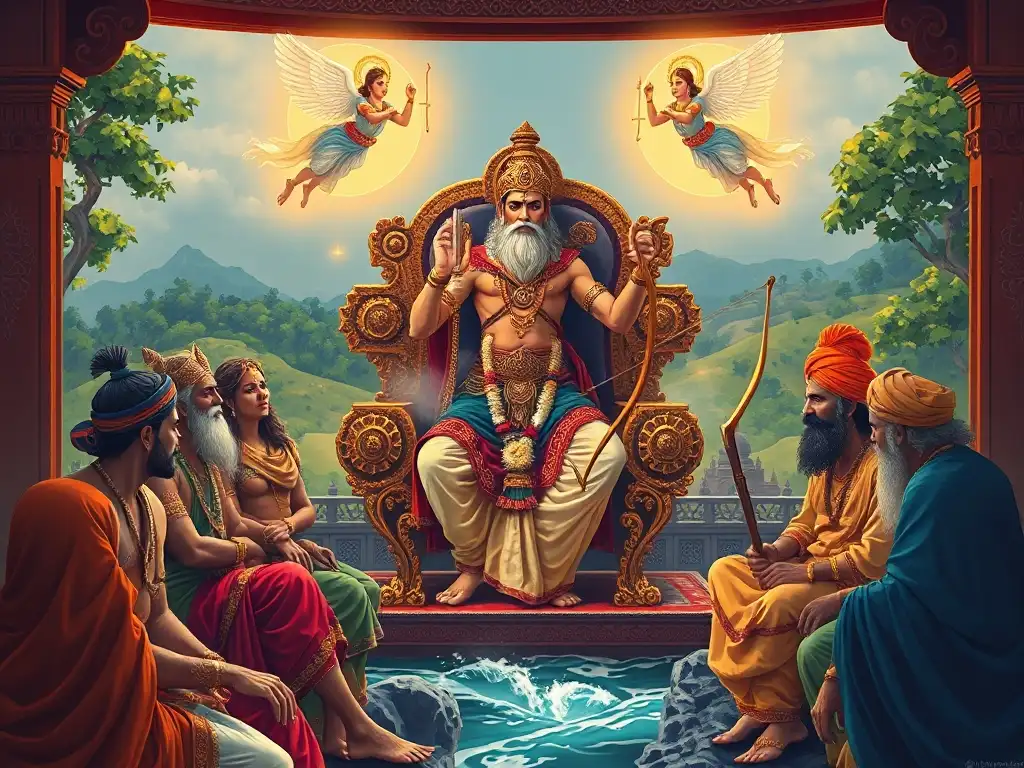
The Ramayana offers profound insights into governance and statecraft, often drawing contrasts with other ancient texts, particularly the Mahabharata. This comparative analysis highlights the unique elements of governance in the Ramayana, showcasing its lessons on good governance that remain relevant today.
Ramayana vs. Mahabharata: Different Approaches to Statecraft
The Ramayana and Mahabharata are two of the most significant epics in ancient Indian literature, each presenting distinct narratives and philosophies regarding governance.
- Nature of Leadership:
- In the Ramayana, the ideal leader is characterized by virtues such as righteousness (dharma), compassion, and humility. Lord Rama embodies these traits, displaying unwavering commitment to dharma even in adversity.
- Conversely, the Mahabharata presents a more complex view of leadership, where characters like Krishna and Yudhishthira navigate moral dilemmas, often emphasizing pragmatic approaches over idealism.
- Conflict Resolution:
- The Ramayana suggests that conflicts can be resolved through diplomacy and moral fortitude. Rama's efforts to ally with the vanaras (monkeys) and his non-violent approach in dealing with Ravana reflect this ethos.
- In contrast, the Mahabharata illustrates the inevitability of conflict, culminating in the great war of Kurukshetra. This epic highlights the strategic maneuvering and intricate politics involved in statecraft.
- Role of Advisors:
- In the Ramayana, the counsel of wise figures like Vibhishana (Ravana’s brother) is pivotal. His insight leads to Ravana’s downfall and emphasizes the importance of seeking wise counsel in governance.
- The Mahabharata, while also recognizing the value of advisors, often portrays them as manipulative figures who contribute to the tragic outcomes of the war, suggesting the potential pitfalls of poor advice.
- Moral Foundations:
- The Ramayana upholds a rigid moral framework, where adherence to dharma is paramount, even if it leads to personal sacrifice.
- The Mahabharata presents a more nuanced view, where characters are often caught in moral ambiguities, reflecting the complexities of real-world governance.
While both texts serve as critical commentaries on governance, the Ramayana emphasizes an idealized form of leadership grounded in moral clarity, whereas the Mahabharata explores the complexities and darker sides of statecraft.
Lessons from the Ramayana in Modern Governance Models
The governance lessons derived from the Ramayana continue to resonate in contemporary political discourse. Here are some key takeaways that modern leaders can learn from this epic:
- Emphasis on Dharma:
- The Ramayana teaches that adherence to dharma is essential for effective governance. Modern leaders can benefit from establishing ethical guidelines that prioritize the welfare of the community over personal interests.
- Compassionate Leadership:
- Lord Rama's compassionate approach towards his subjects and allies underscores the importance of empathy in leadership. Effective governance today requires leaders to be attuned to the needs and struggles of their constituents.
- Conflict Management:
- The importance of diplomacy and dialogue in resolving conflicts, as demonstrated in the Ramayana, is pertinent for modern governance. Leaders should prioritize peaceful negotiations over military interventions whenever possible.
- Value of Wise Counsel:
- Seeking advice from knowledgeable and ethical advisors can prevent missteps in governance. The Ramayana illustrates that wise counsel can lead to better decision-making, a lesson that is crucial for today's political landscape.
- Moral Integrity:
- The narrative of Rama’s integrity, even in the face of adversity, serves as a powerful reminder that moral integrity is vital for lasting leadership. Leaders today must uphold their principles, especially during challenging times.
The Ramayana's exploration of good governance offers timeless lessons that can inform modern statecraft. By embracing its teachings, contemporary leaders can strive for a governance model rooted in ethics, compassion, and a commitment to the greater good.
Contemporary Relevance of Ramayana's Good Governance Lessons
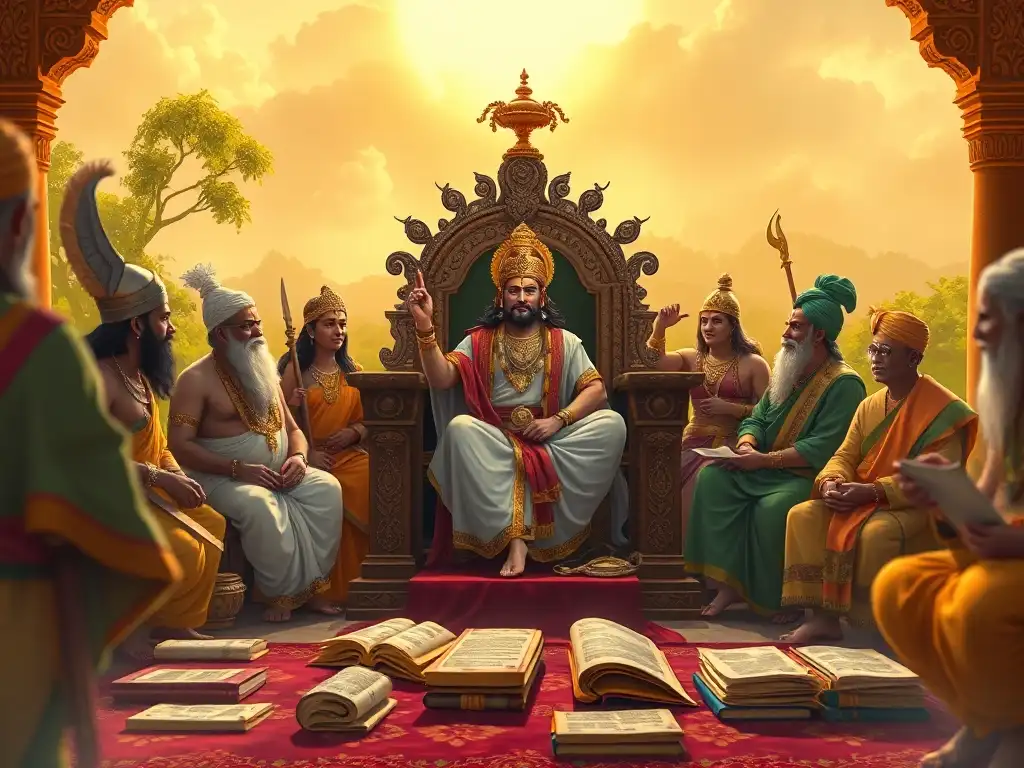
Applying Ramayana Principles in Modern Leadership
The Ramayana, an ancient Indian epic, is not only a tale of divine adventures but also a profound source of wisdom on governance and leadership. Its teachings, rooted in the principles of dharma (righteousness) and justice, can be applied to contemporary leadership models in various sectors, including politics, business, and community service.
- Emphasis on Dharma:
- Leaders today can draw from Rama's unwavering commitment to dharma. This principle emphasizes moral duty and ethical conduct, serving as a guiding light in decision-making. For instance, leaders who prioritize ethical standards and social responsibility in their organizations often foster trust and loyalty among their followers.
- Inclusivity and Justice:
- The Ramayana teaches the importance of inclusivity. Leaders like Rama and his allies demonstrated respect for diverse perspectives, forming alliances with various beings, including monkeys and bears. Modern leaders can adopt this approach by encouraging collaboration and valuing input from all stakeholders, leading to more comprehensive and effective solutions.
- Courage and Integrity:
- The integrity of Rama, who faced numerous challenges with courage, serves as a reminder that modern leaders must exhibit resilience and transparency. Upholding integrity in leadership is crucial for maintaining credibility and motivating teams, especially during crises.
- Mentorship and Guidance:
- The relationships depicted in the Ramayana, particularly between Rama and his mentor, Vasishtha, highlight the significance of guidance and mentorship. Leaders today can benefit from fostering mentorship programs that promote knowledge sharing and personal development within their organizations.
The Impact of Ancient Governance Lessons on Today's Society
The lessons of governance derived from the Ramayana resonate deeply within contemporary society, influencing various aspects of governance, ethics, and community engagement.
-
Public Policy Development:
Ancient principles of good governance, such as justice, accountability, and public welfare, can inform modern public policy. Policymakers can draw parallels from the Ramayana, ensuring that their decisions reflect the needs and rights of all citizens, much like Rama's governance, which prioritized the welfare of his subjects.
-
Conflict Resolution:
The Ramayana provides insights into conflict resolution and diplomacy. Rama's approach to dealing with adversaries, often characterized by understanding and strategic negotiation, can be applied in modern conflict resolution frameworks, promoting peace and cooperation.
-
Civic Responsibility and Participation:
The epic encourages civic engagement, where citizens are not merely passive recipients of governance but active participants in the democratic process. This aligns with the modern emphasis on civic responsibility, urging individuals to engage in community service and advocate for social justice.
-
Cultural Heritage and Identity:
The teachings of the Ramayana contribute to cultural identity and heritage, emphasizing the values of duty, honor, and respect. In today's globalized world, these principles can help societies navigate challenges related to cultural preservation while fostering unity and understanding among diverse populations.
The Ramayana's good governance lessons are timeless, offering invaluable insights that can enhance modern leadership and governance practices. By embracing these ancient principles, contemporary leaders can cultivate a more just, ethical, and inclusive society.
Conclusion: Embracing Ramayana's Good Governance Lessons
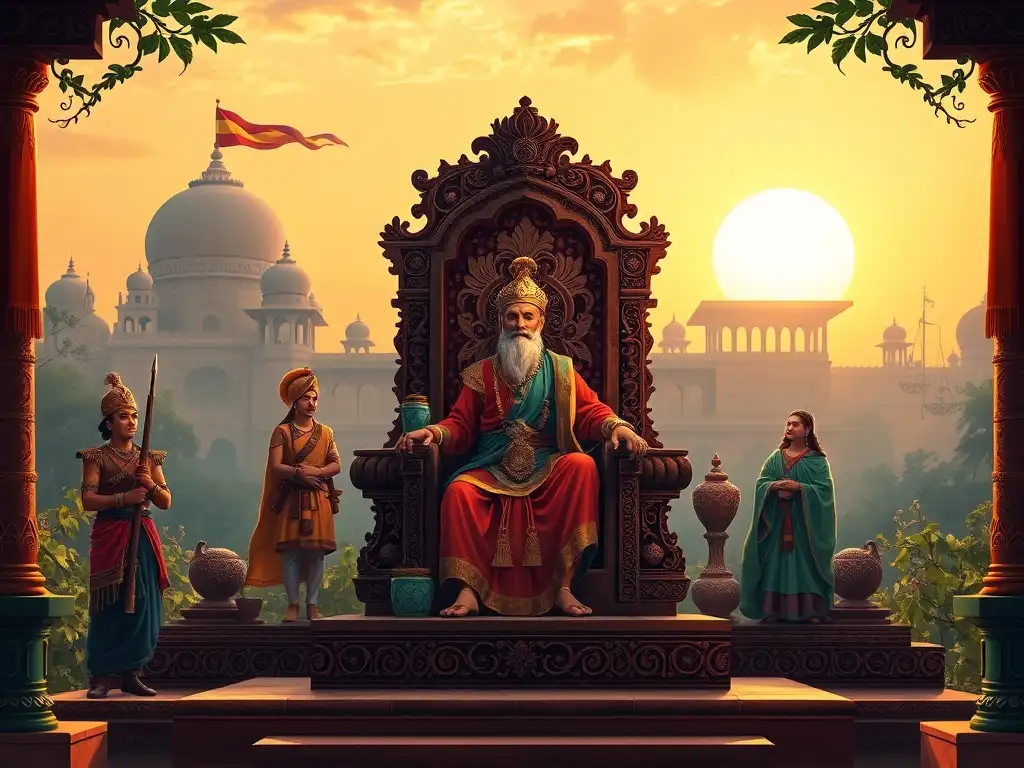
The Ramayana, one of the two great epics of ancient Indian literature, offers profound insights into the principles of good governance and statecraft. Its narratives not only entertain but also serve as a blueprint for ethical leadership, highlighting the significance of righteousness (dharma) in governance. The lessons embedded in the Ramayana resonate through time, providing guidance for rulers and leaders in their quest for just and effective governance.
The Legacy of the Ramayana in Shaping Governance
The Ramayana's influence on governance extends beyond its narrative. It encapsulates ideals that have shaped political thought and statecraft in India for centuries. Key figures in the epic, such as Lord Rama, exemplify the virtues of a just ruler. Here are some pivotal governance lessons derived from the narrative:
- Dharma as the Guiding Principle: Lord Rama's adherence to dharma, even in the face of personal loss, underscores the importance of duty and righteousness in leadership. This principle advocates that leaders prioritize ethical considerations in their decisions, fostering a just society.
- Consultation and Inclusivity: Rama’s governance style emphasizes the need for consultation with wise advisors and inclusivity in decision-making. This approach is critical for leaders today to ensure that diverse perspectives are considered, leading to more balanced and effective policies.
- Responsibility and Accountability: The characters in the Ramayana demonstrate the importance of accountability. Leaders are portrayed as responsible for the welfare of their subjects, illustrating that good governance requires transparency and responsiveness to the needs of the people.
- Compassion and Justice: The narrative highlights the balance between compassion and justice, suggesting that effective governance must consider the welfare of all citizens while upholding law and order.
The enduring legacy of these lessons can be seen in various forms of governance throughout Indian history, influencing monarchs and modern leaders alike in their pursuit of ethical leadership.
Final Thoughts on Ethical Leadership and Statecraft in Ancient India
The teachings of the Ramayana regarding good governance are not merely historical artifacts; they continue to hold relevance in contemporary discussions on leadership and statecraft. As leaders reflect on the principles exemplified by Lord Rama and other characters, they are reminded of the importance of ethical behavior, integrity, and service to the community.
The Ramayana serves as a timeless source of wisdom, advocating for governance that is rooted in moral values and the welfare of the populace. By embracing these lessons, contemporary leaders can aspire to create societies that are not only well-governed but also just and harmonious, echoing the noble ideals of ancient Indian civilization. The lessons of the Ramayana remain a vital part of the discourse on good governance, urging leaders to embody the virtues of ethical leadership in their endeavors.
Frequently Asked Questions
The Ramayana emphasizes virtues such as dharma, justice, and leadership. These themes illustrate how rulers should act for the welfare of their people.
How does the Ramayana define good governance?
Good governance in the Ramayana is portrayed through ethical leadership, accountability, and the importance of listening to the people's needs. It highlights the role of a king as a protector and guide.
What lessons on statecraft can be learned from the Ramayana?
The Ramayana teaches the importance of strategic alliances, wise counsel, and the need for decisive action in times of crisis, all essential elements of effective statecraft.
How does good governance impact society according to the Ramayana?
According to the Ramayana, good governance leads to a harmonious society, where the welfare of citizens is prioritized, resulting in peace and prosperity.
Can the Ramayana's lessons on governance be applied today?
Yes, the lessons of the Ramayana on integrity, justice, and compassion in leadership remain relevant today, providing a framework for contemporary governance practices.
Final Reflection: The Timeless Lessons of the Ramayana on Good Governance
**The teachings of the Ramayana resonate profoundly in today's world, reminding us that good governance is not merely a political framework but a moral compass guiding our actions and decisions. In an era where leadership is often scrutinized, the principles illustrated in this ancient epic serve as a beacon of hope and wisdom. The Ramayana's exploration of virtues such as justice, integrity, and compassion remains relevant, urging us to reflect on how these ideals can shape our contemporary society.
Cultural narratives like the Ramayana have a lasting impact on our understanding of governance and ethics. The lessons embedded in its characters—particularly those of Rama and his unwavering commitment to dharma—continue to inspire leaders and citizens alike. As we navigate the complexities of modern governance, we can draw from this epic's rich tapestry of moral dilemmas and resolutions. The true measure of a leader is not how they handle success, but how they respond to challenges.
This sentiment encapsulates the essence of the Ramayana's teachings, emphasizing that good governance is about resilience and moral fortitude.
As we conclude this exploration, I invite you to reflect on the principles of good governance illustrated in the Ramayana and consider how they can be applied in your own life. What lessons can you take from this epic to foster integrity and compassion in your community? Let the wisdom of the Ramayana inspire you to become an agent of positive change, embodying the values of justice and ethical leadership in your everyday actions. Together, we can create a society that honors these timeless lessons and strives for a brighter future.
Embrace the Wisdom of the Ramayana in Today's Governance!
Thank you for exploring the profound lessons of good governance and statecraft from the Ramayana. Your interest in these timeless principles can inspire change in how we view leadership and responsibility in our communities. Now, it’s time to take that inspiration and turn it into action!
Here are some steps you can take to incorporate these insights into your life:
- Reflect on Your Leadership Style: Identify a quality from the Ramayana that resonates with you and actively integrate it into your daily interactions, whether at work or within your community.
- Engage in Community Discussions: Share your insights on governance inspired by the Ramayana with friends, family, or online forums to promote awareness and encourage meaningful dialogue.
- Read and Share: Select a passage from the Ramayana that highlights important governance concepts and share your reflections on social media to motivate others!
How will you apply the lessons of the Ramayana to create a positive impact in the lives of those around you?