
The Mahabharata: The Divine Play of Krishna and His Teachings

Welcome to Ancient India History, where we embark on an extraordinary journey through the rich tapestry of ancient Indian civilizations. Here, we delve into the profound lessons from the Mahabharata, uncovering the timeless wisdom woven into this epic narrative. As we explore "The Mahabharata: The Divine Play of Krishna and His Teachings," you'll discover how these ancient tales resonate with our lives today, offering insights that transcend time. Join us as we unlock the secrets of India's glorious past and ignite your curiosity about the remarkable cultural heritage that continues to inspire the world!
Introduction to the Mahabharata
The Mahabharata stands as one of the most monumental epics in world literature, serving as a profound narrative that intertwines history, philosophy, and spirituality. Composed over several centuries, this ancient Indian text spans an extensive range of themes, including duty (dharma), righteousness, the complexities of human relationships, and the divine role of gods in the mortal realm. At its core, the Mahabharata explores the eternal struggle between good and evil, encapsulated in the legendary conflict between the Pandavas and the Kauravas.
This epic not only chronicles the events leading up to the great Kurukshetra War but also offers timeless wisdom through the teachings of Lord Krishna, who plays a pivotal role as a divine guide and strategist. By delving into the Mahabharata, we uncover invaluable lessons and insights that continue to resonate with readers and scholars alike, making it an essential subject of exploration in the study of ancient Indian civilization.
Overview of the Mahabharata Epic
The Mahabharata encompasses approximately 100,000 shlokas (verses), making it roughly ten times the length of the Iliad and the Odyssey combined. This vast epic is divided into 18 books (parvas), each detailing various aspects of the narrative, including the birth of the Pandavas and Kauravas, the game of dice, the exile, and the eventual war. Key episodes include the Bhagavad Gita, a philosophical dialogue between Krishna and Arjuna, which serves as a spiritual and ethical guide for humanity.
The epic comprises numerous sub-stories, legends, and characters, all of whom contribute to the overarching themes of fate, morality, and the human condition. The intricate weaving of these narratives illustrates the complexities of life and the choices individuals face.
Significance in Ancient Indian Culture
The Mahabharata holds a prominent place in ancient Indian culture, influencing literature, art, music, and dance throughout the centuries. Its themes of dharma and morality have inspired countless interpretations and adaptations, reinforcing its status as a cultural cornerstone. The epic has also served as a moral compass for generations, guiding individuals in their personal and societal duties.
Moreover, the Mahabharata reflects the socio-political landscape of ancient India, offering insights into the customs, beliefs, and practices of the time. It fosters a deep understanding of the values that shaped Indian civilization, including justice, loyalty, and the pursuit of knowledge.
The Role of Krishna in the Mahabharata
Lord Krishna emerges as one of the most significant figures in the Mahabharata, embodying divine wisdom and compassion. As a friend and charioteer to Arjuna, Krishna provides guidance during the moral dilemmas faced by the warriors on the battlefield. His teachings emphasize the importance of selflessness, devotion, and the pursuit of righteousness.
Krishna's role transcends mere participation in the war; he is a divine strategist who orchestrates events to ensure the triumph of dharma over adharma (unrighteousness). His philosophy, as articulated in the Bhagavad Gita, continues to inspire millions, highlighting the importance of duty and the pursuit of truth.
Lessons from the Mahabharata
The Mahabharata is not merely a story of conflict; it serves as a treasure trove of profound lessons that can be applied to modern life. Its teachings offer guidance on moral dilemmas, ethical conduct, and the nature of existence itself.
The Teachings of Krishna: A Spiritual Guide
Krishna’s teachings in the Mahabharata encompass a wide array of spiritual insights. His discourse in the Bhagavad Gita addresses fundamental questions about life, purpose, and the nature of reality. Key teachings include:
- Selflessness and Service: Emphasizing the importance of performing one's duty without attachment to the results.
- Devotion (Bhakti): Encouraging a loving relationship with the divine as a path to spiritual fulfillment.
Dharma and Righteousness: Understanding Duty
Central to the Mahabharata is the concept of dharma, which represents the ethical and moral principles that govern an individual's actions. The epic illustrates how characters grapple with their duties in complex situations, showcasing that righteousness often requires difficult choices.
Key points include:
- Moral Ambiguity: The characters demonstrate that understanding one’s duty may involve navigating grey areas, where right and wrong are not always clear.
- Consequences of Actions: The narrative emphasizes that every action has repercussions, urging individuals to act judiciously.
The Concept of Karma: Actions and Consequences
The principle of karma is a cornerstone of the Mahabharata, teaching that every action, whether good or bad, eventually influences one's future. This theme is evident throughout the epic, as characters face the consequences of their choices.
Important aspects include:
- Interconnectedness: Actions are not isolated; they affect others, highlighting the importance of empathy and responsibility.
- Redemption: The epic also conveys that it is possible to change one's karma through conscious actions and repentance.
The Importance of Forgiveness and Compassion
Forgiveness and compassion emerge as powerful themes within the Mahabharata, demonstrating their essential role in human relationships. Characters who embody these virtues often find resolution and peace, while those who cling to anger and vengeance face dire consequences.
Key takeaways include:
- Healing Relationships: The ability to forgive can mend broken bonds and restore harmony.
- Empathy in Action: Compassionate actions can lead to a greater understanding of others’ struggles, fostering unity and peace.
Through these lessons, the Mahabharata provides timeless wisdom that continues to inspire individuals to navigate the complexities of life with integrity, compassion, and a deeper understanding of their own duties.
Key Characters and Their Contributions
The Mahabharata is a tapestry of profound characters, each contributing uniquely to the epic's overarching narrative and moral teachings. These characters not only drive the plot forward but also embody various virtues and vices, showcasing the complexities of human nature. Their actions and decisions provide critical lessons that resonate through ages, making the Mahabharata a timeless source of wisdom.
Arjuna: The Warrior and His Transformation
Arjuna, one of the five Pandava brothers, stands as a symbol of the warrior's journey. Initially depicted as a skilled archer and a devoted disciple, Arjuna experiences a profound transformation throughout the epic. His internal conflict during the Kurukshetra War, particularly his reluctance to fight against his kin, illustrates the struggle between duty (dharma) and personal morality.
Krishna's guidance during this turmoil leads Arjuna towards self-realization and understanding of his responsibilities. The lessons he learns extend beyond the battlefield, emphasizing the importance of righteousness and the necessity of action aligned with one's duty, even in the face of emotional turmoil. Arjuna’s character arc represents the essence of personal growth through challenges, inspiring readers to confront their dilemmas with courage and clarity.
Yudhishthira: The Embodiment of Truth and Justice
Yudhishthira, the eldest Pandava, is revered as the epitome of truth (satya) and justice (dharma). His unwavering commitment to honesty and righteousness defines his character, often putting him at odds with the harsh realities of the world around him. Throughout the Mahabharata, Yudhishthira's adherence to truth leads to both triumphs and trials, showcasing the complexities of moral decision-making.
His famous gamble in the game of dice highlights the pitfalls of naivety and trust, leading to devastating consequences for his family. However, Yudhishthira's ability to maintain his integrity, even in the face of adversity, serves as a powerful lesson about the importance of ethical principles. His character emphasizes that true nobility is not merely in lofty ideals but in the consistent application of justice and truth in one's life.
Draupadi: The Strength of a Woman's Resolve
Draupadi, the fiery and resilient wife of the Pandavas, embodies strength and dignity in the face of adversity. Her character challenges the traditional roles assigned to women in ancient Indian society, showcasing her unwavering spirit and determination. The infamous disrobing incident in the Kaurava court serves as a pivotal moment in the epic, symbolizing the violation of honor and the quest for justice.
Draupadi's response to her humiliation, her demand for respect, and her role in rallying the Pandavas to reclaim their honor illustrate her strength and leadership. She becomes a catalyst for the events leading to the Kurukshetra War, reminding readers that the fight for justice and dignity is a powerful force. Her character teaches invaluable lessons about resilience, the importance of standing up for oneself, and the strength found in unity.
Bhishma: Loyalty and Sacrifice
Bhishma, one of the most revered characters in the Mahabharata, embodies the virtues of loyalty and sacrifice. His vow of celibacy and commitment to the Kuru dynasty demonstrate a profound sense of duty, often leading him to make difficult choices. Bhishma's unwavering loyalty to the throne, even when it conflicts with his personal beliefs, highlights the complexities of dharma.
During the Kurukshetra War, Bhishma's role as a warrior is marked by both valor and tragic circumstances. His eventual defeat at the hands of Arjuna serves as a poignant reminder of the conflicts that arise from adhering too rigidly to one's principles. Bhishma’s character teaches that true loyalty sometimes requires reevaluation of one’s commitments and the courage to act in accordance with higher ideals, even at great personal cost.
Major Events and Their Symbolism
The events of the Mahabharata are rich with symbolism, each carrying deeper meanings that contribute to the epic's moral and philosophical teachings. These events not only shape the narrative but also reflect the eternal conflicts between good and evil, dharma and adharma, and the complexities of human relationships.
The Kurukshetra War: A Battle of Ideals
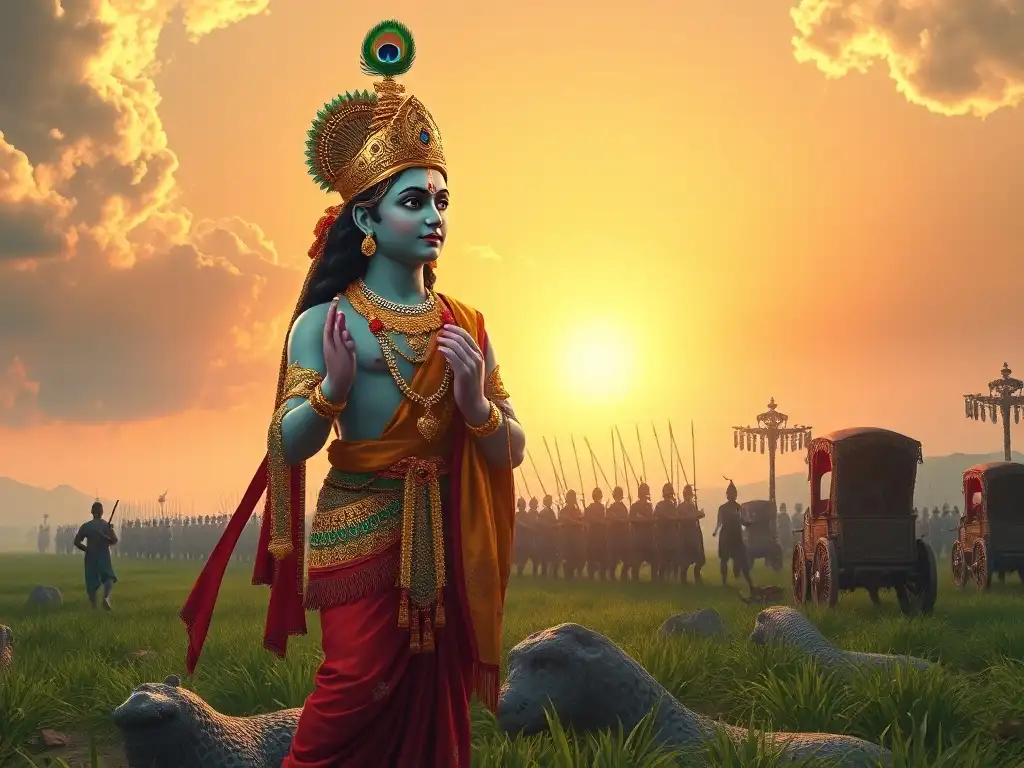
The Kurukshetra War serves as the climax of the Mahabharata, representing a monumental clash of ideals and values. This war is not merely a physical battle but a profound struggle between righteousness (dharma) and unrighteousness (adharma). Each side of the conflict represents different philosophies and moral dilemmas, making the war a microcosm of the broader human experience.
The consequences of the war, including the immense loss of life and the destruction of familial bonds, underscore the tragic costs of conflict. This event prompts reflections on the nature of duty, the price of ambition, and the tragic inevitability of fate. The lessons drawn from the Kurukshetra War challenge readers to contemplate the moral complexities of their choices and the impact of their actions on society.
The Bhagavad Gita: Krishna's Philosophical Discourse
The Bhagavad Gita, a philosophical discourse embedded within the Mahabharata, is a treasure trove of spiritual wisdom. Delivered by Krishna to Arjuna on the battlefield, this dialogue addresses fundamental questions of existence, duty, and the nature of reality. The Gita emphasizes the importance of selflessness, devotion, and the pursuit of knowledge as pathways to enlightenment.
Krishna's teachings advocate for performing one's duty without attachment to the results, a principle encapsulated in the concept of karma yoga. The Gita’s messages resonate across cultures and eras, offering guidance on how to navigate life's challenges with grace and equanimity. The philosophical depth of the Bhagavad Gita enriches the Mahabharata, providing timeless lessons on ethics, spirituality, and the pursuit of a meaningful life.
The Game of Dice: Deception and Its Consequences
The game of dice is a pivotal moment in the Mahabharata, symbolizing deception, manipulation, and the fragility of trust. Yudhishthira's decision to gamble away his kingdom and the dignity of his family reveals the destructive power of temptation and the consequences of pride. This event acts as a catalyst for the tragic events that follow, leading to the Pandavas' exile and the eventual war.
The game serves as a powerful allegory for the unpredictability of fate and the moral ambiguity of human actions. It highlights the importance of discernment and the profound impact of choices made in moments of weakness. The lessons from the dice game remind readers of the necessity to remain vigilant against deceit and the significance of safeguarding one’s values and integrity amidst life's trials.
Krishna's Divine Play: Leela
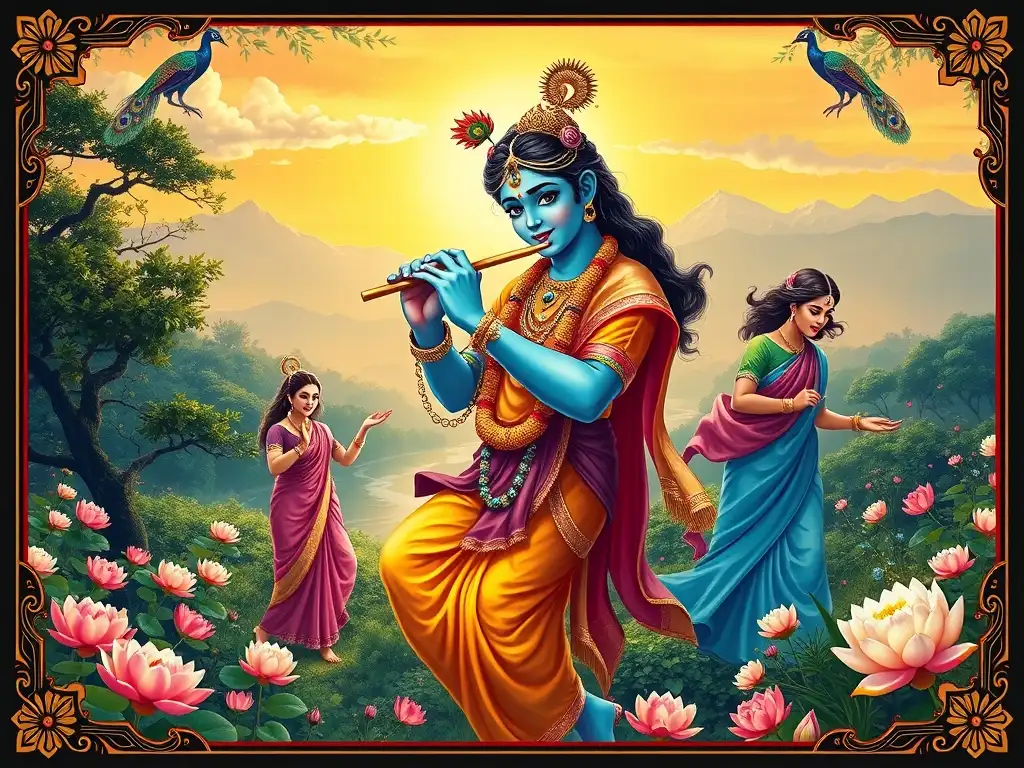
Krishna's divine play, known as Leela, is a foundational concept in understanding his actions and teachings within the Mahabharata. In this epic, Krishna's Leela symbolizes the interplay between the divine and the earthly, showcasing how divine influence shapes human destinies. This concept not only highlights Krishna's role as a divine figure but also serves as a metaphor for the complexities of human life, where every action and event can be seen as part of a greater cosmic play.
Understanding Leela in the Context of the Mahabharata
In the context of the Mahabharata, Leela represents the divine drama enacted by Krishna to fulfill his purpose. This encompasses his playful and sometimes enigmatic behavior, which reveals deeper truths about dharma (righteousness) and the nature of existence. Krishna's actions, from orchestrating the events leading to the Kurukshetra war to guiding the Pandavas, illustrate how the divine engages with the human realm.
Leela also encompasses the idea that life itself is a stage, where humans are actors playing their roles, often without understanding the larger script. Krishna, as the divine orchestrator, reminds us of the fluidity of roles and how the essence of life is to participate in this cosmic play without attachment to outcomes.
The Role of Divine Intervention in Human Affairs
Divine intervention is a recurring theme in the Mahabharata, with Krishna often stepping in at critical junctures. His interventions serve to guide characters toward their destinies, emphasizing the belief that while humans have free will, their paths can be influenced by divine wisdom. For instance, Krishna’s counsel to Arjuna during the Bhagavad Gita is pivotal, as it not only prepares him for battle but also enlightens him on the nature of duty and righteousness.
This divine guidance is not limited to grand events; it permeates everyday life, suggesting that individuals may receive subtle nudges from the divine. The Mahabharata teaches that recognizing and responding to these interventions can lead to a more harmonious existence, aligning one's actions with a higher purpose.
Lessons from Krishna's Leela: A Path to Enlightenment
The lessons derived from Krishna's Leela are profound and multifaceted. They encourage individuals to embrace the unpredictability of life while remaining steadfast in their values. Key teachings include:
- Detachment: Understanding that life is transient helps individuals engage without being overly attached to results.
- Dharma: Each character's adherence to their duty, as shown through Krishna's guidance, underscores the importance of righteousness in personal and communal life.
- Compassion and Forgiveness: Krishna’s interactions often reflect the need for empathy and the ability to forgive, teaching that these qualities are essential for personal growth and societal harmony.
Ultimately, Krishna's Leela serves as a reminder that enlightenment comes through understanding one's role in the cosmic play, embracing both joy and suffering as part of the journey towards self-realization.
Contemporary Relevance of the Lessons from the Mahabharata
The lessons from the Mahabharata, particularly those imparted through Krishna's Leela, continue to resonate in contemporary society. They offer timeless wisdom applicable to various aspects of modern life, from personal development to societal challenges.
Applying Mahabharata Teachings in Modern Life
Individuals today can draw inspiration from the Mahabharata by applying its teachings in everyday situations. For instance:
- Conflict Resolution: The epic emphasizes dialogue and understanding, which can help in addressing personal and professional conflicts.
- Moral Decision-Making: The dilemmas faced by characters like Arjuna resonate with today's ethical challenges, encouraging individuals to reflect on their values and decisions.
- Resilience: The narrative encourages persistence in the face of adversity, reminding us that struggles are often part of the path to success and fulfillment.
By integrating these lessons into daily practices, individuals can navigate the complexities of modern life with greater clarity and purpose.
Lessons on Leadership and Governance
Krishna's role as a leader in the Mahabharata provides valuable insights into effective governance. His approach to leadership emphasizes qualities such as:
- Vision: A leader must have a clear vision and the ability to inspire others toward a common goal, much like Krishna did with the Pandavas.
- Strategic Thinking: Krishna's tactical acumen during the Kurukshetra war highlights the importance of strategic planning and adaptability in leadership.
- Ethical Foundations: The Mahabharata teaches that successful governance is rooted in ethics and morality, ensuring that leaders prioritize the welfare of their constituents.
These lessons remain crucial for contemporary leaders, providing a framework for ethical governance and responsible leadership.
The Influence of Mahabharata on Indian Philosophy and Ethics
The Mahabharata has profoundly shaped Indian philosophy and ethical thought. Its narratives and teachings have influenced various philosophical schools, including:
- Dharma Shastras: The concepts of duty and righteousness derived from the Mahabharata have informed legal and moral codes in Indian society.
- Bhakti Movement: Krishna's portrayal as a divine figure of love and compassion has inspired devotional practices, emphasizing the personal connection with the divine.
- Ethical Frameworks: The dilemmas faced by characters in the Mahabharata provide fertile ground for discussions on morality, justice, and human behavior, influencing philosophical discourse across centuries.
The Mahabharata's teachings, particularly those surrounding Krishna's Leela, remain relevant, offering guidance not only for individual conduct but also for broader societal values and ethics.
Conclusion
The Mahabharata, with its intricate narrative and profound philosophical insights, stands as a monumental text in ancient Indian literature. Through its epic tales of valor, duty, and moral dilemmas, it encapsulates the essence of human experience and the complexities of dharma (righteousness). Central to this grand narrative is the divine figure of Krishna, whose teachings offer timeless wisdom that continues to resonate across generations. The lessons imparted through the Mahabharata are not only relevant within the context of the epic but also extend into everyday life, guiding individuals in their pursuit of righteousness and ethical conduct.
Summary of Key Lessons from the Mahabharata
The Mahabharata serves as a rich tapestry of lessons that encompass various aspects of life. Some of the key lessons include:
- Dharma (Righteousness): The central theme of the Mahabharata is the concept of dharma, which emphasizes the importance of duty and moral responsibility. Characters like Arjuna grapple with their obligations, illustrating that doing the right thing is often complex and requires deep introspection.
- The Nature of Reality: The epic teaches that reality is multifaceted and often deceptive. The distinction between good and evil, truth and falsehood, is not always clear-cut, prompting readers to seek deeper understanding.
- Forgiveness and Compassion: The Mahabharata highlights the power of forgiveness and understanding. Characters such as Yudhishthira embody these traits, demonstrating that compassion can lead to healing and resolution, even amidst conflict.
- The Impermanence of Life: The narrative reinforces the idea that life is transient. The inevitable nature of change and loss is poignantly illustrated through the characters’ journeys, reminding us to cherish each moment.
The Enduring Legacy of Krishna and His Teachings
Krishna's teachings in the Mahabharata, particularly those found in the Bhagavad Gita, have left an indelible mark on spiritual thought and practice. His discourse with Arjuna addresses fundamental questions about duty, righteousness, and the nature of the self. The Gita's principles of selfless action (karma yoga), devotion (bhakti yoga), and knowledge (jnana yoga) have transcended time and continue to inspire countless individuals around the world.
The legacy of Krishna is evident not only in religious contexts but also in literature, philosophy, and art. His character has become a symbol of wisdom and divine love, attracting the admiration of scholars, practitioners, and devotees alike. The teachings of Krishna encourage individuals to pursue a path of righteousness, guiding them through the moral ambiguities of life.
Invitation to Explore Further: The Impact of the Mahabharata on Literature and Culture
The Mahabharata's influence extends far beyond its narrative, permeating various facets of Indian culture and beyond. Its themes and stories have inspired countless adaptations in literature, theater, dance, and visual arts. From classical performances to modern retellings, the epic continues to captivate audiences, showcasing its timeless relevance.
Moreover, the Mahabharata has sparked philosophical discussions and interpretations that delve into its moral and ethical dilemmas. Scholars and theologians have explored its teachings, contributing to a richer understanding of its messages.
For those interested in the profound impact of the Mahabharata on literature and culture, a deeper exploration is encouraged. Engaging with adaptations, commentaries, and artistic interpretations can provide fresh perspectives on this epic and its enduring lessons. The Mahabharata is not merely a story of ancient heroes; it is a living text that invites readers to reflect on their own lives and the choices they make in the pursuit of dharma.
- Introduction to the Mahabharata
- Lessons from the Mahabharata
- Key Characters and Their Contributions
- Major Events and Their Symbolism
- Krishna's Divine Play: Leela
- Contemporary Relevance of the Lessons from the Mahabharata
- Conclusion
Frequently Asked Questions
What is the Mahabharata about?
The Mahabharata is an ancient Indian epic that tells the story of the Kurukshetra War and the fates of the Kaurava and Pandava princes, intertwined with moral dilemmas and philosophical lessons.
What are the key teachings of Krishna in the Mahabharata?
Krishna imparts several important teachings, including the significance of dharma (duty/righteousness), the concept of detachment, and the importance of selfless action through his discourse in the Bhagavad Gita.
How does the Mahabharata reflect ancient Indian culture?
The Mahabharata encapsulates the values, beliefs, and social structures of ancient Indian society, showcasing themes of honor, loyalty, and the complexity of human relationships.
What are some lessons from the Mahabharata relevant to modern life?
The lessons from the Mahabharata emphasize the importance of making ethical choices, understanding the consequences of actions, and the value of forgiveness and reconciliation in personal relationships.
Why is the Mahabharata considered a divine play?
The term divine play refers to the intricate interplay of human emotions and divine interventions in the Mahabharata, highlighting the mystical and philosophical dimensions of its narrative.
Final Reflection: Embracing the Timeless Lessons of the Mahabharata
The teachings of the Mahabharata resonate profoundly in today's world, reminding us that the struggles of life are universal and timeless. In an age where moral dilemmas and ethical conflicts abound, the epic's narratives offer invaluable insights into human nature and the complexities of decision-making. The wisdom of Krishna, as portrayed in this divine play, serves as a guiding light, illuminating the path toward righteousness and self-awareness.
Culturally and socially, the Mahabharata continues to shape our understanding of duty, justice, and the consequences of our actions. Its lessons transcend geographical and temporal boundaries, influencing not only literature and art but also our daily lives. As we navigate our own battles, we can draw strength from the epic's characters and their journeys. The Mahabharata is not just a story; it is a mirror reflecting the human condition.
This reflection invites us to explore our own motivations and choices, fostering a deeper connection to the world around us.
As we conclude our exploration of the Mahabharata, I invite you to reflect on its teachings and consider how they can be applied in your life. Embrace the lessons of resilience, compassion, and wisdom that Krishna imparts, and let them guide you through your own divine play. In doing so, you not only honor the legacy of this ancient text but also enrich your own journey, transforming challenges into opportunities for growth and understanding.
Unleash the Wisdom of the Mahabharata Today!
Thank you for diving into the captivating world of the Mahabharata with us! We hope you found inspiration in Krishna's divine teachings and the profound life lessons woven throughout this epic narrative. Now, it’s time to take that knowledge and transform it into action!
Here's how you can embrace the wisdom from the Mahabharata in your daily life:
- ** Practice mindfulness: Engage with a specific teaching from Krishna each day and reflect on its relevance to your life.
- Join a community: Connect with others who share your interest in ancient scriptures by participating in online forums or local discussion groups.
- Explore further: Dive deeper into the Mahabharata—every reading could uncover insights that inspire new perspectives!
Which lesson from Krishna's teachings resonates most with you, and how do you plan to incorporate it into your daily routine? We encourage you to share your thoughts in the comments below!