
The Mahabharata as a Guide to Spiritual Enlightenment


Welcome to Ancient India History, where the echoes of the past resonate through the vibrant tapestry of ancient Indian civilizations. Here, we embark on a journey that delves into the profound spiritual lessons from the Mahabharata, a timeless epic that offers guidance and enlightenment to those who seek it. As we explore the intricacies of this remarkable narrative, prepare to uncover the layers of wisdom embedded within its verses.
Join us as we unravel how these ancient teachings can illuminate your path to spiritual awakening, inviting you to dive deeper into the world of Epic Literature and beyond. Your exploration of history and culture begins here!
- Introduction to the Mahabharata and Spiritual Enlightenment
- Key Spiritual Lessons from the Mahabharata
- Characters as Spiritual Guides in the Mahabharata
- The Influence of the Mahabharata on Spiritual Practices
- Comparative Analysis of Spiritual Lessons in Other Texts
- Conclusion: Embracing Spiritual Enlightenment through the Mahabharata
- Additional Resources for Further Study
- Frequently Asked Questions
- Final Reflection: Embracing Spiritual Lessons from the Mahabharata
- Unleash Your Enlightenment Journey Today!
Introduction to the Mahabharata and Spiritual Enlightenment
The Mahabharata, one of the longest epic poems in the world, is not merely a tale of a dynastic struggle but serves as a profound guide to spiritual enlightenment. Composed over centuries and encompassing a multitude of narratives, philosophies, and teachings, this epic offers an intricate exploration of the human experience, addressing the moral dilemmas and ethical challenges faced by its characters.
As we delve into the rich tapestry of the Mahabharata, we uncover spiritual lessons that resonate deeply with contemporary life, providing insights into the nature of duty, righteousness, and the path to self-realization. This article seeks to illuminate these spiritual teachings and their relevance, encouraging readers to reflect on their own journeys toward enlightenment through the lens of this ancient text.
Overview of the Mahabharata
The Mahabharata is attributed to the sage Vyasa and is estimated to have been composed between 400 BCE and 400 CE. It consists of over 100,000 shlokas (verses) and covers a vast range of themes, including politics, ethics, philosophy, and spirituality. At its core lies the conflict between the Pandavas and Kauravas, two branches of the same royal family, culminating in the great war of Kurukshetra.
Key elements of the Mahabharata include:
- The Bhagavad Gita: A philosophical dialogue between Prince Arjuna and Lord Krishna, addressing the moral complexities of war and duty.
- Character Arcs: The epic features a multitude of characters, each embodying different virtues and vices, offering readers numerous perspectives on human behavior.
- Narrative Depth: Interwoven stories, parables, and teachings enrich the epic, making it a profound repository of wisdom not limited to the context of its time.
Through its intricate storytelling and philosophical depth, the Mahabharata stands as a cornerstone of Indian epic literature, continuously inviting readers to explore its spiritual dimensions.
Significance of Spiritual Lessons in Ancient Texts
Ancient texts like the Mahabharata are pivotal in shaping spiritual thought and moral conduct. The lessons derived from these narratives are not only historical artifacts but serve as timeless guides for personal growth and ethical living. The teachings within the Mahabharata provide:
- Moral Framework: The epic emphasizes dharma (righteousness) and the importance of making ethical choices in the face of challenges.
- Self-Reflection: Characters such as Yudhishthira and Arjuna undergo profound transformations that encourage readers to reflect on their own lives and decisions.
- Universal Themes: Issues of justice, duty, sacrifice, and the quest for truth resonate across cultures and eras, making the Mahabharata relevant even today.
By examining the spiritual lessons from the Mahabharata, we gain valuable insights into the complexities of life and the pursuit of enlightenment, encouraging a deeper understanding of our own paths in the modern world.
Key Spiritual Lessons from the Mahabharata

The Mahabharata, one of the two major Sanskrit epics of ancient Indian literature, is not just a tale of war and rivalry but also a profound source of spiritual wisdom. Throughout its intricate narratives, the Mahabharata offers valuable lessons that resonate with the quest for spiritual enlightenment. Here, we explore some of the key spiritual lessons from Mahabharata that can guide seekers on their path.
The Concept of Dharma in the Mahabharata
Dharma, often translated as "righteousness" or "duty," is a central theme in the Mahabharata. The epic presents various interpretations of dharma through its multifaceted characters, highlighting that righteousness can be context-dependent.
- Yudhishthira’s Dilemma: Yudhishthira, the eldest Pandava, embodies the pursuit of dharma. His struggles to uphold truth in a world rife with deception illustrate the complexities of moral choices. When faced with the challenge of sacrificing his brothers or compromising his principles, Yudhishthira’s steadfastness teaches that true dharma is not always clear-cut.
- Dharma in Conflict: The Mahabharata also reveals that dharma can lead to conflict. The war of Kurukshetra is a poignant example where familial ties clash with duty. The lessons here emphasize the need for discernment—understanding when to uphold personal values and when to prioritize the collective good.
Dharma encourages individuals to reflect on their roles and responsibilities, urging a balance between personal desires and ethical obligations. In essence, the Mahabharata teaches that living in accordance with dharma is crucial for spiritual growth and harmony.
The Role of Karma and Rebirth in Spiritual Growth
Karma, the law of cause and effect, is intricately woven into the narrative of the Mahabharata. The epic illustrates how actions, both good and bad, have repercussions that extend beyond a single lifetime.
- Karma as a Guiding Force: The characters’ journeys highlight the concept of karmic retribution. For instance, Duryodhana’s arrogance and manipulation lead to his downfall, while the virtuous actions of the Pandavas ultimately lead to their victory. This underscores the idea that one's current circumstances are shaped by past actions, promoting a sense of accountability.
- Rebirth and Continuity of the Soul: The Mahabharata also delves into the belief in rebirth. The cyclical nature of life and death is a reminder that spiritual progress is a continuous journey. Characters like Bhishma and Karna exemplify how one’s actions in previous lives influence present experiences.
Understanding karma encourages individuals to engage in positive actions and seek spiritual enlightenment, knowing that their efforts contribute to their soul's evolution across lifetimes. The Mahabharata thus serves as a guide, highlighting that spiritual growth is intrinsically linked to the choices made in this life.
Lessons on Forgiveness and Compassion
Forgiveness and compassion are pivotal themes explored in the Mahabharata, illustrating the transformative power of these virtues in the pursuit of spiritual enlightenment.
- The Power of Forgiveness: The character of Ashwatthama, who seeks revenge after the war, serves as a reminder of the destructive nature of hatred. His inability to forgive leads to further suffering, showcasing that holding onto anger can hinder spiritual progress. In contrast, characters like Draupadi, who despite her grievances, exhibit moments of compassion, demonstrate the healing potential of forgiveness.
- Compassion in Adversity: The Mahabharata also teaches that compassion should extend beyond personal grievances. The story of the Pandavas, who show respect for their fallen enemies after the battle, highlights the importance of empathy. This compassion fosters a deeper connection with others and aligns with the universal principle of interconnectedness.
The Mahabharata emphasizes that embracing forgiveness and compassion is essential for spiritual growth. These lessons encourage individuals to transcend personal grievances and cultivate a more profound understanding of the human experience, ultimately leading to enlightenment.
The Mahabharata serves as a timeless guide, offering profound insights into the spiritual lessons that can be drawn from its narratives. By exploring concepts such as dharma, karma, forgiveness, and compassion, seekers can find a roadmap to spiritual enlightenment that resonates with the challenges of contemporary life.
Characters as Spiritual Guides in the Mahabharata

Arjuna: The Path of Self-Realization
Arjuna, the principal warrior of the Mahabharata, embodies the journey of self-realization, presenting profound spiritual lessons that resonate with individuals seeking enlightenment. Throughout the epic, Arjuna’s internal struggle serves as a mirror reflecting the conflicts many face in their pursuit of purpose and identity.
- The Dilemma of Duty: At the onset of the Kurukshetra War, Arjuna experiences a deep moral crisis. His reluctance to engage in battle against his kin highlights the conflict between dharma (duty) and personal emotions. This moment teaches us the importance of understanding one's responsibilities and the necessity to act in alignment with one's higher principles, even in difficult circumstances.
- The Role of Surrender: Arjuna’s transformation is marked by his surrender to Krishna, symbolizing the submission of the ego to divine will. This act emphasizes a key spiritual lesson: true self-realization occurs when one acknowledges their limitations and seeks guidance beyond oneself. The dialogue between Arjuna and Krishna serves as a profound exploration of the self and the realization of one's place in the cosmos.
- The Path of Action (Karma Yoga): Arjuna's journey is also a demonstration of Karma Yoga, the path of selfless action. He learns that performing one's duty without attachment to the results leads to spiritual liberation. Arjuna's evolution from confusion to clarity exemplifies how engaging in one's responsibilities can be a path to enlightenment, encouraging readers to act with intention and purpose.
Krishna: The Divine Guide and Teacher
Krishna, as Arjuna's charioteer and divine guide, embodies the role of the teacher who imparts timeless wisdom and spiritual lessons throughout the Mahabharata. His teachings reveal profound insights into the nature of existence, duty, and devotion.
- The Essence of Dharma: Krishna elucidates the concept of dharma—the moral and ethical obligations that govern human behavior. He emphasizes that understanding one's duty in the grand scheme of life is essential for spiritual growth. This guidance encourages individuals to reflect on their roles and responsibilities within their communities and the universe at large.
- The Nature of the Self: Krishna reveals the distinction between the physical body and the eternal soul (Atman). He teaches Arjuna that the soul is imperishable, transcending birth and death. This lesson encourages a deeper introspection into one's true nature, fostering a sense of detachment from materialism and the transient aspects of life.
- Devotion and Surrender: Krishna’s teachings underscore the importance of bhakti (devotion) and surrendering to the divine will. His relationship with Arjuna exemplifies how faith and devotion can lead to spiritual enlightenment. This aspect of Krishna’s character serves as a reminder that seeking divine guidance can illuminate the path toward self-discovery and inner peace.
Draupadi: Strength and Resilience in Adversity
Draupadi, a central character in the Mahabharata, exemplifies strength, resilience, and the quest for justice in the face of adversity. Her experiences provide essential spiritual lessons that resonate with those facing personal challenges.
- The Power of Voice: Draupadi's unwavering courage during the infamous dice game, where she is humiliated, highlights the importance of standing up for oneself and advocating for justice. Her refusal to be silenced teaches the significance of voicing one's truths and the strength that comes from self-respect.
- Resilience Through Trials: Throughout her life, Draupadi faces numerous trials, yet she demonstrates remarkable resilience. Her ability to endure hardship and maintain her dignity serves as a powerful reminder that adversity can be a catalyst for growth and spiritual awakening. Her journey encourages readers to cultivate inner strength and perseverance in their own lives.
- The Role of Community: Draupadi’s relationships with the Pandavas illustrate the importance of support systems and solidarity in overcoming challenges. Her character emphasizes that spiritual enlightenment is not an isolated journey; it often involves communal bonds, mutual respect, and shared struggles, reinforcing the idea that we are stronger together.
These characters in the Mahabharata provide rich spiritual lessons that continue to inspire seekers of enlightenment. Their narratives encourage introspection and highlight the paths toward self-realization, divine guidance, and resilience in adversity. Through their journeys, the Mahabharata unfolds as a profound spiritual guide, inviting readers to explore their own paths toward enlightenment.
The Influence of the Mahabharata on Spiritual Practices
Meditation and Reflection on Mahabharata Teachings
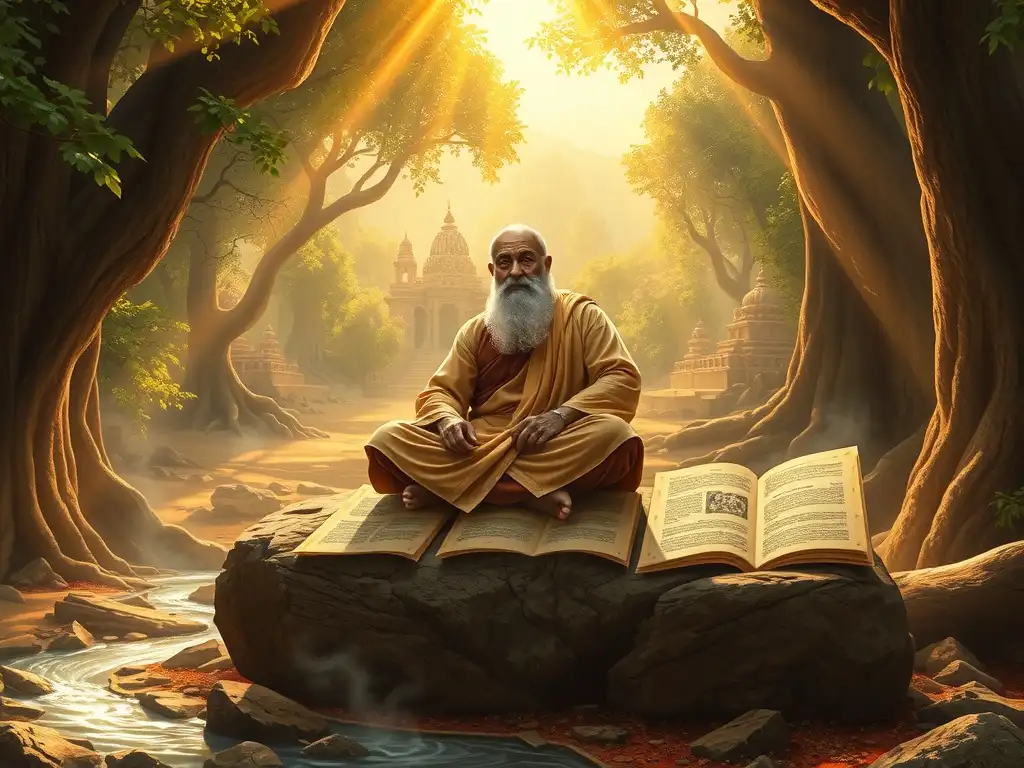
The Mahabharata serves as a profound source for meditation and reflection, providing spiritual seekers with various teachings that encourage deep introspection. The epic is rich in philosophical discourse, particularly in the Bhagavad Gita, which is often considered the spiritual heart of the Mahabharata. Here, Lord Krishna imparts wisdom to the warrior Arjuna, addressing themes such as duty (dharma), righteousness, and the nature of the self (atman).
Practitioners often engage in meditation by focusing on specific verses or teachings from the Gita. For instance, the verse that suggests performing one's duty without attachment to the outcomes can be a focal point for meditation. This practice allows individuals to cultivate a sense of inner peace and clarity, ultimately leading them toward enlightenment.
Moreover, guided meditations that incorporate stories and characters from the Mahabharata can help practitioners visualize and internalize the lessons. This method of reflection not only fosters a deeper understanding of the narrative but also encourages the application of its teachings in real-life situations.
Integration of Spiritual Lessons into Daily Life
Integrating the spiritual lessons from the Mahabharata into daily life can transform one’s approach to personal challenges and relationships. The epic emphasizes the importance of ethical conduct, compassion, and the pursuit of knowledge. Here are several ways to weave these lessons into everyday experiences:
- Practicing Dharma: Individuals are encouraged to understand and fulfill their responsibilities towards family, society, and the environment. Recognizing one’s role, akin to Arjuna's realization of his duty as a warrior, can guide ethical decision-making.
- Emotional Resilience: Characters like Draupadi and Yudhishthira exemplify resilience in the face of adversity. Reflecting on their journeys can inspire individuals to navigate their own hardships with courage and grace.
- Mindfulness in Actions: The Mahabharata teaches the significance of being present and mindful. By consciously engaging in each task, individuals can cultivate a sense of purpose and fulfillment, resonating with the idea that every action should be performed with intent and awareness.
By actively applying these spiritual lessons, one can create a more harmonious and fulfilling life, ultimately fostering personal growth and enlightenment.
The Mahabharata's Impact on Modern Spiritual Movements
The Mahabharata's influence extends beyond traditional practices, significantly impacting modern spiritual movements across the globe. Its teachings resonate with various contemporary philosophies, promoting a universal understanding of spirituality that transcends cultural boundaries.
- Yoga and Meditation: Many modern yoga practices draw inspiration from the philosophical concepts presented in the Mahabharata. The principles of self-realization and inner peace are foundational to both yoga and the epic's teachings.
- Mindfulness and Self-Help: The narrative encourages self-exploration and mindfulness, concepts that have become integral to contemporary self-help movements. The emphasis on understanding oneself and one's place in the universe is echoed in numerous modern spiritual teachings.
- Interfaith Dialogue: The Mahabharata fosters a sense of inclusivity by addressing universal themes that are relevant to various faiths. This aspect promotes interfaith dialogue, encouraging individuals from different spiritual backgrounds to explore and appreciate the wisdom contained within the epic.
Through these influences, the Mahabharata continues to inspire individuals on their spiritual journeys, serving as a timeless guide to enlightenment and self-discovery.
Comparative Analysis of Spiritual Lessons in Other Texts
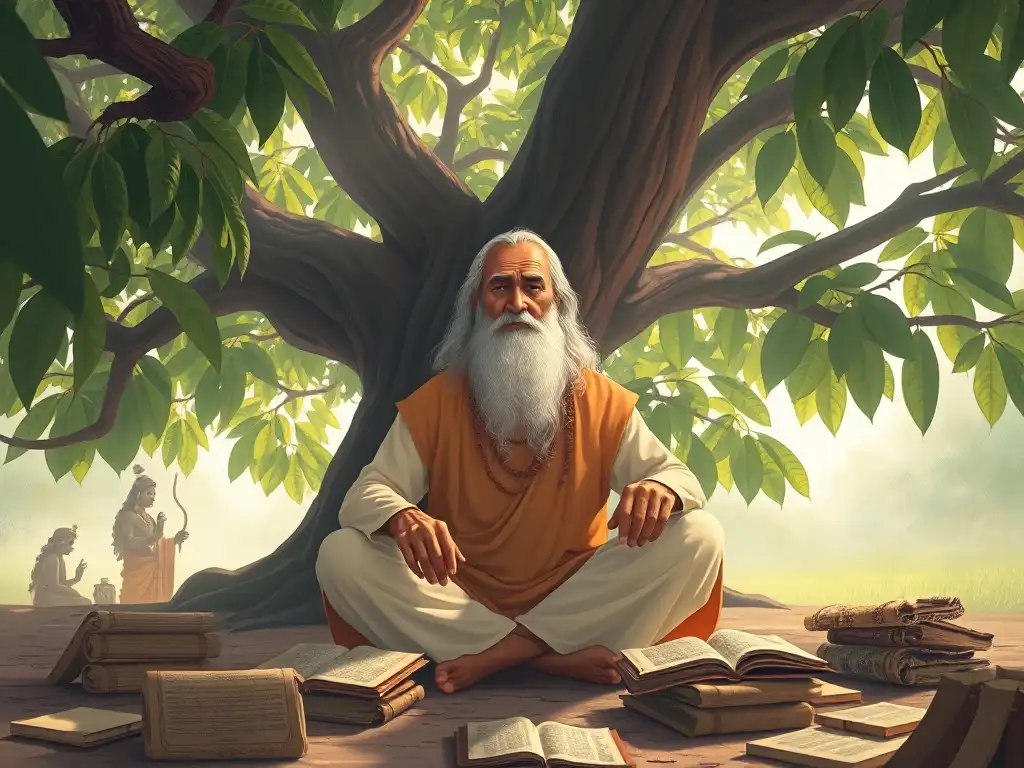
The Mahabharata, one of the greatest epics in Indian literature, is not only a narrative of ancient history but also a profound source of spiritual wisdom. When exploring the spiritual lessons from the Mahabharata, it is insightful to compare these teachings with those found in other revered texts of Indian philosophy, such as the Ramayana and the Upanishads. This comparative analysis sheds light on the unique and overlapping spiritual themes present in these texts, enriching our understanding of their contributions to spiritual enlightenment.
Spiritual Teachings in the Ramayana vs. the Mahabharata
The Ramayana and the Mahabharata both serve as foundational texts in Indian culture, illustrating Dharma (righteousness) and the complexities of human existence. However, their approaches to spiritual lessons differ significantly.
- Dharma and Ideal Characters:
- The Ramayana predominantly focuses on the character of Rama, who embodies the ideal king, husband, and son. His adherence to Dharma in the face of adversity serves as a moral compass for readers.
- In contrast, the Mahabharata presents a more complex view of Dharma through its multifaceted characters like Yudhishthira, Arjuna, and Duryodhana, who all grapple with moral dilemmas that reflect the ambiguities of righteousness.
- Conflict and Resolution:
- The Ramayana's narrative arc illustrates the triumph of good over evil through the exile of Rama and his eventual return, emphasizing loyalty, duty, and virtue.
- The Mahabharata, however, delves into the intricacies of conflict, highlighting how familial ties and personal ambitions can lead to war. The lessons here encourage introspection about human nature and the consequences of choices.
- Spiritual Practices:
- The Ramayana promotes devotion (Bhakti) towards Lord Rama, fostering a sense of surrender and faith.
- The Mahabharata, especially through the Bhagavad Gita, advocates for a more philosophical approach, encouraging individuals to engage in self-inquiry and understand their duty without attachment to outcomes.
Similarities with Upanishadic Philosophy
The Upanishads, foundational texts in Indian philosophy, share a significant spiritual overlap with the teachings in the Mahabharata. Both texts explore profound philosophical questions regarding the self, the nature of reality, and the ultimate purpose of life.
- Atman and Brahman:
- The concept of Atman (the individual soul) and Brahman (the universal consciousness) is central to both the Upanishads and the Mahabharata. The Mahabharata emphasizes this connection through dialogues that reveal the importance of recognizing the self beyond physical existence.
- Meditation and Self-Realization:
- Both texts advocate for meditation as a means to achieve self-realization. The Upanishads detail various meditation techniques that lead to enlightenment, while the Mahabharata illustrates through characters like Arjuna the importance of mental discipline in understanding one’s purpose.
- Moral and Ethical Living:
- The ethical teachings of the Upanishads resonate within the Mahabharata, where characters frequently engage in philosophical discussions about the nature of good and evil, and the impact of one’s actions on the cosmic order.
Insights from the Bhagavad Gita within the Mahabharata
The Bhagavad Gita, a crucial section of the Mahabharata, stands as a unique spiritual treatise that directly addresses the theme of spiritual enlightenment.
- Duty (Dharma) and Action (Karma):
- One of the primary teachings of the Gita is the principle of performing one’s duty without attachment to the results. This concept of Nishkama Karma encourages individuals to act righteously and selflessly, a lesson that resonates deeply in modern spiritual practice.
- Paths to Spirituality:
- The Gita outlines various paths to spiritual realization, including the paths of Bhakti (devotion), Jnana (knowledge), and Karma (action). This pluralistic approach invites individuals from different backgrounds to find their own ways to connect with the divine.
- The Nature of Reality:
- The Gita emphasizes the transient nature of the physical body and the eternal nature of the soul. This teaching encourages readers to look beyond superficial appearances and engage with deeper existential truths.
The Mahabharata, through its intricate narratives and philosophical dialogues, offers a rich tapestry of spiritual lessons that can be compared and contrasted with other significant texts in Indian literature, such as the Ramayana and the Upanishads. The insights garnered from these comparisons enhance the understanding of spirituality and its practical applications in everyday life.
Conclusion: Embracing Spiritual Enlightenment through the Mahabharata

The Mahabharata, one of the longest epic poems in the world, not only serves as a historical and cultural artifact but also acts as a profound guide to spiritual enlightenment. Its narratives and teachings resonate across time, offering insights into the complexities of human nature, ethics, and the pursuit of truth. By engaging with the spiritual lessons derived from the Mahabharata, individuals can embark on a transformative journey that fosters personal growth and deeper understanding of their place in the universe.
Summary of Key Spiritual Lessons from Mahabharata
The Mahabharata is rich with themes that encourage spiritual reflection and enlightenment. Here are some of the key lessons that resonate deeply:
- The Nature of Dharma: The concept of dharma (duty/righteousness) is central to the Mahabharata. Characters like Yudhishthira exemplify the struggle to uphold dharma in the face of moral dilemmas, teaching us the importance of aligning our actions with ethical principles.
- The Power of Selflessness: The character of Karna showcases the virtue of selflessness through his unwavering loyalty and generosity, despite his tragic fate. His story encourages readers to practice selflessness in their own lives, emphasizing that true greatness lies in serving others.
- The Journey of Self-Discovery: The epic illustrates the importance of self-awareness through the trials faced by its characters. Arjuna's internal conflict on the battlefield serves as a metaphor for the struggles we all face in understanding our identity and purpose.
- The Role of Detachment: The teachings of Lord Krishna, particularly in the Bhagavad Gita, emphasize the significance of performing one’s duty without attachment to the results. This lesson on detachment fosters a peaceful mindset and helps individuals navigate life's challenges.
- The Interconnectedness of Life: The Mahabharata teaches that every action has repercussions, highlighting the interconnectedness of all beings. This understanding encourages compassion and mindfulness in our interactions with others.
Encouraging Personal Exploration of Spiritual Growth
Engaging with the spiritual lessons from the Mahabharata invites individuals to embark on their own paths of exploration and growth. Here are some ways to facilitate this journey:
- Reflective Reading: Take time to read and reflect on the verses and teachings of the Mahabharata. Consider keeping a journal to jot down insights or personal reflections that arise during this process.
- Meditation on Key Themes: Focus on specific themes such as dharma or selflessness through meditation. This practice can deepen your understanding and help integrate these concepts into daily life.
- Discussion Groups: Joining or forming a discussion group can enrich your exploration of the Mahabharata. Sharing perspectives and interpretations with others often leads to greater insights and communal growth.
- Practical Application: Actively incorporate the lessons learned into your daily life. Whether it’s practicing selflessness or striving for detachment, real-world application of these teachings can foster spiritual growth.
- Continuous Learning: The journey of spiritual enlightenment is ongoing. Explore related texts, attend workshops, or engage with spiritual teachers to further expand your understanding and practice.
By embracing the spiritual lessons from the Mahabharata, individuals can cultivate a deeper sense of purpose, connection, and enlightenment in their lives. This epic not only narrates the past but serves as a timeless guide for navigating the complexities of the human experience.
Additional Resources for Further Study

Recommended Texts on the Mahabharata
For those seeking a deeper understanding of the spiritual lessons from the Mahabharata, several texts can significantly enrich your study. Here are some highly regarded editions and commentaries that offer insights into the epic's spiritual teachings:
-
The Mahabharata: A Modern Rendering by Ramesh Menon
This version presents the epic in an accessible narrative form, making it easier for contemporary readers to grasp the intricate themes and spiritual lessons.
-
Mahabharata: The Condensed Version by Ramesh Menon
A concise retelling that retains the essence of the original text while highlighting key spiritual messages, perfect for readers with limited time.
-
The Bhagavad Gita as it Is by A.C. Bhaktivedanta Swami Prabhupada
This essential text within the Mahabharata focuses on the dialogue between Arjuna and Krishna, providing profound insights into duty, righteousness, and devotion.
-
The Mahabharata: An Inquiry in the Human Condition by S. Radhakrishnan
A philosophical examination that delves into the epic's moral and spiritual dilemmas, offering interpretations that resonate with the quest for enlightenment.
-
The Mahabharata: A New Translation by John D. Smith
This translation emphasizes the poetic aspects of the original, along with comprehensive footnotes that elucidate the spiritual themes and cultural contexts.
Online Courses and Lectures on Spiritual Lessons from Mahabharata
Engaging with online courses and lectures can provide structured learning opportunities about the spiritual lessons from the Mahabharata. Here are some notable options:
-
Coursera: The Mahabharata - Understanding the Epic
This course covers the narrative, characters, and key themes of the Mahabharata, emphasizing its spiritual teachings and relevance to contemporary life.
-
edX: Introduction to the Mahabharata
Offered by leading universities, this course explores the epic's historical context, its philosophical dimensions, and its contributions to spiritual thought.
-
YouTube Lectures by Swami Satchidananda
Various lectures delve into the spiritual insights of the Mahabharata, focusing on the teachings of the Bhagavad Gita and their application in everyday life.
-
The Spiritual Legacy of the Mahabharata: A Webinar Series
A series of webinars featuring scholars and practitioners who discuss the implications of the Mahabharata’s lessons on modern spirituality.
Community Discussions and Study Groups on Epic Literature
Participating in community discussions and study groups can enhance your understanding of the spiritual lessons from the Mahabharata through collective insights. Consider the following options:
-
Local Book Clubs
Many communities have book clubs specifically focused on epic literature, where members can discuss the Mahabharata's spiritual themes and share interpretations.
-
Online Forums (e.g., Reddit's r/IndianEpics)
Engage with a vibrant community discussing various aspects of the Mahabharata, including its spiritual lessons, cultural significance, and character analyses.
-
Facebook Groups: Mahabharata Study Group
Join online groups dedicated to in-depth discussions about the Mahabharata, where members share resources, articles, and personal reflections on its spiritual teachings.
-
Meetup Groups
Search for local meetups focused on Indian literature or spirituality, where discussions can revolve around the Mahabharata and its profound lessons.
By exploring these resources, readers can gain valuable insights into the spiritual dimensions of the Mahabharata, deepening their understanding and appreciation of this monumental epic.
Frequently Asked Questions
What is the Mahabharata?
The Mahabharata is an ancient Indian epic that narrates the story of the Kurukshetra War and the fates of the Kaurava and Pandava princes. It is considered one of the longest epics in the world and is rich in spiritual teachings.
How does the Mahabharata provide spiritual lessons?
The Mahabharata offers profound spiritual lessons through its characters and events, emphasizing themes such as dharma (righteousness), karma (action and consequence), and the importance of self-realization.
What are some key spiritual teachings from the Mahabharata?
Key spiritual teachings include the significance of detachment, the power of forgiveness, and the need for selfless service. These lessons guide individuals toward achieving inner peace and enlightenment.
How can one apply the Mahabharata's teachings in daily life?
One can apply the Mahabharata's teachings by practicing mindfulness, making ethical choices, and striving for balance in relationships and responsibilities, thereby cultivating a more harmonious existence.
Why is the Mahabharata considered a guide to spiritual enlightenment?
The Mahabharata is seen as a guide to spiritual enlightenment because it addresses the complexities of human nature, the pursuit of truth, and the journey towards self-discovery, making it relevant for personal growth and understanding.
Final Reflection: Embracing Spiritual Lessons from the Mahabharata
The timeless wisdom of the Mahabharata resonates profoundly in our contemporary world, reminding us that the quest for spiritual enlightenment is as relevant today as it was in ancient times. As we navigate the complexities of modern life, the teachings embedded within this epic serve as a guiding light, illuminating our paths toward self-discovery and inner peace. The spiritual lessons from the Mahabharata challenge us to confront our own dilemmas and moral quandaries, urging us to seek a deeper understanding of ourselves and our place in the universe.
The influence of the Mahabharata extends far beyond its narrative; it has woven itself into the very fabric of our cultural and social landscapes. These stories and lessons continue to inspire countless individuals on their spiritual journeys. The characters embody struggles and triumphs that mirror our own experiences, fostering a sense of connection and empathy. In the midst of chaos, there is also opportunity.
This quote encapsulates the essence of the Mahabharata, reminding us that even in our darkest moments, we can find the seeds of growth and transformation.
As we reflect on the profound teachings of the Mahabharata, I invite you to embrace these lessons in your own life. Consider how the principles of duty, righteousness, and self-awareness can guide your actions and decisions. Let the stories of courage and sacrifice inspire you to cultivate a deeper sense of purpose and compassion. Together, let us embark on a journey of spiritual exploration, drawing from the rich heritage of the Mahabharata to illuminate our paths toward enlightenment and fulfillment.
Unleash Your Enlightenment Journey Today!
Thank you for diving deeper into the profound teachings of The Mahabharata. You've uncovered a treasure of wisdom that can guide you towards spiritual enlightenment. Now, it’s time to transform this knowledge into action.
Here’s how you can embark on your journey:
- Immerse Yourself: Dedicate time to read a chapter from The Mahabharata each week, reflecting on its teachings and how they apply to your life.
- Join a Community: Find a local or online group that discusses spiritual texts, allowing you to share insights and learn from others.
- Practice Daily: Incorporate lessons from the text into your daily routine, focusing on principles such as mindfulness, compassion, or self-reflection.
How will you use the lessons from The Mahabharata to elevate your spiritual practice?