
The Mahabharata: Lessons in Leadership from Ancient Indian Kings

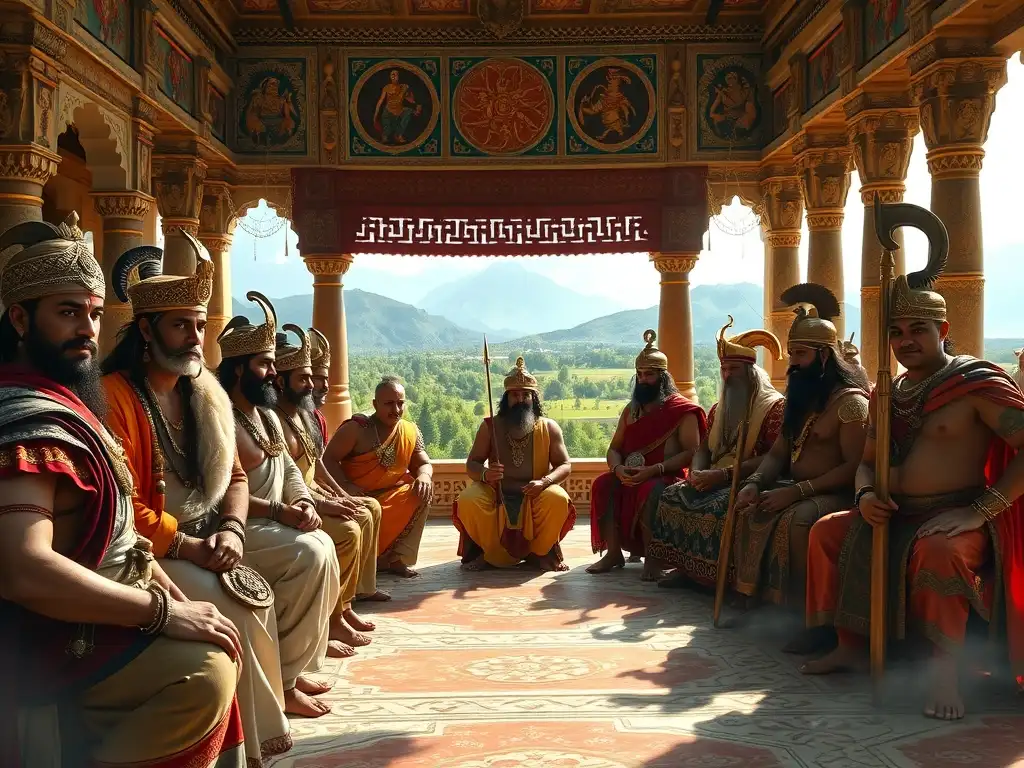
Welcome to Ancient India History, where we delve into the rich tapestry of civilizations that shaped the subcontinent! In our featured article, "The Mahabharata: Lessons in Leadership from Ancient Indian Kings," we uncover profound insights and timeless leadership lessons embedded within this epic literature. What can the trials and triumphs of legendary figures teach us about governance and strategy today? Join us on this fascinating journey as we explore the enduring wisdom of the Mahabharata and discover how these ancient narratives continue to resonate in our modern world. Your adventure into the heart of ancient leadership awaits!
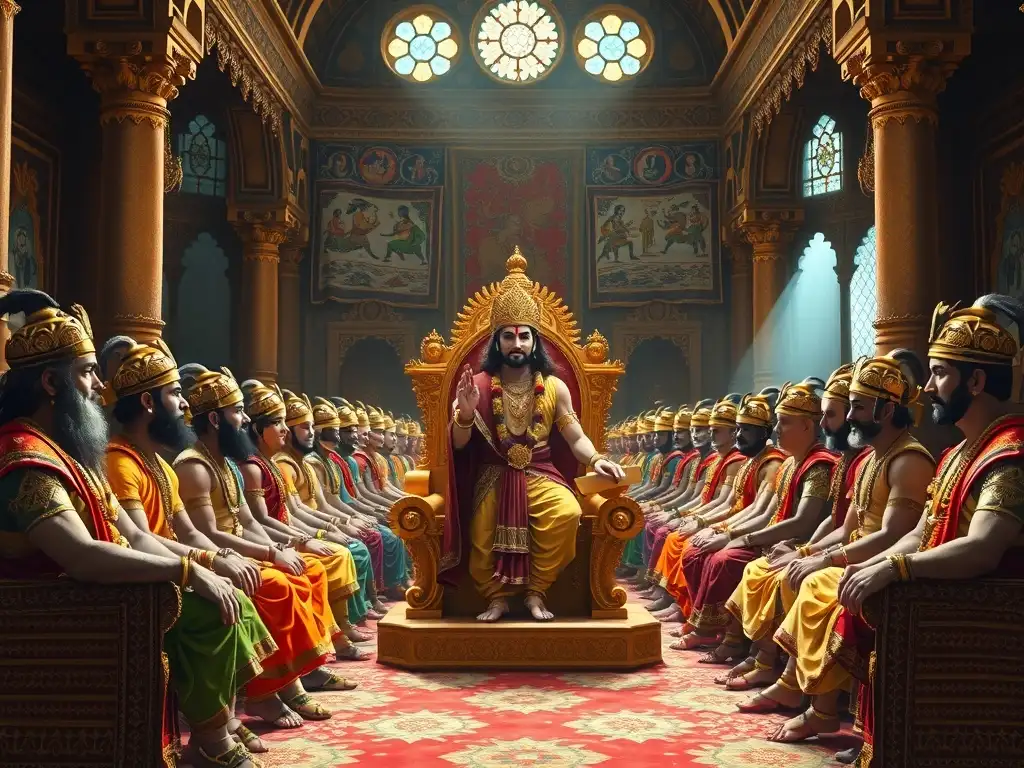
The Mahabharata, one of the longest epic poems in history, is not merely a tale of war and conflict, but a profound exploration of leadership, ethics, and human behavior. Spanning over 100,000 verses, this ancient Indian epic intricately weaves narratives that resonate with timeless truths about governance, responsibility, and the moral dilemmas faced by leaders.
The lessons in leadership from the Mahabharata remain relevant today, providing insights that can be applied in various spheres of life, particularly in the realms of politics, business, and personal development. By examining the actions and decisions of its central characters, we can uncover valuable leadership lessons that echo through the ages, emphasizing the importance of duty, wisdom, and emotional intelligence in guiding a nation or a team.
Introduction to the Mahabharata
Overview of the Mahabharata Epic
The Mahabharata narrates the epic saga of the Kurukshetra War and the fates of the Kaurava and Pandava princes. It encompasses a vast array of stories, philosophies, and teachings that reflect the complexity of human nature and the challenges of leadership. One of the most significant aspects of the Mahabharata is its incorporation of the Bhagavad Gita, a philosophical dialogue between Prince Arjuna and Lord Krishna, which addresses the moral and ethical dilemmas that arise in leadership and decision-making.
Importance of Leadership in the Mahabharata
Leadership in the Mahabharata is portrayed as a multifaceted responsibility that transcends mere authority. The text emphasizes that true leaders must embody virtues such as justice, integrity, and compassion. Through the experiences of characters like Yudhishthira, Duryodhana, and Krishna, the epic explores how leadership can influence the fate of individuals and entire kingdoms. The consequences of their decisions serve as cautionary tales and guiding principles for future leaders, showcasing the profound impact of ethical leadership on society.
Key Themes of Leadership in the Mahabharata
Duty and Dharma: The Core Principles of Leadership
At the heart of the Mahabharata lies the concept of dharma, or righteous duty. Leaders are expected to uphold their responsibilities with unwavering commitment, balancing their personal desires with the greater good of their people. The epic illustrates that adherence to dharma is essential for maintaining order and justice, as demonstrated by the decisions made by Yudhishthira, who continually seeks to act in accordance with his duties as a king and brother, even in the face of overwhelming challenges.
The Role of Wisdom and Strategy in Leadership
Wisdom and strategic thinking are crucial in navigating the complexities of leadership. The Mahabharata presents various characters who exemplify these traits, particularly Krishna, whose counsel guides Arjuna through moral quandaries. The strategic brilliance of leaders during the war is pivotal, showcasing that victory often hinges on foresight, planning, and the ability to adapt to changing circumstances. The lessons learned from their strategies underline the importance of analytical thinking in effective leadership.
The Impact of Emotional Intelligence on Leadership Decisions
Emotional intelligence plays a significant role in leadership within the Mahabharata. Leaders must not only be aware of their own emotions but also understand and empathize with the feelings of others. This is vividly illustrated through the interactions between characters, where compassion and understanding often lead to better decision-making. The ability to connect with others on an emotional level enables leaders to inspire loyalty and foster collaboration, which are essential for achieving collective goals.
By exploring these themes, the Mahabharata offers profound insights into the nature of leadership, encouraging a deeper understanding of the qualities and responsibilities that define effective leaders. The lessons drawn from this ancient text continue to resonate, providing a framework for contemporary leaders seeking to navigate the complexities of their roles with integrity and purpose.
Profiles of Notable Leaders in the Mahabharata
The Mahabharata presents a diverse array of leaders, each embodying distinct characteristics and lessons about governance, morality, and human behavior. Through their actions and decisions, these leaders offer insights that remain relevant in contemporary leadership discussions. Here, we explore notable figures whose leadership styles and choices serve as profound lessons.
Yudhishthira: The Just King
Yudhishthira, the eldest of the Pandavas, is often hailed as the embodiment of righteousness, known for his unwavering commitment to truth and justice. His leadership is characterized by integrity, a quality that earns him the title of "Dharmaraja," or King of Dharma.
- Moral Compass: Yudhishthira’s decisions are guided by ethical considerations, even in the face of adversity. For instance, during the game of dice, he chooses to stake everything out of a sense of duty and loyalty, illustrating the complex interplay between personal ethics and obligations to family.
- Consequences of Decisions: His adherence to truth leads to pivotal moments in the epic, such as his reluctance to fight against his own kin in the Kurukshetra War. This moral quandary highlights the challenges leaders face when balancing ethical principles with the harsh realities of leadership.
- Leadership Takeaway: Yudhishthira teaches that effective leadership requires a strong moral foundation and the courage to stand by one's principles, even when faced with tough decisions.
Arjuna: The Warrior and Decision Maker
Arjuna, a skilled archer and one of the central figures in the Mahabharata, represents a different facet of leadership—action combined with deep introspection. His journey reflects the complexities of decision-making under pressure.
- Crisis of Conscience: At the onset of the Kurukshetra War, Arjuna experiences a profound moral dilemma when confronted with the prospect of fighting against his relatives and mentors. This moment of hesitation leads to a critical dialogue with Krishna, highlighting the importance of reflection in leadership.
- Emotional Intelligence: Arjuna's ability to navigate his emotions and seek counsel demonstrates that effective leaders must be self-aware and open to guidance. His eventual resolve to fight, guided by Krishna’s wisdom, illustrates the transformative power of mentorship in overcoming personal doubts.
- Leadership Takeaway: Arjuna exemplifies that great leaders must balance their instincts with thoughtful consideration of their actions, emphasizing the need for emotional intelligence and the willingness to seek advice during challenging times.
Dhritarashtra: The Consequences of Blind Leadership
Dhritarashtra, the blind king of Hastinapura, serves as a cautionary tale about the pitfalls of leadership lacking vision and discernment. His inability to see the truth—both literally and metaphorically—leads to catastrophic consequences for his family and kingdom.
- Inaction and Indecision: As a leader, Dhritarashtra struggles with making decisions due to his emotional ties to his sons, particularly Duryodhana. His failure to act decisively in the face of growing tensions between the Pandavas and Kauravas exemplifies how personal biases can cloud judgment.
- Failure to Uphold Justice: His blindness to the moral decay within his court allows for corruption and injustice to flourish, ultimately culminating in the tragic war. This highlights the importance of leaders being attuned to the dynamics within their organizations and society.
- Leadership Takeaway: Dhritarashtra's story warns against the dangers of blind leadership and the necessity for leaders to cultivate awareness and accountability to foster a just and thriving environment.
Leadership Styles in the Mahabharata
The Mahabharata presents varied leadership styles, each showcasing different approaches to governance and influence. By analyzing these styles, we glean important lessons on effective leadership in diverse contexts.
Authoritative Leadership: The Case of Drona
Drona, the royal teacher of both the Pandavas and Kauravas, exemplifies authoritative leadership through his command over martial skills and respect among his students.
- Expertise and Authority: Drona's deep knowledge and skills earn him a place of authority, allowing him to shape the futures of his students. His authoritative stance is evident in his strict adherence to discipline and training, which instills respect and admiration.
- Challenges of Authority: However, Drona's unwavering loyalty to King Dhritarashtra and his complex relationship with the Kauravas demonstrate that authoritative leaders can face moral dilemmas, particularly when loyalty conflicts with justice.
- Leadership Takeaway: Drona teaches that authority must be coupled with ethical responsibility, highlighting the importance of balancing expertise with the moral implications of one's decisions.
Transformational Leadership: Krishna as a Guide
Krishna stands out as a transformational leader, inspiring and guiding others through his wisdom, charisma, and unwavering support for the Pandavas.
- Visionary Guidance: Krishna’s role as a charioteer and advisor to Arjuna is pivotal. He helps Arjuna see beyond immediate dilemmas, encouraging him to embrace his duty as a warrior. This visionary approach transforms Arjuna's perspective and empowers him to act.
- Empowerment and Support: Krishna’s ability to motivate and uplift those around him exemplifies transformational leadership, as he fosters a sense of purpose and unity among the Pandavas. His strategic thinking and foresight contribute significantly to their success in the war.
- Leadership Takeaway: Krishna exemplifies that true leaders inspire change and growth in others, advocating for a vision that aligns personal values with collective goals.
Collaborative Leadership: The Pandavas’ Alliance
The leadership style of the Pandavas reflects a collaborative approach, emphasizing unity, teamwork, and shared responsibility.
- Strength in Unity: The Pandavas demonstrate that collaboration can amplify strengths and compensate for individual weaknesses. Their ability to work together, despite personal differences, is a testament to their collective resilience.
- Shared Decision-Making: They often consult one another before making significant decisions, showcasing the importance of inclusivity in leadership. This collaborative spirit is evident in their strategies during the Kurukshetra War, where each brother’s unique skills contribute to their overall success.
- Leadership Takeaway: The Pandavas illustrate that collaborative leadership fosters a sense of belonging and shared purpose, essential for overcoming challenges and achieving common goals.
Lessons in Conflict Resolution from the Mahabharata
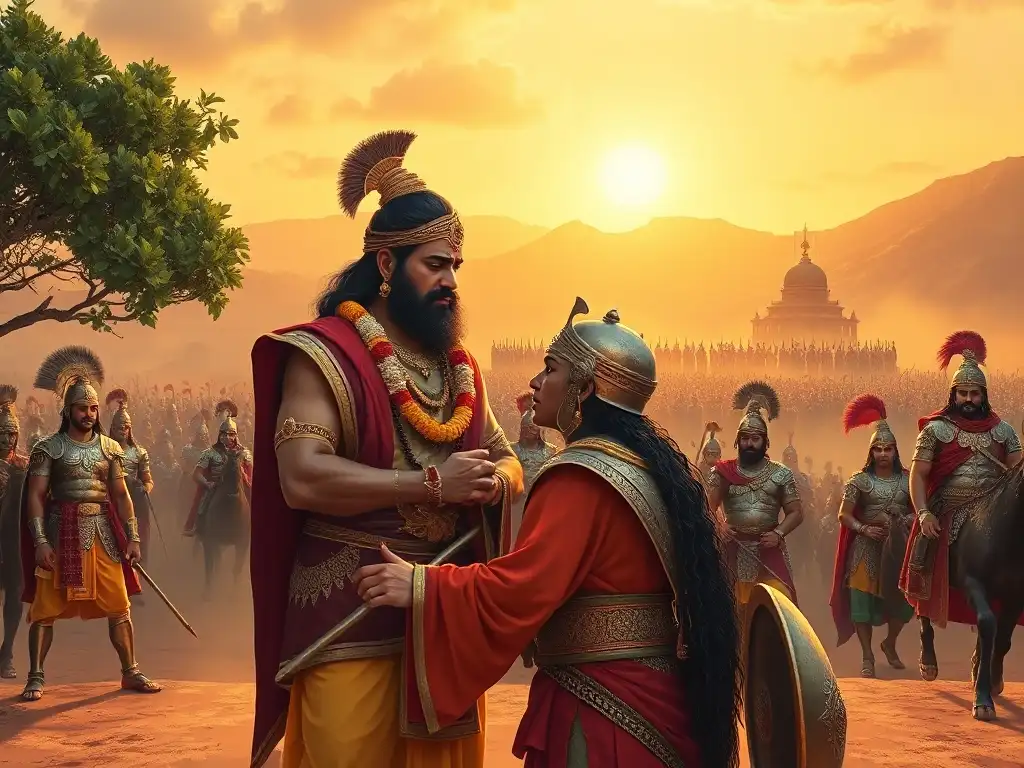
The Mahabharata, one of the oldest and most revered texts in Indian literature, offers profound insights into leadership, especially in the realm of conflict resolution. The epic presents a complex narrative filled with conflicts that arise from misunderstandings, jealousy, and ambition, providing a rich tapestry of lessons that contemporary leaders can apply in various situations.
Understanding the Causes of Conflict in Leadership
Conflict in leadership often arises from a variety of sources, as depicted in the Mahabharata. Key causes include:
- Ambition and Power Struggles: The epic illustrates how the desire for power can lead to intense rivalry, as seen in the conflict between the Pandavas and Kauravas. This rivalry showcases how unchecked ambition can create factions and lead to war.
- Miscommunication and Misunderstandings: Many conflicts stem from misinterpretations of actions and words. The Mahabharata highlights moments where a lack of clear communication escalates tensions, demonstrating the importance of transparency in leadership.
- Differing Values and Beliefs: Leaders often face challenges when their values clash with those of their followers or peers. The Mahabharata emphasizes the need for leaders to navigate these differences with sensitivity and understanding.
By analyzing these causes, leaders can better recognize and address potential conflicts in their own environments.
Strategies for Effective Conflict Resolution
The Mahabharata offers several strategies for resolving conflicts effectively, which include:
- Dialogue and Mediation: The role of characters like Lord Krishna exemplifies the importance of dialogue in conflict resolution. He mediates discussions between the warring factions, advocating for peaceful solutions whenever possible.
- Empathy and Understanding: Leaders are encouraged to cultivate empathy to understand the perspectives of others. The Mahabharata teaches that acknowledging the emotions and motivations of all parties involved is crucial for reaching a resolution.
- Strategic Compromise: Compromise is often necessary in leadership. The Mahabharata shows that finding a middle ground can prevent escalation and foster cooperation, as seen in the various peace talks that occur throughout the epic.
By employing these strategies, leaders can foster a collaborative environment that minimizes conflict and promotes unity.
The Role of Forgiveness and Reconciliation in Leadership
Forgiveness and reconciliation emerge as central themes in the Mahabharata, underscoring their significance in effective leadership. The epic illustrates that:
- Forgiveness is a Strength: Leaders who can forgive past grievances create a culture of trust and resilience. The character of Yudhishthira embodies this principle, often striving to resolve past issues and build bridges with former adversaries.
- Reconciliation Promotes Unity: The Mahabharata teaches that reconciliation is essential for restoring relationships and ensuring collective progress. After the great war, the need for healing and rebuilding relationships is emphasized, highlighting how leaders can guide their communities towards a shared future.
- Legacy of Leadership: The actions of leaders in the Mahabharata often define their legacies. Those who prioritize forgiveness and reconciliation are remembered favorably, while those who cling to vengeance are often seen negatively. This lesson serves as a reminder for modern leaders to consider the long-term impact of their actions.
Applying Leadership Lessons from the Mahabharata Today
The leadership lessons from the Mahabharata are not only relevant in ancient contexts but also hold significant value in contemporary settings.
Modern Leadership Insights from Ancient Texts
In today’s fast-paced world, the insights derived from the Mahabharata can be applied in various leadership scenarios:
- Holistic Understanding of Conflict: Modern leaders can learn to view conflicts through a multifaceted lens, considering emotional, cultural, and historical contexts, akin to how characters in the Mahabharata navigate their complex relationships.
- Crisis Management: The strategies employed in the Mahabharata, such as mediation and dialogue, are highly relevant in crisis management today. Leaders can adopt these approaches to resolve disputes effectively and restore stability.
- Ethical Leadership: The moral dilemmas faced by characters in the Mahabharata encourage leaders to reflect on ethical decision-making. This ancient text serves as a guide for maintaining integrity and accountability in leadership roles.
How to Integrate Mahabharata Leadership Lessons in Contemporary Leadership Practices
Integrating lessons from the Mahabharata into contemporary leadership practices can be achieved through:
- Training and Development: Organizations can incorporate the principles from the Mahabharata into leadership training programs, emphasizing conflict resolution, empathy, and ethical decision-making.
- Creating a Culture of Dialogue: Encouraging open communication within teams can help prevent misunderstandings and foster a collaborative environment, reflecting the dialogues that occur in the epic.
- Emphasizing Values: Leaders should prioritize values such as forgiveness and reconciliation in their practices, ensuring that these principles are embedded in the organizational culture.
By applying these lessons, leaders today can navigate the complexities of modern leadership while drawing wisdom from the rich narrative of the Mahabharata.
Conclusion
The Mahabharata, one of the most significant epics in ancient Indian literature, serves as a profound source of wisdom, particularly in the realm of leadership. Through its complex characters and intricate plots, it offers valuable insights into governance, ethics, and the responsibilities of rulers. The lessons gleaned from the Mahabharata are not just historical artifacts; they resonate with contemporary leadership challenges and dilemmas faced by leaders today.
Recap of Leadership Lessons from the Mahabharata
- The Importance of Dharma: Central to the narrative is the concept of dharma, or righteousness. Leaders must prioritize ethical guidelines in their decision-making processes, ensuring that their actions align with moral values. The choices made by figures such as Yudhishthira illustrate the necessity of adhering to one's principles, even in the face of adversity.
- The Value of Unity and Collaboration: The epic highlights the significance of alliances and teamwork. The Pandavas' eventual success can be attributed to their ability to unite diverse factions and work collaboratively towards a common goal. This teaches modern leaders the importance of fostering a cohesive team environment.
- Strategic Decision-Making: The Mahabharata is replete with instances of strategic planning and foresight, exemplified by characters like Krishna and Arjuna. Leaders today can learn from these examples by understanding that decisions should be informed by both short-term and long-term consequences.
- Handling Conflict and Negotiation: The narrative showcases numerous conflicts and the importance of negotiation. The failure of peace talks between the Kauravas and Pandavas serves as a reminder that effective communication and compromise are critical in resolving disputes and maintaining harmony.
- Resilience in the Face of Challenges: Characters endure immense hardships yet demonstrate resilience and adaptability. Leaders can draw inspiration from these stories, understanding that perseverance is key to overcoming obstacles and achieving success.
Final Thoughts on the Relevance of Ancient Leadership Lessons in Today’s World
The leadership lessons from the Mahabharata remain profoundly relevant in the context of modern governance and organizational management. In an era characterized by rapid change and complexity, the timeless wisdom embedded in this epic provides a framework for ethical leadership, strategic thinking, and effective conflict resolution.
As we navigate the challenges of contemporary leadership, revisiting these ancient teachings can inspire leaders to cultivate a sense of responsibility, integrity, and collaboration within their teams. The Mahabharata reminds us that the essence of leadership transcends time, urging us to reflect on our values and actions in pursuit of a just and harmonious society. Embracing these lessons can help forge a path toward better leadership, ultimately benefiting individuals and communities alike.
- Introduction to the Mahabharata
- Key Themes of Leadership in the Mahabharata
- Profiles of Notable Leaders in the Mahabharata
- Leadership Styles in the Mahabharata
- Lessons in Conflict Resolution from the Mahabharata
- Applying Leadership Lessons from the Mahabharata Today
- Conclusion
Frequently Asked Questions
What is the Mahabharata?
The Mahabharata is an ancient Indian epic that narrates the story of the Kurukshetra War and the fates of the Kaurava and Pandava princes, providing insights into ethics, duty, and leadership.
How can the Mahabharata provide leadership lessons?
The epic offers various insights into strategic thinking, conflict resolution, and moral dilemmas, showcasing how leaders like Krishna and Yudhishthira navigated complex situations.
What are some specific leadership qualities illustrated in the Mahabharata?
Key leadership qualities include wisdom, compassion, integrity, and the ability to make tough decisions, as demonstrated by characters such as Bhishma and Draupadi.
How does the Mahabharata relate to modern leadership?
Many of the challenges and decisions faced by characters in the Mahabharata resonate with contemporary leaders, emphasizing the importance of ethical behavior and strategic foresight in leadership roles.
Can the Mahabharata be applied in today's business leadership?
Yes, business leaders can draw parallels from the epic, particularly in areas like team management, negotiation skills, and understanding human behavior to improve their leadership effectiveness.
Final Reflection: Timeless Leadership Lessons from the Mahabharata
In today's rapidly changing world, the leadership lessons from the Mahabharata resonate more than ever. The epic not only narrates the grand tales of ancient kings but also encapsulates profound insights into human behavior, decision-making, and the essence of true leadership. As we navigate complexities in our personal and professional lives, the wisdom imparted by these ancient figures serves as a guiding light, reminding us that the challenges we face today are not unlike those of the past.
The Mahabharata's influence on our cultural and social landscape is undeniable. Its teachings encourage us to reflect on our own leadership styles and the ethical dilemmas we encounter. The characters within the epic, from the righteous Yudhishthira to the cunning Duryodhana, embody traits that continue to shape our understanding of leadership.
As Mahatma Gandhi once said, "> The Mahabharata is a great book that teaches us the importance of dharma (righteousness) in leadership." This timeless relevance underscores the need for integrity and moral courage in our actions, reminding us that leadership is not merely about authority but about responsibility and service to others.
As you close this chapter on the lessons of the Mahabharata, I invite you to reflect on your own journey as a leader. Consider how the principles of wisdom, empathy, and ethical decision-making can be woven into your daily life. Let the stories of these ancient kings inspire you to lead with purpose and integrity, fostering a legacy that transcends time. Embrace the challenge of becoming a leader who not only seeks success but also uplifts those around you, for in doing so, you honor the enduring lessons of the Mahabharata.
Unleash Your Inner Leader by Embracing Ancient Wisdom!
Thank you for diving into the timeless lessons offered by The Mahabharata. You've gained valuable insights into leadership from the wisdom of ancient kings, which can significantly transform your approach to modern challenges. Now, it’s time to take these lessons and put them into action!
Here are some practical steps you can take right now:
- Reflect on your leadership style: Take a moment to assess your own approach. Which qualities from the kings in The Mahabharata resonate with you? Write down one trait you wish to develop and create a plan to cultivate it.
- Engage with a community: Share your newfound insights and connect with others by joining a local or online discussion group focused on leadership or historical studies. Platforms like Meetup and specialized forums can be great resources.
- Create a personal mantra: Craft a motivational saying inspired by the lessons learned. Use it as a daily reminder to embody the leadership qualities you aspire to achieve.
Which leadership trait from The Mahabharata do you believe would transform your life the most if you fully embraced it?