
The Mahabharata in Popular Culture: From TV Series to Graphic Novels

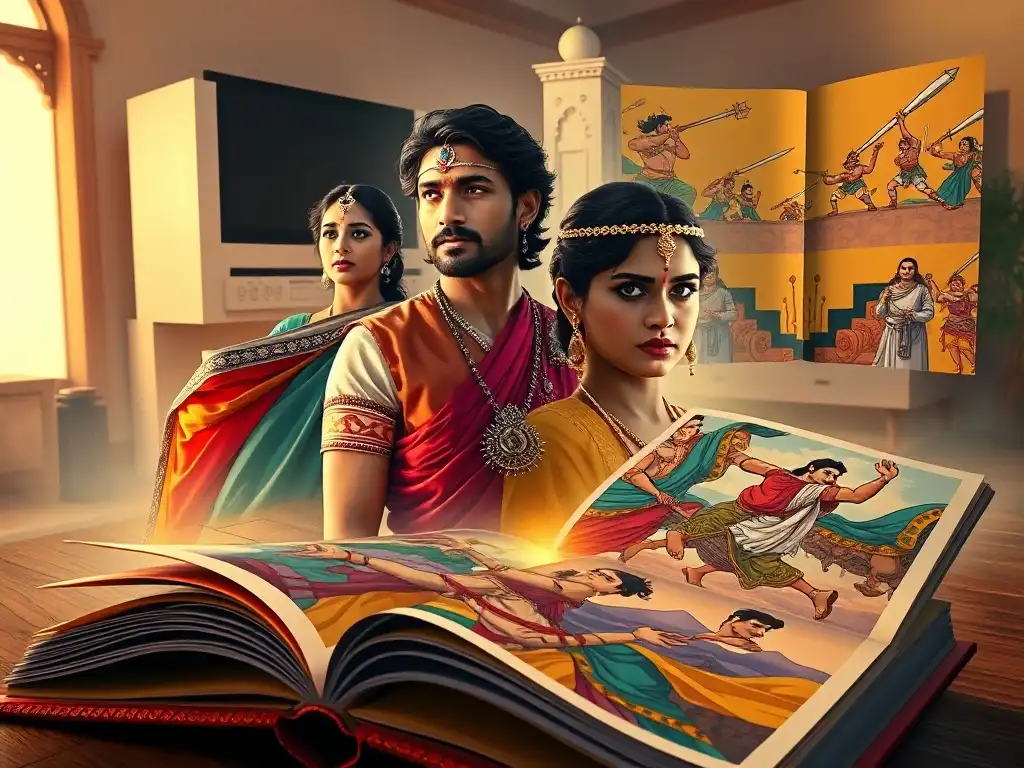
Welcome to Ancient India History, where we embark on a fascinating journey through the rich tapestry of ancient Indian civilizations. Here, we delve into the profound cultural heritage and remarkable contributions that have shaped our world. Today, we invite you to explore The Mahabharata in modern media, a captivating examination of how this epic narrative transcends time and continues to inspire contemporary storytelling.
From cinematic adaptations to vibrant graphic novels, discover how the themes and characters of this ancient saga resonate in today's popular culture. Join us as we unravel the threads of history and creativity that connect past and present!
Introduction to The Mahabharata in Modern Media
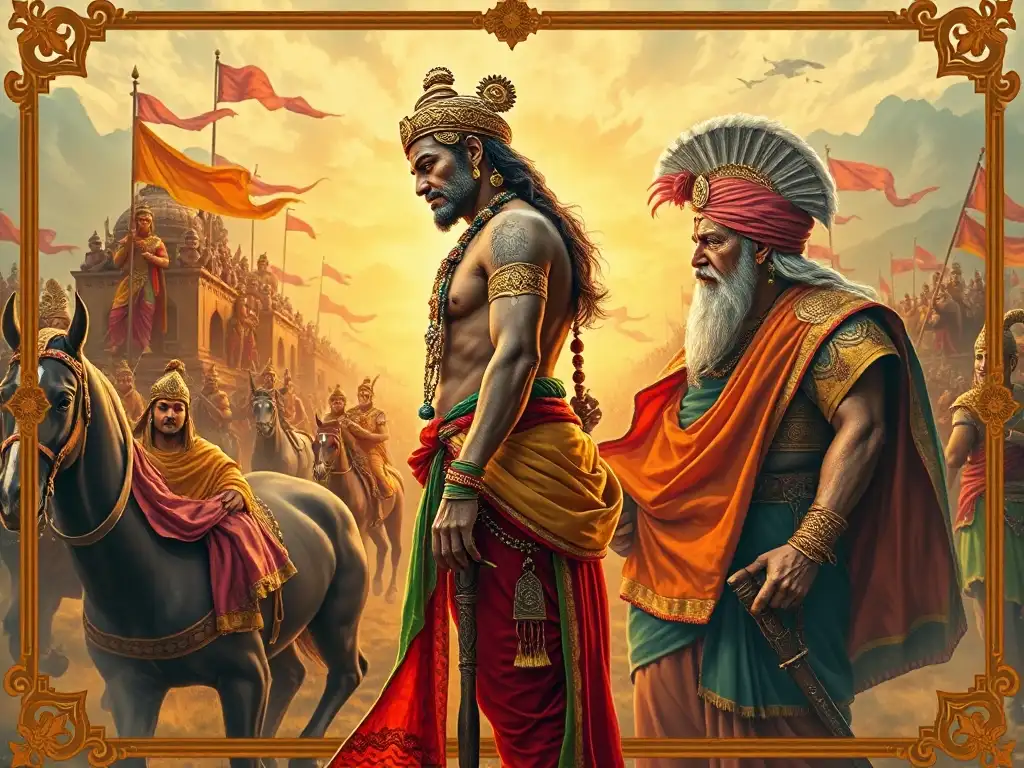
The Mahabharata, one of the oldest and most revered epics in Indian literature, has transcended its origins to become a significant cultural touchstone in contemporary media. From its intricate narratives of duty, morality, and heroism to its profound philosophical insights, the epic has inspired numerous adaptations across various platforms, including television, film, and graphic novels.
This article delves into the multifaceted presence of The Mahabharata in modern media, exploring its adaptations and the impact it has had on audiences today. By examining the ways in which this ancient text has been reinterpreted, we can better appreciate its enduring relevance and the ways it continues to shape cultural narratives.
Overview of The Mahabharata's Significance
The Mahabharata is more than just a story; it is a comprehensive account of human experience, encompassing themes of conflict, righteousness, and the complexities of life. Composed over centuries, this epic not only serves as a literary masterpiece but also as a vital source of cultural and moral teachings. The text's characters, such as Arjuna, Krishna, and Draupadi, embody various virtues and vices, making them relatable figures for audiences across generations. The epic's profound philosophies, especially the concept of Dharma (duty/righteousness), remain relevant in discussions of ethics and morality today.
The Evolution of The Mahabharata in Popular Culture
As societies evolve, so too does the interpretation of their foundational texts. The Mahabharata has seen a remarkable transformation from its oral storytelling roots to its modern representations in various media forms. Over the decades, the epic has been adapted into numerous television series, films, and even graphic novels, each iteration bringing new dimensions to its timeless tales. This evolution reflects not only changes in storytelling methods but also shifts in societal values and cultural context, allowing The Mahabharata to remain a dynamic part of contemporary discourse.
The Mahabharata in Television Series
Television has played a pivotal role in bringing The Mahabharata to the masses, making the epic accessible to audiences far and wide. The medium's ability to visually narrate complex stories has resulted in some iconic adaptations that have left an indelible mark on Indian popular culture.
Iconic TV Adaptations of The Mahabharata
Among the most notable adaptations is the 1988 television series directed by B.R. Chopra, which is often credited with reviving interest in the epic for the modern audience. Its high production values, compelling performances, and faithful adherence to the source material made it a landmark show. More recent adaptations, such as the 2013 version by Swastik Productions, have also garnered significant viewership, demonstrating the epic's versatility in storytelling across different eras.
Impact of The Mahabharata on Indian Television
The Mahabharata's adaptations have not only entertained but have also influenced the landscape of Indian television. They set a precedent for mythological storytelling, leading to a surge in similar genres and inspiring countless shows and series. The epic's themes of righteousness and morality have often been juxtaposed with contemporary issues, providing a rich tapestry for discussion and reflection among viewers.
Cultural Reception of The Mahabharata in Modern Audiences
The reception of The Mahabharata in modern audiences varies widely, with younger generations often engaging with the narrative through a lens of curiosity and critique. While some viewers appreciate the traditional retelling of the epic, others seek modern interpretations that resonate with contemporary values. This cultural reception highlights the ongoing dialogue between ancient texts and modern sensibilities, ensuring that The Mahabharata remains not only a historical artifact but also a living part of India's cultural fabric.
As we explore further into the various manifestations of The Mahabharata in graphic novels and other media, we will uncover how this epic continues to inspire creativity and provoke thought in the modern age.
The Mahabharata in Film
The Mahabharata has had a significant presence in the film industry, creating a rich tapestry of interpretations that resonate with audiences worldwide. Over the decades, various filmmakers have adapted this epic, infusing it with contemporary relevance while retaining its core themes. The cinematic portrayal of The Mahabharata not only serves as entertainment but also as a medium for cultural education, allowing viewers to engage with ancient philosophies and moral dilemmas.
Notable Film Adaptations of The Mahabharata
Several notable films have adapted The Mahabharata, each bringing a unique perspective to the narrative. One of the most acclaimed adaptations is B.R. Chopra's "Mahabharat" (1988), which, while primarily a television series, was released in a cinematic format and remains a landmark in Indian television history. Another significant adaptation is "Mahabharat" (2013), directed by Amit Sharma, which aimed to modernize the epic while staying true to its essence.
Internationally, films like "The Mahabharata" (1989) by Peter Brook gained recognition for their global approach, featuring a diverse cast and a theatrical style that captivated audiences across cultures. More recently, "Karnan" (2021), a Tamil film inspired by the character of Karna, showcases how filmmakers draw from The Mahabharata's rich character arcs and themes, emphasizing honor, duty, and destiny.
The Influence of Cinematic Interpretations on Popular Culture
Cinematic interpretations of The Mahabharata have profoundly influenced popular culture, shaping societal values and collective memory. These films often highlight moral conflicts and dilemmas, prompting audiences to reflect on contemporary issues through the lens of ancient wisdom. Characters like Arjuna and Krishna have become archetypes, representing the eternal struggle between righteousness and wrongdoing.
Moreover, the visual representation of epic battles and divine interventions has inspired various art forms, including dance, theater, and literature. As a result, The Mahabharata has transcended its original narrative, embedding itself into the cultural consciousness and inspiring generations to explore themes of justice, duty, and the complexity of human emotions.
Analysis of Themes from The Mahabharata in Movies
The themes of The Mahabharata—dharma (duty), karma (action), and the nature of reality—are often explored in depth within its film adaptations. Movies frequently portray the central conflict of the Kurukshetra War, illustrating the chaos that ensues from familial strife and moral ambiguity. This exploration of ethical dilemmas resonates with modern audiences, as it reflects contemporary societal challenges.
For instance, the character of Yudhishthira embodies the struggle for integrity in leadership, while Draupadi represents the quest for justice in a patriarchal society. The complex relationships between characters, such as the camaraderie and rivalry among the Pandavas and Kauravas, serve as a mirror to real-world conflicts, making the themes relevant in today's context. As filmmakers continue to reinterpret these timeless stories, they contribute to a growing discourse on morality and ethics in the modern world.
The Mahabharata in Graphic Novels
Graphic novels have emerged as a powerful medium for retelling The Mahabharata, combining visual artistry with rich narratives to engage a new generation of readers. This format allows for a unique interpretation of the epic, making it accessible to those who may find traditional texts daunting. The fusion of art and storytelling in graphic novels serves to enhance the understanding of complex themes and characters, infusing them with life through vivid illustrations.
Emergence of Graphic Novels Based on The Mahabharata
The trend of adapting The Mahabharata into graphic novels gained momentum in the late 20th and early 21st centuries. This transformation reflects a broader shift in the publishing industry, where graphic novels began to be recognized not just as children's literature but as a legitimate form of storytelling for all ages. Pioneering works, such as "The Mahabharata: A Modern Retelling" by Vikramaditya Motwane, illustrate how artists and writers can reinterpret ancient texts for contemporary audiences.
These adaptations allow for exploration of various narrative styles, from faithful retellings to innovative reimaginings that challenge traditional interpretations. The visual format also caters to diverse learning styles, appealing to both visual learners and those drawn to narrative depth.
Key Graphic Novels and Their Unique Interpretations
Several graphic novels stand out for their unique interpretations of The Mahabharata, each adding to the tapestry of its storytelling. "The Mahabharata: A Graphic Novel" by Amruta Patil presents a fresh perspective, focusing on the female characters and their roles within the epic. This approach emphasizes the often-overlooked narratives of women in ancient texts, providing a more balanced view of the epic's themes.
Another noteworthy work is "Mahabharata: An Illustrated Retelling" by Devdutt Pattanaik, which combines rich illustrations with insightful commentary. This adaptation not only retells the story but also delves into the philosophical underpinnings of the events, making it a valuable resource for readers seeking deeper understanding.
The Role of Visual Storytelling in Understanding The Mahabharata
Visual storytelling plays a crucial role in enhancing the reader's comprehension of The Mahabharata's complex themes and characters. The combination of images and text in graphic novels allows for immediate emotional engagement, often depicting intense moments of conflict and decision-making that resonate on a personal level.
Moreover, illustrations can clarify intricate plots and relationships, making it easier for readers to navigate the epic's vast narrative landscape. As graphic novels continue to gain popularity, they serve not only as a means of preserving the Mahabharata's legacy but also as a bridge connecting ancient wisdom with contemporary issues, ensuring that these stories remain relevant in the ever-evolving landscape of modern media.
The Mahabharata in Theatre and Performative Arts
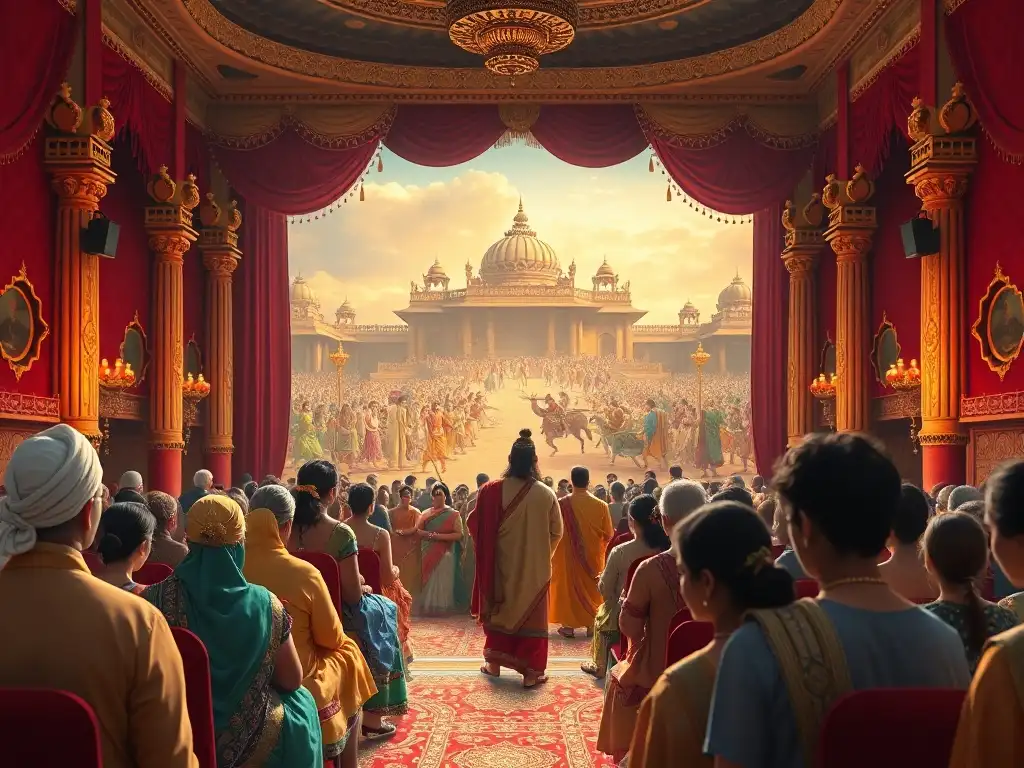
The Mahabharata, one of the largest epics in the world, has had a profound influence on various forms of theatre and performative arts throughout history. Its complex narrative, rich characters, and moral dilemmas have provided fertile ground for creative expression, allowing artists to explore themes of duty, righteousness, and the human condition. The epic's dramatic elements make it particularly suitable for stage adaptations, ranging from traditional performances to modern interpretations.
Theatrical Adaptations of The Mahabharata
Theatrical adaptations of The Mahabharata have been staged across the globe, showcasing the epic's universal themes. One notable adaptation is the Bharatanatyam dance-drama, which often includes segments from the Mahabharata, blending classical dance with storytelling. Additionally, productions like Peter Brook's "The Mahabharata," which premiered in the 1980s, took a more avant-garde approach, condensing the epic into a six-hour performance that highlighted its philosophical underpinnings while engaging a global audience.
Local adaptations have also thrived, with numerous theatre groups across India creating versions that reflect regional cultures and languages. These adaptations often incorporate local folklore and contemporary issues, making the epic relevant to modern audiences. For instance, the use of traditional puppetry and folk theatre not only preserves cultural heritage but also offers an innovative take on the epic's timeless narratives.
Influence of The Mahabharata on Contemporary Performative Arts
The Mahabharata's influence extends beyond traditional theatre to contemporary performative arts, including dance, music, and even street performances. Modern choreographers often draw inspiration from its themes and characters, creating works that speak to contemporary societal issues. For example, dance companies may choreograph pieces that reflect the struggles of characters like Draupadi or Karna, paralleling them with current social justice movements.
Moreover, filmmakers and screenwriters frequently reference The Mahabharata in various formats, including films and web series, further demonstrating the epic's adaptability. In this way, the Mahabharata continues to inspire artists across disciplines, encouraging a dialogue between ancient texts and modern sensibilities.
Reception and Critique of The Mahabharata in Theatre
The reception of The Mahabharata in theatre has been varied, often eliciting rich discussions about its interpretations. While many productions have been celebrated for their innovative approaches and cultural relevance, some critiques focus on the challenges of adapting such a complex narrative for the stage. Discussions often revolve around fidelity to the source material versus artistic license, with some purists arguing that adaptations may oversimplify or misrepresent key themes.
Critics also highlight the importance of context in performance, noting that interpretations can reflect the socio-political climates of their times. For instance, a production that stages the Mahabharata during a time of political turmoil may emphasize themes of conflict and justice, resonating deeply with contemporary audiences. This layered reception underscores the epic's enduring impact and the ongoing conversation surrounding its interpretations in the performative arts.
The Mahabharata in Literature and Literature Adaptations
The literary landscape has been significantly shaped by The Mahabharata, with countless authors drawing inspiration from its narrative, characters, and themes. The epic's intricate storytelling and moral complexity allow for a vast array of reinterpretations, making it a rich source for modern literature. From novels to poetry, the Mahabharata continues to thrive as a pivotal influence in contemporary literary discourse.
Modern Novels Inspired by The Mahabharata
Numerous contemporary novels have emerged that reinterpret the Mahabharata, often from unique perspectives that challenge traditional narratives. Authors like Chitra Banerjee Divakaruni with "The Palace of Illusions" present the story through the eyes of female characters, offering fresh insights into their experiences and struggles within a patriarchal society. Such retellings not only highlight the roles of women in the epic but also explore themes of identity, agency, and power.
Additionally, modern adaptations often incorporate elements of magical realism and contemporary settings, making the epic's themes more accessible to today's readers. For instance, Anand Neelakantan's "Asura: Tale of the Vanquished" reimagines the story from the viewpoint of the so-called villains, allowing for a nuanced exploration of morality and ethics within the context of the epic.
Retellings and Reinterpretations of The Mahabharata
Retellings of The Mahabharata serve as a testament to its timelessness and relevance. These reinterpretations often aim to deconstruct established narratives, questioning the motivations and morals of the characters. Projects like "My Gita" by Devdutt Pattanaik blend personal reflections with mythological analysis, inviting readers to engage with the text on a philosophical level.
Graphic novels and comic adaptations have also gained popularity, making the epic visually accessible to younger audiences. Titles like "The Mahabharata: A Modern Retelling" by various authors capture the essence of the original while employing contemporary illustrations, ensuring that the epic continues to resonate across generations.
The Role of The Mahabharata in Contemporary Literary Discourse
The Mahabharata plays a crucial role in contemporary literary discourse, prompting discussions around themes of conflict, morality, and the human condition. It serves as a touchstone for exploring complex social issues, including caste, gender, and ethics. Writers often reference the epic to frame modern dilemmas, drawing parallels between the ancient text and contemporary societal challenges.
Moreover, academic studies of The Mahabharata continue to flourish, examining its impact on literature, philosophy, and cultural identity. Scholars analyze its narratives to better understand how ancient texts can inform current issues, creating a dialogue that bridges the past and present. This ongoing exploration reaffirms the Mahabharata's status not just as a literary masterpiece, but as a living document that continues to shape and influence modern thought.
Conclusion: The Enduring Legacy of The Mahabharata in Popular Culture
The Mahabharata, one of the longest epic poems in the world, continues to resonate deeply within popular culture, demonstrating its timeless relevance and adaptability. Its themes of duty (dharma), morality, and the complexity of human relationships have inspired countless adaptations across various media, from television series and films to graphic novels and stage plays.
This enduring legacy highlights the epic’s ability to transcend time and geography, appealing to diverse audiences while retaining its core values. As contemporary creators draw upon its rich narrative and complex characters, The Mahabharata remains a powerful source of inspiration and reflection, bridging ancient wisdom with modern sensibilities.
Summary of The Mahabharata's Impact on Modern Media
The Mahabharata has significantly influenced modern media, serving as a foundation for storytelling across various platforms. Its adaptations have taken many forms, including:
- Television Series: Notable adaptations, such as the 1988 "Mahabharat" by B.R. Chopra and the more recent "Mahabharat" (2013), brought the epic into living rooms across India and beyond, making it accessible to a broader audience.
- Films: Movies like "Mahabharat: An Epic Tale of Love and War" have sought to reinterpret the epic's narratives, often focusing on specific characters or events.
- Graphic Novels: The rise of graphic novels has seen The Mahabharata being reimagined in visually engaging formats, such as "The Mahabharata: A Modern Retelling" by Sanjay Patel, which appeals to younger generations.
- Theatre and Dance: Various theatrical productions and dance forms have depicted scenes from The Mahabharata, showcasing its versatility and emotional depth.
These adaptations have not only preserved the essence of the epic but also allowed new interpretations that resonate with contemporary issues, ensuring its relevance in today's cultural landscape.
Future Prospects for The Mahabharata in Popular Cultural Expressions
The future of The Mahabharata in popular culture looks promising as creators continue to explore innovative ways to present the epic. With advancements in technology, we can expect:
- Digital Media: As streaming platforms grow, there is a potential for high-quality adaptations that utilize CGI and animation, making the epic visually stunning and engaging for younger audiences.
- Interactive Experiences: Virtual reality (VR) and augmented reality (AR) technologies could offer immersive experiences, allowing audiences to engage with the epic's narratives in new and exciting ways.
- Cross-Cultural Adaptations: The Mahabharata's universal themes make it ripe for reinterpretation across different cultural contexts, potentially leading to adaptations that incorporate diverse perspectives and storytelling traditions.
As the world becomes more interconnected, the opportunity for The Mahabharata to inspire and influence global narratives will likely expand, ensuring its place in the cultural zeitgeist for generations to come.
References
Key Sources on The Mahabharata in Modern Media
- Chopra, B.R. (1988). Mahabharat. Doordarshan.
- Ghosh, A. (2013). The Mahabharata in Modern Media: A Critical Analysis. Journal of Epic Literature.
- Patel, S. (2010). The Mahabharata: A Modern Retelling. Chronicle Books.
Further Reading on The Mahabharata's Cultural Influence
- Dholakia, A. (2015). Epic Narratives: The Influence of The Mahabharata in Contemporary Indian Culture. Indian Literature Studies.
- Mishra, P. (2018). Reimagining The Mahabharata: Adaptations in Film and Literature. Routledge.
- Sharma, R. (2020). The Mahabharata: A Cultural History. Oxford University Press.
- Introduction to The Mahabharata in Modern Media
- The Mahabharata in Television Series
- The Mahabharata in Film
- The Mahabharata in Graphic Novels
- The Mahabharata in Theatre and Performative Arts
- The Mahabharata in Literature and Literature Adaptations
- Conclusion: The Enduring Legacy of The Mahabharata in Popular Culture
- References
Frequently Asked Questions
What is The Mahabharata and why is it significant?
The Mahabharata is one of the largest epic poems in history, detailing the Kurukshetra War and the fate of the Kaurava and Pandava princes. Its significance lies in its moral and philosophical lessons, influencing various aspects of Indian culture.
How has The Mahabharata influenced modern media?
The Mahabharata has been adapted into numerous TV series, films, and graphic novels, showcasing its timeless themes and complex characters. These adaptations help to bring ancient stories to a contemporary audience.
What are some popular adaptations of The Mahabharata in television?
Notable adaptations include the 1980s television series directed by B.R. Chopra and more recent versions like Mahabharat (2013). These shows have captivated audiences with their cinematic storytelling and dramatic portrayals.
Are there graphic novels based on The Mahabharata?
Yes, several graphic novels have been published that reinterpret The Mahabharata. Titles such as "The Mahabharata: A Modern Retelling" incorporate visual storytelling to make the epic more accessible and engaging for younger audiences.
How does modern media impact the perception of The Mahabharata?
Modern media adaptations can both preserve and transform the original narrative, introducing new interpretations and perspectives. This can lead to a deeper understanding of the epic while also sparking debates about its themes and relevance today.
Final Reflection: The Enduring Legacy of The Mahabharata in Modern Media
The Mahabharata continues to resonate in today's world, illustrating the timeless nature of its themes and characters. As we navigate a rapidly changing cultural landscape, the epic's exploration of morality, duty, and the complexities of human relationships remains profoundly relevant. The way The Mahabharata has been adapted into various forms of modern media—from gripping TV series to vibrant graphic novels—serves as a testament to its universal appeal and the need for narratives that reflect our shared human experience.
Cultural adaptations of The Mahabharata have not only enriched our understanding of this ancient text but have also fostered a deeper connection to its core messages. The epic's influence can be seen in contemporary storytelling, where the struggles of its characters mirror the challenges faced in our daily lives. As noted by scholar R. K. Narayan, “The Mahabharata is a story that is as relevant today as it was thousands of years ago.” This ongoing relevance invites us to reflect on our own lives and the moral dilemmas we encounter, encouraging a dialogue that transcends time and culture.
As you close this chapter on The Mahabharata in modern media, I invite you to consider how these narratives can inspire your own journey. Reflect on the lessons embedded within these adaptations and think about how you can apply the wisdom of The Mahabharata to your own life. Whether it’s through the lens of duty, sacrifice, or the pursuit of justice, let the epic's teachings guide you as you navigate your personal and social landscapes. Embrace the stories that shape our world and recognize the power they hold to transform our understanding of ourselves and each other.
Unveil the Timeless Tales of the Mahabharata!
Thank you for taking the time to dive into the fascinating world of the Mahabharata and its impact on popular culture! You've uncovered the rich tapestry of stories that continue to inspire generations. Now, let’s take that inspiration and put it into action!
Here are some ways you can further explore and celebrate the Mahabharata:
- Immerse yourself in a creative project: Consider crafting your own modern retelling of a Mahabharata story, whether through a blog post, screenplay, or even a graphic novel!
- Join a community discussion: Look for online forums or local book clubs where you can engage with others who are passionate about the Mahabharata and share your insights!
- Share what you've learned: Write about your favorite Mahabharata adaptation on social media and invite your friends to explore these interpretations.
How do you think the values and lessons from the Mahabharata can be applied to today’s world? Let's discuss in the comments!