
The Mahabharata Manuscripts: Preservation and Transmission Through Centuries

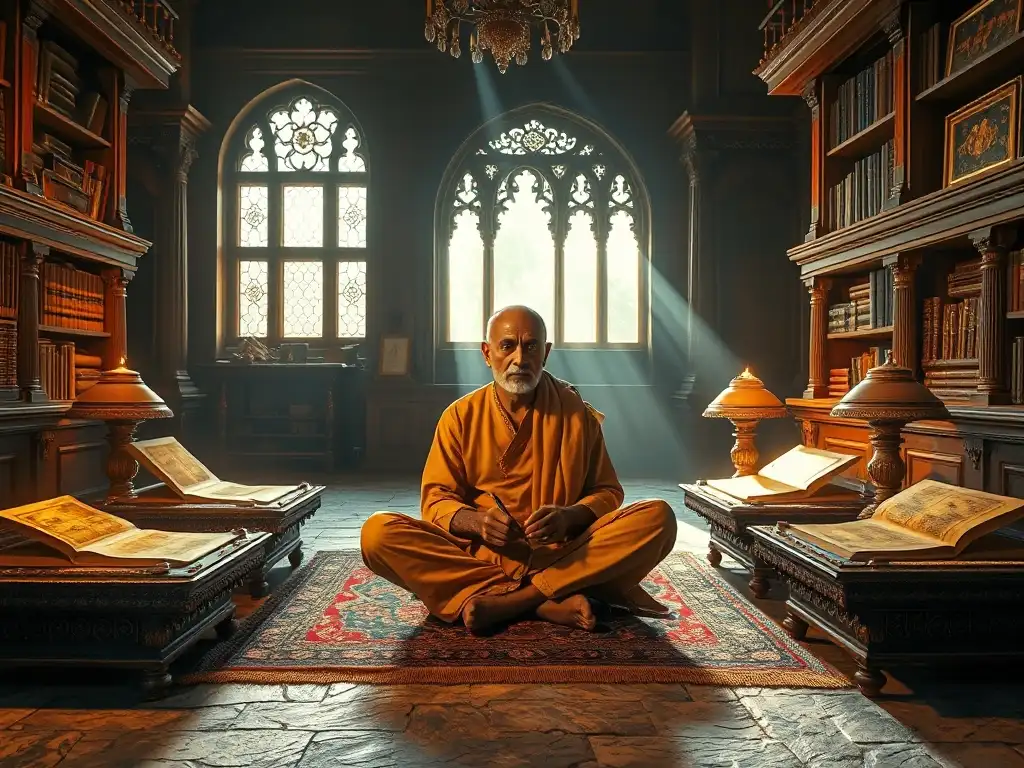
Welcome to Ancient India History, where we embark on a journey through the intricate tapestry of India's past. Here, we delve into the Mahabharata manuscripts preservation history, exploring how this monumental epic has been safeguarded and transmitted through the ages. Discover the fascinating stories behind the preservation of these ancient texts, and uncover the profound impact they have had on literature and culture. As we unravel the secrets of this epic, you'll find yourself drawn deeper into the rich heritage of ancient Indian civilizations. Ready to explore the legacy that has shaped a culture? Let's dive in!
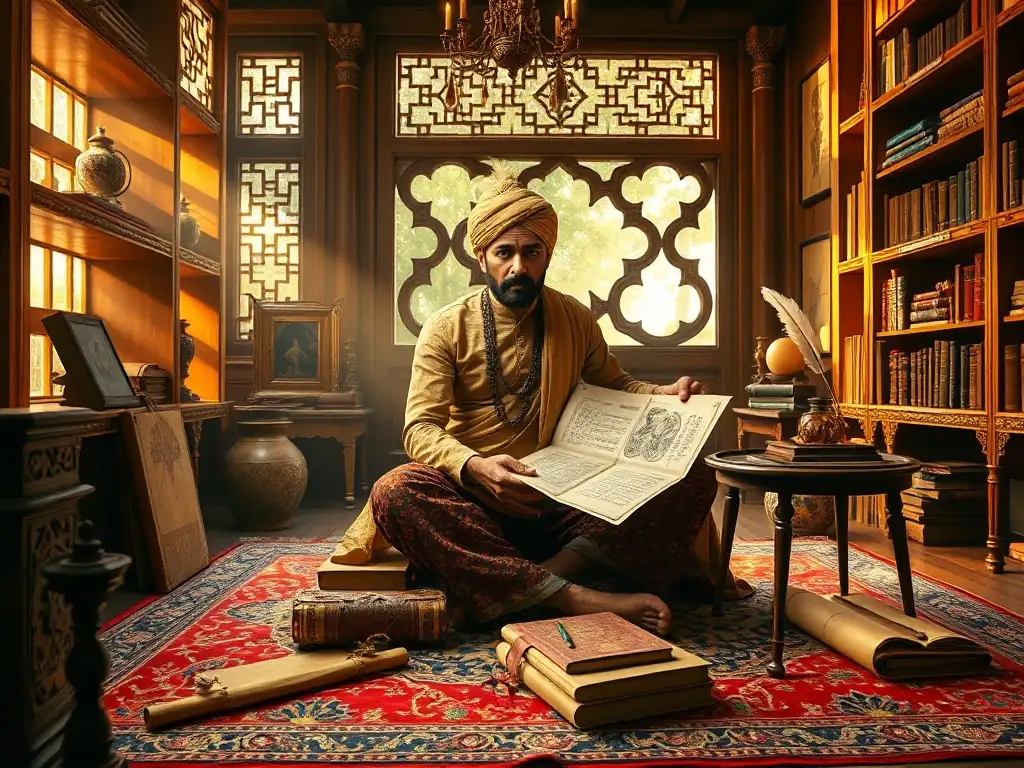
Introduction to the Mahabharata Manuscripts
The Mahabharata, one of the most significant epics in Indian literature, serves as a profound testament to the cultural, philosophical, and historical milieu of ancient India. This monumental text, attributed to the sage Vyasa, is not merely a narrative of the great Kurukshetra War; it encompasses a vast array of themes including duty (dharma), justice, and the complexities of human relationships.
As such, the preservation of the Mahabharata manuscripts stands as a critical endeavor, ensuring that this rich tapestry of stories and teachings continues to resonate through generations. The journey of these manuscripts—from their inception to their transmission across centuries—reveals the intricate processes of preservation that safeguard this literary treasure.
Overview of the Mahabharata as an Epic
The Mahabharata is often regarded as the longest epic poem in the world, comprising approximately 100,000 verses. It is divided into 18 books, or parvas, which detail the history of the Kurukshetra War and the fates of the Kaurava and Pandava princes. Notably, within its vast narrative, the Bhagavad Gita, a philosophical dialogue between Prince Arjuna and Lord Krishna, is embedded, providing profound insights into ethics and spirituality.
The epic's richness is reflected not only in its storytelling but also in its exploration of complex characters and moral dilemmas. The Mahabharata has inspired numerous adaptations in various art forms, including dance, theater, and modern literature, highlighting its enduring relevance in contemporary culture.
Importance of Manuscripts in Preserving Cultural Heritage
The preservation of Mahabharata manuscripts is pivotal for several reasons:
- Cultural Identity: Manuscripts act as vessels of cultural identity, encapsulating the values, beliefs, and traditions of ancient Indian society.
- Historical Record: They serve as historical documents, providing insights into the social, political, and economic conditions of the time.
- Literary Continuity: Manuscripts ensure the continuity of literary traditions, allowing future generations to engage with and learn from ancient texts.
Through meticulous preservation efforts, these manuscripts offer a window into the past, allowing us to appreciate the depth of ancient Indian civilization.
Historical Context of the Mahabharata Manuscripts
Origin and Authorship of the Mahabharata
The origins of the Mahabharata can be traced back to the Vyasa, who is believed to have composed the epic around the 4th century BCE. Over time, the epic underwent multiple revisions and expansions, reflecting the evolving socio-cultural landscape of India. The narrative weaves together historical events, mythological elements, and philosophical discourse, making it a unique composite of various literary styles.
The tradition of oral storytelling played a significant role in the initial transmission of the Mahabharata, and it was only later that the epic began to be documented in written form. The earliest known manuscripts date back to the early centuries of the Common Era, with many more being produced throughout the medieval period, each contributing to the rich tapestry of the epic's transmission.
Evolution of Manuscript Traditions in Ancient India
The evolution of manuscript traditions in ancient India was marked by various factors, including the advent of writing materials and the patronage of kings and scholars. Initially, manuscripts were inscribed on materials such as birch bark, palm leaves, and later, paper. The art of manuscript production involved skilled scribes who not only copied texts but also illustrated them, adding to their aesthetic and cultural value.
The Mahabharata manuscripts were often housed in temples and royal libraries, where they were preserved with great reverence. As the demand for copies grew, scribes employed diverse scripts and languages, including Sanskrit, Prakrit, and regional dialects, thereby facilitating the spread of the epic beyond its geographical origins.
Through this intricate process of preservation and transmission, the Mahabharata has survived as a monumental work, continuing to inspire and educate countless readers around the world.
Techniques of Preservation in Ancient Times
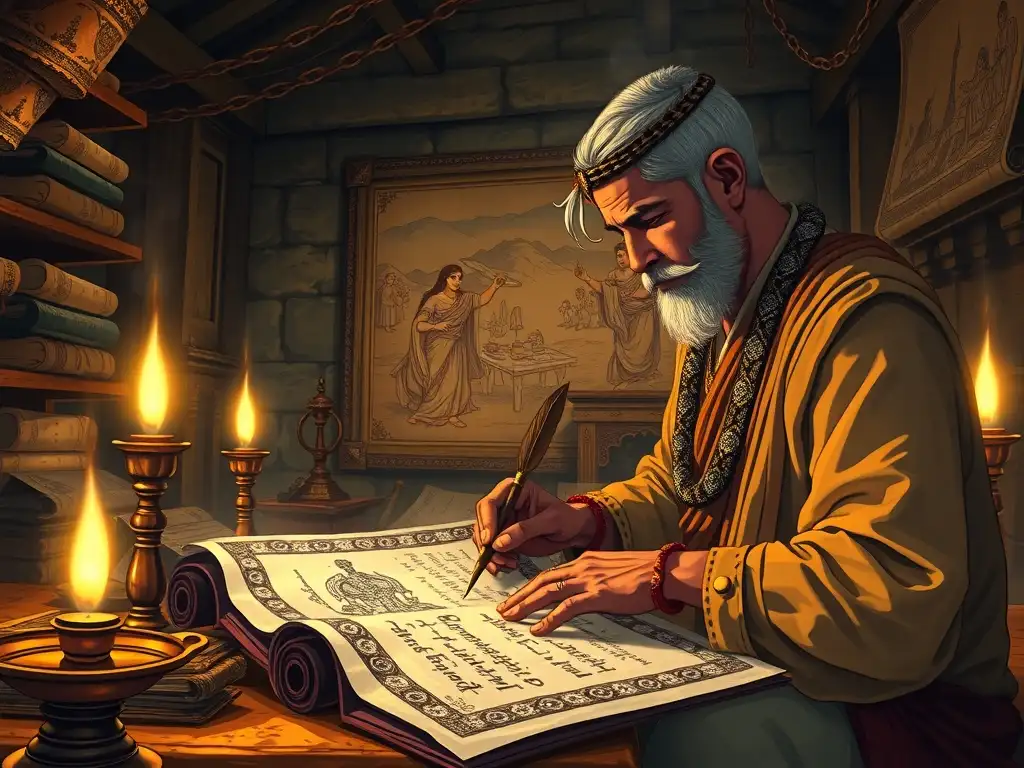
The preservation of the Mahabharata manuscripts throughout history is a testament to the dedication of ancient scholars and scribes. Various techniques were employed to ensure that these invaluable texts survived the test of time. One prominent method was the use of oral tradition, where the epic was recited and memorized by generations of storytellers. This not only kept the narrative alive but also allowed for variations and adaptations that enriched the text.
In addition to oral transmission, the physical preservation of manuscripts was crucial. Scrolls and palm leaves were commonly used as mediums for writing. Scribes meticulously copied texts, often in dimly lit rooms, to maintain accuracy. The use of natural dyes and inks derived from plants and minerals contributed to the durability of these manuscripts. The application of protective substances, such as oils and resins, helped shield the manuscripts from environmental damage.
Furthermore, manuscripts were often stored in sacred spaces, such as temples and monasteries, where conditions were carefully maintained to minimize exposure to moisture and pests. These techniques collectively contributed to the survival of the Mahabharata through centuries of cultural and political upheaval.
Materials Used in Manuscript Creation
The materials utilized in the creation of Mahabharata manuscripts played a significant role in their preservation. The primary substrate was often palm leaves, which were favored due to their availability and durability. Each palm leaf was treated to create a smooth writing surface, typically inscribed with a stylus. In some regions, birch bark was also used, providing a more resilient alternative.
For writing, various inks were crafted from natural sources. Black ink, derived from soot mixed with water, was the most common choice. Other colors, such as red and green, were created using plant extracts and minerals. These inks not only provided aesthetic appeal but were also designed to withstand fading.
The binding techniques varied, with manuscripts being rolled into scrolls or stitched together in book form, depending on regional practices. The choice of materials and binding methods influenced the longevity of the texts, contributing to the survival of the Mahabharata over centuries.
Scribes and Their Role in Manuscript Transmission
Scribes were the backbone of manuscript transmission in ancient India, particularly concerning the Mahabharata. These skilled individuals were responsible for copying texts accurately, a task that required immense concentration and precision. Scribes often underwent extensive training, learning the nuances of language, grammar, and the intricacies of the epic itself.
Their role extended beyond mere transcription; scribes were also custodians of knowledge. They would often annotate manuscripts, adding commentary or clarifications that enriched the understanding of the text. This practice ensured that future generations could appreciate the deeper meanings within the Mahabharata.
Scribes operated in various settings, including temples, courts, and educational institutions. Their contributions were vital in the preservation and dissemination of the epic, as they facilitated the transmission of the Mahabharata across different regions and cultures. Through their efforts, the Mahabharata not only survived but thrived, becoming a cornerstone of Indian literary heritage.
Major Manuscript Collections of the Mahabharata
The Mahabharata's manuscripts are scattered across various collections worldwide, reflecting its importance in global literature. These collections have served as crucial repositories for scholars and enthusiasts alike, providing access to a wealth of knowledge and cultural heritage.
Many of these collections are housed within libraries and institutions that specialize in ancient texts, ensuring that the Mahabharata remains a subject of study and admiration. The preservation history of these manuscripts is as rich as the epic itself, with numerous organizations dedicated to maintaining and digitizing these invaluable works for future generations.
Key Locations of Preservation Across India
India boasts several key locations where Mahabharata manuscripts have been preserved over the centuries. Notable among these is the city of Benares (Varanasi), known for its rich scholarly tradition. Here, ancient texts were meticulously copied and stored in temples and ashrams dedicated to learning.
Another significant location is the region of Kerala, where the unique practice of preserving palm leaf manuscripts has flourished. Temples in Kerala often house extensive collections of the Mahabharata, meticulously maintained by local scholars.
Additionally, the state of Maharashtra is home to various repositories of the epic, with numerous historical libraries safeguarding manuscripts. The cultural importance of these locations has made them vital centers for the preservation of the Mahabharata’s legacy.
Notable Manuscript Repositories and Libraries
Several notable repositories and libraries across India and beyond are dedicated to the preservation of Mahabharata manuscripts. The National Library of India in Kolkata is one of the largest and most important, housing a vast collection of ancient texts, including numerous versions of the Mahabharata.
In addition, the Bhandarkar Oriental Research Institute in Pune is renowned for its extensive collection of Sanskrit manuscripts. This institute has played a pivotal role in the preservation and study of the Mahabharata.
Internationally, the British Library in London and the Bibliothèque Nationale de France in Paris also possess important manuscripts of the Mahabharata, showcasing the global interest in this epic. These repositories not only safeguard the manuscripts but also facilitate research, ensuring that the rich history of the Mahabharata continues to be explored and appreciated by scholars and enthusiasts alike.
Challenges in the Preservation of Mahabharata Manuscripts
The preservation of Mahabharata manuscripts has faced numerous challenges throughout history, impacting their availability and the fidelity of the texts. These challenges range from environmental factors to political influences and modern technological advancements. Understanding these hurdles is crucial to appreciating the efforts made to safeguard this monumental work of literature.
Environmental and Physical Deterioration
The natural deterioration of materials used in the creation of manuscripts poses one of the most significant threats to their preservation. Mahabharata manuscripts, often inscribed on palm leaves or handmade paper, are particularly susceptible to:
- Humidity and Moisture: High levels of humidity can lead to mold growth and degradation of the materials. In regions with tropical climates, manuscripts often suffer irreparable damage due to moisture.
- Temperature Fluctuations: Extreme temperature changes can cause the materials to warp or crack, compromising the integrity of the manuscripts.
- Insects and Rodents: Pests such as silverfish, termites, and rodents can cause physical damage by consuming the organic materials of the manuscripts.
- Handling and Usage: Frequent handling without proper care can lead to wear and tear, further diminishing the manuscripts' condition over time.
Addressing these environmental factors requires careful storage solutions and controlled environments to ensure the longevity of the manuscripts.
Impact of Colonialism on Manuscript Preservation
Colonialism significantly altered the landscape of manuscript preservation in India. Under British colonial rule, many manuscripts were collected, cataloged, and sometimes removed from their original contexts, leading to several consequences:
- Disruption of Local Practices: The imposition of Western scholarly methods often disregarded traditional Indian preservation techniques, which had been in practice for centuries.
- Loss and Displacement: Numerous manuscripts were lost, damaged, or displaced due to colonial policies and the prioritization of Western literature over indigenous texts.
- Archival Practices: The establishment of Western-style archives sometimes resulted in the neglect of local repositories, diminishing the resources available for the preservation of Mahabharata manuscripts.
The colonial period thus created a complex legacy for the preservation of these texts, intertwining the history of the Mahabharata manuscripts with broader socio-political changes.
Modern Preservation Efforts
In recent years, significant strides have been made to preserve Mahabharata manuscripts, reflecting a growing awareness of their cultural and historical importance. These modern preservation efforts utilize both technological advancements and collaborative initiatives to ensure the manuscripts are safeguarded for future generations.
Digitization of Mahabharata Manuscripts
Digitization plays a crucial role in the modern preservation of Mahabharata manuscripts. This process involves:
- Scanning and Archiving: High-resolution scanning allows for the creation of digital copies of the manuscripts, preserving their content without risking damage to the originals.
- Public Access: Digital archives make these texts accessible to a global audience, fostering research and enhancing awareness of the Mahabharata’s significance.
- Restoration of Damaged Manuscripts: Digitization can aid in the restoration process, allowing scholars to study and reconstruct damaged portions of the texts digitally.
Digitization not only helps in preserving the manuscripts but also in promoting scholarly research and public interest.
Collaborative Projects for Manuscript Conservation
Collaboration among institutions has emerged as a vital strategy for the conservation of Mahabharata manuscripts. These projects often involve:
- Partnerships between Libraries and Universities: Many universities and libraries are teaming up to pool resources, knowledge, and expertise in manuscript preservation.
- Community Engagement: Local communities are increasingly involved in preservation efforts, recognizing the cultural significance of the Mahabharata manuscripts and taking active roles in their conservation.
- International Collaborations: Global initiatives, often supported by grants and funding from international organizations, focus on the preservation of ancient texts, bringing together scholars and conservators from various disciplines.
Such collaborative efforts not only enhance the preservation of the Mahabharata manuscripts but also encourage a broader appreciation of ancient Indian literature across different cultures and disciplines.
The Role of Technology in Manuscript Preservation
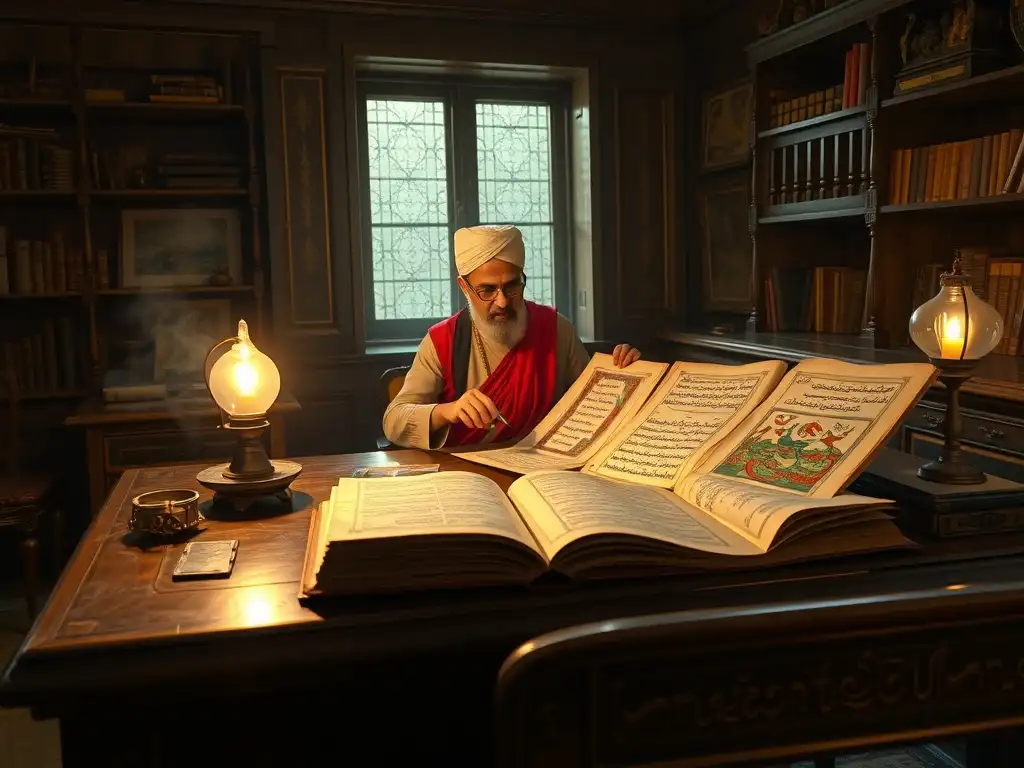
The preservation of Mahabharata manuscripts has significantly benefited from advancements in technology. These developments have not only enhanced the techniques used in conserving ancient texts but have also facilitated better accessibility for scholars and enthusiasts worldwide. The combination of traditional methods with modern technology has ensured that these invaluable manuscripts are maintained for future generations.
Technologies such as digital imaging, 3D scanning, and automated preservation techniques have transformed how scholars approach manuscript conservation. By creating high-resolution digital copies, researchers can study manuscripts without risking damage to the original texts. This dual approach of physical preservation and digital replication has been crucial in safeguarding the integrity of these historical documents.
Advances in Imaging and Restoration Techniques
Recent advances in imaging technologies have revolutionized how Mahabharata manuscripts are analyzed and restored. Techniques such as multispectral imaging allow conservators to view and document faded texts and illustrations that are not visible to the naked eye. This technology utilizes different wavelengths of light to reveal underlying layers of ink and original artwork, which assists in reconstructing damaged manuscripts.
Additionally, restoration techniques have evolved significantly. Conservationists now use specialized materials and methods that are both effective and gentle on fragile manuscripts. For instance, the use of reversible adhesives and environmentally friendly solvents has become standard practice. These innovations ensure that when repairs are made, they do not compromise the manuscript's historical value.
Online Access and Global Outreach of Mahabharata Texts
The digitization of Mahabharata manuscripts has opened the door to global outreach, allowing people from diverse backgrounds to engage with this epic text. Many institutions and libraries have created online platforms where digitized versions of these manuscripts are available for free. This democratization of knowledge enables students, scholars, and the general public to explore ancient Indian literature without geographical constraints.
Moreover, the availability of these texts in multiple languages and formats increases their reach. Online databases often include translations, commentaries, and critical analyses that cater to a broad audience. This accessibility has led to a resurgence of interest in the Mahabharata, influencing both academic study and popular culture.
The Cultural Significance of Preserved Manuscripts
The preservation of Mahabharata manuscripts holds immense cultural significance, as these texts are not merely historical documents but are also vessels of ancient Indian wisdom, philosophy, and values. Their survival has ensured that the lessons and narratives of the Mahabharata continue to resonate within contemporary society.
The cultural reverberations of these manuscripts can be observed in various domains, including literature, religion, and the arts. They serve as a foundation for understanding the moral and ethical dilemmas faced by characters in the epic, which in turn influences the cultural fabric of Indian society.
Impact on Literature and Arts in Ancient India
The Mahabharata has profoundly influenced literature and the arts in ancient India. The themes, characters, and stories found within the epic have inspired countless poets, playwrights, and artists throughout the centuries. The richness of the Mahabharata's narrative has led to the creation of various adaptations, including dance dramas, sculptures, and paintings that depict its key episodes.
In literature, the Mahabharata has been a source of inspiration for numerous works, fostering a rich tradition of storytelling that continues to thrive today. The epic's intricate plotlines and complex characters have encouraged writers to explore similar themes of duty, righteousness, and the human condition, thereby shaping the literary landscape of ancient India.
Influence on Modern Interpretations and Adaptations
The impact of the Mahabharata manuscripts extends beyond ancient times into modern interpretations and adaptations. Contemporary authors and filmmakers draw from the epic's narrative to craft new stories that resonate with today's audiences. This ongoing dialogue between the ancient text and modern creativity showcases the timelessness of its themes.
Moreover, adaptations of the Mahabharata in various mediums, including television series, films, and graphic novels, highlight its relevance in contemporary culture. These modern retellings often re-contextualize the epic's messages, making them accessible to a younger generation while preserving the core values that have defined Indian culture for centuries.
The preservation of Mahabharata manuscripts is not only a matter of maintaining historical artifacts but is also essential for sustaining the cultural and literary legacy of ancient India. Through the interplay of technology and cultural engagement, these manuscripts continue to inspire and educate, ensuring that the wisdom of the Mahabharata endures.
Conclusion
The Mahabharata, one of the longest epics in the world, holds a significant place in not only Indian literature but also in the cultural and philosophical landscape of humanity. Its manuscripts, through centuries of transmission, have witnessed a remarkable journey of preservation that reflects the resilience of cultural heritage. From the early oral traditions to the advent of written texts on palm leaves and paper, the various methods adopted for preserving the Mahabharata manuscripts have ensured that this monumental work continues to inspire and educate generations.
Despite challenges such as natural decay, historical upheavals, and the advent of modern technology, efforts to preserve these manuscripts have been multifaceted, involving scholars, institutions, and technology. The commitment to safeguarding the authenticity and integrity of the Mahabharata is essential for future generations to access and appreciate this epic in its various forms.
Summary of Key Points on Mahabharata Manuscripts Preservation History
- Historical Significance: The Mahabharata manuscripts are not merely literary texts but serve as crucial historical documents that encapsulate the traditions, values, and beliefs of ancient Indian civilization.
- Transmission Methods: The preservation of these manuscripts has evolved from oral traditions to written formats, utilizing materials such as palm leaves, paper, and more recently, digital formats.
- Challenges Faced: Throughout history, the Mahabharata manuscripts have faced numerous challenges such as deterioration due to environmental conditions, wars, and the impact of colonialism which threatened their survival.
- Preservation Efforts: Various initiatives have been undertaken, including conservation projects led by libraries, universities, and cultural organizations aimed at digitizing and cataloging these texts to ensure wider access and protection.
- Cultural Relevance: The Mahabharata continues to be a vital part of Indian culture, influencing literature, art, and even modern media, which underscores the importance of preserving its manuscripts.
Future Directions for Research and Preservation Efforts
As we look towards the future, several areas warrant attention for further research and preservation of the Mahabharata manuscripts:
- Digital Archiving: Investing in advanced digital archiving techniques will allow for the preservation of manuscripts in a format that is less susceptible to physical decay, while also facilitating easier access for scholars and enthusiasts worldwide.
- Interdisciplinary Approaches: Collaboration between historians, linguists, conservationists, and technologists can lead to innovative methods of preservation and enhance our understanding of the manuscripts' historical contexts.
- Public Engagement: Increasing public awareness and engagement through exhibitions, workshops, and educational programs can foster a deeper appreciation and support for preservation efforts.
- Global Collaboration: Forming partnerships with international institutions can help in sharing knowledge and resources, thus enhancing the preservation and study of Mahabharata manuscripts on a global scale.
- Sustainability in Preservation: Emphasizing sustainable practices in the conservation of physical manuscripts will ensure that the resources used do not compromise the integrity of these invaluable texts.
By focusing on these future directions, we can ensure that the Mahabharata manuscripts not only survive but thrive, continuing to enlighten and enrich the world for many generations to come.
- Introduction to the Mahabharata Manuscripts
- Overview of the Mahabharata as an Epic
- Importance of Manuscripts in Preserving Cultural Heritage
- Historical Context of the Mahabharata Manuscripts
- Techniques of Preservation in Ancient Times
- Major Manuscript Collections of the Mahabharata
- Challenges in the Preservation of Mahabharata Manuscripts
- Modern Preservation Efforts
- The Role of Technology in Manuscript Preservation
- The Cultural Significance of Preserved Manuscripts
- Conclusion
- What is the Mahabharata and why is it significant in Indian history?
- How were the Mahabharata manuscripts preserved over the centuries?
- What challenges did the Mahabharata manuscripts face during preservation?
- Why is the transmission history of the Mahabharata important?
- What role did oral traditions play in the preservation of the Mahabharata?
Frequently Asked Questions
What is the Mahabharata and why is it significant in Indian history?
The Mahabharata is an ancient Indian epic that narrates the Kurukshetra War and the fates of the Kaurava and Pandava princes. It is significant for its cultural, spiritual, and philosophical teachings.
How were the Mahabharata manuscripts preserved over the centuries?
The preservation of Mahabharata manuscripts involved copying texts by hand, utilizing various materials like palm leaves and paper, and maintaining them in temples and libraries throughout India.
What challenges did the Mahabharata manuscripts face during preservation?
Mahabharata manuscripts faced challenges such as natural decay, theft, and cultural shifts that led to the loss of some texts. Efforts were made by scholars to reconstruct and protect these manuscripts.
Why is the transmission history of the Mahabharata important?
The transmission history highlights how the epic has been interpreted and adapted over time, reflecting the evolving cultural and social contexts of Indian society throughout history.
What role did oral traditions play in the preservation of the Mahabharata?
Oral traditions played a crucial role in the preservation and transmission of the Mahabharata, allowing it to be shared across generations before being committed to written form, ensuring its continuity and cultural relevance.
Final Reflection: The Enduring Legacy of Mahabharata Manuscripts
The preservation and transmission of the Mahabharata manuscripts are not merely historical events; they are a testament to the resilience of culture and knowledge. In an age where digital information is often fleeting, the centuries-old efforts to safeguard these manuscripts remind us of the importance of maintaining our literary heritage. The Mahabharata, with its intricate narratives and profound philosophies, continues to resonate with audiences today, illustrating how ancient texts can inform contemporary thought and values.
The Mahabharata manuscripts have significantly shaped the cultural and social landscape of India and beyond. Their preservation has allowed generations to engage with themes of duty, morality, and the complexities of human relationships. As we navigate our modern world, the lessons embedded in these texts remain relevant, urging us to reflect on our own lives and decisions. The Mahabharata is not just a story; it is a mirror that reflects our own struggles and triumphs.
This ongoing influence underscores the need for continued efforts in preserving such invaluable works for future generations.
As we conclude our exploration of the Mahabharata manuscripts, I invite you to consider how you can contribute to the preservation of cultural heritage in your own life. Reflect on the stories that have shaped your identity and the knowledge that has been passed down to you.
Whether through sharing oral traditions, supporting local libraries, or engaging with literature, each action can help ensure that the wisdom of the past continues to illuminate the path forward. Embrace the call to honor and protect our shared narratives, for they are the threads that weave together the fabric of our collective human experience.
Thank you for diving into the fascinating world of the Mahabharata manuscripts with us! Your interest not only enriches your understanding but also helps keep this ancient knowledge alive. Now, let's take a moment to reflect on how you can actively contribute to the preservation and appreciation of this incredible epic.
Here are some empowering actions you can take right now:
- Engage with the Text: Read a translated excerpt from the Mahabharata and consider how its themes resonate in your own life.
- Share the Knowledge: Discuss the insights you've gained with friends or share them on social media to raise awareness about this rich heritage.
- Explore Local Resources: Visit a museum or library that features collections on Indian literature or manuscripts, including the Mahabharata, to experience history firsthand.
What part of the Mahabharata resonates with you the most, and how do you believe its teachings can be applied in today's world?