
The Vedas and the Concept of Dharma: A Timeless Guide


Welcome to Ancient India History, where the echoes of the past resonate through the tales of remarkable civilizations. Dive into the fascinating world of the Vedas and Dharma in India, a cornerstone of our rich heritage that has shaped philosophical thought and societal values for centuries. In our featured article, "The Vedas and the Concept of Dharma: A Timeless Guide," we unravel the profound wisdom embedded in these ancient texts and explore how they continue to influence modern life.
Prepare to embark on a journey that transcends time and invites you to uncover the intricate tapestry of culture, belief, and heritage that defines ancient India. Your adventure into the depths of history begins now!

Introduction to the Vedas and Dharma in India
The Vedas, a collection of ancient sacred texts, form the foundation of Hindu philosophy, spirituality, and culture. These texts not only articulate the spiritual and ritualistic practices of the time but also encapsulate the core ethical principles that govern human behavior, known as Dharma. The intertwined nature of the Vedas and Dharma provides a profound understanding of how ancient Indian civilizations perceived the universe and their place within it. This article explores the significance of the Vedas in shaping the concept of Dharma, highlighting their role as a timeless guide that continues to influence contemporary society.
Overview of the Vedas
The Vedas are comprised of four primary texts:
- Rigveda - The oldest of the Vedas, containing hymns dedicated to various deities.
- Samaveda - A collection of melodies and chants used in rituals.
- Yajurveda - Focused on the procedures for rituals and sacrifices.
- Atharvaveda - A compilation of hymns, spells, and incantations addressing daily life and concerns.
These texts are not merely religious scriptures; they represent a synthesis of knowledge, philosophy, and culture, offering insights into the societal norms and values of ancient India.
Importance of Dharma in Ancient Indian Culture
Dharma, often translated as "duty" or "righteousness," is a central tenet in Hindu philosophy. It encompasses a wide range of concepts, including ethics, law, and moral conduct. The Vedas articulate various aspects of Dharma, emphasizing that:
- Adherence to Dharma is essential for social harmony and personal fulfillment.
- It varies according to one's stage of life (Ashrama) and social class (Varna), reflecting the dynamic nature of duty and righteousness.
The teachings of Dharma, rooted in Vedic texts, have profoundly influenced Indian society, guiding individuals in their personal and communal lives, and establishing a framework for justice and ethics.
Historical Context of the Vedas
Origin and Compilation of the Vedas
The origins of the Vedas can be traced back to the early Vedic period (approximately 1500–500 BCE), a time marked by the migration of Indo-Aryans into the Indian subcontinent. These texts were composed over centuries, with oral traditions playing a significant role in their transmission. The compilation of the Vedas reflects a complex interplay of historical and cultural developments, including:
- Ritual practices that evolved from agrarian societies.
- The influence of local traditions and beliefs, leading to a rich tapestry of spiritual thought.
This dynamic process of creation and preservation underscores the Vedas’ significance as both historical documents and spiritual guides.
The Role of Vedic Texts in Indian Civilizations
The Vedas played a crucial role in shaping the sociopolitical landscape of ancient India. They provided:
- Guidance for governance by outlining principles of justice and leadership, which helped in the formation of early states.
- A framework for education and scholarship, influencing the establishment of universities and centers of learning, such as Nalanda and Takshashila.
The enduring legacy of the Vedas is evident in their continued relevance in discussions of ethics, philosophy, and law in modern India, showcasing their timeless nature as a guide to Dharma.
Understanding Dharma in the Vedas
The concept of Dharma is central to the teachings found in the Vedas, the oldest sacred texts of Hinduism. Dharma is often translated as "duty," "righteousness," or "moral order," but its meaning extends far beyond these simple definitions. Within the Vedic context, Dharma encompasses a broad spectrum of responsibilities, ethical guidelines, and societal norms that govern individual behavior and maintain cosmic order. The Vedas articulate a complex understanding of Dharma that integrates personal conduct, social obligations, and spiritual duties.
Definition of Dharma According to the Vedas
In the Vedas, Dharma is defined as the ethical and moral principles that sustain the universe and human society. It is considered an eternal truth, guiding individuals in their actions and decisions. The Rigveda, one of the four Vedas, emphasizes that Dharma is intrinsically linked to cosmic order (Rta), suggesting that living in accordance with Dharma contributes to the harmony of the universe.
Moreover, Dharma is not a one-size-fits-all concept; it varies according to one's age, caste, gender, and situation. The Vedic texts delineate different pathways to understanding and fulfilling one's Dharma, emphasizing the importance of context and intention. This nuanced approach acknowledges that what is considered righteous in one scenario may differ in another, thus advocating for a situationally aware understanding of moral conduct.
Different Types of Dharma Explained
The Vedic literature identifies several types of Dharma, each relevant to different aspects of life:
- Sva-Dharma: Refers to an individual's own duty, based on their personal circumstances and social role. For example, a student's Dharma is to learn, while a warrior's Dharma is to protect.
- Sama-Dharma: This denotes universal duties that apply to all individuals, such as truthfulness, non-violence, and compassion.
- Varnashrama Dharma: This concept relates to the duties associated with one's caste (varna) and stage of life (ashrama). It outlines the responsibilities of individuals as they progress through life, from studenthood to renunciation.
By categorizing Dharma in this way, the Vedas highlight the multifaceted nature of ethical living and the need for individuals to navigate their duties thoughtfully and contextually.
The Interconnection between Vedas and Dharma
The relationship between the Vedas and Dharma is profound and intricate. The Vedas serve as the foundational texts that articulate and elaborate on the concept of Dharma, providing guidance on how to live a righteous life. They not only define what Dharma is but also offer rituals, hymns, and philosophical discussions that illustrate its application in daily life.
How Vedic Teachings Shape the Concept of Dharma
Vedic teachings emphasize the importance of aligning one's actions with Dharma to achieve harmony and balance in life. Through rituals (yajnas) and recitations (mantras), individuals are encouraged to cultivate virtues that embody Dharma, such as self-discipline, respect for others, and devotion to the divine. The Vedas also introduce the idea of consequence (karma), reinforcing that righteous actions lead to positive outcomes while wrongful deeds incur negative repercussions.
Furthermore, the Vedas advocate for the pursuit of knowledge (jnana) as a means of understanding and fulfilling one's Dharma. The quest for wisdom is seen as essential for discerning right from wrong, enabling individuals to make informed choices in alignment with their ethical responsibilities.
Key Vedic Texts Discussing Dharma
Several key Vedic texts explicitly discuss Dharma, each contributing to the broader understanding of this essential concept:
- The Rigveda: Contains hymns that extol the virtues of Dharma and its relationship to cosmic order.
- The Yajurveda: Focuses on the rites and rituals that embody Dharma, providing practical guidance on how to live in accordance with ethical principles.
- The Atharvaveda: Offers insights into the social and personal aspects of Dharma, including health, prosperity, and well-being.
- The Upanishads: Delve deeper into the philosophical underpinnings of Dharma, exploring its connection to the ultimate reality (Brahman) and individual soul (Atman).
These texts collectively form a rich tapestry of knowledge that not only defines Dharma but also illustrates its vital role in the spiritual and ethical landscape of ancient India.
The Influence of Vedas and Dharma on Indian Society
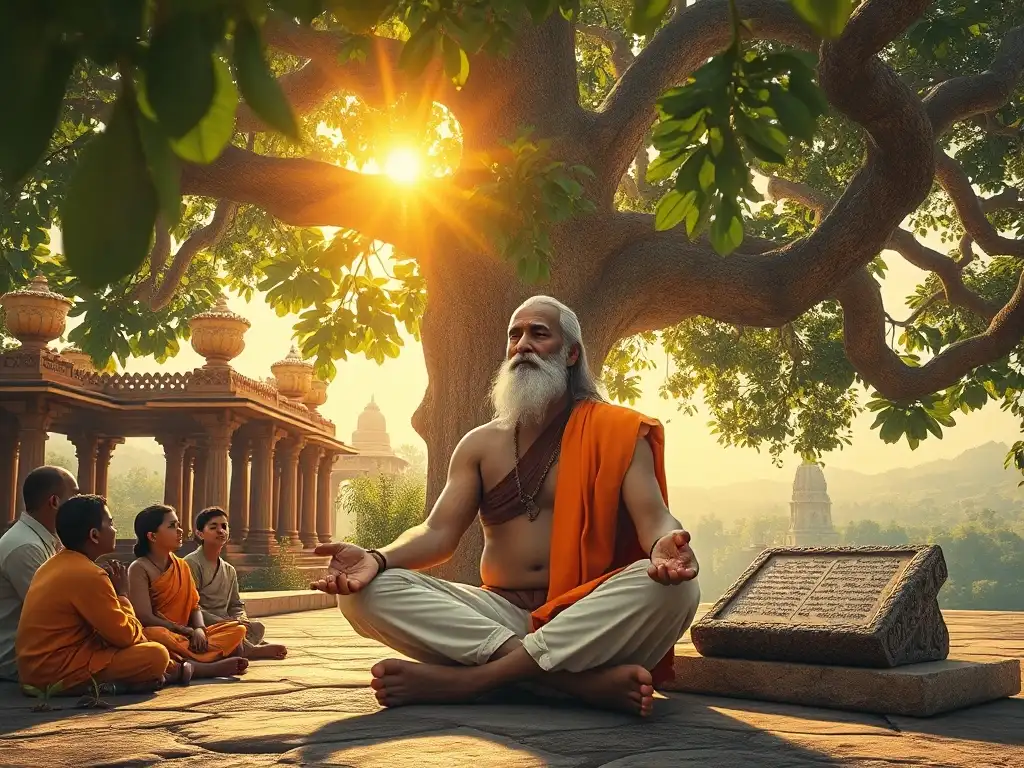
The Vedas, as the foundational texts of Hindu philosophy and spirituality, have significantly influenced the ethical, cultural, and social dimensions of Indian society. Composed between 1500 and 500 BCE, these ancient scriptures encompass a vast array of hymns, rituals, and philosophical discourses that guide individuals and communities in their pursuit of righteousness, truth, and order—principles that are encapsulated in the concept of Dharma. The relationship between the Vedas and Dharma has not only shaped the moral fabric of Indian society but has also laid the groundwork for various social structures and institutions.
Dharma is often described as the moral law combined with spiritual discipline that guides one's life. It serves as a framework within which individuals navigate their roles and responsibilities in society. The teachings found in the Vedas provide insights into the importance of fulfilling one’s duties according to their societal position, thus promoting stability and harmony within communities. This interconnection underscores how the doctrines of the Vedas permeate various aspects of daily life, influencing customs, rituals, and the overarching worldview of Indian society.
Furthermore, the Vedic texts have been instrumental in the establishment of caste systems, as they outline the duties and responsibilities associated with different social classes. While these interpretations have evolved over time, the foundational principles provided by the Vedas continue to resonate in contemporary discussions about social justice, equity, and ethical governance.
Dharma's Role in Social Structure and Ethics
Dharma plays a crucial role in defining the social structure of ancient and modern India. Rooted in Vedic teachings, it dictates the moral and ethical responsibilities of individuals based on their caste, age, and stage of life. The Varna system, which categorizes society into four main classes—Brahmins (priests), Kshatriyas (warriors), Vaishyas (merchants), and Shudras (laborers)—is deeply influenced by the Dharma principles outlined in the Vedas. Each class has specific duties (dharma) that contribute to the overall harmony and functionality of society.
In addition to caste-based responsibilities, Dharma also encompasses broader ethical considerations that transcend individual roles. It promotes values such as truth (Satya), non-violence (Ahimsa), compassion (Karuna), and respect for all living beings. These principles have been integral in shaping interpersonal relationships and community conduct throughout Indian history. The emphasis on Dharma fosters a sense of accountability and encourages individuals to act in ways that benefit not only themselves but also their families and society at large.
Moreover, the dynamic nature of Dharma allows it to adapt and evolve in response to changing social contexts. This flexibility has enabled the concept to remain relevant, offering a moral compass amid the complexities of modern life. Thus, the influence of Dharma on social structure and ethics continues to be pivotal in fostering a cohesive and harmonious society.
Vedic Influence on Indian Law and Governance
The Vedas have profoundly shaped the legal and governance systems in ancient India. The principles of Dharma articulated in these texts provide a foundational ethos for justice and law. The Manusmriti, a seminal text derived from Vedic teachings, outlines various laws regarding civil and criminal matters, emphasizing the importance of fairness and ethical conduct in governance.
The Vedic conception of law is closely linked to the idea of cosmic order (Rita), where adherence to Dharma is seen as essential for maintaining societal balance. This perspective has led to the establishment of legal frameworks that prioritize ethical governance and social responsibility. Rulers and administrators were expected to embody the principles of Dharma, ensuring that their decisions promoted the welfare of the people and sustained harmony within the kingdom.
Additionally, the Vedic influence extends to the role of judges and legal practitioners, who are regarded as custodians of Dharma. Their responsibilities include interpreting the law in alignment with ethical principles and ensuring that justice is served without bias. This integration of Vedic values into the legal system highlights the enduring relevance of the Vedas in shaping the moral and ethical dimensions of governance in India.
Modern Interpretations of Vedas and Dharma
In contemporary society, the Vedas and the concept of Dharma continue to be interpreted and applied in various ways, reflecting the dynamic nature of these ancient texts. Scholars, spiritual leaders, and practitioners often explore the Vedas to derive insights applicable to modern challenges, such as social justice, environmental stewardship, and personal ethics. This modern engagement with the Vedas emphasizes their relevance beyond mere historical significance, reinforcing their role as living texts that guide ethical conduct in today’s world.
Contemporary Relevance of Vedic Principles
The principles outlined in the Vedas resonate with contemporary issues, particularly in the realms of ethics and social responsibility. As societies grapple with challenges such as inequality, environmental degradation, and moral dilemmas, the Vedic emphasis on Dharma as a guiding force offers valuable insights. Concepts such as Ahimsa (non-violence) and Satya (truth) have found renewed relevance in modern movements advocating for peace, sustainability, and integrity.
Moreover, the emphasis on community welfare and collective responsibility in the Vedas aligns with contemporary calls for social justice and equity. As individuals seek to navigate complex moral landscapes, the teachings of the Vedas provide a framework for making ethical decisions that consider the broader impact on society and the environment. This ongoing dialogue between ancient wisdom and modern challenges underscores the timeless nature of Vedic principles.
How Dharma is Practiced in Modern India
In modern India, the practice of Dharma manifests in various forms, encompassing personal, familial, and community dimensions. Individuals often engage with the concept through rituals, festivals, and personal conduct that reflect their understanding of their duties and responsibilities. While traditional interpretations of Dharma continue to hold significance, contemporary practitioners are increasingly seeking ways to adapt these teachings to align with modern values and lifestyles.
For instance, many individuals today emphasize the importance of social justice and environmental responsibility as part of their Dharma, moving beyond rigid caste-based interpretations. This evolution reflects a broader understanding of Dharma as a principle of ethical living that transcends individual roles and responsibilities.
Additionally, the resurgence of interest in yoga and meditation practices rooted in Vedic philosophy showcases how ancient teachings continue to influence modern spiritual practices. These disciplines encourage individuals to cultivate mindfulness, compassion, and a sense of interconnectedness with all living beings, reinforcing the timeless message of the Vedas.
The practice of Dharma in modern India illustrates a harmonious blend of tradition and contemporary values, highlighting the enduring relevance of the Vedas in guiding ethical conduct and fostering a just and equitable society.
Conclusion: The Timeless Nature of Vedas and Dharma
The Vedas, regarded as the foundational texts of Hindu philosophy and spirituality, offer profound insights into the nature of existence, duty, and moral conduct. Central to these texts is the concept of Dharma, which serves as a guide for individuals in navigating the complexities of life. This enduring principle of Dharma emphasizes righteousness, ethical behavior, and the importance of societal roles, ensuring harmony and balance within the community. The teachings encapsulated in the Vedas resonate through time, demonstrating their relevance not only in ancient contexts but also in contemporary society.
Recap of Key Insights
- Historical Significance: The Vedas emerged around 1500 BCE, symbolizing one of the world's oldest religious texts. They have shaped Indian culture, philosophy, and spirituality for millennia.
- Dharma as a Guiding Principle: Dharma is a multifaceted concept encompassing duty, morality, and law. It varies based on an individual's role in society, their stage of life, and the specific circumstances they face.
- Interconnection of Vedas and Dharma: The Vedas articulate the principles of Dharma, advising individuals on how to live a virtuous life, fulfill their responsibilities, and maintain cosmic order (Rta).
- Cultural and Ethical Relevance: The teachings of the Vedas continue to influence modern ethical frameworks, social conduct, and spiritual practices, emphasizing that the essence of Dharma is universal and applicable across ages.
Final Thoughts on Vedic Wisdom and Dharma in Today’s World
The wisdom of the Vedas and the concept of Dharma offer timeless guidance that transcends cultural and temporal boundaries. In today's fast-paced world, where ethical dilemmas and moral uncertainties frequently arise, revisiting these ancient teachings can provide clarity and direction. The principles of Dharma encourage individuals to act justly, prioritize communal well-being, and remain true to their responsibilities—an essential framework for fostering a harmonious society.
Moreover, as global cultures increasingly confront challenges such as environmental degradation, social injustice, and a loss of community values, the Vedic perspective serves as a reminder of the interconnectedness of all life. By embracing the teachings of the Vedas, individuals can cultivate a deeper sense of purpose, align their actions with ethical principles, and contribute to a more compassionate and sustainable world. The Vedas and Dharma remain not just historical artifacts but living traditions that inspire and guide humanity toward a brighter future.
- Introduction to the Vedas and Dharma in India
- Historical Context of the Vedas
- Understanding Dharma in the Vedas
- The Interconnection between Vedas and Dharma
- The Influence of Vedas and Dharma on Indian Society
- Modern Interpretations of Vedas and Dharma
- Conclusion: The Timeless Nature of Vedas and Dharma
Frequently Asked Questions
What are the Vedas in ancient Indian history?
The Vedas are the oldest sacred texts of Hinduism, composed in Sanskrit. They comprise four collections: Rigveda, Samaveda, Yajurveda, and Atharvaveda, which form the basis of spiritual and ritualistic practices in ancient India.
How do the Vedas relate to the concept of Dharma?
The Vedas outline various aspects of Dharma, which refers to moral duty or righteousness. They provide guidelines for ethical living, social order, and responsibilities of individuals within society.
What role did Dharma play in ancient Indian civilizations?
Dharma served as a foundation for societal norms, governance, and personal conduct in ancient India. It helped maintain social harmony and guided individuals in fulfilling their roles in family and community.
How are the Vedas and Dharma still relevant today?
The teachings of the Vedas and the principles of Dharma continue to influence modern Indian society. They inform contemporary discussions on ethics, justice, and spirituality, emphasizing the importance of righteous living.
Can the concepts of Dharma evolve over time?
Yes, the interpretation of Dharma can evolve to meet the changing needs of society. While the core principles remain, their applications can adapt to new social, cultural, and ethical contexts.
Final Reflection: Embracing Dharma Through the Wisdom of the Vedas
In today's rapidly changing world, the teachings of the Vedas and the concept of Dharma remain profoundly relevant, guiding individuals toward ethical living and harmonious existence. As we navigate the complexities of modern life, the timeless wisdom encapsulated in these ancient texts serves as a beacon, illuminating our paths and reminding us of our responsibilities to ourselves and society. The enduring nature of these principles underscores their significance, urging us to integrate them into our daily lives.
The influence of the Vedas on contemporary culture and social dynamics is undeniable. The concept of Dharma transcends mere duty; it embodies the essence of living with integrity and purpose. As we witness the challenges of moral ambiguity and societal discord, the teachings of the Vedas offer a framework for ethical decision-making and personal growth. Dharma is not just a set of rules; it is the very essence of our being, guiding us toward our highest potential.
This perspective invites us to reflect on how these ancient teachings can shape our actions and interactions in today's world.
As we conclude our exploration of the Vedas and Dharma, I invite you to reflect on how these principles can be woven into the fabric of your own life. Consider the ways in which you can embody Dharma in your daily actions, fostering a sense of balance and responsibility in your relationships and community. Let the wisdom of the Vedas inspire you to live with intention, making choices that resonate with your values and contribute positively to the world around you. Embrace this timeless guide, and allow it to transform your journey toward a more meaningful existence.
Embrace Your Purpose: Live Your Dharma Today!
Thank you for taking the time to explore the profound teachings of the Vedas and the concept of Dharma with us! Your journey towards understanding this timeless guide is invaluable. Now, let’s turn that newfound knowledge into action.
Here are a few practical steps you can take to actively live your Dharma:
- Reflect on your responsibilities: Spend a few moments writing down the roles you embody in your life—whether as a friend, sibling, or professional. Consider how you can fulfill these roles with greater intention and authenticity.
- Join a discussion group: Connect with others who share an interest in Dharma by participating in a local or online community. Share insights, challenge norms, and learn together.
- Practice gratitude daily: Start or end your day by acknowledging three things you are grateful for. This simple act can help align your heart with your Dharma and enhance your overall perspective on life.
As you reflect on these actions, we invite you to ponder: How can aligning your daily choices with your unique Dharma transform your life and the lives of those around you?