
The Mahabharata: Understanding the Cosmic Battle Between Good and Evil

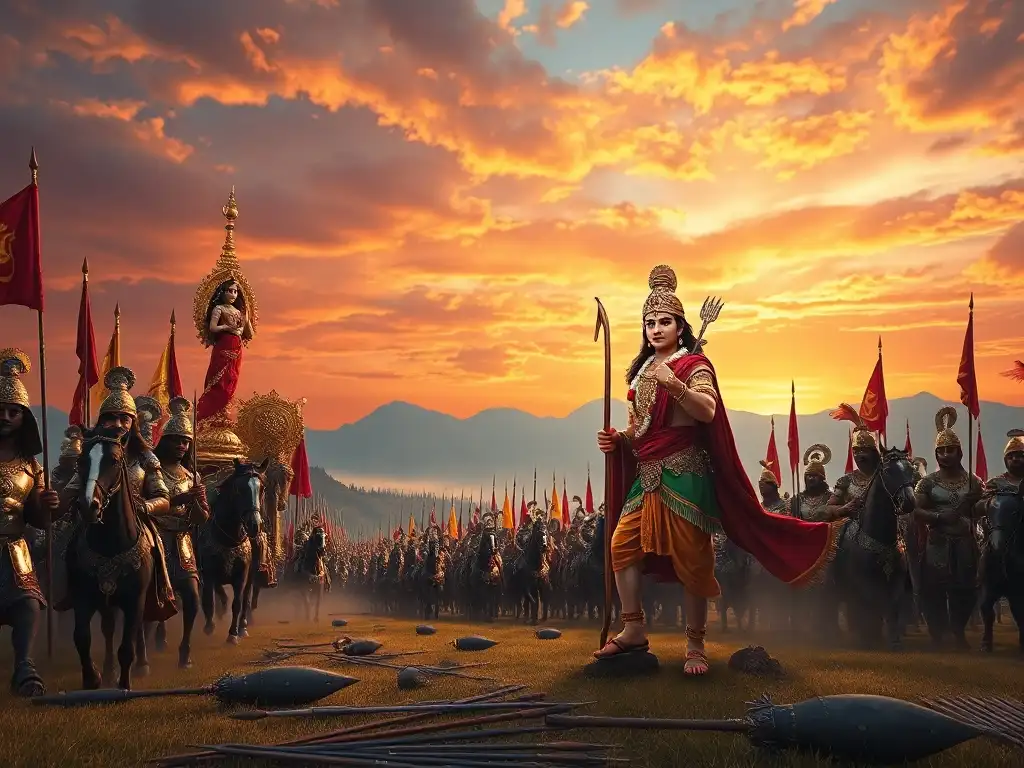
Welcome to Ancient India History, where we embark on a fascinating journey through the rich tapestry of ancient Indian civilizations. From the groundbreaking innovations of the Indus Valley to the illustrious achievements of the Gupta Empire, our exploration unveils the profound cultural legacy that shapes our world today. In this article, we delve into the significance of the Mahabharata's cosmic battle between good and evil, a timeless epic that transcends mere storytelling to illuminate the eternal struggle within us all.
Prepare to discover how this ancient narrative continues to resonate, inviting you to reflect on the moral complexities of life. Join us as we unravel the layers of this monumental tale and its relevance in our lives today!
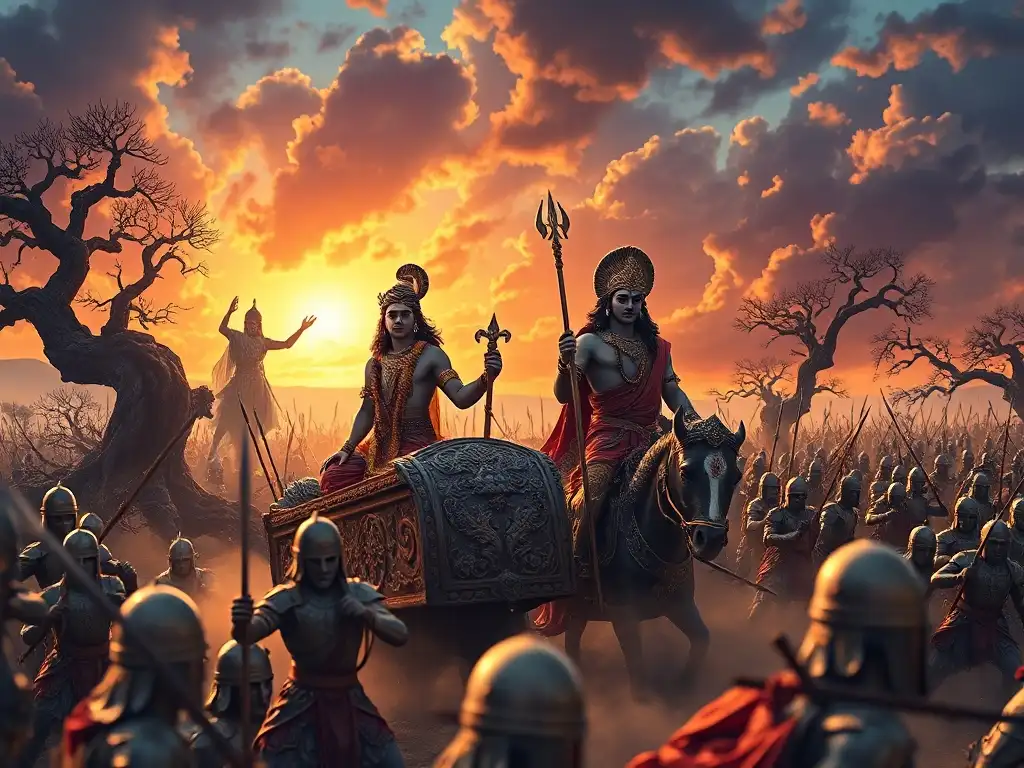
The Mahabharata stands as one of the most significant and revered texts in ancient Indian literature, intertwining profound philosophical concepts with a rich tapestry of narrative. This epic poem, attributed to the sage Vyasa, not only narrates the legendary tale of the Kurukshetra War between the Pandavas and Kauravas but also delves deeply into the intricate dynamics of dharma (righteousness) and adharma (unrighteousness).
Central to its narrative is the cosmic battle between good and evil, which serves as a metaphor for the eternal struggle within the human soul and society. Understanding this cosmic battle not only reveals the foundational beliefs of ancient Indian civilization but also illuminates the moral and ethical dilemmas that continue to resonate in contemporary discussions around justice, virtue, and morality.
Introduction to the Mahabharata
Overview of the Epic Narrative
The Mahabharata is divided into 18 books, comprising over 100,000 shlokas, making it one of the longest epics in the world. At its heart lies the conflict between two factions of a royal family—the Pandavas and the Kauravas—each vying for the throne of Hastinapura. This struggle is catalyzed by a series of events fueled by jealousy, ambition, and a quest for power. The narrative is rich with subplots, including the famous Bhagavad Gita, where Lord Krishna imparts timeless wisdom to the warrior Arjuna, encapsulating the epic's philosophical essence.
Importance of the Mahabharata in Ancient Indian Literature
The Mahabharata's significance extends beyond its narrative grandeur; it is a critical source of cultural, ethical, and philosophical teachings that have profoundly influenced Indian society. It addresses complex themes such as morality, duty, and the nature of reality itself. The epic not only serves as a historical document reflecting the values and beliefs of ancient India but also acts as a moral guide, illustrating the consequences of human actions and the importance of making righteous choices.
The Cosmic Battle: Good vs. Evil
Definition of the Cosmic Battle in the Context of the Mahabharata
The cosmic battle in the Mahabharata represents the eternal conflict between good (dharma) and evil (adharma). This struggle is not merely a physical confrontation on the battlefield but also a profound moral dilemma faced by each character. The choices made by Arjuna, Krishna, Bhishma, and others reflect the complexities of human nature and the challenges in upholding righteousness in the face of adversity.
Key Themes of Good and Evil in the Mahabharata
The themes of good and evil are intricately woven throughout the Mahabharata, presenting a nuanced perspective rather than a simplistic binary. Key characters embody these themes:
- The Pandavas, representing righteousness, often face tremendous trials that test their commitment to dharma.
- The Kauravas, driven by envy and ambition, exemplify the destructive nature of adharma.
- Krishna, as the divine guide, symbolizes the ultimate truth, illuminating the path of righteousness amidst moral confusion.
Through these characters and their choices, the Mahabharata explores the complexities of morality, the consequences of one's actions, and the perpetual quest for justice in a flawed world. This rich thematic tapestry not only enhances the epic's narrative depth but also offers timeless insights into the cosmic battle that continues to resonate across ages.
Characters and Their Roles in the Cosmic Battle
In the Mahabharata, the cosmic battle between good and evil is vividly illustrated through its complex characters. Each character embodies specific virtues or vices, contributing to the overarching themes of dharma (righteousness) and adharma (unrighteousness). The narrative intricately weaves these characters into a grand tapestry of conflict, illustrating how their choices impact the fate of the world. Understanding these roles is essential to grasping the significance of the Mahabharata's cosmic battle.
Major Characters Representing Good
The forces of good in the Mahabharata are primarily represented by the Pandavas, a group of five brothers who embody virtue, righteousness, and moral integrity. Notable characters include:
- Yudhishthira: The eldest Pandava, he epitomizes truth and justice. His commitment to dharma often places him in challenging situations, yet he remains steadfast in his principles.
- Bhima: Known for his immense strength and loyalty, Bhima represents the valor needed to uphold righteousness. His fierce demeanor contrasts with his deep sense of justice.
- Arjuna: A master archer and warrior, Arjuna is central to the battle's narrative. His moral dilemmas, particularly in the face of killing relatives and mentors, highlight the complexities of duty and righteousness.
- Nakula and Sahadeva: The youngest of the Pandavas, they embody the virtues of beauty and wisdom, respectively. Together, they represent the importance of unity and support in the quest for justice.
These characters serve not only as warriors but also as moral exemplars, guiding the audience through the ethical quandaries presented in the epic.
Major Characters Representing Evil
Contrasting the Pandavas are the Kauravas, led by Duryodhana, who represent the forces of evil and adharma. Their actions and motivations illustrate the darker aspects of human nature:
- Duryodhana: The eldest Kaurava, Duryodhana epitomizes ambition and jealousy. His desire to claim the throne at any cost leads to the devastating war and the destruction of his own kin.
- Shakuni: Duryodhana's uncle, Shakuni is a cunning strategist whose manipulations fuel the conflict. His representation of deceit and treachery emphasizes the moral decay of the Kaurava lineage.
- Karna: Although he is a tragic hero with noble qualities, Karna's alignment with the Kauravas complicates his character. His loyalty to Duryodhana and quest for recognition drive him to fight against the Pandavas, despite his inherent goodness.
Through these characters, the Mahabharata explores the nuances of good and evil, revealing that even virtuous beings can face moral dilemmas, while those with evil intentions may possess redeeming qualities.
Symbolism in the Mahabharata's Cosmic Battle
The Mahabharata's cosmic battle is rich with symbolism, reflecting the philosophical and spiritual dimensions of the conflict. These symbols convey deeper meanings, revealing the intricate relationship between the human experience and the divine order.
The Kurukshetra War: A Battlefield of Moral Conflict
The Kurukshetra battlefield itself is a powerful symbol of moral conflict. It represents the physical manifestation of the struggle between good and evil, where warriors on both sides must confront their own ethical dilemmas. The war serves as a microcosm of the larger human experience, illustrating how every individual faces choices that affect their dharma.
The diverse array of characters on the battlefield reflects the complexity of morality, where even the most righteous heroes must grapple with the consequences of their actions. The Kurukshetra War becomes a crucible for testing values and principles, ultimately leading to profound revelations about justice, sacrifice, and the human condition.
Chariots and Weapons: Symbols of Divine Intervention and Human Struggle
Chariots and weapons in the Mahabharata carry significant symbolic weight. They represent not only the physical tools of battle but also the spiritual and moral struggles faced by the characters.
- Chariots: The chariot serves as a symbol of the soul, navigating the battlefield of life. Arjuna's chariot, driven by Lord Krishna, embodies divine guidance and the support of higher powers in the pursuit of righteousness. This relationship emphasizes the need for spiritual wisdom in making ethical decisions.
- Weapons: The various weapons used in the battle symbolize the different paths to achieving justice and righteousness. Each weapon represents the unique strengths and weaknesses of the characters wielding them, showcasing the diverse approaches to confronting evil.
Through these symbols, the Mahabharata emphasizes the interplay between divine intervention and human agency, illustrating that while the battle is fought on a physical plane, the true conflict lies within the hearts and minds of the characters.
Lessons from the Mahabharata's Cosmic Battle
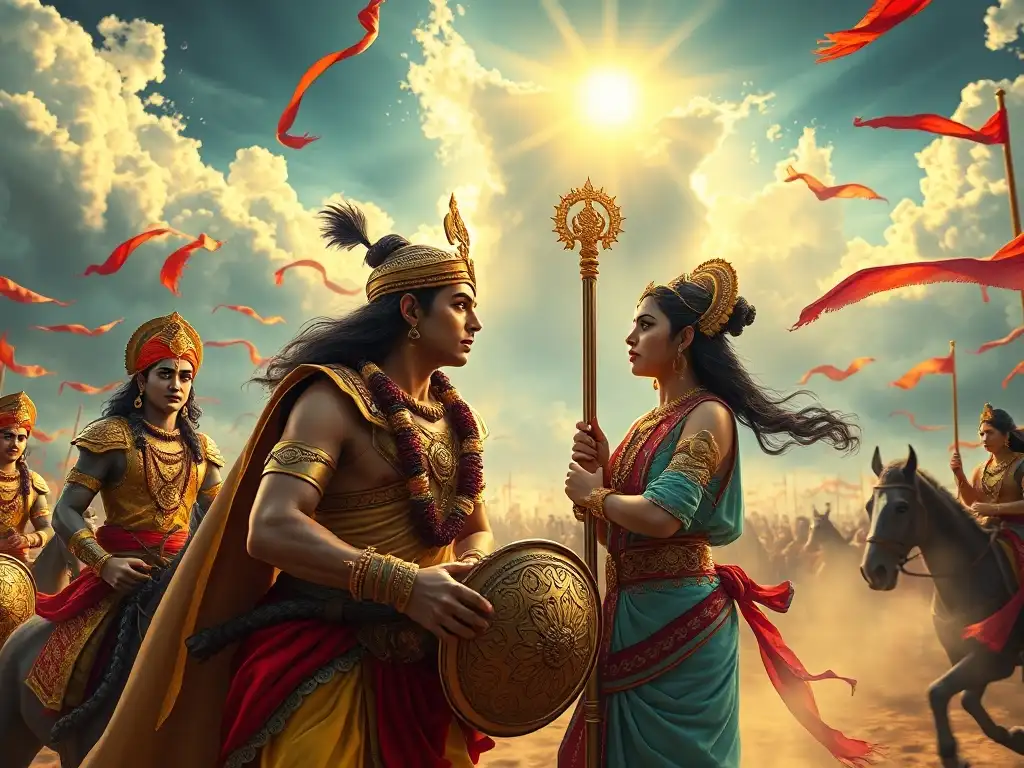
The Mahabharata, one of the greatest epics of ancient Indian literature, presents profound lessons through its cosmic battle between the Pandavas and Kauravas. Central to these lessons is the concept of dharma, or righteousness, which serves as a guiding principle for the characters. The narrative illustrates that adhering to one's dharma, even in the face of immense challenges, is essential for the greater good.
Another significant lesson is the importance of self-awareness and understanding one's motives. Characters like Arjuna grapple with their roles and responsibilities, leading to moments of doubt and introspection. This highlights the necessity of self-reflection in decision-making processes, especially when ethical dilemmas arise.
Additionally, the epic underscores the consequences of choices. Each character’s decisions, be they noble or flawed, lead to significant outcomes that ripple through the narrative. This emphasizes that actions, especially those driven by personal ambition or revenge, can lead to unintended destruction, serving as a cautionary tale about the importance of mindful decision-making.
Moral Dilemmas Faced by Characters
Throughout the Mahabharata, characters encounter complex moral dilemmas that challenge their beliefs and values. For instance, Arjuna's initial hesitation to fight against his kin in the battle exemplifies the conflict between duty and personal emotions. His eventual decision to engage in battle, guided by Krishna's teachings, symbolizes the struggle to balance personal feelings with one’s responsibilities.
Another poignant example is Yudhishthira's infamous dice game, which leads to the loss of his kingdom and family. This episode raises questions about honor, loyalty, and the consequences of gambling with one's fate. Yudhishthira's adherence to dharma, even when it leads to devastating outcomes, further complicates the moral landscape of the epic.
Even the antagonists, like Duryodhana, face their own moral conundrums. His desire for power blinds him to the implications of his actions, illustrating how jealousy and ambition can cloud moral judgment. The Mahabharata thus serves as a rich tapestry of moral complexities where no character is entirely hero or villain, reflecting the nuanced nature of human ethics.
Relevance of the Cosmic Battle in Modern Times
The cosmic battle depicted in the Mahabharata carries significant relevance in contemporary society. The themes of good versus evil resonate deeply in today’s world, where individuals often find themselves navigating moral ambiguities. The struggle of the Pandavas against the Kauravas can be likened to modern conflicts, be they personal, social, or political, where the battle for justice, integrity, and ethical conduct continues to unfold.
Moreover, the teachings of Krishna, particularly in the Bhagavad Gita, offer valuable insights into selflessness, duty, and the importance of righteousness. These principles can guide individuals in making ethical choices amid the complexities of modern life, reinforcing the need for inner strength and clarity in the face of adversity.
The Mahabharata also invites reflection on the dynamics of power and its impact on society. As we witness various forms of conflict arising from power struggles today, the epic serves as a reminder of the potential consequences of unchecked ambition and the necessity of collective responsibility toward a just society.
Conclusion: The Significance of the Mahabharata's Cosmic Battle
The cosmic battle of the Mahabharata transcends mere storytelling; it encapsulates the fundamental struggles of human existence. By exploring themes of dharma, morality, and the human condition, the epic provides a framework for understanding the complexities of life. The battle symbolizes not only the external conflicts among individuals but also the internal struggles within each person.
Reflection on Good and Evil in Contemporary Society
In contemporary society, the reflection on good and evil remains pertinent. The Mahabharata encourages readers to question their own values and the moral implications of their actions. As societal challenges evolve, the epic serves as a timeless reminder of the importance of striving for righteousness and the pursuit of a harmonious existence.
The juxtaposition of characters’ virtues and vices in the Mahabharata prompts critical discussions about justice, ethics, and human behavior. It urges individuals to consider the broader impact of their choices, fostering a deeper understanding of the consequences that arise from the eternal struggle between good and evil.
The Lasting Legacy of the Mahabharata in Indian Culture
The Mahabharata's influence on Indian culture is profound and far-reaching. Its narratives, characters, and moral lessons permeate various aspects of literature, art, theater, and philosophy in India. The epic has inspired countless adaptations, from classical dance to modern cinematic interpretations, ensuring its continued relevance in the cultural landscape.
Moreover, the Mahabharata plays a pivotal role in shaping the spiritual and ethical values of Indian society. Its teachings on duty, righteousness, and the complexities of life resonate with individuals across generations, instilling a sense of moral responsibility and self-awareness.
The Mahabharata's cosmic battle not only enriches epic literature but also serves as a crucial lens through which to examine the enduring themes of good and evil, making it a significant cultural and philosophical cornerstone in Indian history.
Additional Resources for Further Exploration
To deepen your understanding of the Mahabharata and its significance in illustrating the cosmic battle between good and evil, numerous resources are available for further exploration. These materials range from scholarly articles and books to documentaries and online courses, providing a multifaceted view of this epic narrative. Engaging with these resources can enhance your appreciation for the intricate themes, characters, and philosophical underpinnings of the Mahabharata.
Recommended Readings on the Mahabharata
-
"The Mahabharata" by Ramesh Menon
This retelling of the Mahabharata presents the epic in an accessible format while maintaining the depth and complexity of the original text. Menon's narrative captures the essence of the cosmic battle, making it suitable for both new readers and seasoned scholars.
-
"Mahabharata: An Inquiry in the Human Condition" by Khushwant Singh
This work offers a contemporary perspective on the Mahabharata, examining its themes through the lens of modern human experiences. Singh's insights into the dualities of good and evil resonate with contemporary readers, making this a valuable resource.
-
"The Mahabharata: A Shortened Modern Prose Version of the Indian Epic" by Arshia Sattar
Sattar condenses the vast narrative into a manageable form without losing the essence of the story. This version is particularly useful for those looking to grasp the core elements of the Mahabharata quickly.
-
"The Mahabharata: A New Translation" by John D. Smith
Smith's translation is notable for its fidelity to the original Sanskrit text, providing readers with an authentic experience. It is accompanied by insightful commentary that elucidates the epic's significance.
-
"The Essence of the Mahabharata" by Swami Tejomayananda
This book delves into the philosophical and spiritual teachings embedded within the Mahabharata. Swami Tejomayananda's reflections on the cosmic battle offer a profound understanding of its moral complexities.
Related Topics in Ancient Indian History
- The Vedas and Upanishads: Understanding the foundational texts of Hindu philosophy can provide context for the spiritual and ethical dilemmas depicted in the Mahabharata. These texts explore themes of dharma (duty/righteousness) and the nature of reality, which are central to the epic.
- Ramayana: Another epic of ancient India, the Ramayana shares thematic parallels with the Mahabharata, particularly in its exploration of good versus evil. Studying both epics offers a comprehensive view of ancient Indian literature and moral teachings.
- Ancient Indian Philosophy: The philosophical schools that emerged in ancient India, such as Vedanta and Samkhya, draw from the narratives of the Mahabharata. Exploring these philosophies can enhance understanding of the cosmic battle and its implications for human existence.
- Indian Mythology: The mythological framework surrounding the Mahabharata, including various deities and supernatural elements, enriches the narrative's depth. Understanding these mythological aspects can provide further insight into the characters and their motivations.
- Historical Context of the Mahabharata: Investigating the historical period during which the Mahabharata was composed can shed light on its socio-political environment and the values of ancient Indian society. This context is crucial for grasping the epic's significance and its enduring legacy.
These readings and topics will not only enhance your understanding of the Mahabharata but also place it within the broader tapestry of ancient Indian history and culture, illuminating its lasting impact on the understanding of morality and ethics in human society.
- Introduction to the Mahabharata
- The Cosmic Battle: Good vs. Evil
- Characters and Their Roles in the Cosmic Battle
- Symbolism in the Mahabharata's Cosmic Battle
- Lessons from the Mahabharata's Cosmic Battle
- Conclusion: The Significance of the Mahabharata's Cosmic Battle
- Additional Resources for Further Exploration
Frequently Asked Questions
What is the Mahabharata about?
The Mahabharata is an ancient Indian epic that narrates the cosmic battle between the Pandavas and Kauravas, symbolizing the eternal conflict between good and evil.
Why is the cosmic battle in the Mahabharata significant?
The cosmic battle represents the broader themes of dharma (righteousness) and karma (action), emphasizing the moral dilemmas faced by individuals in the pursuit of justice.
How does the Mahabharata reflect ancient Indian culture?
The Mahabharata showcases the values, traditions, and philosophies of ancient Indian society, providing insights into the social structure, ethics, and spiritual beliefs of the time.
What lessons can be learned from the Mahabharata?
The epic teaches important lessons about morality, the nature of conflict, and the significance of selflessness and sacrifice in the battle between good and evil.
Are there any modern interpretations of the Mahabharata?
Yes, many contemporary adaptations, including films, novels, and plays, explore the themes of the Mahabharata, making its lessons relevant to modern audiences while retaining its cultural significance.
Final Reflection: Embracing the Mahabharata's Cosmic Battle Significance
In today's world, the cosmic battle between good and evil depicted in the Mahabharata resonates more than ever. As we navigate a landscape rife with moral dilemmas and ethical challenges, the lessons from this ancient epic serve as a guiding light. The Mahabharata reminds us that the struggle between righteousness and wrongdoing is not merely a tale of the past, but a reflection of our ongoing journey in the present. The choices we make today echo the decisions faced by its characters, urging us to consider the weight of our actions in the grand tapestry of life.
The influence of the Mahabharata extends far beyond its narrative, shaping cultural and social dialogues across generations. The epic's exploration of duty, justice, and the complexities of human nature continues to inspire countless individuals. As we grapple with our own battles, the wisdom embedded in the Mahabharata encourages us to reflect on our values and the impact of our choices. In the midst of chaos, there is also opportunity.
This quote encapsulates the essence of the Mahabharata, reminding us that even in turmoil, we can find pathways to righteousness and growth.
As we conclude our exploration of the Mahabharata's cosmic battle significance, I invite you to take a moment for personal reflection. Consider how the themes of this epic resonate in your own life. What battles do you face, and how can you draw strength from the lessons of the Mahabharata?
Let this ancient wisdom inspire you to act with integrity and courage, as you navigate your own journey through the complexities of good and evil. Embrace the opportunity to be a force for good in your world, and remember that every choice contributes to the cosmic narrative we are all a part of.
Unveil the Lessons of the Mahabharata!
Thank you for diving deep into the fascinating world of the Mahabharata! You've explored the timeless struggle between good and evil, gaining powerful insights that resonate even today. Now, it's time to take those lessons beyond the pages and into your life.
Here are some actionable steps you can take:
- Reflect on your own journeys: Identify a personal challenge where you can apply the principles of righteousness and overcome the forces of adversity.
- Join a discussion group: Engage with like-minded individuals to share perspectives and interpretations about the Mahabharata’s relevance in contemporary life.
- Create your own art: Express the themes of this epic through writing, drawing, or storytelling to deepen your understanding and inspire others.
What aspects of the Mahabharata resonate with your life’s journey, and how will you incorporate these lessons into your daily decisions?