
Lessons in Leadership from the Characters of the Ramayana


Welcome to Ancient India History, where we embark on a fascinating journey through the rich tapestry of India's past. Dive deep into the epic literature that has shaped civilizations, and uncover the profound leadership lessons from the Ramayana that resonate even today. As you explore the intricate narratives of legendary characters, you'll discover timeless wisdom that transcends ages and cultures. What can the ancient heroes teach us about leadership in our modern world? Read on to unlock these insightful lessons and let the stories of valor and virtue inspire your own journey!
- Introduction to Leadership Lessons from Ramayana
- Key Characters in the Ramayana and Their Leadership Qualities
- Leadership Lessons from Ramayana
- How the Ramayana's Leadership Lessons Apply Today
- Conclusion: Embracing Leadership Lessons from Ramayana
-
Frequently Asked Questions
- What are the key leadership lessons from the Ramayana?
- How do the characters in the Ramayana exemplify effective leadership?
- What role does dharma play in leadership as depicted in the Ramayana?
- Can the leadership principles from the Ramayana be applied in modern contexts?
- What are some modern examples of leaders who embody the teachings of the Ramayana?
- Final Reflection: Embracing Leadership Lessons from the Ramayana
- Embrace the Leadership Lessons of the Ramayana!
Introduction to Leadership Lessons from Ramayana
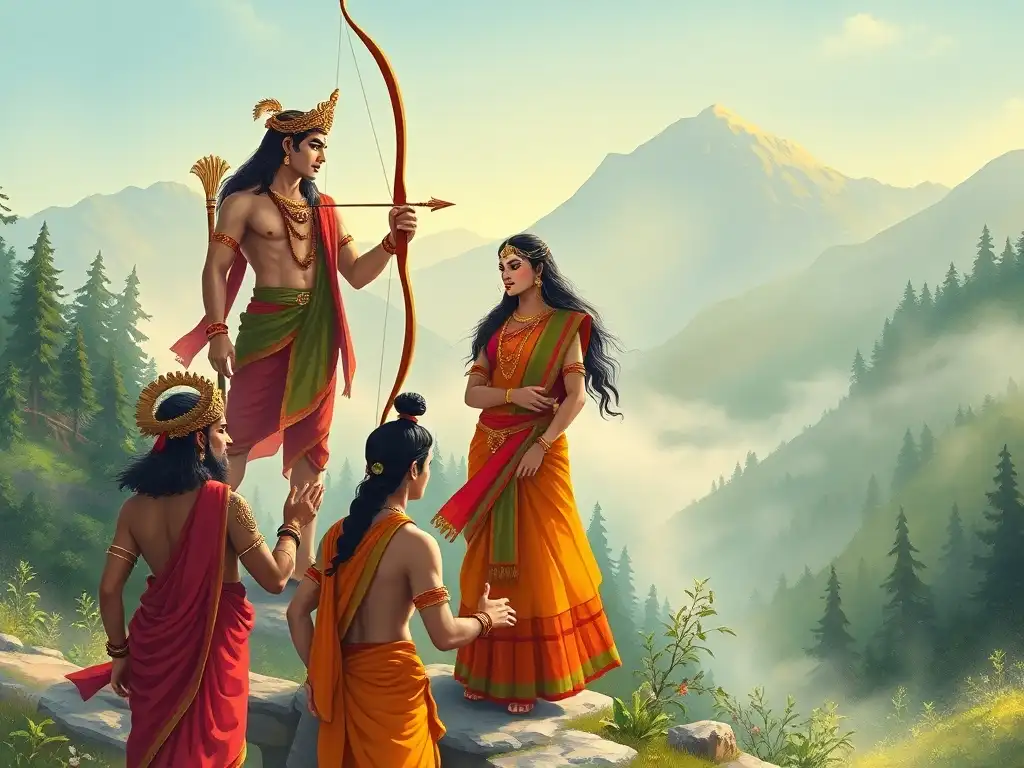
The "Ramayana," one of the two great epics of ancient Indian literature, offers profound insights into the virtues and principles of leadership through its rich narrative and complex characters. This epic, attributed to the sage Valmiki, not only recounts the story of Lord Rama's journey to rescue his wife Sita from the demon king Ravana but also serves as a timeless guide to ethical conduct, duty, and the responsibilities of leadership.
As modern leaders seek inspiration from historical texts, the "Ramayana" stands out as a treasure trove of wisdom, illustrating the qualities that define effective leadership and the challenges leaders face. In this article, we will explore the invaluable leadership lessons that can be gleaned from the characters and their actions within this monumental epic.
Overview of the Ramayana and Its Significance
The "Ramayana" is more than a mere story of adventure and heroism; it encapsulates the ideals of dharma (righteousness) and the complexities of human relationships. Composed in Sanskrit, it consists of 24,000 verses divided into seven Kandas (books), each detailing different phases of Lord Rama's life and his quest to uphold justice. The epic features a diverse cast of characters, each embodying various aspects of leadership and moral dilemmas.
Some of the key characters include:
- Rama: The ideal king and embodiment of dharma.
- Sita: The epitome of virtue and strength.
- Lakshmana: The loyal brother who exemplifies dedication.
- Hanuman: The devoted ally who showcases selfless service.
The "Ramayana" has influenced not only Indian culture but also the spiritual and ethical frameworks of various societies. Its teachings continue to resonate, making it a vital text for understanding leadership principles across time and cultures.
Importance of Leadership in Ancient Indian Epics
Leadership in ancient Indian epics, such as the "Ramayana," is portrayed as a multifaceted role requiring a delicate balance of strength, wisdom, compassion, and moral integrity. The characters within these narratives often face ethical dilemmas that test their resolve and commitment to dharma. Here are some critical aspects of leadership highlighted in the "Ramayana":
- Moral Integrity: Effective leaders must adhere to ethical principles, even when faced with adversity. Rama’s unwavering commitment to truth and justice serves as a powerful example.
- Vision and Purpose: Leaders must have a clear vision and purpose, guiding their actions and decisions. Rama's quest to rescue Sita exemplifies a leader’s focus on a greater goal.
- Empathy and Compassion: Understanding and addressing the needs of others is crucial for successful leadership. Sita's resilience and Hanuman's devotion illustrate the importance of empathy in fostering loyalty and support.
- Strategic Thinking: Leaders must be adept at navigating complex challenges with strategic foresight. The alliances formed by Rama and the tactical wisdom displayed in battle demonstrate the significance of strategic thinking.
As we delve deeper into the lessons of leadership embodied by the characters of the "Ramayana," we will uncover how these timeless teachings can be applied to contemporary leadership challenges. The insights gained from this epic not only enrich our understanding of leadership but also inspire us to cultivate these virtues in our own lives.
Key Characters in the Ramayana and Their Leadership Qualities

Lord Rama: The Ideal Leader
Lord Rama, the protagonist of the Ramayana, epitomizes the ideal leader through his unwavering commitment to dharma (righteousness) and justice. As a prince and later as a king, his leadership qualities serve as timeless lessons, inspiring leaders across generations.
Qualities of Dharma and Justice
Rama’s dedication to dharma is evident throughout the epic. He is often referred to as "Maryada Purushottama," which translates to the "perfect man" or "ideal human" who upholds moral values. His decision to relinquish the throne for the sake of his father's word showcases his commitment to duty over personal gain. This illustrates a key leadership lesson:
- Integrity: A leader must prioritize ethical principles over personal desires.
- Fairness: Rama’s judgment is always guided by a sense of justice, reminding us that true leadership involves making decisions that are fair and just for all.
Rama's ability to remain steadfast in his moral compass, even in the face of overwhelming adversity, serves as a crucial reminder for leaders to stay true to their values.
The Importance of Sacrifice and Duty
Another hallmark of Lord Rama's leadership is his profound sense of sacrifice. He willingly accepts a 14-year exile in the forest to honor his father's promise. This act of selflessness reveals several important lessons:
- Self-Sacrifice: Effective leaders often put the needs of others before their own, demonstrating commitment to their cause or community.
- Duty to Others: Rama’s readiness to fulfill his responsibilities, even at great personal cost, highlights the importance of duty in leadership.
His journey through hardship not only strengthens his character but also solidifies his role as a revered leader who prioritizes the greater good.
Sita: Strength and Resilience in Leadership
Sita, the wife of Lord Rama, is a pivotal figure in the Ramayana who embodies strength and resilience. Her character offers vital insights into the qualities that define effective leadership, particularly in challenging circumstances.
Upholding Values in Adversity
Sita's journey is marked by trials that test her values and strength. Despite being abducted by Ravana, her unwavering commitment to Rama and her principles of virtue shine through:
- Courage: Sita demonstrates immense bravery, facing her fears while remaining steadfast in her beliefs.
- Integrity: She upholds her values, refusing to compromise her dignity, even under duress, which is a crucial lesson for leaders facing adversity.
Sita’s resilience serves as a powerful reminder that true leadership is not only about authority but also about maintaining one's principles in the face of challenges.
The Role of Compassion and Loyalty
Sita’s compassion and loyalty play a significant role in the narrative of the Ramayana. Her unwavering support for Rama, despite the hardships she faces, illustrates the importance of these traits in effective leadership:
- Empathy: Leaders must understand and empathize with the struggles of their followers, fostering a sense of unity and support.
- Loyalty: Sita’s loyalty to Rama reinforces the idea that strong relationships are foundational to successful leadership.
Her character teaches that compassion and loyalty are essential qualities for leaders who wish to inspire and motivate those around them, creating a supportive and engaged community.
Hanuman: The Devoted Leader
Hanuman, the revered monkey god and a central character in the Ramayana, represents the epitome of loyalty and selfless service. His unwavering devotion to Lord Rama not only showcases his leadership qualities but also imparts invaluable lessons in leadership that resonate through time. Hanuman's actions throughout the epic illustrate how true leadership is grounded in commitment, courage, and the ability to inspire others.
Exemplifying Loyalty and Service
One of Hanuman's most notable traits is his unyielding loyalty to Rama. This loyalty is not merely blind faith; it is a profound commitment that drives him to act in alignment with Rama's ideals and objectives. Hanuman's journey to find Sita, his fierce battles against Ravana's forces, and his determination to deliver Rama's message exemplify how a leader's loyalty can galvanize a team toward a common goal.
In leadership, loyalty fosters trust and creates a strong foundation for collaboration. Hanuman's selfless service is a reminder that effective leaders prioritize the needs of their team and mission over personal gain. By embodying these principles, leaders can cultivate a supportive environment that encourages teamwork and shared success.
Courage and Bravery in Leadership
Hanuman's courage is another defining quality that sets him apart as a leader. He fearlessly confronts obstacles, whether battling fierce demons or leaping across the ocean to reach Lanka. His bravery is not just physical; it is also a mental fortitude that enables him to overcome fear and doubt.
This aspect of leadership teaches us that courage is essential for navigating challenges and making difficult decisions. A leader must be willing to take calculated risks and face adversity head-on. Hanuman’s bravery serves as an inspiration, demonstrating that with courage, leaders can motivate their followers to pursue their objectives relentlessly, transforming challenges into opportunities for growth.
Ravana: The Flawed Leader
Ravana, the king of Lanka and one of the central antagonists in the Ramayana, provides a complex study in leadership. He is an embodiment of ambition and intellect, yet his flaws illuminate crucial lessons about the perils of unchecked power and ego. Ravana's story serves as a cautionary tale for leaders who may lose their way due to their ambitions.
Lessons from Ambition and Power
Ravana’s ambition propelled him to great heights; he was a learned scholar and a powerful ruler. However, his desire for power led him to commit heinous acts, including the abduction of Sita. This act, driven by his overwhelming ambition, ultimately resulted in his downfall.
The lesson here is that while ambition can drive success, it must be tempered with ethical considerations and respect for others. Ambitious leaders should strive to achieve their goals without compromising their values or the well-being of those around them. Thus, Ravana's story serves as a stark reminder that ambition, when not guided by integrity, can lead to destructive consequences.
Understanding the Consequences of Ego and Destruction
Ravana’s downfall is deeply rooted in his ego and pride. His inability to recognize the strengths of others, particularly Rama, blinded him to the imminent threat posed by the hero. This arrogance not only alienated potential allies but also clouded his judgment, leading to strategic miscalculations.
From Ravana, we learn that a leader must remain humble and open to feedback. Ego can distort reality and inhibit growth, both personally and within an organization. By understanding the consequences of ego, leaders can cultivate humility, fostering an environment of collaboration and respect. Ravana’s tragic end serves as a poignant reminder that humility is a cornerstone of effective leadership, and that the greatest leaders are those who empower others rather than diminish them.
Leadership Lessons from Ramayana
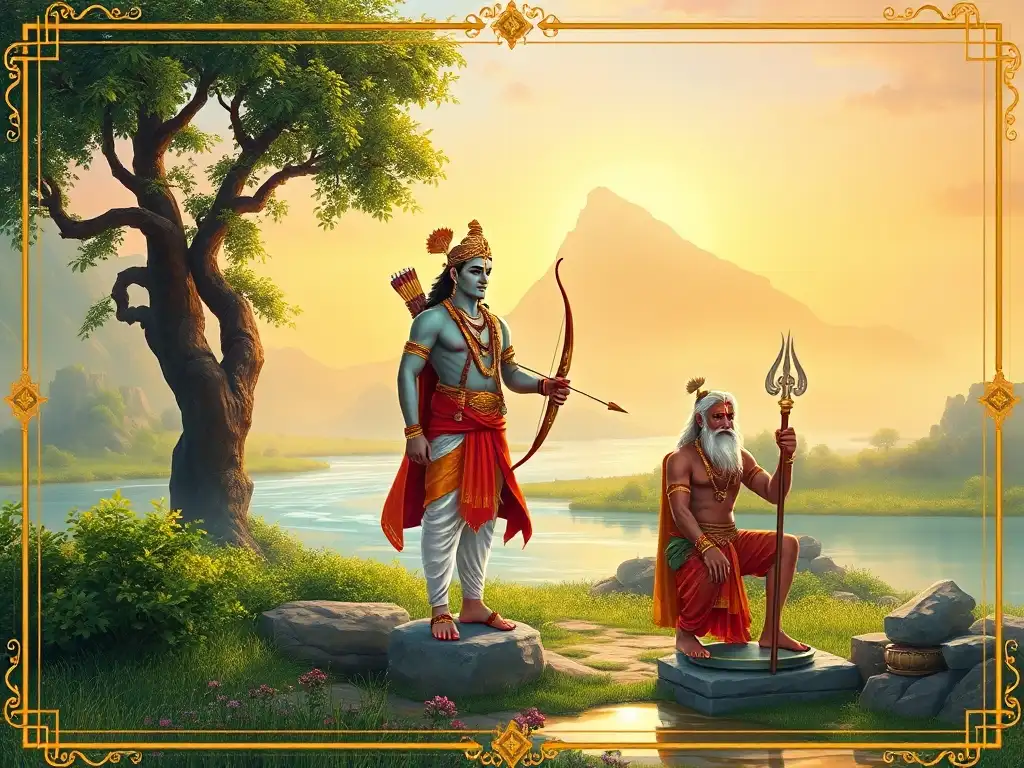
The Ramayana, beyond being a revered epic, serves as a profound source of leadership lessons that remain relevant in contemporary times. Through its characters and narratives, it highlights the values of ethical leadership, the balance of power and responsibility, and the significance of mentorship. These principles foster a comprehensive understanding of effective leadership, making the Ramayana an invaluable text for leaders across various domains.
The Importance of Ethical Leadership
In the Ramayana, ethical leadership is epitomized by Lord Rama, who is often referred to as Maryada Purushottama, or the ideal man. His commitment to dharma (righteousness) is unwavering, even when faced with personal loss and hardship.
- Examples of Ethical Dilemmas:
- Exile of Sita: Rama's decision to exile Sita, despite his love for her, illustrates his dedication to public perception and duty over personal desires. This act demonstrates that ethical leaders often face tough choices that may not align with their personal feelings but are necessary for maintaining trust and integrity.
- Treaty with Ravana: Rama’s interactions with Ravana also highlight the need for leaders to remain ethical, even when dealing with adversaries. His refusal to engage in deceitful tactics emphasizes the importance of honesty, even in conflict.
Rama's leadership style teaches us that ethical decision-making cultivates respect and loyalty among followers, establishing a solid foundation for effective leadership.
Balancing Power and Responsibility
The Ramayana illustrates the delicate balance between power and responsibility through the character of King Dasharatha and his son, Rama.
- Dasharatha's Leadership:
- As a king, Dasharatha faces the challenge of making decisions that impact his kingdom. His initial failure to balance his personal desires with his responsibilities as a ruler leads to significant turmoil, including Rama’s exile. This scenario underscores the critical reminder that leaders must prioritize the welfare of their constituents above their ambitions.
- Rama’s Return to Ayodhya:
- Upon returning to reclaim his throne, Rama demonstrates how responsible use of power can lead to a prosperous and harmonious society. He emphasizes that true leadership requires accountability, where leaders not only wield power but also fulfill their responsibilities towards their subjects.
This theme of balance teaches modern leaders that authentic authority is rooted in the conscientious application of power and an unwavering commitment to the greater good.
The Role of Mentorship and Guidance
The Ramayana also highlights the significance of mentorship, exemplified through the relationships between key characters.
- Vashishta and Rama:
- Sage Vashishta serves as a mentor to Rama, providing guidance not only in matters of statecraft but also in personal conduct. His teachings on dharma and leadership principles shape Rama into a wise and just ruler. This relationship underscores the importance of seeking wisdom from experienced mentors.
- Hanuman’s Loyalty to Rama:
- Hanuman’s unwavering devotion and willingness to assist Rama in his quest illustrate the impact of mentorship. The bond between Rama and Hanuman reflects how a strong mentorship can empower individuals, fostering loyalty and dedication that enhances collective efforts towards achieving a common goal.
In modern contexts, these narratives reinforce the idea that effective leadership is bolstered by strong mentorship, creating a ripple effect of knowledge, loyalty, and shared values among followers.
The Ramayana offers timeless leadership lessons that emphasize ethical integrity, the balance of power and responsibility, and the indispensable role of mentorship. These principles not only define effective leaders but also inspire future generations to cultivate a principled approach to leadership.
Building a Strong Community and Team
The Ramayana provides profound insights into the significance of community and teamwork in achieving collective goals. One of the most notable examples is the alliance formed between Rama and the monkeys, particularly Hanuman and Sugriva. This alliance highlights several key aspects of building a strong community and team.
Unity in Diversity
The characters from various backgrounds come together under Rama’s leadership. Despite their differences, they unite for a common purpose: to rescue Sita and defeat Ravana. This illustrates the importance of embracing diversity within a team, where each member brings unique strengths and perspectives. The diverse alliance formed by Rama showcases that by acknowledging and leveraging individual differences, a stronger and more effective team can be built.
Trust and Loyalty
Rama’s relationship with Hanuman is a prime example of trust and loyalty that are essential in any community. Hanuman’s unwavering devotion to Rama exemplifies how trust fosters strong bonds among team members. When leaders cultivate an environment of trust, members feel valued and are more likely to commit to the common objectives. This loyalty not only enhances collaboration but also motivates individuals to go above and beyond for the team's success.
Effective Communication
Throughout the Ramayana, effective communication plays a crucial role in maintaining a cohesive team. Rama often communicates openly with his allies, sharing his vision and strategy, which encourages transparency and clarity. This emphasizes the need for leaders to establish clear communication channels within their teams. By ensuring that everyone is on the same page, leaders can mitigate misunderstandings and foster a more harmonious working environment.
Empowerment and Delegation
Rama’s leadership style also reflects the importance of empowering team members. He delegates responsibilities to various allies, such as Hanuman, who takes charge of searching for Sita. This not only demonstrates trust in their capabilities but also encourages them to take initiative. Leaders can learn from this approach by empowering their team members, allowing them to take ownership of their tasks. This empowerment leads to increased engagement and innovation within the team.
Resilience in Adversity
The struggles faced by Rama and his team during their quest underline the importance of resilience. Despite encountering numerous challenges, they remain committed to their mission, showcasing how a strong community supports each other in times of difficulty. This lesson in resilience teaches that building a supportive team culture enables members to face challenges together, fostering a sense of camaraderie and determination.
The leadership lessons from the Ramayana emphasize the value of building a strong community and team through unity, trust, effective communication, empowerment, and resilience. These principles are timeless and can be applied in various modern contexts, reinforcing the idea that successful leadership is rooted in the strength of the community.
How the Ramayana's Leadership Lessons Apply Today

Relevance of Ancient Leadership Lessons in Modern Context
The Ramayana, one of the two great Indian epics, is not only a tale of adventure and love but also a profound source of wisdom regarding leadership. As we navigate the complexities of modern society, the leadership lessons from the Ramayana remain remarkably relevant.
- Ethical Leadership: Characters like Lord Rama epitomize ethical leadership, emphasizing the importance of righteousness ( dharma) over personal gain. In today's corporate and political arenas, leaders who prioritize ethical standards find themselves earning trust and loyalty, ultimately fostering healthier environments.
- Emotional Intelligence: Sita’s unwavering strength amidst adversity teaches contemporary leaders the value of empathy and emotional resilience. Understanding team dynamics and addressing emotional wellbeing can lead to more cohesive and motivated groups.
- Servant Leadership: Hanuman's devotion to Rama exemplifies the essence of servant leadership—putting the needs of others before oneself. This lesson is crucial in modern organizations where leaders who empower their teams often achieve better results.
- Strategic Thinking: The strategic decisions made by characters like Vibhishana highlight the importance of foresight and planning. In today's fast-paced world, leaders must anticipate challenges and devise effective strategies to navigate them.
- Conflict Resolution: The Ramayana presents various conflicts, illustrating how effective communication and understanding diverse perspectives can lead to resolution. Modern leaders can learn to approach conflicts with a mindset of collaboration rather than confrontation.
By integrating these timeless principles into their practices, contemporary leaders can enhance their effectiveness and foster environments conducive to growth and innovation.
Examples of Leadership in Contemporary Society Inspired by Ramayana
In the modern world, several leaders and organizations embody the principles found within the Ramayana, showcasing how ancient wisdom continues to influence contemporary leadership styles. Here are a few notable examples:
- Corporate Leaders: Many CEOs today emphasize ethical practices and corporate social responsibility, reflecting Lord Rama's commitment to righteousness. For instance, leaders like Satya Nadella of Microsoft advocate for inclusivity and empathy, fostering a culture that mirrors the values exemplified by Rama.
- Social Activists: Figures such as Malala Yousafzai demonstrate the servant leadership model established by Hanuman. Her commitment to education for girls shows how prioritizing the needs of a marginalized group can lead to significant societal change.
- Political Figures: Leaders like Jacinda Ardern, former Prime Minister of New Zealand, have been praised for their empathetic leadership style, especially during crises. Her approach resonates with Sita’s resilience and emotional intelligence, emphasizing compassion while making tough decisions.
- Community Organizers: Local leaders working towards social justice reflect the strategic thinking of Vibhishana, who sought alignment with righteousness. They navigate intricate social issues, advocating for change through planned and thoughtful action.
- Global Movements: Environmental activists leading initiatives for climate change highlight the ethical and strategic dimensions of leadership taught in the Ramayana. Their commitment to sustainability aligns with the narrative's emphasis on protecting the earth and its resources.
By observing these examples, it becomes clear that the leadership lessons from the Ramayana are not mere historical anecdotes but powerful tools for shaping effective strategies and fostering positive change in today’s world. As we continue to learn from these ancient texts, we can cultivate leaders who are not only effective in their roles but also champions of ethical practices and societal well-being.
Conclusion: Embracing Leadership Lessons from Ramayana
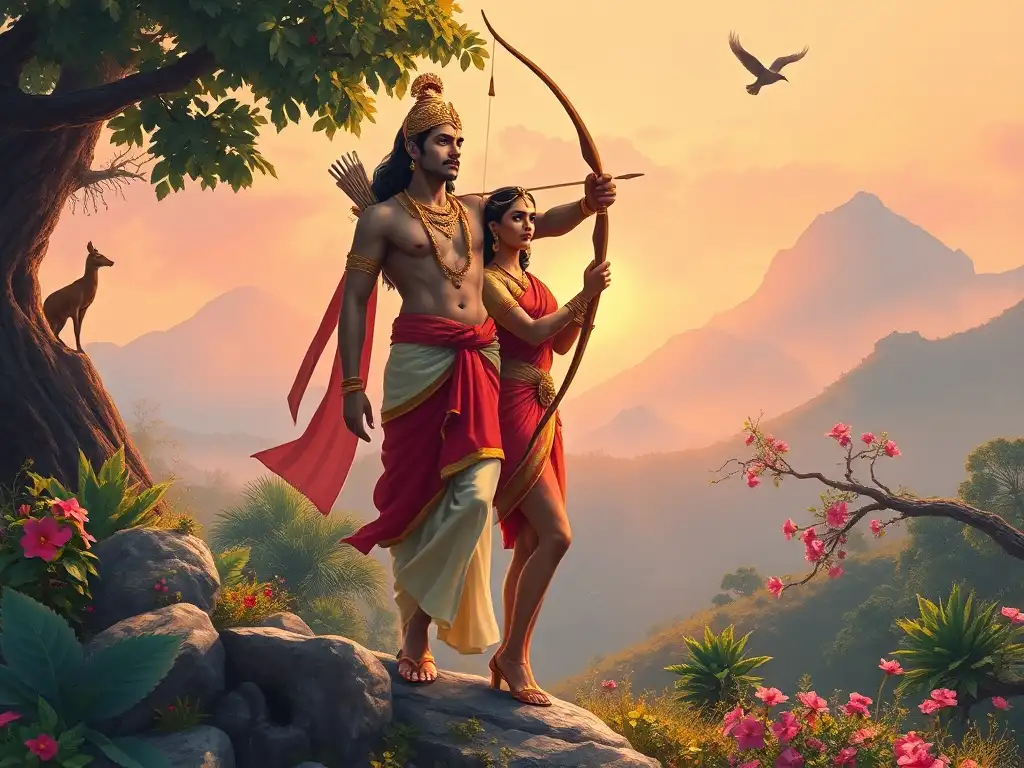
Final Thoughts on Ethical Leadership
The Ramayana, one of the most revered epics in Indian literature, offers profound insights into the nature of ethical leadership. Characters such as Lord Rama epitomize virtues like integrity, duty (dharma), and selflessness, serving as timeless exemplars for leaders across ages. The narrative emphasizes that true leadership is not merely about authority or power but rather about upholding moral values and serving the greater good.
Rama's adherence to dharma, even in the face of personal loss and hardship, illustrates the importance of ethical decision-making. His choices remind us that leaders must often navigate complex moral dilemmas and prioritize the welfare of their constituents over personal interests. Through his actions, we learn that ethical leadership fosters trust, loyalty, and resilience within a community, laying the groundwork for sustainable governance.
In contrast, the character of Ravana serves as a cautionary tale about the perils of power devoid of ethics. Despite his immense strength and intelligence, Ravana's hubris and disregard for dharma ultimately lead to his downfall. This dichotomy between Rama and Ravana underscores the essential lesson that integrity and responsibility must guide leadership practices to achieve lasting success.
Encouragement to Reflect on Personal Leadership Styles and Values
As we draw lessons from the Ramayana, it is essential for individuals, especially aspiring leaders, to reflect on their personal leadership styles and values. Each character in the epic provides a unique perspective on leadership, encouraging us to assess our own approaches and motivations.
- Self-Assessment: Consider how your values align with those exhibited by the characters in the Ramayana. Do you prioritize the collective welfare like Rama, or do you sometimes find yourself prioritizing personal gain akin to Ravana?
- Emotional Intelligence: Reflect on how empathetic leadership, as demonstrated by characters like Sita, can enhance your effectiveness. Sita's resilience and compassion serve as reminders that understanding and valuing others' emotions is crucial in leadership.
- Mentorship: Emulate the mentorship style of figures like Hanuman, who exemplifies loyalty and selfless service. Seek opportunities to mentor others, fostering a culture of support and collaboration within your sphere of influence.
- Continuous Learning: Embrace the idea that leadership is a journey of continuous growth. Just as the characters evolve throughout the Ramayana, so too should you strive to learn and adapt your leadership style in response to new challenges and insights.
By internalizing these lessons and reflecting on your leadership journey, you can cultivate a more ethical and impactful leadership presence, inspired by the rich teachings of the Ramayana.
Frequently Asked Questions
What are the key leadership lessons from the Ramayana?
The Ramayana offers numerous leadership lessons, such as the importance of dharma (duty), the value of sacrifice, and the significance of empathy and collaboration in achieving goals.
How do the characters in the Ramayana exemplify effective leadership?
Characters like Rama, Sita, and Hanuman demonstrate effective leadership through their decision-making, moral integrity, and ability to inspire and unite others toward a common purpose.
What role does dharma play in leadership as depicted in the Ramayana?
Dharma is central to the leadership portrayed in the Ramayana, guiding leaders to make ethical choices that align with their responsibilities to their people and society.
Can the leadership principles from the Ramayana be applied in modern contexts?
Yes, the leadership principles derived from the Ramayana, such as compassion, resilience, and strategic thinking, are highly applicable in contemporary business and organizational management.
What are some modern examples of leaders who embody the teachings of the Ramayana?
Modern leaders who exemplify the teachings of the Ramayana include those who prioritize ethical practices, show empathy towards their teams, and lead with a sense of purpose and vision.
Final Reflection: Embracing Leadership Lessons from the Ramayana
The timeless narratives of the Ramayana offer profound insights into the essence of leadership that resonate with our contemporary world. As we navigate through the complexities of modern leadership challenges, the principles embodied by its characters remind us that effective leadership is not merely about authority but about integrity, compassion, and resilience. The lessons drawn from this ancient epic are not just historical anecdotes; they are essential guidelines for anyone aspiring to lead in today’s dynamic environment.
The impact of the Ramayana on our cultural and social landscape is undeniable. The stories of Rama, Sita, and Hanuman continue to inspire leaders across various fields, encouraging a sense of duty and moral responsibility.
Their journeys illustrate that true leadership is about serving others and making sacrifices for the greater good. As Mahatma Gandhi once said, “The best way to find yourself is to lose yourself in the service of others.” > This sentiment encapsulates the essence of leadership that the Ramayana teaches us, urging us to prioritize the welfare of our communities and to lead with empathy and purpose.
As we reflect on these invaluable lessons, I invite you to consider how you can embody the principles of the Ramayana in your own leadership journey. Whether in your personal life, workplace, or community, think about how you can lead with integrity, inspire others through your actions, and foster an environment of collaboration and respect. The world needs leaders who are not only skilled but also compassionate, and by embracing these lessons, you can contribute to a brighter future for all.
Embrace the Leadership Lessons of the Ramayana!
Thank you for exploring the timeless teachings of the Ramayana! Through its vibrant characters and their inspiring journeys, you’ve uncovered profound lessons in leadership that can transform your life and work. Now, let’s put these insights into action and become the leaders you aspire to be!
Here are some specific steps you can take today:
- Reflect on your leadership style: Identify which character resonates with you the most and consider how their attributes can enhance your own approach.
- Share your insights: Discuss the leadership lessons from the Ramayana with friends, colleagues, or within your community. You might even consider hosting a discussion group centered around these themes.
- Actively apply the lessons: Choose one leadership quality from the Ramayana—such as Rama's determination or Sita's resilience—and create a plan to cultivate that trait in your daily life.
As you embark on this journey of growth and inspiration, consider this: Which character from the Ramayana’s leadership qualities do you feel compelled to embody in your own life? Let's spark a conversation in the comments below!