
The Ramayana's Portrayal of the Divine and the Mortal

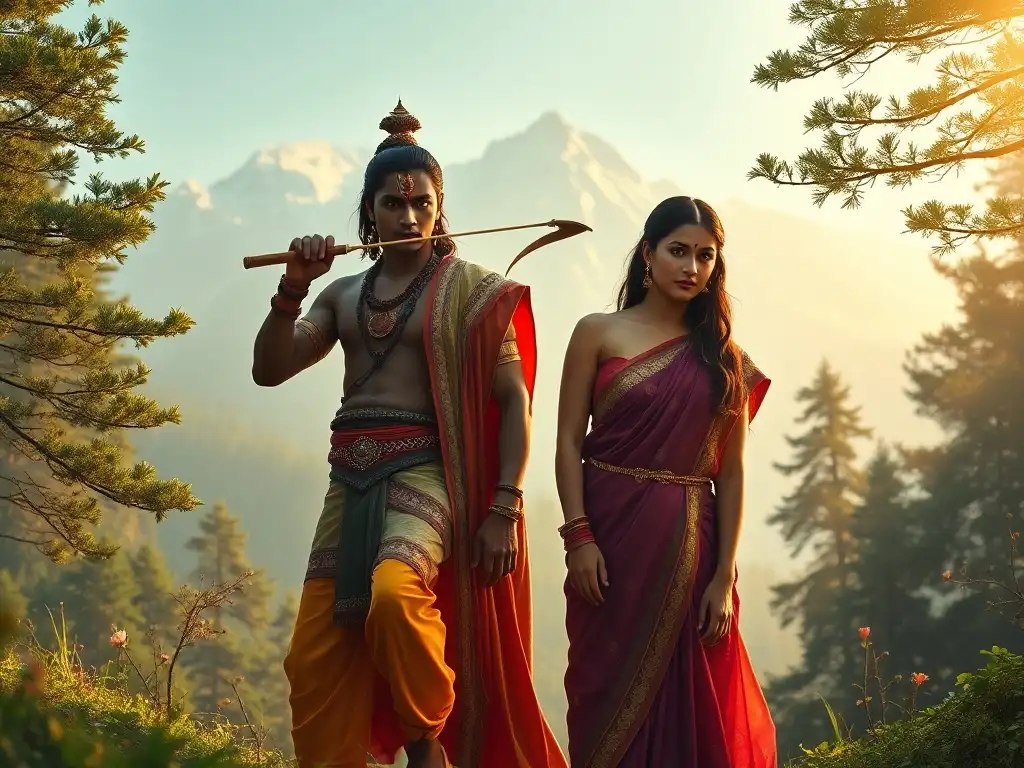
Welcome to Ancient India History, where we embark on a fascinating journey through the tapestry of time, exploring the remarkable civilizations that have shaped India’s past. In our featured article, "The Ramayana's Portrayal of the Divine and the Mortal," we delve into the profound themes of divinity and humanity that resonate throughout this epic literature. What secrets does this ancient tale hold about the interplay between the celestial and the earthly? Join us as we unravel the intricate narratives and rich cultural legacies that continue to inspire and captivate us today. Your exploration of ancient wisdom begins here!
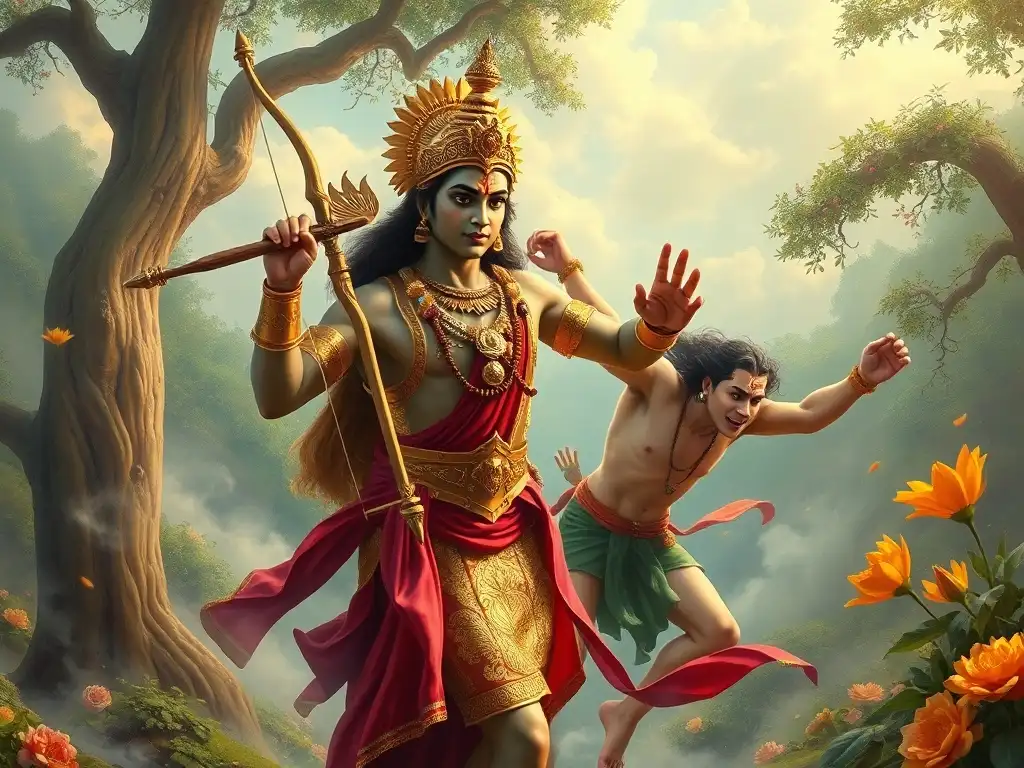
The Ramayana, one of the greatest epics of ancient Indian literature, serves as a profound exploration of the themes of divinity and humanity. Written by the sage Valmiki, this epic not only recounts the adventures of Lord Rama, his beloved wife Sita, and the devoted Hanuman but also delves into the intricate relationships between the divine and the mortal realms. It provides a rich tapestry of narratives that reflect moral dilemmas, the nature of duty (dharma), and the eternal struggle between good and evil.
Through its multi-dimensional characters and their interactions, the Ramayana reveals how divine principles manifest in human experiences, offering timeless lessons that resonate even in contemporary society. This article will explore the divine and mortal themes that permeate the Ramayana, shedding light on how these elements shape the narrative and its characters.
Introduction to the Ramayana
Overview of the Ramayana Epic
The Ramayana consists of approximately 24,000 verses and is divided into seven Kandas (books), detailing the life and adventures of Lord Rama. It begins with the divine birth of Rama, his exile to the forest, the abduction of Sita by the demon king Ravana, and culminates in a climactic battle that exemplifies the triumph of good over evil. The epic's narrative not only serves as a story of heroism and devotion but also presents philosophical and ethical questions that have influenced Indian culture for centuries.
Significance of Divine and Mortal Themes in the Ramayana
The interplay of divine and mortal themes in the Ramayana is crucial for understanding its characters and their journeys. These themes illustrate the complexities of human emotions, relationships, and the pursuit of righteousness. The portrayal of divine beings in human form allows readers to connect with their struggles and virtues, reinforcing the idea that the divine can be accessed through human experiences. The Ramayana thus becomes a mirror reflecting the aspirations and challenges of humanity, making it a timeless work of epic literature.
Understanding the Divine Characters in the Ramayana
Lord Rama: The Ideal Man and Divine Incarnation
Lord Rama is often regarded as the epitome of virtue and righteousness. As the seventh avatar of Vishnu, he embodies the ideal man, balancing his responsibilities as a son, husband, and king. His unwavering commitment to dharma, even in the face of personal loss and adversity, sets him apart as a model for ethical living. Rama's journey is not just about conquering evil but also about understanding the essence of sacrifice, loyalty, and love.
Sita: The Divine Feminine and Her Virtues
Sita, the wife of Rama, represents the divine feminine. Her character is a testament to strength, grace, and unwavering devotion. Through her trials, including abduction and exile, Sita exemplifies resilience and fidelity, showcasing the virtues expected of women in ancient Indian society. Her relationship with Rama highlights the profound connection between love and duty, reinforcing the importance of partnership in the pursuit of righteousness.
Hanuman: The Devoted Monkey God and Symbol of Devotion
Hanuman, the devoted monkey god, is a central figure in the Ramayana who symbolizes selfless devotion and loyalty. His unwavering commitment to Rama, along with his extraordinary abilities, makes him a pivotal character in the epic. Hanuman's actions demonstrate that true devotion can transcend the barriers of mortality, inspiring readers to embody similar qualities in their own lives. His character serves as a reminder that divine assistance often comes through devoted service and humility.
Exploring Mortal Characters in the Ramayana
The Ramayana, while primarily celebrated for its divine characters, intricately weaves the narratives of numerous mortal beings who contribute significantly to the epic's themes and lessons. These characters embody the complexities of human nature and the moral dilemmas faced in everyday life. By examining their attributes, motivations, and transformations, readers gain insight into the human experience, reflecting the virtues and flaws inherent in all individuals.
The mortal characters serve as foils to the divine, highlighting the contrast between human vulnerabilities and divine ideals. Their stories not only propel the narrative forward but also provide a canvas for exploring themes such as love, duty, betrayal, and redemption. Each character, through their interactions and choices, illustrates the multifaceted nature of humanity, making the epic relatable and timeless.
Ravana: The Complex Antagonist and His Mortal Flaws
Ravana, the king of Lanka, stands as one of the most intriguing figures in the Ramayana. While he is often portrayed merely as the villain who abducts Sita, a deeper examination reveals a character marked by complexity and profound mortal flaws. Ravana is depicted as a highly learned scholar and a devout follower of Lord Shiva, suggesting that despite his negative actions, he possesses qualities that are admirable.
His hubris and desire for power, however, lead to his downfall. Ravana's inability to recognize the limits of his ambition and his failure to respect the sanctity of others' lives ultimately culminate in tragedy. This duality of being both formidable and flawed mirrors the struggles inherent in the human condition, making him a relatable antagonist rather than a one-dimensional villain.
The Role of Mortals: Supporting Characters and Their Impact
The Ramayana is rich with supporting characters, each contributing to the overarching narrative and its moral lessons. Characters such as Lakshmana, Hanuman, and Sita's companions play pivotal roles in shaping the journey of the main protagonists.
Lakshmana, as Rama's devoted brother, exemplifies loyalty and bravery, often putting his life on the line for the sake of his brother's honor. Hanuman, the divine monkey god, showcases the ideal of unwavering devotion and service, proving that mortal efforts can invoke divine blessings.
Moreover, the women in the tale, including Sita and Surpanakha, reflect the varied roles of women in society, from the ideal wife to the strong-willed adversary. Their actions and decisions impact the course of events significantly, illustrating how mortal characters, despite their limitations, can influence the grand narrative profoundly.
The Human Experience: Lessons from Mortal Characters
Mortal characters in the Ramayana embody various human experiences, offering essential lessons that resonate with readers across generations. Themes of sacrifice, duty (dharma), and the consequences of one’s actions are prevalent throughout their stories.
For instance, Sita's unwavering fidelity and strength in adversity highlight the virtues of resilience and commitment. Her trials and tribulations serve as a poignant reminder of the challenges faced by individuals in the pursuit of righteousness. Similarly, the moral dilemmas faced by characters such as Bharata, who chooses to uphold dharma over personal desire, reflect the complexities of human choices.
These lessons encapsulate the essence of the Ramayana, encouraging readers to introspect and navigate their own lives with integrity, compassion, and a sense of duty.
The Interaction Between the Divine and the Mortal
The interaction between divine and mortal characters in the Ramayana is central to its narrative structure and thematic depth. This relationship illustrates the profound connection between the human experience and the divine realm, emphasizing how each influences the other.
Divine interventions often guide mortals, while mortal struggles provide the divine with opportunities to manifest their qualities and teachings. This dynamic interplay enriches the story, making it a compelling exploration of faith, duty, and the human spirit.
The Divine Influence on Mortal Lives
In the Ramayana, divine beings frequently intervene in the lives of mortals, offering guidance, support, and protection. The presence of deities such as Rama, Vishnu, and Shiva underscores the belief that the divine is intimately involved in the lives of individuals, shaping their destinies.
For example, Rama's journey is not merely about personal glory; it is a divinely ordained mission to restore dharma. His actions inspire those around him, demonstrating how divine qualities can manifest through human endeavors. The blessings bestowed upon characters, such as Hanuman's unwavering loyalty and strength derived from his devotion, highlight the transformative power of divine influence in mortal lives.
Mortal Struggles and Their Reflection of Divine Qualities
The struggles faced by mortal characters often reflect divine qualities, creating a mirror between the two realms. Characters like Sita and Rama personify virtues such as love, honor, and sacrifice, showcasing how these divine attributes can be mirrored in human experiences.
The trials faced by these characters often serve as tests that bring out their true nature, illustrating that the essence of divinity exists within mortals. The challenges they endure not only lead to personal growth but also reinforce their roles as vehicles for divine purpose. Thus, the interactions between the divine and mortal realms enrich the narrative, deepening the reader's understanding of both.
Key Events Illustrating the Divine-Mortal Relationship
Several key events in the Ramayana highlight the intricate relationship between divine and mortal characters. One of the most significant moments occurs during Rama's exile, where he embodies the principle of dharma, demonstrating how divine will can manifest through human actions.
Another pivotal event is Hanuman's leap to Lanka, where he exemplifies the power of devotion and the belief that mortal courage, backed by divine blessings, can overcome insurmountable odds. Additionally, the battle between Rama and Ravana serves as a climactic intersection of divine intervention and mortal struggle, showcasing the ultimate triumph of good over evil.
These events are not merely plot points; they encapsulate the core themes of the Ramayana, illustrating how the divine and mortal realms are inextricably linked, each influencing the other in profound and meaningful ways.
Themes of Duty and Dharma in the Ramayana
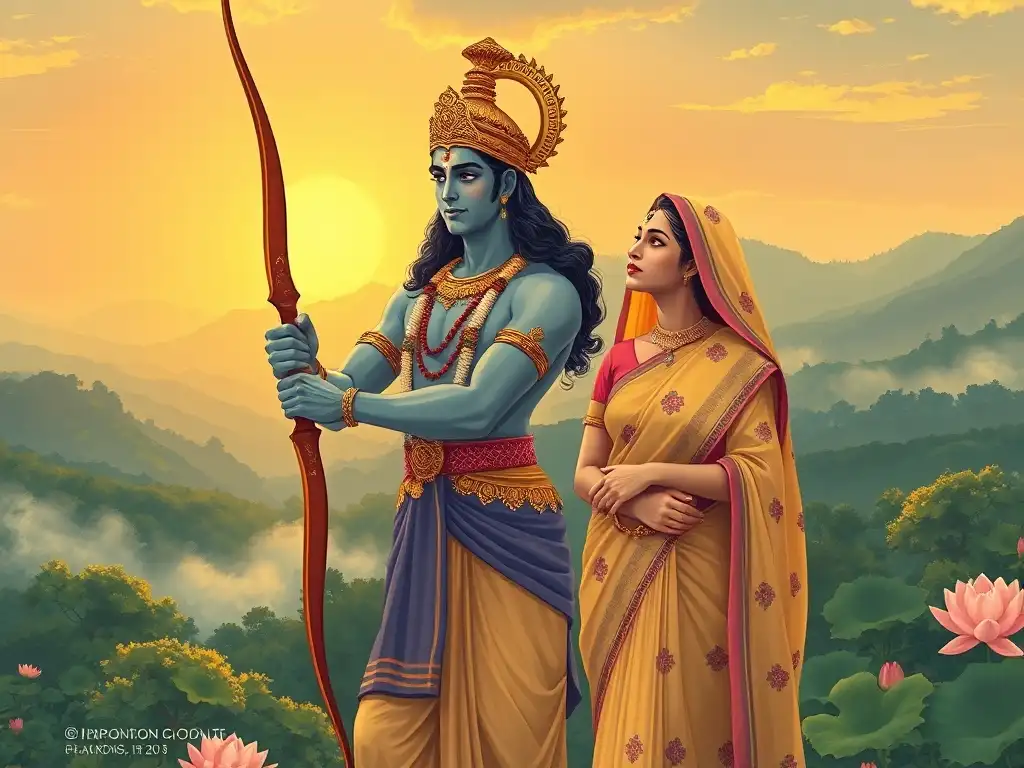
The Ramayana is not merely a tale of adventure and love; it is deeply rooted in the themes of duty (dharma) and morality that permeate the lives of its characters. The primary narrative revolves around the challenges individuals face in fulfilling their dharma, which is influenced by their divine and mortal natures. Throughout the epic, the characters navigate their responsibilities, revealing the complexities of adhering to dharma in a world filled with moral dilemmas and external pressures.
The interplay between divine and mortal themes in the Ramayana serves to illustrate the struggles inherent in fulfilling one's duties. Rama, as the incarnation of the god Vishnu, exemplifies the ideal of dharma, yet he faces trials that test his commitment. His decisions often reflect the tension between divine expectation and human emotion, making the Ramayana a profound exploration of how duty shapes both divine and mortal destinies.
The Concept of Dharma: Divine Law vs. Mortal Interpretation
Dharma in the Ramayana is portrayed as a multifaceted concept, often interpreted differently by divine and mortal characters. For the gods, dharma is an absolute law, a cosmic order that dictates the behavior of all beings. In contrast, mortal interpretations of dharma are subject to personal circumstance, emotional conflicts, and societal norms.
Rama’s adherence to dharma is unwavering, yet it is also challenged by the expectations of those around him and by his own desires. His exile, prompted by his father's promise to Queen Kaikeyi, highlights how mortal constraints can impact divine intentions. Conversely, characters like Ravana depict a distorted understanding of dharma, where personal ambition clouds moral judgment, leading to catastrophic consequences.
How Characters Embody or Struggle with Their Dharma
Each character in the Ramayana embodies different aspects of dharma, reflecting the complexities of human nature. Rama, Sita, Lakshmana, and even Ravana are confronted with choices that test their ethical beliefs and responsibilities.
- Rama: He epitomizes the ideal man (Maryada Purushottama), fulfilling his duties as a son, husband, and king despite the personal sacrifices he must make. His unwavering commitment to dharma, even in the face of adversity, portrays the divine ideal.
- Sita: As the embodiment of virtue and devotion, Sita faces her own trials that challenge her adherence to dharma. Her abduction by Ravana and subsequent tests of purity highlight the struggles faced by women in a patriarchal society, raising questions about loyalty and personal agency.
- Lakshmana: He represents loyalty and service, often overshadowed by Rama’s divine stature. His role illustrates the support systems that enable individuals to navigate their dharma effectively.
- Ravana: As the antagonist, Ravana’s blatant disregard for dharma serves as a cautionary tale. His desire for power leads him to transgress divine law, ultimately resulting in his downfall.
The Symbolism of Divine and Mortal in the Ramayana
The juxtaposition of divine and mortal elements in the Ramayana is rich with symbolism, serving to illuminate the text's deeper moral and philosophical undertones. The characters and events are not simply narrative devices; they embody larger themes that reflect the human experience and the divine order of the universe.
Allegorical Interpretations of Divine and Mortal Themes
Many scholars and interpreters have proposed allegorical readings of the Ramayana, suggesting that the divine and mortal realms represent broader existential themes. For instance, Rama's journey can be seen as an allegory for the human quest for righteousness amidst life's trials. The divine qualities attributed to Rama symbolize the ultimate moral compass, while the challenges he faces represent the obstacles that all mortals encounter.
This allegorical lens also extends to the interactions between the characters. For instance, the conflict between Rama and Ravana can be viewed as the eternal struggle between good and evil, where adherence to dharma leads to divine favor, while deviation results in ruin. Such interpretations enrich the understanding of the epic as a guide for ethical living, illustrating how divine principles can be mirrored in mortal conduct.
The Cultural Impact of These Themes in Ancient Indian Society
The themes of divine and mortal in the Ramayana significantly influenced ancient Indian society, shaping cultural norms and ethical frameworks. The epic served as a moral compass, offering lessons on duty, righteousness, and the consequences of one's actions.
The portrayal of characters and their struggles with dharma informed societal values, particularly in the realms of family loyalty, honor, and social responsibility. The ideals exemplified by Rama and Sita became archetypes for behavior, encouraging individuals to aspire to higher moral standards. Rituals, festivals, and artistic expressions derived from the Ramayana further entrenched these themes in the cultural consciousness, ensuring that the lessons of the epic remained relevant throughout generations.
The Ramayana's exploration of divine and mortal themes serves as a profound commentary on the nature of duty and the complexities of human experience, resonating deeply within the fabric of ancient Indian society.
Conclusion: The Enduring Legacy of Divine and Mortal Themes
The Ramayana stands as a timeless epic, richly woven with themes that explore the interplay between the divine and the mortal. Its narrative not only chronicles the adventures and trials of Lord Rama, Sita, and Hanuman but also delves deep into the moral and ethical dilemmas faced by its characters. These themes resonate across generations, reflecting the complexities of human nature and the pursuit of dharma (righteousness).
As the epic unfolds, it illustrates how divine intervention shapes mortal destinies, while also revealing the frailty and vulnerabilities of even the most revered figures. The relationships depicted in the Ramayana—between Rama and Sita, Rama and his brothers, and even between the gods and mortals—serve to remind readers that the essence of humanity lies in its struggles, choices, and capacity for love and sacrifice.
In a world that continues to grapple with questions of morality and purpose, the Ramayana's exploration of divine guidance and human agency remains profoundly relevant. Its ability to evoke reflection and inspire ethical conduct ensures that its themes endure, offering valuable lessons for both individuals and society as a whole.
Reflection on the Ramayana's Relevance in Modern Times
The Ramayana's divine and mortal themes resonate with contemporary audiences, providing a framework for exploring personal and societal challenges. In today's fast-paced world, where ethical dilemmas frequently arise, the epic offers insight into the importance of moral integrity, loyalty, and the pursuit of justice.
Modern interpretations of the Ramayana have emerged in various forms, including literature, film, and theater, illustrating its adaptability and relevance. These adaptations often focus on the struggles of characters like Sita, who embodies strength and resilience, thus empowering individuals to confront their challenges with courage.
Moreover, the Ramayana serves as a cultural touchstone, fostering discussions about gender roles, familial duty, and the nature of heroism. By examining the conflicts faced by its characters, modern audiences can draw parallels to their own lives, leading to a deeper understanding of their values and beliefs.
Final Thoughts on the Ramayana's Exploration of Humanity and Divinity
The Ramayana's rich tapestry of divine and mortal themes intricately portrays the human experience, emphasizing that the journey towards understanding one's self and the universe is fraught with challenges. At its core, the epic invites readers to reflect on the balance between duty and desire, faith and skepticism, as well as the divine guidance that shapes mortal lives.
As readers engage with the trials of Rama and the virtues of Sita, they are encouraged to consider their own paths and the choices they make. The characters' struggles encapsulate the universal quest for purpose and meaning, making the Ramayana not just a story of gods and heroes, but a profound exploration of humanity's intrinsic nature.
Ultimately, the Ramayana's legacy lies in its ability to bridge the gap between the divine and the mortal, offering timeless lessons that continue to inspire and guide individuals in navigating the complexities of life. Through its enduring themes, the epic remains a vital part of India's cultural heritage, inviting each generation to delve into its depths and emerge with renewed understanding of both self and society.
- Introduction to the Ramayana
- Understanding the Divine Characters in the Ramayana
- Exploring Mortal Characters in the Ramayana
- The Interaction Between the Divine and the Mortal
- Themes of Duty and Dharma in the Ramayana
- The Symbolism of Divine and Mortal in the Ramayana
- Conclusion: The Enduring Legacy of Divine and Mortal Themes
- What are the main themes explored in the Ramayana?
- How do the divine and mortal characters interact in the Ramayana?
- What role does dharma play in the Ramayana's divine and mortal themes?
- How does the Ramayana depict the struggles of mortal characters against divine forces?
- What is the significance of the Ramayana in ancient Indian culture?
Frequently Asked Questions
What are the main themes explored in the Ramayana?
The Ramayana explores various themes, including duty, honor, love, and the contrast between the divine and the mortal. These themes highlight the moral lessons and values of ancient Indian society.
How do the divine and mortal characters interact in the Ramayana?
In the Ramayana, divine characters, like Rama and Sita, often interact with mortal beings, showcasing the struggles and triumphs of human existence. Their interactions serve to illustrate the moral and ethical dilemmas faced by individuals.
What role does dharma play in the Ramayana's divine and mortal themes?
Dharma, or righteousness, is a central concept in the Ramayana, guiding both divine and mortal characters in their decisions. Adherence to dharma shapes their fates and highlights the balance between divine will and human action.
How does the Ramayana depict the struggles of mortal characters against divine forces?
The Ramayana presents mortal characters, like Hanuman and Lakshmana, facing significant challenges posed by divine forces. Their struggles emphasize themes of courage, loyalty, and the quest for justice in the face of adversity.
What is the significance of the Ramayana in ancient Indian culture?
The Ramayana is a cornerstone of ancient Indian culture, imparting moral lessons and cultural values. Its portrayal of divine and mortal themes continues to resonate, influencing literature, art, and spiritual practices throughout history.
Final Reflection: Embracing the Divine and Mortal in the Ramayana
The themes of the divine and the mortal in the Ramayana resonate profoundly in today's world, reminding us of the intricate balance between our higher aspirations and earthly challenges. In a time where the quest for meaning often collides with the chaos of daily life, the Ramayana serves as a timeless guide, illustrating how the divine qualities of compassion, duty, and righteousness can coexist with the very human experiences of struggle, loss, and redemption. This epic narrative not only enriches our understanding of spirituality but also challenges us to reflect on our own lives and the choices we make.
The Ramayana's portrayal of divine and mortal themes continues to shape our cultural and social landscape, offering a lens through which we can examine our values and relationships. The characters in this epic, from the noble Rama to the devoted Sita, embody virtues that inspire us to strive for greatness, even amidst adversity. As the renowned scholar Joseph Campbell once said, "> The hero is the one who has given his or her life to something bigger than oneself." This sentiment encapsulates the essence of the Ramayana, urging us to transcend our limitations and embrace a higher purpose.
As we conclude this exploration of the Ramayana's divine and mortal themes, I invite you to reflect on your own journey. Consider how the lessons of this ancient epic can guide you in navigating the complexities of modern life. Whether through acts of kindness, standing up for justice, or nurturing your relationships, let the teachings of the Ramayana inspire you to embody the divine qualities within yourself. In doing so, we not only honor the legacy of this great work but also contribute to a more compassionate and harmonious world.
Unveil the Divine Within the Mortal Journey!
Thank you for taking the time to explore the profound intricacies of the Ramayana with us. We hope you gained valuable insights into the beautiful interplay of the divine and mortal realms depicted in this age-old epic. Now, it's time to put that newfound knowledge into action!
Here’s how you can deepen your understanding and appreciation of this timeless tale:
- Engage in a community discussion: Join forums or social media groups dedicated to the Ramayana to share your thoughts and gain diverse perspectives.
- Read further: Explore additional texts or commentaries on the Ramayana to uncover even more layers of meaning and significance.
- Write a reflection: Take a moment to document your personal interpretations of how the tales of the divine resonate with your own life experiences.
What aspect of the Ramayana has inspired you the most, and how do you see its teachings applying to your journey today?