
The Mahabharata: Unraveling the Epic of Ancient Indian Warfare and Wisdom

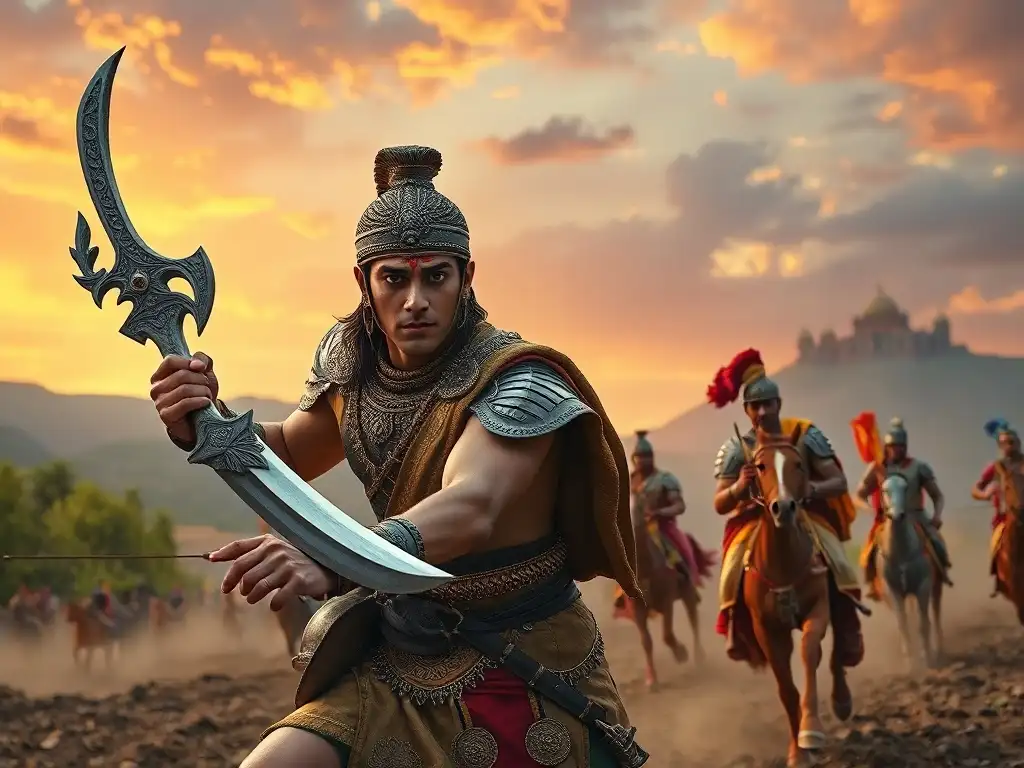
Welcome to Ancient India History, where we embark on a journey through the rich tapestry of ancient Indian civilizations. Delve into the depths of our remarkable heritage as we explore the intricate connections between ancient Indian warfare and wisdom, particularly through the lens of the epic tale, The Mahabharata.
This timeless narrative not only reveals the strategies of war but also imparts profound lessons on morality and ethics. Get ready to uncover the secrets of a civilization that shaped the course of history, sparking your curiosity and inviting you to learn more about the incredible stories that have stood the test of time.
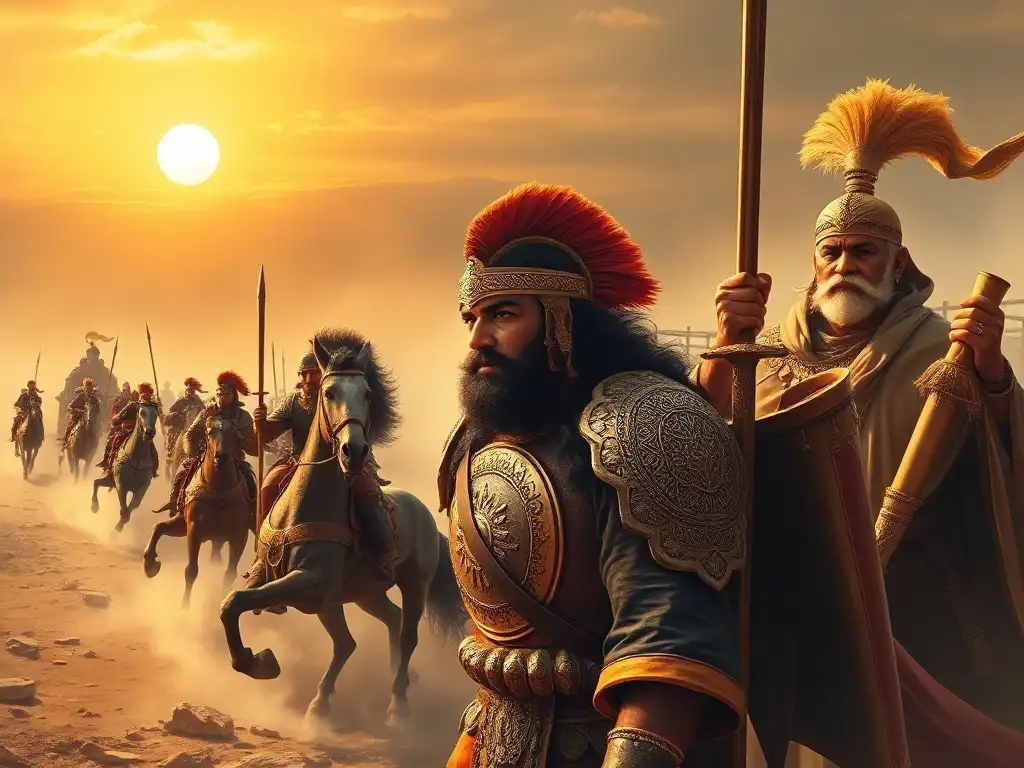
Introduction to the Mahabharata
The Mahabharata is not merely an epic; it is a profound tapestry of ancient Indian civilization, interweaving themes of warfare, wisdom, and morality. Spanning over 100,000 shlokas (verses), it is one of the longest epics in the world and serves as a cornerstone of Ancient Indian warfare and wisdom.
The narrative delves into the complexities of human nature, the intricacies of dharma (duty), and the moral dilemmas faced by its characters, particularly during the epic battle of Kurukshetra. This article explores the rich layers of the Mahabharata, shedding light on its significance in ancient Indian literature and its lasting impact on cultural and philosophical thought.
The Significance of the Mahabharata in Ancient Indian Literature
The Mahabharata holds a paramount place in Ancient Indian literature. Its myriad stories reflect not only the historical context but also the socio-political landscape of the time. The epic is often regarded as a guide to understanding the principles of dharma and justice, illustrating how personal and societal responsibilities can clash. Key components include:
- Epic Structure: The Mahabharata is a narrative that combines mythology, philosophy, and historical accounts.
- Cultural Influence: It has influenced various forms of art, literature, and theater throughout Indian history.
- Lessons in Warfare: The text provides insights into ancient Indian strategies, ethics of war, and the consequences of conflict.
Through its vast scope, the Mahabharata has become a timeless source of inspiration and reflection on the human condition.
Overview of Ancient Indian Warfare and Wisdom Themes
The themes of Ancient Indian warfare and wisdom are intricately woven into the fabric of the Mahabharata. The epic not only narrates the events of the great war but also delves into the philosophical and ethical considerations surrounding warfare. Key themes include:
- Dharma Yudhha: The concept of righteous war, where the moral implications of battle are examined.
- Strategic Warfare: Insights into ancient military tactics, formations, and the roles of key warriors.
- Philosophical Dialogues: The Bhagavad Gita, a section of the Mahabharata, encapsulates profound teachings on duty, righteousness, and the nature of reality.
These themes serve as a lens through which readers can explore the complexities of warfare and the moral dilemmas faced by individuals during times of conflict.
Historical Context of the Mahabharata
Understanding the historical context of the Mahabharata is crucial to appreciating its depth and significance. The epic is believed to have been composed over centuries, reflecting the evolving nature of ancient Indian society.
The Timeframe of the Mahabharata's Composition
The composition of the Mahabharata is estimated to have taken place between 400 BCE and 400 CE. This extensive timeframe allows for a rich blending of oral traditions and written texts. The epic is thought to have evolved through:
- Oral Tradition: Early versions narrated through generations, emphasizing cultural values.
- Literary Development: Gradual incorporation of philosophical discourses and historical events.
- Historical Events: Influences from real battles and political dynamics of the time.
This chronology highlights the epic's adaptability and relevance across different eras of Ancient Indian history.
Influence of Ancient Indian Civilization on the Epic
The Mahabharata is a reflection of the ancient Indian civilization that shaped its narratives. The epic's characters, settings, and events are deeply rooted in the cultural, social, and political milieu of the time. Influential factors include:
- Social Structure: The varna (class) system and its implications on warfare and governance.
- Religious Beliefs: The intertwining of spiritual teachings and ethical warfare.
- Political Dynamics: The rivalry among kingdoms, alliances, and the quest for power.
These elements illustrate how the Mahabharata not only narrates a story but also serves as a historical document, providing insights into the values and challenges of ancient Indian society.
Characters in the Mahabharata and Their Roles in Warfare
The Mahabharata is not just a narrative of epic battles; it is a rich tapestry of characters whose complexities and motivations shape the course of events. Each character plays a pivotal role in the unfolding drama of war, embodying various aspects of ancient Indian warfare and wisdom. Understanding these characters provides deeper insights into the moral dilemmas, strategic decisions, and human emotions that underlie the epic's narrative.
Key Figures: Kauravas and Pandavas
The two principal factions in the Mahabharata, the Kauravas and Pandavas, epitomize the conflict between righteousness (dharma) and ambition. The Kauravas, led by Duryodhana, represent the darker aspects of human nature, often resorting to deceit and treachery to gain power. Duryodhana's ambition and jealousy towards the Pandavas drive much of the conflict, leading to the catastrophic war of Kurukshetra.
On the other hand, the Pandavas, particularly Arjuna, embody the virtues of bravery, honor, and justice. Their adherence to dharma, despite facing overwhelming odds, highlights the moral complexities of warfare. Key figures among the Pandavas—like Yudhishthira, Bhima, Nakula, and Sahadeva—each contribute unique qualities that enhance their collective strength in battle. Their contrasting traits and decisions reflect the multifaceted nature of warfare, where ethical considerations often clash with the exigencies of battle.
The Role of Krishna: Divine Guidance in Warfare
Krishna, as a pivotal character in the Mahabharata, serves as the charioteer and divine guide for Arjuna. His role transcends that of a mere advisor; he is a manifestation of divine wisdom and strategy. At the onset of the Kurukshetra war, when Arjuna is paralyzed by doubt and moral confusion about fighting his own kin, Krishna imparts the teachings of the Bhagavad Gita.
Through this discourse, Krishna emphasizes the importance of duty and righteousness, urging Arjuna to fulfill his role as a warrior despite personal conflicts. Krishna's strategic acumen is evident in his counsel during battles, where he devises tactics that often turn the tide in favor of the Pandavas. His divine guidance symbolizes the intersection of spirituality and warfare, illustrating that wisdom in conflict is as crucial as martial skills.
Female Characters and Their Influence on Wisdom and Strategy
While the Mahabharata is predominantly focused on male warriors, the female characters wield significant influence over the narrative and the strategies employed in warfare. Figures like Draupadi and Gandhari not only represent strength and resilience but also embody profound wisdom and foresight.
Draupadi, the wife of the Pandavas, plays a crucial role in motivating her husbands to seek justice after her humiliation in the Kaurava court. Her strength and unwavering resolve serve as a catalyst for the events leading up to the war. Gandhari, the mother of the Kauravas, embodies the tragic consequences of blind loyalty and ambition. Her insights into the nature of her sons' actions often reveal the underlying moral conflicts and foreshadow the war's catastrophic outcomes.
These female characters, through their actions and wisdom, remind us that the influence of women in ancient Indian society extended beyond domestic spheres into the realms of strategy and warfare, impacting decisions that shaped the epic’s trajectory.
The Epic Battles: Strategies and Tactics of Ancient Indian Warfare
The battles in the Mahabharata are not mere representations of physical conflict; they are elaborate displays of strategy, tactics, and the moral dilemmas faced by warriors. Each battle unfolds with a complexity that reflects the intricacies of ancient Indian warfare, illustrating how strategy can be as decisive as brute strength.
Overview of Major Battles: Kurukshetra and Its Significance
The Battle of Kurukshetra stands as the central event of the Mahabharata, symbolizing the ultimate clash between good and evil. This 18-day war, involving vast armies and complex formations, is significant not only for its scale but also for the philosophical and ethical questions it raises.
The battlefield represents a microcosm of life, where the principles of dharma are put to the test. The strategies employed by both sides, such as the use of elephants, chariots, and infantry formations, highlight the military prowess of ancient Indian warfare. The Kurukshetra war serves as a narrative device to explore themes of loyalty, justice, and the consequences of war, making it a profound commentary on human nature and societal values.
Analysis of Warfare Techniques in the Mahabharata
The Mahabharata showcases various techniques of ancient Indian warfare, emphasizing the importance of strategy, formation, and psychological warfare. Key tactics included the use of Chakra Vyuha (circular formation) and Padmavyuha (lotus formation), which required not only military skill but also thorough understanding and coordination among troops.
Additionally, the use of deception, intelligence gathering, and the element of surprise played crucial roles in the outcomes of battles. The Mahabharata illustrates how leaders like Krishna and Bhishma employed these techniques to outmaneuver their opponents, highlighting that warfare was as much about strategy and intellect as it was about physical prowess.
Lessons Learned from the Strategies of the Mahabharata
The strategies depicted in the Mahabharata offer timeless lessons about warfare, leadership, and human ethics. One of the key lessons is the importance of moral integrity and the adherence to dharma, even in the face of adversity. The decisions made by characters throughout the epic reveal that true strength lies not just in victory but in the righteousness of one's actions.
Moreover, the narrative underscores the necessity of unity and collaboration in achieving common goals. The fractured alliances and personal vendettas that lead to the war serve as a cautionary tale about the dangers of ambition and division. Ultimately, the Mahabharata teaches that wisdom, foresight, and ethical considerations are paramount in both warfare and life, shaping the legacy of ancient Indian civilization.
Themes of Wisdom in the Mahabharata
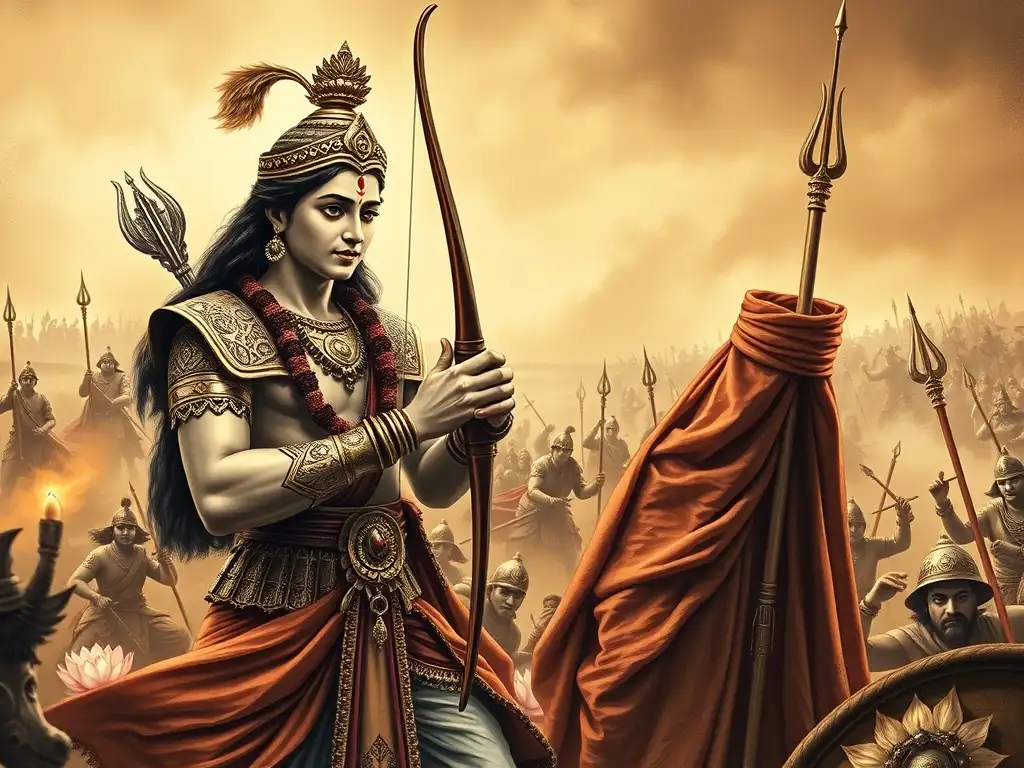
The Mahabharata is not merely an epic tale of conflict and valor; it is an intricate tapestry woven with profound themes of wisdom that continue to resonate through time. Central to its narrative are the concepts of dharma (righteousness) and karma (action and consequence), which inform the decisions of its characters and the unfolding of events.
This epic serves as a philosophical guide, exploring the moral complexities of human behavior and the nuanced interplay of duty versus personal desire. The wisdom embedded in the Mahabharata offers insights that extend far beyond the battlegrounds of Kurukshetra, addressing the perennial dilemmas of life, governance, and interpersonal relations.
Philosophical Teachings: Dharma and Ethics in Warfare
At the heart of the Mahabharata lies the principle of dharma, which is crucial in understanding ancient Indian warfare and wisdom. The epic illustrates the multifaceted nature of dharma, especially in the context of war. Characters like Arjuna grapple with the moral implications of their actions, leading to profound discussions about righteousness in the face of conflict. The text challenges readers to consider what is just and ethical when confronted with the harsh realities of war.
The epic also presents the concepts of righteous warfare (Dharma Yuddha), which stipulates that war must be fought for just causes, such as restoring order or protecting the innocent. This ethical framework encourages leaders and warriors to reflect on the consequences of their actions, emphasizing that victory should not come at the cost of moral integrity. Thus, the Mahabharata serves as a philosophical treatise on the ethical dimensions of conflict, offering timeless lessons on conducting oneself with honor and virtue.
The Role of Counsel and Diplomacy in the Epic
Another significant theme in the Mahabharata is the importance of counsel and diplomacy in navigating conflict. Throughout the epic, wise advisors and skilled diplomats play crucial roles in shaping the course of events. Characters such as Vidura and Krishna exemplify the value of wisdom in leadership, often advocating for peaceful resolutions over violence. Their counsel highlights the necessity of dialogue and negotiation as means to resolve disputes, suggesting that wisdom is not solely found in the strength of arms but also in the art of conversation.
The failed attempts at diplomacy leading up to the war illustrate the consequences of ignoring sound counsel. The epic serves as a reminder that effective leadership requires a balance of strength and wisdom, where understanding and foresight can avert disaster. This theme resonates in contemporary discussions about conflict resolution, emphasizing that diplomacy remains a crucial tool in both ancient and modern contexts.
Wisdom Literature: The Bhagavad Gita as a Central Component
The Bhagavad Gita, a pivotal section of the Mahabharata, encapsulates many of the epic's themes of wisdom, particularly in relation to warfare and ethics. Presented as a dialogue between Arjuna and Krishna just before the great battle, the Gita delves into the philosophical underpinnings of duty, righteousness, and the nature of the self.
Krishna's teachings to Arjuna address the moral dilemmas faced by individuals in times of conflict, advocating for the performance of one's duty without attachment to the results. The Gita emphasizes the importance of understanding one's purpose in life and the significance of selfless action. Its teachings resonate deeply within the context of ancient Indian warfare, presenting a framework for approaching conflict with wisdom, emphasizing that true strength lies in the adherence to dharma.
The Bhagavad Gita has transcended the confines of the Mahabharata, becoming a fundamental text in Indian philosophy and spirituality, celebrated for its insights into the human condition and the pursuit of wisdom.
The Cultural Impact of the Mahabharata
The influence of the Mahabharata extends far beyond its narrative, significantly shaping ancient Indian society, governance, and cultural expressions. As a cornerstone of Indian epic literature, it has played a vital role in defining moral and ethical standards, inspiring countless generations through its rich storytelling and profound wisdom.
Influence on Ancient Indian Society and Governance
The Mahabharata's teachings have profoundly impacted ancient Indian society, particularly in shaping concepts of governance and leadership. Rulers and leaders throughout history have drawn on its narratives to inform their policies and ethical frameworks. The epic emphasizes the responsibilities of leaders to act in the best interests of their subjects, instilling a sense of duty and moral obligation that resonates within the political landscape.
Moreover, the dilemmas faced by its characters serve as cautionary tales about the consequences of moral failings and unchecked ambition. The Mahabharata illustrates the complexities of governance, highlighting that true leadership requires wisdom, compassion, and adherence to dharma. This influence is evident in various historical texts and treatises that reference the epic's principles as guiding tenets for just rule.
The Mahabharata's Legacy in Art, Literature, and Performing Arts
The cultural legacy of the Mahabharata is evident across various forms of art, literature, and performing arts. Its narratives have inspired countless adaptations in drama, dance, literature, and visual arts, reflecting the epic's enduring relevance and appeal. Traditional performances like Kathakali and Ramleela incorporate scenes and characters from the Mahabharata, bringing its stories to life in vibrant and expressive ways.
In literature, the epic has inspired numerous retellings and reinterpretations, both in classical and contemporary contexts. Writers and poets have drawn upon its themes of love, betrayal, honor, and sacrifice, ensuring that the Mahabharata remains a vital part of the literary canon. The visual arts, including paintings and sculptures, have also celebrated its characters and tales, enriching the cultural landscape with interpretations of its rich narratives.
Modern Interpretations and Adaptations of the Mahabharata
In recent years, the Mahabharata has seen a resurgence in popularity through modern interpretations and adaptations. Filmmakers, authors, and artists have reimagined its stories for contemporary audiences, exploring its themes through modern lenses. These adaptations often highlight the relevance of ancient wisdom in addressing current societal issues, such as justice, equality, and ethical governance.
Television series and films have brought the epic to a broader audience, translating its complex narratives into accessible formats. Additionally, graphic novels and animated adaptations have introduced younger generations to the Mahabharata, ensuring its stories continue to inspire and educate. These modern interpretations reflect the timeless nature of the epic's wisdom, showcasing its capacity to adapt and resonate with evolving cultural contexts.
The Mahabharata stands as a monumental work of ancient Indian literature that encapsulates themes of warfare and wisdom, shaping cultural, ethical, and philosophical discourse throughout history. Its enduring legacy continues to influence and inspire, making it a pivotal piece of the rich tapestry of ancient Indian civilization.
Conclusion: The Lasting Legacy of the Mahabharata
The Mahabharata stands as one of the most significant epics in world literature, a timeless narrative that transcends its historical context to address universal themes of duty, morality, and the complexities of human relationships. Its detailed portrayal of ancient Indian warfare—from the strategies employed on the battlefield to the ethical dilemmas faced by warriors—offers invaluable insights into the cultural and philosophical foundations of ancient Indian society. The epic not only serves as a historical record but also as a guide for understanding the interplay between wisdom and action in the face of conflict.
This monumental work has influenced countless generations, shaping the cultural landscape of India and providing a framework for exploring the challenges of governance, justice, and personal conduct. Its messages remain relevant today, reminding us of the need for ethical considerations in both personal and communal decisions. Thus, the Mahabharata's legacy continues to inspire discussions about warfare, ethics, and the wisdom inherent in navigating life's challenges.
The Mahabharata's Relevance in Understanding Ancient Indian Warfare and Wisdom
The Mahabharata offers a rich tapestry for understanding ancient Indian warfare and the wisdom that underpinned it. The epic intricately details various aspects of warfare, including the roles of different warriors, the significance of chariots, and the strategic maneuvers that played a crucial role in battles like the Kurukshetra War. The text provides insight into the martial traditions of ancient India, emphasizing not only physical prowess but also the importance of strategy, psychological warfare, and moral considerations.
Moreover, the epic serves as a repository of wisdom, encapsulating philosophical discussions that extend beyond the battlefield. Dialogues between characters such as Krishna and Arjuna during the Bhagavad Gita section illuminate principles of duty (dharma), righteousness, and the nature of reality. These teachings encourage a holistic understanding of warfare—not merely as a means to achieve victory, but as an arena for moral and ethical growth. Thus, the Mahabharata remains a critical resource for scholars and enthusiasts seeking to comprehend the complexities of ancient Indian martial practices and the philosophical thoughts that shaped them.
Reflections on the Epic's Teachings for Modern Society
The teachings of the Mahabharata resonate profoundly with contemporary society, offering lessons that are applicable in various spheres of life. In an age marked by conflict and moral ambiguity, the ethical dilemmas faced by figures such as Arjuna provide a lens through which to examine modern issues of justice, leadership, and personal responsibility. The concept of dharma—acting in accordance with one's duty—remains a guiding principle for individuals grappling with their roles in society.
Furthermore, the epic invites reflection on the nature of alliances, loyalty, and the consequences of war, encouraging a deeper understanding of conflict resolution and negotiation. As we navigate the complexities of modern existence, the Mahabharata serves as a reminder of the importance of wisdom, compassion, and foresight in decision-making processes. Its teachings continue to inspire individuals and communities to strive for a balance between personal ambitions and the greater good.
References
Recommended Readings on the Mahabharata and Ancient Indian Warfare
- The Mahabharata: A Modern Rendering: by Ramesh Menon - A contemporary retelling that makes the epic accessible while preserving its depth.
- The Book of the Mahabharata by Kamala Subramanian - A comprehensive overview that captures the essence of the epic.
- War and Diplomacy in Ancient India by K. K. Datta - An exploration of the military strategies and diplomatic relations depicted in the Mahabharata.
- The Mahabharata: An Inquiry in the Human Condition: by J. A. B. de Roover - An analytical approach to the themes of duty and morality within the epic's context.
Academic Sources for Further Exploration of Wisdom in Ancient India
- Dharma and the Mahabharata by R. N. Sharma - An academic exploration of the concept of dharma in the epic and its implications for understanding ancient Indian philosophy.
- Philosophy and the Mahabharata: A Study of the Epic's Ethical Dimensions: by S. V. Raghavan - A scholarly analysis of the moral teachings embedded within the narrative.
- The Role of Women in the Mahabharata by Meenakshi Mukherjee - An examination of gender dynamics and their philosophical implications in the epic.
- War and the Wisdom of the Mahabharata by P. K. Mishra - An in-depth study of the strategies and ethical considerations of warfare as portrayed in the epic.
- Introduction to the Mahabharata
- Historical Context of the Mahabharata
- Characters in the Mahabharata and Their Roles in Warfare
- The Epic Battles: Strategies and Tactics of Ancient Indian Warfare
- Themes of Wisdom in the Mahabharata
- The Cultural Impact of the Mahabharata
- Conclusion: The Lasting Legacy of the Mahabharata
- References
Frequently Asked Questions
What is the Mahabharata about?
The Mahabharata is an ancient Indian epic that narrates the story of the Kurukshetra War and explores themes of dharma (duty), morality, and wisdom in the context of ancient Indian warfare.
How does the Mahabharata illustrate ancient Indian warfare?
The epic provides detailed accounts of strategies, battles, and the roles of warriors, showcasing the complexities of warfare and the ethical dilemmas faced by its characters.
What are some key teachings from the Mahabharata?
The Mahabharata imparts profound wisdom on life, duty, and justice, with lessons on leadership, sacrifice, and the importance of making morally sound decisions in times of conflict.
How does the Mahabharata relate to ancient Indian culture?
The epic is a vital part of ancient Indian culture, reflecting its values, philosophy, and social structures, thus serving as a historical record of Indian civilization.
What is the significance of wisdom in the context of ancient Indian warfare?
Wisdom in ancient Indian warfare emphasizes strategic thinking, the importance of knowledge, and the necessity of understanding one’s enemy, which are central themes explored in the Mahabharata.
Final Reflection: The Enduring Legacy of Ancient Indian Warfare and Wisdom
The Mahabharata stands as a monumental testament to the complexities of ancient Indian warfare and wisdom, revealing insights that resonate profoundly in today's world. In an era where conflict often overshadows diplomacy, the lessons embedded within this epic remind us of the importance of strategy, ethics, and the human condition in the face of adversity. The timeless narratives of valor, morality, and the consequences of war compel us to reflect on our own choices and the legacies we create.
The influence of The Mahabharata extends far beyond its historical context, shaping cultural and social landscapes across generations. Its teachings on duty, righteousness, and the intricacies of human relationships continue to inspire leaders, scholars, and everyday individuals alike. As Mahatma Gandhi once said, "> The Mahabharata is the greatest epic of all time, and it is not just a story of war; it is a story of life." This perspective underscores the relevance of the epic in guiding us through the moral dilemmas we face in our own lives, urging us to seek wisdom amidst chaos.
As we reflect on the profound lessons of The Mahabharata, let us embrace the call to action it presents. Consider how the principles of ancient Indian warfare and wisdom can be applied in your own life. Whether it is through fostering understanding in conflict, making ethical decisions, or cultivating resilience in the face of challenges, we each have the power to embody the wisdom of this epic. Take a moment to ponder how you can integrate these lessons into your daily interactions and decisions, ultimately contributing to a more harmonious and enlightened world.
Unleash the Wisdom of the Mahabharata!
Thank you for taking the time to dive into the captivating world of the Mahabharata. You've explored not only the thrilling tales of ancient warfare but also the profound wisdom that encapsulates human values and relationships. Now, it's your turn to put that knowledge into action and connect more deeply with this epic saga!
Here are a few exciting steps you can take next:
- Engage with the Epic: Read a chapter or a retelling of the Mahabharata this week. Allow its themes to resonate in your daily life and observe how they can influence your decisions.
- Join the Discussion: Participate in online forums or social media groups dedicated to the Mahabharata. Share your insights and learn from the perspectives of others regarding their interpretations.
- Explore Related Texts: Discover other ancient epics from around the world that reflect similar themes of honor, duty, and conflict. Enrich your understanding of global mythology!
Which character from the Mahabharata resonates with you the most? Consider why their story continues to hold significance in today’s world.