
The Mahabharata’s Approach to Justice: A Study of Conflict Resolution

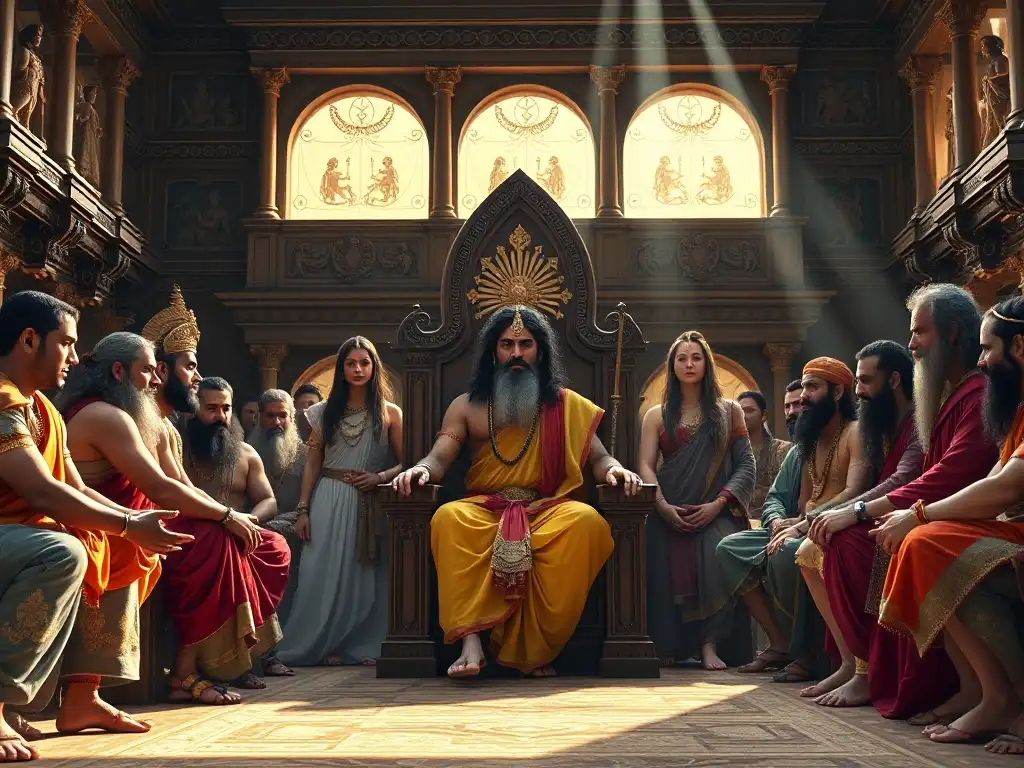
Welcome to Ancient India History, where we embark on an enthralling journey through the rich tapestry of India’s past. Have you ever wondered how the epic tales of the Mahabharata shape our understanding of justice and conflict resolution? In our featured article, “The Mahabharata’s Approach to Justice: A Study of Conflict Resolution,” we delve deep into the intricate methods portrayed in this timeless epic.
Join us as we unravel the wisdom of ancient civilizations, from the Indus Valley to the Gupta Empire, and discover the profound lessons that resonate even today. Prepare to be captivated and inspired to explore further!
Introduction to the Mahabharata
The Mahabharata, one of the most revered epics in Indian literature, is not just a grand narrative of heroism and battle; it is a profound exploration of the complexities of human relationships, morality, and justice. Composed over centuries, this epic encompasses a vast array of themes, with conflict and its resolution standing at the forefront. The story of the Kurukshetra War, the central event of the Mahabharata, serves as a poignant backdrop for examining various methods of conflict resolution that reflect the ethical and philosophical dilemmas faced by its characters.
Through its multifaceted characters, including the noble Pandavas and the cunning Kauravas, the Mahabharata offers insights into how disputes can escalate and the mechanisms that can be employed to address them. From the intricate dialogues of the Bhagavad Gita to the strategic counsel of figures like Krishna and Bhishma, the epic provides a rich tapestry of conflict resolution methods that resonate with contemporary issues. This exploration is not merely an academic endeavor; it invites readers to reflect on the moral implications of justice and the pathways to harmony in their own lives.
Importance of Conflict Resolution in Ancient Texts
Conflict resolution is a critical theme in many ancient texts, and the Mahabharata stands out for its nuanced portrayal of this concept. The significance of resolving disputes effectively is rooted in the understanding that conflict is an inherent part of human existence. In ancient Indian society, where community and social cohesion were paramount, the ability to navigate conflicts was essential for maintaining harmony.
The Mahabharata illustrates various conflict resolution methods through its narrative, showcasing approaches such as:
- Dialogue and Diplomacy: Characters often engage in discussions to seek peaceful resolutions, as exemplified by Krishna's attempts to broker peace before the war.
- Mediation and Arbitration: The epic highlights the role of mediators, such as Bhishma, who strive to bring the conflicting sides together.
- Moral Dilemmas: The text delves into the ethical considerations of justice, emphasizing that resolution methods must align with dharma (righteousness) to be truly effective.
Understanding these methods not only provides insight into ancient Indian values but also offers timeless lessons on conflict resolution applicable in modern contexts. The Mahabharata’s approach to justice serves as a compelling reminder of the intricate dance between power, morality, and the quest for peace.
- What is the Mahabharata and its significance in Indian history?
- How does the Mahabharata address conflict resolution?
- What are some key conflict resolution methods depicted in the Mahabharata?
- How do the themes of justice and dharma influence the resolution of conflicts in the Mahabharata?
- Can the Mahabharata's conflict resolution strategies be applied today?
Understanding Mahabharata Conflict Resolution Methods
Overview of Key Themes in Conflict Resolution
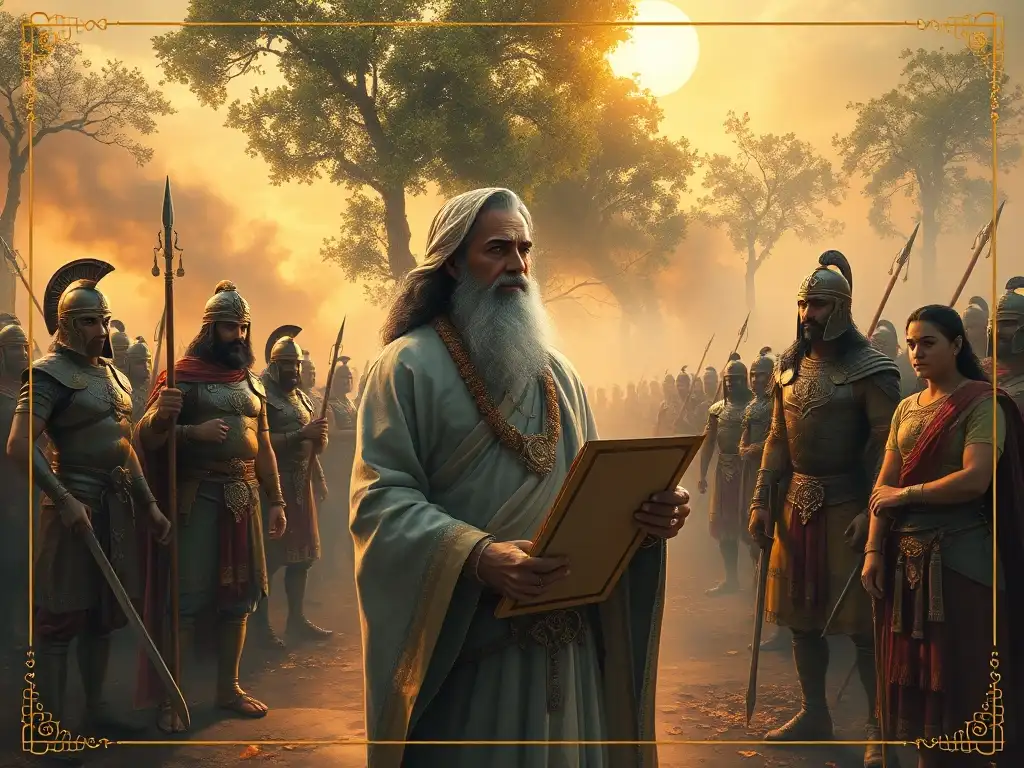
The Mahabharata, one of the longest epic poems in the world, intricately weaves a complex narrative that not only entertains but also educates on various themes of conflict resolution. Central to these themes are dharma (righteousness), justice, and human relationships. The epic showcases numerous conflicts, ranging from familial disputes to grand battles, each illustrating different methods of resolving conflicts.
-
Dharma as a Guiding Principle
The concept of dharma plays a pivotal role in guiding characters towards resolution. It serves as the moral compass that dictates rightful action amidst conflict. Characters like Yudhishthira exemplify adherence to dharma, often choosing the path of righteousness even at significant personal cost.
-
Dialogue and Negotiation
The Mahabharata emphasizes the importance of dialogue in conflict resolution. Key interactions, such as those between Krishna and Arjuna, highlight how open communication facilitates understanding and reconciliation. The epic advocates for reasoned negotiation over violence, illustrating that dialogue can lead to peaceful outcomes.
-
Consequences of War
The devastating consequences of war are vividly depicted, serving as a cautionary tale against unresolved conflicts. The epic reveals that violence is often a last resort, and the aftermath of the Kurukshetra war underscores the tragedy of conflict, urging future generations to seek peaceful resolutions.
Role of Dharma in Conflict Resolution
In the Mahabharata, dharma not only shapes individual actions but also influences collective conflict resolution strategies. The varying interpretations of dharma among characters lead to significant moral dilemmas and conflicts.
-
Dharma and Individual Responsibility
Each character’s understanding of their duty often conflicts with others' interpretations. For instance, Bhishma’s vow of celibacy and Yudhishthira’s commitment to truth often put them at odds with their familial duties, showcasing the complexity of dharma in conflict situations.
-
Krishna as the Arbiter of Dharma
Krishna emerges as a crucial figure in resolving conflicts through the lens of dharma. His guidance to Arjuna emphasizes the need to act in accordance with one’s duty while also considering the broader implications of one’s actions. Krishna’s role illustrates that wise leadership is essential in navigating conflicts.
-
Transformative Justice
The Mahabharata ultimately advocates for a transformative approach to justice, where understanding and reconciliation are prioritized. The epic suggests that true resolution comes from a deep understanding of dharma, fostering a sense of community and mutual respect among conflicting parties.
The Concept of Justice in the Mahabharata
Justice in the Mahabharata transcends mere retribution; it embodies a holistic approach to societal harmony. The epic presents various paradigms of justice, often challenging the reader to consider the broader implications of their actions.
-
Retributive vs. Restorative Justice
The narrative often contrasts retributive justice, which seeks punishment for wrongdoings, with restorative justice, which aims to repair relationships and restore balance. Characters like Yudhishthira seek to address grievances through restorative means, understanding that vengeance only perpetuates cycles of violence.
-
The Role of Fate and Free Will
The interplay between fate and free will complicates the concept of justice in the Mahabharata. Characters grapple with their decisions amidst predestined outcomes, raising questions about accountability and moral responsibility. This duality reflects the complexities of human experience in conflict situations.
-
Moral Ambiguities
The Mahabharata does not present clear-cut definitions of justice; instead, it explores moral ambiguities through its characters. The choices made by characters such as Duryodhana and Karna illustrate how justice can be perceived differently, depending on one's perspective. This nuanced portrayal encourages readers to reflect on their own beliefs about justice and conflict resolution.
The Mahabharata's approach to conflict resolution is deeply rooted in the principles of dharma and justice, offering timeless lessons on the complexities of human relationships and the importance of understanding in achieving resolution. The epic serves as a rich source of insight for those seeking to navigate conflicts in both personal and societal contexts.
Major Characters and Their Approaches to Conflict Resolution
Yudhishthira: The Paragon of Justice
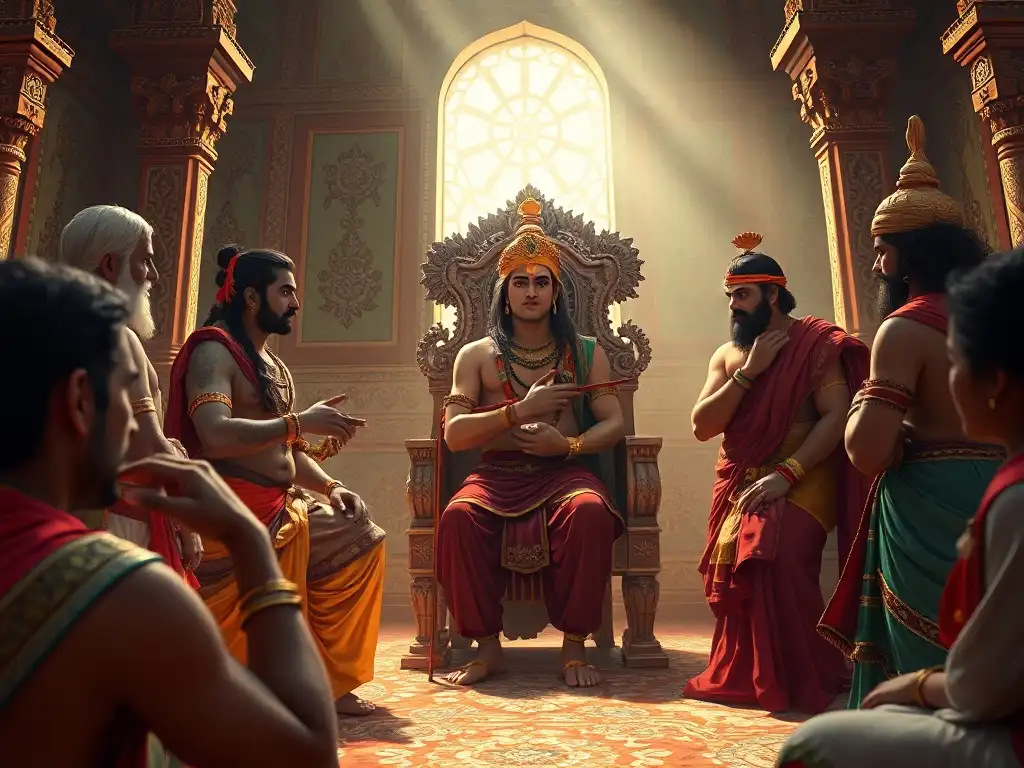
Yudhishthira, the eldest of the Pandavas, is often regarded as the epitome of justice in the Mahabharata. His commitment to truth and dharma (righteousness) shapes his approach to conflict resolution throughout the epic. Yudhishthira’s character embodies the principles of fairness, integrity, and moral rectitude, which guide his decisions in the most challenging situations.
- Commitment to Truth: Yudhishthira's unwavering adherence to truth is evident during the infamous game of dice, where he gambles away his kingdom and brothers. Despite the dire consequences, he believes in maintaining honesty, showcasing how his principles impact the resolution of conflicts.
- Consultative Leadership: Yudhishthira often seeks counsel from elders and wise advisors, such as Bhishma and Vidura, before making critical decisions. This consultative approach signifies his respect for collective wisdom and the importance of dialogue in conflict resolution.
- Empathy and Compassion: In moments of conflict, Yudhishthira exhibits empathy towards his opponents. He often prioritizes the well-being of others over his own interests, demonstrating that compassion is a vital component of effective conflict resolution.
As a result, Yudhishthira's strategies highlight the significance of moral integrity and empathetic leadership when navigating complex disputes.
Krishna: The Divine Counselor in Conflict
Krishna serves a pivotal role in the Mahabharata as a divine counselor and mediator. His multifaceted approach to conflict resolution combines wisdom, strategy, and diplomacy, making him an essential figure in guiding the narrative of the epic.
- Strategic Diplomacy: Krishna's role as a peacemaker is exemplified during the negotiations before the war. He attempts to mediate peace between the Pandavas and Kauravas, advocating for a diplomatic resolution rather than conflict. His strategic use of diplomacy illustrates that effective negotiation can prevent violence.
- Moral Guidance: Krishna provides moral and ethical guidance to Yudhishthira and Arjuna, emphasizing the importance of righteousness (dharma) in their actions. His teachings during the Bhagavad Gita underscore the need for individuals to understand their duties in the context of justice.
- Tactical Insight: In the battlefield, Krishna’s insights lead to innovative strategies that provide the Pandavas with an advantage. His ability to adapt to changing circumstances and think creatively in high-pressure situations is a testament to the importance of flexibility in conflict resolution.
Krishna's approach embodies a blend of divine wisdom and practical strategy, illustrating how multifaceted perspectives can lead to effective conflict resolution.
Duryodhana: The Complexities of Ambition and Justice
Duryodhana, the primary antagonist of the Mahabharata, represents the complexities of ambition, jealousy, and the pursuit of power. His approach to conflict resolution reflects a stark contrast to that of Yudhishthira and Krishna, providing a critical examination of justice from a different lens.
- Ambition and Entitlement: Duryodhana’s relentless ambition drives him to perceive conflict as a means to an end. His belief in his entitlement to the throne and his desire to maintain power lead to an unwillingness to seek compromise, showcasing how personal ambition can cloud judgment in conflict resolution.
- Manipulation and Deceit: Duryodhana often resorts to manipulation and deceit to achieve his goals, as seen in his treatment of the Pandavas. This approach highlights the darker aspects of human nature and raises questions about the ethical foundations of conflict resolution.
- Inflexibility in Negotiation: Unlike Krishna, Duryodhana is inflexible during negotiations, refusing to accept any terms that do not align with his desires. This rigidity exemplifies how an unwillingness to compromise can exacerbate conflicts rather than resolve them.
Duryodhana’s character serves as a cautionary tale about the potential pitfalls of ambition and the necessity of ethical considerations in the pursuit of justice, ultimately illustrating that conflict resolution is not solely about winning but understanding the deeper implications of one’s actions.
The Role of Dialogue in Conflict Resolution
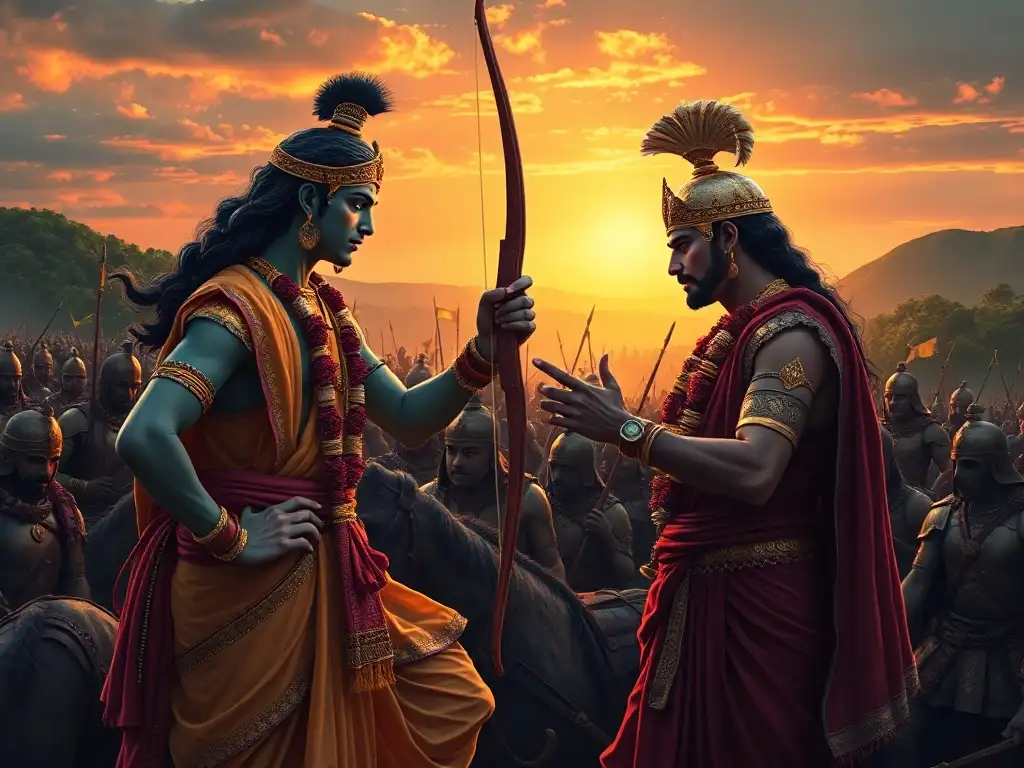
Dialogue serves as a fundamental mechanism for conflict resolution in the Mahabharata, emphasizing the importance of communication and understanding in addressing disputes. This epic illustrates that conflicts often escalate due to misunderstandings, emotions, and lack of communication. The Mahabharata showcases various dialogues that reveal the characters' intentions, motivations, and values, ultimately shaping the course of events.
In the epic, dialogue is not merely a tool for negotiation; it is a means of fostering empathy and comprehension among conflicting parties. Through conversations, the characters navigate their differences and seek to find common ground, highlighting the potential for resolution through understanding. The interactions between characters often reflect the complexities of human emotions and the challenge of reconciling differing perspectives.
Moreover, dialogue in the Mahabharata is multifaceted, encompassing formal negotiations, informal conversations, and philosophical discourses. Each type serves a distinct purpose, whether it be to defuse tensions, propose solutions, or explore moral dilemmas. This rich tapestry of dialogue underscores the epic's emphasis on the significance of communication in resolving conflicts, making it a vital theme in the study of Mahabharata conflict resolution methods.
Peace Negotiations: The Attempt for Diplomacy
One of the most notable instances of peace negotiations in the Mahabharata occurs when Lord Krishna, acting as an envoy for the Pandavas, attempts to broker peace with the Kauravas before the war breaks out. This episode highlights the critical role of diplomacy in conflict resolution and the lengths to which individuals may go to prevent unnecessary bloodshed.
During the negotiations, Krishna proposes several solutions that would allow the Kauravas to retain their honor while conceding territory to the Pandavas. His approach is characterized by patience, respect, and a deep understanding of the Kauravas' motives, particularly Duryodhana’s unwillingness to share power. This negotiation scene is pivotal as it exemplifies how dialogue can serve as a pathway to peace, demonstrating the potential for resolution before conflicts escalate into violence.
Despite Krishna's earnest attempts, the Kauravas ultimately reject the offer, reflecting the complexities of human nature and the challenges faced in conflict resolution. This rejection sets the stage for the inevitable war, underscoring the limits of diplomacy when confronted with deeply entrenched animosities. Nevertheless, the attempt at negotiation remains a powerful testament to the Mahabharata's exploration of conflict resolution methods, illustrating that dialogue is always the first step toward peace, even if it is not always successful.
The Game of Dice: A Turning Point in Conflict
The infamous game of dice serves as a significant turning point in the Mahabharata, marking the transition from diplomatic efforts to open conflict. In this episode, Yudhishthira, the eldest Pandava, is drawn into a high-stakes game against Duryodhana, which ultimately leads to the loss of their kingdom and the dishonor of the Pandava brothers.
This game exemplifies the fragility of conflict resolution, as it reveals how easily misunderstandings and personal weaknesses can derail diplomatic efforts. Yudhishthira's decision to gamble, driven by his adherence to dharma (duty) and the desire to uphold his family's honor, demonstrates the complexities of human behavior in conflict situations. The game of dice not only deepens the rift between the Pandavas and Kauravas but also highlights the role of fate and chance in the unfolding of events.
Furthermore, the aftermath of the game underscores the consequences of unresolved conflicts. The humiliation faced by Draupadi, the Pandavas' wife, catalyzes a cycle of vengeance and retribution, reinforcing the idea that unresolved grievances can perpetuate conflict and lead to devastating outcomes. The game of dice thus serves as a cautionary tale within the Mahabharata, illustrating how critical moments of decision can alter the trajectory of conflict resolution and escalate tensions into warfare.
The Role of Elders and Wise Counsel
The Mahabharata places significant emphasis on the role of elders and wise counsel in conflict resolution. Characters such as Bhishma, Vidura, and Drona embody the wisdom and experience necessary to navigate complex disputes. Their insights often provide guidance to the younger generation, highlighting the importance of listening to seasoned perspectives in times of crisis.
Bhishma, in particular, serves as a moral compass throughout the epic. His attempts to mediate between the Pandavas and Kauravas reflect the potential for wisdom to guide individuals toward resolution. However, despite his counsel, the characters often struggle to heed his advice, illustrating the challenges of implementing wise counsel in the face of personal ambition and pride.
Moreover, the role of elders is not limited to mediation; it also encompasses the responsibility of instilling values and ethics in the younger generation. The teachings of these wise characters serve as a framework for understanding justice, duty, and the implications of one's actions. The Mahabharata thus highlights that effective conflict resolution is not solely about resolving disputes but also about fostering a culture of wisdom, ethical conduct, and mutual respect.
The Mahabharata's approach to conflict resolution underscores the significance of dialogue, diplomacy, and wise counsel. The epic serves as a rich source of insights into the complexities of human relationships and the myriad ways in which conflicts can be navigated, offering valuable lessons for understanding conflict resolution methods in any context.
Symbolism of War and Peace in the Mahabharata
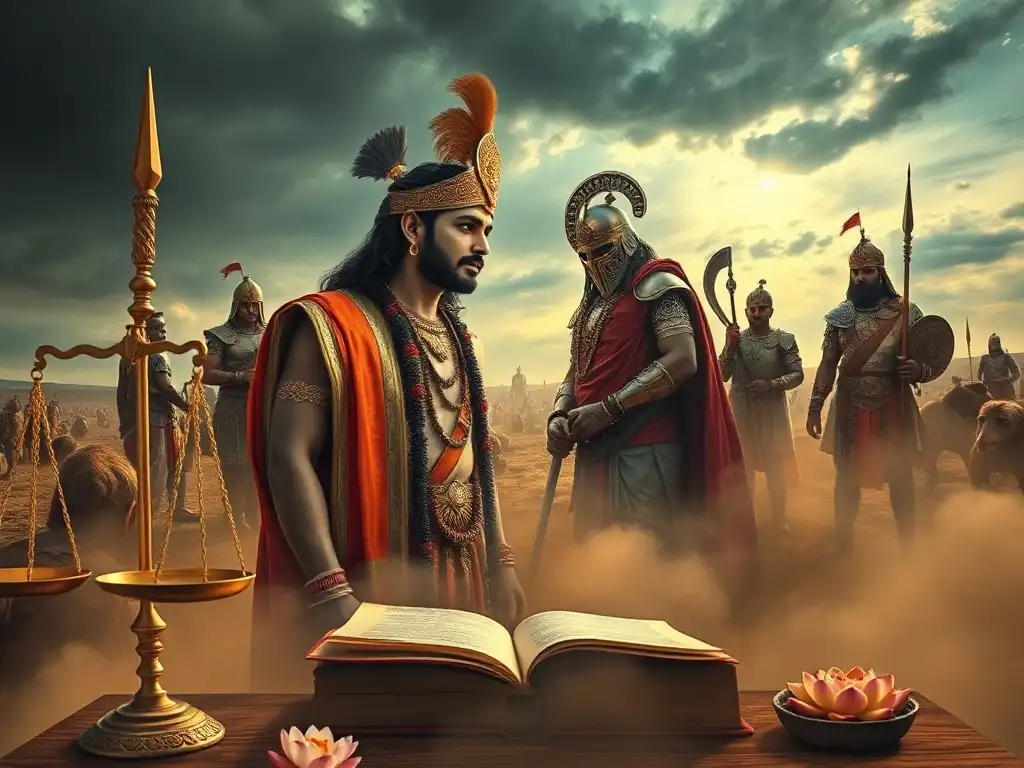
The Mahabharata intricately weaves themes of war and peace through its narrative, presenting a profound commentary on justice and morality. The epic portrays the dichotomy between these two states not merely as physical conditions but as complex moral and ethical landscapes that characters navigate throughout the story.
The Kurukshetra war serves as the ultimate symbol of conflict, encapsulating the struggle between dharma (righteousness) and adharma (unrighteousness). Each character in the Mahabharata represents different facets of this conflict, and their choices during the war reflect their understanding of justice. The battlefield itself becomes a metaphor for the trials of life, where victory and defeat are not solely defined by physical prowess but by the ethical implications of one’s actions.
Kurukshetra: The Battlefield of Justice
Kurukshetra, the site of the great war, is not just a geographical location but a symbol of the moral dilemmas faced by individuals. The conflict between the Pandavas and Kauravas arises from deep-rooted issues such as jealousy, ambition, and the quest for power. The war exemplifies how personal grievances can escalate into larger conflicts that require resolution through justice.
- Moral Ambiguity: The Mahabharata does not present a clear-cut notion of right and wrong. Characters like Arjuna, who is initially hesitant to fight against his kin, embody the internal struggle of aligning personal feelings with societal duties. His eventual decision to engage in battle, guided by Krishna’s counsel, highlights the complex nature of justice where the greater good sometimes necessitates difficult choices.
- Dharma Yudha: The term "Dharma Yudha" refers to a righteous war, illustrating that even in conflict, the principles of justice must be upheld. The epic emphasizes that war should be fought for just causes, and the Mahabharata urges readers to consider the ethical implications behind their actions in times of conflict.
- Symbolic Characters: Characters such as Bhishma and Drona represent the old guard of chivalry and loyalty, yet their involvement in the war raises questions about the righteousness of their choices. Bhishma’s vow of celibacy and loyalty to the throne of Hastinapura, even when it leads to the destruction of his kin, serves as a poignant reminder of the complexities inherent in choosing sides during conflict.
Lessons Learned from Conflict: The Aftermath of War
The aftermath of the Kurukshetra war serves as a critical examination of the consequences of conflict and the methods of resolution. The devastation resulting from the battle prompts deep introspection among the surviving characters and the audience alike.
- Reflection on Justice: Post-war, characters like Yudhishthira grapple with the heavy burden of leadership and the moral implications of their actions. The epic illustrates that true justice involves not just the outcome of battles but the healing of wounds left behind. Yudhishthira’s journey to understand the weight of his decisions emphasizes the need for compassion and reconciliation in the face of loss.
- Reconciliation and Forgiveness: The Mahabharata advocates for the importance of forgiveness as a method of conflict resolution. The surviving characters must navigate their grief and anger, learning that reconciliation is essential for rebuilding their society. The return of the exiled Pandavas to a war-torn kingdom symbolizes hope and the possibility of new beginnings.
- Legacy of Learning: The teachings of the Mahabharata extend beyond the narrative, offering insights into human nature and the complexities of justice. The epic suggests that the lessons learned from conflict can shape future generations, emphasizing the need for wisdom and reflection in governance and interpersonal relationships.
The Mahabharata’s exploration of conflict resolution methods through the symbolism of war and peace invites readers to engage with deep ethical questions about justice. The narrative serves as a timeless reminder that the paths to resolution are fraught with moral complexity, urging individuals to seek understanding and compassion in their actions.
Case Studies of Conflict Resolution in the Mahabharata
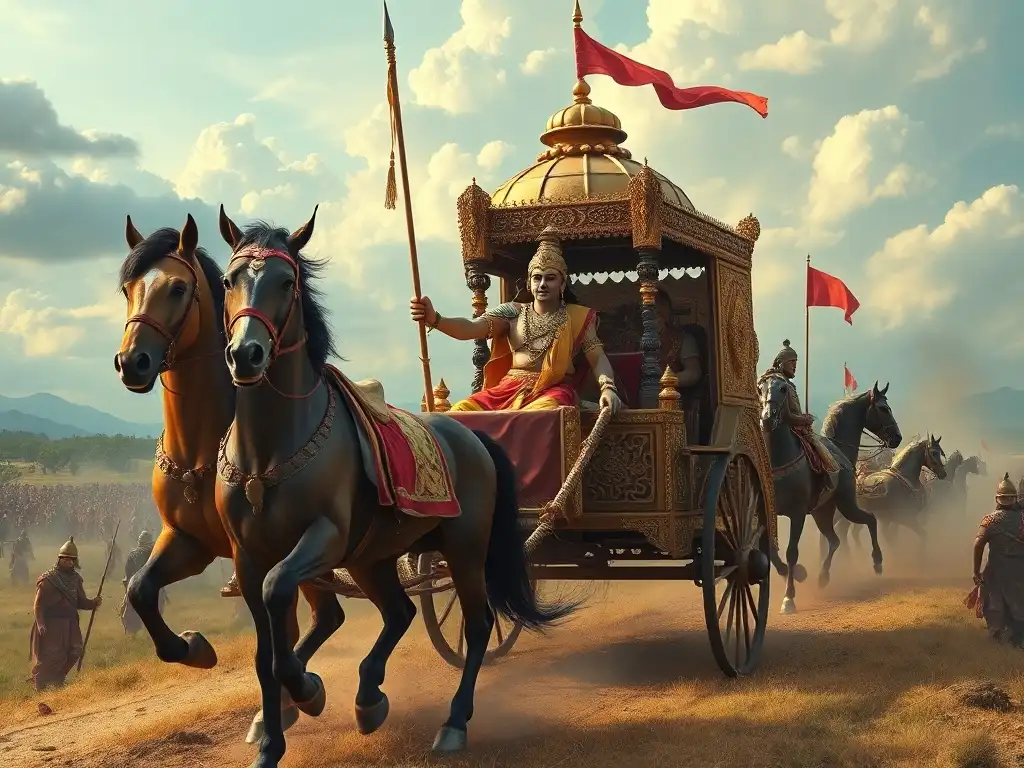
The Mahabharata, one of the two major Sanskrit epics of ancient Indian literature, offers profound insights into conflict resolution through its intricate narratives. The epic not only depicts the grandeur of ancient Indian civilization but also serves as a rich source of ethical and philosophical guidance, particularly concerning justice and conflict resolution. This section explores key case studies within the Mahabharata that illustrate its approach to resolving disputes, emphasizing the complexity and depth of its characters and situations.
The Dispute Over the Kingdom: A Study of Ambition and Justice
The central conflict of the Mahabharata revolves around the struggle for power between the Pandavas and Kauravas, primarily ignited by the dispute over the kingdom of Hastinapura. This conflict is emblematic of ambition and the quest for justice, showcasing various methods of conflict resolution employed throughout the narrative.
-
The Role of Dice:
The infamous game of dice, instigated by Shakuni, serves as a pivotal moment in the story. This event symbolizes how manipulation and deceit can undermine justice. The Pandavas lose their kingdom, wealth, and even their dignity, illustrating the consequences of ambition gone awry. The game serves as a catalyst for conflict, leading to the eventual war of Kurukshetra.
-
Diplomatic Efforts:
Before the war, there were several attempts at diplomatic resolution, including Krishna's mission to the Kauravas to negotiate peace. This approach highlights the importance of dialogue and negotiation in conflict resolution. Krishna's efforts reflect the idea that understanding and communication can sometimes avert violence, even in the face of deep-rooted animosity.
-
The Role of Elders:
The involvement of elders like Bhishma and Vidura also plays a crucial role. They often provide wisdom and counsel, advising the contenders on the path of righteousness (dharma). Their voices emphasize that justice should transcend personal ambitions and adhere to moral principles, demonstrating that ethical leadership is essential in resolving conflicts.
The dispute over the kingdom in the Mahabharata serves as a complex case study of ambition and justice, revealing the multifaceted methods of conflict resolution that range from manipulation to diplomacy and ethical guidance.
The Role of Women in Conflict Resolution: Draupadi's Stand
Draupadi, the wife of the five Pandavas, emerges as a powerful figure in the Mahabharata, particularly in her role during the conflict over the kingdom. Her character exemplifies the strength and resilience of women in ancient Indian society, and her actions are pivotal in shaping the narrative's approach to justice and conflict resolution.
-
Draupadi's Humiliation:
The incident of Draupadi's public humiliation in the Kaurava court serves as a turning point in the epic. Her outcry against injustice highlights the moral dilemmas faced by the characters and the consequences of dishonor. This event catalyzes the Pandavas' resolve to reclaim their dignity and justice, emphasizing that women's voices are crucial in the discourse of conflict resolution.
-
Advocacy and Empowerment:
Draupadi's refusal to remain silent in the face of injustice empowers her to advocate for her rights. She confronts the Kauravas and questions the legality of their actions, showcasing the importance of standing up against oppression. Her character challenges traditional gender roles, illustrating that women can be active participants in the resolution of conflicts, not merely passive figures.
-
The Role of Krishna:
Krishna's intervention during Draupadi's humiliation further underscores the collaborative efforts in conflict resolution. He provides her with divine support, symbolizing that justice is often a collective endeavor. This partnership between Draupadi and Krishna emphasizes the need for allies in the pursuit of justice and the resolution of conflicts.
Draupadi's stand in the Mahabharata exemplifies the significant role women play in conflict resolution. Her strength and determination not only highlight the importance of gender equality but also illustrate the epic's broader themes of justice, honor, and moral integrity.
Contemporary Relevance of Mahabharata Conflict Resolution Methods
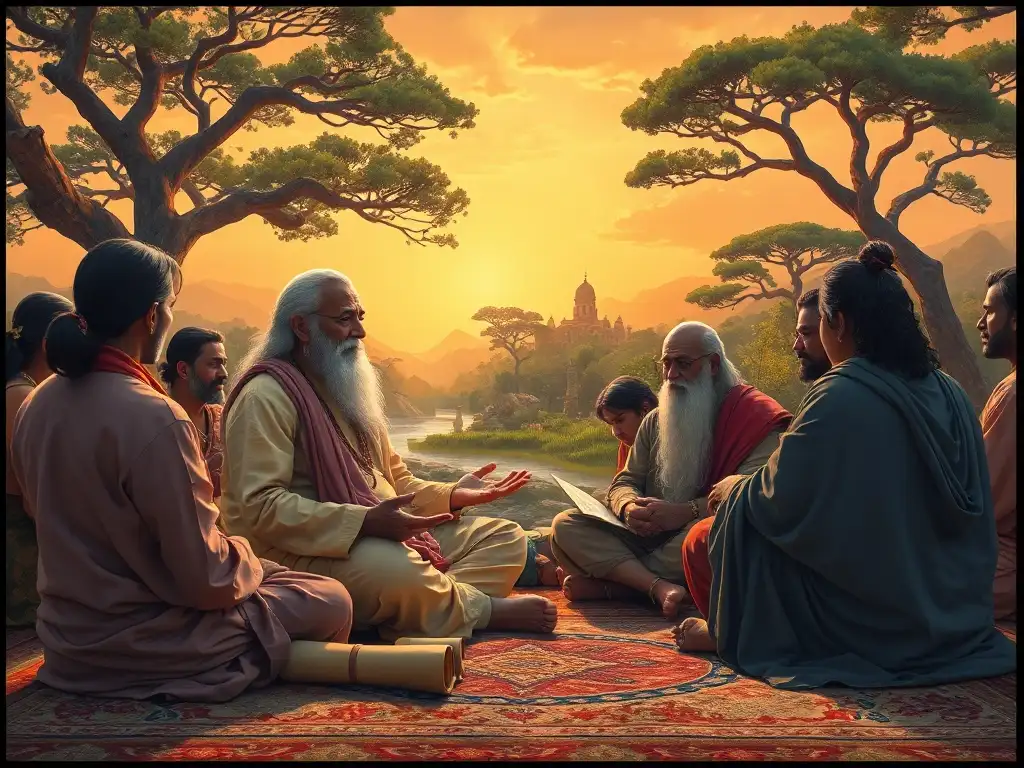
Applying Ancient Wisdom to Modern Conflict Resolution
The Mahabharata offers profound insights into conflict resolution that resonate with contemporary society. The epic presents a variety of methods that can be applied to modern disputes, transcending time and cultural boundaries. Here are some key principles derived from the Mahabharata that can be utilized today:
- Dialogue and Negotiation: Central to many conflicts in the Mahabharata is the emphasis on dialogue. The interactions between characters like Krishna and Arjuna highlight the importance of understanding different perspectives. In today's world, fostering open communication can lead to more amicable resolutions.
- Moral Dilemmas: The characters often face complex moral choices, reflecting the ambiguity of justice. For instance, Yudhishthira’s decisions illustrate the often challenging nature of ethical leadership. Modern conflict resolution can benefit from recognizing and addressing the moral dimensions involved in disputes.
- Restorative Justice: The resolution of the Kurukshetra war does not end with the defeat of one side; rather, it is followed by a period of reflection and healing. This approach aligns with contemporary restorative justice practices, which focus on reconciliation and the repair of relationships, rather than mere punishment.
- Inclusive Decision-Making: The Mahabharata stresses the importance of including all stakeholders in the resolution process. The gathering of various perspectives leads to more holistic solutions. In modern conflicts, this could translate into collaborative conflict resolution strategies that involve all parties.
These methods reflect not only the narrative of the Mahabharata but also provide a framework for addressing contemporary conflicts in a more ethical and effective manner.
The Mahabharata as a Guide for Ethical Leadership
Ethical leadership is a recurring theme in the Mahabharata, offering lessons that are still applicable in today’s political, corporate, and social arenas. The epic’s characters exemplify various leadership styles and their consequences, providing valuable insights into what constitutes ethical governance.
- Krishna's Diplomacy: Krishna serves as a paragon of strategic diplomacy throughout the Mahabharata. His ability to navigate complex political landscapes illustrates the importance of adaptability and clever negotiation in leadership. Leaders today can learn from Krishna’s approach to balancing power dynamics while striving for peace.
- Yudhishthira’s Integrity: Known for his unwavering commitment to truth and righteousness, Yudhishthira embodies the essence of ethical leadership. His character teaches modern leaders the significance of integrity and moral fortitude in decision-making.
- Dharma and Duty: The concept of dharma (righteous duty) is pivotal in the Mahabharata. Leaders are reminded that their responsibilities extend beyond personal gain to uphold justice and morality. This principle is essential for contemporary leaders who must navigate complex ethical dilemmas in their roles.
- Lessons from Failure: The Mahabharata does not shy away from depicting failures in leadership. Characters like Duryodhana, whose decisions lead to catastrophic consequences, remind modern leaders of the importance of humility and the willingness to learn from mistakes.
Through these examples, the Mahabharata serves as a timeless guide, emphasizing that ethical leadership is fundamental to effective conflict resolution and the health of societies.
Conclusion: The Enduring Legacy of Mahabharata's Conflict Resolution Methods
The Mahabharata's conflict resolution methods remain relevant in the modern context, showcasing a rich tapestry of ethical considerations, strategic negotiations, and moral dilemmas. Its teachings encourage individuals and leaders alike to engage in meaningful dialogues, uphold integrity, and seek collaborative solutions.
As societies continue to grapple with conflicts—whether personal, organizational, or geopolitical—the lessons from this ancient epic provide a framework for navigating disputes with wisdom and compassion. The enduring legacy of the Mahabharata lies not only in its narratives but also in its profound insights into human behavior and the complexities of justice, making it a timeless resource for achieving harmony and understanding in an increasingly complex world.
References and Further Reading on Mahabharata Conflict Resolution
The Mahabharata is not only a monumental epic in Indian literature but also a profound source of lessons on conflict resolution that resonate even today. For those interested in delving deeper into the themes of justice, ethics, and conflict resolution presented in the Mahabharata, a variety of scholarly works and translations can provide valuable insights. Below are some noteworthy references and suggested readings:
- Scholarly Books and Articles:
- "The Mahabharata: A Modern Rendering" by Ramesh Menon: This contemporary retelling captures the essence of the original epic while providing commentary on its moral and ethical dilemmas, making it an excellent resource for understanding conflict resolution.
- "Mahabharata: An Inquiry in the Conflict of Values" by J. A. McNaughton: This academic analysis explores the complex moral frameworks within the Mahabharata, focusing on how characters navigate conflict and justice.
- "The Politics of the Mahabharata" by R. S. Sharma: This book examines the political undertones of the Mahabharata, providing context for the conflict resolution strategies utilized by its characters.
- Translations and Interpretations:
- "The Mahabharata" translated by C. Rajagopalachari: A classic translation that remains accessible to general readers, offering insights into the narrative's conflict resolution methods.
- "The Mahabharata: A New Translation" by John D. Smith: This translation is known for its academic rigor and includes extensive footnotes that elucidate the intricate themes of justice and resolution within the epic.
- Research Journals:
- Journal of Indian Philosophy: This journal often publishes articles that analyze the philosophical implications of the Mahabharata, including its conflict resolution methods.
- International Journal of Hindu Studies: Articles in this journal provide deep dives into various aspects of Hindu texts, including the Mahabharata's approach to conflicts.
- Online Resources:
- The Mahabharata Project: A comprehensive website that offers translations, commentaries, and discussions about various interpretations of the Mahabharata, including conflict resolution.
- Podcasts and Lectures: Many universities and cultural organizations have produced podcasts exploring the Mahabharata, focusing on its relevance to modern conflict resolution.
- Documentaries and Films:
- "The Mahabharata" by Peter Brook: This acclaimed stage adaptation and film captures the essence of the epic, allowing viewers to reflect on the conflict resolution strategies employed by its characters.
By engaging with these resources, readers can gain a multifaceted understanding of the Mahabharata’s conflict resolution methods and their application in contemporary contexts. The lessons drawn from this ancient text continue to offer valuable insights into navigating complex conflicts in today's world.
Frequently Asked Questions
What is the Mahabharata and its significance in Indian history?
The Mahabharata is an ancient Indian epic that narrates the story of the Kuru dynasty and explores themes of dharma (duty/righteousness) and justice, making it a vital part of Indian culture and philosophy.
How does the Mahabharata address conflict resolution?
The Mahabharata presents various methods of conflict resolution, including dialogue, mediation, and the importance of ethical decision-making, which are still relevant in contemporary discussions about justice.
What are some key conflict resolution methods depicted in the Mahabharata?
Key methods include consultation with wise figures, the use of arbitration, and the emphasis on forgiveness and reconciliation, showcasing a comprehensive approach to resolving disputes.
How do the themes of justice and dharma influence the resolution of conflicts in the Mahabharata?
The concepts of justice and dharma serve as guiding principles, ensuring that resolutions are not just about winning but about maintaining moral integrity and the well-being of the community.
Can the Mahabharata's conflict resolution strategies be applied today?
Absolutely! The Mahabharata's emphasis on communication, understanding differing perspectives, and the quest for fairness offers timeless lessons applicable in modern mediation and negotiation practices.
Final Reflection: Embracing the Wisdom of Mahabharata Conflict Resolution
The lessons drawn from the Mahabharata’s approach to conflict resolution remain profoundly relevant today, as societies grapple with complex disputes and moral dilemmas. The epic not only illustrates the intricacies of justice but also emphasizes the importance of dialogue, empathy, and understanding in resolving conflicts. In a world increasingly polarized by differing opinions and ideologies, the Mahabharata serves as a timeless reminder that resolution is not merely about winning or losing, but about finding a path that honors all voices involved.
Culturally and socially, the teachings of the Mahabharata continue to resonate, shaping our understanding of justice and ethical conduct. The narrative encourages us to reflect on our own actions and decisions, urging us to consider the broader implications of our choices. As Mahatma Gandhi once said, “An eye for an eye only ends up making the whole world blind.” This quote encapsulates the essence of the Mahabharata’s conflict resolution methods, reminding us that true justice lies in compassion and reconciliation rather than retribution.
As you ponder the insights gleaned from this ancient text, I invite you to reflect on how you can incorporate these principles into your own life. Consider the conflicts you encounter—whether in personal relationships, workplaces, or community interactions—and strive to approach them with the wisdom of the Mahabharata. By fostering dialogue, seeking understanding, and prioritizing empathy, we can contribute to a more harmonious and just society. Let the teachings of the Mahabharata inspire you to be a catalyst for positive change in your own sphere of influence.
Unveil Justice in Your Life Today!
Thank you for exploring the intricate world of the Mahabharata with us! You've gained valuable insights into its profound approach to justice and conflict resolution—now it's time to take those lessons beyond the page.
Here are some practical actions you can embrace today:
- Reflect on Your Conflicts: Spend a few moments identifying a current conflict in your life. Consider how you can apply the principles of justice and resolution discussed in the Mahabharata to navigate this situation.
- Engage in a Discussion: Share your thoughts with a friend or in a community group about how ancient wisdom can be applied to modern dilemmas.
- Explore Further: Dive deeper into other ancient texts or philosophies that offer unique insights on justice and conflict to enrich your understanding.
How will you transform your approach to justice and conflict based on the lessons learned from the Mahabharata? We invite you to share your thoughts below!