
The Ramayana in the Context of Historical Events and Figures

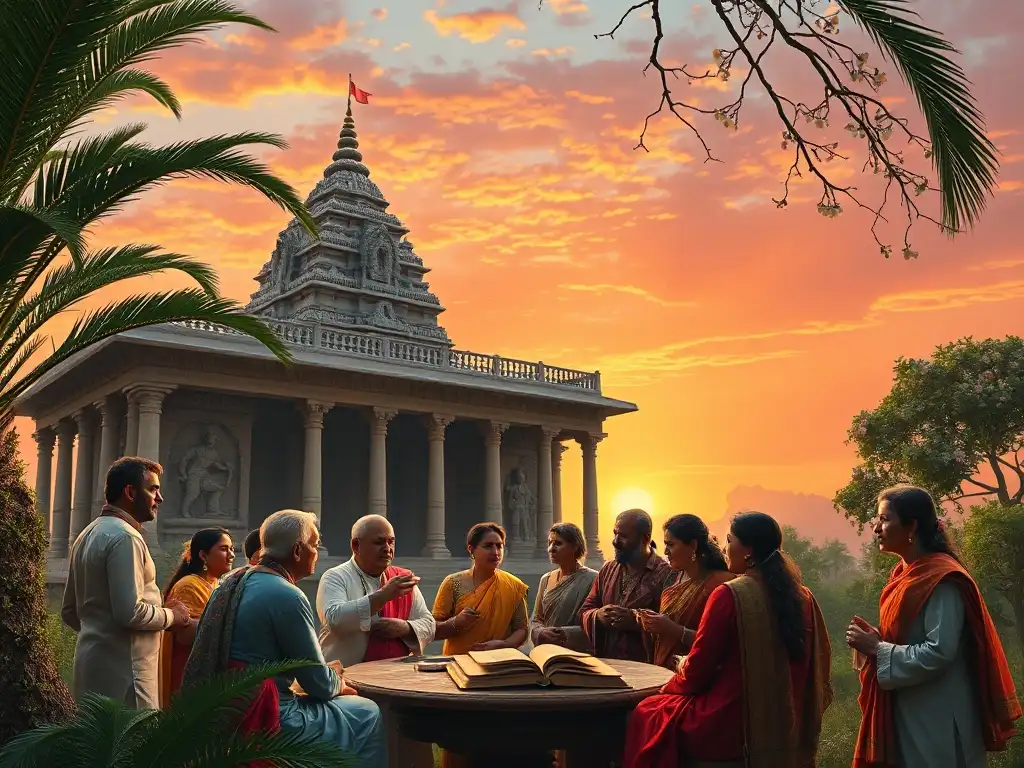
Welcome to Ancient India History, where we embark on a journey through the captivating tapestry of India’s past. Here, we dive deep into the historical significance of the Ramayana, unraveling its profound impact on not only literature but the very fabric of ancient Indian civilization. What hidden truths and remarkable figures lie within this epic tale? Join us as we explore the intersections of myth and history, shedding light on the rich cultural heritage that shaped a nation. Prepare to be intrigued and inspired as you continue to unravel the stories that echo through time.
-
The Historical Significance of the Ramayana in Ancient India
- Introduction to the Ramayana
- Historical Context of the Ramayana
- Historical Figures and Their Roles in the Ramayana
- The Ramayana and Ancient Indian Society
- The Ramayana's Influence on Historical Events
- Archaeological Evidence and Historical Analysis
- The Ramayana's Legacy in Historical Narratives
- Conclusion: The Enduring Historical Significance of the Ramayana
- Frequently Asked Questions
- Final Reflection: The Enduring Legacy of the Ramayana
- Unveil the Legacy of the Ramayana!
The Historical Significance of the Ramayana in Ancient India
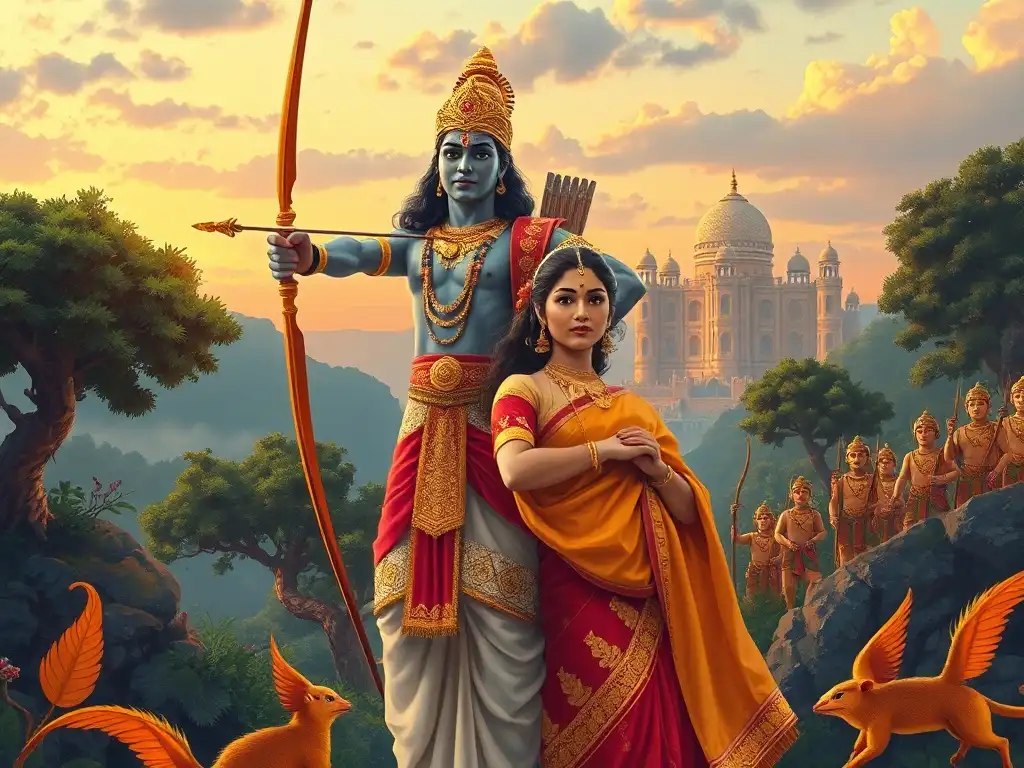
The Ramayana, one of the two great epics of ancient Indian literature, holds a profound place not only in the realm of storytelling but also in the historical tapestry of ancient India. This epic, attributed to the sage Valmiki, offers a rich narrative that intertwines mythology, philosophy, and moral values, reflecting the cultural ethos of its time.
As we delve into the historical significance of the Ramayana, it becomes apparent that its themes and characters resonate deeply with the socio-political landscape of ancient India, providing insights into the values, beliefs, and customs that shaped early Indian civilization. The Ramayana transcends mere literary merit, serving as a crucial lens through which we can explore the interactions of historical events and figures, ultimately enriching our understanding of ancient Indian culture and its enduring legacy.
Introduction to the Ramayana
Overview of the Ramayana as an Epic
The Ramayana narrates the life and adventures of Lord Rama, his wife Sita, and his loyal companion Hanuman. This epic is composed of seven Kandas (books) that detail Rama's quest to rescue Sita from the demon king Ravana. The narrative is not just a tale of heroism and devotion; it encompasses philosophical discourses and reflections on dharma (righteousness), making it a foundational text for understanding ethical and moral conduct in Indian society.
Importance of the Ramayana in Ancient Indian Literature
The Ramayana's significance extends beyond its narrative; it has influenced countless generations of writers, poets, and scholars. This epic has been a source of inspiration for various art forms, including dance, theater, and visual arts, and has played a pivotal role in shaping the cultural identity of India. Its teachings on duty, loyalty, and righteousness have been deeply ingrained in the fabric of Indian philosophy, making it a timeless treasure of ancient literature.
Historical Context of the Ramayana
The Time Period of the Ramayana
While the exact dating of the Ramayana remains debated among scholars, it is generally believed to have been composed between the 5th century BCE and the 2nd century CE. This period was marked by significant developments in Indian society, including the rise of urban centers and the emergence of various kingdoms. Understanding this timeframe helps contextualize the themes and characters within the socio-political dynamics of ancient India.
Key Historical Events During the Ramayana's Composition
The era during which the Ramayana was composed witnessed the intermingling of various cultural influences and the establishment of important dynasties. Notable events include the expansion of trade routes, the rise of the Mauryan Empire, and the spread of Buddhism and Jainism, all of which shaped the philosophical underpinnings of the time. These historical milestones provide a backdrop that enriches the understanding of the Ramayana, illustrating how the epic reflects and responds to the events and ideologies of its age.
Historical Figures and Their Roles in the Ramayana
The Ramayana comprises a rich tapestry of characters, each with distinct roles that contribute to its narrative and thematic depth. These figures not only drive the plot but also embody the ideals, virtues, and complexities of human nature, reflecting the sociopolitical landscape of ancient India. The actions and decisions of these characters serve as moral exemplars or cautionary tales, intertwining their fates with the historical significance of the epic itself.
Rama: The Hero and His Historical Significance
Rama, the protagonist of the Ramayana, is often regarded as the epitome of dharma (righteousness) and virtue. His character is not merely that of a hero; he symbolizes the ideal ruler and the moral compass for society. The historical significance of Rama can be traced through various interpretations across cultures and eras.
In ancient Indian society, Rama's journey signifies the struggle against adharma (unrighteousness) and the importance of duty. As a king, he represents the ideal values of leadership—justice, responsibility, and sacrifice. Historians often link Rama’s narrative to the political structures of ancient Indian kingdoms, positing that his virtues were meant to inspire real rulers to emulate his example. Furthermore, the reverence for Rama transcends literature; he is worshiped as a divine figure in many communities, reinforcing the epic’s impact on religious practices and cultural identity.
Sita: Symbolism and Cultural Impact
Sita, the central female character in the Ramayana, embodies strength, devotion, and resilience. Her character is significant not only as Rama's wife but also as a symbol of feminine virtue and loyalty. Sita's abduction by Ravana and her subsequent trials highlight the societal views on women, honor, and the concept of purity in ancient India.
Sita's story has profound cultural implications, influencing literature, art, and religious practices. She is often viewed as a model of virtue and patience, and her trials resonate with the themes of perseverance in the face of adversity. The cultural impact of Sita extends beyond the epic; she is celebrated in various festivals and rituals, particularly during Dussehra and Diwali, symbolizing the triumph of good over evil. Her character invites discussions on gender roles and societal expectations, making her a pivotal figure in the historical and cultural narrative of ancient India.
Ravana: The Antagonist and His Historical Context
Ravana, the formidable antagonist of the Ramayana, is often depicted as a complex character with both negative and positive attributes. As the king of Lanka, he is portrayed as a learned scholar and a devout follower of Shiva, adding depth to his character beyond mere villainy. The historical context surrounding Ravana's portrayal may reflect the sociopolitical dynamics of the time, including regional rivalries and the valorization of certain virtues.
Ravana’s abduction of Sita serves as the catalyst for the central conflict of the Ramayana, but his character also raises questions about power, pride, and the consequences of unchecked ambition. Some interpretations view Ravana's actions as a critique of imperialistic tendencies, emphasizing the moral lessons tied to his downfall. His legacy continues to be a subject of fascination, with various retellings exploring his character from different angles, thus enriching the discourse on morality and governance in ancient Indian history.
The Ramayana and Ancient Indian Society
The Ramayana serves as a critical lens through which the societal structure and values of ancient India can be understood. Its narrative encapsulates the complexities of human relationships, governance, and moral dilemmas, reflecting the ethos of the time.
Social Structure During the Time of the Ramayana
The social structure depicted in the Ramayana aligns closely with the varna system prevalent in ancient India, where individuals were classified into different social categories based on occupation and duty. The epic illustrates the roles of kings, warriors, sages, and commoners, each contributing to the larger framework of society.
Rama's role as a prince and later a king underscores the importance of dharma in governance. The relationships between characters, such as the loyalty of Hanuman and the counsel of sages like Vasishtha, highlight the significance of community and kinship ties. The depiction of Sita’s role within the household further emphasizes the traditional expectations placed upon women, reflecting the values and norms that governed familial relationships during this period.
The Ramayana's Reflection of Ancient Indian Values and Norms
The Ramayana is imbued with the values and norms that defined ancient Indian civilization. Themes of duty (dharma), righteousness, loyalty, and love permeate the narrative, serving as moral guidelines for individuals and rulers alike. The epic illustrates the conflict between personal desires and societal expectations, a dilemma faced by many characters.
Through the trials of Rama and Sita, the Ramayana conveys the importance of adhering to one's duty, even in the face of great personal loss. The narrative also underscores the significance of ethical conduct, portraying the consequences of actions, as seen in Ravana's downfall. The ideals presented in the Ramayana have endured through centuries, continuing to influence contemporary discussions on ethics, governance, and the human condition in the context of ancient Indian society.
The Ramayana's Influence on Historical Events
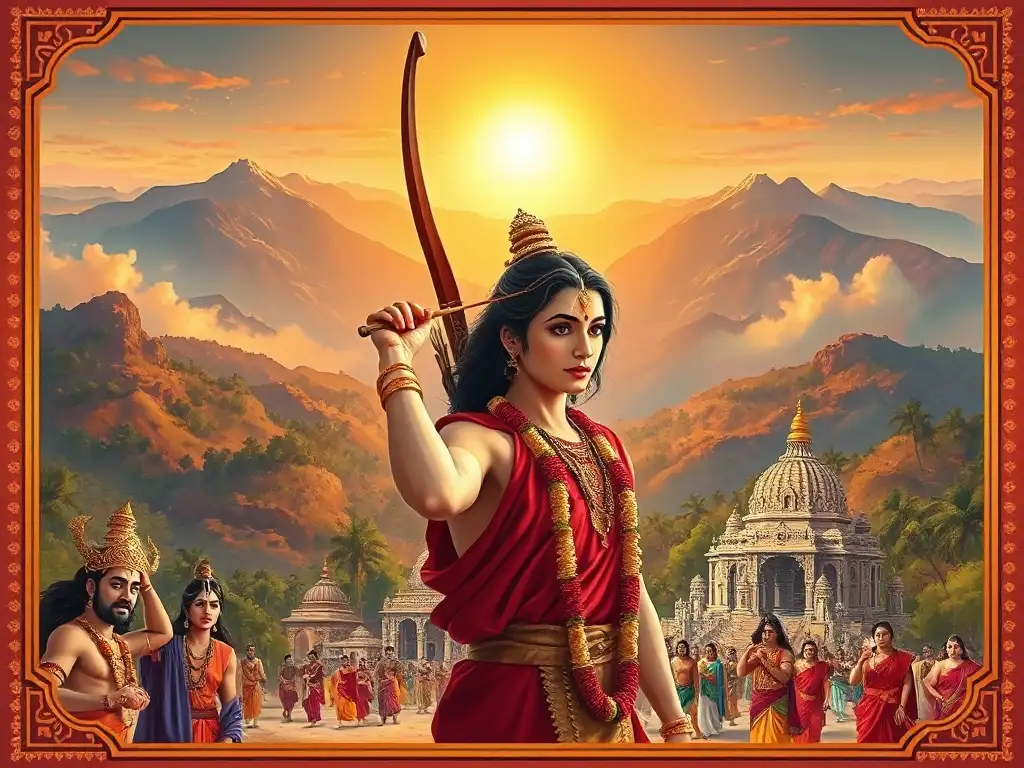
The Ramayana, one of the two major Sanskrit epics of ancient Indian literature, has had a profound influence on the historical landscape of India. Its narratives and characters have transcended mere storytelling to become integral to the political and social fabric of various dynasties. The epic recounts the journey of Lord Rama and his quest to rescue his wife, Sita, from the demon king Ravana—a tale that has inspired numerous rulers to draw parallels between their reigns and the virtue of dharma (righteousness) exemplified by Rama.
Throughout history, many kings have invoked the Ramayana to legitimize their rule, using its themes of duty, justice, and heroism as foundational myths. For instance, the rulers of the Gupta Empire (circa 4th to 6th centuries CE) embraced the Ramayana not only as a cultural artifact but also as a political tool that reinforced their authority and governance. The epic's rich tapestry of conflicts and moral dilemmas has provided a framework for understanding and navigating real-life political dynamics, making it a timeless reference in the annals of Indian history.
The Ramayana in the Context of Political Dynamics
The Ramayana serves as a reflection of the political dynamics of ancient India, particularly in how its themes were utilized by different dynasties to assert power and influence. The character of Rama, often seen as the ideal king (Maryada Purushottama), embodies the virtues of justice, loyalty, and duty, which rulers aspired to emulate.
For example, the kings of the Ayodhya dynasty, claiming descent from Rama, leveraged this lineage to strengthen their claim to sovereignty. Similarly, during the medieval period, the Ramayana was employed in various regional courts to foster a sense of unity and identity among subjects, often depicted in art and literature that celebrated the epic's themes.
Moreover, the Ramayana has been interpreted through various political lenses, with its narratives reflecting the struggles between dharma and adharma (unrighteousness) that were prevalent in the sociopolitical contexts of different eras. The epic’s portrayal of righteous warfare and ethical dilemmas has also influenced military strategies and justifications for conflict, showcasing its enduring relevance in shaping political thought.
How the Ramayana Shaped Cultural Practices and Beliefs
The Ramayana's impact extends beyond politics into the realm of cultural practices and beliefs. Its narratives have been integral to the formation of social norms, rituals, and ethical values across diverse communities in India. Festivals such as Diwali, which commemorates Lord Rama's return to Ayodhya after defeating Ravana, exemplify how the epic has shaped cultural celebrations, bringing communities together in shared reverence and joy.
The teachings of the Ramayana have also permeated religious practices, with many Hindus considering it a sacred text that guides moral conduct. The epic’s characters serve as role models, influencing individual and collective behavior, and its teachings on devotion, sacrifice, and duty resonate deeply within Hindu philosophy.
Additionally, the Ramayana has inspired a variety of art forms, including dance, theater, and sculpture, which often depict key scenes from the epic. These artistic interpretations serve to reinforce cultural identity and continuity, ensuring that the lessons of the Ramayana remain relevant in modern society.
Archaeological Evidence and Historical Analysis
The exploration of archaeological evidence surrounding the Ramayana has provided valuable insights into the historical contexts of the epic. While the Ramayana is primarily a literary work, numerous archaeological findings have been interpreted to correspond with locations and events described in the text. This intersection of literature and archaeology allows historians to assess the historical significance of the Ramayana within the framework of ancient Indian civilization.
Archaeological excavations in regions believed to be linked to the Ramayana, such as Ayodhya, have unearthed artifacts and structures that offer tangible connections to the epic's narrative. These findings have sparked debates among scholars regarding the historicity of the Ramayana, prompting discussions on whether the events described were purely mythological or rooted in actual historical occurrences.
Discovering the Historical Locations of the Ramayana
Efforts to identify the geographical settings of the Ramayana have led to intriguing discoveries that underscore the epic's historical context. Locations such as Ayodhya, where Rama is said to have been born, and Lanka, believed to be present-day Sri Lanka, have been the focus of extensive archaeological research.
Excavations in Ayodhya have revealed ancient structures, pottery, and inscriptions that suggest a continuous habitation and cultural significance over millennia. Similarly, studies in Sri Lanka have uncovered ruins that align with descriptions from the Ramayana, such as the famed Ashoka Vatika, where Sita was held captive.
These findings not only provide a backdrop for the Ramayana's narrative but also illustrate how the epic has influenced the historical identity of these regions. The identification of these sites fosters a deeper understanding of the cultural and historical milieu during the time the Ramayana was composed and provides a framework for analyzing its lasting impact on subsequent generations.
The Role of Archaeology in Understanding the Ramayana's Historical Significance
Archaeology plays a crucial role in unraveling the complexities of the Ramayana's historical significance. By examining artifacts, inscriptions, and ancient sites, archaeologists contribute to a broader understanding of the socio-political and cultural landscapes depicted in the Ramayana.
The integration of archaeological evidence with literary analysis allows historians to reconstruct the past more accurately. For instance, findings related to ancient fortifications, trade routes, and settlement patterns enrich our knowledge of the societies that might have inspired the epic’s narratives. Additionally, the study of ancient texts alongside archaeological discoveries fosters a multidisciplinary approach, bridging gaps between literature and history.
The Ramayana's historical significance is multifaceted, intertwining with political dynamics, cultural practices, and archaeological findings, each illuminating different aspects of ancient Indian civilization. Understanding this epic through various lenses not only enhances our appreciation of its literary excellence but also underscores its role in shaping the historical narrative of India.
The Ramayana's Legacy in Historical Narratives
The Ramayana, attributed to the sage Valmiki, holds a profound place in the historical narratives of ancient India. Its epic tale of Lord Rama, Sita, and the battle against Ravana not only serves as a captivating story but also intertwines with the socio-political landscape of the time. The Ramayana reflects values such as dharma (righteousness), loyalty, and the ideal of kingship, which were essential to the governance and moral framework of ancient Indian society.
Furthermore, the narrative has been utilized by various dynasties to legitimize their rule, portraying themselves as embodiments of dharma akin to Rama. For instance, the rulers of the Gupta Empire often drew parallels between their governance and the virtues exhibited by Rama, thereby reinforcing their legitimacy. The Ramayana's legacy persists in historical accounts, where it is cited as a source of moral and ethical guidance, influencing leaders and thinkers throughout Indian history.
The Ramayana's Impact on Subsequent Indian Literature
The influence of the Ramayana extends far beyond its own text, shaping a broad spectrum of Indian literature. Numerous adaptations, retellings, and interpretations have emerged over the centuries, each contributing to the evolving narrative of the epic. Works such as Tulsidas's "Ramcharitmanas" in the 16th century not only reinforced the story's popularity but also made it accessible to the vernacular audience, thereby embedding it in the cultural consciousness of the time.
Moreover, the themes and character archetypes from the Ramayana have permeated various genres of literature, including poetry, drama, and prose. The portrayal of ideal characters, such as the virtuous Rama and the devoted Sita, has inspired countless writers and poets, creating a rich tapestry of narratives that reflect the human experience. This literary lineage demonstrates the Ramayana's role as a foundational text that continues to influence contemporary writers and artists in India and beyond.
Influence of the Ramayana on Indian Culture and Traditions
The impact of the Ramayana on Indian culture and traditions is profound and far-reaching. It has shaped religious practices, festivals, and rituals across the subcontinent. The festival of Diwali, for instance, commemorates the return of Lord Rama to Ayodhya after his victory over Ravana, symbolizing the triumph of good over evil. This celebration not only showcases the epic's cultural significance but also its integration into the fabric of Indian societal values.
Additionally, the Ramayana has influenced art forms such as dance, theater, and visual arts. Traditional performances such as Ramlila dramatize the events of the Ramayana, allowing communities to engage with the epic actively. The rich imagery and themes from the Ramayana are also depicted in sculptures, paintings, and textiles, further embedding its legacy in Indian culture. Through these mediums, the Ramayana continues to be a vital part of the collective identity of Indian civilization, resonating with audiences across generations.
Conclusion: The Enduring Historical Significance of the Ramayana
The Ramayana stands as a monumental work in the history of Indian literature and culture, offering insights not only into the values and beliefs of ancient civilization but also into the complexities of human relationships and governance. Its narrative serves as a mirror reflecting the historical context of its time while simultaneously influencing future generations.
Summary of Key Points on the Ramayana's Historical Relevance
- Moral Framework: The Ramayana establishes a moral framework that has guided rulers and citizens alike, emphasizing virtues such as righteousness, loyalty, and justice.
- Literary Influence: Its adaptations and retellings have enriched Indian literature, creating a diverse literary heritage that continues to inspire.
- Cultural Integration: The epic's integration into festivals, rituals, and art forms highlights its significance in shaping cultural traditions in India.
Final Thoughts on the Ramayana's Role in Shaping India's Cultural Heritage
The Ramayana's historical significance is multifaceted, acting as a cultural touchstone that has shaped Indian identity over millennia. Its themes of virtue and morality resonate deeply within the socio-cultural fabric of India, making it not just a literary masterpiece but a vital component of the nation's heritage. As contemporary society continues to grapple with ethical dilemmas, the lessons derived from the Ramayana remain relevant, ensuring its place as an enduring legacy in the annals of Indian history.
Frequently Asked Questions
What is the historical significance of the Ramayana?
The Ramayana is a sacred text that reflects the social, moral, and ethical values of ancient India, providing insight into historical events and cultural practices.
How does the Ramayana relate to ancient Indian civilizations?
The Ramayana illustrates the political, social, and cultural dynamics of ancient Indian civilizations, helping us understand the context in which these societies developed.
Who are the key historical figures mentioned in the Ramayana?
Key figures include Lord Rama, Sita, Hanuman, and Ravana; their stories symbolize various virtues and vices prevalent in ancient Indian society.
What role did the Ramayana play in shaping Indian culture?
The Ramayana has been a cultural cornerstone, influencing art, literature, dance, and theater throughout Indian history, and is celebrated in various regional adaptations.
How is the Ramayana viewed in the context of historical events?
The Ramayana is often interpreted as a moral allegory reflecting the political struggles and ethical dilemmas faced by rulers and societies in ancient India.
Final Reflection: The Enduring Legacy of the Ramayana
The historical significance of the Ramayana extends far beyond its narrative, resonating deeply with contemporary society and its values. As we navigate a world fraught with conflict and division, the teachings and moral dilemmas presented in this epic remain profoundly relevant. The Ramayana serves not only as a cultural artifact but also as a guide for ethical living and understanding the complexities of human relationships. In this light, we can appreciate how ancient wisdom continues to illuminate our paths today.
The Ramayana has profoundly influenced the cultural and social landscape of various societies, shaping art, literature, and moral frameworks across generations. Its themes of duty, righteousness, and devotion resonate with individuals seeking purpose and connection in their lives. The timeless nature of these teachings is encapsulated in the words of Mahatma Gandhi, who said, "> The Ramayana is a great book of the world.
It is a book of life, a book of love, and a book of wisdom." This underscores the idea that the Ramayana is not merely a story but a living tradition that continues to inspire and guide us in our daily lives.
As we reflect on the lessons of the Ramayana, I invite you to consider how these ancient narratives can inform your own journey. Embrace the values of courage, compassion, and integrity that the characters embody, and let them inspire you to navigate your own challenges with grace and wisdom.
In doing so, we not only honor the legacy of this epic but also contribute to a more harmonious and understanding world. Take a moment to reflect on how the teachings of the Ramayana can be woven into the fabric of your life, and let them guide you toward a brighter future.
Unveil the Legacy of the Ramayana!
Thank you for exploring the profound world of the Ramayana and its interplay with historical events and figures. Your journey through this epic has not only enriched your understanding but also illuminated the cultural heritage that shapes our present. Now, it’s time to take your insights further!
Here are some inspiring actions you can take:
- Dive deeper into the Ramayana: Choose a character from the epic and investigate how their actions have influenced significant events in our culture.
- Share your thoughts: Post your interpretation of the Ramayana’s impact on contemporary social values in our comments section or on social media, inviting friends to join the discussion!
- Join a community: Seek out local or online groups dedicated to Indian epics—these spaces can provide valuable insights and foster collaborative learning.
Reflecting on the timeless lessons of the Ramayana, what principle do you believe should guide today’s society? Let's continue this important conversation!