
Vedic Poetry: The Art and Aesthetics of Ancient Indian Literature

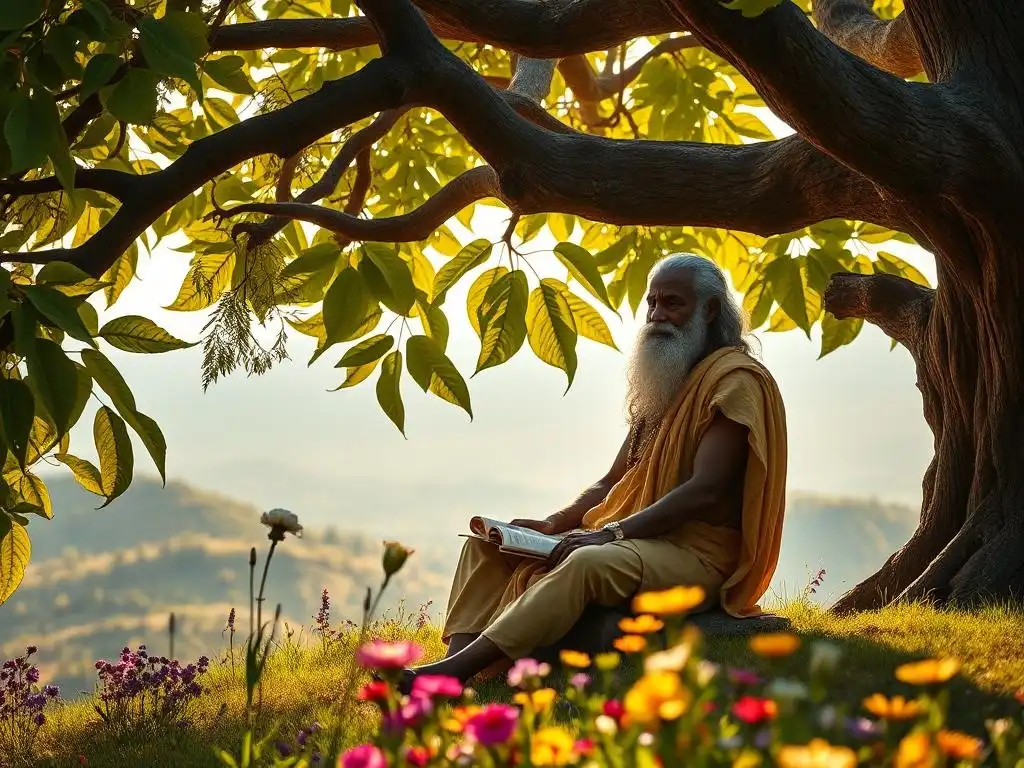
Welcome to Ancient India History, where we embark on a journey through the rich tapestry of ancient Indian civilizations! Delve into the fascinating world of Vedic poetry and ancient literature, a cornerstone of India's cultural heritage that has shaped its identity for millennia. This article, "Vedic Poetry: The Art and Aesthetics of Ancient Indian Literature," invites you to discover the profound beauty and intricate artistry of epic literature that transcends time.
Get ready to unravel the mysteries of the Vedas and explore how these timeless verses continue to inspire and resonate in today's world. Your adventure into the depths of ancient wisdom starts here!
- Introduction to Vedic Poetry and Ancient Literature
- Historical Context of Vedic Poetry
- Characteristics of Vedic Poetry
- Aesthetic Elements in Vedic Poetry
- Major Works in Vedic Poetry
- The Influence of Vedic Poetry on Later Literature
- Conclusion: The Enduring Legacy of Vedic Poetry
- References and Further Reading on Vedic Poetry and Ancient Literature
- Frequently Asked Questions
- Final Reflection: The Timeless Resonance of Vedic Poetry
- Unveil the Beauty of Vedic Poetry Today!
Introduction to Vedic Poetry and Ancient Literature
Vedic poetry represents one of the earliest and most profound expressions of literary art in ancient India, encapsulating the spiritual, philosophical, and cultural ethos of its time. Rooted in the sacred texts known as the Vedas, this form of poetry not only serves as a foundational pillar in the evolution of ancient Indian literature but also offers a window into the beliefs, rituals, and social practices of the Vedic civilization.
As we delve into the intricacies of Vedic poetry, we uncover a tapestry of linguistic beauty and aesthetic depth that has influenced countless generations. This article will explore the definition, significance, and historical context of Vedic poetry within the broader spectrum of ancient literature, highlighting its enduring legacy in shaping the literary landscape of India.
Definition of Vedic Poetry
Vedic poetry encompasses the body of poetic compositions found in the four Vedas: Rigveda, Samaveda, Yajurveda, and Atharvaveda. Characterized by its rhythmic and metrical structure, Vedic poetry often employs devices such as alliteration, assonance, and metaphor to convey complex themes and emotions. These poems were primarily composed in Sanskrit and were intended to be recited or chanted during various rituals and ceremonies, reflecting the spiritual and philosophical inquiries of the time.
The Rigveda, for instance, is a treasure trove of hymns dedicated to various deities, showcasing not only religious devotion but also a profound understanding of nature and existence. The poetic form is integral to the Vedic texts, as it serves to preserve oral traditions and knowledge that have been passed down through generations.
Importance of Vedic Poetry in Ancient Indian Literature
Vedic poetry holds a central place in ancient Indian literature for several reasons:
- Cultural Significance: It provides insights into the socio-cultural milieu of the Vedic period, shedding light on the values, beliefs, and practices of ancient Indian society.
- Philosophical Depth: The metaphysical inquiries found within these hymns reflect early philosophical thought, laying the groundwork for later schools of Indian philosophy.
- Linguistic Innovation: Vedic poetry showcases the evolution of the Sanskrit language, with its intricate use of syntax and semantics, influencing subsequent literary forms.
- Ritualistic Role: Many poems are tied to specific rituals, illustrating the connection between literature and spirituality in Vedic culture.
Through these aspects, Vedic poetry not only enriches our understanding of ancient Indian literature but also continues to resonate with contemporary literary and philosophical discourses.
Overview of the Vedas
The Vedas, composed between approximately 1500 BCE and 500 BCE, are a collection of sacred texts that form the foundation of Hindu philosophy and spirituality. They are divided into four main categories:
- Rigveda: The oldest of the Vedas, consisting of hymns and praises dedicated to various deities.
- Samaveda: Focused on melodies and chants, it is often associated with the rituals of the Soma sacrifice.
- Yajurveda: A compilation of prose mantras used in rituals, emphasizing the practical aspects of Vedic sacrifices.
- Atharvaveda: A collection that includes hymns, spells, and incantations, reflecting the everyday life and beliefs of the people.
Together, these texts encapsulate the spiritual and literary richness of ancient India, with Vedic poetry serving as a pivotal element in their composition. As we explore further into the nuances of Vedic poetry, we will uncover its artistic and aesthetic dimensions, revealing the profound impact it has had on the literary traditions of India.
Historical Context of Vedic Poetry
The Origin of Vedic Literature
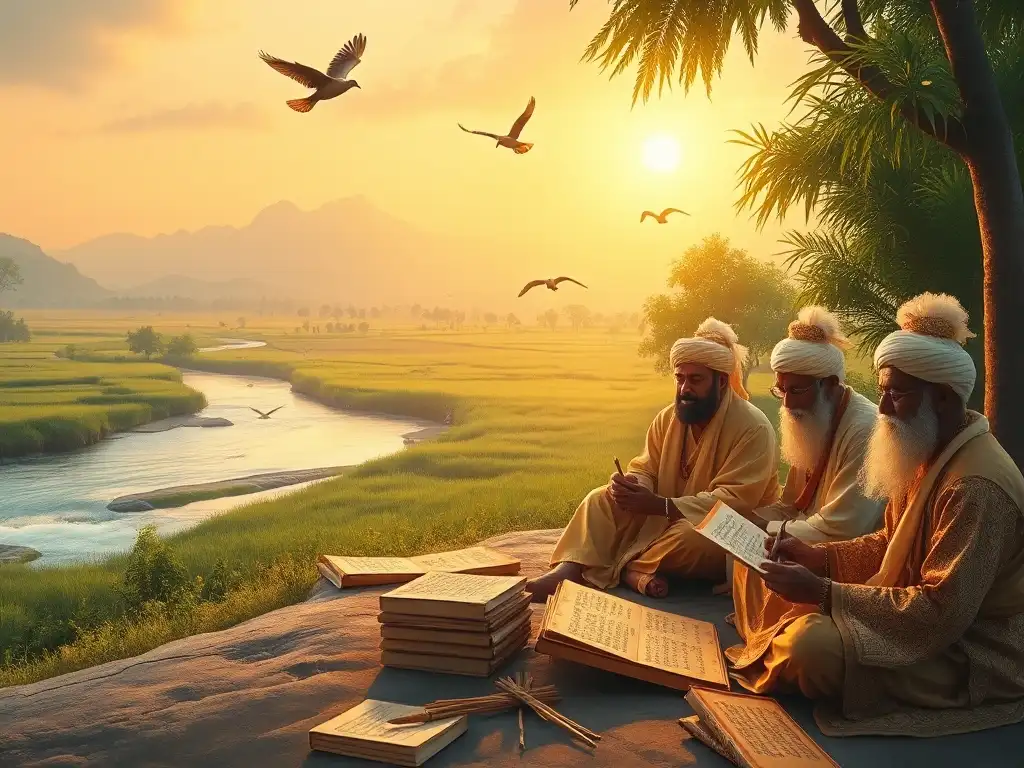
Vedic literature, encompassing the sacred texts of Hinduism known as the Vedas, is believed to have originated around 1500 BCE to 500 BCE. This period marks the transition from the Indus Valley Civilization to the early Vedic period, characterized by the migration of Indo-Aryan tribes into the Indian subcontinent. The Vedas, consisting of four main texts— Rigveda, Samaveda, Yajurveda, and Atharvaveda—are not only religious texts but also remarkable works of poetry.
The Rigveda is the oldest and most significant of these texts, containing hymns dedicated to various deities. The poetic structure of Vedic literature is notable for its use of meter, alliteration, and imagery, reflecting a sophisticated understanding of language and sound. The early Vedic poets, often referred to as rishis, composed these hymns in a highly formalized style, employing metaphors and similes that resonate with the natural and cosmic order.
The Socio-Cultural Environment of Ancient India
The socio-cultural environment of ancient India during the Vedic period was deeply intertwined with the religious and philosophical ideologies that emerged from these texts. Society was primarily agrarian, with a strong emphasis on rituals and sacrifices that were believed to sustain cosmic harmony. Vedic poetry played a crucial role in this context, serving both as a medium of worship and as a vehicle for philosophical exploration.
The caste system, which began to take shape during this period, influenced the creation and transmission of Vedic poetry. The Brahmins, or priestly class, were responsible for composing and reciting these texts, thereby solidifying their role as intermediaries between the divine and the lay population. This hierarchical structure fostered a rich tradition of oral transmission, where Vedic hymns were meticulously memorized and passed down through generations.
Moreover, the Vedic period saw the emergence of various philosophical schools, which engaged with the themes presented in Vedic poetry. Concepts like dharma (cosmic order), karma (deeds), and moksha (liberation) found their roots in these early texts, influencing not only literature but also the spiritual landscape of ancient India.
Key Historical Figures in Vedic Poetry
Several key figures have stood out in the history of Vedic poetry, contributing significantly to its development and richness. Among them, the rishis such as Vishvamitra, Vishwaroopa, and Valmiki are particularly noteworthy.
- Vishvamitra: Known for his contributions to the Rigveda, Vishvamitra's hymns explore themes of creation and the nature of the universe. His narrative of asceticism and transformation from a king to a sage exemplifies the spiritual journey emphasized in Vedic literature.
- Valmiki: Often regarded as the first poet or Adi Kavi, Valmiki is credited with composing the Ramayana, although it is technically post-Vedic. His influence, however, can be traced back to the poetic traditions established in the Vedic texts, particularly in the use of meter and narrative style.
- Yajnavalkya: A prominent sage in the Brahmanas, he contributed to the philosophical discourse within Vedic literature. His dialogues in the Brihadaranyaka Upanishad showcase the depth of thought present in Vedic poetry, moving beyond mere hymns to profound philosophical inquiry.
The amalgamation of these poets and sages contributed to a vast and intricate tapestry of Vedic poetry, laying the foundation for the later developments in ancient Indian literature. Their works not only reflect the aesthetics of the time but also the evolving consciousness of a civilization grappling with its identity and existence.
Characteristics of Vedic Poetry
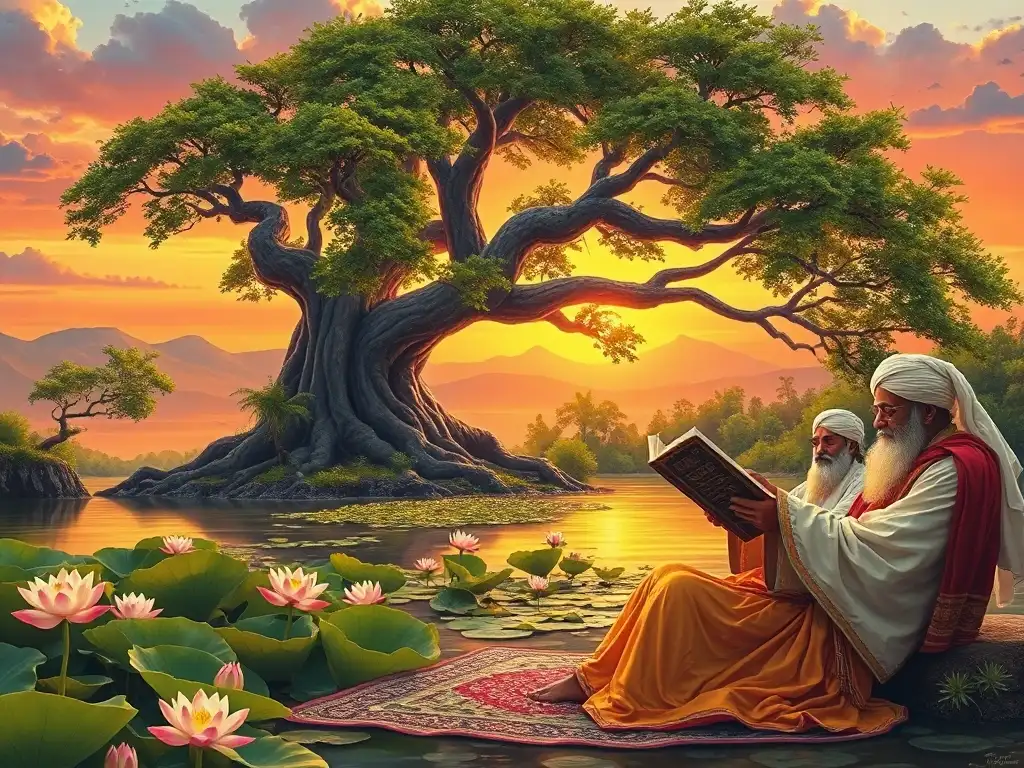
Vedic poetry represents a unique and profound aspect of ancient Indian literature, characterized by its intricate structures, rich thematic content, and distinctive linguistic style. This body of work, primarily found in the Vedas, showcases the artistic and intellectual prowess of early Indian civilization. Understanding these characteristics provides insight into the cultural and spiritual life of ancient India.
Structure and Form of Vedic Verses
Vedic verses exhibit a highly structured form, often adhering to specific metrical patterns. The most common meter is the Gayatri, which consists of 24 syllables arranged in three lines of eight syllables each. Other notable meters include:
- Trishtubh: Contains 32 syllables, often used for hymns and invocations.
- Anushtubh: A popular meter with 32 syllables, frequently employed in the Rigveda.
The structure of these verses allows for a rhythmic and melodic quality, enhancing their recitation and memorization. Vedic poetry is also marked by its use of alliteration and repetition, which serve to emphasize key ideas and enhance the oral tradition of transmission.
Themes and Motifs in Vedic Poetry
The themes of Vedic poetry are deeply intertwined with the spiritual, philosophical, and natural world. Key motifs include:
- Nature and Cosmology: Vedic hymns often celebrate the natural elements, such as fire ( Agni), the sun ( Surya), and the waters ( Apas), reflecting a profound respect for the environment.
- Deities and Divine Relationships: The verses frequently invoke various deities, expressing reverence and seeking blessings. The relationship between humans and the divine is central, emphasizing themes of devotion and ritual.
- Rituals and Sacrifices: Many poems detail the importance of rituals, particularly the Yajna (sacrificial fire), underscoring the belief in the interconnectedness of the material and spiritual worlds.
- Philosophical Inquiry: The Vedas also explore existential questions, pondering the nature of reality and the self, thus laying the groundwork for later philosophical developments in Indian thought.
Language and Style of Ancient Vedic Literature
The language of Vedic poetry is primarily Sanskrit, characterized by its complexity and richness. Key features include:
- Sanskrit Syntax: Vedic Sanskrit possesses a flexible syntax, allowing for varied arrangements of words that enhance poetic expression and meaning.
- Imagery and Symbolism: The use of vivid imagery and metaphor is prevalent, creating layers of meaning that invite interpretation. For instance, the metaphor of the sun as a chariot driving through the sky symbolizes the passage of time and the cycle of life.
- Phonetic Richness: The sound patterns in Vedic poetry are carefully crafted, often employing assonance and consonance to create a musical quality that enhances oral performance.
- Repetition and Parallelism: These techniques not only emphasize key ideas but also serve to reinforce the oral tradition, making the verses easier to memorize and recite.
The characteristics of Vedic poetry reflect a sophisticated interplay of structure, thematic depth, and linguistic artistry, which have significantly influenced the trajectory of ancient literature and thought in India.
Aesthetic Elements in Vedic Poetry
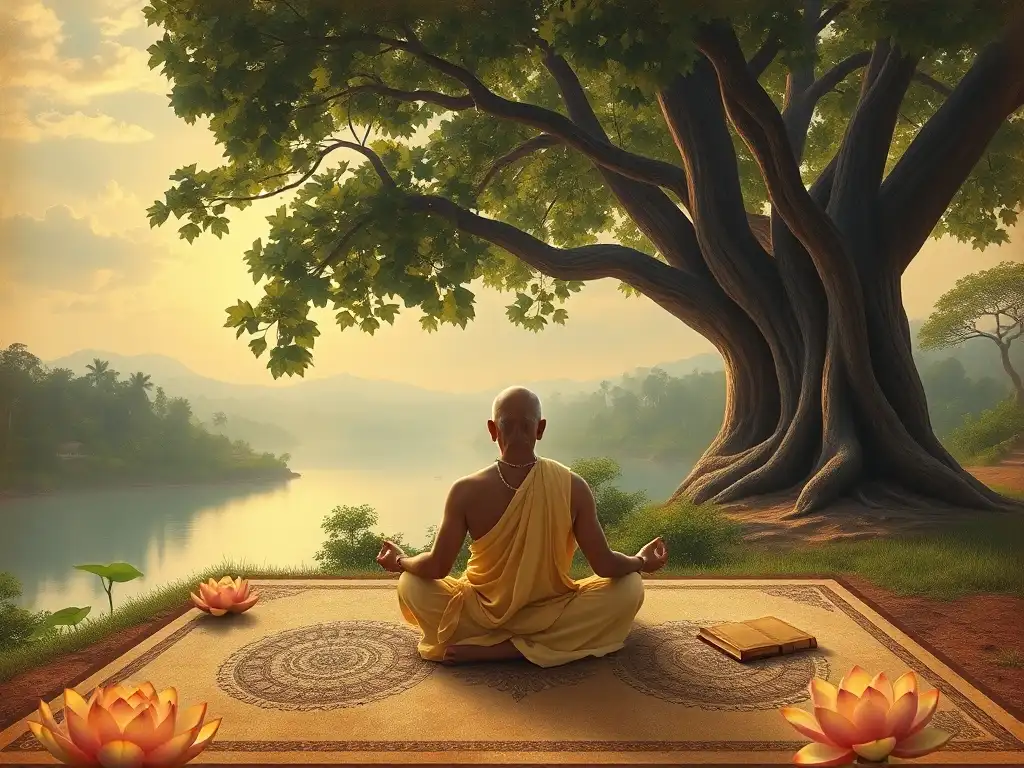
Vedic poetry is an exquisite fusion of art and emotion, characterized by its profound aesthetic elements that captivate readers and listeners alike. This ancient form of literature is not only significant for its historical context but also for the rich sensory experiences it evokes. The aesthetic elements in Vedic poetry encompass various techniques and devices that enhance its beauty and depth, making it a cornerstone of ancient Indian literature.
Imagery and Symbolism in Vedic Texts
Imagery in Vedic poetry is a powerful tool that brings the verses to life, allowing readers to visualize and experience the profound concepts being conveyed. The poets employed vivid descriptions and natural imagery to evoke emotions and paint a picture of the world around them. Common themes include:
- Nature: Elements like rivers, mountains, and flora symbolize various aspects of life and spirituality. For instance, the Sarasvati River often represents wisdom and enlightenment.
- Deities: Gods and goddesses are not merely figures of worship but also symbols of cosmic elements. Indra, the king of gods, symbolizes strength and thunder, while Agni represents fire and purification.
- Daily Life: The poets frequently drew from everyday experiences, using domestic and pastoral imagery to highlight the connection between the divine and the mundane.
Symbolism, on the other hand, adds layers of meaning to the texts. The use of the lotus flower, for example, signifies purity and spiritual awakening, while the cow represents abundance and prosperity. These symbols are intricately woven into the fabric of Vedic poetry, enriching the reader's understanding and appreciation of the verses.
Sound Patterns and Rhythm in Vedic Verses
The auditory experience of Vedic poetry is just as crucial as its visual imagery. The sound patterns and rhythm create a musical quality that enhances its recitation and memorization. Key features include:
- Meter: Vedic verses are composed in various meters, such as Gayatri and Trishtubh, which dictate the syllable count and stress patterns. This structured rhythm provides a melodic flow that is essential for oral transmission.
- Alliteration and Assonance: The use of repeated consonant sounds (alliteration) and vowel sounds (assonance) creates a harmonious effect, making the poetry more engaging and memorable. For example, the repetition of the 's' sound in lines can evoke a sense of serenity or stillness.
- Repetition: The strategic use of repetition of words or phrases serves to emphasize key themes or ideas, creating a rhythmic pulse that resonates with listeners.
These sound patterns not only enhance the auditory experience but also reinforce the meanings embedded in the texts, allowing for a deeper connection with the content.
The Role of Metaphor in Vedic Aesthetics
Metaphor serves as a fundamental component of Vedic poetry, enriching the language and providing depth to the themes explored. By drawing comparisons between disparate elements, metaphors open new avenues for interpretation and understanding. Key aspects include:
- Complexity of Thought: Metaphors allow poets to convey complex philosophical ideas succinctly. For instance, the metaphor of a chariot often symbolizes the human body, with the senses as the horses, guiding the soul along its path.
- Cultural Context: The metaphors used in Vedic poetry are deeply rooted in the cultural and spiritual milieu of ancient India. They often reflect the values, beliefs, and practices of the time, making them rich sources for cultural study.
- Emotional Resonance: Through metaphor, poets can evoke emotions and create a connection with the audience. The metaphor of life as a journey brings forth feelings of nostalgia, aspiration, and reflection.
The aesthetic elements in Vedic poetry—imagery, sound patterns, and metaphor—come together to create a rich tapestry of meaning and beauty. These elements not only enhance the literary quality of the texts but also serve as a bridge connecting the spiritual and the temporal, allowing ancient wisdom to resonate through the ages.
Major Works in Vedic Poetry
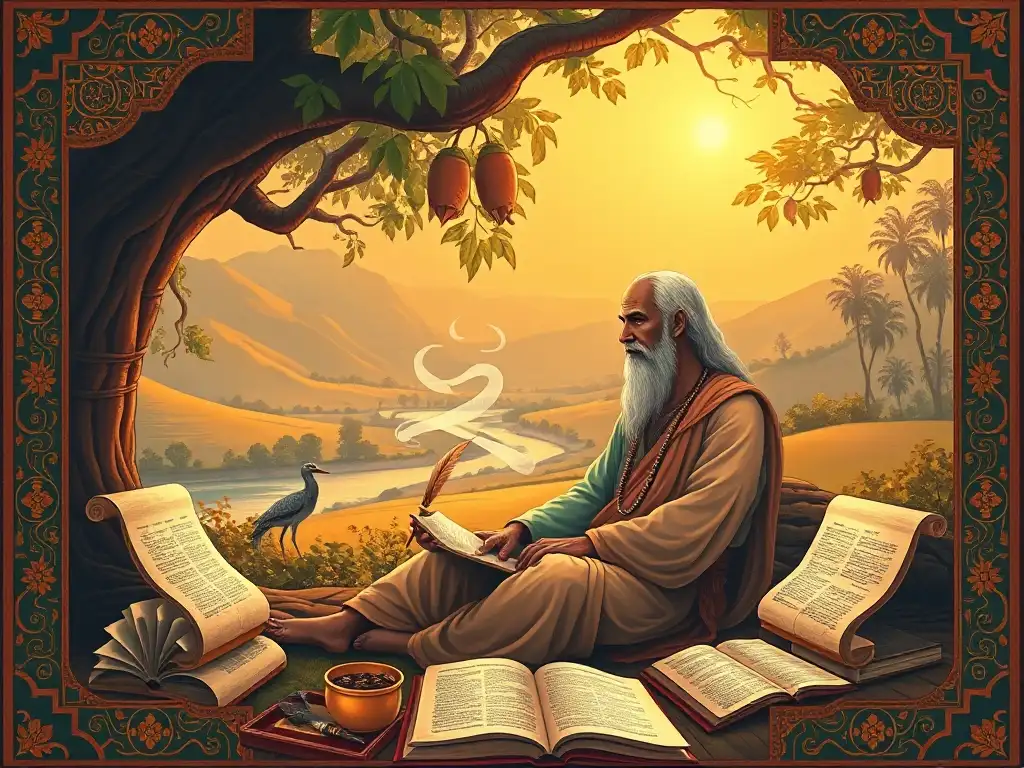
Vedic poetry represents one of the earliest forms of literature in ancient India, encapsulating the spiritual and philosophical essence of the Vedic tradition. The major works of Vedic poetry are divided into four primary texts, each contributing uniquely to the landscape of ancient literature. These texts are the Rigveda, the Samaveda, the Yajurveda, and the Atharvaveda. This section delves into the first three of these texts, highlighting their significance and characteristics that define Vedic poetry.
The Rigveda: The Foundation of Vedic Poetry
The Rigveda, composed around 1500 BCE, is the oldest of the four Vedas and serves as the foundational text of Vedic poetry. It consists of 1,028 hymns, known as suktas, which are primarily dedicated to various deities and natural phenomena.
- Structure and Composition: The Rigveda is written in Sanskrit using a specific meter known as Gayatri. The hymns are structured into ten books called Mandalas, with each Mandala containing a collection of hymns that explore different themes.
- Themes and Content: The hymns often celebrate the forces of nature, such as Agni (fire), Indra (rain), and Varuna (cosmic order). Additionally, the Rigveda delves into philosophical inquiries about existence and the cosmos, making it a critical text for understanding early Indian thought.
- Cultural Impact: As the cornerstone of Vedic literature, the Rigveda has profoundly influenced later Indian literature, philosophy, and religious practices. Its hymns are still recited in various rituals, reflecting its enduring legacy.
The Samaveda: Melodies and Chants
The Samaveda, often referred to as the "Veda of Melodies," focuses on the musical aspect of Vedic poetry. Composed around the same time as the Rigveda, it consists primarily of chants and melodies that were integral to Vedic rituals.
- Structure and Purpose: The Samaveda is primarily a compilation of verses from the Rigveda, but it arranges them in a way that emphasizes musical recitation. It contains around 1,875 verses, mostly drawn from the Rigveda, demonstrating how rhythm and melody were essential to the performance of Vedic rituals.
- Musical Elements: The text includes detailed instructions on the musical rendition of hymns, indicating the sophisticated understanding of music in ancient India. The chants were performed during sacrifices and other religious ceremonies, highlighting the interplay between music and spirituality.
- Cultural Significance: The emphasis on melody in the Samaveda showcases the Vedic civilization's appreciation for the arts, particularly music. Its influence can be seen in the later developments of Indian classical music, establishing a legacy that continues to resonate in contemporary traditions.
The Yajurveda: Rituals and Recitations
The Yajurveda serves as a manual for rituals and sacrifices, providing the necessary instructions for the performance of Vedic ceremonies. Divided into two main parts—the Shukla Yajurveda (White Yajurveda) and the Krishna Yajurveda (Black Yajurveda)—it contains prose and poetry that guide ritualistic practices.
- Content and Structure: The Yajurveda includes prose explanations alongside the hymns, making it distinct from the other Vedas. This dual structure allows practitioners to understand the context and significance of the rituals they performed.
- Ritualistic Importance: The Yajurveda emphasizes the performance of Yajnas (sacrificial rites), detailing the offerings, chants, and procedures required for these ceremonies. This connection between poetry and ritual underscores the importance of oral tradition in preserving Vedic practices.
- Philosophical Insights: Beyond its practical focus, the Yajurveda also includes philosophical reflections, exploring themes of duty, morality, and the nature of the universe. These insights contribute to the broader understanding of ancient Indian thought and its evolution through literature.
By examining these major works of Vedic poetry, we gain insight into the rich aesthetic and cultural contributions of ancient Indian civilizations. Each text not only serves a unique purpose within the framework of Vedic literature but also reflects the intricate relationship between poetry, music, and ritual in shaping the spiritual landscape of ancient India.
The Influence of Vedic Poetry on Later Literature
Vedic poetry, as one of the earliest forms of Indian literature, has laid a profound foundation for the development of subsequent literary traditions in India. Its intricate structures, thematic depth, and philosophical underpinnings have not only influenced the literary styles of ancient texts but have also shaped the cultural narrative of the subcontinent.
Connections to Epic Literature in Ancient India
The relationship between Vedic poetry and epic literature is deeply intertwined, with many elements of the Vedas echoing in later literary masterpieces like the Mahabharata and the Ramayana.
- Thematic Parallels:
- Many themes found in Vedic hymns, such as the quest for truth, the role of fate, and the divine-human relationship, resonate strongly in the epics.
- For instance, the concept of dharma (duty/righteousness), extensively explored in the Vedas, becomes a central theme in the Mahabharata, particularly in the discourse of the Bhagavad Gita.
- Form and Structure:
- The metrical patterns established in Vedic poetry, including the use of specific rhythmic structures, can be observed in the verses of the epics.
- The use of alliteration and assonance, which are prominent in Vedic texts, also appears in epic narratives, enhancing their lyrical quality.
- Character Archetypes:
- Characters in epics often embody traits and values that reflect Vedic ideals. For instance, the warrior ethos evident in Vedic texts is embodied by characters like Arjuna.
- The divine personas depicted in the Vedas serve as prototypes for later mythological figures, enriching the narrative depth of epics.
Impact on Classical Sanskrit Poets
The influence of Vedic poetry extends into the realm of classical Sanskrit literature, with many poets drawing inspiration from its rich heritage.
- Inspiration for Poetic Techniques:
- Poets such as Kalidasa and Bhasa were influenced by the linguistic and poetic techniques found in Vedic literature.
- The use of metaphors, similes, and personification can be traced back to Vedic expressions, which classical poets adapted to craft their narratives.
- Philosophical and Spiritual Themes:
- The philosophical inquiries posed in Vedic texts regarding existence, consciousness, and the cosmos paved the way for classical literature's exploration of similar themes.
- Works like Meghaduta embody these philosophical dimensions, reflecting the influence of Vedic thought on later literary expressions.
- Cultural Integration:
- Vedic poetry catalyzed the integration of various cultural and philosophical elements within classical literature, creating a tapestry that honors the past while innovating new forms.
- The interplay of secular and spiritual themes in classical works can be seen as a continuation of the Vedic tradition.
Vedic Poetry in Contemporary Indian Literature
In contemporary Indian literature, the echoes of Vedic poetry are still palpable, influencing modern writers and poets in various ways.
- Revival of Themes:
- Modern literature often revisits Vedic themes such as nature, spirituality, and existential questions, reflecting the timelessness of Vedic insights.
- Writers like A.K. Ramanujan have drawn upon Vedic motifs to explore the complexities of modern identity and existence.
- Linguistic Influence:
- The linguistic richness of Vedic poetry continues to inspire contemporary poets, who experiment with the meter and sound patterns established in ancient texts.
- This experimentation often leads to a fusion of traditional and modern styles, creating a unique literary voice.
- Cultural Preservation:
- Contemporary authors strive to preserve and reinterpret Vedic traditions, ensuring that the ancient wisdom remains relevant in today's socio-cultural context.
- This effort not only honors the legacy of Vedic poetry but also contributes to the ongoing dialogue between the past and the present.
Vedic poetry has left an indelible mark on the landscape of ancient and modern Indian literature, influencing epic narratives, classical poetry, and contemporary works. Its themes, structures, and philosophical inquiries continue to resonate, showcasing the enduring legacy of ancient Indian literary traditions.
Conclusion: The Enduring Legacy of Vedic Poetry
Vedic poetry stands as one of the most profound and significant pillars of ancient Indian literature. Its rich tapestry of themes, forms, and philosophical musings reflects the complexities of early Indian society, spirituality, and culture. The intricate structure of the Vedic hymns, often composed in the form of intricate meters, showcases not only the linguistic prowess of the poets but also their deep understanding of the human experience and the cosmos.
The enduring legacy of Vedic poetry can be seen in its continued relevance in modern times. Scholars and poets alike draw inspiration from these ancient texts, which serve as a bridge connecting contemporary thought with the wisdom of the past. The philosophical inquiries posed in Vedic hymns resonate with today's seekers of truth, making Vedic poetry a timeless treasure trove of knowledge.
Vedic Poetry's Relevance in Modern Times
In today's fast-paced world, the themes of Vedic poetry remain strikingly relevant. The exploration of moral dilemmas, the nature of existence, and the search for ultimate truth are topics that continue to engage modern thinkers. The Vedas encourage introspection and contemplation, inviting readers to connect with their inner selves and the universe.
- Philosophical Insights:
- Vedic poetry delves into fundamental questions about life, ethics, and the cosmos.
- Concepts such as Dharma (duty), Karma (action), and Moksha (liberation) find their roots in these ancient texts, influencing numerous philosophical schools in India and beyond.
- Cultural and Spiritual Influence:
- The teachings embedded in Vedic literature have shaped various aspects of Indian culture, from rituals to festivals.
- Modern spiritual movements often reference Vedic hymns, reaffirming their significance in contemporary spiritual practices.
- Literary Inspiration:
- Contemporary poets and writers draw upon the aesthetics and themes found in Vedic poetry, incorporating its rich imagery and philosophical depth into their works.
- By studying Vedic poetry, modern literature can explore profound themes that transcend time and culture.
Preserving the Heritage of Ancient Indian Literature
The preservation of Vedic poetry is crucial for maintaining the cultural heritage of ancient India. Various initiatives and practices contribute to this endeavor:
- Academic Research:
- Universities and scholars are increasingly focused on researching Vedic texts, ensuring that their interpretations and translations remain accurate and accessible.
- Interdisciplinary studies that incorporate linguistics, philosophy, and history provide a deeper understanding of the Vedic corpus.
- Cultural Revivals:
- Organizations dedicated to promoting Indian heritage often organize events, workshops, and discussions centered around Vedic literature.
- Such initiatives help in educating younger generations about the significance of Vedic poetry and its place in the broader context of Indian literature.
- Digital Archiving:
- With the advent of technology, many ancient texts have been digitized, making them more accessible to a global audience.
- Online platforms and databases allow for the preservation and dissemination of Vedic poetry, ensuring its survival for future generations.
Vedic poetry not only forms a critical part of ancient Indian literature but also continues to influence and inspire modern thought and culture. The efforts to preserve this heritage are vital in keeping alive the wisdom and artistry of ancient Indian civilizations.
References and Further Reading on Vedic Poetry and Ancient Literature
Recommended Texts on Vedic Poetry
Vedic poetry forms the cornerstone of ancient Indian literature, rich in themes, metaphors, and philosophical inquiries. Here are some essential texts that provide deeper insights into Vedic poetry and its cultural significance:
- The Rigveda
- Description: The oldest known scripture of Hinduism, the Rigveda is a collection of hymns dedicated to various deities. It encapsulates the spiritual and philosophical thought of ancient India.
- Key Features:
- Over 1,000 hymns (suktas)
- Themes of cosmology, philosophy, and ritual practices
- Insight into the socio-religious context of the Vedic period
- The Samaveda
- Description: Known primarily for its musical elements, the Samaveda consists of melodies (saman) derived from the Rigveda.
- Key Features:
- Focus on chants and rituals
- Connection to performance and oral tradition
- Essential for understanding the evolution of Indian classical music
- The Yajurveda
- Description: A text that serves as a manual for rituals and sacrifices, the Yajurveda provides prose and poetic elements essential for Vedic rituals.
- Key Features:
- Contains both the Shukla (white) and Krishna (black) Yajurveda versions
- Emphasis on ritualistic practices and their philosophical underpinnings
- The Atharvaveda
- Description: This Veda encompasses a range of topics, including magic, medicine, and philosophy, reflecting the everyday concerns of ancient Indian society.
- Key Features:
- Unique blend of poetry and prose
- Insights into the socio-cultural aspects of the Vedic age
- Representation of folk traditions and beliefs
Online Resources for Ancient Indian Literature
The digital age has made a wealth of information about Vedic poetry and ancient literature accessible. Here are some valuable online resources to enhance your understanding:
- Digital Library of India
- Description: A comprehensive digital archive containing a plethora of ancient Indian texts, including Vedic literature.
- Access:Digital Library of India
- Internet Archive
- Description: A vast repository of texts, including translations and commentaries on Vedic literature. A great place to find rare and out-of-print books.
- Access:Internet Archive
- Sacred Texts
- Description: An online collection of sacred writings from various religions, including the Vedas, complete with translations and commentaries.
- Access:Sacred Texts
- Academia.edu
- Description: A platform for academics to share research papers; search for papers on Vedic poetry and ancient Indian literature.
- Access:Academia.edu
- Project Gutenberg
- Description: A free eBook library that includes classics of ancient Indian literature, available in various formats for easy reading.
- Access:Project Gutenberg
These texts and resources not only provide foundational knowledge but also inspire further exploration into the profound legacy of Vedic poetry and ancient literature in shaping Indian civilization.
Frequently Asked Questions
What is Vedic poetry?
Vedic poetry refers to the sacred texts composed in the Vedic period of ancient India, characterized by its meticulous structure, spiritual themes, and philosophical depth.
How did Vedic poetry influence ancient literature?
Vedic poetry laid the groundwork for subsequent literary forms and genres in ancient Indian literature, establishing stylistic conventions and cultural narratives that persisted for centuries.
What are the main themes found in Vedic poetry?
Vedic poetry often explores themes such as ritual practices, nature, cosmology, and human existence, reflecting the spiritual and philosophical concerns of ancient Indian society.
How is Vedic poetry different from other ancient Indian literary forms?
Unlike other forms, Vedic poetry is uniquely tied to oral tradition and religious rituals, emphasizing metaphysical concepts and the relationship between humans and the divine.
What contributions did the Vedic period make to ancient Indian culture?
The Vedic period contributed significantly to language development, philosophy, and ritual practices, influencing later periods and shaping the cultural identity of ancient India.
Final Reflection: The Timeless Resonance of Vedic Poetry
Vedic poetry, with its intricate rhythms and profound philosophical insights, remains remarkably relevant in today's fast-paced world. The themes of spirituality, nature, and the human experience that permeate these ancient texts continue to resonate deeply with modern readers, inviting us to explore the essence of existence. In an age where we often seek meaning amidst chaos, the wisdom encapsulated in Vedic poetry serves as a guiding light, reminding us of our shared heritage and the timeless truths that bind humanity together.
The influence of Vedic poetry extends beyond mere literary appreciation; it shapes our cultural and social landscapes in profound ways. From the spiritual practices inspired by these texts to the resurgence of interest in mindfulness and holistic living, the echoes of Vedic thought are evident in contemporary life. As the poet Rumi once said, The wound is the place where the Light enters you.
This sentiment reflects how the introspective nature of Vedic poetry encourages us to confront our inner struggles, ultimately leading to enlightenment and growth.
As we reflect on the lessons of Vedic poetry, let us embrace the call to integrate its wisdom into our daily lives. I invite you to explore the depths of your own experiences through the lens of these ancient verses. Consider how the themes of interconnectedness, reverence for nature, and the pursuit of knowledge can enrich your journey. By engaging with Vedic poetry, we not only honor our past but also cultivate a more profound understanding of ourselves and our place in the world, paving the way for a future that values wisdom and creativity.
Unveil the Beauty of Vedic Poetry Today!
Thank you for immersing yourself in the captivating world of Vedic poetry! You've discovered the profound art and aesthetics that shaped ancient Indian literature. Now, it’s time to take that knowledge further and unlock the beauty of this literary treasure.
Here are some inspiring steps to deepen your engagement with Vedic poetry:
- Dive into a Vedic text: Choose a piece of Vedic poetry and read it aloud to truly appreciate its rhythm and beauty. Feel the essence of each verse!
- Share your insights: Discuss your thoughts on Vedic poetry with friends or fellow literature enthusiasts. Spark a conversation that brings this ancient art form to life!
- Explore cultural connections: Research how Vedic poetry influences modern Indian poetry and literature around the globe. You might uncover surprising influences!
What aspect of Vedic poetry inspires you the most, and how might it resonate with your own creative pursuits?