
The Ramayana's Lessons on Friendship and Loyalty: A Closer Look


Welcome to Ancient India History, where we embark on a fascinating journey through the rich tapestry of India's past. Today, we delve into the lessons of friendship in the Ramayana, an epic that not only showcases the valor and virtues of its characters but also offers profound insights into loyalty and companionship. As we explore the bonds that define the relationships within this timeless tale, you’ll uncover wisdom that transcends generations.
Join us as we unravel these powerful themes and discover how ancient narratives continue to resonate in our lives today. Ready to dive deeper into the world of epic literature? Let’s begin!
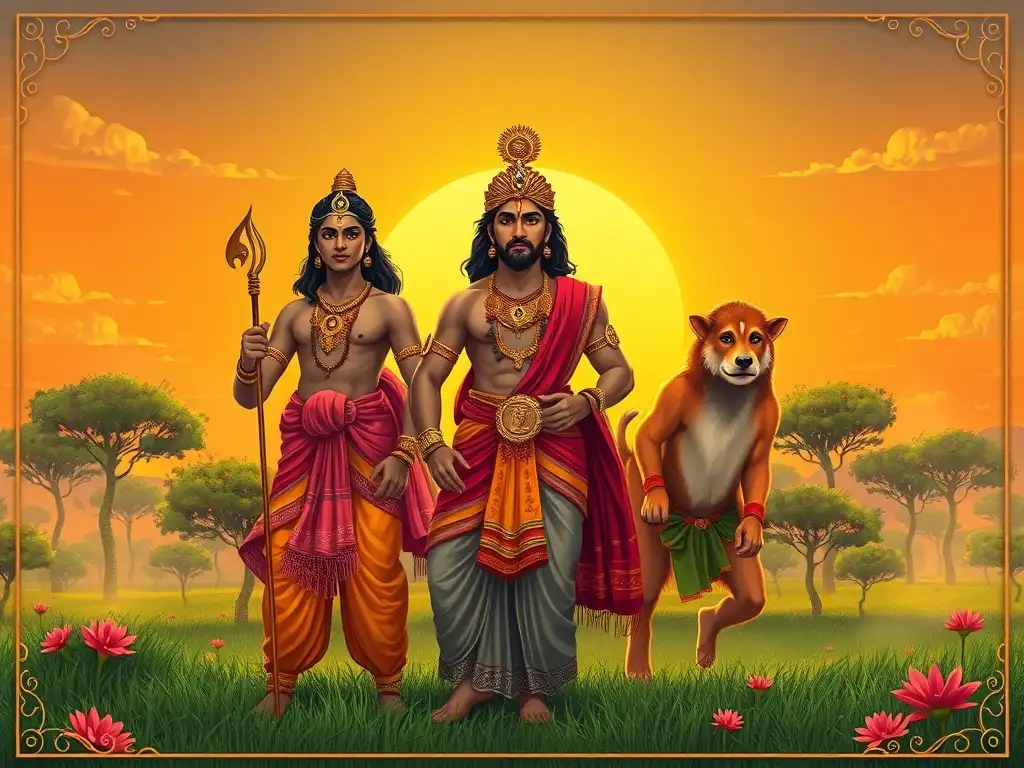
Introduction to the Ramayana
The Ramayana, one of the two major Sanskrit epics of ancient Indian literature, is an intricate tapestry woven with themes of duty, honor, and human relationships. At its core, it illustrates profound lessons, particularly on friendship and loyalty, that resonate through the ages. This epic not only narrates the journey of Lord Rama but also underscores the importance of relationships that are built on trust, commitment, and mutual respect.
In exploring the lessons of friendship in Ramayana, we delve into the dynamics of various relationships portrayed in the text, examining how these connections reflect ideals that were revered in ancient Indian society. The teachings encapsulated within the Ramayana continue to inspire and guide individuals, making it an essential subject of study for those interested in both literature and the moral fabric of ancient India.
Overview of the Ramayana's Significance in Epic Literature
The Ramayana holds a pivotal place in epic literature, revered not just for its narrative richness but also for its deep philosophical insights. Composed by the sage Valmiki, this epic comprises approximately 24,000 verses divided into seven Kandas (books). It tells the story of Rama, an incarnation of the god Vishnu, and his quest to rescue his wife, Sita, from the demon king Ravana.
The narrative is layered with allegories and moral lessons, illustrating ideals such as duty (dharma), righteousness, and the complexities of human emotions. The friendships depicted in this epic, particularly those between Rama and his loyal companion Hanuman, as well as between Rama and his brother Lakshmana, offer a profound exploration of loyalty and camaraderie.
The Cultural Context of Friendship and Loyalty in Ancient India
Friendship and loyalty in ancient India were not merely personal virtues; they were integral to the social and moral fabric of society. The concept of Sakhya (friendship) transcended mere companionship, embodying a deep-seated emotional bond that was often equated with familial ties. This cultural context is vividly illustrated in the Ramayana, where the relationships among characters reflect the values held by ancient Indian society.
In the backdrop of this epic, friendship is celebrated as a noble virtue, and loyalty is seen as an unbreakable commitment to one's friends and allies. The actions and decisions of characters in the Ramayana serve as a testament to these values, offering timeless lessons that are relevant even in contemporary society.
Understanding the Concept of Friendship in the Ramayana
Definition of Friendship in the Context of the Ramayana
In the Ramayana, friendship is defined by selflessness, devotion, and unwavering support. It transcends personal gain, manifesting as a bond that is fortified through shared experiences and trials. The friendship between Rama and Hanuman exemplifies this ideal; Hanuman's loyalty to Rama is unwavering, as he goes to great lengths to assist him in his quest, illustrating the essence of true friendship.
The epic showcases various dimensions of friendship, emphasizing that it is not merely about companionship but also about standing by one's friends in times of need, demonstrating courage, and making sacrifices for their well-being. This multifaceted portrayal of friendship serves as a moral compass for readers, guiding them toward understanding the depth and significance of such relationships.
Key Characters Representing Friendship in the Epic
The Ramayana features a plethora of characters whose relationships epitomize the lessons of friendship and loyalty. Among them, a few stand out prominently:
- Rama and Lakshmana: The bond between the two brothers is characterized by mutual respect and unwavering loyalty. Lakshmana's dedication to Rama, even in the face of peril, highlights the strength of brotherly love and support.
- Rama and Hanuman: Perhaps the most celebrated friendship in the Ramayana, Hanuman's devotion to Rama showcases an ideal of selfless service and loyalty. His tireless efforts to assist Rama in the battle against Ravana solidify their bond as one of the most profound examples of friendship in literature.
- Vibhishana: The brother of Ravana, Vibhishana's decision to align with Rama after recognizing Ravana's wrongdoings serves as a powerful reminder of loyalty to righteousness over familial ties.
These characters not only fulfill their roles within the narrative but also embody the timeless lessons of friendship and loyalty that continue to inspire readers across generations.
The Lessons of Friendship in the Ramayana
The Ramayana is not just a tale of adventure and divine intervention; it intricately weaves profound lessons about friendship and loyalty through the relationships between its characters. The epic exemplifies how these bonds can shape destinies and influence moral choices. The friendships depicted in the Ramayana serve as a guide for understanding the essence of companionship, commitment, and the sacrifices that true friends make for one another. Throughout the narrative, the characters navigate their relationships with unwavering loyalty and selflessness, imparting timeless lessons that resonate even today.
The Bond Between Rama and Lakshmana
The relationship between Rama and Lakshmana epitomizes the ideal brotherly bond. From the very beginning, Lakshmana demonstrates unwavering commitment to Rama, choosing to accompany him into exile rather than remain in the comforts of their kingdom. This choice highlights the essence of loyalty, as Lakshmana prioritizes his brother's well-being above his own desires.
Their partnership is characterized by mutual respect and trust. Lakshmana's fierce devotion is evident when he defends Rama against threats, showcasing a protective instinct that transcends mere familial duty. The duo's synergy is profound; while Rama embodies righteousness and wisdom, Lakshmana complements him with bravery and impulsiveness. Together, they face numerous challenges, reinforcing the idea that true friendship involves standing shoulder to shoulder through adversity.
The Friendship of Rama and Hanuman
The friendship between Rama and Hanuman is another cornerstone of the Ramayana, illustrating the power of devotion and loyalty. Hanuman, the monkey god, emerges as a steadfast ally to Rama, driven by his unwavering love and respect. His journey to rescue Sita epitomizes the lengths to which true friends will go to support one another.
Hanuman's loyalty is not just reactive; it is proactive. He seeks out Rama's needs, often anticipating them before they are even voiced. This dynamic showcases a deeper understanding of friendship, where one partner is attuned to the other's desires and challenges. Hanuman's feats of strength and courage in the service of Rama emphasize that friendship often requires self-sacrifice and bravery, reinforcing the idea that true friends are willing to risk everything for each other.
The Role of Vibhishana in Loyalty and Betrayal
Vibhishana's character introduces a complex perspective on loyalty and betrayal within the Ramayana. As Ravana's brother, Vibhishana faces a moral dilemma when he realizes the futility of Ravana's actions against Rama. His decision to abandon his brother and ally with Rama exemplifies the inner struggle between familial loyalty and moral righteousness.
This act of defection is pivotal, as it highlights the nuanced nature of loyalty — it is not merely about allegiance to blood relations but also adherence to dharma (righteousness). Vibhishana's choice serves as a reminder that true loyalty sometimes requires difficult decisions that can challenge societal norms and expectations. His eventual role in the defeat of Ravana underlines the message that loyalty must align with virtue for it to hold true significance.
The Importance of Loyalty in the Ramayana
Loyalty stands as a central theme in the Ramayana, permeating the narrative and influencing the actions of its characters. The epic illustrates how loyalty shapes relationships, motivates decisions, and ultimately determines the outcomes of the conflicts faced by the protagonists. It serves as a testament to the power of steadfast allegiance in navigating life's trials and tribulations.
Loyalty as a Central Theme in the Epic
At its core, the Ramayana champions loyalty not just as a personal trait but as a foundational principle of society. The relationships depicted in the epic emphasize that loyalty strengthens bonds between individuals and communities. Characters like Rama, Lakshmana, Hanuman, and even Vibhishana embody differing aspects of loyalty, showcasing its multifaceted nature.
The narrative underscores that loyalty should be informed by righteousness, suggesting that blind allegiance can lead to destruction, as seen in Ravana's fate. The text encourages readers to evaluate the nature of their loyalties, advocating for a commitment that harmonizes personal bonds with ethical conduct.
Examples of Loyalty from Key Characters
Several key characters in the Ramayana exemplify loyalty, providing concrete instances that readers can draw inspiration from:
- Rama: His unwavering commitment to dharma and his family, even in the face of exile and hardship, represents the pinnacle of loyalty.
- Lakshmana: His decision to accompany Rama into exile highlights the depths of brotherly love and loyalty, prioritizing Rama's safety over his own comfort.
- Hanuman: His fearless devotion and relentless efforts to aid Rama in the battle against Ravana showcase the ideal of a loyal friend who acts selflessly.
- Vibhishana: By choosing to side with Rama, he illustrates that true loyalty aligns with righteousness, even at the cost of personal relationships.
These examples collectively reinforce the Ramayana's enduring message: that loyalty, when grounded in virtue and selflessness, is a powerful force capable of overcoming adversity and achieving greatness.
The Impact of Friendship and Loyalty on the Narrative

The narrative of the Ramayana is deeply intertwined with the themes of friendship and loyalty, which play pivotal roles in shaping the story and its characters. From the unwavering bond between Rama and Lakshmana to the fierce loyalty displayed by Hanuman, these relationships are not just secondary plots but are essential to the progression of the epic. Each character’s commitment to their friends illustrates the transformative power of loyalty, often acting as the catalyst for major events in the story.
For instance, Lakshmana's loyalty to Rama drives him to accompany him into exile, showcasing the profound bond of brotherhood. This act sets the stage for the trials and tribulations that follow, emphasizing how friendship influences decisions and actions. Similarly, Hanuman's dedication to Rama not only aids in the quest to rescue Sita but also symbolizes the virtues of selfless service and devotion. These relationships enrich the narrative, adding layers of emotional depth and moral complexity that resonate with readers even today.
How Relationships Influence the Course of Events
The relationships depicted in the Ramayana significantly influence the unfolding of events and the ultimate fate of its characters. Each friendship carries weight, impacting the decisions made and the paths chosen. For example, the alliance between Rama and Sugriva highlights how friendships can lead to unity and strength. Their bond catalyzes the gathering of an army to rescue Sita, demonstrating that collective strength, borne from friendship, can overcome formidable challenges.
Moreover, the friendship between Rama and Hanuman exemplifies the idea that true loyalty can inspire extraordinary feats. Hanuman’s unwavering dedication and his daring deeds, such as crossing the ocean to reach Lanka, are directly motivated by his love for Rama. This portrayal suggests that strong friendships can empower individuals to transcend their limits, achieving greatness in the face of adversity. The interplay of these relationships ultimately drives the narrative forward, illustrating how interconnected lives shape destinies.
The Moral Lessons Derived from Friendships in the Ramayana
The Ramayana is rich with moral lessons derived from its exploration of friendship and loyalty. One of the primary lessons is the importance of steadfastness in relationships. Characters such as Lakshmana and Hanuman exemplify unwavering loyalty, teaching us that true friends stand by each other through thick and thin. This loyalty is not blind but is rooted in mutual respect and love, reinforcing the idea that healthy friendships are built on trust and sacrifice.
Another significant moral is the value of selfless service. Hanuman’s devotion to Rama demonstrates that friendship often entails putting the needs of others before one's own. This principle of selflessness is a cornerstone of true friendship, encouraging readers to cultivate relationships that prioritize the well-being of others. Additionally, the consequences of betrayal, as seen in the actions of characters like Ravana, serve as cautionary tales about the fragility of trust and the profound impact of loyalty on one’s character and destiny.
Conclusion: The Timeless Lessons of Friendship and Loyalty
The lessons of friendship and loyalty portrayed in the Ramayana transcend time and culture, offering insights that remain relevant today. The epic teaches us that strong bonds can foster resilience, inspire courage, and lead to personal growth. As we navigate our own relationships, the virtues exemplified by the characters in the Ramayana serve as guiding principles, reminding us of the importance of loyalty, support, and selflessness in our interactions.
Reflection on the Relevance of Ramayana's Teachings Today
In a modern context, the teachings of the Ramayana regarding friendship and loyalty are more pertinent than ever. As societies become increasingly interconnected, the values of trust, loyalty, and mutual respect are crucial for maintaining healthy relationships. The epic encourages us to reflect on our own friendships, prompting us to ask whether we embody the qualities of loyalty and support that are celebrated in the story.
Moreover, the Ramayana highlights the significance of standing up for friends in times of trouble, a lesson that resonates in various aspects of contemporary life, from personal relationships to community activism. By embracing the teachings of the Ramayana, we can cultivate a more compassionate and supportive society.
Encouraging Modern Readers to Embrace the Lessons of Friendship in Ramayana
Modern readers are encouraged to embrace the lessons of friendship found in the Ramayana by actively applying these teachings in their daily lives. Engaging in acts of kindness, being there for friends in times of need, and fostering relationships based on mutual respect are all ways to honor the spirit of the epic.
Additionally, reflecting on the importance of loyalty can help us navigate the complexities of modern relationships, ensuring that we remain committed to those we care about. By internalizing the values of friendship and loyalty portrayed in the Ramayana, individuals can not only enhance their personal connections but also contribute to building a more supportive and compassionate community, echoing the timeless wisdom of this ancient text.
Additional Resources for Further Exploration
To deepen your understanding of the lessons of friendship in the Ramayana, a variety of resources are available that encompass readings, online courses, and lectures. These resources can enrich your perspective and provide a broader context for the themes of loyalty and camaraderie depicted in this epic. Below is a curated list of recommended readings and online educational opportunities.
Recommended Readings on the Ramayana and its Themes
-
The Ramayana: A New Translation by Ramesh Menon
This translation offers a contemporary take on the ancient text, making it accessible while retaining its poetic essence. Menon highlights the friendship between Rama and Lakshmana, showcasing the depth of their bond.
-
The Ramayana: An Illustrated Retelling by Arshia Sattar
Sattar provides a concise retelling of the Ramayana, accompanied by illustrations that bring the story to life. This version emphasizes key themes, including loyalty and friendship, making it suitable for both young readers and adults.
-
Rama and the Ramayana by David K. Dunaway
This scholarly work explores the cultural significance of the Ramayana, dissecting its themes of friendship and loyalty through historical and literary lenses. Dunaway's analysis is particularly useful for those interested in the epic's impact on Indian culture.
-
Ramayana: Divine Loophole by Sanjay Patel
This graphic novel adaptation presents the Ramayana in a visually engaging format. While focusing on the adventures of Rama, it illustrates the importance of friendship and moral values in a manner that appeals to a modern audience.
-
The Ramayana in the Modern World: The Epic in the 21st Century by Various Authors
This anthology features essays from different authors discussing the relevance of the Ramayana's themes, including friendship and loyalty, in contemporary society. It offers various perspectives that highlight the epic's enduring lessons.
Online Courses and Lectures on Epic Literature and Friendship
-
Epic Literature: The Ramayana and Mahabharata (Coursera)
This course offers an in-depth examination of two of the greatest epics of Indian literature. It covers themes of friendship, duty, and morality, with particular emphasis on the relationships between key characters in the Ramayana.
-
Understanding the Ramayana (edX)
Offered by a leading university, this course delves into the narrative structure and philosophical underpinnings of the Ramayana. It includes discussions on the bonds of friendship that define the relationships between Rama, Lakshmana, and Hanuman.
-
The Art of Storytelling: Lessons from the Ramayana (Udemy)
This course focuses on storytelling techniques using the Ramayana as a primary text. It explores how friendship and loyalty are woven into the narrative, providing practical insights for aspiring storytellers.
-
Lectures on Indian Epic Literature (YouTube)
Various academic institutions have uploaded lectures that specifically discuss themes in the Ramayana. These lectures often include analyses of friendship and loyalty among the characters, providing a more interactive learning experience.
-
Ramayana and its Relevance Today (FutureLearn)
This course addresses how the teachings of the Ramayana, including the lessons of friendship, remain applicable in the modern world. It encourages participants to reflect on the values conveyed through the epic and their significance in contemporary life.
These resources offer an excellent starting point for anyone looking to explore the profound lessons of friendship in the Ramayana further. They cater to various learning preferences and can help you appreciate the epic's cultural legacy and moral teachings more deeply.
- Introduction to the Ramayana
- Understanding the Concept of Friendship in the Ramayana
- The Lessons of Friendship in the Ramayana
- The Importance of Loyalty in the Ramayana
- The Impact of Friendship and Loyalty on the Narrative
- Conclusion: The Timeless Lessons of Friendship and Loyalty
- Additional Resources for Further Exploration
- What are the main themes explored in the Ramayana regarding friendship?
- How does the Ramayana illustrate the concept of loyalty?
- What lessons on friendship can be derived from Hanuman's character?
- How does the Ramayana compare to modern views on friendship?
- Can the lessons of friendship in the Ramayana be applied to contemporary relationships?
Frequently Asked Questions
What are the main themes explored in the Ramayana regarding friendship?
The Ramayana delves deeply into the themes of friendship and loyalty, highlighting the bonds between characters like Rama and Lakshmana, showcasing how true friends stand by each other in times of adversity.
How does the Ramayana illustrate the concept of loyalty?
Loyalty is a central tenet in the Ramayana, as characters demonstrate unwavering commitment, especially in the relationship between Rama and Hanuman, who exemplifies selfless devotion and courage throughout the epic.
What lessons on friendship can be derived from Hanuman's character?
Hanuman's character teaches us valuable lessons about devotion, sacrifice, and the importance of being a supportive friend, as he goes to great lengths to help Rama reclaim Sita, showcasing the essence of true friendship.
How does the Ramayana compare to modern views on friendship?
While the Ramayana emphasizes sacrificial loyalty and honor, modern views often highlight mutual respect and understanding. Both perspectives, however, underscore the significance of being there for one another in difficult times.
Can the lessons of friendship in the Ramayana be applied to contemporary relationships?
Absolutely! The lessons of friendship in the Ramayana—such as trust, support, and sacrifice—remain relevant today, encouraging us to foster deeper connections and stand by our friends in their times of need.
Final Reflection: Embracing the Lessons of Friendship in the Ramayana
**The timeless narrative of the Ramayana teaches us that friendship and loyalty are not just virtues but essential pillars of human connection. In today's world, where relationships are often tested by distance and digital distractions, the lessons from this ancient epic resonate more than ever. The bonds forged between characters like Rama and Lakshmana remind us that true friendship transcends challenges and stands firm in adversity.
The Ramayana continues to shape our understanding of relationships, illustrating how loyalty can inspire courage and sacrifice. The friendships depicted in this epic serve as a powerful reminder of the strength found in unity and trust. As the sage Valmiki wrote, "Friendship is the foundation of all relationships," emphasizing that the essence of companionship is rooted in unwavering support and love.
As you reflect on the lessons of friendship in the Ramayana, consider how you can embody these principles in your own life. Take a moment to reach out to a friend, express your gratitude, and strengthen the bonds that matter most. By embracing the teachings of loyalty and camaraderie, we can cultivate deeper connections and create a more compassionate world, one friendship at a time.
Cultivate Meaningful Connections Today!
Thank you for exploring the profound lessons of friendship and loyalty found in The Ramayana! Your curiosity helps deepen our understanding of these timeless values. Now, let’s turn this inspiration into action!
- Reflect on your friendships: Take a moment to **reach out to someone you haven’t spoken to in a while**. Rekindle that connection and strengthen your bond.
- Share the wisdom: **Discuss the lessons that resonate with you** from The Ramayana with your friends or family. Engage them in a conversation about the significance of loyalty in our lives.
- Join the community: **Explore the world of ancient texts further** by joining our discussion forum at ancientindiahistory.com, where you can share insights and connect with fellow enthusiasts!
Which lesson from The Ramayana resonates most with you, and how can you apply it in your relationships today?