
Vedic Rituals: An Insight into the Spiritual Practices of Ancient India

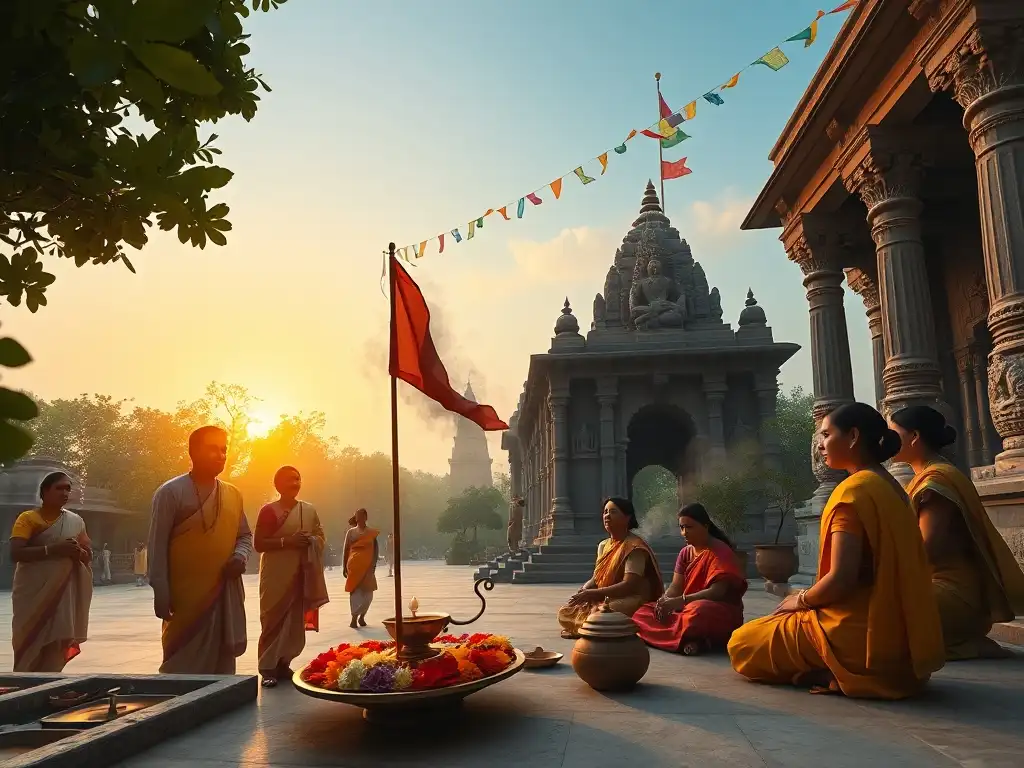
Welcome to Ancient India History, where we embark on a fascinating journey through the remarkable tapestry of India's ancient civilizations. Dive deep into the spiritual practices of ancient India, a realm where rituals and beliefs shaped the very essence of life. Our featured article, "Vedic Rituals: An Insight into the Spiritual Practices of Ancient India," invites you to uncover the profound significance behind these age-old traditions. What mysteries lie within the sacred texts, and how did they influence generations? Join us as we unravel the threads of history and culture that continue to resonate today. Your exploration begins here!
Introduction to Vedic Rituals
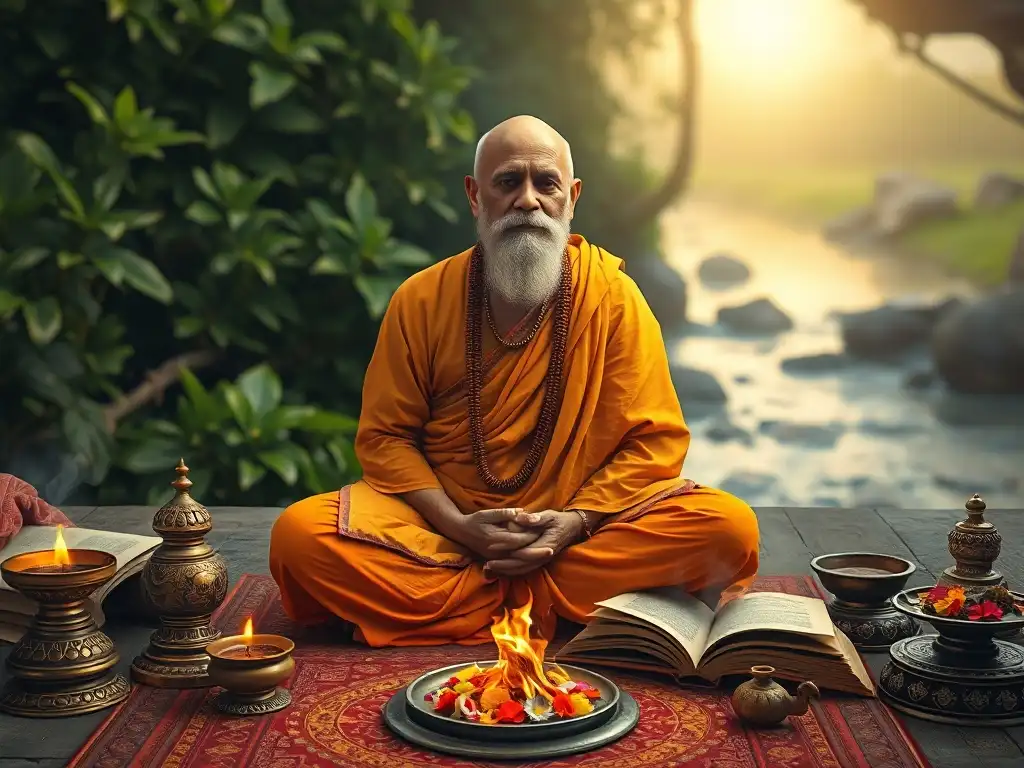
Vedic rituals represent a cornerstone of the spiritual practices of ancient India, encapsulating a myriad of beliefs, traditions, and ceremonies that have shaped the spiritual landscape of the region for millennia. Rooted in the sacred texts known as the Vedas, these rituals served not only as religious observances but also as a means to connect with the divine, seek blessings, and promote harmony within the cosmos. The Vedic period, spanning approximately from 1500 BCE to 500 BCE, laid the foundation for numerous spiritual philosophies and practices that continue to influence contemporary Indian spirituality.
As we delve into the world of Vedic rituals, it becomes evident that they are more than mere ceremonies; they are profound expressions of the ancient Indian psyche, reflecting the values, aspirations, and understanding of existence held by the civilizations of that era. This exploration of Vedic rituals will illuminate the intricate relationship between these practices and the broader spiritual framework of ancient India.
Overview of Spiritual Practices in Ancient India
The spiritual practices of ancient India were diverse and complex, encompassing a variety of rituals, philosophies, and belief systems. At the heart of these practices lay the quest for moksha (liberation) and dharma (duty), guiding individuals on their spiritual journeys. Key components of these practices included:
- Rituals and Sacrifices: Central to Vedic traditions, rituals often involved offerings to deities in hopes of receiving blessings.
- Meditation and Contemplation: Techniques developed to attain higher states of consciousness and understanding of the self.
- Philosophical Discourses: Dialogues on the nature of existence, ethics, and the universe, which evolved into various schools of thought.
These practices were intricately woven into the fabric of daily life, guiding individuals and communities in their quest for spirituality and understanding.
Significance of Vedic Texts in Spirituality
The Vedic texts, primarily composed in Sanskrit, are more than just historical documents; they are the bedrock of spiritual knowledge in ancient India. These texts serve multiple purposes:
- Guidance for Rituals: Detailed instructions on how to conduct rituals and sacrifices, ensuring that they were performed correctly to honor the divine.
- Philosophical Insights: Exploration of existential questions and spiritual truths, which laid the groundwork for Hindu philosophy.
- Cultural Heritage: Preservation of ancient Indian culture, language, and traditions, fostering a sense of identity and continuity.
The Vedas not only encapsulate the spiritual practices of the time but also provide a lens through which we can understand the evolution of Indian spirituality.
The Historical Context of Vedic Rituals
To comprehend Vedic rituals fully, one must appreciate the historical backdrop against which they developed. The Vedic period was a transformative era that significantly influenced Indian spirituality and culture.
The Vedic Period and Its Influence on Indian Spirituality
The Vedic period, often referred to as the "Golden Age" of spirituality in ancient India, was characterized by the emergence of various social, political, and religious structures. This period saw:
- Formation of Societal Norms: The establishment of varna (social classes) and ashrama (stages of life) systems, which guided personal and communal conduct.
- Development of Ritualistic Practices: Rituals became more codified, with specific procedures and purposes, leading to a structured approach to spirituality.
- Integration of Local Beliefs: The Vedic rituals often incorporated and adapted local spiritual practices, creating a rich tapestry of belief systems.
This historical context not only shaped the rituals themselves but also influenced the subsequent development of philosophies and spiritual practices in India.
Key Texts: Rigveda, Samaveda, Yajurveda, and Atharvaveda
The four primary Vedic texts— Rigveda, Samaveda, Yajurveda, and Atharvaveda—each contribute uniquely to the understanding of Vedic rituals and spirituality:
| Veda | Focus | Significance |
|---|---|---|
| Rigveda | Hymns and praises to deities | Earliest text, foundational for rituals |
| Samaveda | Melodic chants and hymns | Focuses on musical aspects of rituals |
| Yajurveda | Ritual instructions and formulas | Provides guidelines for conducting rituals |
| Atharvaveda | Spells, charms, and practical wisdom | Reflects everyday life and folk practices |
Each of these texts plays a crucial role in the spiritual practices of ancient India, offering insights into the beliefs and values of the time while continuing to influence modern spiritual thought.
Core Principles of Vedic Spiritual Practices
The spiritual practices of ancient India, particularly those outlined in the Vedas, are rooted in several core principles that guide practitioners towards achieving a harmonious existence. These principles include ritualistic observance, adherence to dharma, and the pursuit of moksha (liberation). Rituals serve as a medium for connecting the material and spiritual realms, emphasizing the importance of intention and devotion in each act.
Central to these practices is the belief that the universe is governed by natural laws, and by aligning one's actions with these laws through rituals, individuals can attain both personal and cosmic harmony. This interconnectedness is evident in the Vedic texts, which articulate a holistic view of life where spiritual, ethical, and social dimensions are intertwined. The practice of Vedic rituals is not merely about performing prescribed acts; it embodies a lifestyle that encourages mindfulness, self-discipline, and respect for the divine.
The Concept of Dharma in Ancient Indian Spirituality
Dharma, often translated as duty or righteousness, holds a pivotal role in the spiritual practices of ancient India. It signifies the moral and ethical obligations that individuals must fulfill based on their position in society, stage of life, and personal circumstances. In the Vedic context, dharma extends beyond mere social norms; it is a foundational principle that ensures cosmic order (rta) and the well-being of the community.
Engaging in one's dharma is seen as essential for spiritual growth, as it fosters qualities such as selflessness, compassion, and integrity. The Vedas articulate various dimensions of dharma, including personal conduct, familial responsibilities, and societal roles. These guidelines help individuals navigate the complexities of life while contributing to the overall balance of the universe. Ultimately, following dharma not only benefits the individual but also supports the collective spiritual evolution of society.
The Role of Rituals in Vedic Society
Rituals in Vedic society functioned as a crucial mechanism for reinforcing social cohesion and spiritual development. They provided a structured way for individuals to express their devotion and gratitude to the divine, serving as a bridge between the human and celestial realms. The performance of rituals was often communal, fostering a sense of belonging and collective identity among participants.
In addition to their spiritual significance, rituals played a vital role in marking important life events and transitions, such as birth, marriage, and death. They were meticulously crafted to ensure the auspiciousness of these moments, invoking blessings from the deities for health, prosperity, and spiritual growth. The systematic approach to rituals reflected the Vedic belief in the power of sound, intention, and action, establishing a legacy of spiritual practices that continues to influence contemporary Hinduism.
Types of Vedic Rituals
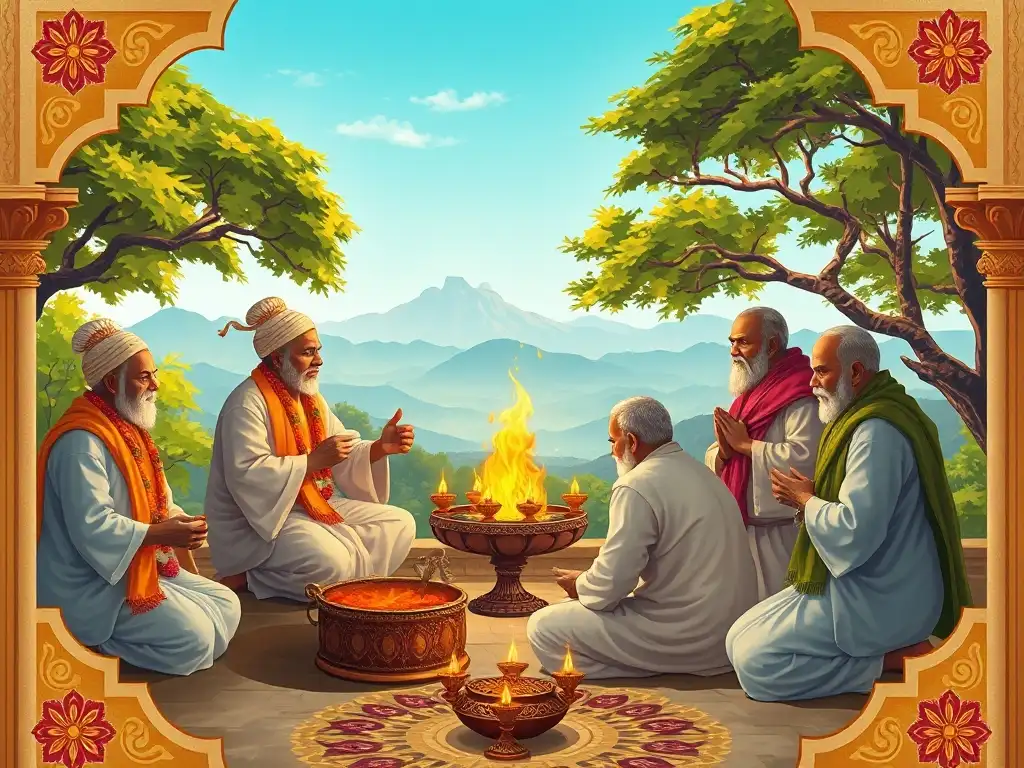
Vedic rituals can be categorized into three primary types, each serving distinct purposes and reflecting various aspects of daily life and spirituality in ancient India. These categories are fire sacrifices (yajnas), daily rituals (nitya karma), and seasonal and occasional rituals (naimittika karma). Each type of ritual encapsulates specific spiritual intentions and community values, illustrating the richness of Vedic practices.
Fire Sacrifices (Yajnas) and Their Spiritual Significance
Fire sacrifices, or yajnas, are among the most significant and elaborate rituals in Vedic spirituality. These rituals involve the offering of various materials, such as grains, ghee, and herbs, into a sacred fire, symbolizing the divine and the connection between the earthly and spiritual realms. The act of offering is accompanied by the chanting of Vedic mantras, which are believed to invoke the presence and blessings of deities.
The spiritual significance of yajnas extends beyond individual benefit; they are seen as a means to maintain cosmic order and harmony. By performing these sacrifices, practitioners seek to appease the deities, ensure prosperity, and contribute to the well-being of society. The concept of yajna encapsulates the idea of selfless giving, emphasizing the importance of community and the interconnectedness of all beings.
Daily Rituals (Nitya Karma) in Ancient Indian Life
Daily rituals, known as nitya karma, form the backbone of spiritual practice in ancient India. These rituals are typically performed at specific times throughout the day and serve to sanctify the individual's daily activities. Common nitya karma practices include sandhya vandana (the ritual of morning and evening prayers) and the recitation of mantras, which help practitioners attune themselves to the divine.
These rituals promote mindfulness and discipline, allowing individuals to cultivate a sense of spiritual awareness in their everyday lives. By integrating these practices into their routines, practitioners foster a continuous connection with the divine, ensuring that spirituality remains an integral part of their existence. Nitya karma rituals also reinforce the concept of dharma, as they encourage individuals to act with intention and integrity throughout their daily activities.
Seasonal and Occasional Rituals (Naimittika Karma)
Seasonal and occasional rituals, referred to as naimittika karma, are performed in response to specific events or during particular times of the year. These rituals are often tied to agricultural cycles, festivals, or significant life events, reflecting the rhythms of nature and community life. For instance, rituals may be conducted to celebrate harvests, honor deities during festivals, or mark life transitions such as marriages and births.
Naimittika karma rituals serve not only spiritual purposes but also facilitate social bonding and cultural continuity. They bring communities together, fostering a sense of belonging and shared identity. By participating in these rituals, individuals reinforce their connection to their heritage and the cycles of nature, ensuring that the values and traditions of ancient India are preserved and celebrated across generations.
The Philosophy Behind Vedic Rituals
The philosophy underlying Vedic rituals is deeply rooted in the understanding of the universe and the interplay between the material and spiritual realms. Ancient Indian thought posits that the cosmos is governed by a set of natural laws, and rituals serve as a means to align human actions with these cosmic principles. The Vedas, which are the foundational texts of Hindu philosophy, articulate a worldview that sees the universe as a dynamic interplay of forces. This perspective emphasizes the importance of maintaining harmony, not just within oneself but also with the greater cosmos.
Rituals are viewed as a bridge between the earthly and the divine. They are performed with the intent to invoke specific energies or deities, aiming to bring balance and prosperity to both the individual and society. The intricate nature of these rituals reflects a profound understanding of the cycles of nature, time, and existence, illustrating how spiritual practices of ancient India were closely linked to the rhythms of the natural world.
Understanding the Connection Between Rituals and Cosmos
In Vedic thought, every ritual is designed to correspond with cosmic phenomena, emphasizing a holistic view of existence. The concept of "Rita," which refers to the natural order, plays a crucial role here. It embodies the principle that everything in the universe is interrelated and that each action has repercussions that resonate throughout the cosmos.
Vedic rituals often align with celestial events, such as solstices and equinoxes, symbolizing the interconnectedness of human life with cosmic cycles. For instance, the performance of seasonal rituals, like those associated with harvests, not only seeks divine blessings for fertility but also reflects an understanding of agricultural cycles influenced by the sun and rain. Thus, the spiritual practices of ancient India encompass a profound respect for the universe, recognizing that human actions can influence cosmic balance.
The Concept of Sacrifice (Yajna) and Its Spiritual Implications
Central to Vedic rituals is the concept of Yajna, or sacrifice, which embodies the act of offering to the divine. This act is not merely a physical gesture but a profound spiritual transaction that symbolizes surrender, gratitude, and the desire for communion with the divine. The essence of Yajna lies in the belief that the universe thrives on the principle of reciprocity; offerings made to deities are intended to elicit blessings in return.
The spiritual implications of Yajna extend beyond the immediate benefits sought by the practitioners. It represents a broader philosophical understanding of selflessness and the interconnectedness of all beings. By participating in Yajna, individuals contribute to a collective harmony that transcends personal gains, promoting societal well-being. This aspect of sacrifice is indicative of the deeper ethical and moral teachings inherent in the spiritual practices of ancient India, encouraging a life of service and devotion.
The Role of Priests in Vedic Rituals
The execution of Vedic rituals is primarily the domain of priests, who are tasked with maintaining the sanctity and efficacy of these practices. Their role is not only administrative but also deeply spiritual, as they act as intermediaries between the human and divine realms. The priests are entrusted with the knowledge of the Vedic texts and the proper techniques required to perform rituals, ensuring that each act is carried out with precision and reverence.
The Importance of Brahmins in Performing Rituals
Brahmins, the priestly class in ancient India, held a significant position in the social and spiritual hierarchy. Their specialized knowledge of the Vedas and rituals made them essential for conducting ceremonies that were critical for both individual and communal well-being. The Brahmins' role extended beyond mere performance; they were also responsible for teaching and preserving Vedic knowledge, ensuring the continuity of these traditions across generations.
The importance of Brahmins is also seen in their ability to invoke divine blessings through their rituals, which were believed to harness cosmic energies for the welfare of society. This connection to the divine reinforced their status and underscored the belief that spiritual practices of ancient India were intricately linked to the social fabric of the time.
Training and Education of Vedic Priests
The training of Vedic priests was a rigorous process that involved years of study and practice, typically initiated at a young age. The education was largely oral, emphasizing memorization and understanding of the Vedas, rituals, and the philosophical underpinnings of the practices. This traditional method ensured that the knowledge was passed down accurately and preserved through generations.
Priests underwent a variety of training methods, including Shruti (listening) and Smriti (memory), allowing them to internalize the texts and their meanings. Additionally, they were taught to perform various rituals, often specializing in specific areas such as Yajna, Soma rites, and Vedic chanting. This comprehensive education not only equipped them with the necessary skills for ritual performance but also instilled a deep reverence for the spiritual practices of ancient India, making them custodians of divine knowledge and tradition.
Influence of Vedic Rituals on Later Indian Spiritual Practices
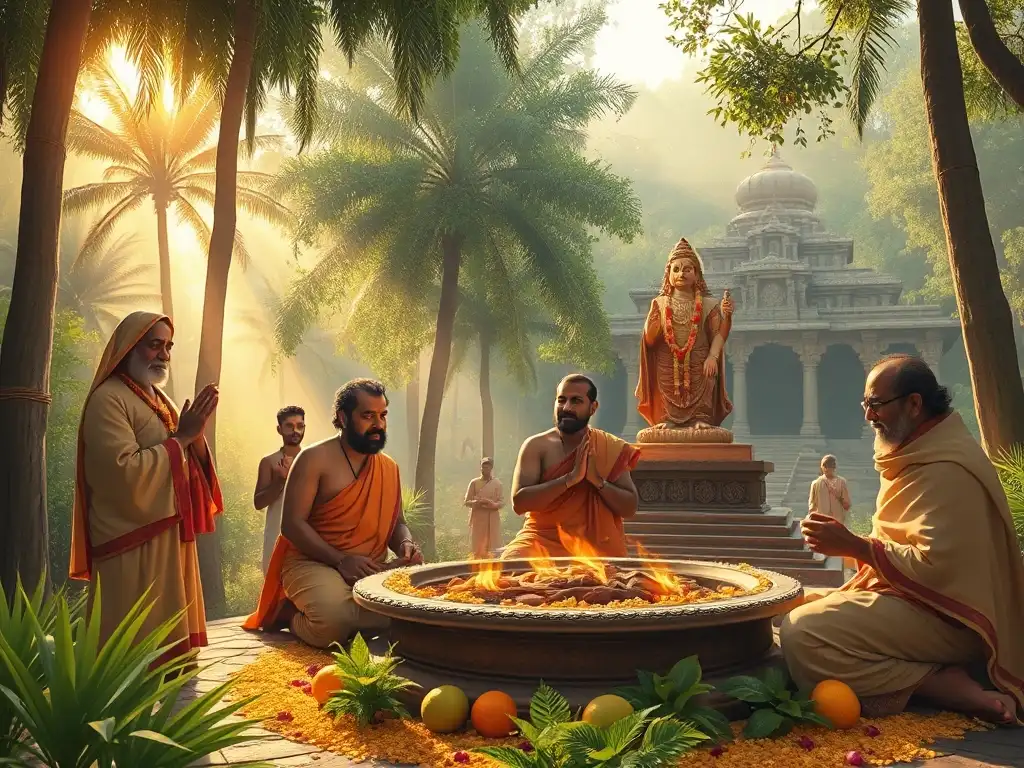
The spiritual practices of ancient India, deeply rooted in the Vedic tradition, have left an indelible mark on subsequent religious and philosophical movements. Vedic rituals, known for their intricate ceremonies and hymns, established a framework that influenced various aspects of Indian spirituality. The emphasis on fire sacrifices (yajnas), chanting of mantras, and the role of priests (brahmins) shaped the development of rituals in later Hindu practices.
Over time, these rituals evolved and became more accessible to the general populace, leading to the emergence of devotional practices (bhakti) that prioritized personal connection with the divine over elaborate rituals. This shift allowed for a wider participation in spiritual life, moving away from the exclusivity of Vedic rituals. Moreover, many elements from Vedic practices, such as offerings and chants, were incorporated into later sects, including Buddhism and Jainism, demonstrating the adaptability and resilience of these ancient spiritual practices in shaping the religious landscape of India.
Transition from Vedic Rituals to Upanishadic Philosophy
The transition from Vedic rituals to Upanishadic philosophy marks a significant evolution in the spiritual practices of ancient India. While the Vedas focus on ritualistic worship and external ceremonies, the Upanishads delve into metaphysical questions and the nature of reality. This philosophical shift emphasizes introspection and meditation over elaborate rituals, aligning more closely with the quest for self-realization (moksha) and understanding the ultimate reality (Brahman).
In this transformative phase, the role of the individual became prominent, as personal experience and inner knowledge began to take precedence over ritualistic authority. The Upanishads advocate for a direct relationship with the divine, urging practitioners to seek enlightenment through contemplation and self-inquiry. This movement laid the groundwork for various philosophical schools, including Vedanta, which further interpreted and expanded upon these ideas, bridging the gap between Vedic rituals and the deeper spiritual inquiries that would characterize later Indian thought.
Vedic Rituals in Contemporary Spiritual Practices in India
Today, the influence of Vedic rituals persists in contemporary spiritual practices across India. Many modern Hindus still partake in rituals derived from Vedic texts, celebrating festivals that incorporate elements such as fire offerings, chanting of mantras, and various pujas (worship ceremonies). These practices serve to connect individuals with their cultural heritage while fostering community bonds.
Additionally, the resurgence of interest in Vedic knowledge has led to the establishment of spiritual organizations that promote traditional practices, meditation, and yoga rooted in Vedic philosophy. Events such as the Kumbh Mela illustrate the enduring significance of Vedic rituals, drawing millions who seek spiritual purification and communal participation. Through these contemporary expressions, the spiritual practices of ancient India continue to thrive, adapting to the needs of modern society while preserving their foundational principles.
Conclusion
Summary of the Spiritual Practices of Ancient India
The spiritual practices of ancient India, particularly those articulated in the Vedas, encompass a rich tapestry of rituals, philosophies, and cultural expressions. From the ceremonial yajnas to the profound philosophical inquiries of the Upanishads, these traditions illustrate the complexity and depth of ancient Indian spirituality. The integration of ritualistic worship with metaphysical exploration provided a comprehensive framework for understanding the divine and the cosmos, laying the groundwork for future spiritual developments.
The Lasting Legacy of Vedic Rituals in Indian Culture
The legacy of Vedic rituals in Indian culture is profound and far-reaching. These ancient practices have not only shaped the religious landscape of India but have also influenced art, literature, and social customs. The principles of dharma (righteousness) and karma (action and its consequences) rooted in Vedic thought continue to resonate in modern spiritual discourse. As contemporary practitioners seek to navigate their spiritual journeys, the foundational teachings of the Vedas remain a guiding light, ensuring that the essence of ancient rituals continues to inspire and enrich the spiritual practices of ancient India.
References
Key Sources on Vedic Rituals and Ancient Indian Spirituality
When delving into the spiritual practices of ancient India, particularly the Vedic rituals, several seminal texts and resources provide crucial insights.
- The Vedas: These are the foundational texts of ancient Indian spirituality, comprising four major collections: the Rigveda, Samaveda, Yajurveda, and Atharvaveda. Each Veda contains hymns, rituals, and philosophical discussions that illuminate the spiritual practices of ancient Indian society.
- Brahmanas: These texts serve as commentaries on the Vedas, detailing the rituals and their significance. They explain the procedures of the rituals and the philosophical meanings behind them, making them essential for understanding Vedic spirituality.
- Aranyakas and Upanishads: The Aranyakas are texts associated with forest-dwelling hermits, offering insights into meditative and ascetic practices. The Upanishads delve into philosophical reflections on the nature of reality and the self, forming a critical part of the spiritual discourse in ancient India.
- The Mahabharata: This epic, while primarily a narrative, contains extensive sections on dharma (duty) and spiritual practices, including the Bhagavad Gita, which discusses the balance between action and spirituality.
- Historical Analyses: Works by scholars such as Max Müller, who translated the Vedas in the 19th century, have played a pivotal role in making Vedic texts accessible to a broader audience. More contemporary studies by scholars like Diana L. Eck and A. L. Basham offer critical examinations of the historical and cultural contexts of Vedic rituals.
These sources provide a comprehensive foundation for understanding the intricate web of spiritual practices that characterized ancient India.
Suggested Reading for Further Exploration of Ancient Indian Practices
For those interested in diving deeper into the spiritual practices of ancient India, the following readings are highly recommended:
- "The Vedas: An Introduction to Hinduism's Sacred Texts": by Roshen Dalal: This book offers a detailed yet approachable introduction to the Vedas, exploring their significance and impact on Hindu spirituality.
- "The Essence of the Vedas" by S. R. Bhatt: A concise examination of Vedic rituals and their philosophical underpinnings, making complex concepts accessible to a general audience.
- "Hinduism: A Very Short Introduction": by Kim Knott: This book provides a broad overview of Hindu traditions, including insights into Vedic practices and their evolution over time.
- "The Upanishads: A New Translation": by Vernon Katz and Robert A. Powell: This translation of the Upanishads captures the spiritual depth and philosophical richness of these ancient texts, essential for understanding the later development of Hindu thought.
- "Hindu Rituals and the Vedic Tradition" by Michael Witzel: A scholarly exploration of the rituals derived from Vedic traditions, this book connects ancient practices to modern Hindu rituals.
These readings will deepen your understanding of the spiritual practices of ancient India and their lasting influence on contemporary Indian spirituality.
- Introduction to Vedic Rituals
- The Historical Context of Vedic Rituals
- Core Principles of Vedic Spiritual Practices
- Types of Vedic Rituals
- The Philosophy Behind Vedic Rituals
- The Role of Priests in Vedic Rituals
- Influence of Vedic Rituals on Later Indian Spiritual Practices
- Conclusion
- References
Frequently Asked Questions
What are Vedic rituals in ancient India?
Vedic rituals are sacred ceremonies mentioned in the Vedas, the oldest scriptures of Hinduism. They encompass a range of practices aimed at honoring deities and achieving spiritual goals.
How did Vedic rituals influence spiritual practices in ancient India?
Vedic rituals laid the foundation for various spiritual practices in ancient India, emphasizing the importance of sacrifice, chanting, and meditation in connecting with the divine and attaining moksha.
What role did priests play in Vedic rituals?
Priests, known as Brahmins, were essential in Vedic rituals as they performed the ceremonies and recited the sacred texts. Their role was crucial in ensuring the rituals were conducted properly to please the deities.
Vedic rituals reinforced the caste system, as only certain groups, particularly the Brahmins, were permitted to perform them. This created a hierarchy within society based on religious duties and practices.
Are Vedic rituals still practiced today?
Yes, many Vedic rituals continue to be practiced in contemporary Hinduism, often adapted to modern contexts, but they still hold significant cultural and spiritual importance for many believers.
Final Reflection: Embracing the Wisdom of Ancient Spiritual Practices
The exploration of Vedic rituals reveals a profound connection between the spiritual practices of ancient India and our contemporary quest for meaning. In a world increasingly driven by technology and materialism, these ancient rituals remind us of the importance of introspection, community, and the sacredness of life. They serve as a beacon, guiding us toward a deeper understanding of ourselves and the universe around us.
The influence of these spiritual practices continues to resonate in today's cultural landscape, shaping our understanding of mindfulness, meditation, and holistic living. As we navigate the complexities of modern life, the teachings embedded in Vedic rituals offer timeless wisdom that transcends generations. The greatest gift of the Vedic tradition is the ability to see the divine in every aspect of life.
This perspective encourages us to integrate spirituality into our daily routines, fostering a sense of peace and purpose.
As we reflect on the insights gained from the spiritual practices of ancient India, I invite you to consider how these teachings can enrich your own life. Take a moment to engage with these rituals, whether through meditation, prayer, or simply a mindful appreciation of the world around you. By embracing these ancient practices, we can cultivate a deeper connection to ourselves, each other, and the cosmos, ultimately leading to a more harmonious existence.
Ignite Your Spiritual Journey Today!
Thank you for exploring the captivating world of Vedic rituals with us! You've gained valuable insights into the spiritual practices that shaped ancient India, and now it's time to integrate this knowledge into your life. Embrace the wisdom of the Vedas and discover how these timeless rituals can enhance your spiritual journey.
Here’s how you can engage further with this enriching subject:
- Embrace a Daily Ritual: Begin incorporating a simple Vedic practice into your daily routine, whether it’s meditation, chanting, or lighting a candle, to deepen your spiritual connection.
- Explore Further: Delve into specific Vedic texts or practices and learn how they can be relevant in today's context. Check the resources available on our website for comprehensive information.
- Share the Knowledge: Discuss your insights with friends or family. Consider hosting a small gathering to explore the enriching practices of Vedic rituals together!
What aspect of Vedic rituals intrigues you the most, and how do you plan to incorporate it into your daily life? Let's spark a conversation!