
The Art of Crafting Traditional Festive Decorations: A Cultural Craft

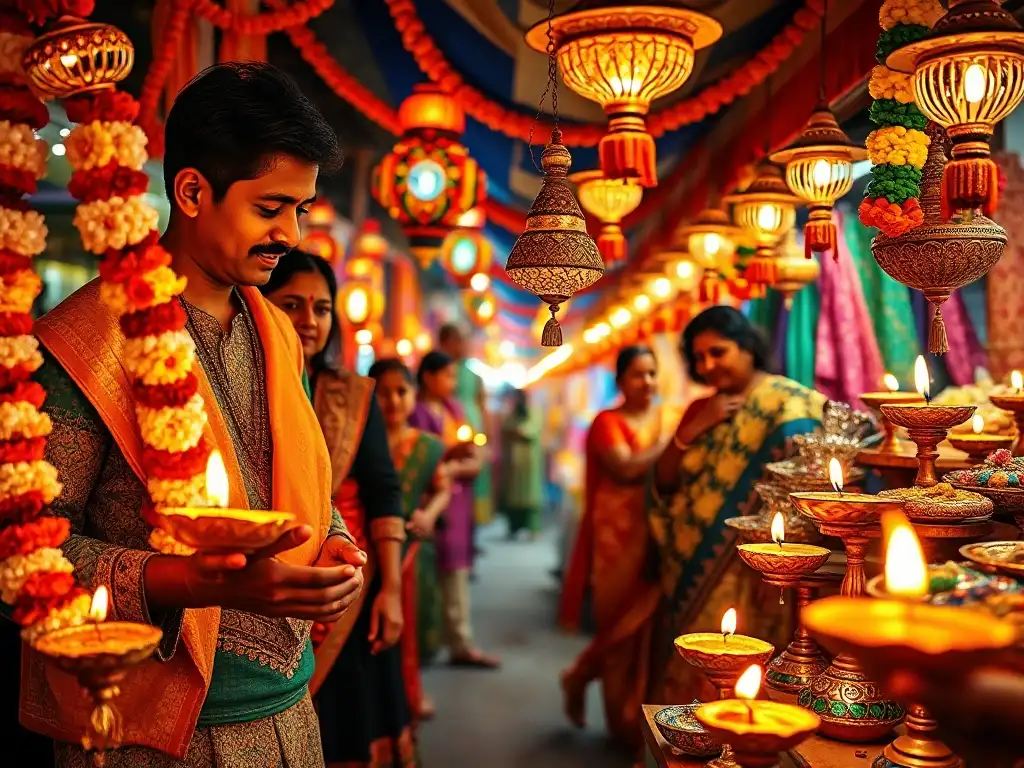
Welcome to Ancient India History, where we embark on a captivating journey through the rich tapestry of India's past. In this exploration, we delve into the vibrant world of traditional Indian festive decorations, an art form that beautifully reflects the cultural heritage and diverse traditions of ancient civilizations. Discover how these intricate decorations not only enhance celebrations but also tell stories of our ancestors' creativity and craftsmanship. Join us as we unravel the significance and techniques behind these festive adornments, and prepare to be inspired by the enchanting legacy of India's festive spirit.
- Introduction to Traditional Indian Festive Decorations
- Historical Significance of Traditional Festive Decorations
- Key Elements of Traditional Indian Festive Decorations
- Types of Traditional Indian Festive Decorations
- Crafting Techniques for Traditional Festive Decorations
- Regional Festivals and Their Unique Decoration Styles
- The Role of Traditional Festive Decorations in Modern Celebrations
- Conclusion: Preserving the Art of Traditional Indian Festive Decorations
- Frequently Asked Questions
- Final Reflection: Embracing Tradition Through Craft
- Create Your Own Festive Magic Today!
Introduction to Traditional Indian Festive Decorations
Exploring the vibrant tapestry of traditional Indian festive decorations reveals a rich cultural heritage that has evolved over millennia. These decorations are not merely ornamental; they embody the spirit, beliefs, and artistic expressions of various Indian civilizations. From the intricate designs of the Indus Valley to the opulent embellishments of the Gupta Empire, festive decorations in India have always played a pivotal role in celebrations, rituals, and community bonding. This article delves into the historical significance and artistic craftsmanship behind these decorations, showcasing how they enhance the festive atmosphere and reflect the diverse traditions of India.
Overview of Festive Decorations in Ancient India
Festive decorations in ancient India were deeply intertwined with the cultural and religious beliefs of the time. They varied significantly across different regions, reflecting the local customs, climates, and materials available. Key elements of these decorations included:
- Natural Materials: The use of flowers, leaves, and clay was common. For instance, during Diwali, homes were adorned with mango leaves and marigold flowers, symbolizing prosperity and auspiciousness.
- Rangoli: This traditional art form, created using colored powders, rice, or flower petals, was used to decorate the floors of homes during festivals. Each design conveyed specific meanings and was believed to invite good luck.
- Torans: Decorative door hangings made from flowers or beads that welcomed guests and deities into the home. These were often used during major festivals like Pongal and Navaratri.
- Diyas and Lanterns: Lighting plays a crucial role in festive decorations, especially during Diwali, where oil lamps (diyas) and lanterns illuminate homes, symbolizing the victory of light over darkness.
These elements not only enhanced the beauty of celebrations but also fostered a sense of community and shared identity among people.
Importance of Cultural Craft in Celebrations
Cultural craft plays a vital role in enhancing the significance of festivals in India. The act of crafting traditional festive decorations is a form of storytelling, where artisans express their cultural narratives through vibrant colors, textures, and designs. Here are some reasons why cultural craft is essential in celebrations:
- Preservation of Heritage: Traditional crafts serve as a means of preserving age-old techniques and styles. By participating in crafting decorations, artisans pass down knowledge and skills to future generations, ensuring that cultural practices remain alive.
- Community Bonding: Festivals are a time for gathering, and the process of creating decorations often involves community participation. This collaborative effort strengthens social ties and fosters a sense of belonging among individuals.
- Spiritual Significance: Many decorations are imbued with spiritual meanings. For example, the circular patterns of rangoli symbolize the cycle of life and the universe, while the lighting of diyas represents the dispelling of ignorance and the welcoming of wisdom.
- Economic Empowerment: Engaging in traditional crafts can provide livelihoods for artisans, contributing to local economies. The demand for unique, handcrafted decorations during festive seasons supports artisans and helps sustain their communities.
Traditional Indian festive decorations are more than mere embellishments; they are a reflection of the country's rich cultural heritage and values. As we explore their history and significance, we gain a deeper appreciation for the artistry and craftsmanship that continue to thrive in contemporary celebrations.
Historical Significance of Traditional Festive Decorations
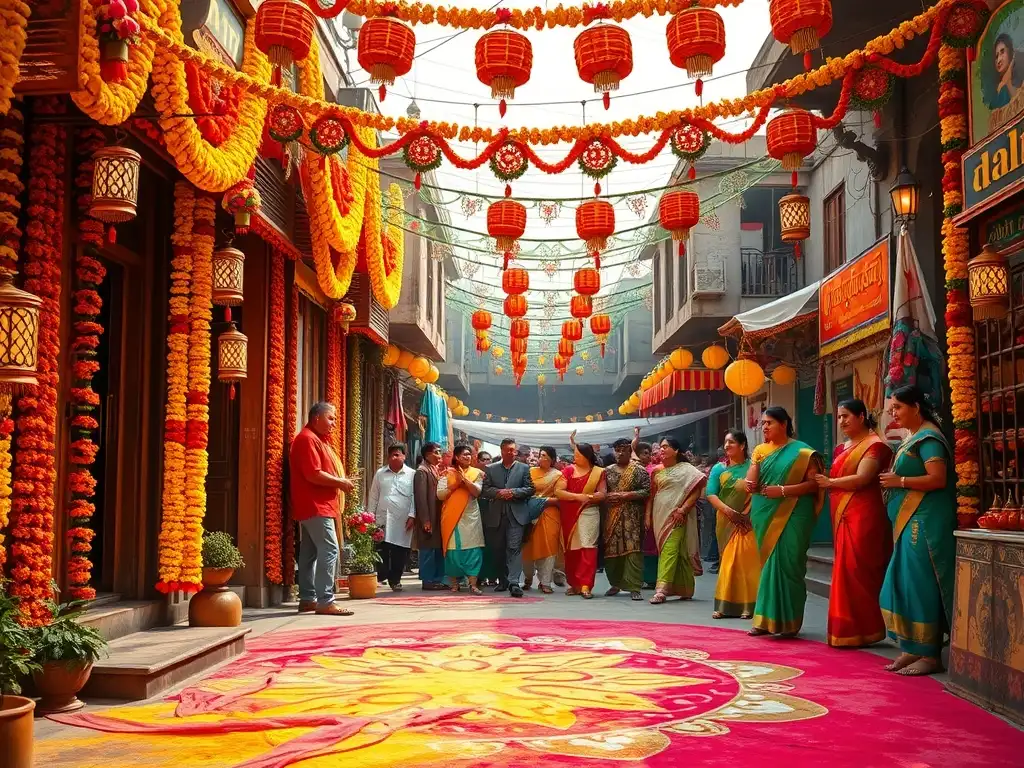
Traditional Indian festive decorations are not just mere embellishments; they are a vibrant expression of the rich tapestry of culture, religion, and community that has evolved over millennia. These decorations play a pivotal role in festivals, embodying the values, beliefs, and artistic traditions of various ancient Indian civilizations. From the intricate designs of the Indus Valley Civilization to the elaborate motifs of the Gupta Empire, the evolution of these decorations reflects the socio-cultural dynamics of their times.
Evolution of Decorations from the Indus Valley to the Gupta Empire
The journey of traditional Indian festive decorations begins with the Indus Valley Civilization (c. 3300–1300 BCE), known for its advanced urban planning and craftsmanship. Archaeological findings suggest that people of this era adorned their homes with clay figurines, terracotta seals, and intricate pottery decorated with geometric patterns. These artifacts illustrate not only aesthetic sensibilities but also the early forms of ritualistic practices that laid the groundwork for future festive decorations.
As we transition to the Vedic period (c. 1500–500 BCE), the focus of festive decorations shifted towards natural elements. The use of floral garlands, sacred leaves, and colorful powders became prevalent during rituals and celebrations, symbolizing purity and the divine. The decorations during this period were often intertwined with mythological stories, reflecting the deep spiritual connections held by the communities.
With the rise of the Mauryan Empire (c. 322–185 BCE) and later the Gupta Empire (c. 240–550 CE), the complexity of festive decorations further expanded. The Gupta period is often referred to as the Golden Age of India, marked by significant advancements in art and architecture. During this time, decorations began to incorporate intricate motifs from nature, including animals and foliage, often painted on the walls of temples and homes to celebrate festivals like Diwali and Makar Sankranti.
The evolution of traditional festive decorations throughout these periods signifies a blend of artistry and spirituality, showcasing the deep-rooted cultural practices that have been passed down through generations.
Regional Variations in Festive Decoration Practices
India is a land of diversity, and this is vividly represented in its traditional festive decoration practices, which vary significantly across regions. Each state has its own unique styles, materials, and symbols used in celebrations, reflecting local customs and traditions.
- North India:
- In states like Punjab and Haryana, phoolon ki chadar (flower sheets) and kites are a common sight during festivals like Baisakhi and Lohri. The use of bright colors and vibrant rangoli designs at entrances is also prevalent.
- Uttar Pradesh celebrates Diwali with diyas (oil lamps) and torans (door hangings) made from marigold flowers.
- South India:
- In Tamil Nadu, the festival of Pongal features elaborate kolams (rice flour designs) drawn at the entrance of homes, symbolizing prosperity.
- Kerala showcases pookalam (floral carpets) during Onam, using a variety of colorful flowers arranged in intricate patterns.
- East India:
- In West Bengal, the Durga Puja festival is marked by pandals (temporary structures) decorated with artistic motifs and lights, reflecting the artistic heritage of the region.
- Odisha is known for Chhath Puja, where sugarcane and banana leaves are used as decorations, symbolizing the agricultural roots of the community.
- West India:
- Gujarat is famous for its garba dances during Navratri, where homes are adorned with bandhanwars (decorative door hangings) made from fresh flowers and colorful fabrics.
- Maharashtra celebrates Ganesh Chaturthi with grand idols of Lord Ganesha adorned with jewels and flowers, reflecting the region's artistic flair.
These regional variations highlight how the essence of traditional Indian festive decorations is not only about aesthetics but also about community, spirituality, and the celebration of life itself. Each practice carries a story, a memory, and a sense of belonging that binds people together during festive times.
The art of crafting traditional festive decorations is a profound cultural practice that continues to evolve while preserving the essence of ancient traditions.
Key Elements of Traditional Indian Festive Decorations
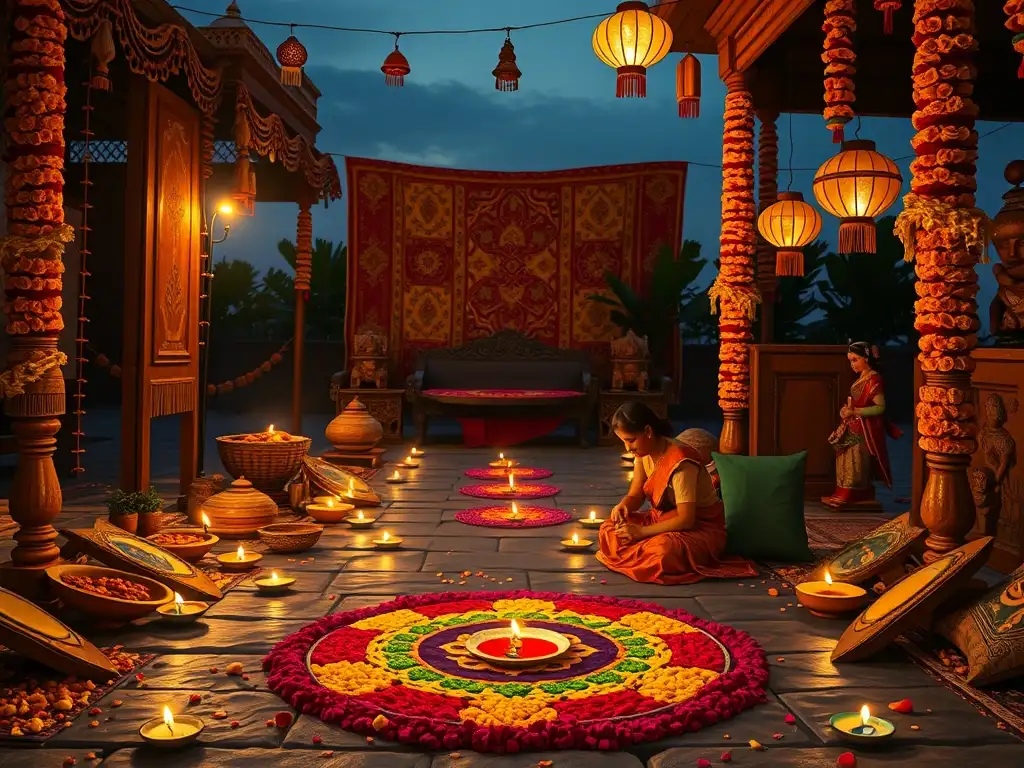
Traditional Indian festive decorations are an integral part of the vibrant cultural tapestry of India, reflecting the rich heritage and diverse practices across different regions. These decorations not only enhance the aesthetic appeal of celebrations but also carry deep cultural significance. Understanding the key elements that constitute traditional Indian festive decorations provides insight into their importance in various festivals and rituals.
Use of Natural Materials in Crafting Decorations
One of the defining characteristics of traditional Indian festive decorations is the use of natural materials. Artisans and families often turn to locally sourced items that are environmentally friendly and culturally relevant. Common materials include:
- Flowers: Fresh flowers like marigolds, jasmine, and roses are widely used for garlands, rangoli designs, and as offerings in pooja (worship) ceremonies. Their vibrant colors and fragrances add a festive touch.
- Leaves and Foliage: Leaves from sacred trees, such as mango and banana, are commonly used in decorations. They symbolize prosperity and are often used to create torans (door hangings) that welcome guests.
- Clay and Mud: Terracotta and clay are traditional materials for crafting decorative items like diyas (oil lamps) and figurines. These items are often handmade and painted with natural dyes, showcasing regional artistry.
- Rice and Grains: In many households, rice and colorful grains are used for creating intricate rangoli designs. These not only beautify the space but also symbolize abundance and fertility.
The use of these materials underscores the connection between nature and culture in Indian festivities, reflecting a sustainable approach to decoration that has been passed down through generations.
Symbolism and Meaning Behind Decorative Elements
The decorative elements used in traditional Indian festive decorations are laden with symbolism and meaning, often rooted in ancient beliefs and practices. Understanding these meanings enriches the experience of the festive celebrations:
- Rangoli: This colorful floor art is made using colored powders, rice, or flower petals. Rangoli designs are believed to invite prosperity and good fortune into homes and are often created at the entrance as a gesture of hospitality.
- Diyas: Lighting diyas during festivals like Diwali symbolizes the victory of light over darkness and good over evil. The flickering flames are thought to ward off negative energies and bring divine blessings.
- Torans: These decorative door hangings, often made with flowers or leaves, serve as symbols of good luck and protection. They are believed to protect the home from evil spirits and create a welcoming atmosphere for guests.
- Statues and Idols: During festivals such as Ganesh Chaturthi, elaborate decorations featuring idols of deities are created. These idols represent divine presence and are worshipped, reinforcing the spiritual significance of the festivities.
Traditional Indian festive decorations are not just visual treats; they embody cultural narratives, rituals, and values that have stood the test of time. By using natural materials and incorporating elements rich in symbolism, these decorations play a crucial role in celebrating the diversity and vibrancy of Indian culture.
Types of Traditional Indian Festive Decorations
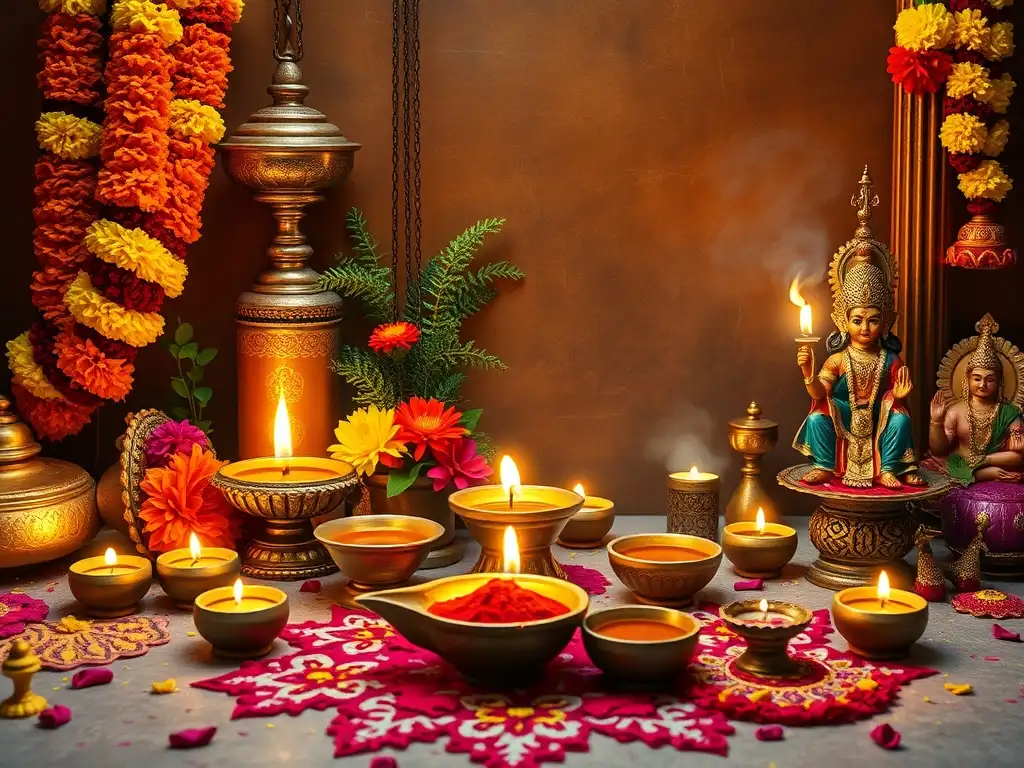
Traditional Indian festive decorations are an integral part of the country's rich cultural tapestry. These decorations not only enhance the beauty of homes and public spaces during festivals but also carry deep cultural significance and symbolism. Below, we explore some of the most prominent types of traditional Indian festive decorations that bring vibrancy and joy to celebrations across the nation.
Rangoli: The Art of Colored Powders and Patterns
Rangoli is a cherished art form in India, created using colored powders, rice, or flower petals. This decorative practice is most commonly seen during festivals such as Diwali, Onam, and Pongal.
- Materials Used: Rangoli designs can be made from a variety of materials, including:
- Colored powders (traditionally made from natural sources)
- Rice flour
- Flower petals (like marigolds and jasmine)
- Cultural Significance:
- Welcoming Guests: Rangoli is believed to welcome guests and deities into homes, symbolizing prosperity and happiness.
- Artistic Expression: It serves as a medium for artistic expression, reflecting the creativity and skills of the maker.
- Common Patterns: Rangoli designs often feature:
- Geometric shapes
- Floral motifs
- Religious symbols (like lotus or Om)
Creating Rangoli is not just an art; it's a celebration of colors and life itself.
The intricate designs of Rangoli can range from simple patterns to elaborate masterpieces, showcasing regional variations and personal creativity.
Torans: Decorative Door Hangings and Their Significance
Torans are traditional decorative hangings that adorn the entrances of homes during festivals. These embellishments signify the auspiciousness of the occasion and are often crafted from various materials.
- Materials Used: Common materials for Torans include:
- Fresh flowers (especially marigolds and mango leaves)
- Fabrics (such as silk or cotton)
- Wood and beads for creating ornamental pieces
- Cultural Significance:
- Auspicious Entry: Torans are believed to ward off negative energies while inviting positivity and good fortune.
- Festive Spirit: They enhance the festive spirit and are often customized to reflect the theme of the celebration.
- Design Variations:
- Flower Torans: Made with fresh flowers, adding fragrance and color.
- Fabric Torans: Often embroidered with traditional motifs, available in vibrant colors.
Diyas and Lanterns: Illuminating Celebrations
Diyas and lanterns play a pivotal role in illuminating festivals across India, particularly during Diwali, where light symbolizes the victory of good over evil.
- Types of Diyas:
- Earthen Diyas: Traditionally made from clay, these are lit with oil or ghee.
- Decorative Diyas: Often painted and embellished with glitter, they serve both functional and ornamental purposes.
- Lanterns:
- Kandeel: These paper lanterns are hung outside homes, adding to the festive atmosphere.
- Modern Variants: Electric lanterns are also popular, combining traditional aesthetics with contemporary convenience.
- Cultural Significance:
- Symbol of Hope: The light from diyas and lanterns symbolizes hope, purity, and the dispelling of darkness.
- Spiritual Connection: Lighting diyas is also a spiritual practice, believed to bring blessings and light into the home.
These traditional Indian festive decorations not only beautify spaces but also embody the rich cultural heritage and collective spirit of celebration in Indian society. Each element, from Rangoli to Diyas, plays a significant role in fostering community bonds and preserving age-old traditions.
Crafting Techniques for Traditional Festive Decorations
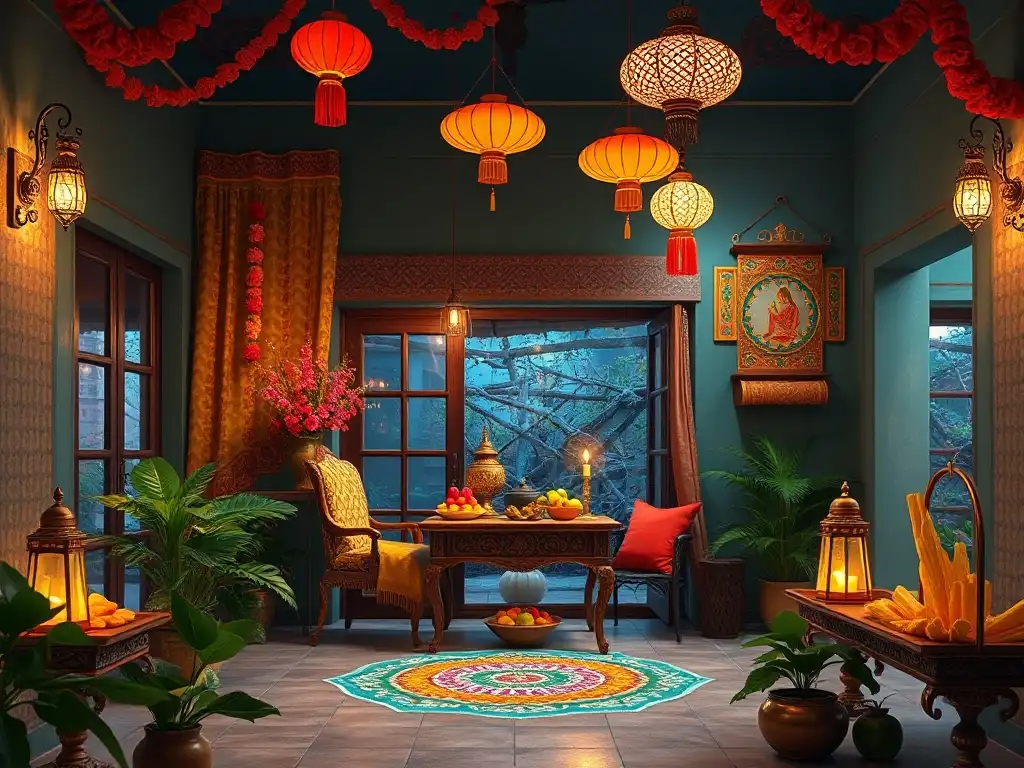
The art of crafting traditional Indian festive decorations is a vibrant reflection of the country's rich cultural heritage. From intricate designs to the use of local materials, each technique has a story that resonates with the values and traditions of various communities. This section delves into some of the key methods employed in creating these beautiful decorations, highlighting their importance in festive celebrations.
Handcrafted vs. Machine-Made: The Value of Artisanal Work
In the realm of traditional Indian festive decorations, handcrafted items hold a distinct place of honor compared to their machine-made counterparts. This distinction is not merely aesthetic; it encompasses cultural significance, craftsmanship, and emotional value.
The Essence of Handcrafted Decorations
- Cultural Heritage: Handcrafted decorations are often produced by skilled artisans who inherit their craft through generations. This lineage preserves unique techniques and styles that embody the essence of cultural identity.
- Unique Designs: Each piece of handcrafted decoration is unique, reflecting the individual artist's creativity and skill. This uniqueness contributes to the charm and personal touch of festive celebrations.
- Sustainable Practices: Many artisans use locally sourced materials and traditional methods that minimize environmental impact, fostering a sustainable approach to decoration.
The Limitations of Machine-Made Decorations
- Uniformity: Machine-made decorations lack the individuality and character inherent in handcrafted items, often resulting in a sterile aesthetic that may not resonate with the vibrancy of traditional celebrations.
- Cultural Disconnect: The mass production of decorations can lead to a loss of cultural context, as these items may not represent the stories and values tied to specific festivals.
While machine-made decorations may offer convenience, the value of handcrafted traditional Indian festive decorations lies in their ability to connect individuals with their cultural roots, making them an essential part of any celebration.
Step-by-Step Guide to Creating Your Own Rangoli
Rangoli, a traditional Indian art form, involves creating intricate designs on the ground using colored powders, rice, or flower petals. This vibrant decoration is a beautiful way to welcome guests during festivals. Here’s a step-by-step guide to creating your own rangoli:
- Choose Your Design:
- Research traditional patterns or create your own. Common motifs include flowers, geometric shapes, and symbols like the lotus or peacock.
- Gather Materials:
- Colored powders (available in stores or made from natural sources)
- Rice flour or flower petals
- A flat surface (preferably outside your home)
- Prepare the Surface:
- Clean the area where you will create your rangoli. A smooth, dust-free surface will enhance the design's vibrancy.
- Outline Your Design:
- Use chalk or white powder to sketch the basic shape of your rangoli. This will serve as a guide for filling in colors.
- Fill in the Colors:
- Carefully fill in the outlined areas with your chosen colors. Use your fingers or small tools for precision.
- Add Details:
- Enhance your rangoli with intricate details, such as borders or small patterns within the larger design.
- Final Touches:
- Sprinkle flower petals or additional colors to add texture and depth.
By following these steps, you can create a stunning rangoli that reflects your artistic flair while celebrating the traditions of Indian festive decorations.
Tips for Making Eco-Friendly Festive Decorations
As awareness of environmental issues grows, creating eco-friendly traditional Indian festive decorations has become increasingly important. Here are some tips to ensure your decorations are both beautiful and sustainable:
- Use Natural Materials:
- Opt for biodegradable items such as clay, wood, or dried flowers instead of plastic or synthetic materials. For example, clay diyas (lamps) are a traditional and eco-friendly choice for Diwali.
- Incorporate Recyclables:
- Repurpose items like old newspapers, glass jars, and fabric scraps to create decorations. This not only reduces waste but also adds a unique touch to your festive setup.
- Choose Organic Colors:
- When crafting decorations that require color, use natural dyes made from spices, vegetables, or flowers. For example, turmeric can be used for yellow, while beetroot creates a vibrant red.
- Create Minimal Waste:
- Plan your decorations to minimize excess materials. For instance, use leftover flower petals from ceremonies to create garlands or rangoli.
- Educate Others:
- Share your eco-friendly practices with friends and family to inspire a collective movement towards sustainable celebrations.
By implementing these tips, you can enjoy festive celebrations while honoring the environment and preserving the beauty of traditional Indian festive decorations for future generations.
Regional Festivals and Their Unique Decoration Styles
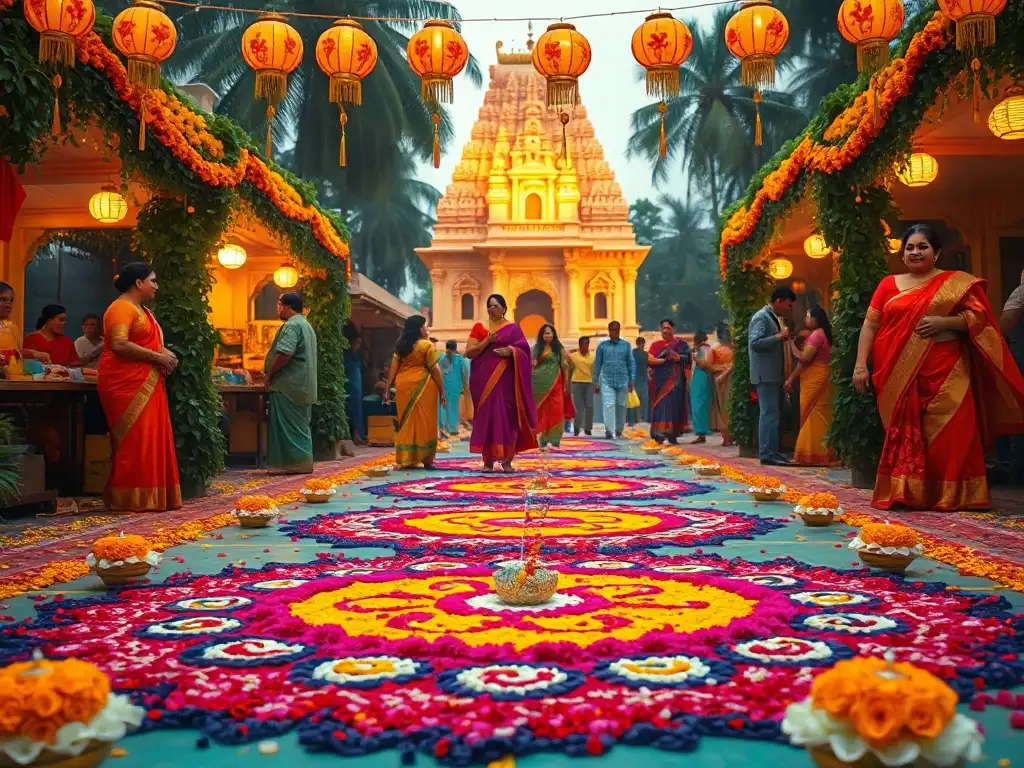
Traditional Indian festive decorations vary greatly across different regions of India, each reflecting the cultural heritage and local customs. These decorations not only enhance the festive atmosphere but also hold deep symbolic meanings tied to the celebrations. Here, we explore some of the most prominent festivals in India and the unique decoration styles associated with them.
Diwali: The Festival of Lights and Its Iconic Decorations
Diwali, also known as the Festival of Lights, is one of the most celebrated festivals in India. It symbolizes the victory of light over darkness and good over evil. The decorations during Diwali are vibrant and extensive, often involving:
- Diyas and Candles: Small oil lamps made of clay are lit and placed around homes to illuminate the surroundings. This practice symbolizes the welcoming of prosperity and good fortune.
- Rangoli: Colorful patterns made on the ground using colored powders, rice, or flower petals. These intricate designs are often created at the entrance of homes to invite happiness and good luck.
- Torans and Bandhanwars: Decorative door hangings made from mango leaves and marigold flowers are used to adorn entrances, signifying purity and the welcoming of guests.
The use of bright colors like gold and red, along with the fragrance of flowers, creates a warm and inviting ambiance that characterizes Diwali celebrations.
Pongal: Celebrating Harvest with Colorful Crafts
Pongal is a harvest festival celebrated predominantly in Tamil Nadu, marking the end of the harvest season. It is named after the traditional dish made from newly harvested rice. The decorations during Pongal are both artistic and functional, emphasizing the bounty of the land:
- Kolams: Similar to Rangoli, Kolams are intricate designs created using rice flour at the entrance of homes. These patterns are not only decorative but also serve to attract ants, symbolizing sharing the harvest with nature.
- Sugarcane and Pongal Pots: Sugarcane is a significant element, often used as decoration around homes. Clay pots filled with the Pongal dish are adorned with flowers and leaves, emphasizing the importance of the harvest.
- Festive Arrangements: The use of fresh fruits, vegetables, and flowers in decorative arrangements signifies abundance and gratitude towards nature.
The colorful and vibrant decorations of Pongal reflect the importance of agriculture in rural Indian life and the joy of a bountiful harvest.
Holi: The Festival of Colors and Its Decorative Traditions
Holi, known as the Festival of Colors, celebrates the arrival of spring and the victory of good over evil. It is characterized by playful color throwing and joyous celebrations. The decorations during Holi are exuberant and filled with life:
- Colorful Gulal: The use of colored powders (gulal) is the hallmark of Holi. People smear these colors on each other, creating a vivid display of hues that represent joy and unity.
- Flower Decorations: Homes are adorned with fresh flowers as a symbol of the season's beauty. These flowers are often used to create garlands that hang around doorways.
- Water Balloons and Pichkaris: The playful spirit of Holi is reflected in the use of water balloons and pichkaris (water guns) as decorative items, adding a fun element to the festivities.
The overall spirit of Holi is captured through its vibrant decorations, emphasizing the theme of love, friendship, and the arrival of new beginnings.
Traditional Indian festive decorations are rich in cultural significance, reflecting the diverse heritage of various regions. Each festival showcases unique styles and materials, enhancing the festive spirit and bringing communities together in celebration.
The Role of Traditional Festive Decorations in Modern Celebrations
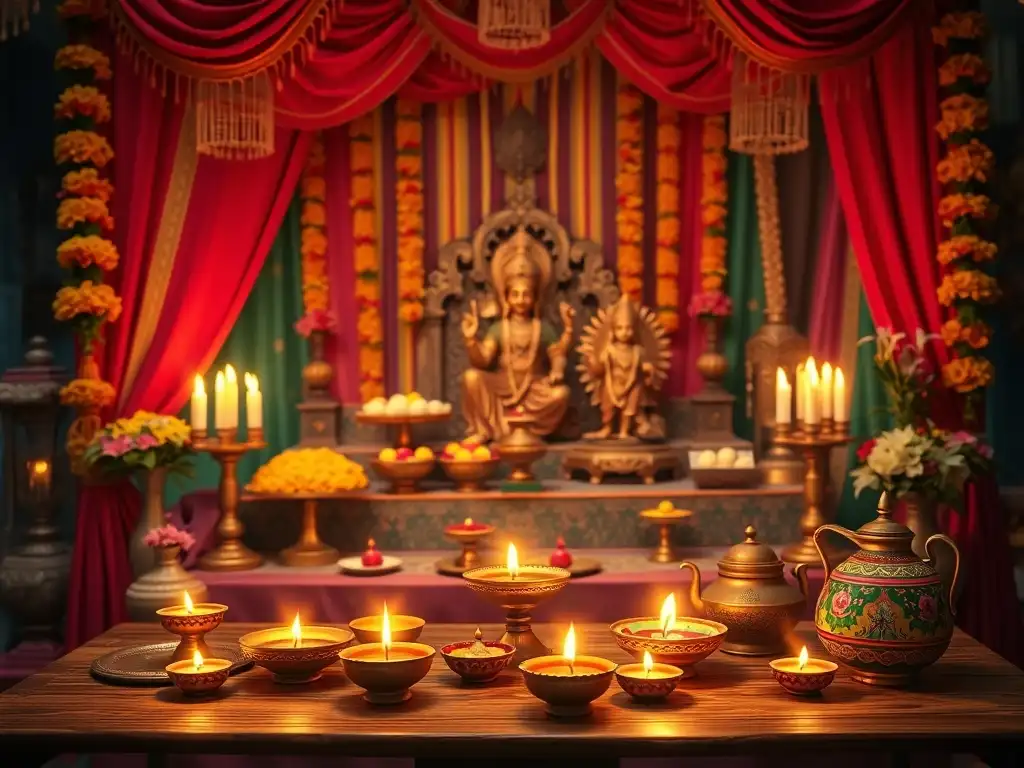
Traditional Indian festive decorations play a pivotal role in enriching the cultural tapestry of modern celebrations. These decorations, deeply rooted in history, not only serve as embellishments but also as symbols of heritage, spirituality, and community bonding. From the vibrant colors of rangoli to the intricate artistry of diyas, each element has a story that connects the present with the past.
The revival of traditional festive decorations allows contemporary society to reconnect with their cultural roots. These decorative practices invite individuals to engage with their history and foster a sense of identity. For instance, during Diwali, the Festival of Lights, homes are adorned with lanterns, flowers, and illuminated diyas, creating a warm and inviting atmosphere that reflects both tradition and joy.
Reviving Ancient Techniques in Contemporary Festivities
The resurgence of traditional Indian festive decorations is evident in various contemporary celebrations, where ancient techniques are infused with modern creativity. Craftspeople and artists are revisiting time-honored methods, such as:
- Madhubani Painting: This ancient art form, originating from Bihar, involves intricate designs that often depict mythological themes. Today, these paintings are used to decorate homes during festivals, blending tradition with modern styles.
- Warli Art: Hailing from the tribal communities of Maharashtra, Warli art utilizes simple geometric shapes to convey complex narratives. This artwork is now a popular choice for festive decorations, offering a rustic yet contemporary aesthetic.
- Kalamkari: This textile art, which dates back to ancient India, involves hand-painting or block-printing on fabric. Kalamkari is increasingly used for decorative purposes during festivals, such as tablecloths and wall hangings.
By integrating these ancient techniques into modern festive practices, communities not only preserve their culture but also promote sustainable artistic expressions. This revival highlights the importance of craftsmanship and encourages a deeper appreciation for the skills passed down through generations.
Community Involvement in Crafting and Decorating
The crafting and decorating of traditional Indian festive decorations foster a strong sense of community involvement. Festivals serve as a platform where families and neighbors come together, participating in various activities that enhance social bonds. This collective effort manifests through:
- Workshops and Classes: Many communities organize workshops where individuals learn to create traditional decorations, such as paper lanterns, clay diyas, and colorful rangoli. These gatherings not only impart skills but also encourage friendships and collaboration.
- Collaborative Projects: During major festivals, communities often engage in large-scale decoration projects. For instance, in preparation for Durga Puja, local artisans and volunteers come together to create elaborate pandals (temporary structures) adorned with intricate decorations, showcasing their collective creativity.
- Celebration of Local Artisans: By involving local artisans in the decoration process, communities honor their heritage while supporting local economies. Artisans often share their stories and techniques, enriching the festive experience with personal narratives.
This community involvement not only enhances the festive spirit but also reinforces the value of cultural preservation. Participants learn about the significance of each decorative element, thus fostering a deeper connection to their traditions. Ultimately, the act of crafting and decorating becomes a celebration of culture, unity, and shared heritage, making traditional Indian festive decorations a vital component of modern celebrations.
Conclusion: Preserving the Art of Traditional Indian Festive Decorations
The art of crafting traditional Indian festive decorations is not just a practice; it is a vibrant expression of culture, identity, and history. As we reflect on the significance of these decorations, we recognize their role in transcending generations and connecting individuals with their ancestral roots.
Importance of Cultural Heritage in Today's World
Cultural heritage plays a vital role in shaping a community's identity. In today's rapidly changing world, where globalization often dilutes local traditions, preserving the art of traditional Indian festive decorations becomes ever more critical. These decorations—ranging from intricate rangoli designs to vibrant torans and handcrafted diyas—carry profound meanings and stories that reflect the values and beliefs of ancient Indian civilizations.
- Cultural Identity: Traditional Indian festive decorations serve as a visual representation of cultural identity. They remind communities of their unique heritage and the importance of celebrating their history through art.
- Social Cohesion: Engaging in the craft of festive decorations fosters social bonds. Festivals are often communal events where families and neighbors come together, reinforcing societal connections through shared practices and collaborative creation.
- Economic Sustainability: The revival of traditional crafts can lead to economic opportunities for artisans. By valuing and promoting these crafts, communities can sustain livelihoods while also ensuring that traditional skills are passed down.
- Environmental Awareness: Many traditional decorations utilize sustainable materials, encouraging environmentally friendly practices. This aspect is increasingly relevant in today's context, where eco-consciousness is paramount.
Encouraging Future Generations to Embrace Traditional Crafts
To ensure the continuity of traditional Indian festive decorations, it is essential to engage and inspire younger generations. Here are several strategies to achieve this:
- Educational Programs: Incorporating workshops and classes in schools and community centers that teach the skills of crafting traditional decorations can ignite interest among youth. These programs can include hands-on experiences, allowing participants to create their own pieces.
- Cultural Festivals: Organizing local festivals that celebrate traditional crafts can provide a platform for artisans to showcase their work, while simultaneously engaging the community. Such events can feature demonstrations, interactive sessions, and competitions to draw in younger audiences.
- Use of Technology: Leveraging social media and digital platforms to share the beauty of traditional Indian festive decorations can reach a wider audience. Online tutorials and virtual workshops can make these crafts accessible to those unable to attend in-person events.
- Family Involvement: Encouraging families to participate in crafting decorations together during festivals can reinforce the importance of these practices. When children see their parents and grandparents actively involved in these traditions, they are more likely to adopt and cherish them.
Preserving the art of traditional Indian festive decorations is a collective responsibility that requires active participation from all segments of society. By prioritizing cultural heritage and instilling pride in traditional crafts, we can ensure that future generations continue to celebrate their rich history and vibrant culture through the art of decoration.
Frequently Asked Questions
What are traditional Indian festive decorations?
Traditional Indian festive decorations are ornate and colorful adornments used during festivals to enhance the celebratory atmosphere. They often include rangoli, torans, and string lights, reflecting the rich culture of India.
How are traditional festive decorations made?
These decorations are typically crafted using natural materials like flowers, leaves, and colored powders. Artisans often showcase their creativity and cultural heritage through intricate designs and patterns.
What role do traditional decorations play in Indian festivals?
Traditional decorations serve to symbolize joy and prosperity during festivals. They create a festive ambiance, inviting blessings and enhancing the spiritual significance of the celebrations.
Are there specific decorations for different Indian festivals?
Yes, various Indian festivals feature unique decorations. For instance, Diwali is celebrated with diyas and rangoli, while Pongal involves kolams made from rice flour, highlighting the diversity of cultural practices across regions.
How can one learn to craft traditional Indian festive decorations?
To learn crafting these decorations, one can attend workshops, watch tutorials, or participate in community events. Engaging with local artisans can also provide valuable insights into traditional techniques and styles.
Final Reflection: Embracing Tradition Through Craft
The art of crafting traditional Indian festive decorations is not just a skill; it is a vibrant expression of culture that resonates deeply in today's world. As we navigate an increasingly globalized society, the significance of these decorations becomes even more pronounced, serving as a bridge to our heritage and a reminder of the values and stories that shape our identities. The intricate designs and rich symbolism found in these crafts are not merely aesthetic; they encapsulate the essence of community, celebration, and continuity.
Crafting traditional decorations has a profound impact on our cultural landscape, fostering a sense of belonging and connection among individuals and communities. The revival of these age-old practices encourages us to appreciate the artistry and labor that go into each piece, reinforcing the idea that culture is alive and evolving. As Mahatma Gandhi once said, “A nation’s culture resides in the hearts and in the soul of its people.” > This quote reminds us that our cultural expressions, such as festive decorations, are vital to maintaining our collective identity and heritage.
As we reflect on the importance of traditional Indian festive decorations, let us take a moment to consider how we can incorporate these values into our own lives. I invite you to explore your own cultural crafts, engage with your community, and celebrate the beauty of tradition. By doing so, we not only honor our past but also inspire future generations to cherish and carry forward the rich tapestry of our cultural heritage. Embrace the art of crafting, and let it illuminate your celebrations with meaning and connection.
Create Your Own Festive Magic Today!
Thank you for exploring the vibrant world of traditional festive decorations with us! We hope you found inspiration in the rich cultural heritage and artistic techniques discussed. Now, it’s time to bring that creativity to life in your own space.
Here are some exciting actions you can take right now:
- Begin your crafting journey: Gather materials and start creating your own festive decorations using the techniques you learned. Don't hesitate to let your imagination guide you!
- Share your creations: Post pictures of your finished decorations on social media and tag us to spread the festive spirit within our community.
- Join a local workshop: Look for community events or workshops focused on traditional crafts, where you can connect with others who share your passion.
What unique decoration will you create that reflects your personal heritage and individual style? We’d love to hear your ideas below!