
Celebrating the Harvest: Agrarian Rituals in Ancient India

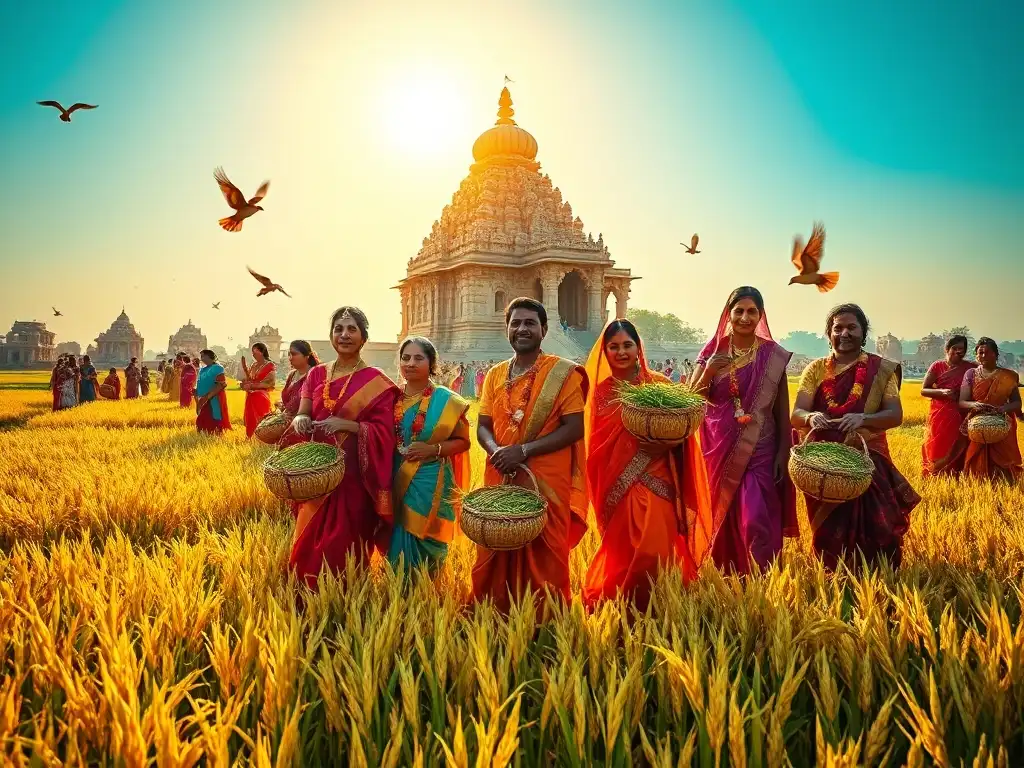
Welcome to Ancient India History, where we embark on a fascinating journey through the vibrant tapestry of ancient Indian civilizations. Here, we delve deep into the rich culture, profound traditions, and remarkable contributions that shaped the course of history. In our featured article, "Celebrating the Harvest: Agrarian Rituals in Ancient India," we invite you to uncover the sacred ceremonies and practices that honored the bountiful harvests, connecting communities to the land and each other.
Are you ready to explore the enchanting rituals that have transcended time and continue to influence modern traditions? Join us as we celebrate the past and its timeless legacies!
Introduction to Agrarian Rituals in Ancient India
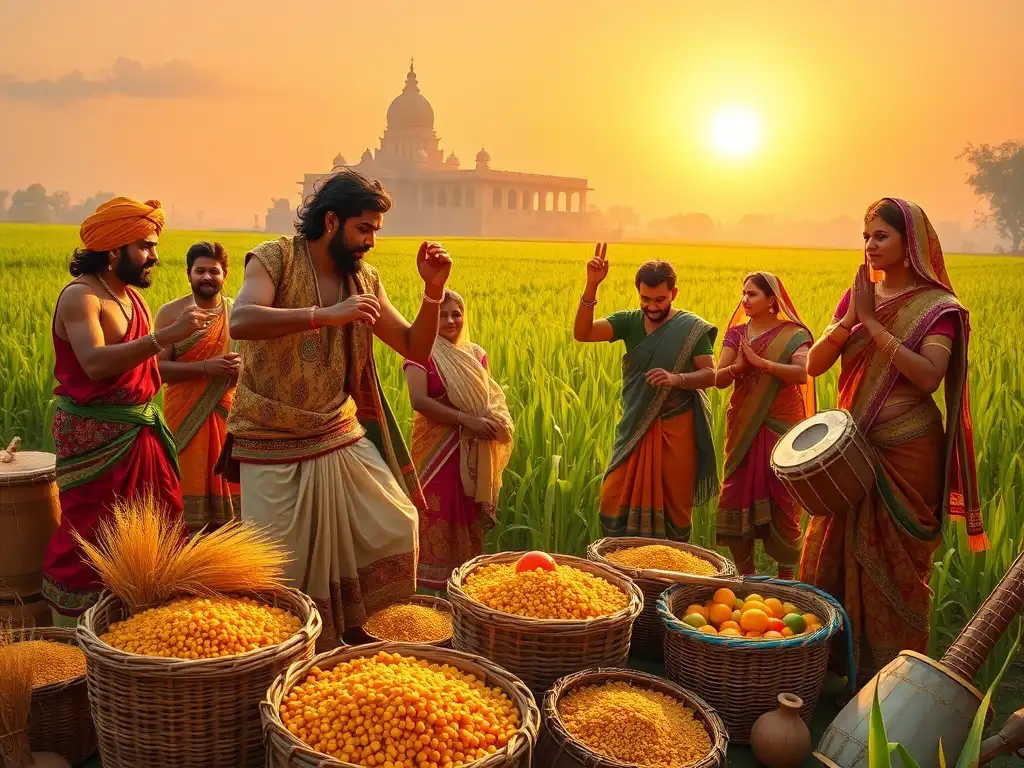
Agrarian rituals in ancient India are a profound reflection of the agricultural lifestyle that shaped the civilization's social, economic, and spiritual fabric. As a largely agrarian society, ancient Indian communities relied heavily on the cycles of nature, and their rituals were deeply intertwined with agricultural practices. These ceremonies not only celebrated the bountiful harvests but also sought to appease the deities believed to influence fertility and prosperity. The rich tapestry of these rituals reveals insights into the values, beliefs, and communal harmony of ancient Indian society, making them an essential area of study for historians and cultural enthusiasts alike.
Significance of Agrarian Rituals in Ancient Indian Society
Agrarian rituals held immense significance in ancient Indian society for several reasons:
- Spiritual Connection: These rituals often involved offerings to deities associated with agriculture, such as Annadata (the deity of food) and Lakshmi (the goddess of wealth). They served as a means for the community to express gratitude for the harvest and to seek blessings for future prosperity.
- Cultural Identity: Festivals and rituals related to agriculture were integral to communal identity. They fostered a sense of belonging among the villagers, reinforcing shared values and traditions.
- Social Cohesion: The communal nature of agrarian rituals helped strengthen relationships within the community. These events were occasions for people to come together, share food, and participate in collective activities, thereby enhancing social bonds.
- Economic Impact: Celebrating the harvest also had practical implications, as it often involved market activities where surplus produce was traded, contributing to the local economy.
Overview of Harvest Celebrations in Ancient India
The harvest season in ancient India was marked by vibrant celebrations, each unique to the region and its agricultural practices. Some notable examples include:
- Pongal: Celebrated predominantly in Tamil Nadu, this festival marks the harvest of rice and is characterized by cooking a special dish called "Pongal" in new pots, symbolizing abundance.
- Makar Sankranti: Observed across various states, this festival signifies the transition of the sun into the zodiac sign of Capricorn and is celebrated with kite flying, feasting, and donation of food.
- Baisakhi: Celebrated in Punjab, Baisakhi marks the beginning of the harvest season for wheat and is associated with the Sikh New Year, featuring folk dances and community gatherings.
These celebrations highlight the diversity of agrarian rituals across ancient India, showcasing the deep connection between agriculture and cultural identity.
Historical Context of Agrarian Rituals
Understanding the historical context of agrarian rituals in ancient India involves examining the agricultural practices and the geographical influences that shaped these ceremonies.
Agrarian Practices in Early Civilizations
The roots of agrarian rituals can be traced back to the Indus Valley Civilization, where evidence of advanced agricultural techniques, such as irrigation and crop rotation, suggests a deep understanding of farming. As societies evolved, so did their agricultural practices, leading to a variety of crops and farming methods that influenced regional rituals. Key practices included:
- Crop Cultivation: The primary crops cultivated—such as rice, wheat, and pulses—were often linked to specific rituals that celebrated their growth and harvest.
- Seasonal Cycles: Many rituals were timed according to seasonal cycles, aligning agricultural activities with celestial events to ensure favorable conditions for farming.
Influence of Geography on Farming and Rituals
The geographical diversity of India played a significant role in shaping agrarian rituals. Different regions had unique environmental conditions, which influenced the types of crops grown and the associated rituals. For example:
- Northern Plains: The fertile alluvial soil of the Indo-Gangetic plains supported extensive wheat cultivation, leading to harvest festivals like Baisakhi.
- Southern Regions: In contrast, the tropical climate of southern India favored rice cultivation, resulting in festivals like Pongal that celebrated the rice harvest.
- Western and Eastern India: Regions like Gujarat and Bengal also developed distinct agricultural rituals based on their specific crops, such as millet and rice, respectively.
This interplay between geography and agrarian practices underscores the rich diversity of agrarian rituals in ancient India, revealing how local conditions shaped cultural expressions and celebrations.
Major Agrarian Festivals in Ancient India
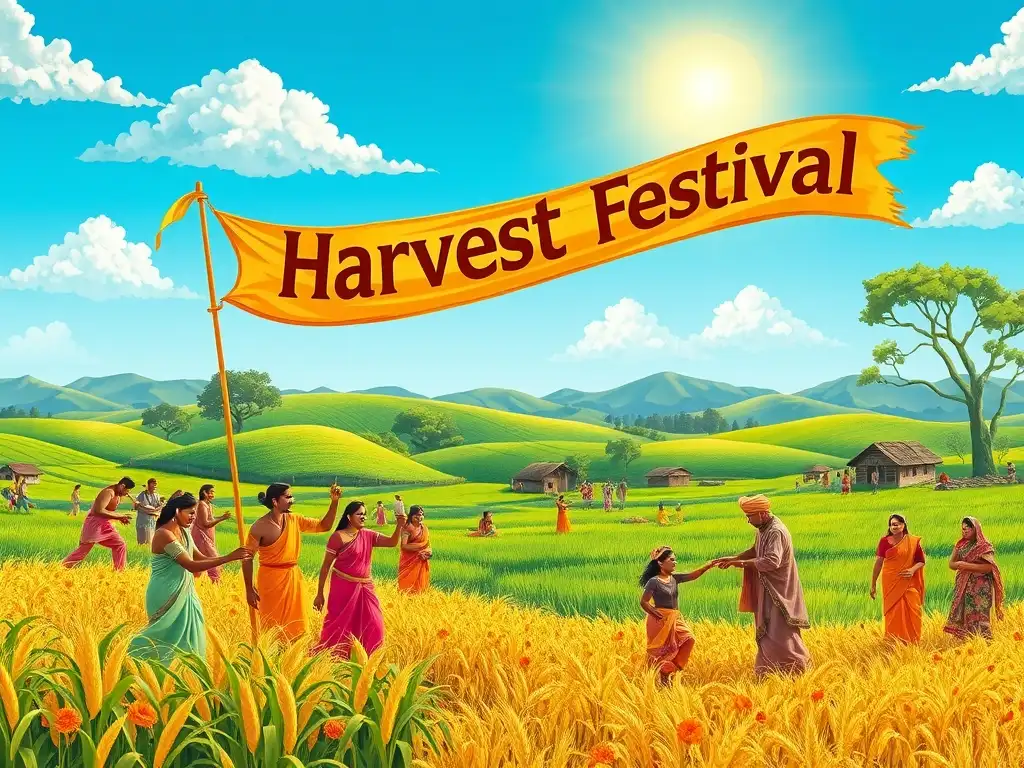
Agrarian rituals in ancient India were intrinsically linked to the agricultural calendar, representing the deep connection between the people and their land. These festivals not only celebrated the harvest but also reflected the cultural values, religious beliefs, and social practices of various communities across the subcontinent. Each region had its unique customs, but the underlying theme remained the same: gratitude for the bountiful harvest and the hope for continued prosperity.
Several major agrarian festivals stand out due to their significance in the agricultural cycle and their rich cultural expressions. These festivals, such as Pongal, Makar Sankranti, Baisakhi, and Onam, showcase the diversity of agrarian rituals across different states in India.
Pongal: The Festival of Harvest in Tamil Nadu
Pongal is celebrated primarily in Tamil Nadu and signifies the end of the harvest season. This multi-day festival, which usually falls in mid-January, involves various rituals and ceremonies. The term "Pongal" itself means "to boil" in Tamil, referring to the traditional dish made from newly harvested rice, jaggery, and milk, which is prepared outdoors in clay pots.
During the festivities, families clean their homes and decorate them with colorful kolams (rice flour designs) at the entrance. The first day, known as Bhogi, is dedicated to discarding old belongings, symbolizing the welcoming of new beginnings. The main day, Thai Pongal, is celebrated with the cooking of the Pongal dish, offered to the sun god, Surya. The final day, Mattu Pongal, honors cattle, acknowledging their role in agriculture through special rituals and feasting.
Makar Sankranti: Celebrating the Sun's Transition
Makar Sankranti marks the transition of the sun into the zodiac sign of Capricorn (Makara) and is celebrated across various regions of India, often with different names and customs. This festival typically occurs in mid-January and is significant for farmers, as it indicates the end of the winter solstice and the beginning of longer days, heralding the harvest season.
The rituals associated with Makar Sankranti include taking holy dips in rivers, especially the Ganges, and making offerings of sesame seeds and jaggery, which symbolize health and prosperity. In many regions, kite flying is a popular activity, representing the spirit of joy and celebration. Each regional variation of Makar Sankranti, such as Lohri in Punjab or Pongal in Tamil Nadu, showcases unique traditions, but all share the common theme of gratitude for the harvest.
Baisakhi: The Punjabi New Year and Harvest Festival
Baisakhi, primarily celebrated in the Punjab region, marks the Punjabi New Year and the harvest of rabi crops. Falling on April 13 or 14, this festival has both agricultural and cultural significance. It is a time for farmers to celebrate the fruits of their labor and express gratitude to the earth for its bounty.
The day begins with a ritual bath followed by prayers at local Gurudwaras, where Sikhs gather to thank the Almighty for the harvest. Traditional Baisakhi fairs are organized, showcasing folk music, dance, and local cuisine. The energetic Bhangra and Gidda dances are performed, embodying the joy and exuberance of the season. Baisakhi serves as a reminder of the rich agricultural heritage of Punjab and the deep-seated traditions that accompany it.
Onam: The Harvest Festival of Kerala
Onam is the most celebrated harvest festival in Kerala, taking place during the month of Chingam (August-September). It is associated with the legend of King Mahabali, whose spirit is believed to visit his people during this time. The festival lasts for ten days and includes various rituals, cultural performances, and feasting.
The centerpiece of Onam is the elaborate feast known as Onam Sadhya, featuring a variety of vegetarian dishes served on banana leaves. The festival also includes the famous Vallam Kali (boat races) and the traditional dance forms of Kathakali and Mohiniyattam, showcasing the rich cultural heritage of Kerala. Onam represents the unity of the community as families come together to celebrate the harvest, honoring both the land and the legend of their beloved king.
Key Elements of Agrarian Rituals
Agrarian rituals in ancient India are characterized by several key elements that reflect the societal values and beliefs surrounding agriculture. These elements include offerings to deities, symbolic foods, and traditional music and dance, all of which play vital roles in enhancing the festive spirit and fostering community bonds.
Offerings and Sacrifices to Deities
In agrarian rituals, offerings and sacrifices to deities are fundamental practices. Farmers believe that their agricultural success is a gift from divine powers, and thus, they express gratitude through various offerings. These offerings often include the first fruits of the harvest, grains, and livestock, which are presented at altars or temples.
Rituals may involve elaborate ceremonies where prayers are recited, and food is blessed before being consumed. In many instances, the community gathers to partake in these rituals, reinforcing social ties and shared beliefs. The act of giving back to the earth and the deities serves not only as a form of thanksgiving but also as a means to seek blessings for future harvests.
Symbolic Foods and Their Meanings
Food plays a central role in agrarian rituals, with specific dishes symbolizing abundance, fertility, and gratitude. For instance, in Pongal, the dish made from newly harvested rice signifies prosperity and is offered to the sun god. Similarly, in Baisakhi, the consumption of fresh produce reflects the joy of the harvest.
Different regions have distinct dishes that highlight local agricultural products. For example, during Onam, the Onam Sadhya features a banquet of various vegetarian dishes that symbolize the richness of Kerala's harvest. These foods not only nourish the body but also carry deep cultural meanings, connecting the present celebration to ancient agricultural practices.
Traditional Music and Dance in Harvest Celebrations
Music and dance are integral to agrarian rituals, serving as expressions of joy and community spirit. Each festival is often accompanied by traditional songs and dances that reflect the unique cultural heritage of the region. For example, Bhangra and Gidda dances during Baisakhi celebrate the vigor of the harvest season, while the graceful movements of Kathakali during Onam tell stories rooted in mythology and tradition.
These performances enhance the festive atmosphere and unite communities in celebration. They provide a platform for expressing emotions related to the harvest, such as joy, gratitude, and hope for the future. Through music and dance, the cultural narratives surrounding agriculture are passed down through generations, preserving the rich traditions of ancient India.
Regional Variations of Agrarian Rituals
Agrarian rituals in ancient India reflect the rich diversity of its geography, climate, and cultural heritage. Each region developed its unique set of practices and ceremonies to celebrate the harvest, often intertwined with local traditions, deities, and seasonal changes. From the vibrant festivities in the North to the colorful celebrations in the South, the agrarian rituals serve as a testament to the agrarian lifestyle that has been central to Indian civilization for millennia.
North India: Unique Harvest Traditions
In North India, harvest festivals are marked by vibrant celebrations that honor nature's bounty. One of the most notable festivals is Pongal, celebrated primarily in Punjab. It is dedicated to the sun god, Surya, and involves cooking a dish made of newly harvested rice, known as 'Pongal,' in a clay pot. The rituals include decorating the home with Rangoli designs and performing traditional dances like Bhangra and Gidda.
Another significant festival is Baisakhi, which marks the beginning of the harvest season. Farmers express gratitude for a good harvest and pray for future prosperity. The celebrations often feature community feasts, singing, and dancing, encapsulating the communal spirit and agricultural significance.
South India: Diverse Agricultural Celebrations
In South India, agrarian rituals are deeply embedded in daily life and agricultural practices. The festival of Onam in Kerala celebrates the rice harvest and is marked by elaborate feasts, traditional games, and floral decorations called Pookalam. The ten-day festival culminates in a grand feast known as Onam Sadhya, showcasing the region's culinary diversity.
Similarly, in Tamil Nadu, Pongal is celebrated as a thanksgiving festival to the sun and the cattle. The first day of the festival is dedicated to cooking the sweet dish of Pongal, while the second day honors the cattle, which are vital for plowing fields. Rituals include adorning the cows with garlands and performing pujas (prayers) to ensure a fruitful harvest.
East India: Rituals Reflecting Cultural Heritage
In East India, particularly in West Bengal, the festival of Nabanna is celebrated to mark the harvest of new rice. The term 'Nabanna' translates to 'new rice,' and the festival involves cooking various dishes with the freshly harvested grains. Rituals include singing folk songs, dancing, and participating in community feasts, which symbolize unity and gratitude.
In Odisha, the festival of Nuakhai is celebrated with similar fervor. It involves offering the first grains of the harvest to the deities, followed by communal celebrations. Traditional dances, music, and cultural performances play a crucial role in this festival, reinforcing the connection between agriculture and cultural identity.
West India: Agrarian Practices and Festivals
West India showcases a variety of agrarian rituals that celebrate the harvest season. The festival of Makar Sankranti is observed in multiple states, including Gujarat and Maharashtra, marking the transition of the sun into the zodiac sign of Capricorn. People celebrate by flying kites, preparing sweets made with sesame seeds and jaggery, and participating in community gatherings, emphasizing the spirit of togetherness.
Another important festival is Gudi Padwa in Maharashtra, which marks the Marathi New Year and the onset of the harvest season. The day begins with hoisting the Gudi (a decorated pole) outside homes, symbolizing prosperity and good fortune. Rituals include prayers, feasting, and sharing of traditional sweets, showcasing the importance of agriculture in the region's culture.
The Role of Agrarian Rituals in Community Building
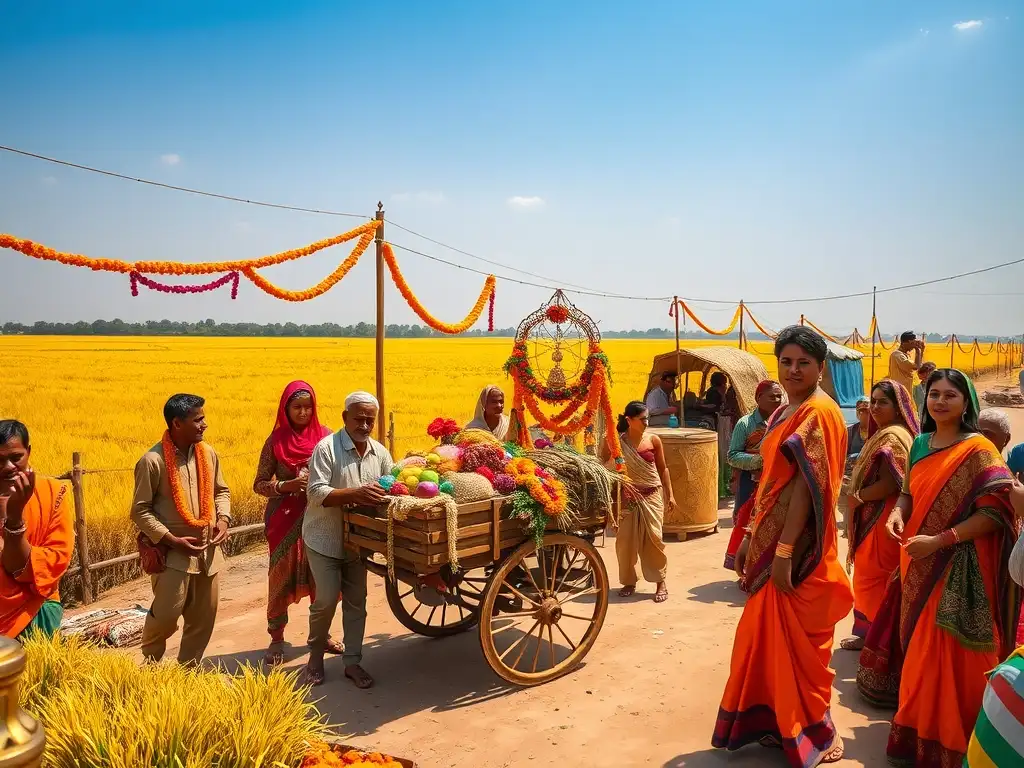
Agrarian rituals play a pivotal role in fostering community spirit and reinforcing social ties among agricultural societies. These celebrations are not just about expressing gratitude for the harvest; they serve as occasions for communities to come together, share resources, and strengthen their bonds.
Strengthening Social Bonds Through Celebrations
During agrarian festivals, community members engage in various activities that promote social cohesion. Shared meals, collaborative preparations, and collective prayers create a sense of belonging and mutual support. These rituals often involve participation from different age groups, fostering intergenerational relationships and preserving cultural traditions.
The community gatherings around agrarian rituals also serve as platforms for storytelling and the transmission of cultural values, ensuring that the history and significance of agriculture are passed down through generations. Such interactions are crucial for maintaining a strong community identity, allowing individuals to connect with their roots and each other.
The Importance of Rituals in Agricultural Societies
In agricultural societies, rituals are vital for maintaining the rhythm of life and ensuring the sustainability of farming practices. They mark the cycles of planting and harvesting, guiding farmers in their agricultural endeavors. The rituals often include prayers for rain, fertility of the soil, and protection from pests, reflecting the community's dependence on favorable environmental conditions.
Moreover, agrarian rituals often carry ecological wisdom, with traditional practices promoting sustainable farming techniques. By integrating these rituals into their agricultural lives, communities not only celebrate their harvests but also reinforce their commitment to preserving their environment for future generations. The interconnectedness of agrarian rituals and agricultural practices highlights their significance in both cultural and ecological contexts.
The Evolution of Agrarian Rituals Over Time
Agrarian rituals in ancient India have undergone significant evolution from the early agricultural practices of the Indus Valley Civilization to the more structured ceremonies during the Vedic period and beyond. Initially, these rituals were predominantly animistic, centered on the worship of nature and agricultural deities, reflecting the intimate relationship between the people and their environment. As societies evolved, so did their spiritual beliefs, leading to more elaborate ceremonies that incorporated regional customs and agricultural cycles.
In the early stages, agrarian rituals were closely tied to the seasonal changes, particularly the monsoon, which was crucial for crop production. Communities would engage in rites to invoke rain and fertility, often led by village elders or shamans. With the advent of the Vedic period, there was a shift towards more formalized rituals, which included the recitation of Vedic hymns and offerings to gods such as Indra, the deity associated with rain and thunder.
As time progressed, the introduction of different dynasties and religions, such as Buddhism and Jainism, influenced agrarian practices. Rituals began to incorporate philosophical elements, focusing on the cycle of life and death, while still maintaining their agrarian roots. This fusion created a rich tapestry of rituals that reflected the diverse cultural landscape of ancient India.
Changes in Ritual Practices Through the Ages
Throughout ancient Indian history, agrarian rituals adapted to the changing socio-political landscape. During the Maurya and Gupta empires, for instance, there were significant changes in ritual practices due to the increased influence of Brahmanical traditions. The introduction of elaborate sacrifices and the establishment of priestly classes led to a more stratified ritual system, where the performance of rituals became associated with social status.
In addition to the hierarchical shifts, the expansion of trade and cultural exchange with other civilizations introduced new agricultural techniques and deities. Local customs began to merge with foreign influences, resulting in hybrid rituals. For example, the harvest festival of Pongal in Tamil Nadu retains elements of both ancient agricultural practices and later Hindu traditions, showcasing this blend of influences.
The regional diversity in agrarian rituals also became more pronounced over time. Different parts of India developed unique customs associated with the harvest, such as the Baisakhi festival in Punjab, which celebrates the wheat harvest, and Makar Sankranti, observed across various states to mark the end of winter solstice and the beginning of the harvest season.
Modern Interpretations of Ancient Agrarian Rituals
In contemporary India, many ancient agrarian rituals have been revitalized or reinterpreted to resonate with modern values and lifestyles. Urbanization and industrialization have transformed agricultural practices, yet the spiritual significance of these rituals remains intact. Many people in rural areas still celebrate traditional harvest festivals, albeit with adaptations that reflect current socio-economic realities.
For instance, the use of technology in agriculture has altered the way farmers approach rituals. While traditional offerings of the first harvest remain, there is often an integration of modern practices such as community gatherings that emphasize sustainability and ecological awareness. Additionally, the role of women in these rituals has evolved, with greater participation and recognition of their contributions to agricultural practices and community life.
Furthermore, festivals such as Onam and Lohri are celebrated not only in rural settings but also in urban areas, where communities come together to honor their agrarian heritage. This blending of ancient customs with modern festivities illustrates the resilience of agrarian rituals in adapting to contemporary culture while preserving their essence.
Conclusion: The Legacy of Agrarian Rituals in Ancient India
The legacy of agrarian rituals in ancient India is profound, impacting various aspects of Indian life, culture, and spirituality. These rituals served not only as a means to ensure agricultural prosperity but also as a way to foster community bonds and cultural identity. The diverse practices that emerged from ancient traditions continue to be celebrated in various forms across the country, highlighting the enduring connection between agriculture and spirituality in Indian society.
Continuing Influence on Contemporary Indian Culture
Today, agrarian rituals influence not just agricultural practices but also art, music, and dance forms. Many traditional folk dances performed during harvest festivals, such as Bhangra in Punjab and Garba in Gujarat, are rooted in ancient agrarian celebrations. These performances celebrate the bounty of the earth while also serving as a medium for cultural expression and community cohesion.
Moreover, the philosophical underpinnings of these rituals reflect a deep respect for nature and sustainability, resonating with contemporary movements focused on environmental conservation. The principles of agrarian rituals, emphasizing harmony with the earth, are increasingly relevant in discussions about sustainable agriculture and ecological balance today.
Preserving Traditions: The Future of Agrarian Rituals
As society progresses, the challenge lies in preserving these ancient agrarian rituals while adapting them to modern contexts. Efforts are being made to document and promote these traditions through cultural programs, educational initiatives, and community festivals. Engaging the younger generation is crucial for sustaining interest in these rituals, ensuring that the rich heritage of agrarian practices is not lost.
The agrarian rituals of ancient India represent a vital aspect of the nation’s cultural fabric. As they continue to evolve and find relevance in modern society, they not only celebrate the harvest but also highlight the importance of community, sustainability, and respect for nature, securing their legacy for future generations.
- Introduction to Agrarian Rituals in Ancient India
- Significance of Agrarian Rituals in Ancient Indian Society
- Overview of Harvest Celebrations in Ancient India
- Historical Context of Agrarian Rituals
- Major Agrarian Festivals in Ancient India
- Key Elements of Agrarian Rituals
- Regional Variations of Agrarian Rituals
- The Role of Agrarian Rituals in Community Building
- The Evolution of Agrarian Rituals Over Time
- Conclusion: The Legacy of Agrarian Rituals in Ancient India
Frequently Asked Questions
What were agrarian rituals in ancient India?
Agrarian rituals in ancient India were ceremonial practices performed to ensure a bountiful harvest and foster community well-being. These rituals often involved offerings to deities, prayers, and festivals.
How did agrarian rituals influence ancient Indian culture?
These rituals played a significant role in shaping social norms, traditions, and community bonds. They emphasized the importance of agriculture and reinforced the connection between humans and nature.
What were some common agrarian festivals in ancient India?
Common festivals included Pongal, Makar Sankranti, and Onam, each celebrating the harvest season with various ceremonial practices and community gatherings.
How did the Indus Valley civilization approach agrarian rituals?
The Indus Valley civilization had advanced agricultural practices and likely performed rituals to celebrate and thank the gods for fertility and good harvests, although specific details remain limited due to incomplete archaeological evidence.
What impact did agrarian rituals have on ancient Indian economies?
Agrarian rituals fostered a sense of economic stability by ensuring successful harvests, which in turn supported trade and agricultural productivity, making them crucial for the sustainability of ancient Indian economies.
Final Reflection: Embracing the Legacy of Agrarian Rituals in Ancient India
Agrarian rituals in ancient India are not merely remnants of the past; they are vibrant threads woven into the fabric of our cultural identity today. As we navigate the complexities of modern life, the significance of these rituals resonates more than ever, reminding us of our deep-rooted connection to the land and the cycles of nature. The celebration of harvests, imbued with spiritual meaning and communal joy, serves as a powerful testament to the harmony that can exist between humanity and the earth.
The influence of agrarian rituals in ancient India continues to shape our cultural landscape, fostering a sense of community and reverence for nature. These rituals were not just about reaping the rewards of labor; they were profound expressions of gratitude and respect for the forces that sustain us. As we witness a resurgence of interest in sustainable practices and organic farming, we can draw inspiration from the wisdom of our ancestors. The earth has music for those who listen.
This quote encapsulates the essence of agrarian rituals, urging us to attune ourselves to the rhythms of nature that our forebears so deeply understood.
As we reflect on the lessons from agrarian rituals in ancient India, let us embrace the opportunity to reconnect with our roots and honor the traditions that have shaped our existence. I invite you to consider how you can incorporate these timeless practices into your own life, whether through celebrating seasonal changes, engaging in community gatherings, or simply taking a moment to appreciate the bounty of the earth. Together, we can cultivate a deeper appreciation for our environment and foster a sense of unity that transcends time and space.
Embrace the Spirit of Harvest: Join the Celebration!
Thank you for diving into the captivating world of ancient agrarian rituals! By exploring these rich traditions, you've uncovered the profound connection between culture and agriculture that has shaped communities for centuries. Now, it's time to take that inspiration and turn it into action!
- Experience a local harvest festival: Seek out an event in your area that celebrates agricultural traditions. Immerse yourself in the culture, food, and festivities!
- Share your knowledge: Discuss what you've learned with friends or family. Organize a small gathering to celebrate the significance of agriculture in shaping our lives today.
- Try your hand at a new recipe: Use seasonal ingredients to create a dish that pays homage to these ancient customs.
How do you think embracing these time-honored traditions can enhance our modern understanding of community and connection?