
A Journey Through Time: Key Rituals from the Indus Valley Civilization

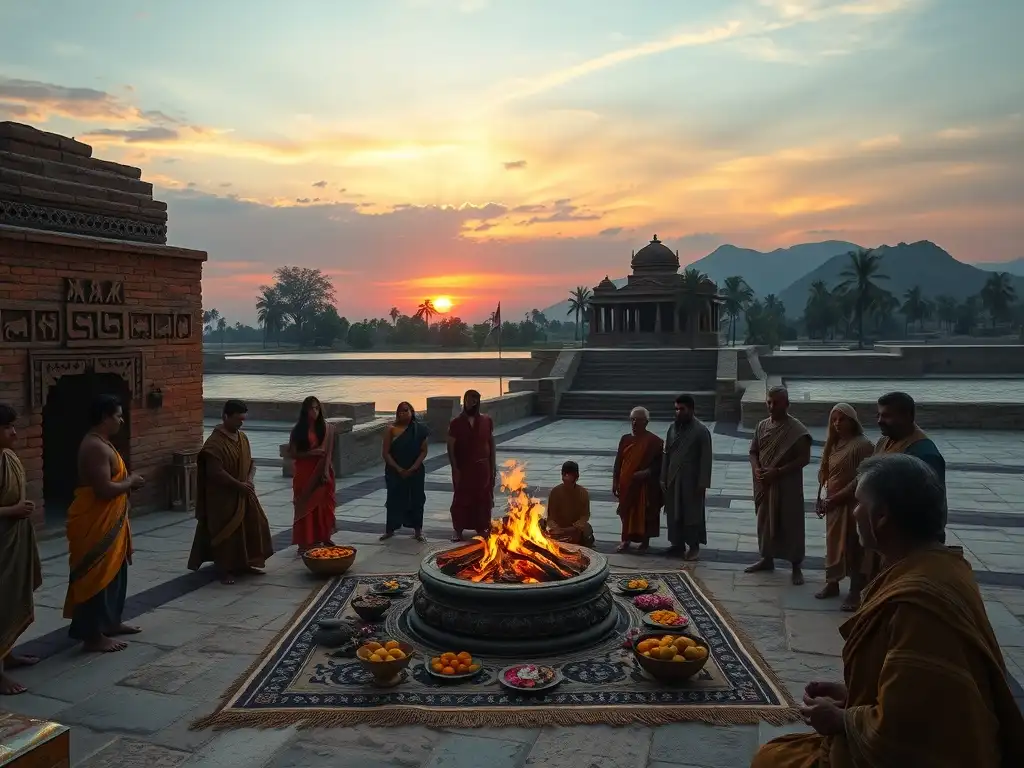
Welcome to Ancient India History, where we embark on an extraordinary journey through time to uncover the rich and diverse heritage of ancient Indian civilizations. In this exploration, we invite you to delve into the fascinating world of Indus Valley civilization rituals. What secrets do these ancient practices hold, and how did they shape the cultural landscape of their time? As you navigate through our articles, prepare to be captivated by the profound traditions and festivals that continue to influence modern India. Let the adventure begin!
The Indus Valley Civilization, one of the earliest urban cultures in human history, flourished between approximately 3300 and 1300 BCE in what is now modern-day Pakistan and northwest India. This remarkable society is renowned not only for its advanced city planning and architecture but also for its complex social structure and rich cultural practices. Among these, the rituals and ceremonies played a vital role in the daily lives of the inhabitants, reflecting their beliefs, values, and collective identity.
In this exploration of the Indus Valley civilization rituals, we will delve into the various practices that defined this ancient culture. From elaborate public ceremonies to domestic rituals, these practices provide invaluable insights into the spiritual and social fabric of the time. By examining archaeological findings, ancient artifacts, and scholarly interpretations, we aim to uncover the significance of these rituals in maintaining the harmony and cohesion of the Indus Valley society.
Join us on this journey through time as we unravel the key rituals that shaped the lives of the people of the Indus Valley, offering a glimpse into a sophisticated civilization whose legacy continues to influence the cultural landscape of India today.
- Introduction to the Indus Valley Civilization
- Understanding Indus Valley Civilization Rituals
- Major Ritual Practices in the Indus Valley Civilization
- Religious Beliefs and Their Influence on Rituals
- Funerary Practices and Death Rituals
- The Role of Rituals in Daily Life
- Art and Symbolism in Indus Valley Rituals
- Conclusion: The Legacy of Indus Valley Civilization Rituals
- References and Further Reading on Indus Valley Civilization Rituals
-
Frequently Asked Questions
- What were some key rituals practiced in the Indus Valley civilization?
- How did the rituals of the Indus Valley civilization influence later cultures?
- Are there any artifacts that provide insight into Indus Valley civilization rituals?
- How did the environment affect the rituals of the Indus Valley civilization?
- What evidence supports the understanding of Indus Valley civilization rituals?
- Final Reflection: Embracing the Legacy of Indus Valley Civilization Rituals
- Unveil the Mysteries of the Indus Valley!
Introduction to the Indus Valley Civilization
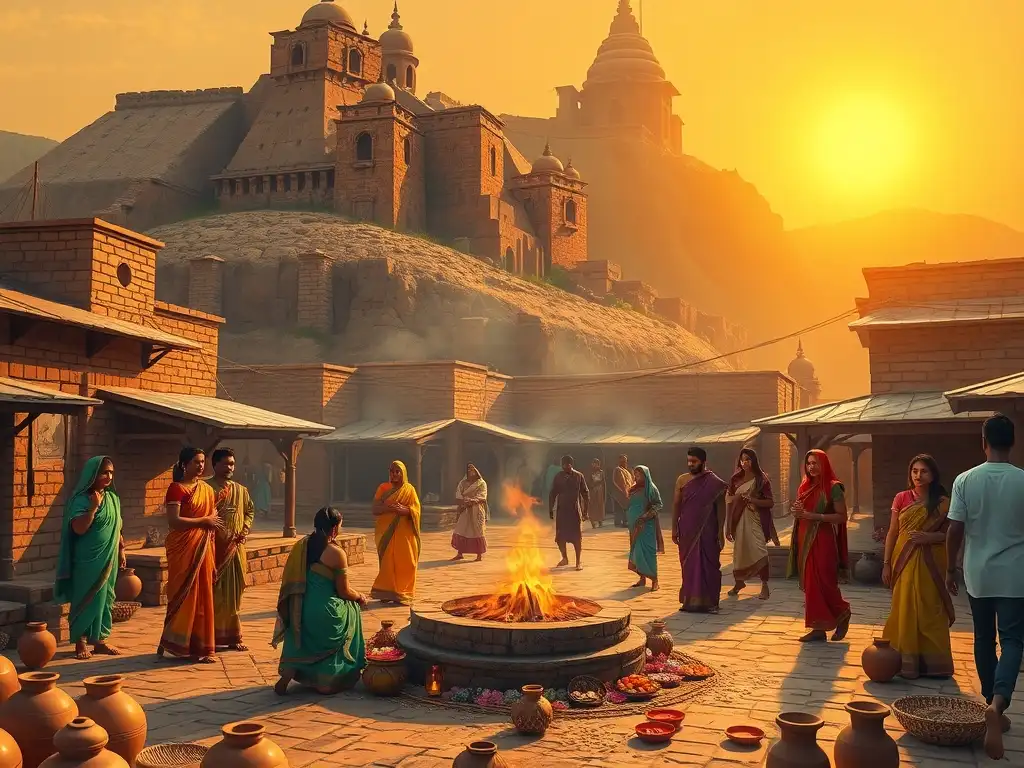
The Indus Valley Civilization (IVC), flourishing between 3300 BCE and 1300 BCE, is one of the world's earliest urban cultures, located in present-day Pakistan and northwest India. Known for its advanced urban planning, architecture, and social organization, the IVC was characterized by well-laid cities such as Harappa and Mohenjo-Daro. The civilization is notable not only for its technological achievements but also for its complex social and religious practices. Among these practices, rituals played a crucial role in shaping the cultural and spiritual life of the people.
Overview of the Indus Valley Civilization
The Indus Valley Civilization is distinguished by its remarkable urban centers, sophisticated drainage systems, and standardized baked bricks. Archaeological findings suggest a society that had established trade networks, agricultural practices, and a system of writing that remains undeciphered. The cities were structured with a grid pattern, showcasing advanced town planning and governance.
Rituals in the Indus Valley Civilization were closely tied to their religious beliefs and daily life. While much of the IVC's written records are yet to be understood, artifacts such as seals, pottery, and figurines provide valuable insights into their ritualistic practices. Evidence suggests that rituals may have included ceremonies for fertility, worship of deities, and possibly ancestor veneration.
Key elements of the IVC culture include:
- Urban Planning: The cities were designed with a clear layout, indicating a strong sense of community and social organization.
- Trade and Economy: The IVC engaged in trade with contemporary civilizations such as Mesopotamia, which may have influenced their rituals.
- Artistic Expression: Seals and pottery often featured motifs that might relate to their spiritual beliefs.
Importance of Rituals in Ancient Cultures
Rituals have long been a fundamental aspect of human society, serving various purposes that transcend mere tradition. In ancient cultures, including the Indus Valley Civilization, rituals provided a framework for understanding the world, marking important life events, and fostering community bonds.
- Spiritual Connection: Rituals often served as a means to connect with the divine or the spiritual realm, facilitating communication with gods or ancestors.
- Social Cohesion: Participating in communal rituals helped strengthen social ties and reinforce group identity, fostering a sense of belonging among community members.
- Cultural Continuity: Through rituals, cultural values and beliefs were transmitted across generations, ensuring the preservation of traditions and practices.
- Psychological Framework: Rituals can offer comfort and a sense of control in uncertain situations, providing individuals with a structured approach to life's challenges.
In the context of the Indus Valley civilization rituals, the significance of these practices is evident in the archaeological remnants found throughout the region. From ceremonial sites to ritual objects, the evidence points to a society deeply engaged in its spiritual and cultural expressions, reflecting a rich tapestry of beliefs and values that shaped their identity.
Understanding the rituals of the Indus Valley Civilization not only sheds light on their daily lives but also provides a glimpse into the broader human experience of ritual across time and cultures.
Understanding Indus Valley Civilization Rituals
Definition and Significance of Rituals
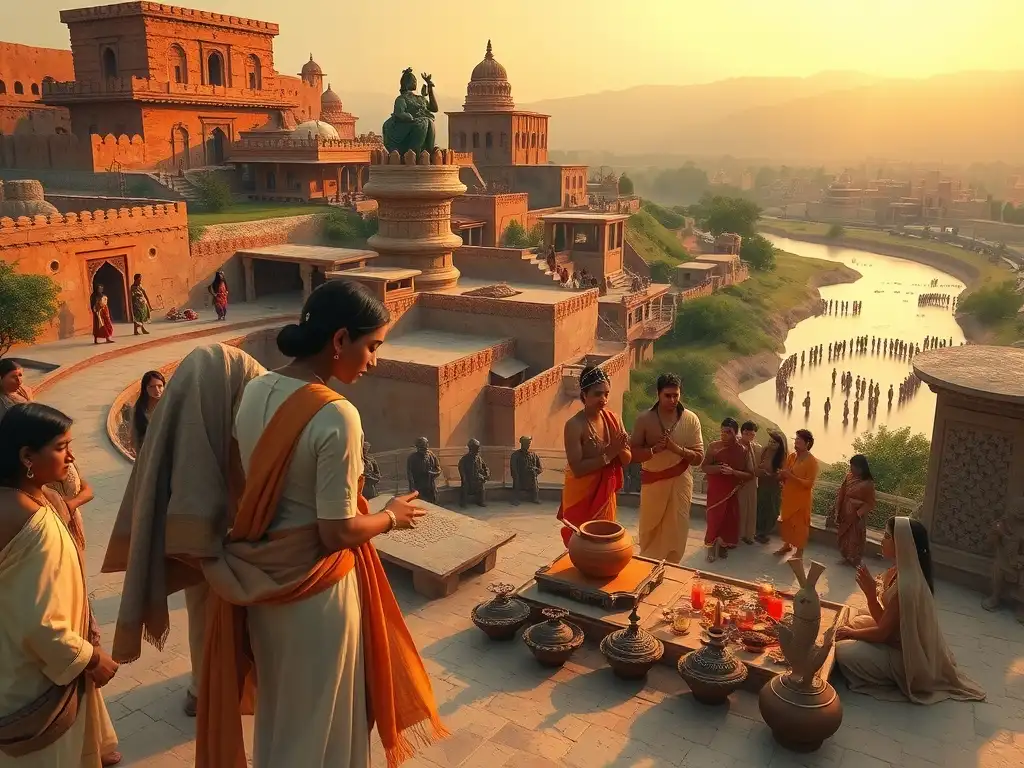
Rituals in the Indus Valley Civilization (IVC) refer to the structured and symbolic actions that the people of this ancient civilization practiced as part of their spiritual, social, and communal life. These rituals played a pivotal role in the daily existence of the IVC societies, reflecting their beliefs, values, and social structures.
The significance of these rituals can be understood through several lenses:
- Spiritual Connection: Rituals often served as a means to connect with the divine or the spiritual realm. Evidence suggests that the people of the IVC engaged in various forms of worship, which may have included offerings to deities, as inferred from the numerous terracotta figurines and seals depicting animals and human-like figures.
- Cultural Identity: The rituals helped to forge a sense of identity among the inhabitants of the Indus Valley. They were instrumental in unifying communities and reinforcing shared beliefs and values, which were crucial for social cohesion.
- Societal Structure: Rituals often reflected the hierarchical nature of the society. Certain practices may have been exclusive to specific classes or groups, indicating a structured society with defined roles and responsibilities.
- Agricultural and Seasonal Cycles: Many rituals were likely tied to agricultural practices, celebrating planting and harvesting seasons, ensuring prosperity and fertility of the land. This connection to nature emphasized the importance of agriculture in sustaining the community.
Characteristics of Indus Valley Civilization Rituals
The rituals of the Indus Valley Civilization were characterized by their complexity and diversity, influenced by the unique geographical and cultural context of the region. Below are some notable characteristics:
- Diversity of Practices:
- The rituals encompassed a wide range of activities, from religious ceremonies to communal gatherings. This diversity reflected the multifaceted nature of their beliefs and practices.
- Evidence from archaeological sites suggests the presence of both public rituals and private ceremonies, catering to different aspects of societal life.
- Use of Symbols:
- Symbols played a crucial role in IVC rituals. Seals depicting animals, mythological scenes, and figures were often used, indicating the importance of symbolic representation in their spiritual beliefs.
- For instance, the unicorn seal is one of the most iconic symbols associated with the Indus Valley, believed to hold religious significance.
- Ritual Spaces:
- The layout of cities like Mohenjo-Daro and Harappa includes structures that may have been used for ritualistic purposes, such as the Great Bath at Mohenjo-Daro, which is thought to have been a site for purification rituals.
- These designated spaces suggest the importance of communal rituals, where members gathered for collective spiritual practices.
- Integration with Daily Life:
- Rituals were not isolated events but were deeply integrated into daily life. Various objects found in domestic settings, such as pottery and figurines, indicate that ritualistic practices occurred within the home environment.
- This integration suggests that spirituality was woven into the fabric of daily existence, influencing everything from domestic activities to social interactions.
- Focus on Fertility and Agriculture:
- Many rituals were likely centered around fertility and agricultural cycles, reflecting the agrarian lifestyle of the IVC people. This included ceremonies to invoke rain and ensure bountiful harvests.
- The prominence of fertility symbols, such as mother goddess figurines, further reinforces the significance of fertility in their rituals.
The rituals of the Indus Valley Civilization were complex and multifaceted, reflecting the rich cultural tapestry of this ancient society. Understanding these rituals provides invaluable insights into the beliefs and practices that shaped the lives of the people who thrived in this remarkable civilization.
Major Ritual Practices in the Indus Valley Civilization
The Indus Valley Civilization, which flourished between 3300 BCE and 1300 BCE, is renowned for its advanced urban planning, trade networks, and elaborate social structures. Among the many facets of this ancient civilization, rituals played a central role in community life and spiritual expression. These rituals not only served religious purposes but also reinforced social bonds and cultural identity. Below, we delve into some of the most significant ritual practices that characterized this fascinating civilization.
Ceremonial Bathing and Its Importance
Ceremonial bathing was a crucial aspect of the Indus Valley civilization rituals, reflecting both hygiene and spiritual purity. Archaeological evidence suggests that large public baths, such as the Great Bath of Mohenjo-Daro, were used for ritualistic purposes. These baths likely served multiple functions, including:
- Social Gathering: The baths were communal spaces where individuals came together, fostering a sense of community.
- Ritual Purification: The act of bathing was possibly associated with purification rites, symbolizing a cleansing of the body and spirit before engaging in religious activities or ceremonies.
- Water as a Sacred Element: Water held significant symbolic value, representing life and fertility, and its ritual use may have been linked to agricultural cycles.
The presence of sophisticated drainage systems in these urban centers further emphasizes the importance placed on cleanliness and ritual purity, showcasing the civilization's advanced engineering and understanding of sanitation.
Agricultural Rituals and Their Connection to Fertility
Agricultural rituals were deeply intertwined with the seasonal cycles and the agrarian lifestyle of the Indus Valley people. Given the reliance on agriculture for sustenance, various rituals were performed to ensure successful harvests and to honor the deities believed to oversee fertility. Key aspects of these agricultural rituals include:
- Ritual Offerings: Farmers likely made offerings of grains, fruits, and other produce to deities, seeking blessings for bountiful harvests. These offerings could take the form of small figurines or pottery found at excavation sites.
- Festivals Linked to Seasons: Festivals may have been celebrated in accordance with planting and harvest seasons, serving as collective expressions of gratitude and hope for future prosperity.
- Symbolism of Fertility: Ritualistic symbols, such as female figurines with exaggerated features, may represent fertility and motherhood, indicating the reverence for female deities associated with agriculture.
These agricultural rituals not only reflect the dependence on the land but also highlight the spiritual connection between the people and their environment, reinforcing the significance of fertility in their society.
Ritualistic Artifacts Found in Indus Valley Sites
Excavations of Indus Valley sites have uncovered a variety of artifacts that provide insight into the ritualistic practices of this civilization. Some notable findings include:
| Artifact Type | Description | Significance |
|---|---|---|
| Terracotta Figurines | Small figurines, often depicting deities or animals, found in ritual contexts. | Likely used in worship or as offerings. |
| Seals | Engraved seals featuring animals and script, possibly used for trade or ritualistic purposes. | May indicate ownership and spiritual beliefs. |
| Pottery | Decorated pottery with symbolic motifs, often associated with storage of offerings. | Reflects artistic expression and cultural values. |
These artifacts not only serve as evidence of the rituals practiced but also offer glimpses into the daily lives, beliefs, and artistic expressions of the Indus Valley civilization. The diversity and complexity of these findings underscore the importance of rituals in maintaining social cohesion and cultural identity within this ancient society.
The rituals of the Indus Valley Civilization reveal a multi-faceted understanding of spirituality, community, and connection to the natural world. Through ceremonial bathing, agricultural practices, and the artifacts left behind, we gain valuable insights into the lives of these remarkable people and their rich cultural heritage.
Religious Beliefs and Their Influence on Rituals
The religious beliefs of the Indus Valley Civilization were intricately woven into the fabric of their rituals and everyday life. This civilization, which thrived from around 3300 to 1300 BCE in present-day Pakistan and northwest India, exhibited a complex understanding of spirituality that influenced their societal structures, art, and ceremonial practices.
Rituals in the Indus Valley were primarily centered around polytheism, with numerous gods and goddesses believed to govern various aspects of life, nature, and society. This polytheistic framework laid the groundwork for an array of rituals aimed at appeasing deities and seeking their blessings for prosperity, fertility, and protection.
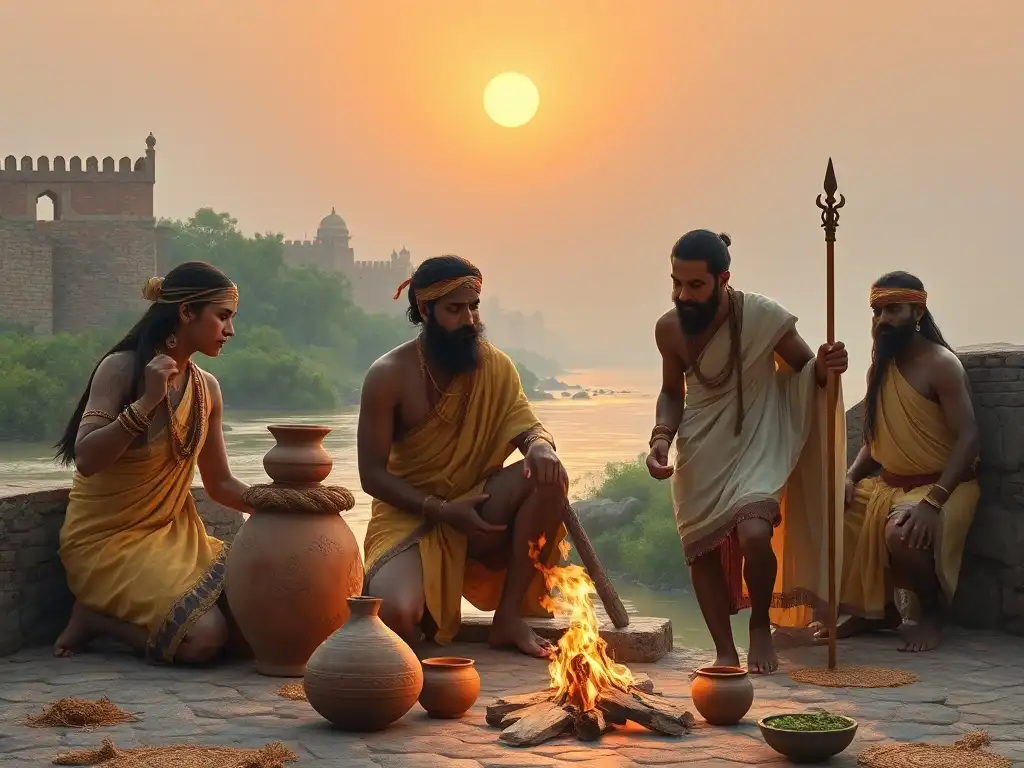
The archaeological discoveries from sites such as Harappa and Mohenjo-Daro reveal evidence of ritual baths, altars, and figurines that suggest the significance of water and fire in their worship practices. These elements symbolize purity and transformation, further emphasizing the connection between religious beliefs and ritualistic behavior in the Indus Valley.
Polytheism in the Indus Valley Civilization
The Indus Valley Civilization was characterized by a rich tapestry of polytheistic beliefs. Archaeological findings indicate the worship of multiple deities, often associated with natural elements. The reverence for fertility goddesses, in particular, suggests a deep-seated agrarian culture that relied on the land for sustenance.
- Fertility Symbols: Numerous terracotta figurines, often depicting women with exaggerated features, are believed to represent fertility deities. These figurines likely played a significant role in fertility rituals aimed at ensuring good harvests and the prosperity of families.
- Nature Worship: The Indus people seem to have revered natural forces, with evidence suggesting the worship of animals, trees, and the elements. Seals depicting animals like the unicorn and various mammals indicate a connection to the natural world, possibly reflecting totems or guardian spirits.
- Ritual Practices: Rituals were conducted in sacred spaces, often involving offerings and the use of ceremonial objects. The discovery of fire altars and large public baths suggests communal participation in rituals aimed at invoking divine favor.
The Role of Deities in Ritual Practices
Deities played a central role in the ritual practices of the Indus Valley Civilization, influencing everything from daily life to seasonal celebrations. The relationship between the people and their deities was reciprocal; worshippers sought blessings while offering devotion through various rituals.
- Ceremonial Offerings: Rituals often included offerings of food, flowers, and incense to the deities. These offerings symbolized respect and gratitude, reinforcing the connection between the divine and the earthly.
- Festivals and Community Gatherings: While specific festivals of the Indus Valley remain undocumented, evidence suggests that rituals likely coincided with agricultural cycles, reflecting the importance of harvests. Community gatherings during these times would have served to reinforce social bonds and collective identity.
- Divination and Propitiation: Certain rituals may have involved divination practices to seek guidance from the deities. This could include interpreting signs, omens, or the use of ritual objects believed to channel divine messages.
The rituals of the Indus Valley civilization were deeply influenced by their polytheistic beliefs and the roles of various deities. These practices not only reflected their spiritual convictions but also served to unify the community in their shared reverence for the divine, shaping the cultural landscape of one of the world's earliest urban societies.
Funerary Practices and Death Rituals
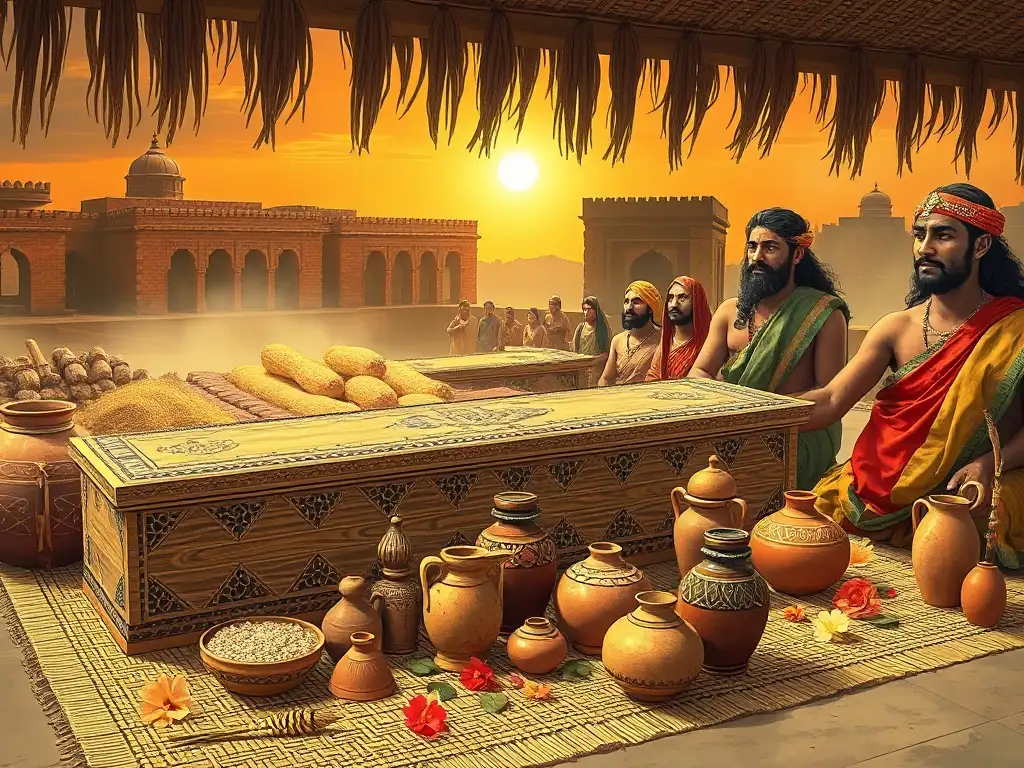
Burial Customs in the Indus Valley Civilization
The Indus Valley Civilization, known for its advanced urban planning and sophisticated culture, also had distinctive funerary practices that offer insights into their beliefs about life and death. Archaeological excavations have revealed that burial customs varied across different sites, but a few consistent practices can be identified.
Types of Burials
- Cremation: Some evidence suggests that cremation was practiced in certain regions, where remains were burnt and the ashes were possibly scattered or buried.
- Inhumation: The more prevalent method was inhumation, where the deceased were buried in rectangular pits. These pits were often lined with bricks and sometimes even plastered, indicating a level of care and respect for the dead.
Burial Sites
Burials were commonly found in residential areas, suggesting that the dead were not entirely removed from the living community. This proximity indicates that the living maintained a connection with their ancestors, possibly involving rituals and offerings at the burial sites.
Orientation and Positioning
The orientation of the bodies was often consistent, with many being placed in a supine position (lying on their backs). This could reflect cultural beliefs regarding the afterlife or the position of the body in relation to the cosmos.
The Significance of Grave Goods in Rituals
The inclusion of grave goods in burials is a fundamental aspect of Indus Valley civilization rituals. These items provide insight into the social, economic, and spiritual beliefs of the people.
Types of Grave Goods
Grave goods were varied and could include:
- Pottery: Often, beautifully crafted pottery was placed in graves, indicating its importance in both daily life and in rituals associated with the afterlife.
- Jewelry: Personal adornments like beads, bangles, and other ornaments were frequently included, suggesting a belief in the utility of such items in the afterlife.
- Tools and Utensils: Items such as tools might have been included to assist the deceased in their journey after death, reflecting a practical approach to the afterlife.
Symbolic Meanings
The grave goods had deeper meanings and were not merely functional. For instance:
- Pottery could symbolize nourishment or the sustenance needed in the next life.
- Jewelry might represent status or identity, indicating that social hierarchies and roles continued even after death.
Ritualistic Offerings
It is believed that these grave goods were not only placed in the grave at the time of burial but that families might also return to the burial site to make offerings. This practice underscores the ongoing relationship between the living and the dead, where the former would ensure the deceased were provided for in the afterlife.
The funerary practices and death rituals of the Indus Valley civilization reveal a complex belief system that valued both the physical and spiritual needs of the deceased. The burial customs and the significance of grave goods underscore the importance of rituals in connecting the living with their ancestors and the afterlife.
The Role of Rituals in Daily Life
Rituals played a central role in the daily life of the Indus Valley civilization, shaping their social structure, cultural practices, and spiritual beliefs. These rituals were not merely ceremonial acts; they were integral to the community's identity and cohesion. Each ritual, whether communal or private, served specific purposes, from maintaining social order to fostering a sense of belonging among the people.
Ritualistic practices often revolved around agricultural cycles, fertility, and the veneration of deities associated with nature. The significance of rituals is evident in the archaeological findings, which include altars, seals, and figurines that suggest a complex belief system. These artifacts highlight how rituals were used to invoke blessings for bountiful harvests and protection against natural calamities.
Moreover, rituals in the Indus Valley civilization were often inclusive, engaging various strata of society. This inclusivity helped to strengthen communal bonds, as individuals came together to partake in these shared experiences. By participating in rituals, members of the community reinforced their connections to one another and to their cultural heritage.
Community rituals in the Indus Valley civilization were pivotal in fostering social cohesion. These collective practices often included rites of passage, such as birth, marriage, and death, which brought families and communities together to celebrate significant life events. The performance of these rituals created a shared cultural narrative, binding individuals to their heritage and to one another.
- Rituals of Birth and Infancy: The arrival of a new child was celebrated with specific rituals aimed at ensuring the child's health and prosperity. These rites often involved the participation of extended family and community members, reinforcing social ties and shared responsibilities in nurturing the new life.
- Marriage Ceremonies: Weddings were elaborate affairs that involved various rituals to sanctify the union of two families. From the exchange of gifts to the performance of sacred rites, these ceremonies underscored the importance of familial alliances and community support.
- Funerary Practices: The rituals surrounding death were crucial in expressing grief and honoring the deceased. The community would come together for funerals, which often included offerings to the dead, highlighting the belief in an afterlife and the continuity of community bonds even beyond death.
Through these communal rituals, the people of the Indus Valley civilization cultivated a strong sense of identity and belonging, essential for societal stability and harmony.
Festivals and Seasonal Celebrations
Festivals in the Indus Valley civilization marked significant seasonal changes and agricultural cycles, reflecting the community's deep connection to nature and the environment. These celebrations not only honored deities but also served as communal gatherings that reinforced social structures and relationships.
- Harvest Festivals: The end of the harvest season was celebrated with rituals to thank the deities for their blessings. These festivals often included feasting, music, and dance, allowing community members to collectively express gratitude and joy.
- Seasonal Rites: Specific rituals were aligned with the changing seasons, such as monsoon ceremonies aimed at invoking rain for crops. These practices were essential for agricultural societies, as they directly affected food security and survival.
- Religious Observances: The Indus Valley civilization likely involved rituals dedicated to various deities, as evidenced by the presence of terracotta figurines and seals depicting religious symbols. These observances may have included offerings and processions, fostering a spirit of unity among the community as they collectively worshiped.
The cyclical nature of these festivals and celebrations not only reinforced agricultural practices but also provided a rhythm to life, marking time and creating a shared cultural memory among the people of the Indus Valley civilization. The integration of rituals into their seasonal calendar exemplified their understanding of the interdependence between humanity and the natural world.
Art and Symbolism in Indus Valley Rituals
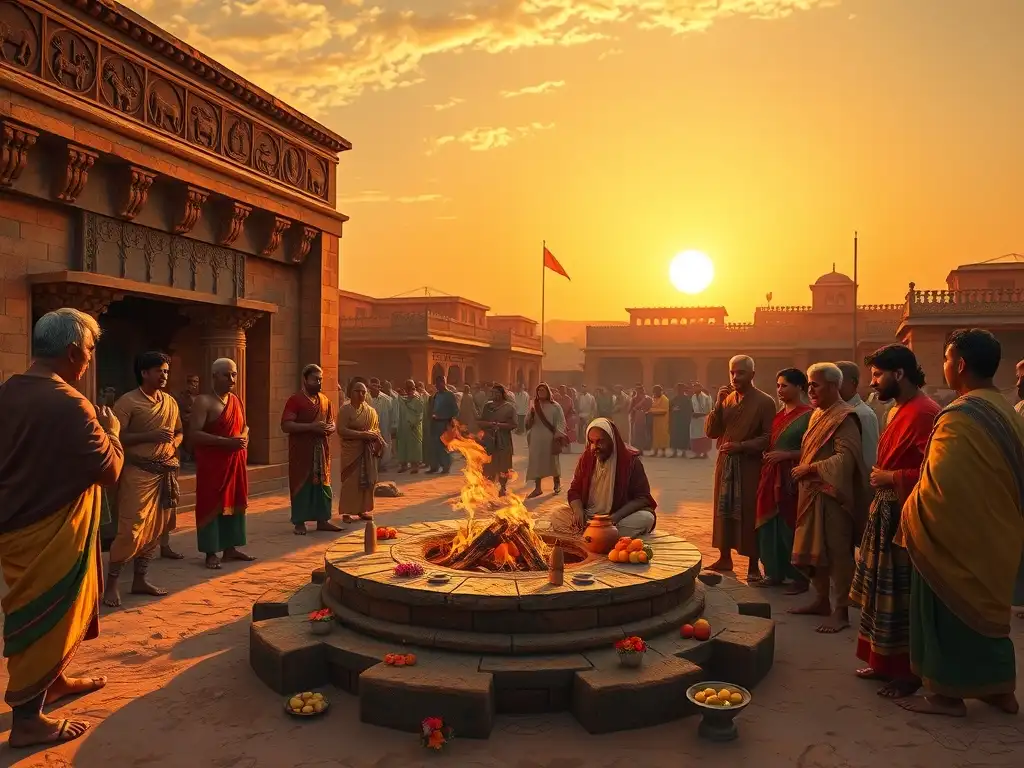
The Indus Valley Civilization, known for its advanced urban planning and sophisticated culture, also exhibited a rich tapestry of rituals that were deeply intertwined with their art and symbolism. The rituals practiced by the inhabitants were not merely ceremonial; they were expressions of their beliefs, societal norms, and relationship with the divine. Artifacts unearthed from various sites, particularly in Harappa and Mohenjo-Daro, provide invaluable insight into the symbolic meanings behind these rituals.
Iconography of Ritual Artifacts
The iconography present in the artifacts of the Indus Valley Civilization is a reflection of their spiritual and cultural beliefs. Various objects, such as pottery, figurines, and seals, display intricate designs that often hold ritual significance.
- Terracotta Figurines: Many terracotta figurines have been discovered, depicting deities and animals, which suggest a belief system that revered both human and animal forms. The "Dancing Girl" statue, for instance, is not only a representation of artistic skill but may also indicate a ritualistic dance associated with fertility or worship.
- Pots and Vessels: The pottery often features motifs of flora and fauna, which could symbolize fertility, abundance, and the connection to nature. These motifs were likely incorporated into rituals that celebrated agricultural cycles and seasonal changes.
- Symbolic Designs: Geometric patterns, such as circles and spirals, were prevalent in their art and may have had cosmological significance, possibly representing the cyclical nature of life and the universe.
These artifacts, rich in iconography, highlight how art was not solely for aesthetic appreciation but served as a medium for expressing and reinforcing cultural and spiritual beliefs during rituals.
The Use of Seals in Ritualistic Practices
Seals from the Indus Valley Civilization are among the most distinctive artifacts, showcasing the civilization's sophisticated craftsmanship and potential ritualistic use. These seals, often made of steatite, bear inscriptions and intricate designs that suggest they were not merely utilitarian objects but also held ceremonial importance.
- Identification and Authority: Seals may have been used to mark ownership or authenticity in trade, but their use in rituals cannot be overlooked. The presence of certain symbols, such as the unicorn or various deities, indicates that these seals were likely employed in religious or spiritual contexts to invoke protection or blessings.
- Ritualistic Imprinting: The act of sealing an object or a document could have been a ritual in itself, serving to sanctify the item. The imprinting of seals on clay tablets or goods before a ritual could signify the transfer of spiritual energy or intention.
- Ceremonial Usage: Some scholars suggest that seals were used during specific rites or ceremonies, perhaps as part of offerings to deities. The imagery on the seals could represent the deities being invoked, creating a direct connection between the material and the divine.
The study of seals provides a fascinating glimpse into the ritualistic practices of the Indus Valley Civilization, emphasizing their complex belief system and the importance of symbolic representation in their daily and spiritual lives.
The art and symbolism embedded in the rituals of the Indus Valley Civilization reveal a complex society with rich spiritual beliefs. Through the examination of their artifacts and seals, we gain deeper insights into how these rituals shaped their culture, identity, and connection to the divine.
Conclusion: The Legacy of Indus Valley Civilization Rituals
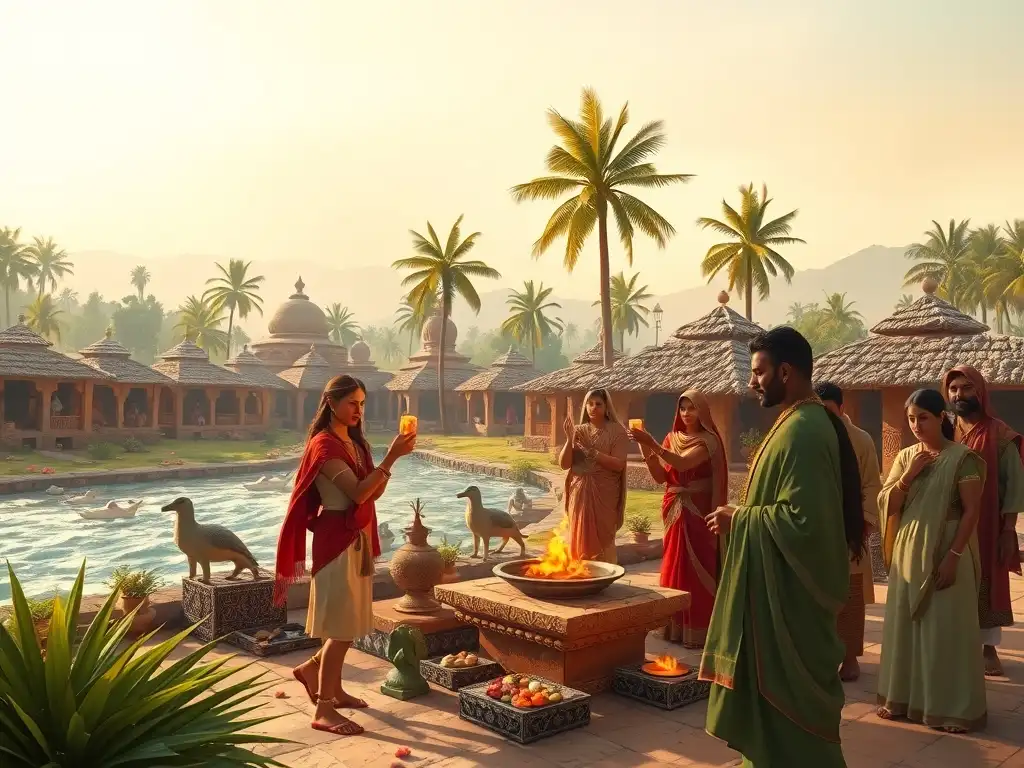
The rituals of the Indus Valley Civilization, which flourished from approximately 3300 to 1300 BCE, represent a crucial aspect of their cultural identity and social structure. These practices not only reflect the spiritual and religious beliefs of the time but also laid the groundwork for the traditions that would follow in subsequent Indian cultures.
Impact of Rituals on Subsequent Indian Cultures
The Indus Valley civilization rituals were characterized by their complexity and significance, which influenced later Indian cultures in various ways. For instance, the ceremonial use of fire, prevalent in the Indus Valley, can be traced to later Hindu rituals, where Agni (the fire god) plays a central role.
- Ritual Purity and Hygiene: The emphasis on cleanliness and ritual purity observed in the Indus Valley has echoes in later practices within Hinduism and Jainism. The sophisticated drainage systems and bathhouses of cities like Mohenjo-Daro indicate a strong cultural value placed on hygiene, which is still significant in contemporary Indian society.
- Agricultural and Fertility Rituals: The agrarian-based rituals of the Indus Valley, particularly those associated with fertility and harvest, likely influenced the agricultural rites observed in later Indian traditions. The reverence for earth and fertility deities can be seen in numerous festivals celebrated across the Indian subcontinent today.
- Iconography and Symbolism: The seals and figurines unearthed from Indus Valley sites provide insight into the symbolic language of the civilization. Many motifs, such as those depicting animals and deities, have transcended time and found representation in later Indian art and religious iconography.
Continuing Influence of Indus Valley Civilization Rituals Today
The legacy of Indus Valley civilization rituals continues to resonate within modern Indian culture. Many of the foundational beliefs and practices have been preserved and adapted through generations.
- Festivals: Various festivals in India, such as Diwali and Makar Sankranti, reflect ancient agricultural and seasonal cycles that likely have their roots in the rituals of the Indus Valley. These celebrations often include elements of worship, community gatherings, and agricultural rites that echo the past.
- Spiritual Practices: Contemporary Hindu practices, such as puja (worship) and yajna (fire sacrifice), can be traced back to the ritualistic traditions of the Indus Valley. The religious significance of these practices illustrates a continuity of belief systems that have evolved but retained their core essence over millennia.
- Cultural Identity: The rituals of the Indus Valley civilization have also contributed to a sense of cultural identity among Indians. Understanding these ancient practices fosters a connection to the past, highlighting the richness and depth of Indian heritage.
The rituals of the Indus Valley Civilization hold a significant place in the tapestry of Indian history. They reflect the spiritual and cultural values of an advanced society and continue to influence modern practices, showcasing the enduring legacy of this remarkable civilization.
References and Further Reading on Indus Valley Civilization Rituals
Recommended Books and Articles
-
"The Indus Valley Civilization: A Historical Overview" by Jane R. Smith
This book provides a comprehensive analysis of the Indus Valley civilization, emphasizing its rituals, societal structure, and daily life. The author explores archaeological findings and discusses the significance of various rituals in shaping the civilization's cultural identity.
-
"Rituals of the Indus Valley: A Study of Religious Practices" by Rajesh Kumar
Kumar's work delves into the specific rituals performed in the Indus Valley civilization, including those related to agriculture, fertility, and worship. The book presents evidence from seals, pottery, and other artifacts that shed light on the spiritual beliefs of the time.
-
"The Sacred Symbols of the Indus Valley" by Anjali Mehta
This article discusses the symbolic representations found in Indus Valley artifacts and their potential meanings. It examines the connection between symbols and rituals, providing insights into the spiritual life of ancient Indians.
-
"Indus Valley Civilization: Rituals and Urban Planning" by Vikram Sharma
Sharma explores how the architectural layout of Indus Valley cities reflects the rituals and ceremonies of its inhabitants. The book discusses the relationship between urban planning and religious practices, highlighting the integration of rituals into daily life.
Online Resources for Further Exploration
-
Archaeological Survey of India (ASI)
The ASI website offers extensive resources on archaeological discoveries related to the Indus Valley civilization, including a section dedicated to rituals and religious practices. It features articles, reports, and images from various excavations.
-
The British Museum’s Indus Valley Collection
The British Museum hosts an online collection of artifacts from the Indus Valley civilization, with descriptions and context about the rituals associated with many of the displayed items. This resource is invaluable for visualizing the material culture of the period.
-
National Geographic: The Indus Valley Civilization
National Geographic provides an engaging overview of the Indus Valley civilization, featuring articles and documentaries that touch upon its rituals. This resource is suitable for both casual readers and students seeking to understand the significance of these practices.
-
ResearchGate
This platform contains a multitude of academic papers and articles focused on the Indus Valley civilization, including studies specifically addressing the rituals practiced during this era. Researchers and scholars frequently share their findings here, making it a useful tool for in-depth exploration.
-
YouTube: Documentaries on the Indus Valley Civilization
Numerous documentaries are available on YouTube that explore the Indus Valley civilization, including discussions on its rituals and ceremonies. These visual resources can provide a more dynamic understanding of the topic.
Frequently Asked Questions
What were some key rituals practiced in the Indus Valley civilization?
The Indus Valley civilization engaged in various rituals including water purification practices, fertility rites, and possibly worship of deities, as suggested by archaeological findings.
How did the rituals of the Indus Valley civilization influence later cultures?
Many rituals from the Indus Valley civilization shaped the spiritual practices of later Indian cultures, emphasizing community, agriculture, and water management which were crucial for survival.
Are there any artifacts that provide insight into Indus Valley civilization rituals?
Yes, numerous artifacts such as seals, pottery, and figurines have been discovered, offering valuable insights into ritualistic practices and the spiritual beliefs of the Indus Valley civilization.
How did the environment affect the rituals of the Indus Valley civilization?
The environment, characterized by the Indus River, played a significant role in shaping rituals that revolved around agriculture and water, highlighting the civilization’s connection to their natural surroundings.
What evidence supports the understanding of Indus Valley civilization rituals?
Archaeological sites like Mohenjo-Daro and Harappa provide substantial evidence through structures, symbols, and burial practices, showcasing the complexity and significance of rituals in the Indus Valley civilization.
Final Reflection: Embracing the Legacy of Indus Valley Civilization Rituals
The exploration of Indus Valley civilization rituals reveals not only the intricate practices of a bygone era but also their profound relevance in today's world. As we navigate the complexities of modern life, understanding these ancient rituals offers us a lens through which we can appreciate the continuity of human experience. The rituals of the Indus Valley civilization serve as a reminder that our cultural heritage shapes our identities and influences our collective consciousness in ways we may not fully recognize.
The impact of these rituals extends far beyond their historical context; they continue to resonate within our cultural and social landscapes. The spiritual and communal aspects of these practices remind us of the importance of connection and shared experiences. As we engage with our own traditions and rituals, we can draw inspiration from the past. Rituals are the threads that weave the fabric of our culture, connecting generations and fostering a sense of belonging.
This observation underscores the ongoing significance of rituals in fostering community and continuity, urging us to reflect on how we honor our own traditions.
As we conclude this journey through time, I invite you to reflect on the rituals that shape your life and community. Consider how you can incorporate elements of mindfulness and connection into your daily practices, drawing from the wisdom of the Indus Valley civilization. Let us embrace the lessons of the past to enrich our present and inspire a future where rituals continue to unite us in meaningful ways. Your journey of reflection and action begins now—what will you choose to honor in your life?
Unveil the Mysteries of the Indus Valley!
Thank you for taking the time to embark on this journey through the fascinating rituals of the Indus Valley Civilization! By exploring their traditions, you’ve gained a deeper understanding of a culture that shaped ancient history. Now, it’s time to take the next steps to expand your knowledge and share what you’ve learned.
Here are a few engaging ways to continue your exploration:
- Dive deeper into the archaeological findings by checking out our linked articles that detail specific sites and their significance.
- Share the wisdom! Discuss these rituals with friends and family, or post on social media to inspire others to learn about this incredible civilization.
- Engage with the community! Join our forum on Ancient Indian History to connect with fellow history enthusiasts and exchange insights about the Indus Valley and its remarkable contributions.
What ritual from the Indus Valley resonates with you the most and why? We would love to hear your thoughts!