
The Role of Ayurveda and Traditional Medicine in Festival Celebrations

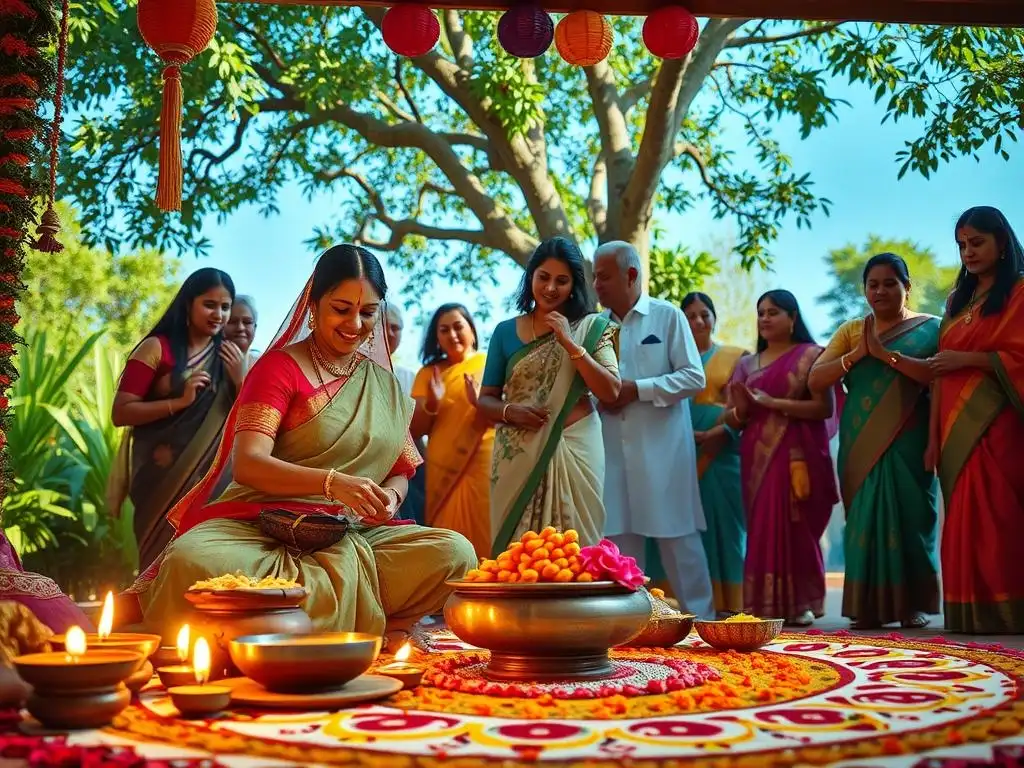
Welcome to Ancient India History, where we invite you to embark on a captivating journey through the rich tapestry of India’s past. In this exploration, we delve into the fascinating interplay between Ayurveda and traditional medicine within the vibrant realm of Indian festival traditions. Discover how ancient practices not only shaped health and wellness but also infused celebrations with profound cultural significance.
As you navigate through our insights, prepare to uncover the secrets of how these timeless traditions continue to resonate in modern festivities. Join us as we unravel the intricate connections that bind health, culture, and celebration in the heart of ancient India!
Introduction to Ayurveda in Indian Festival Traditions
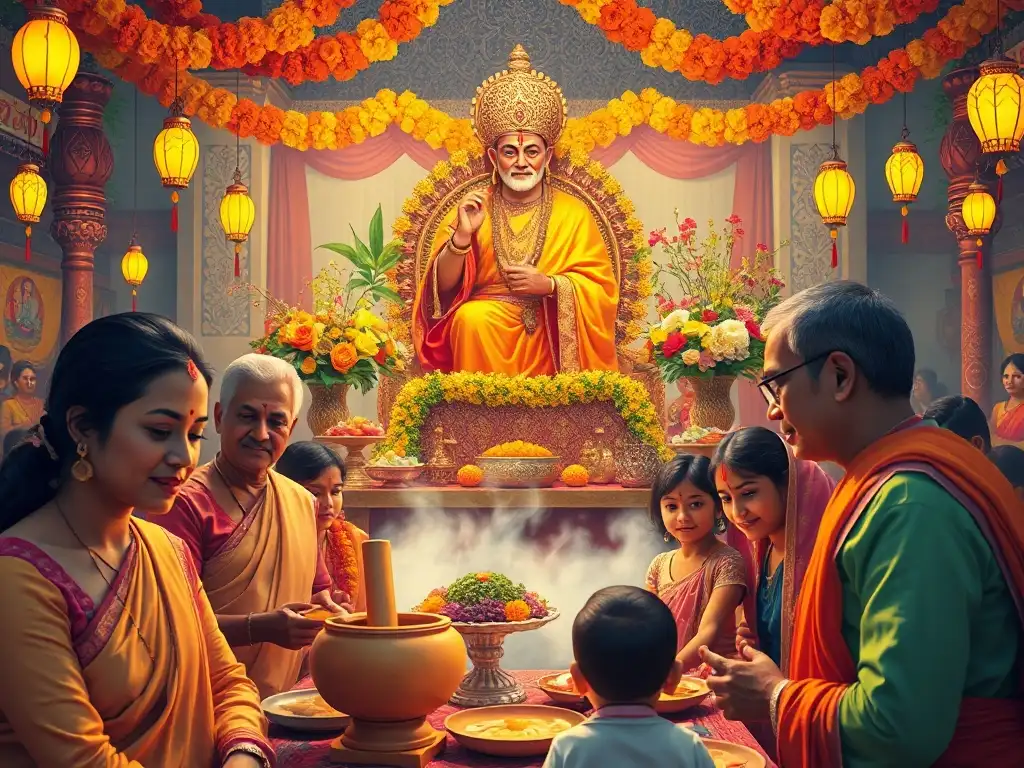
The vibrant tapestry of Indian festivals is woven with rich traditions, colorful rituals, and the profound influence of Ayurveda and traditional medicine. Celebrated across the subcontinent, these festivals not only mark the changing seasons and agricultural cycles but also serve as a reminder of the deep-rooted connections between health, spirituality, and cultural identity.
Ayurveda, as an ancient system of medicine, plays a crucial role in these celebrations, offering insights into maintaining balance and well-being during festive times. This article delves into the significance of Ayurveda in Indian festival traditions, exploring its historical context and the ways it enriches the celebratory experiences of diverse communities.
Definition of Ayurveda and Its Significance
Ayurveda, derived from the Sanskrit words "Ayur" (life) and "Veda" (knowledge), translates to "the knowledge of life." This holistic system of medicine emphasizes the balance between body, mind, and spirit, advocating for a lifestyle that promotes health and longevity. With its roots in ancient Indian scriptures, Ayurveda encompasses various practices, including herbal medicine, dietary recommendations, and yoga.
The significance of Ayurveda extends beyond mere health; it embodies a way of life that resonates deeply during festivals. As families come together to celebrate, Ayurveda guides them in making conscious choices about food, rituals, and well-being. By incorporating Ayurvedic principles into festival practices, individuals can enhance their physical and mental health, ensuring that celebrations are joyful and meaningful.
Overview of Traditional Medicine Practices in India
Traditional medicine in India is a mosaic of various systems, with Ayurveda being the most prominent. Other notable practices include Unani, Siddha, and homeopathy, each contributing unique perspectives and methodologies.
- Unani: Rooted in Greco-Arabic medicine, this system focuses on the balance of bodily humors.
- Siddha: Originating in South India, Siddha emphasizes the use of minerals and herbs for healing.
- Homeopathy: Developed in the 18th century, homeopathy employs highly diluted substances to stimulate the body's healing processes.
These traditional practices are integrated into the fabric of Indian culture, particularly during festivals, where they play a vital role in promoting communal health and wellness. During these times, traditional remedies are often utilized to enhance vitality, prevent seasonal ailments, and ensure a harmonious balance of energies.
Historical Context of Ayurveda During Festivals
The Origins of Ayurveda in Ancient Indian Civilizations
Ayurveda's origins can be traced back over 5,000 years to ancient Indian civilizations, particularly the Indus Valley Civilization. The ancient texts, such as the Charaka Samhita and the Sushruta Samhita, detail the system’s foundational concepts and practices. These texts highlight the connection between health, herbal remedies, and seasonal changes, which are particularly relevant during festival celebrations.
As societies evolved, so did the application of Ayurveda in daily life and special occasions. Festivals were often associated with seasonal transitions, necessitating a focus on health and wellness to combat the effects of changing weather and dietary practices. This historical context underscores the integral role Ayurveda played in shaping the health practices surrounding festival celebrations.
Ayurveda's Influence on Festival Celebrations in Different Eras
Throughout various eras in Indian history, Ayurveda has influenced festival celebrations in distinct ways.
- Vedic Period: Rituals and offerings were often accompanied by Ayurvedic practices, ensuring participants remained healthy and spiritually aligned.
- Mauryan Empire: The integration of Ayurveda into courtly life, including royal festivals, showcased its importance among the elite.
- Gupta Empire: As Ayurveda flourished, festivals included elaborate feasts designed according to Ayurvedic principles, emphasizing balance and health.
In each era, Ayurveda not only served as a guide for health but also as a cultural touchstone that reinforced community bonds during festive occasions. By understanding these historical influences, we can appreciate how Ayurveda continues to shape contemporary festival traditions in India.
Key Festivals Where Ayurveda Plays a Role
Ayurveda, the ancient system of medicine originating from India, is intricately woven into the fabric of various Indian festivals. These celebrations not only signify social and religious importance but also serve as occasions to honor the principles of Ayurveda through health-promoting practices, dietary choices, and rituals. Festivals like Diwali, Holi, and Navratri showcase how traditional medicine influences cultural practices, ensuring well-being and harmony within communities.
Diwali: The Festival of Lights and Ayurvedic Remedies
Diwali, known as the Festival of Lights, is one of the most widely celebrated festivals in India. Beyond the illumination of homes and the bursting of firecrackers, Ayurveda plays a crucial role in enhancing health and wellness during this time.
During Diwali, families often prepare various sweets and snacks, many of which are crafted using Ayurvedic principles. Ingredients such as ghee (clarified butter), nuts, and spices like cardamom and saffron are used, which are not only delicious but also beneficial for digestion and overall health.
Additionally, Ayurvedic remedies are employed to combat common ailments that may arise during the festivities, such as indigestion from overindulgence. Herbal teas and concoctions made from ginger, tulsi, and other herbs are commonly consumed to restore balance and promote well-being.
Holi: Celebrating Colors with Ayurvedic Practices
Holi, the vibrant festival of colors, is celebrated with enthusiasm across India. While the joyous atmosphere is marked by throwing colors and water, Ayurveda emphasizes the importance of preparing the body for such festivities.
Before participating in Holi, many individuals follow Ayurvedic practices to protect their skin and health. For instance, applying a paste made from natural oils and herbs can help shield the skin from the harsh effects of synthetic colors.
Moreover, traditional Ayurvedic drinks like thandai, which often include ingredients such as almonds, saffron, and spices, are popular during Holi. These drinks not only refresh but also provide nutritional benefits, enhancing immunity and vitality during the festivities.
Navratri: The Connection Between Ayurveda and Seasonal Changes
Navratri, a nine-night festival dedicated to the worship of the goddess Durga, signifies a time of spiritual rejuvenation and physical cleansing. Ayurveda plays a pivotal role in guiding dietary practices during this period, aligning with the seasonal changes that occur in nature.
During Navratri, many devotees opt for a specific diet that includes light, easily digestible foods to aid in detoxification. Foods like kuttu (buckwheat), sabudana (tapioca pearls), and various fruits are commonly consumed, as they are considered to balance the body and promote energy.
Ayurveda also recommends specific cleansing routines, such as fasting, which can help reset the digestive system and enhance mental clarity. By integrating these practices, Navratri becomes not only a time of spiritual focus but also a celebration of health and wellness.
The Impact of Ayurveda on Dietary Practices During Festivals
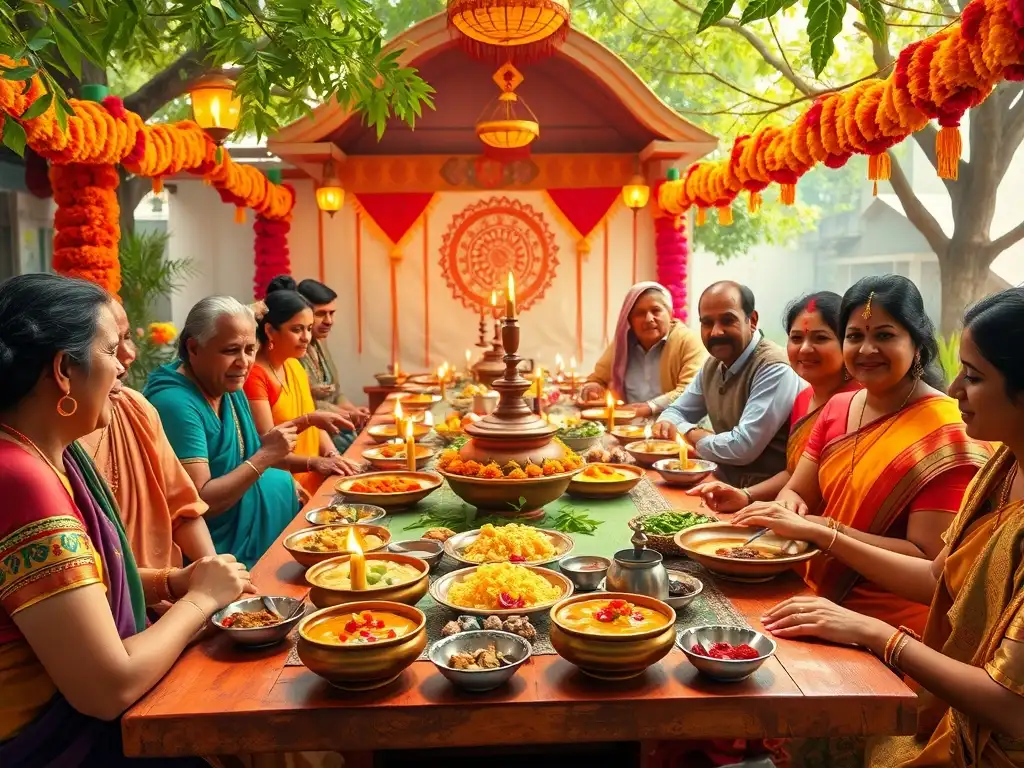
The dietary practices during Indian festivals are significantly influenced by Ayurvedic principles, which advocate for a balanced and health-conscious approach to eating. By incorporating Ayurvedic teachings, festival celebrations transform into opportunities for nourishment and healing rather than mere indulgence.
Traditional Ayurvedic Dishes for Festival Celebrations
Traditional Ayurvedic dishes are often central to festival celebrations, providing a harmonious blend of flavors, nutrients, and health benefits. Dishes like khichdi, made from rice and lentils, are commonly prepared, as they are easy to digest and nourishing.
Other popular dishes include:
- Pongal: A savory dish made with rice and lentils, spiced with cumin and black pepper, known for its warming properties.
- Sundal: A protein-rich snack made from chickpeas or other legumes, seasoned with coconut and spices, promoting digestion.
- Ladoo: Sweet treats made with ingredients like jaggery and nuts, which are not only delicious but also provide sustained energy.
These dishes, rooted in Ayurvedic philosophy, ensure that the festive menu is both enjoyable and beneficial for health.
The Role of Herbal Remedies in Festival Preparations
Herbal remedies play an essential role in festival preparations, helping to enhance health and well-being during celebrations. In Ayurveda, various herbs and spices are utilized for their medicinal properties, ensuring that individuals remain healthy and energetic amidst the festivities.
Some common herbal remedies include:
- Tulsi Tea: Known for its adaptogenic properties, tulsi helps in reducing stress and boosting immunity, making it a popular choice during festival seasons.
- Ginger and Honey: This combination is often consumed to aid digestion and provide warmth, especially after heavy meals common during festivals.
- Turmeric Milk: A traditional drink known for its anti-inflammatory properties, it is often consumed to enhance immunity and promote overall health.
By integrating these herbal remedies into festival preparations, individuals can celebrate with joy while maintaining their health and vitality.
Healing and Wellness: Ayurveda's Contribution to Festival Celebrations
Ayurveda, the ancient system of medicine from India, plays a pivotal role in the way festivals are celebrated, promoting holistic healing and wellness. During these vibrant occasions, Ayurvedic principles are integrated into various customs and practices, emphasizing the importance of balance in the body, mind, and spirit. Festivals such as Diwali, Holi, and Navratri not only showcase cultural richness but also offer opportunities to engage in Ayurvedic practices that enhance physical health and emotional well-being.
Traditional Ayurvedic practices, including dietary recommendations, herbal remedies, and lifestyle adjustments, are often highlighted during festivals. For instance, specific foods that align with Ayurvedic principles are prepared, ensuring that they not only nourish the body but also promote a sense of joy and community. The rituals associated with these celebrations often incorporate elements that are believed to purify and rejuvenate participants, reinforcing the idea that wellness is central to the festive experience.
Ayurvedic Treatments and Rituals During Festivals
Ayurvedic treatments often take center stage during festivals, with various rituals designed to promote healing and renewal. For example, many families engage in cleansing practices such as Panchakarma, which involves detoxification through a series of therapeutic procedures. This is especially common before significant festivals, as it prepares individuals to fully embrace the celebrations with a refreshed mind and body.
Additionally, the use of specific Ayurvedic herbs and oils in rituals is prevalent. For instance, during Diwali, many households light lamps infused with essential oils, which are thought to purify the environment and enhance mental clarity. Furthermore, Ayurvedic potions and concoctions made from natural ingredients are often prepared as offerings to deities, symbolizing gratitude and the desire for health and prosperity. These treatments not only serve a practical purpose but also deepen the spiritual connection to the festival.
The Importance of Mental and Physical Well-being in Celebrations
In the context of festivals, mental and physical well-being are interlinked, and Ayurveda emphasizes this connection. Celebrations can often lead to stress and anxiety, but by incorporating Ayurvedic practices, individuals can cultivate a state of balance. Mindfulness, meditation, and yoga, integral aspects of Ayurveda, are often promoted during festivals, allowing participants to engage in self-care amidst the festivities.
Moreover, traditional Ayurvedic cooking emphasizes the use of seasonal ingredients that not only cater to taste but also support digestive health, which is crucial during times of indulgence. By prioritizing well-being, individuals can enjoy the festivities more fully, fostering a sense of community and connection with others. In this way, Ayurveda contributes significantly to ensuring that festivals are not only joyous occasions but also nurturing experiences.
Symbolic Significance of Ayurveda in Cultural Practices
The symbolic significance of Ayurveda in cultural practices during festivals is profound, as it intertwines health, spirituality, and tradition. Ayurveda's holistic approach to life mirrors the interconnectedness of cultural rituals, where physical and spiritual health are seen as essential for a fulfilling celebration. This perspective underscores the belief that wellness is not merely a state of being but a way of life that is celebrated and honored through various customs.
Ayurveda's impact on cultural practices is also evident in the rituals performed during festivals. Each practice holds a meaning that goes beyond the surface, often representing the balance between nature and the human spirit. Whether through the preparation of healthful dishes or the use of healing herbs in ceremonies, Ayurveda serves as a guiding principle that enhances the richness of cultural traditions.
The Use of Ayurvedic Elements in Rituals and Offerings
Ayurvedic elements are frequently incorporated into rituals and offerings during festivals, showcasing their role in spiritual and physical health. Common practices include the use of Ayurvedic herbs like Tulsi, which is revered for its medicinal properties and is often offered in prayers. Such rituals not only honor the divine but also invoke the blessings of health and well-being for all participants.
Additionally, the preparation of Ayurvedic-inspired sweets and dishes, such as Kheer made with medicinal spices like cardamom and saffron, symbolizes the sweetness of life and joy in the festival. These culinary practices reflect a deep respect for nature and its healing properties, reinforcing the idea that food is not just nourishment but also a source of spiritual connection.
Ayurveda and Its Reflection on Spiritual Practices During Festivals
Ayurveda's influence extends into the spiritual practices observed during festivals, where it serves as a framework for understanding the connection between the body, mind, and spirit. Many festivals involve rituals aimed at purifying the mind and body, promoting a deeper spiritual experience. This is particularly evident in practices such as meditation and chanting, which align with Ayurvedic principles of mindfulness and self-awareness.
Furthermore, Ayurveda encourages gratitude and respect for nature, which is often reflected in the offerings made during festivals. By incorporating natural elements into their worship, participants acknowledge the role of the environment in their well-being. This holistic view fosters a sense of unity with the universe, reinforcing the spiritual essence of the celebrations. Thus, Ayurveda not only contributes to the physical aspects of festival traditions but also enriches the spiritual dimensions, creating a comprehensive experience that honors both health and culture.
Conclusion: The Lasting Legacy of Ayurveda in Indian Festival Traditions
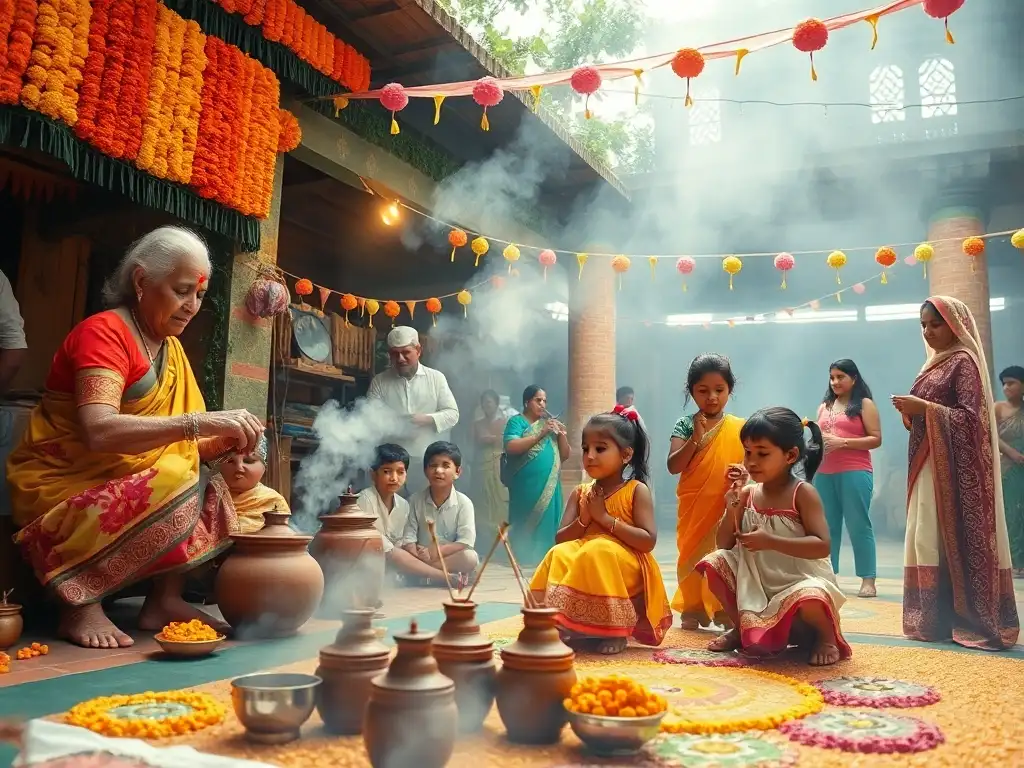
Ayurveda, the ancient system of medicine that originated in India, has played a significant role in shaping the cultural fabric of Indian festival traditions. Its principles, emphasizing balance, health, and harmony with nature, resonate deeply with the values celebrated during various festivals. Each festival, whether it be Diwali, Holi, or Makar Sankranti, often incorporates Ayurvedic practices and beliefs, ensuring that the festivities are not only about celebration but also about well-being and health.
The lasting legacy of Ayurveda is evident in the rituals and customs that are passed down through generations. Families often prepare Ayurvedic dishes that are aligned with seasonal changes, ensuring that they not only enjoy the festivities but also nourish their bodies. The holistic approach of Ayurveda, which integrates body, mind, and spirit, reinforces the idea that festivals are opportunities for rejuvenation and healing, thus embedding Ayurveda deeply into the cultural practices of India.
Future of Ayurveda in Contemporary Festival Celebrations
As India progresses into a modern era, the relevance of Ayurveda in contemporary festival celebrations continues to evolve. With a growing awareness of health and wellness, there is a resurgence of interest in traditional practices, including Ayurveda. Contemporary celebrations increasingly incorporate Ayurvedic principles, emphasizing the importance of health-conscious choices during festivals.
Future festivals may witness a blend of modernity and tradition, where Ayurvedic workshops, herbal workshops, and wellness camps are organized alongside traditional activities. This integration not only honors the historical significance of Ayurveda but also addresses contemporary health concerns, such as dietary preferences and the impact of modern lifestyles on well-being. By incorporating Ayurveda into current practices, festivals can promote a healthier way of celebrating, ensuring that participants enjoy festivities without compromising their health.
Encouraging the Integration of Ayurveda in Modern Celebrations
To foster the integration of Ayurveda into modern celebrations, several strategies can be implemented. Firstly, education plays a crucial role. By organizing workshops and seminars focused on Ayurveda's benefits during festivals, communities can raise awareness about its significance. This education can extend to cooking classes that emphasize Ayurvedic recipes, helping people understand how to incorporate these principles into their festive meals.
Secondly, collaboration with local Ayurvedic practitioners and wellness experts can enhance festival experiences. For instance, setting up stalls that offer Ayurvedic consultations or showcasing natural products during festivals can encourage attendees to explore Ayurvedic practices further.
Lastly, leveraging social media platforms can effectively spread the word about the benefits of Ayurveda in festival celebrations. Engaging content, such as recipes, health tips, and testimonials, can inspire individuals to embrace Ayurveda during festive occasions. By promoting these practices, we can ensure that the rich legacy of Ayurveda continues to thrive in modern celebrations, reinforcing its importance in maintaining health and well-being during the festivities.
- Introduction to Ayurveda in Indian Festival Traditions
- Historical Context of Ayurveda During Festivals
- Key Festivals Where Ayurveda Plays a Role
- The Impact of Ayurveda on Dietary Practices During Festivals
- Healing and Wellness: Ayurveda's Contribution to Festival Celebrations
- Symbolic Significance of Ayurveda in Cultural Practices
- Conclusion: The Lasting Legacy of Ayurveda in Indian Festival Traditions
- Future of Ayurveda in Contemporary Festival Celebrations
- Encouraging the Integration of Ayurveda in Modern Celebrations
Frequently Asked Questions
What is Ayurveda's significance in Indian festival traditions?
Ayurveda plays a crucial role in Indian festival traditions by promoting health and wellness during celebrations, ensuring that people enjoy festivities while maintaining their well-being.
How does Ayurveda influence dietary practices during festivals?
During festivals, Ayurveda emphasizes balanced diets that align with seasonal changes, encouraging dishes that promote digestion and overall health, which enhances the celebratory experience.
Can Ayurveda help in planning festival activities?
Absolutely! Ayurvedic principles can guide the planning of festival activities by suggesting mindful practices that enhance physical and mental well-being, ensuring a more enriching celebration.
What are some Ayurvedic remedies used during festivals?
Common Ayurvedic remedies during festivals include herbal concoctions and spices that aid digestion, boost immunity, and promote overall health, helping participants enjoy the festivities without discomfort.
How does Ayurveda contribute to sustainable festival practices?
Ayurveda encourages the use of natural ingredients and eco-friendly practices in festival celebrations, promoting a sustainable approach that respects both health and the environment.
Final Reflection: Embracing Ayurveda in Indian Festival Traditions
The integration of Ayurveda into Indian festival traditions is not just a relic of the past; it is a vital aspect of our cultural identity that resonates deeply in today's world. As we navigate the complexities of modern life, the wisdom of Ayurveda offers us a pathway to holistic well-being, reminding us that our health is intertwined with our cultural practices and celebrations. The essence of Ayurveda in these festivals serves as a powerful reminder of the balance between body, mind, and spirit, urging us to reconnect with our roots in a fast-paced society.
The influence of Ayurveda on our festival celebrations continues to shape our social landscape, fostering a sense of community and shared values. From the preparation of traditional dishes that honor seasonal changes to the use of herbal remedies that enhance our festive experiences, Ayurveda enriches our celebrations in profound ways. In every celebration, there lies an opportunity to honor our heritage and nurture our well-being.
This ongoing relationship between Ayurveda and our festivals not only preserves our traditions but also encourages us to embrace a lifestyle that prioritizes health and harmony.
As you reflect on the role of Ayurveda in your own festival celebrations, consider how you can incorporate these ancient practices into your life. Take a moment to explore the rituals, foods, and healing traditions that resonate with you, and allow them to inspire a deeper connection to your heritage. By doing so, you not only celebrate the richness of Indian culture but also cultivate a healthier, more balanced way of living that honors both the past and the future.
Embrace Ayurveda: Take Action This Festival Season!
Thank you for exploring the profound link between Ayurveda, traditional medicine, and our vibrant festival celebrations. By understanding these practices, you have discovered new ways to enhance your festive experiences and promote well-being in your community. Now, let’s put this knowledge into action!
Here are some practical steps you can take:
- Incorporate Ayurvedic Practices: Start your festival preparations by infusing your meals with spices and herbs that align with the season, such as turmeric and ginger.
- Share Your Knowledge: Connect with friends and family by hosting an Ayurvedic-themed celebration or workshop to demonstrate how traditional medicine can enhance health during the festivities.
- Explore Local Traditions: Investigate unique rituals from your culture that celebrate Ayurveda and consider integrating them into your festive practices.
As you embark on this journey of wellness and celebration, let us ponder: How will you incorporate Ayurveda into your next festival, and what unique traditions can you share with your loved ones?