
The Legacy of Ancient Rituals: How They Shape Modern Indian Festivals

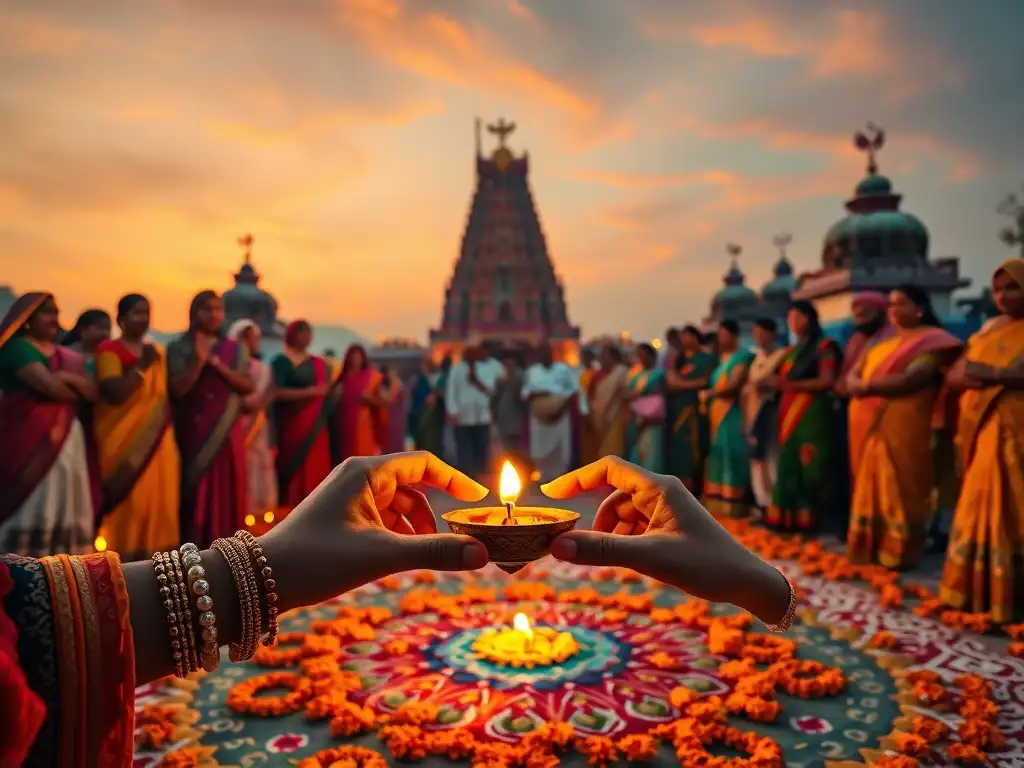
Welcome to Ancient India History, where we embark on a captivating journey through the rich tapestry of India's past. Here, you'll uncover the profound significance of ancient Indian rituals and festivals, exploring how they continue to influence modern celebrations. Are you ready to delve into the enchanting legacy of these time-honored traditions?
Join us as we reveal the vibrant stories behind the rituals that shaped the cultural landscape of India, from the awe-inspiring rites of the Indus Valley to the grand festivities of the Gupta Empire. Your adventure into the heart of ancient traditions awaits—read on to discover the magic!
Introduction to Ancient Indian Rituals and Festivals
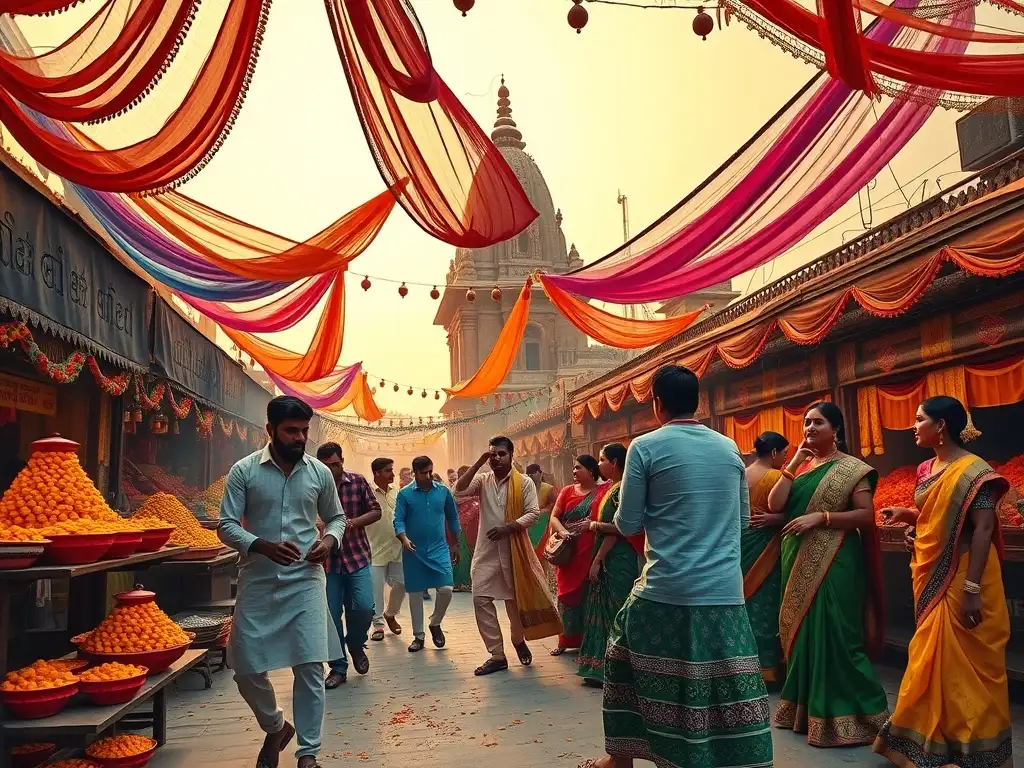
The rich tapestry of ancient Indian rituals and festivals is woven with the threads of history, spirituality, and community. These practices, which date back thousands of years, not only reflect the cultural ethos of ancient civilizations but also lay the foundation for the diverse celebrations we witness in modern India today.
From the sacred rites of the Indus Valley Civilization to the grand festivities of the Gupta Empire, ancient rituals have continuously evolved, influencing contemporary practices and societal values. This exploration into the legacy of these rituals reveals their enduring significance and the ways they have shaped the vibrant tapestry of modern Indian festivals.
Understanding the Role of Rituals in Ancient Indian Culture
Rituals in ancient Indian culture served as a vital link between the mundane and the divine, creating a framework for both personal and communal spirituality. These practices encompassed various aspects of life, including:
- Life Cycle Events: Birth, marriage, and death were marked by specific rituals that not only honored the individual but also reinforced community ties.
- Agricultural Celebrations: Seasonal changes and harvests were celebrated through rituals that invoked blessings from deities, ensuring prosperity and abundance.
- Religious Observances: Daily and seasonal worship rituals played a crucial role in maintaining societal order and spiritual harmony.
These rituals were often accompanied by elaborate ceremonies, music, dance, and offerings, creating a holistic experience that connected individuals with their cultural heritage and spiritual beliefs.
The Significance of Festivals in Ancient Indian Society
Festivals in ancient India were more than mere celebrations; they were profound expressions of cultural identity and community solidarity. They served several important functions:
- Cultural Transmission: Festivals acted as a medium for passing down traditions, stories, and values from one generation to the next.
- Social Cohesion: They fostered a sense of belonging and unity among community members, encouraging participation and collaboration.
- Spiritual Renewal: Festivals provided opportunities for individuals to engage in spiritual practices, fostering a deeper connection with the divine and the cosmos.
In essence, ancient festivals were a reflection of the society's values and beliefs, encapsulating the principles of dharma (duty), karma (action), and moksha (liberation).
Historical Overview of Ancient Indian Rituals
The historical landscape of ancient Indian rituals is rich and varied, showcasing the unique practices of different civilizations that flourished over millennia.
Key Ancient Civilizations and Their Ritual Practices
- Indus Valley Civilization (c. 3300–1300 BCE):
- Known for their urban planning and advanced drainage systems, the people of this civilization also engaged in rituals related to fertility and agriculture, often symbolized through seals and figurines.
- Vedic Period (c. 1500–500 BCE):
- This period introduced the Vedas, sacred texts that outlined numerous rituals, including fire sacrifices (yajnas) and chanting of hymns, aimed at appeasing deities and ensuring cosmic order.
- Maurya Empire (c. 322–185 BCE):
- Under the rule of Ashoka, rituals evolved to emphasize moral and ethical principles, with festivals celebrating Buddhist teachings and communal harmony.
- Gupta Empire (c. 240–550 CE):
- This era saw the flourishing of arts and culture, with rituals becoming more elaborate, including the establishment of major festivals like Makar Sankranti and Holi, which are still celebrated today.
The Evolution of Rituals from the Indus Valley to the Gupta Empire
The transition from the ancient Indus Valley rituals to those practiced during the Gupta Empire illustrates a significant evolution influenced by cultural, religious, and social changes. As philosophies and belief systems evolved, so too did the nature of rituals:
- The early agricultural and fertility rituals of the Indus Valley laid the groundwork for the more complex Vedic rituals focused on cosmological order.
- The rise of religious philosophies, such as Buddhism and Jainism during the Maurya period, introduced new dimensions to rituals, emphasizing ethics and personal enlightenment.
- By the Gupta Empire, rituals had integrated various influences, resulting in a rich mosaic of practices that celebrated both local traditions and broader cosmic themes, paving the way for the diverse festivals recognized in modern India.
This historical overview highlights the dynamic nature of ancient Indian rituals and their profound impact on contemporary festivals, illustrating how past practices continue to resonate in the cultural fabric of India today.
Major Ancient Indian Festivals and Their Origins
Ancient Indian festivals have rich historical significance, deeply rooted in cultural practices and religious beliefs. Many of these festivals originated in antiquity, reflecting the agricultural cycles, seasonal changes, and religious observances of ancient civilizations. For instance, festivals such as Makar Sankranti and Pongal can be traced back to the agrarian society of the Indus Valley, celebrating the sun's transition into Capricorn, which marks the onset of the harvest season. These celebrations emphasized gratitude towards nature and the divine, fostering community bonds and cultural identity.
The Vedic period, a crucial era in ancient Indian history, also contributed significantly to the festival landscape. Major festivals celebrated during this time included rituals dedicated to deities such as Indra and Agni, aimed at securing prosperity and ensuring a bountiful harvest. The hymns and rituals outlined in the Vedas not only glorified these deities but also laid the groundwork for many modern celebrations, intertwining spirituality with earthly concerns.
Festival Celebrations During the Vedic Period
The Vedic period, spanning from around 1500 BCE to 500 BCE, is marked by profound ritualistic practices and celebrations that were primarily focused on the worship of deities associated with natural forces. Festivals during this time often included elaborate yajnas (sacrificial ceremonies) that required meticulous preparation and participation from the community. These rituals were not mere acts of devotion; they were considered essential for maintaining cosmic order and harmony.
One of the major festivals during the Vedic period was Ashvamedha, the horse sacrifice, symbolizing royal power and territorial expansion. This festival was intricately connected to the socio-political landscape of the time, showcasing the intertwining of governance and spirituality. The performance of such grand rituals was a way to assert sovereignty and seek divine favor.
Harvest Festivals: Cultural Significance and Ancient Roots
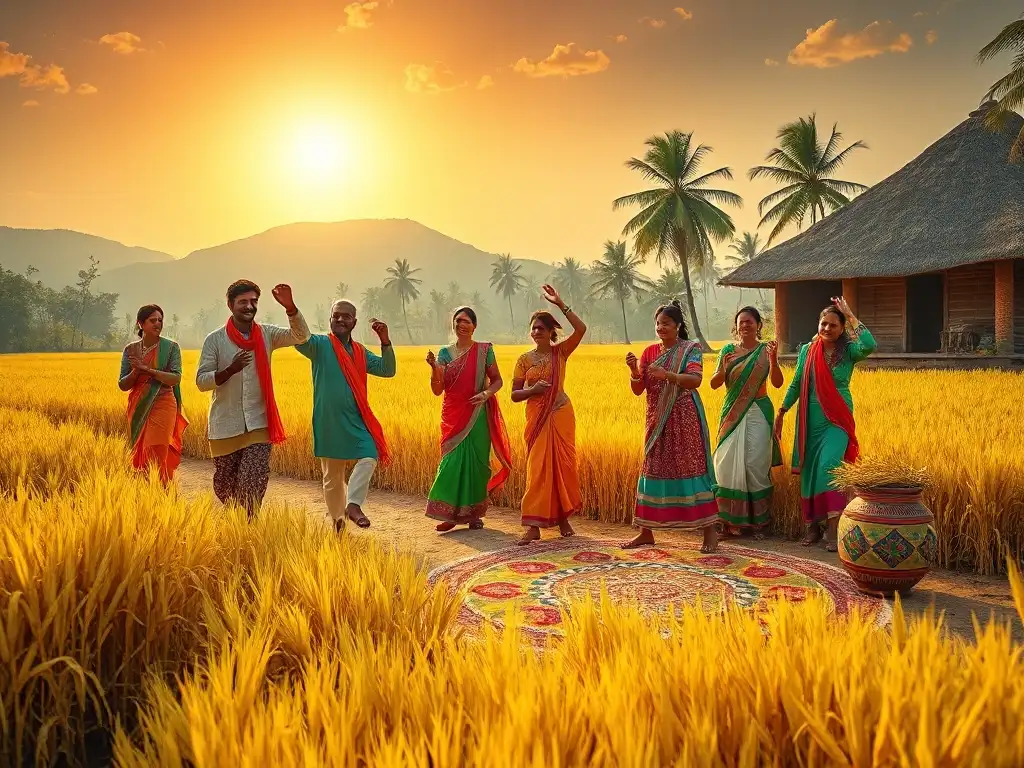
Harvest festivals hold a special place in ancient Indian traditions, celebrating the fruits of labor and the cyclical nature of agriculture. Festivals like Baisakhi and Onam have their roots deep in ancient agrarian practices, symbolizing the gratitude of communities towards the Earth and deities for a successful harvest. In ancient times, these festivals marked the transition between seasons, with rituals that included offering the first produce to the gods and engaging in community feasts.
The celebration of the harvest not only reinforced the agrarian society’s connection with nature but also served as a communal gathering, fostering unity among different social groups. Such festivals often involved traditional music, dance, and rituals that have evolved yet remain pivotal in contemporary celebrations, illustrating the enduring legacy of ancient agricultural practices.
Religious Festivals: From Puranic Texts to Modern Celebrations
Religious festivals in India have evolved from ancient texts, particularly the Puranas, which provide narratives about various deities and their exploits. Festivals such as Navaratri and Durga Puja celebrate the triumph of good over evil, rooted in stories from these sacred texts. The rituals associated with these festivals often emphasize community participation, devotion, and elaborate storytelling, which are essential for preserving cultural memory.
The rituals performed during these festivals reflect the core values of Hinduism, such as dharma (righteousness), karma (action), and moksha (liberation). They incorporate ancient practices like homa (fire rituals) and puja (worship), reinforcing the spiritual significance that has been passed down through generations. The continuous celebration of these festivals showcases their adaptability and relevance in contemporary society, bridging ancient beliefs with modern practices.
The Influence of Ancient Rituals on Modern Indian Festivals
The legacy of ancient rituals is profoundly evident in the way modern Indian festivals are celebrated. Many contemporary practices can be traced back to their ancient counterparts, demonstrating a continuity that highlights the importance of tradition in Indian culture. The integration of ancient rituals into modern celebrations not only preserves cultural heritage but also enhances the festive experience, providing a sense of identity and belonging.
Rituals such as lighting diyas during Diwali or the playful throwing of colors during Holi are derived from ancient practices that emphasized community, joy, and spirituality. These elements have evolved over time, yet they continue to serve as a reminder of the rich historical tapestry that shapes modern Indian celebrations.
Continuity of Ritual Practices in Contemporary Celebrations
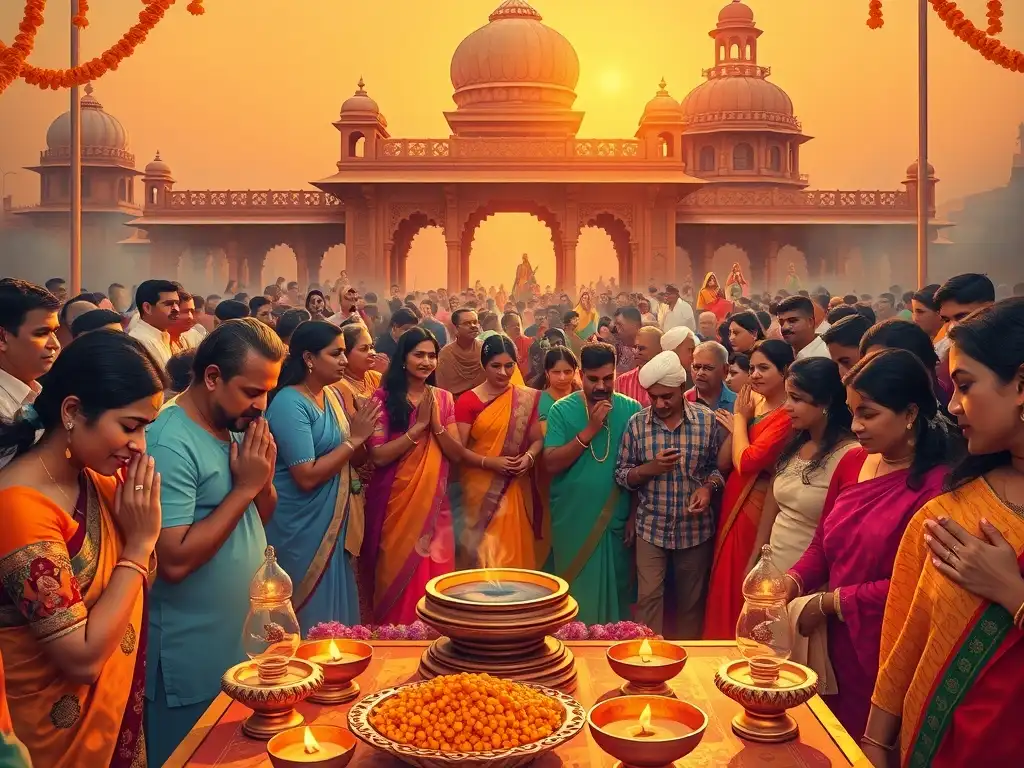
Modern Indian festivals often reflect a continuity of ancient rituals, showcasing how traditions have adapted over time while retaining their core essence. For example, the practice of fasting during festivals like Navaratri has its roots in ancient Vedic customs, where it was believed to purify the body and mind in preparation for the divine. Similarly, communal feasting during harvest festivals echoes ancient practices of sharing bounty and gratitude.
The recurrence of specific rituals, such as the use of sacred symbols, offerings, and prayers, illustrates the deep connections between past and present. These practices not only foster community identity but also promote a sense of collective memory, ensuring that the wisdom of ancient rituals continues to guide contemporary celebrations.
Case Studies: Diwali, Holi, and Their Ancient Precursors
Diwali and Holi are two of the most celebrated festivals in India, each with rich historical roots intertwined with ancient rituals. Diwali, known as the Festival of Lights, is believed to have originated from the ancient practice of worshipping Lakshmi, the goddess of wealth, as detailed in texts like the Padma Purana. The lighting of lamps and the bursting of crackers during Diwali symbolize the victory of light over darkness, a theme prevalent in various ancient mythologies.
On the other hand, Holi, the Festival of Colors, traces its origins to the Puranic tales of Hiranyakashipu and Prahlada, representing the victory of devotion and love over hatred. The ancient practice of throwing colored powders during Holi is a celebration of spring and renewal, deeply rooted in agricultural cycles. Both festivals exemplify how ancient narratives and rituals have been preserved and transformed into vibrant contemporary celebrations.
Regional Variations in Festivals: How Ancient Rituals Shape Local Traditions
India’s diverse cultural landscape is reflected in the regional variations of festivals, with each state incorporating unique practices that stem from ancient rituals. For instance, while Pongal in Tamil Nadu marks the harvest season with specific rice offerings and traditional dance, Makar Sankranti in other regions celebrates the sun's northward journey with kite flying and communal feasts.
These regional differences highlight how ancient rituals have been localized, adapting to the socio-cultural contexts of different communities. The underlying themes of gratitude, renewal, and community celebration remain constant, showcasing the adaptability and enduring legacy of ancient Indian rituals in shaping local traditions. Each festival not only preserves ancient customs but also reinforces the interconnectedness of Indian culture across diverse regions.
The Role of Symbolism in Ancient Indian Festivals
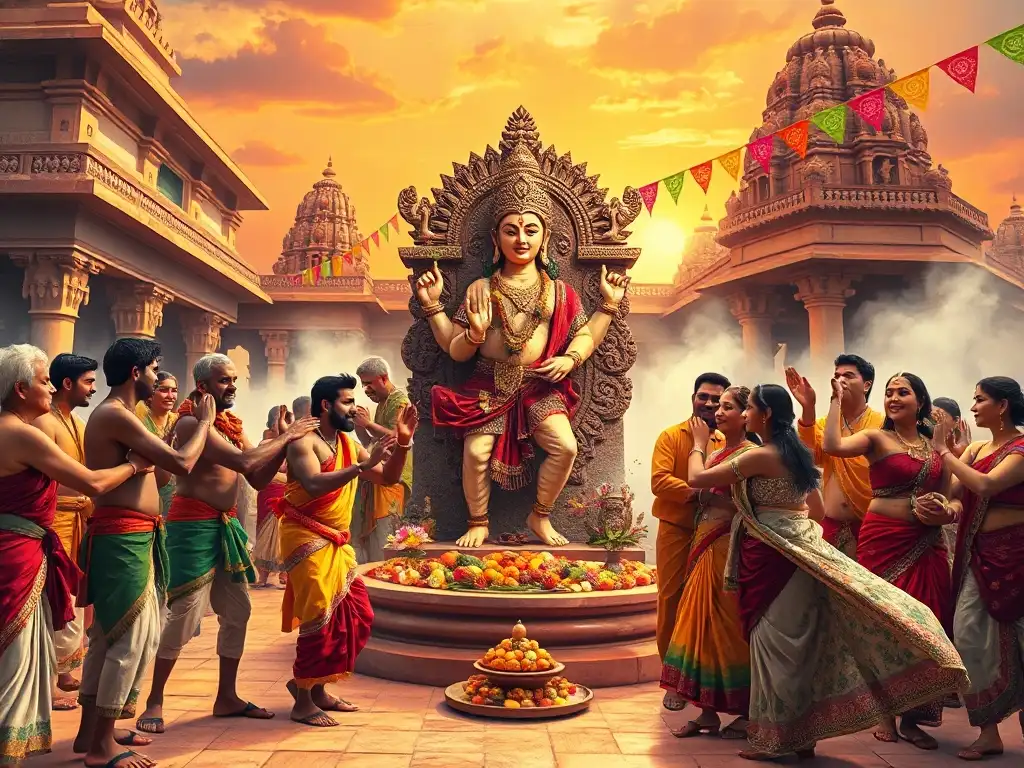
Symbolism plays a crucial role in ancient Indian festivals, serving as a bridge between the spiritual and the material world. The rich tapestry of symbols found in these rituals reflects the beliefs, values, and aspirations of the ancient Indian civilizations. From the vibrant colors of rangoli to the intricate designs of mandalas, every element is laden with meaning, inviting participants to engage their senses and connect with the deeper significance behind the festivities.
Ancient Indian festivals often incorporate symbols representing various deities, natural elements, and cosmic forces. For instance, the idol of Ganesha, adorned with symbols such as the lotus and the elephant head, embodies wisdom and the removal of obstacles. These symbols are not merely decorative; they encapsulate profound philosophies, encouraging individuals to reflect on their life journeys and the larger cosmic order.
Understanding Symbols and Their Meanings in Rituals
In ancient Indian rituals, symbols are multifaceted, often carrying layers of meaning that can vary based on regional and cultural contexts. For instance, the color red is frequently associated with prosperity and fertility, making it a predominant color during weddings and auspicious ceremonies. Similarly, the use of fire in rituals symbolizes purification and the divine presence, as seen in the sacred Agni during yajnas (fire sacrifices).
The meanings of these symbols are often derived from ancient texts, oral traditions, and community practices. They serve as a means of storytelling, conveying ancient wisdom and moral lessons to contemporary audiences. By understanding these symbols, modern participants can appreciate the depth of their cultural heritage and the continuity of traditions through generations.
How Symbolism Connects Ancient Practices to Modern Celebrations
The connection between ancient practices and modern celebrations is vividly illustrated through the evolution of symbols over time. For example, Diwali, the festival of lights, has its roots in ancient rituals that celebrated the victory of light over darkness. Today, this symbolism manifests in the lighting of diyas (oil lamps) and the bursting of fireworks, symbolizing joy and the triumph of good.
Moreover, many modern festivals still incorporate ancient symbols, albeit with contemporary interpretations. The use of social media and digital platforms has allowed for the reimagining of these symbols, making them accessible to younger generations. This continuity of symbolism not only honors ancient traditions but also fosters a sense of belonging and identity among diverse communities in modern India.
Ancient Indian rituals have significantly influenced social cohesion, creating a sense of unity and belonging among participants. By engaging in collective rituals and celebrations, individuals experience a shared identity that transcends personal differences. These communal experiences foster relationships, strengthen social bonds, and create a supportive network within communities.
Rituals often involve elaborate preparations and performances that require collaboration and teamwork. This collaborative spirit helps to forge connections among participants, reinforcing social ties and enhancing the sense of community. As individuals come together to celebrate, they contribute to a collective memory that emphasizes shared values and traditions.
Rituals as a Means of Community Bonding
Rituals serve as a powerful means of community bonding, providing opportunities for individuals to come together and participate in shared experiences. Events like Holi, the festival of colors, exemplify this phenomenon, where people from various backgrounds unite to celebrate the arrival of spring. Through playful interactions and shared laughter, these rituals dissolve barriers and foster a sense of camaraderie.
Additionally, rituals often involve communal meals, prayers, and performances that further enhance social interactions. These gatherings create spaces for dialogue and the exchange of ideas, reinforcing social networks and promoting mutual understanding. As communities navigate the challenges of modern life, the enduring nature of these rituals serves as a reminder of the importance of togetherness and collective identity.
Festivals and Their Role in Preserving Cultural Identity
Festivals play a pivotal role in preserving cultural identity, acting as a repository of ancient traditions and values. They serve as a canvas for expressing the unique characteristics of different communities within India, showcasing regional variations in rituals, music, dance, and food. This diversity enriches the cultural landscape and allows for a vibrant exchange of ideas and practices.
Moreover, festivals provide an opportunity for generations to connect, as elders pass down knowledge and traditions to the younger ones. This transmission of cultural heritage ensures that ancient rituals are not lost but are instead adapted and celebrated in contemporary contexts. By participating in these festivals, individuals affirm their cultural identity and contribute to the continuity of their heritage.
The legacy of ancient Indian rituals is evident in the way they shape modern festivals, reinforcing social cohesion and preserving cultural identity. Through the lens of symbolism, community bonding, and the ongoing celebration of traditions, we can appreciate the enduring impact of these ancient practices on contemporary Indian society.
Conclusion: The Enduring Legacy of Ancient Indian Rituals
The rich tapestry of ancient Indian rituals and festivals continues to influence contemporary society, weaving together threads of tradition, spirituality, and cultural identity. These rituals, which have their roots in the diverse practices of the Indus Valley Civilization and have evolved through millennia, serve as a testament to the resilience and adaptability of Indian culture. From the colorful celebrations of Diwali to the solemn observances of Pooja, each festival encapsulates centuries of beliefs, values, and communal ties.
The enduring legacy of these rituals is evident not only in the festivities themselves but also in the ways they foster unity, promote social cohesion, and convey moral lessons. As modern society grapples with rapid changes and globalization, these ancient practices provide a sense of continuity and belonging, reminding individuals of their heritage and the importance of community.
Reflection on the Importance of Ancient Practices in Today’s Society
In today’s fast-paced world, the significance of ancient Indian rituals is more pronounced than ever. These practices offer a much-needed anchor, connecting individuals to their roots and fostering a sense of identity. Rituals such as the celebration of Makar Sankranti, which marks the transition of the sun into the zodiac sign of Capricorn, not only signify agricultural cycles but also reinforce the importance of nature and seasonal changes in our lives.
Furthermore, these rituals nurture intergenerational bonds, as families come together to observe traditions passed down through generations. For instance, the preparation of sweets during festivals is a cherished family activity that promotes sharing and togetherness. This aspect of ancient practices highlights their role in maintaining cultural continuity, ensuring that younger generations understand and appreciate their heritage.
The spiritual dimension of these rituals also provides solace and meaning in an increasingly materialistic world. Engaging in practices such as meditation, prayer, and offerings allows individuals to explore their inner selves, fostering a sense of peace and mindfulness that is often lost in everyday life.
The Future of Ancient Rituals and Festivals in Modern India
As society progresses and adapts to new norms and technologies, the future of ancient rituals and festivals in India appears to be a blend of tradition and innovation. While some rituals may evolve to accommodate contemporary lifestyles, their core values and meanings are likely to endure. For example, the digital era has seen a rise in virtual celebrations and online gatherings, allowing individuals to connect with family and friends across distances during festivals.
Moreover, there is a growing awareness of the need to preserve these ancient practices in the face of globalization. Initiatives to document and promote local traditions are gaining momentum, ensuring that the richness of ancient Indian rituals is not lost. Educational programs that teach the significance of these practices can also play a crucial role in inspiring younger generations to engage with their cultural heritage.
The legacy of ancient Indian rituals is vital not only for preserving history but also for enriching modern life. As these practices continue to adapt and evolve, they will undoubtedly remain a cornerstone of Indian identity, celebrating the enduring spirit of a civilization that has thrived for millennia. Through their resilience, ancient rituals and festivals will continue to shape and inspire future generations, fostering a deep connection to the past while guiding the way forward.
- Introduction to Ancient Indian Rituals and Festivals
- Historical Overview of Ancient Indian Rituals
- Major Ancient Indian Festivals and Their Origins
- Festival Celebrations During the Vedic Period
- Harvest Festivals: Cultural Significance and Ancient Roots
- Religious Festivals: From Puranic Texts to Modern Celebrations
- The Influence of Ancient Rituals on Modern Indian Festivals
- Continuity of Ritual Practices in Contemporary Celebrations
- Case Studies: Diwali, Holi, and Their Ancient Precursors
- Regional Variations in Festivals: How Ancient Rituals Shape Local Traditions
- The Role of Symbolism in Ancient Indian Festivals
- The Impact of Ancient Indian Rituals on Social Cohesion
- Conclusion: The Enduring Legacy of Ancient Indian Rituals
- What are some key ancient Indian rituals that influence modern festivals?
- How did the Indus Valley Civilization contribute to the understanding of rituals?
- What role do festivals play in preserving ancient traditions?
- How have cultural exchanges influenced ancient rituals in India?
- Why are ancient rituals significant for understanding modern Indian culture?
Frequently Asked Questions
What are some key ancient Indian rituals that influence modern festivals?
Many ancient Indian rituals, such as puja, yajna, and fasting, continue to play a significant role in today's festivals, preserving cultural traditions and spiritual practices.
How did the Indus Valley Civilization contribute to the understanding of rituals?
The Indus Valley Civilization laid the groundwork for many religious practices and rituals, evidenced by archaeological findings like fire altars and ceremonial baths that suggest early forms of worship.
What role do festivals play in preserving ancient traditions?
Festivals serve as a means to celebrate and transmit ancient traditions, allowing communities to engage with their cultural heritage while adapting to contemporary contexts.
How have cultural exchanges influenced ancient rituals in India?
Cultural exchanges throughout history, such as those with Buddhism and Islam, have enriched and diversified ancient rituals, leading to a fusion of practices observed in various modern festivals.
Why are ancient rituals significant for understanding modern Indian culture?
Ancient rituals provide insight into the values, beliefs, and social structures of early civilizations, which continue to shape the identity and practices of modern Indian culture.
Final Reflection: Embracing the Echoes of Ancient Indian Rituals in Modern Festivals
The exploration of ancient Indian rituals and festivals reveals a profound connection between our past and present, illustrating how these time-honored traditions continue to shape contemporary celebrations. In a world increasingly driven by technology and rapid change, the enduring nature of these rituals serves as a reminder of our cultural roots and the values that bind us together. The legacy of these practices is not merely historical; it is a living testament to the resilience of our identity, urging us to honor and celebrate our heritage in a meaningful way.
As we navigate the complexities of modern life, the influence of ancient rituals on our social and cultural landscape remains palpable. These traditions foster a sense of community, belonging, and continuity, reminding us of the importance of shared experiences. The words of Mahatma Gandhi resonate here: A nation's culture resides in the hearts and in the soul of its people.
This sentiment underscores the vital role that these festivals play in nurturing our collective spirit and preserving the essence of our identity amidst the ever-evolving tapestry of society.
In closing, I invite you to reflect on how the lessons embedded in these ancient rituals can enrich your own life. Consider participating in local festivals or learning about the rituals that have shaped your community. Embrace the opportunity to connect with your heritage and share these experiences with others, fostering a deeper appreciation for the cultural richness that surrounds us. Let us carry forward the legacy of ancient Indian rituals, ensuring that their wisdom continues to illuminate our paths in the future.
Embrace the Spirit of Tradition – Take Action Today!
Thank you for exploring the rich history of ancient rituals and their profound impact on modern Indian festivals. Your interest in this vibrant topic not only enhances your understanding but also contributes to the preservation of our cultural legacy. Now, let’s turn that knowledge into action!
- Immerse yourself in the celebration: Attend a local festival to experience the traditions firsthand. Engage with the community, ask questions, and learn from their experiences.
- Share your insights with friends and family – discuss how ancient practices continue to hold relevance today. Spread the joy of knowledge!
- Connect with others who share your passion for history and culture: Join online forums or local cultural groups to further explore and exchange ideas.
What ancient tradition or festival inspires you the most, and how do you plan to incorporate its essence into your daily life?