
Sacred Spaces: Temples and Their Role in Ancient Rituals

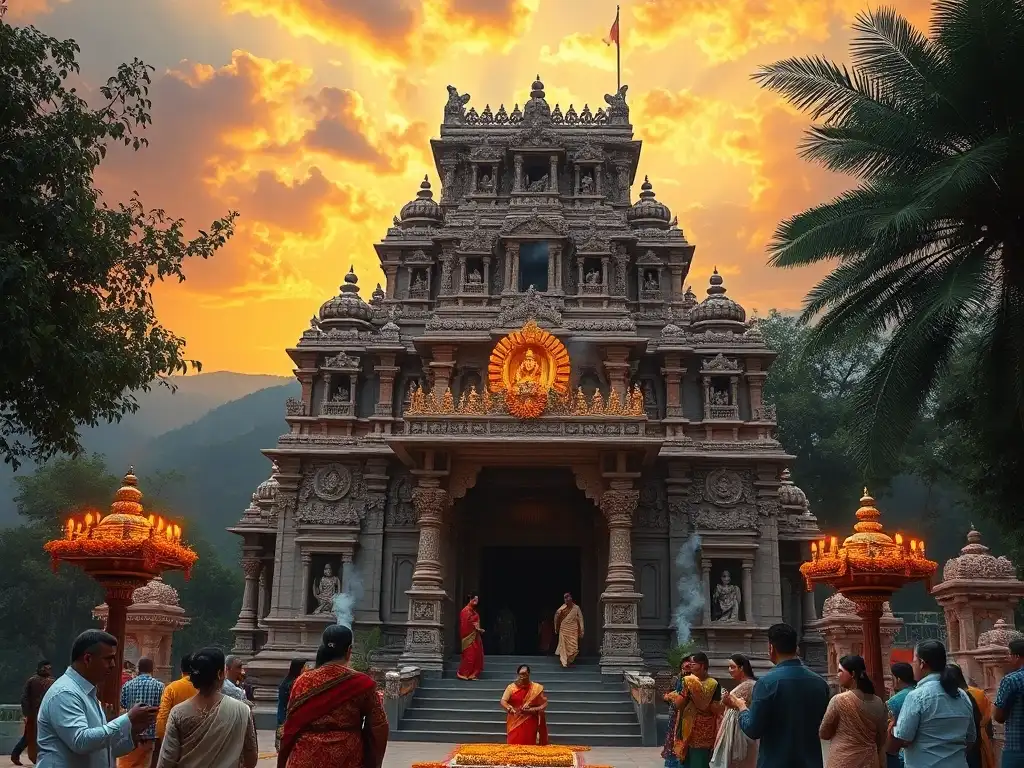
Welcome to Ancient India History, where we journey through the rich tapestry of India's past, exploring the vibrant cultures and remarkable contributions of ancient civilizations. In our featured article, “Sacred Spaces: Temples and Their Role in Ancient Rituals,” we delve into the captivating world of ancient Indian temple rituals—a fascinating blend of spirituality, community, and tradition that shaped the very fabric of society. Join us as we uncover the mysteries and significance behind these sacred practices, inviting you to discover how they continue to resonate through time.
Are you ready to step into the hallowed halls of history? Let's explore together!
Introduction to Ancient Indian Temple Rituals
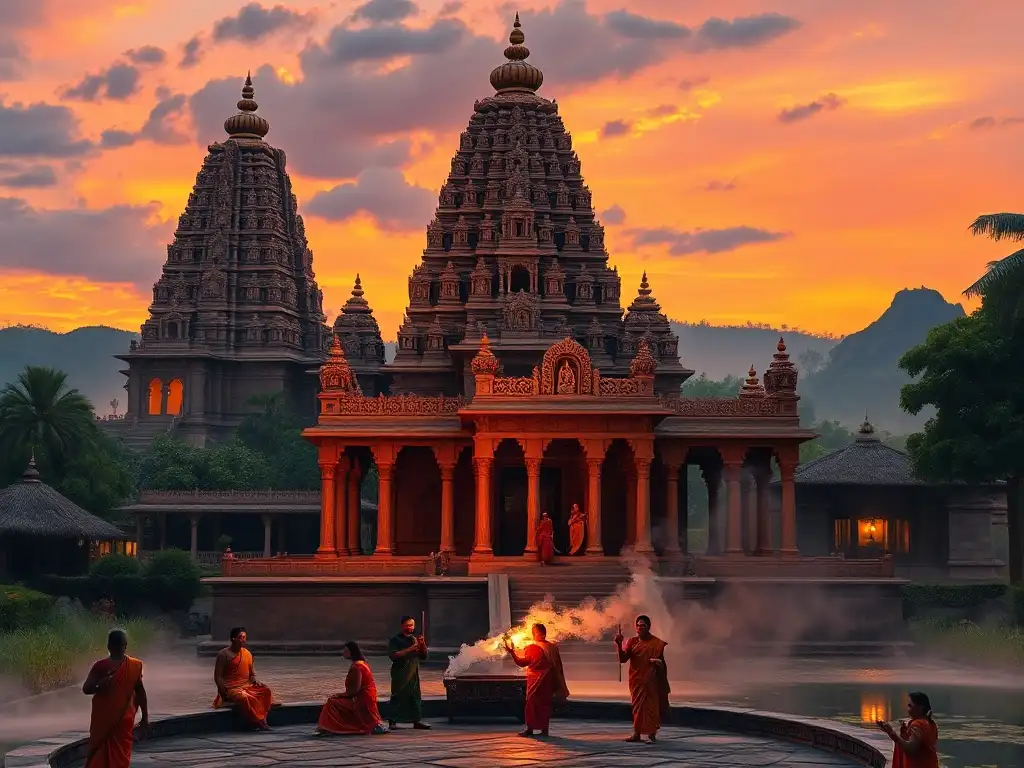
Ancient Indian temple rituals serve as a profound window into the spiritual and cultural fabric of early Indian civilizations. These rituals were not mere ceremonies but intricate practices deeply intertwined with the lives of the people, reflecting their beliefs, values, and connections to the divine. Temples were more than architectural marvels; they were sacred spaces where the spiritual, social, and cultural dimensions of life converged.
The significance of these rituals extended beyond personal devotion; they played a crucial role in community bonding, seasonal celebrations, and the preservation of traditions. The ancient Indian temple rituals often involved elaborate ceremonies, offerings, and festivals that celebrated various deities, symbolizing the rich diversity of beliefs that flourished in ancient India. Understanding these rituals allows us to appreciate the complexities of ancient Indian spirituality and its lasting influence on contemporary practices.
The Historical Context of Ancient Indian Temples
The historical landscape of ancient Indian temples traces back to the Indus Valley Civilization, where the rudimentary forms of worship began to take shape. As societies evolved, so did the architectural and ritualistic practices associated with temples. These sacred structures became centers of community life and were pivotal in the dissemination of cultural values and religious teachings.
Evolution of Temple Architecture
The evolution of temple architecture in ancient India is a testament to the artistic and spiritual aspirations of its people. From the simple fire altars of the Vedic period to the intricately carved stone temples of the Gupta era, the architectural styles reflect a journey of innovation and devotion. Key stages in this evolution include:
- Vedic Period: Early rituals were performed near sacred fires, with no permanent structures.
- Mauryan Period: Introduction of stone structures, such as stupas, marking a shift towards more permanent places of worship.
- Gupta Period: Flourishing of temple architecture with grand constructions like the Dashavatara Temple in Deogarh, showcasing detailed carvings and iconography.
This progression not only highlights the technical advancements in construction but also signifies the growing importance of temples as focal points for rituals and community gatherings.
Major Ancient Indian Temples
Several temples stand out as iconic representations of ancient Indian temple architecture and rituals. These temples were not only places of worship but also hubs of cultural and social activities. Here are a few notable examples:
| Temple | Location | Significance |
|---|---|---|
| Kashi Vishwanath Temple | Varanasi | One of the holiest shrines dedicated to Lord Shiva. |
| Brihadeeswarar Temple | Thanjavur | A UNESCO World Heritage site known for its grandeur and artistic brilliance. |
| Khajuraho Temples | Madhya Pradesh | Famous for their intricate sculptures and erotic carvings, representing a blend of spirituality and art. |
| Sun Temple | Konark | An architectural marvel symbolizing the chariot of the sun god, Surya. |
These temples, through their rituals and ceremonies, have left an indelible mark on the spiritual and cultural landscape of India, continuing to inspire reverence and celebration in modern times.
Understanding Ancient Indian Temple Rituals
Ancient Indian temple rituals are a profound reflection of the spiritual and cultural ethos that permeated ancient Indian society. These rituals served not just as religious ceremonies but also as a means of connecting the divine with the earthly realm. Each ritual was intricately designed, often involving a series of steps that included offerings, chants, and meditative practices aimed at invoking the presence of deities. The significance of these rituals extended beyond personal devotion; they played a crucial role in maintaining the cosmic order, known as rta, which is central to Hindu philosophy.
The rituals were often characterized by their adherence to specific texts, such as the Vedas, Tantras, and Puranas, which provided guidelines on how to conduct various ceremonies. The priests, or pujaris, were trained in these texts, ensuring that rituals were performed correctly to garner divine favor and blessings. The atmosphere within temples during these rituals was charged with energy, as congregational participation was common, fostering a strong sense of community and shared spiritual experience.
Types of Rituals Conducted in Temples
Ancient Indian temples were the epicenters of diverse rituals, catering to a variety of spiritual needs and festivals. These rituals can be categorized into several distinct types:
- Daily Rituals (Nitya Puja): These were routine offerings made to deities at specific times of the day. They included rituals such as abhishekam (pouring of sacred substances), aarti (waving of lights), and naivedya (offering of food).
- Seasonal Festivals (Utsavas): Temples hosted grand festivals throughout the year, celebrating deities with elaborate processions, music, dance, and theatrical performances. These included festivals like Navaratri, Diwali, and Makar Sankranti.
- Sacrificial Rituals (Yajnas): Some rituals involved offerings made to fire, invoking the gods' blessings. These were often elaborate ceremonies requiring significant preparation and participation from the community.
- Life Cycle Rituals (Samskaras): Temples were also venues for significant life events such as marriages, naming ceremonies, and rites of passage, where rituals were performed to bless individuals at crucial life stages.
Elements of Ancient Indian Rituals
The essence of ancient Indian rituals lay in their multifaceted elements, each contributing to the overall spiritual experience. Key components included:
- Mantras: Sacred chants or hymns that were believed to have divine power. Reciting mantras was essential for invoking deities and creating a spiritual atmosphere.
- Offerings (Prasad): Physical offerings such as flowers, fruits, and sweets symbolized devotion and gratitude. After rituals, these offerings were often distributed as prasad, believed to carry the deity's blessings.
- Symbolic Gestures (Mudras): Specific hand gestures made during rituals served to channel energy and focus intentions. Each mudra had a unique significance in the context of the ritual.
- Sacred Artifacts: Items such as the shrine, linga, or icons of deities were central to the rituals, serving as focal points for worship and connection to the divine.
The Role of Temples in Ancient Indian Society
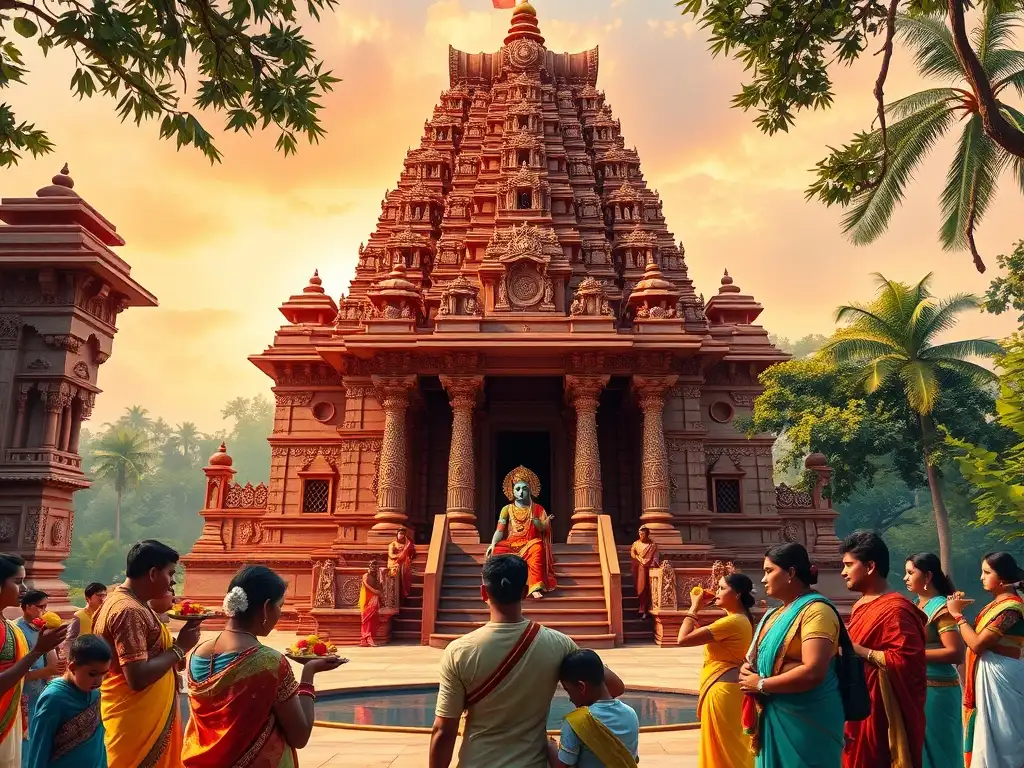
Temples in ancient India were not merely places of worship; they were integral to the social, cultural, and economic framework of society. Their multifaceted roles extended beyond spiritual functions, influencing various aspects of daily life.
Temples as Centers of Community Life
Temples served as vital community hubs, fostering social cohesion and cultural exchange. They hosted communal gatherings, festivals, and educational activities, where people from different walks of life came together. This communal aspect facilitated the sharing of knowledge, traditions, and cultural practices, reinforcing social ties. Moreover, temples often provided a safe space for the marginalized, offering refuge and support to those in need.
Additionally, temples became centers for the arts, sponsoring musicians, dancers, and artisans whose works enriched the cultural landscape. Thus, they played a crucial role in nurturing the arts and preserving cultural heritage.
Economic Importance of Temples
The economic significance of temples in ancient India was profound. Temples were often the largest landowners in their regions, contributing to agricultural production and local economies. They generated revenue through donations, offerings, and the collection of taxes from surrounding villages. This economic power allowed temples to fund various community projects, such as schools, hospitals, and infrastructure developments, thus enhancing the quality of life for many.
Moreover, temples facilitated trade by serving as marketplaces during festivals, attracting visitors and pilgrims from far and wide. The influx of people stimulated local economies, creating a symbiotic relationship between religious practices and economic prosperity.
Ancient Indian temple rituals and the temples themselves were instrumental in shaping the spiritual, cultural, and economic landscape of ancient Indian society, making them sacred spaces of immense significance.
The Spiritual Significance of Ancient Indian Temple Rituals
Ancient Indian temple rituals served as a profound expression of spirituality, reflecting the rich tapestry of beliefs that characterized early Indian civilizations. These rituals transcended mere practices; they were a means of connecting with the divine and understanding the cosmos. Temples were not only architectural marvels but also sacred spaces where the material and spiritual realms intersected. The rituals performed within these hallowed walls fostered a sense of community and continuity, allowing practitioners to engage with the divine in tangible ways.
Rituals in ancient Indian temples were typically rooted in the Vedic texts and later scriptures, which provided a framework for various ceremonies. The significance of these rituals lay in their ability to invoke divine blessings, seek protection, and express gratitude. Through offerings, chants, and symbolic gestures, devotees aimed to establish a relationship with the deities worshipped in the temples, thereby reinforcing the spiritual foundation of their lives.
Connection to Deities and Divine Presence
The connection to deities through temple rituals was a central aspect of ancient Indian spirituality. Temples were constructed as microcosms of the universe, with deities representing various aspects of existence. Rituals acted as a bridge for devotees to connect with these divine entities, fostering a sense of intimacy and personal engagement.
For instance, daily rituals such as puja (worship) involved offerings of flowers, fruits, and incense to the deities. These acts were not merely ceremonial; they symbolized the devotee's recognition of the divine presence in their lives. Special festivals, such as Diwali and Navaratri, included elaborate rituals that celebrated specific deities and their attributes, inviting the community to partake in a shared spiritual experience.
Furthermore, the presence of priests, or pundits, who performed rituals on behalf of the devotees added an additional layer of connection. The priests' expertise in chanting mantras and conducting ceremonies ensured that the rituals were performed correctly, thereby facilitating the flow of divine energy into the space. This relationship underscored the belief that the divine could be accessed through communal endeavors and the guidance of knowledgeable intermediaries.
The Impact of Rituals on Personal and Collective Identity
Ancient Indian temple rituals played a crucial role in shaping both personal and collective identities. On a personal level, participating in these rituals allowed individuals to express their beliefs, hopes, and fears. The act of worship provided a sense of purpose and belonging, as devotees found solace in their faith and the community formed around shared religious practices.
Collectively, temple rituals fostered a sense of unity among community members. Festivals and communal celebrations centered around the temple often involved elaborate processions, feasts, and performances, reinforcing social bonds and cultural identity. These events served not only as expressions of devotion but also as opportunities for communal engagement and cultural exchange.
Moreover, temple rituals often mirrored the social and political structures of ancient Indian society. Rulers and elites frequently patronized temples, enhancing their status and influence while also providing for the maintenance of these sacred spaces. This patronage further solidified the link between religious practices and societal hierarchy, making temple rituals an integral part of public life.
Conclusion: The Enduring Legacy of Ancient Indian Temple Rituals
The legacy of ancient Indian temple rituals persists in contemporary society, reflecting a continuity of spiritual practices and cultural values. While the specific forms of worship may have evolved over time, the core principles of devotion, community, and connection to the divine remain deeply ingrained in the cultural fabric of India.
Today, temples continue to serve as vital centers of religious life, where rituals are performed with the same fervor and intention as in ancient times. The ongoing practice of ancient rituals not only honors the past but also reinforces the identities of individuals and communities in a modern context. As such, the significance of ancient Indian temple rituals extends far beyond their historical roots, shaping the spiritual landscape of contemporary India and preserving the rich heritage of its traditions.
References and Further Reading
To deepen your understanding of ancient Indian temple rituals and their significance in the cultural and spiritual landscape, here are some essential references and further reading materials:
-
Books
-
"The Temples of India: A Historical Overview" by Michael W. Meister
This comprehensive book explores the architectural and cultural evolution of Indian temples across different periods, providing insights into their role in rituals and community life.
-
"Hindu Rituals and Practices" by Arvind Sharma
This work delves into various Hindu rituals, with a focus on how temple spaces facilitate these practices, enhancing the reader's appreciation for the intricacies of ancient rituals.
-
"Sacred Architecture: The Temples of Ancient India" by Rosemary Crumlin
This book highlights the architectural styles of temples and their symbolic meanings, connecting the physical structure to the rituals performed within.
-
-
Academic Journals
-
"The Journal of Asian Studies"
This journal often features articles that discuss the historical context and contemporary relevance of ancient Indian rituals, including those centered around temples.
-
"India Quarterly"
With a focus on Indian culture and heritage, this journal includes studies on temple rituals and their impact on society throughout history.
-
-
Online Resources
-
Digital Library of India
A treasure trove of digitized texts that cover various aspects of Indian history, including ancient temple rituals. Search for specific topics related to your interests.
-
The Archaeological Survey of India (ASI)
The ASI provides access to reports and findings on temple excavations and their significance in understanding rituals practiced in ancient times.
-
-
Documentaries and Lectures
-
"Sacred Spaces: Temples of India"
This documentary explores the architectural beauty and the rituals associated with various temples across India, providing visual context to the written word.
-
Lectures by Experts on Ancient Indian History
Platforms like YouTube often feature lectures and talks by historians specializing in ancient Indian culture, offering fresh perspectives on temple rituals.
-
-
Cultural Institutions
-
National Museum, New Delhi
Visiting museums with exhibits on ancient Indian artifacts can provide tangible insights into the rituals and ceremonies that took place in temples.
-
These resources will serve as valuable tools for anyone looking to explore the profound connection between ancient Indian temples and their associated rituals, enriching both academic study and personal exploration of this fascinating aspect of history.
- Introduction to Ancient Indian Temple Rituals
- The Historical Context of Ancient Indian Temples
- Understanding Ancient Indian Temple Rituals
- Types of Rituals Conducted in Temples
- The Role of Temples in Ancient Indian Society
- The Spiritual Significance of Ancient Indian Temple Rituals
- Conclusion: The Enduring Legacy of Ancient Indian Temple Rituals
- References and Further Reading
Frequently Asked Questions
What were the main purposes of ancient Indian temples?
Ancient Indian temples served multiple purposes, including spiritual worship, community gatherings, and cultural events. They were central to the religious life and societal structure of ancient civilizations.
How did temple architecture reflect ancient Indian beliefs?
The architecture of ancient Indian temples was designed to reflect cosmic principles and divine presence. Each element, from the layout to the sculptures, symbolized various aspects of spiritual beliefs and mythological stories.
What were some common rituals performed in ancient Indian temples?
Common rituals included puja (worship), homa (fire rituals), and festivals. These rituals were integral to expressing devotion and maintaining a connection with the divine.
How did temple rituals influence ancient Indian society?
Temple rituals played a crucial role in social cohesion and cultural identity. They fostered a sense of community and often dictated the rhythm of daily life through festivals and communal gatherings.
What role did priests play in ancient Indian temple rituals?
Priests were the spiritual leaders responsible for conducting rituals and maintaining the temple. They acted as intermediaries between the deity and devotees, ensuring that sacred practices were performed correctly.
Final Reflection: The Enduring Legacy of Sacred Spaces
The exploration of ancient Indian temple rituals reveals a profound connection between spirituality and community that remains relevant today. In a world increasingly dominated by technology and individualism, the rituals practiced in these sacred spaces remind us of the importance of collective experience and shared beliefs. The temples, once bustling centers of worship and cultural exchange, continue to inspire modern spiritual practices, urging us to reconnect with our roots and the traditions that shape our identities.
The influence of these ancient rituals extends far beyond their historical context, weaving into the fabric of contemporary society. The values and teachings embedded within these sacred spaces resonate with our current quest for meaning and belonging. As we navigate the complexities of modern life, we can draw wisdom from the past. Rituals are the threads that weave the tapestry of our existence, binding us to our heritage and to each other.
This quote encapsulates the enduring significance of temple rituals, highlighting their role in fostering community and continuity across generations.
As you reflect on the insights gained from this exploration of ancient Indian temple rituals, consider how you can incorporate elements of these practices into your own life. Take a moment to engage with your surroundings, whether through meditation, community gatherings, or personal rituals that honor your heritage. Embrace the wisdom of the past to enrich your present and inspire your future, fostering a deeper connection to yourself and those around you. The sacred spaces of yesterday can illuminate the path to a more meaningful existence today.
Unveil the Transformative Power of Sacred Spaces!
Thank you for diving into the world of Sacred Spaces: Temples and Their Role in Ancient Rituals. Your curiosity about ancient practices not only enriches your understanding but also connects you to a profound history. Now, let’s translate that interest into action!
Here’s how you can continue your exploration of these remarkable sacred spaces:
- Join a local historical or cultural group focused on ancient traditions. Engaging with others can deepen your connection and enhance your knowledge!
- Visit a temple or historical site nearby; immerse yourself in the architecture and stories that surround these sacred places.
- Share your insights on social media or in our comments section. What aspects of temples and their roles in ancient rituals did you find most captivating?
What steps will you take to connect more deeply with the ancient rituals that have shaped our world?