
Understanding the Cultural Symbolism Behind Indian Festival Decorations

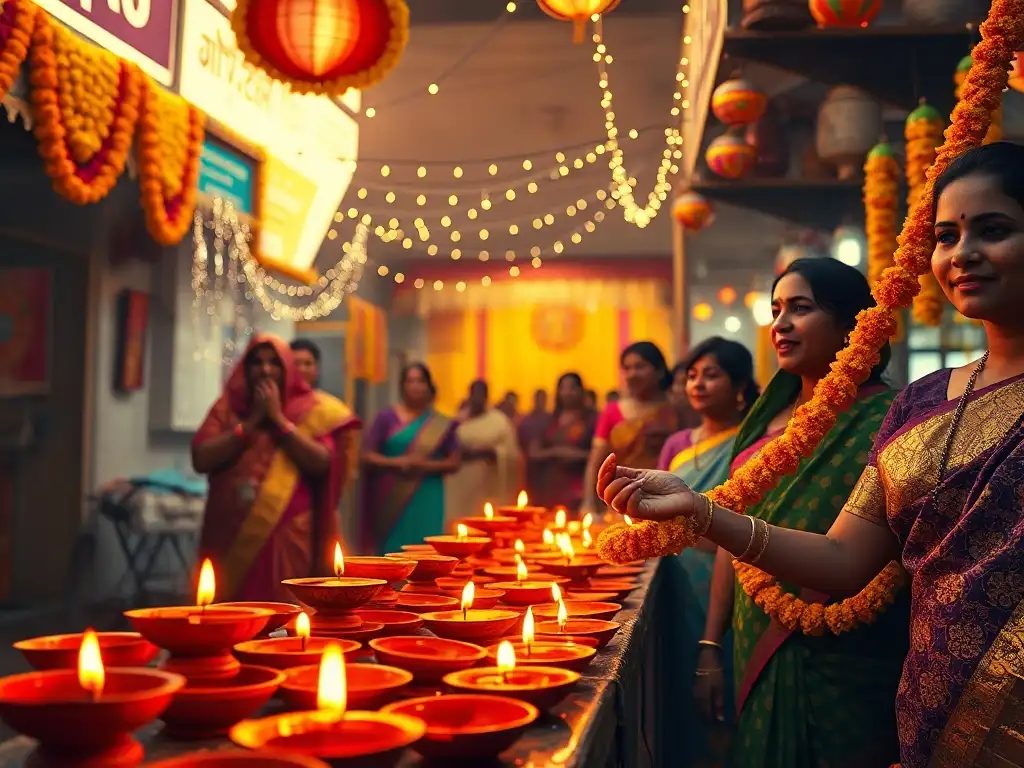
Welcome to Ancient India History, where we embark on a fascinating journey through the rich tapestry of ancient Indian civilizations. Here, we delve into the vibrant stories of culture, tradition, and innovation that have shaped India as we know it today. In our featured article, "Understanding the Cultural Symbolism Behind Indian Festival Decorations," we unravel the intricate meanings and histories behind the dazzling decorations that adorn our festivals.
What secrets do these symbols hold? Join us as we explore the profound significance behind the colors, shapes, and materials that bring joy and meaning to these cherished celebrations. Your adventure into the heart of India's past begins here!
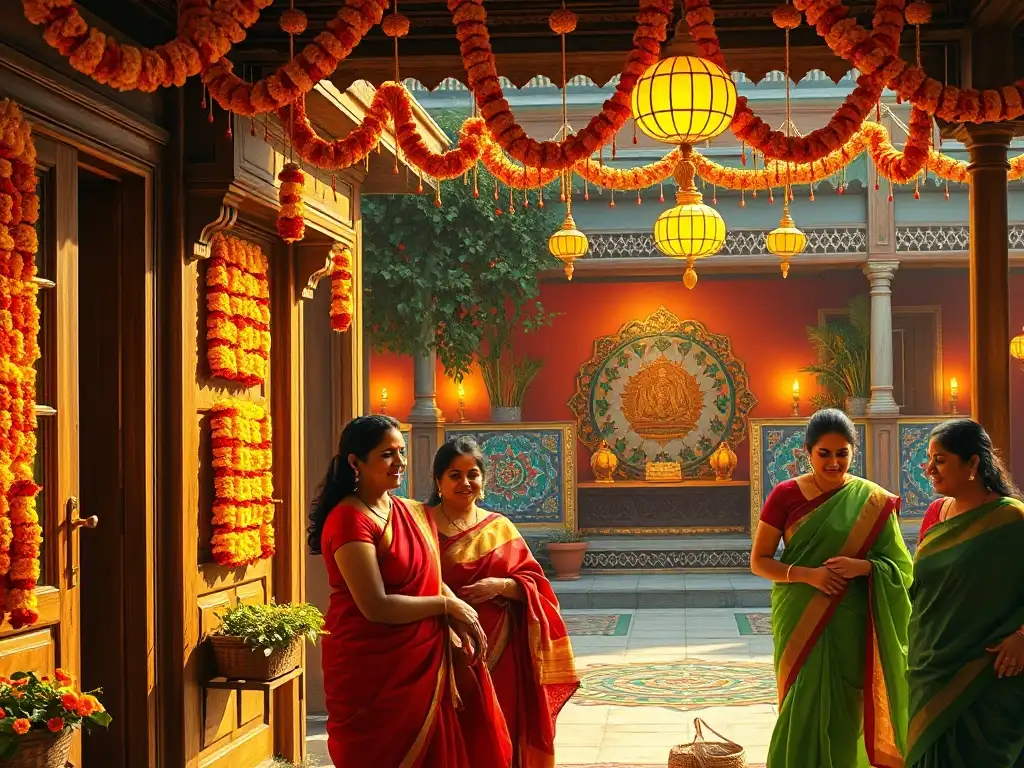
Indian festivals are vibrant celebrations that encapsulate a rich tapestry of cultural traditions, beliefs, and artistic expressions. At the heart of these festivities lies the importance of decorations, which serve not only as visual enhancements but also as profound symbols of the underlying cultural narratives.
From the intricate designs of rangoli to the luminous glow of diyas, each element of decoration carries significant meaning, reflecting the diverse heritage and values of Indian society. In this article, we will delve into the symbolism behind these decorations, revealing how they contribute to the overall experience of festivals and the collective identity of communities across the nation.
Introduction to Indian Festival Decoration Symbolism
The decorations seen during Indian festivals are much more than mere embellishments; they are imbued with deep cultural meanings and historical significance. Various elements—from colors and materials to patterns and forms—are thoughtfully chosen to convey messages of prosperity, purity, and joy. As we explore the rich symbolism of these decorations, we will uncover how they resonate with the spiritual beliefs and societal norms prevalent in ancient and modern India.
Importance of Decorations in Indian Festivals
Decorations play a vital role in enhancing the festive atmosphere and setting the tone for celebrations. Some key aspects include:
- Aesthetic Appeal: Decorations create a visually captivating environment that enhances the joyful spirit of festivals.
- Cultural Expression: They reflect the unique customs and traditions of different regions and communities, showcasing India's diversity.
- Symbolic Representation: Each decorative element often symbolizes specific values or beliefs, such as prosperity, happiness, and spirituality.
- Community Bonding: Engaging in decoration practices often involves communal participation, fostering a sense of belonging and togetherness.
Overview of Cultural Significance in Indian Traditions
The cultural significance of decorations in Indian festivals extends beyond aesthetics. They serve as a means of storytelling, connecting generations through shared rituals and practices. Notably, certain decorations are specific to particular festivals, reflecting their unique narratives:
- Diwali: The use of diyas and rangoli symbolizes the victory of light over darkness and good over evil.
- Holi: The vibrant colors represent the arrival of spring and the celebration of love and happiness.
- Navratri: Colorful decorations signify the worship of the divine feminine, celebrating strength and resilience.
Historical Context of Indian Festival Decorations
Understanding the evolution of Indian festival decorations provides insight into how cultural practices have transformed over centuries. The roots of these decorative practices can be traced back to ancient civilizations, where art and spirituality intertwined.
Evolution of Decoration Practices in Ancient India
In ancient India, decorations were primarily influenced by local customs and the surrounding environment. Key developments include:
- Indus Valley Civilization: Evidence of artistic expression through pottery and seals suggests an early appreciation for aesthetics.
- Vedic Period: Ritualistic decorations emerged, often associated with religious ceremonies and sacrifices.
- Gupta Period: A flourishing of arts and crafts led to more sophisticated and diverse decoration practices, integrating regional styles and themes.
Influence of Religion and Spirituality on Decorations
Religion and spirituality have profoundly shaped the decorations used in Indian festivals. Various elements demonstrate this influence:
- Symbols: Sacred symbols like the swastika and om are commonly used, representing auspiciousness and divinity.
- Nature: Decorations often incorporate natural elements, such as flowers and leaves, reflecting the belief in the interconnectedness of life.
- Ritual Practices: Specific decorations are employed during rituals to invoke blessings and protection from deities.
Exploring the cultural symbolism behind Indian festival decorations reveals a rich interplay of history, art, and spirituality that continues to thrive in contemporary celebrations. Each decorative choice is a testament to the enduring legacy of India's diverse cultural landscape.
Key Elements of Indian Festival Decorations
Indian festival decorations are vibrant and diverse, reflecting the rich cultural heritage of the subcontinent. The key elements that contribute to the beauty and meaning of these decorations include colors, materials, patterns, and regional motifs. Each of these elements plays a significant role in conveying specific messages and symbolisms associated with the festivals.
- Colors: Each color has its own significance and is chosen carefully to evoke particular emotions or represent specific deities.
- Materials: Traditional materials such as flowers, leaves, clay, and fabrics are often used, each carrying its own meaning and connection to the earth and spirituality.
- Patterns and Designs: Intricate designs such as rangoli or kolam not only beautify spaces but also symbolize prosperity and welcome.
Understanding these key elements helps to appreciate the depth of meaning behind Indian festival decorations, as they are not merely aesthetic but are imbued with cultural significance and spiritual connections.
Color Symbolism in Indian Festival Decorations
Colors play a pivotal role in Indian festival decorations, each hue embodying distinct meanings and emotions. For instance:
- Red: Represents love, passion, and auspiciousness. It is commonly used during weddings and festivals like Durga Puja.
- Yellow: Symbolizes knowledge and learning, often seen in decorations for festivals like Vasant Panchami, which honors Saraswati, the goddess of wisdom.
- Green: Associated with nature and fertility, green is prevalent in floral decorations, especially during harvest festivals like Pongal.
- White: Represents purity and peace, used in various ceremonies, including funerals and during the festival of Diwali to symbolize the victory of light over darkness.
By carefully selecting colors, decorators aim to invoke specific feelings and convey messages that resonate with the themes of the respective festivals.
Material Symbolism in Indian Festival Decorations
The choice of materials used in Indian festival decorations is deeply symbolic, connecting the physical to the spiritual. Some common materials and their significance include:
- Flowers: Fresh flowers are a staple in decorations, symbolizing beauty, purity, and the transient nature of life. Marigolds are particularly favored for their vibrant color and traditional associations with worship.
- Clay: Clay idols and decorations represent earthly elements and are biodegradable, emphasizing a connection to the environment. This is particularly evident during Ganesh Chaturthi.
- Fabrics: Rich textiles like silk and cotton are used to create colorful drapes and decorations, symbolizing wealth and hospitality.
- Lights: Diyas (oil lamps) and electric lights symbolize knowledge dispelling darkness, emphasizing the theme of enlightenment during festivals like Diwali.
Each material is chosen not just for its aesthetic appeal but for its deeper connection to cultural beliefs and values.
Patterns and Designs in Indian Festival Decorations
Patterns and designs hold immense significance in Indian festival decorations, often steeped in tradition and symbolism.
- Rangoli: These intricate floor designs made from colored powders, rice, or flower petals are typically created at the entrance of homes. They symbolize welcoming guests and the divine, embodying the spirit of hospitality.
- Kolam: Predominantly seen in South India, these geometric patterns are drawn using rice flour and are thought to bring prosperity and good fortune.
- Torans: Decorative hangings made of mango leaves or marigold flowers are placed at doorways, symbolizing the removal of negativity and the welcoming of positive energies.
- Mandalas: These circular designs are often used in various rituals and signify the universe, representing unity and harmony.
The use of these patterns not only enhances the aesthetic appeal but also conveys messages of spirituality and community.
Regional Variations in Indian Festival Decoration Symbolism
The symbolism behind festival decorations varies significantly across India's diverse regions, each showcasing unique cultural practices and local traditions.
North Indian Festival Decorations
In North India, festival decorations are often characterized by vibrant colors and elaborate designs. During Diwali, homes are adorned with:
- Diyas and candles: Symbolizing the triumph of light over darkness.
- Rangoli: Colorful patterns outside homes to welcome guests and deities.
- Torans: Made from marigold flowers and mango leaves to ward off evil.
The use of bright colors and intricate patterns reflects the region's exuberant culture and the significance of family and community during festivals.
South Indian Festival Decorations
South Indian festival decorations are known for their simplicity and elegance, often involving:
- Kolam: Beautiful geometric patterns drawn at entrances to symbolize prosperity.
- Banana leaves: Used as decorative elements during festivals like Pongal, representing fertility and abundance.
- Traditional lamps: Made from clay, symbolizing the light that dispels darkness.
These decorations focus on natural materials and emphasize harmony with nature, showcasing the region's agricultural roots.
East Indian Festival Decorations
In East India, particularly during Durga Puja, decorations are grand and elaborate, featuring:
- Idols of Durga: Beautifully crafted and adorned with vibrant clothes and jewelry.
- Flower decorations: Including marigolds and lotuses, symbolizing beauty and purity.
- Lighting: Elaborate lighting setups that create a divine ambiance.
The use of dramatic aesthetics reflects the cultural importance of the goddess and the festive spirit of the region.
West Indian Festival Decorations
West India, particularly during Ganesh Chaturthi, showcases unique decorations that include:
- Clay idols of Ganesh: Symbolizing the removal of obstacles and the onset of new beginnings.
- Colorful decorations: Including flowers and lights to create a festive atmosphere.
- Traditional motifs: Such as peacocks and elephants, which symbolize prosperity and royalty.
The emphasis on vibrant colors and intricate decorations reflects the region's rich artistic heritage and the importance of community celebrations.
Major Indian Festivals and Their Decoration Symbolism
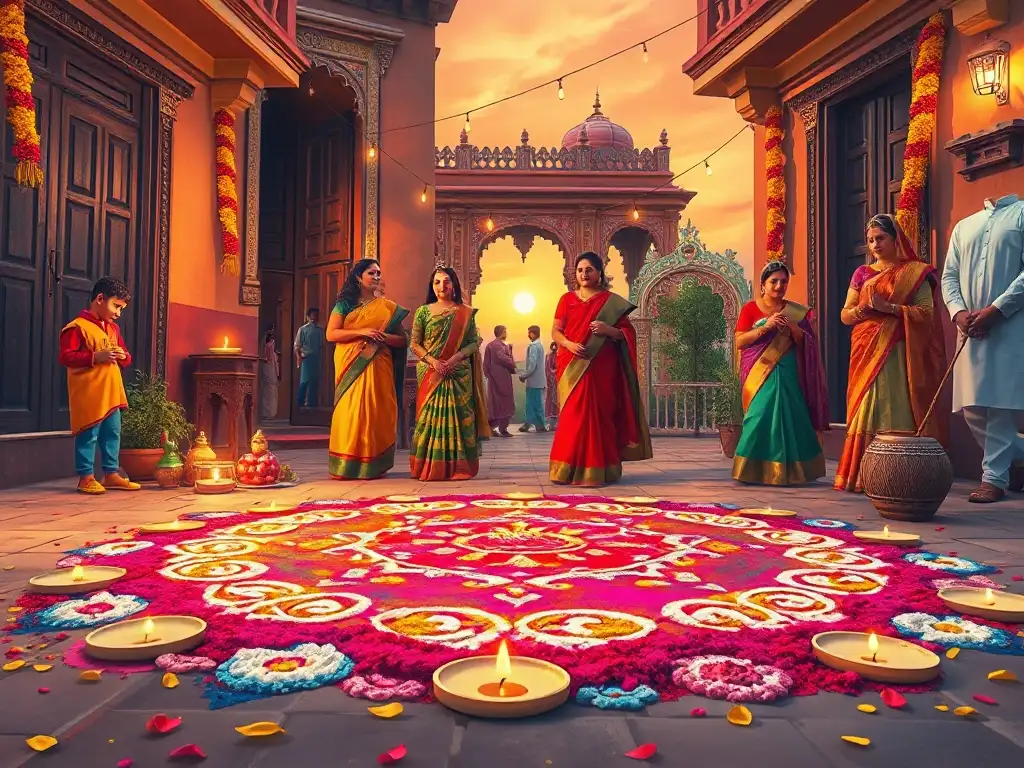
Indian festivals are deeply rooted in cultural traditions, and the decorations associated with these celebrations often carry significant symbolism. Each festival is adorned with unique elements that reflect the beliefs, stories, and values of ancient Indian civilizations. Understanding this symbolism not only enhances the festive experience but also connects individuals to their heritage.
Diwali: The Festival of Lights
Diwali, known as the Festival of Lights, is one of the most celebrated festivals in India. The decorations during Diwali symbolize the victory of light over darkness and good over evil. Homes are illuminated with oil lamps (diyas) and vibrant candles, representing the inner light that protects from spiritual darkness.
- Rangoli: Colorful patterns made from colored powders, rice, or flower petals adorn entrances, inviting prosperity and good fortune.
- Torans: Decorative door hangings made of mango leaves and marigold flowers symbolize welcoming wealth and auspiciousness.
- Fairy Lights: These lights symbolize joy and celebration, creating a warm and festive atmosphere that enhances the spirit of the festival.
The act of decorating during Diwali is not just about aesthetics; it embodies the hope for a brighter future and a harmonious life.
Holi: The Festival of Colors
Holi, the Festival of Colors, is a vibrant celebration that signifies the arrival of spring and the triumph of love and joy. The decorations associated with Holi are lively and colorful, reflecting the festival's essence of exuberance.
- Colored Powders (Gulal): The use of bright powders symbolizes the joy of life and the colors of nature. The act of throwing colors fosters unity and the spirit of togetherness.
- Floral Decorations: Flowers are used extensively to enhance the festive atmosphere, symbolizing beauty and the transient nature of life.
- Water Balloons and Pichkaris: These playful elements represent the spirit of joy and the playful nature of relationships, promoting a sense of freedom and celebration.
Holi's decorations highlight the importance of community and the joy of living in the moment, making it a beloved festival across cultures.
Navratri: The Festival of Nine Nights
Navratri is a festival dedicated to the worship of the goddess Durga, symbolizing the victory of good over evil. The decorations during this nine-night celebration are rich in cultural significance and spirituality.
- Idols of Goddess Durga: Elaborately decorated idols signify the various forms of the goddess, representing strength, purity, and the feminine divine.
- Garba and Dandiya Decorations: Colorful lights and traditional motifs used in dance areas symbolize joy, unity, and the celebration of life.
- Banners and Flags: These decorations are often adorned with religious symbols, representing devotion and the protection of the divine.
The symbolism in Navratri decorations encourages individuals to reflect on their spiritual beliefs while celebrating the power of femininity and resilience.
Contemporary Trends in Indian Festival Decorations
As society evolves, so do the ways in which festivals are celebrated and decorated. Contemporary trends in Indian festival decorations blend traditional symbolism with modern aesthetics, reflecting the dynamic nature of cultural practices.
Modern Interpretations of Traditional Symbolism
Today, many individuals are reinterpreting traditional symbols in innovative ways. This includes:
- Sustainable Decorations: With an increasing awareness of environmental issues, many are opting for eco-friendly materials like organic colors and biodegradable products, symbolizing respect for nature.
- Minimalist Designs: While traditional decorations can be elaborate, modern interpretations often favor minimalism, emphasizing elegance and simplicity while still conveying deep cultural meanings.
- Fusion of Styles: The amalgamation of regional and international design elements creates a unique blend that respects tradition while embracing contemporary aesthetics.
These modern interpretations ensure that the essence of cultural symbolism is preserved while adapting to current lifestyles and preferences.
The Role of Technology in Festival Decorations
Technology has significantly transformed how decorations are created and displayed during Indian festivals. Key aspects include:
- Digital Displays: The use of LED screens and projectors allows for dynamic decorations that can change colors and patterns, symbolizing the vibrancy of modern life.
- Online Shopping: E-commerce platforms provide access to a wide range of decorative items, making it easier for people to find meaningful decorations that resonate with their cultural beliefs.
- Social Media Influences: Platforms like Instagram and Pinterest inspire new decoration ideas, encouraging creativity and a sense of community among festival celebrators.
The integration of technology in festival decorations not only enhances the visual appeal but also connects individuals across distances, enriching the overall festive experience.
Conclusion: The Enduring Legacy of Indian Festival Decoration Symbolism
Indian festival decoration symbolism serves as a vibrant tapestry that weaves together the rich cultural narratives and spiritual traditions of the subcontinent. Each element in these decorations, whether it be the intricate rangolis, colorful garlands, or the use of natural materials, carries profound meanings that reflect not just aesthetic beauty but also deep-rooted beliefs and values. These symbols foster a sense of community, continuity, and identity among diverse groups, allowing generations to connect with their heritage.
Moreover, the evolution of these decorations over time signifies the adaptive nature of Indian culture. As new materials and techniques are introduced, they blend seamlessly with traditional practices, showcasing a dynamic interplay between the past and the present. This adaptability ensures that the cultural symbolism behind festival decorations remains relevant, resonating with both older and younger generations alike.
Ultimately, the legacy of Indian festival decoration symbolism is not merely about the visual appeal; it embodies the spirit of celebration, reverence, and the profound connections that bind individuals to their cultural roots. As India continues to evolve, these symbols will undoubtedly adapt, yet their essence will remain a testament to the country's rich heritage.
Reflection on Cultural Practices and Their Importance
Cultural practices, particularly those surrounding festivals, are essential for maintaining a sense of identity and belonging in a rapidly changing world. In India, festivals are not just events marked by joy and celebration; they are rituals that encapsulate the beliefs, values, and philosophies of the society. The decorations used during these festivals often carry significant symbolism that reflects the ethos of the community, serving as reminders of collective history and shared experiences.
Through the lens of festival decorations, we can observe how various elements symbolize various aspects of life, such as prosperity, purity, and harmony. For instance, the use of marigolds during Diwali signifies positivity and is believed to ward off evil. Similarly, the geometric patterns of rangoli reflect the interconnectedness of life and the cosmos. These symbols act as visual expressions of cultural narratives, fostering a sense of pride and continuity among participants.
Additionally, engaging in these practices reinforces social bonds within communities. The collective act of decorating for festivals brings people together, creating opportunities for collaboration and interaction. This communal spirit is vital for nurturing cultural heritage and ensuring that traditional practices are passed down through generations.
The Future of Indian Festival Decorations in a Global Context
As the world becomes increasingly interconnected, the future of Indian festival decorations will likely witness a fascinating blend of tradition and modernity. Globalization has introduced new materials, ideas, and influences that can enrich traditional practices, allowing for innovative expressions of cultural symbolism. For instance, the integration of sustainable materials into festival decorations can reflect contemporary environmental consciousness while preserving cultural integrity.
Furthermore, the digital age has opened up avenues for sharing and celebrating Indian festival decoration symbolism on a global scale. Social media platforms enable individuals to showcase their unique interpretations of traditional decorations, fostering a cross-cultural exchange that can lead to greater appreciation and understanding of Indian heritage. This sharing can inspire creativity and innovation, as people draw upon various influences to create new forms of expression that resonate with their personal experiences.
However, as these practices evolve, it is crucial to maintain the core values and meanings behind the decorations. Balancing innovation with tradition will be key to ensuring that the symbolism remains authentic and continues to resonate with future generations. By embracing both heritage and modernity, Indian festival decorations can thrive in a global context, fostering a deeper appreciation for the rich cultural tapestry of India.
- Introduction to Indian Festival Decoration Symbolism
- Historical Context of Indian Festival Decorations
- Key Elements of Indian Festival Decorations
- Regional Variations in Indian Festival Decoration Symbolism
- Major Indian Festivals and Their Decoration Symbolism
- Contemporary Trends in Indian Festival Decorations
- Conclusion: The Enduring Legacy of Indian Festival Decoration Symbolism
- What are Indian festival decorations primarily used for?
- How do decorations vary among different Indian festivals?
- What materials are commonly used in Indian festival decorations?
- How does decoration symbolism contribute to the meaning of festivals?
- Can you give an example of symbolism in a specific festival's decoration?
Frequently Asked Questions
What are Indian festival decorations primarily used for?
Indian festival decorations are primarily used to enhance the festive atmosphere and symbolize various cultural beliefs and traditions associated with the celebration.
How do decorations vary among different Indian festivals?
Decorations vary significantly among festivals, reflecting regional diversity and the unique significance of each celebration, such as Rangoli for Diwali and Torans for weddings.
What materials are commonly used in Indian festival decorations?
Common materials include flowers, colored powders, lights, and traditional fabrics, each chosen for their symbolic meanings and ability to create a vibrant ambiance.
How does decoration symbolism contribute to the meaning of festivals?
Decoration symbolism enhances the spiritual significance of festivals, with each element representing prosperity, purity, or divine blessings, thus deepening the overall experience.
Can you give an example of symbolism in a specific festival's decoration?
In Diwali, diyas (oil lamps) symbolize the victory of light over darkness, while rangoli patterns invite good luck and prosperity into homes, showcasing the rich cultural heritage of India.
Final Reflection: Embracing the Richness of Indian Festival Decoration Symbolism
Understanding the cultural symbolism behind Indian festival decorations is not just an exploration of aesthetics; it is a journey into the heart of a vibrant heritage. Today, as globalization intertwines with tradition, the significance of these decorations transcends mere visual appeal, becoming a vital expression of identity and community. The intricate designs and vibrant colors we see during festivals serve as a reminder of our shared values and beliefs, urging us to celebrate our roots in an ever-evolving world.
Cultural symbolism is a powerful force that shapes our social landscape, influencing how we connect with one another and our environment. The decorations we adorn our homes and public spaces with during festivals are not only beautiful; they carry stories, traditions, and meanings that resonate deeply within us. As we engage with these symbols, we find ourselves part of a larger narrative that binds generations together. Tradition is not the worship of ashes, but the preservation of fire.
This quote encapsulates the essence of our festivals, reminding us that while we honor the past, we must also keep the spirit of celebration alive in our present and future.
As you reflect on the symbolism behind Indian festival decorations, I invite you to consider how these elements can inspire your own life. Take a moment to appreciate the stories and meanings behind the decorations you encounter, and think about how you can incorporate these symbols into your personal celebrations. Let the richness of this cultural heritage guide you in creating spaces that honor tradition while embracing innovation, fostering a sense of belonging and joy in your own community.
Celebrate and Transform Your Space with Cultural Inspiration!
Thank you for your time and curiosity in exploring the rich tapestry of cultural symbolism behind Indian festival decorations. We hope you’ve uncovered valuable insights that inspire you to embrace these beautiful traditions in your own life. Now, it's time to take action and infuse your surroundings with the vibrancy of Indian culture!
Here are some enriching steps you can take:
- Recreate the Magic: Design your own festive decor using traditional colors and symbols. Consider incorporating items like lanterns, colorful floor designs, or handcrafted ornaments that beautifully reflect the essence of the festivals.
- Share Your Journey: Post your creative projects on social media and tag @AncientIndiaHistory. Let your community witness the beauty of these cultural expressions!
- Join a Local Celebration: Participate in a nearby Indian festival or cultural gathering. Immerse yourself in the experience, learn from others, and connect with a vibrant community.
What aspect of Indian festival decor resonates with you the most, and how will you incorporate it into your everyday life?