
The Evolution of Traditional Clothing in Indian Festivals: A Historical Perspective

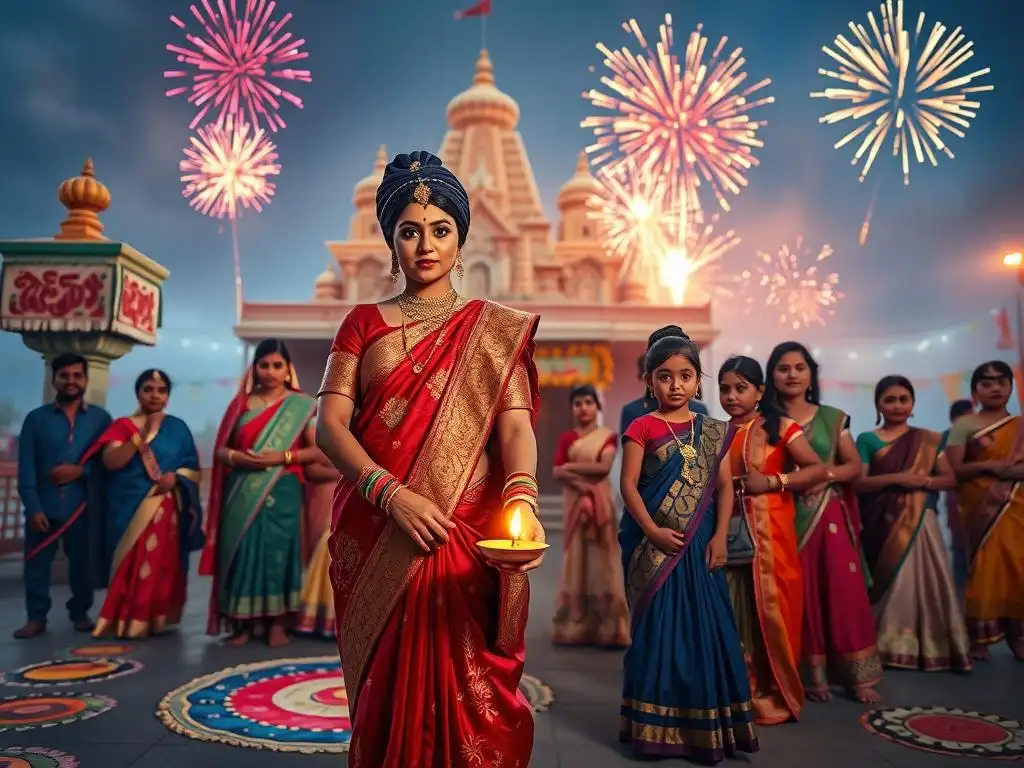
Welcome to Ancient India History! Dive into the captivating world of India's rich heritage as we explore the colorful tapestry of its traditional clothing history. In this article, "The Evolution of Traditional Clothing in Indian Festivals: A Historical Perspective," we unravel the fascinating journey of how attire has evolved through the ages, reflecting the vibrant festivals and diverse cultures that define ancient India. Get ready to uncover intriguing stories and insights that will deepen your appreciation for the significance of clothing in our historical celebrations. Join us as we embark on this enlightening exploration!
Introduction to Traditional Indian Clothing History
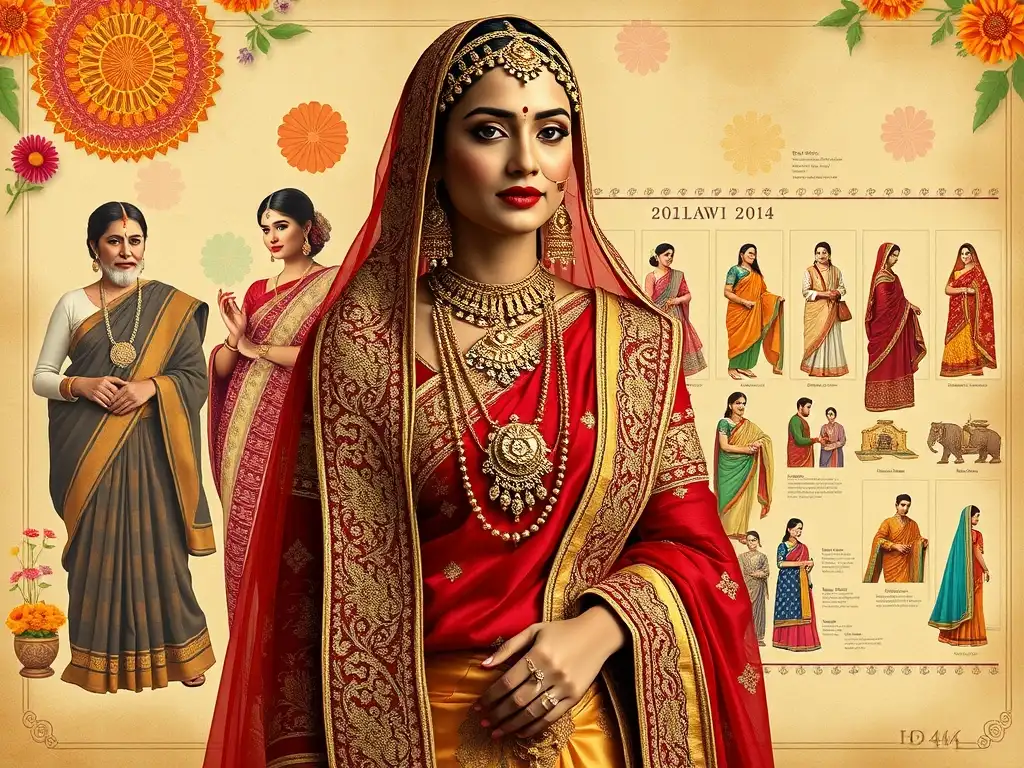
The history of traditional Indian clothing is a vibrant tapestry woven through centuries, reflecting the rich cultural and regional diversity of the subcontinent. From the intricate drapes of the sari to the elegant silhouettes of the kurta, traditional attire has evolved in tandem with the social, economic, and artistic currents of each era. This evolution is particularly evident during Indian festivals, where clothing takes on heightened significance, symbolizing cultural identity and communal harmony.
In this article, we will embark on a journey to explore the historical roots of traditional Indian clothing, tracing its development through various civilizations and understanding its role in the colorful celebrations that define Indian culture. By delving into the traditional Indian clothing history, we aim to understand how fashion has been influenced by customs, materials, and artistic expressions over time.
Importance of Clothing in Indian Culture
Clothing in Indian culture is more than a mere necessity; it is a reflection of social status, regional identity, and religious beliefs. Each garment carries with it a story and a set of meanings, influenced by factors such as geography, climate, and the historical context of the time.
- Symbolism: Clothing often symbolizes auspiciousness during festivals, with specific colors and styles reserved for particular occasions.
- Ritual Significance: Attire is an integral part of rituals, where traditional garments are worn to honor deities and ancestors.
- Cultural Identity: Different regions boast unique styles of clothing, showcasing the rich tapestry of India's cultural mosaic.
Overview of Indian Festivals and Their Significance
Indian festivals are vibrant celebrations that encompass a myriad of traditions, rituals, and community activities. They not only mark significant historical and mythological events but also serve as an opportunity for individuals and families to come together in joyous celebration.
- Diversity: India is home to numerous festivals, each celebrated with unique customs, such as Diwali, Holi, Eid, and Christmas, reflecting the country's religious plurality.
- Cultural Expression: Festivals provide a platform for artistic expression, including dance, music, and, crucially, traditional clothing.
- Social Cohesion: These celebrations foster social bonds and a sense of belonging, making clothing an important aspect of communal identity.
Historical Roots of Traditional Indian Clothing
Understanding the evolution of traditional Indian clothing requires a look back at the various civilizations that have shaped the subcontinent. Each era brought its own styles, materials, and influences that contributed to the rich heritage of Indian attire.
The Indus Valley Civilization: Early Textile Practices
The Indus Valley Civilization (c. 3300–1300 BCE) is one of the earliest known urban cultures in the world, and it laid the groundwork for textile practices in India. Archaeological findings suggest that the people of this civilization were skilled in weaving and dyeing, producing cotton fabrics long before it became widespread in other parts of the world.
- Materials: Cotton was the primary fabric, cultivated and spun into textiles that were both functional and aesthetically appealing.
- Techniques: Evidence of advanced dyeing techniques, including the use of natural dyes, reveals a sophistication in textile production.
Clothing in Ancient Vedic Period: Materials and Styles
During the Vedic period (c. 1500–500 BCE), clothing began to take on a more defined form, influenced by the social structure and spiritual practices of the time. Texts from this era provide insights into the garments worn by various classes.
- Materials: Wool, silk, and cotton began to be used, with specific fabrics associated with different social strata.
- Styles: The use of the antarvaasa (under garment) and uttarīya (upper garment) became prevalent, setting the stage for later clothing styles.
The Maurya and Gupta Empires: Influences on Clothing Patterns
The Maurya (c. 322–185 BCE) and Gupta (c. 240–550 CE) Empires marked significant periods of cultural and artistic development in India. The clothing styles of these eras were heavily influenced by trade, cultural exchanges, and royal patronage.
- Royal Attire: The clothing of the elite featured luxurious fabrics, intricate embroidery, and embellishments, often symbolizing power and wealth.
- Regional Variations: As trade routes expanded, regional styles began to emerge, incorporating local fabrics and techniques, further enriching the diversity of Indian clothing.
Through this exploration of traditional Indian clothing history, we can appreciate the intricate connections between attire, culture, and the festivals that celebrate India’s rich heritage.
Regional Variations in Traditional Clothing
The diverse geography and cultural heritage of India have given rise to a remarkable variety of traditional clothing across its regions. Each state boasts its own distinct styles, fabrics, and colors, reflecting local customs, traditions, and the historical influences that have shaped their identities. This rich tapestry of attire is especially prominent during festivals, where clothing often plays a central role in celebrations. Understanding these regional variations not only highlights the beauty of traditional Indian clothing but also showcases the cultural significance behind each garment.
North India: Distinct Styles and Fabrics
North India is renowned for its vibrant textiles and intricate craftsmanship. The region is characterized by a variety of traditional garments, including the kurta for men and the salwar kameez for women, which are often paired with dupattas. During festivals like Diwali and Holi, these outfits are typically embellished with zari, zardozi, or mirror work, showcasing the region's rich artisan skills.
Fabrics such as silk, cotton, and wool are prevalent, with each state contributing its unique touch. For instance, Kashmiri shawls are prized for their warmth and intricate patterns, while the vibrant Bandhani tie-dye from Rajasthan is a festival favorite. Additionally, the Phulkari embroidery of Punjab symbolizes joyous occasions and is often worn during celebrations, adding a splash of color to the festivities.
South India: Unique Textiles and Traditional Attire
In South India, traditional clothing is heavily influenced by the region's climate and cultural practices. Women often wear sarees, which are draped in various styles depending on the state, such as the Nivi style in Andhra Pradesh or the Madisar in Tamil Nadu. These sarees are typically made from locally sourced fabrics like Kanchipuram silk, known for its grandeur and elaborate designs, particularly during festivals like Pongal and Onam.
Men traditionally wear dhoti or lungi, paired with a kurta or shirt. The use of bright colors and intricate patterns is common, reflecting the celebratory spirit of the festivals. South Indian festivals often emphasize the importance of textiles, with many events showcasing local artisans and their craftsmanship, thereby preserving age-old traditions.
East India: Cultural Influences on Clothing Choices
The eastern states of India showcase a rich blend of cultures and influences, evident in their clothing styles. West Bengal is known for its graceful sarees, particularly the Tant and Baluchari, which are often worn during Durga Puja, symbolizing strength and femininity. The use of kantha embroidery on sarees adds a unique touch, highlighting the region's artistic heritage.
In Odisha, the sambalpuri saree is celebrated for its ikat weaving technique, often adorned during festivals like Raja. Men commonly wear dhoti and kurta, with the sambalpuri fabric reflecting the region's connection to its agricultural roots. The clothing in East India thus not only serves as a means of expression but also stands as a testament to the region's historical and cultural narratives.
West India: Rich Heritage of Fabrics and Designs
West India is a treasure trove of traditional textiles and clothing styles, each state contributing its unique flavor. The vibrant Ghagra choli ensemble from Gujarat is especially prominent during Navratri, where women don colorful outfits adorned with mirror work and embroidery, reflecting the festive energy of the occasion.
Maharashtra boasts the traditional Nauvari saree, a nine-yard drape that symbolizes grace and strength, often worn during Gudi Padwa and other festivals. Men typically wear kurta and dhoti, with the traditional pheta (turban) completing the look. The rich heritage of fabrics, such as bandhani, patola, and chanderi, encapsulates the essence of West Indian culture, making clothing an integral part of its celebratory practices.
The Influence of Religion and Mythology on Clothing
The traditional clothing worn during Indian festivals is not only an expression of regional identity but also deeply intertwined with the country's religious and mythological narratives. Each garment often carries symbolic meanings, reflecting the values and beliefs of the communities that wear them.
Hindu Festivals: Symbolism in Traditional Attire
In Hindu festivals, traditional attire often embodies a connection to mythology and rituals. For example, during Diwali, the festival of lights, people dress in new clothes to symbolize prosperity and purity. Women may wear sarees in shades of red, orange, or gold, representing auspiciousness, while men often opt for kurtas in vibrant colors.
Specific symbols, like the use of mangal sutra or bindi, hold profound significance, representing marital status and spiritual awareness. The attire worn during festivals is thus not just a form of expression but a representation of cultural identity and religious devotion.
Islamic Festivals: Blending of Cultures in Clothing
Islamic festivals such as Eid witness a beautiful blend of traditional attire that reflects cultural diversity. Men typically wear kurta pajamas or sharwani, while women adorn themselves in elegant anarkalis or salwar kameez, often embellished with intricate embroidery. The colors and designs vary widely, influenced by regional crafts and traditions.
The use of specific textiles, such as chikan work from Lucknow, adds a touch of delicacy to the festive wear. Such clothing not only reflects a sense of celebration but also embodies the spirit of community and sharing that is central to Islamic festivities.
Sikh Celebrations: Distinctive Features of Traditional Garb
During Sikh celebrations, particularly Vaisakhi, the traditional attire is marked by vibrant colors and unique styles. Men typically wear kurta paired with chadra, while women don salwar kameez or traditional sarees, often in bright hues symbolizing joy and festivity.
The dastaar (turban) holds significant importance for Sikh men, representing honor and respect. Clothing during Sikh festivals often includes symbols of faith, such as the Khanda, which are integral to the community's identity and pride. These garments serve to unify the community, fostering a sense of belonging and celebration among participants.
Traditional Clothing in Major Indian Festivals
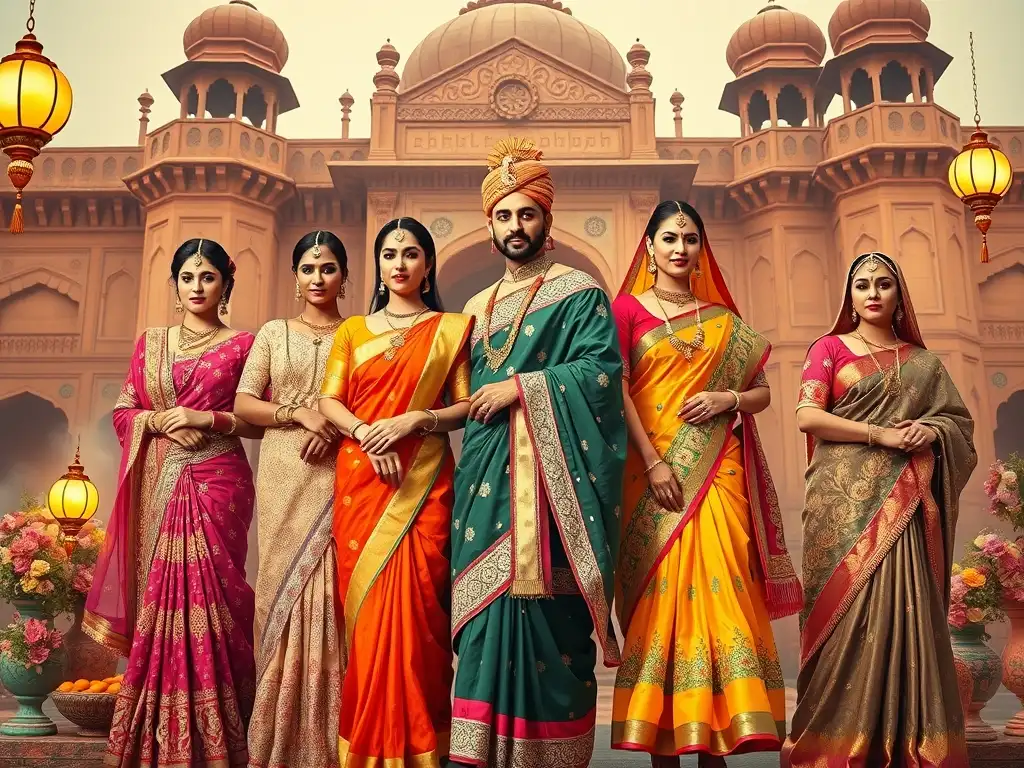
Traditional clothing plays a pivotal role in the celebration of various festivals across India. Each festival is marked by unique attire that reflects the cultural richness and diversity of the region. The clothing not only serves as a medium of expression but also carries significant meanings and beliefs associated with the particular festival. This section explores the traditional clothing associated with major Indian festivals, highlighting their historical significance and cultural relevance.
Diwali: Vibrant Attire and Its Significance
Diwali, also known as the Festival of Lights, is one of the most celebrated festivals in India. The traditional attire during this festival is characterized by vibrant colors and intricate designs. Women often wear sarees made of silk or cotton, embellished with zari work and sequins, while men may don kurta-pajamas or sherwanis crafted from rich fabrics.
The significance of the attire lies in its representation of joy and prosperity. Bright colors like gold, red, and green symbolize wealth and happiness. The act of dressing up is not just about aesthetics; it is a way to seek blessings for a prosperous year ahead. Moreover, the festive attire acts as a means to connect with family traditions, reinforcing cultural values passed down through generations.
Holi: Colors and Clothing Traditions
Holi, the Festival of Colors, is celebrated with exuberance and enthusiasm, marking the arrival of spring. The clothing worn during Holi is often simple and white, as participants play with colors that stain garments. Men typically wear white kurtas paired with dhotis or jeans, while women opt for white sarees or salwar suits.
The choice of white clothing serves a dual purpose: it allows the vibrant colors of Holi to stand out and symbolizes purity and new beginnings. The playful nature of the festival encourages individuals to let go of inhibitions and embrace joy. As the colors mix, they create a visual representation of unity, breaking barriers and fostering togetherness in the community.
Eid: Traditional Outfits and Their Cultural Relevance
Eid, a significant festival in the Islamic calendar, is marked by special prayers, feasting, and community gatherings. Traditional outfits for Eid vary by region but often include elegant attire such as anarkalis, churidars, and sherwanis. Women may adorn themselves in richly embroidered suits or lehengas, while men typically wear kurta-pajama sets or tailored suits.
The clothing worn during Eid is significant as it reflects respect for the occasion and gratitude for the blessings received. The emphasis on new clothes symbolizes renewal and fresh beginnings. Festivities are often accompanied by communal prayers, where the attire also serves to showcase cultural identity and foster a sense of belonging within the community.
Navratri: The Role of Garba Costumes in Celebrations
Navratri is a nine-night festival dedicated to the worship of the goddess Durga, celebrated with great fervor across India. Each night of Navratri has its own theme, and the clothing worn reflects the colors and themes associated with the respective day. Traditional outfits include colorful chaniya cholis for women and kurtas with dhotis for men.
The distinctive garba costumes not only add vibrancy to the celebrations but also embody the spirit of devotion and celebration. The intricate designs, often adorned with mirror work and embroidery, are significant in portraying the cultural heritage of the region. Dancing the Garba in these traditional costumes fosters a sense of community and brings people together in a joyous celebration of faith and culture.
Modern Adaptations of Traditional Clothing
As society evolves, so too does the landscape of traditional clothing. Modern adaptations have emerged, blending traditional styles with contemporary fashion, leading to a vibrant fusion that reflects the dynamic nature of cultural practices.
Fusion Fashion: Merging Traditional and Contemporary Styles
Fusion fashion has gained significant popularity in recent years, as designers experiment with blending traditional Indian garments with Western styles. Contemporary silhouettes paired with traditional textiles create unique ensembles that appeal to a broader audience. For instance, the combination of a traditional saree with a modern crop top or the integration of Indian embroidery into Western dresses showcases the versatility of traditional clothing.
This fusion not only preserves traditional craftsmanship but also makes traditional attire more accessible and relatable to younger generations. As a result, traditional clothing is no longer confined to festive occasions; it has become a part of everyday wear, allowing individuals to express their cultural identity in modern contexts.
The Impact of Globalization on Traditional Attire
Globalization has significantly influenced traditional clothing, leading to the introduction of international fashion trends into the Indian context. While this has led to the democratization of fashion, it poses challenges to the preservation of traditional attire. Many traditional crafts and techniques face the risk of fading as mass-produced clothing becomes more accessible.
However, globalization also presents opportunities for Indian artisans to showcase their crafts on global platforms. Increased awareness of sustainable fashion has led to a revival of interest in traditional textiles and handloom products. This has spurred a demand for authentic, ethically sourced clothing that celebrates cultural heritage while adapting to modern sensibilities.
Revival of Handloom and Sustainable Practices in Modern Clothing
The resurgence of interest in handloom and sustainable practices has positively impacted the fashion industry. As consumers become more conscious of their purchasing decisions, there is a growing preference for handwoven textiles that carry a story and support local artisans. Traditional weaving techniques, such as Banarasi, Kanjeevaram, and Ikat, are being revived and celebrated in contemporary fashion.
This revival not only preserves traditional skills but also promotes sustainability, as handloom products often have lower environmental footprints compared to mass-produced clothing. By embracing sustainable practices, modern fashion can honor the rich history of traditional Indian clothing while ensuring its relevance in the future.
Conclusion: The Continuing Legacy of Traditional Clothing
The evolution of traditional Indian clothing, particularly during festivals, reflects a vibrant tapestry of cultural heritage and identity. As we conclude our exploration, it becomes evident that traditional clothing serves not only as a means of adornment but also as a profound expression of community values, beliefs, and history. The garments worn during festivals have been preserved and adapted through generations, showcasing the resilience of cultural practices amidst modern influences. This continuity is vital, as it connects present-day celebrations with ancestral traditions, ensuring that the rich history of Indian clothing remains alive and relevant.
Moreover, the significance of traditional clothing transcends mere aesthetics; it plays a crucial role in fostering a sense of belonging among individuals and communities. Each piece of clothing carries stories, rituals, and emotions, making it an indispensable part of India's cultural narrative. As we move forward, it is essential that we continue to honor, embrace, and evolve these traditions, ensuring they thrive in a contemporary context while retaining their historical essence.
Preserving Cultural Identity through Clothing
Traditional clothing in India is deeply intertwined with cultural identity, serving as a visual representation of various ethnic groups and their unique traditions. Festivals provide an opportunity for communities to showcase their heritage through attire, reinforcing cultural pride. For example, the vibrancy of Kolkata's Durga Puja sees women adorned in sarees that reflect regional craftsmanship, while men don traditional dhotis or kurta-pajamas.
The preservation of traditional clothing is critical for maintaining cultural identity in a rapidly globalizing world. Various initiatives, such as local artisan cooperatives and cultural festivals, play a pivotal role in promoting the craftsmanship associated with traditional garments. By supporting these initiatives, not only do we help sustain livelihoods, but we also contribute to the preservation of traditional textile techniques that have been passed down through generations.
Furthermore, educational programs focused on traditional clothing history can empower younger generations to appreciate and adopt their cultural attire with pride. As they learn about the significance of specific garments and the stories behind them, they become more invested in their cultural identity, ensuring that it is not only preserved but also celebrated.
Future Trends in Traditional Indian Clothing for Festivals
As we look to the future, the landscape of traditional Indian clothing for festivals is poised to evolve in fascinating ways. With the increasing influence of global fashion trends and technological advancements in textile production, traditional garments are being reimagined to appeal to contemporary sensibilities while retaining their cultural significance.
One prominent trend is the fusion of traditional and modern styles. Designers are experimenting with traditional fabrics and motifs, incorporating them into contemporary silhouettes. This not only attracts younger audiences but also encourages the revival of traditional craftsmanship. For instance, traditional block prints or zardosi embroidery may be combined with modern cuts, resulting in garments that are both stylish and culturally rich.
Sustainability is another pivotal factor driving the future of traditional clothing. As awareness around environmental issues grows, there is a push towards using eco-friendly materials and ethical production practices. This trend aligns well with traditional Indian textiles, many of which are naturally sourced and crafted using age-old techniques, making them inherently sustainable.
Additionally, the rise of social media and e-commerce platforms is revolutionizing how traditional clothing is marketed and consumed. This digital shift allows artisans and small businesses to reach a global audience, promoting traditional garments beyond regional boundaries. As a result, we can expect to see a more diverse representation of traditional clothing styles, encouraging cross-cultural exchanges and collaborations in the years to come.
References and Further Reading
To gain a deeper understanding of traditional Indian clothing history and its evolution over time, consider exploring the following resources:
Books, articles, and resources on traditional clothing history
- "The Fabric of India" by Rosemary Crill: This book provides a comprehensive overview of India's textile history, exploring the regional variations and cultural significance of different fabrics.
- "Draping Culture: The History of Indian Fashion": by Abhijit K. Chattopadhyay: A detailed account of how traditional clothing has shaped and been shaped by Indian culture through the ages.
- "Saris: Tradition and Beyond": by Rta Kapur Chishti: This work dives into the significance of the saree, examining its various forms across different regions and communities in India.
- Scholarly articles in journals like Textile History and The Journal of Indian Art History provide in-depth studies on specific aspects of traditional clothing and its sociocultural implications.
- Online resources such as the National Handloom Development Corporation website and local cultural heritage initiatives offer insights into the contemporary relevance of traditional textiles and ongoing preservation efforts.
By engaging with these resources, readers can enhance their understanding of the intricate relationship between traditional clothing and India's rich cultural history.
- Introduction to Traditional Indian Clothing History
- Historical Roots of Traditional Indian Clothing
- Regional Variations in Traditional Clothing
- The Influence of Religion and Mythology on Clothing
- Traditional Clothing in Major Indian Festivals
- Modern Adaptations of Traditional Clothing
- Conclusion: The Continuing Legacy of Traditional Clothing
- References and Further Reading
- What is the significance of traditional Indian clothing in festivals?
- How has traditional Indian clothing evolved over the centuries?
- What are some examples of traditional clothing worn during Indian festivals?
- How do festivals impact the history of traditional Indian clothing?
- Why is understanding the history of traditional Indian clothing important?
Frequently Asked Questions
What is the significance of traditional Indian clothing in festivals?
Traditional Indian clothing plays a crucial role in cultural expression during festivals, reflecting the diverse heritage and values of various communities across India.
How has traditional Indian clothing evolved over the centuries?
The evolution of traditional clothing in India has been influenced by geographical variations, cultural exchanges, and historical events, leading to a rich tapestry of styles and fabrics.
What are some examples of traditional clothing worn during Indian festivals?
During Indian festivals, you can see a variety of traditional clothing such as sarees, lehengas, kurta-pajamas, and dhotis, each representing different regions and communities.
How do festivals impact the history of traditional Indian clothing?
Festivals often serve as a platform for showcasing traditional clothing, thereby preserving and promoting regional designs and craftsmanship throughout Indian history.
Why is understanding the history of traditional Indian clothing important?
Understanding the history of traditional clothing helps us appreciate the cultural significance, artistry, and social roles these garments play in the festive and everyday lives of people in India.
Final Reflection: Embracing the Threads of Tradition
The evolution of traditional clothing in Indian festivals is not just a historical narrative; it is a vibrant tapestry that continues to shape our cultural identity today. As we navigate through modernity, the significance of traditional Indian clothing history becomes increasingly relevant, reminding us of our roots and the stories woven into every fabric. The garments we wear during festivals are more than mere attire; they are symbols of heritage, community, and the rich diversity that defines India.
Cultural attire has always played a pivotal role in shaping societal norms and values, influencing how we perceive ourselves and each other. The ongoing celebration of traditional clothing during festivals serves as a powerful reminder of our shared history and collective identity. As noted by fashion historian Dr. Ritu Kumar, Clothing is a reflection of our culture, and every thread tells a story.
This sentiment resonates deeply in a world where globalization often threatens to overshadow local traditions. The garments we don during festivals are not just personal choices; they are statements of pride and continuity, connecting us to generations past.
As you reflect on the insights shared in this article, consider how you can honor and embrace the rich tapestry of your own cultural heritage. Take a moment to explore the stories behind the clothes you wear, and let them inspire you to celebrate your identity in a way that is both personal and communal.
Whether it’s donning traditional attire during festivals or sharing the history of these garments with others, each action contributes to the preservation and evolution of our cultural legacy. Let us weave our own narratives into the fabric of tradition, ensuring that the stories of our ancestors continue to resonate in the vibrant celebrations of today and tomorrow.
Embrace the Cultural Heritage of Indian Festivals!
Thank you for joining us on this journey through the rich history of traditional clothing in Indian festivals. We hope you found inspiration in learning how these vibrant garments reflect our heritage and evolution. Now, it’s time to take steps that connect us more deeply with this beautiful culture.
Here are three **simple actions** you can take today:
- Visit a local festival: Experience the majestic traditional attire firsthand. Immerse yourself in the sights and sounds, and engage with the stories behind each garment.
- Create your own traditional outfit: Gather materials to fashion your own version of a historical garment. It’s a fun way to engage with our heritage creatively!
- Share your experiences: Capture your festival moments and insights on social media. Use the hashtag #IndianFestivalFashion to connect with others who celebrate this incredible tradition.
Now, we’d love to hear from you! What traditional festival outfit resonates with you the most, and why? Share your thoughts in the comments below!