
The Mystical Aspects of Inscriptions in Ancient Indian Spirituality

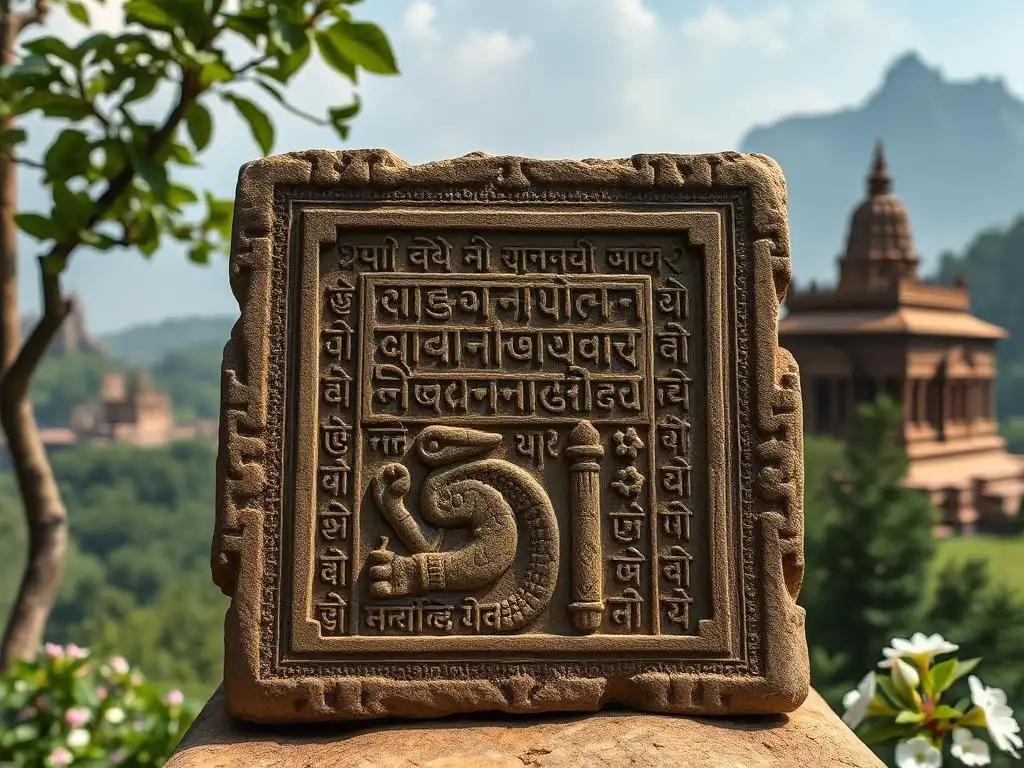
Welcome to Ancient India History, where we delve into the fascinating tapestry of ancient civilizations that shaped the Indian subcontinent. In this exploration, we invite you to uncover the secrets behind Ancient Indian spiritual inscriptions—a profound testament to the mystical dimensions of spirituality and cultural identity in ancient times. Join us as we reveal how these inscriptions not only reflect the beliefs and practices of the past but also resonate with contemporary spiritual thought. Prepare to embark on a journey through time that will ignite your curiosity and deepen your appreciation for the rich legacy of ancient India.
- Introduction to Ancient Indian Spiritual Inscriptions
- Historical Context of Inscriptions in Ancient India
- Types of Ancient Indian Spiritual Inscriptions
- The Mystical Significance of Inscriptions
- Case Studies of Notable Ancient Indian Spiritual Inscriptions
- The Influence of Ancient Indian Spiritual Inscriptions on Later Traditions
- Challenges in Understanding Ancient Indian Spiritual Inscriptions
- Conclusion: The Legacy of Ancient Indian Spiritual Inscriptions
-
Frequently Asked Questions
- What are ancient Indian spiritual inscriptions?
- How did inscriptions influence ancient Indian spirituality?
- What materials were used for spiritual inscriptions in ancient India?
- Can you give examples of important spiritual inscriptions?
- How do inscriptions enhance our understanding of ancient Indian culture?
- Final Reflection: Embracing the Wisdom of Ancient Indian Spiritual Inscriptions
- Unveil the Secrets of Ancient Spirituality!
Introduction to Ancient Indian Spiritual Inscriptions
The exploration of ancient Indian spiritual inscriptions unveils a captivating narrative intertwined with the rich tapestry of India's historical and cultural heritage. These inscriptions, often etched in stone or metal, not only serve as a medium of communication but also embody the philosophical and spiritual ideologies of their time.
Through the lens of spirituality, these inscriptions offer profound insights into the beliefs, rituals, and practices that shaped ancient Indian societies. By examining these mystical aspects, we can better understand how spirituality influenced various facets of life, from governance to daily rituals, and the enduring legacy of these practices in contemporary India.
Definition of Ancient Indian Spiritual Inscriptions
Ancient Indian spiritual inscriptions refer to writings that document religious beliefs, practices, and philosophies of ancient Indian civilizations. These inscriptions can be found in various forms, including:
- Sanskrit texts: Often inscribed on temple walls, pillars, and manuscripts, these texts encompass a range of spiritual teachings and hymns.
- Prakrit inscriptions: Used in various regional dialects, these inscriptions provide insights into local spiritual practices and beliefs.
- Brahmi and Kharosthi scripts: The earliest writing systems in ancient India, often used to convey spiritual messages and religious decrees.
These inscriptions serve as critical primary sources, revealing the spiritual landscape of ancient India, including the evolution of religious thought across different periods, such as the Vedic, Buddhist, and Jain traditions.
Importance in the Study of Ancient Indian History
The study of ancient Indian spiritual inscriptions is pivotal for several reasons:
- Cultural Insight:
- These inscriptions provide a window into the spiritual life of ancient societies, illustrating how religion was woven into the fabric of daily life.
- They reflect the diverse beliefs and practices that coexisted, showcasing the pluralism inherent in ancient Indian spirituality.
- Historical Context:
- Inscriptions often mark significant historical events or reigns of rulers, helping historians establish timelines and understand socio-political dynamics.
- They can reveal interactions between different cultures and religions, highlighting the impact of trade, conquest, and cultural exchange.
- Philosophical Contributions:
- Many spiritual inscriptions contain philosophical discourses that have influenced not only Indian thought but also global spiritual traditions.
- By studying these texts, scholars can trace the development of concepts such as karma, dharma, and moksha, which remain relevant in contemporary discussions of ethics and spirituality.
Ancient Indian spiritual inscriptions are invaluable artifacts that illuminate the spiritual heritage of India. They not only enrich our understanding of ancient civilizations but also serve as a bridge connecting the past with the present, enabling us to appreciate the profound legacy of spiritual thought in India.
Historical Context of Inscriptions in Ancient India
Overview of Ancient Indian Civilizations
Ancient India boasts a tapestry of civilizations that flourished over millennia, each contributing to the rich legacy of the region. From the Indus Valley Civilization (circa 3300–1300 BCE), known for its advanced urban planning and trade networks, to the Maurya and Gupta Empires (circa 322–550 CE), which were marked by significant political and cultural advancements, the historical continuum of India is profound.
- Indus Valley Civilization:
- Notable Features: Urban planning, drainage systems, and trade practices.
- Inscriptions: While the script (Indus script) remains undeciphered, seals bearing inscriptions suggest a complex socio-economic structure.
- Maurya Empire:
- Notable Features: The establishment of a vast empire under Chandragupta Maurya and later Ashoka the Great.
- Inscriptions: The Edicts of Ashoka are pivotal, promoting Buddhism and moral governance through inscriptions on rocks and pillars, written in Brahmi and Kharosthi scripts.
- Gupta Empire:
- Notable Features: A golden age of arts, science, and philosophy.
- Inscriptions: Gupta inscriptions often celebrated royal achievements and patronage of the arts, providing insights into contemporary religious practices and societal norms.
Role of Inscriptions in Ancient Indian Society
Inscriptions played a crucial role in ancient Indian society, serving various purposes that transcended mere communication. They were pivotal in the realms of governance, religion, and culture.
Governance and Administration
- Legal Documentation: Inscriptions often recorded laws, treaties, and regulations, serving as legal documentation for governance.
- Royal Decrees: Many inscriptions were commissioned by kings to proclaim their edicts, reflecting their authority and policies. The Ashokan Edicts, for example, not only asserted royal power but also emphasized ethical governance and social welfare.
Religious Significance
- Spiritual Teachings: Inscriptions frequently conveyed religious messages, philosophies, and teachings, making them central to the spiritual life of the people. For instance, many Buddhist stupas and temples contained inscriptions that detailed the life of the Buddha and the principles of Buddhism.
- Pilgrimage Sites: Temples with inscriptions became pilgrimage sites, where devotees sought spiritual merit and enlightenment. These inscriptions often indicated the historical significance of the site and the patronage it received.
Cultural Preservation
- Historical Records: They served as historical records, maintaining the legacy of rulers, events, and cultural practices. The Prashasti inscriptions, which eulogized kings and their deeds, offer invaluable insights into the socio-political landscape of the time.
- Art and Architecture: Inscriptions also adorned art and architectural works, reflecting the artistic style and the prevalent religious ideologies of the period. The intricate carvings and scripts on temple walls often narrate myths, legends, and the lives of saints, preserving the cultural heritage for future generations.
Ancient Indian spiritual inscriptions are not only a window into the past but also a testament to the profound interplay of governance, religion, and culture in shaping Indian civilization. Through their multifaceted roles, inscriptions have contributed significantly to the understanding of ancient Indian spirituality and societal structure.
Types of Ancient Indian Spiritual Inscriptions

Ancient Indian spiritual inscriptions provide profound insights into the religious and philosophical thought of early Indian civilizations. These inscriptions, often engraved on stone, copper plates, or clay tablets, serve as crucial artifacts that illuminate the spiritual practices, beliefs, and cultural values of the time. Below, we explore three primary types of ancient Indian spiritual inscriptions.
Religious Texts and Mantras
Religious inscriptions often include sacred texts and mantras that were integral to spiritual practices in ancient India. These texts were not only religious but also served as a means of preserving knowledge and tradition.
- Vedic Inscriptions: Many inscriptions are derived from the Vedic texts, which form the foundation of Hindu spirituality. They include hymns and verses that were recited during rituals. For example, the Rigveda, one of the oldest known scriptures, contains numerous mantras that were inscribed in various sacred sites.
- Buddhist Inscriptions: The inscriptions of the Mauryan Empire, particularly those of Emperor Ashoka, prominently feature edicts that promote Buddhist principles. These inscriptions often include teachings on compassion, non-violence, and moral conduct, such as the famous Dhamma edicts inscribed on pillars across the Indian subcontinent.
- Jain Texts: Jain spiritual inscriptions often encapsulate teachings of Tirthankaras and emphasize principles like ahimsa (non-violence) and aparigraha (non-possessiveness). Notable examples include inscriptions found in the Uparkot Fort in Gujarat.
These inscriptions not only served spiritual functions but also acted as a means of governance and societal instruction, reflecting the intertwining of spirituality and daily life in ancient India.
Philosophical Teachings in Inscriptions
Philosophical inscriptions delve into the metaphysical and ethical dimensions of spirituality, providing insights into the intellectual currents of ancient Indian thought.
- Samkhya and Yoga: Inscriptions related to the Samkhya and Yoga philosophies often highlight concepts of dualism, consciousness, and liberation (moksha). Texts like the Yoga Sutras of Patanjali have been referenced in various inscriptions, emphasizing practices aimed at self-realization and enlightenment.
- Advaita Vedanta: The teachings of non-dualism (Advaita) are also prominently featured in inscriptions, particularly those associated with philosopher Adi Shankaracharya. His discourses on the nature of reality and the self are often inscribed in temples and educational institutions.
- Ethical Guidelines: Inscriptions often contain ethical teachings that guide moral behavior. For instance, the Arthashastra by Kautilya, while primarily a treatise on statecraft, includes philosophical insights on governance that reflect spiritual ethics.
These philosophical inscriptions reveal the depth of intellectual engagement with spiritual questions and the desire to codify wisdom for future generations.
Inscriptions pertaining to rituals and worship provide a glimpse into the ceremonial practices that were central to ancient Indian spirituality.
- Temple Inscriptions: Many temples feature inscriptions that outline the rituals to be performed, the deities to be worshiped, and the offerings to be made. These inscriptions often serve as a guide for priests and devotees, detailing the proper procedures and significance of each ritual.
- Pilgrimage Records: Inscriptions found along pilgrimage routes, such as those at Kashi and Mathura, document the spiritual significance of these sites and the rituals performed by pilgrims. They often celebrate the merits of pilgrimage and the transformative power of visiting sacred places.
- Festivals and Celebrations: Certain inscriptions commemorate festivals and provide instructions regarding the rituals associated with them. For instance, inscriptions related to the Kumbh Mela detail the spiritual significance of the event and the rites to be observed.
These ritualistic inscriptions not only highlight the practices of worship but also reflect the communal and cultural fabric of ancient Indian society, emphasizing the role of spirituality in daily life.
The study of ancient Indian spiritual inscriptions enhances our understanding of the rich tapestry of beliefs and practices that characterized ancient Indian civilizations. Through these inscriptions, we can appreciate the enduring legacy of spirituality that continues to influence contemporary thought and practice.
The Mystical Significance of Inscriptions

Inscriptions from ancient India serve not only as historical records but also as portals into the mystical and spiritual dimensions of the time. These inscriptions often encapsulate profound philosophical concepts, religious practices, and cultural beliefs. The significance of these texts lies in their ability to convey spiritual truths and insights that transcend mere words. They are imbued with a sense of the divine, serving as both a medium of communication and a means of connecting the material world with the spiritual realm.
Ancient Indian spiritual inscriptions often reflect the beliefs and practices of the civilizations that created them, from the Indus Valley to later empires like the Maurya and Gupta. The choice of material, the style of writing, and the context in which these inscriptions were placed all contribute to their mystical significance. For instance, inscriptions found in temples are often dedicated to deities, invoking blessings and protection, while those inscribed on stones or pillars may commemorate significant events or convey moral teachings.
Symbolism in Ancient Indian Spiritual Inscriptions
The symbolism embedded in ancient Indian spiritual inscriptions is both rich and complex. Each symbol or motif often carries multiple layers of meaning, reflecting the interconnectedness of various aspects of life. For example:
- Lotus Flower: Represents purity and spiritual awakening, often associated with deities like Lakshmi and Saraswati.
- Swastika: An auspicious symbol representing good fortune, harmony, and the cyclical nature of life.
- Om: A sacred sound and spiritual symbol, embodying the essence of the universe and often inscribed in religious texts.
These symbols are not merely decorative; they serve as a means of invoking spiritual energies and connecting individuals with the divine. The placement and arrangement of these symbols within the inscriptions also play a crucial role. For instance, inscriptions that feature the Om symbol at the beginning are believed to enhance the spiritual potency of the message conveyed.
The use of metaphors and allegories in these inscriptions further enriches their spiritual significance. By employing language that transcends literal interpretation, ancient scribes were able to communicate complex spiritual ideas, encouraging readers to engage with the text on a deeper level.
The Role of Language and Script in Spiritual Contexts
Language and script are integral to the mystical aspects of ancient Indian spiritual inscriptions. The choice of language—whether Sanskrit, Prakrit, or regional dialects—often reflects the audience's cultural context and spiritual beliefs.
Sanskrit, regarded as a divine language, is commonly used in many sacred texts and inscriptions. Its phonetic richness and grammatical precision allow for nuanced expression of profound spiritual and philosophical ideas. The use of Sanskrit verses in inscriptions often elevates the text, imbuing it with an aura of authority and sanctity.
The script itself also holds significance. For instance, the Brahmi script, one of the earliest writing systems in India, is often seen as a bridge between the material and spiritual worlds. The careful craftsmanship of the characters in these inscriptions can be viewed as a form of devotion, where the act of writing becomes a spiritual practice in itself.
Furthermore, the recitation of these inscriptions, especially those that are sacred, is believed to invoke spiritual energies, create a sacred ambiance, and bring about meditative states. The rhythmic patterns of the language serve to enhance the spiritual experience, allowing practitioners to connect more deeply with the essence of the text.
Interpretation of Mystical Elements in Inscriptions
Interpreting the mystical elements within ancient Indian spiritual inscriptions requires a careful and nuanced approach. Scholars often employ various methodologies, including historical-linguistic analysis, iconographic studies, and comparative theology, to unravel the layers of meaning embedded in these texts.
For instance, deciphering the context in which an inscription was created—such as the political, social, and religious climate—can provide insights into its intended message. Additionally, cross-referencing with other historical texts can illuminate the significance of certain phrases or symbols that may have fallen out of use over time.
Moreover, the philosophical concepts present in these inscriptions, such as the notions of Dharma (duty/righteousness) and Karma (action), often require a deeper understanding of ancient Indian thought. These concepts are key to interpreting the moral and ethical teachings that many inscriptions convey, reflecting the spiritual aspirations of the society that produced them.
The mystical dimensions of these inscriptions are enriched by the personal experiences of those who engage with them. For practitioners and spiritual seekers, the act of reading or meditating on these inscriptions can lead to transformative experiences, fostering a sense of connection with the divine.
Ancient Indian spiritual inscriptions are profound in their mystical significance. Through symbolism, language, and interpretive methodologies, they reveal the intricate relationship between spirituality and daily life in ancient India. Each inscription serves as a reminder of the spiritual heritage that continues to inspire and guide contemporary seekers of truth.
Case Studies of Notable Ancient Indian Spiritual Inscriptions
The Edicts of Ashoka: Spiritual and Ethical Teachings
The Edicts of Ashoka, inscribed during the reign of Emperor Ashoka (268-232 BCE), represent one of the most significant collections of ancient Indian spiritual inscriptions. These edicts, carved on pillars and rocks across the Indian subcontinent, are a testament to Ashoka's commitment to Dhamma, which embodies moral and ethical principles derived from Buddhist teachings.
The inscriptions encompass a range of topics, including:
- Compassion towards all living beings: Ashoka emphasized non-violence and respect for life, advocating for kindness towards animals and humans alike.
- Moral conduct: The edicts outline expectations for ethical behavior among his subjects, urging them to practice honesty, humility, and tolerance.
- Religious tolerance: A remarkable aspect is Ashoka's call for respecting all religions, promoting peaceful coexistence and dialogue among different faiths.
One notable edict, the Rock Edict XIII, specifically addresses the impact of war and the importance of peace, stating: "Conquest by Dharma is the only true conquest." This inscription not only reflects Ashoka's personal transformation after the Kalinga War but also serves as a historical document highlighting the integration of spirituality into governance.
Inscriptions from the Gupta Period: A Blend of Spirituality and Art
The Gupta period (approximately 320-550 CE) is often referred to as the "Golden Age" of ancient India, marked by significant advancements in art, science, and philosophy. Inscriptions from this era reveal a rich fusion of spirituality and artistic expression, often serving both religious and political purposes.
Key characteristics of Gupta spiritual inscriptions include:
- Sanskrit Verses: Many inscriptions are composed in highly refined Sanskrit, showcasing the literary excellence of the time. These texts often contain hymns, prayers, and philosophical dialogues.
- Iconography: The inscriptions frequently feature intricate carvings of deities and mythological scenes, reflecting the prevalent Hindu and Buddhist beliefs. The Udayagiri Caves, for instance, contain inscriptions that celebrate the divine attributes of Vishnu and other deities.
- Patronage: Many inscriptions commemorate royal patronage of temples and monasteries, highlighting the relationship between spirituality and statecraft. For example, the Vishnu Temple inscription at Eran documents the contributions of a Gupta king to the local religious community.
This period's spiritual inscriptions not only serve as religious documents but also as a window into the socio-political dynamics of ancient Indian society, illustrating how art, culture, and spirituality were intertwined.
Regional Variations in Spiritual Inscriptions Across Ancient India
Ancient Indian spiritual inscriptions exhibit remarkable regional diversity, reflecting the unique cultural and religious landscapes across different areas. This variation can be observed in several ways:
- Language and Script: Different regions utilized various languages and scripts to convey spiritual messages. For instance, while Sanskrit was predominant in the north, Prakrit and local dialects were more common in the south, as seen in inscriptions from Tamil Nadu that reflect the Dravidian culture.
- Religious Influence: The dominance of Hinduism, Buddhism, and Jainism in different regions influenced the content of inscriptions. Inscriptions from Buddhist sites like Sanchi often focus on the life of Buddha and his teachings, whereas those from Hindu temples might extol the virtues of specific deities.
- Artistic Styles: The artistic styles of inscriptions vary significantly, with the Western Indian inscriptions often showcasing intricate geometric designs, while Eastern India inscriptions may feature more naturalistic depictions of flora and fauna.
This regional diversity not only enriches our understanding of ancient Indian spirituality but also highlights the interconnectedness of various cultural influences that shaped the subcontinent’s history. By studying these inscriptions, researchers can gain insights into how localized practices and beliefs contributed to the broader tapestry of ancient Indian spirituality.
The Influence of Ancient Indian Spiritual Inscriptions on Later Traditions

The ancient Indian spiritual inscriptions have played a significant role in shaping the spiritual landscape of India and beyond. These inscriptions, found in temples, caves, and sacred texts, reflect the spiritual ethos of their time and have influenced various later traditions. The profound philosophical ideas and spiritual practices encapsulated in these inscriptions form a continuum that resonates through subsequent generations.
The inscriptions often served as a means of preserving and transmitting complex spiritual concepts. For instance, the teachings of the Upanishads, which delve into the nature of reality and the self, were sometimes inscribed in sacred spaces, allowing future generations to access and contemplate these ideas. This practice not only preserved ancient wisdom but also facilitated its integration into later spiritual movements, including Bhakti and Tantric traditions.
Moreover, the language and symbolism used in these inscriptions have continued to inspire modern spiritual practices. The use of mantras, rituals, and meditative techniques, rooted in ancient texts, can be traced back to the spiritual inscriptions of ancient India. This connection emphasizes the enduring relevance of these inscriptions in contemporary spiritual discourse.
Connection to Modern Spiritual Practices
The impact of ancient Indian spiritual inscriptions is vividly seen in various modern spiritual practices. Many contemporary spiritual leaders and organizations draw upon the wisdom embedded in these inscriptions, adapting and interpreting them to fit modern contexts. This synthesis of ancient teachings with modern practices has given rise to a rich tapestry of spiritual experiences that resonate with diverse audiences.
- Yoga and Meditation:
- Ancient inscriptions often contain references to meditative practices and yoga philosophies that are foundational to modern yoga. The Yoga Sutras of Patanjali, although not strictly an inscription, encapsulate ideas that were likely influenced by earlier spiritual writings.
- Practitioners today frequently refer to these ancient texts to deepen their understanding of yoga's spiritual dimensions.
- Rituals and Festivals:
- Many rituals and festivals celebrated today are rooted in ancient practices documented in inscriptions. For example, the worship of deities during festivals aligns closely with the descriptions found in temple inscriptions.
- These practices not only honor ancient traditions but also foster a sense of community and cultural identity.
- Philosophical Teachings:
- Spiritual leaders often draw upon the philosophical underpinnings found in ancient inscriptions to address contemporary issues. Concepts such as karma, dharma, and moksha continue to inform ethical and spiritual discussions today.
- This ongoing dialogue between ancient wisdom and modern challenges reflects the dynamic nature of spiritual practice, allowing for continual growth and adaptation.
Preservation of Ancient Wisdom Through Inscriptions
Ancient Indian spiritual inscriptions serve as critical artifacts for preserving wisdom across generations. They encapsulate philosophical ideas, ethical guidelines, and ritualistic practices that are foundational to understanding ancient Indian spirituality. The role of these inscriptions in safeguarding ancient knowledge cannot be overstated; they are often the only surviving evidence of complex spiritual systems.
-
Cultural Heritage:
Inscriptions are integral to the cultural heritage of India, providing insights into the beliefs, values, and practices of ancient civilizations. They document not only spiritual ideas but also social structures, political contexts, and daily life, creating a holistic view of ancient Indian society.
-
Archaeological Significance:
The study of inscriptions contributes significantly to archaeology and epigraphy. By analyzing the language, script, and context of these inscriptions, scholars can reconstruct historical narratives, understand the evolution of spiritual thought, and trace the transmission of ideas over time.
-
Educational Resources:
Today, ancient inscriptions continue to be vital educational resources. They are studied in academic settings, allowing students and researchers to engage with primary sources that reveal the complexity of ancient Indian spirituality. This academic pursuit fosters a deeper appreciation for the philosophical ideas that laid the groundwork for later traditions.
Ancient Indian spiritual inscriptions not only reflect the rich spiritual heritage of India but also serve as a bridge connecting the past to the present. Their influence on modern practices and their role in preserving ancient wisdom underscore their significance in the ongoing exploration of spirituality.
Challenges in Understanding Ancient Indian Spiritual Inscriptions
The study of ancient Indian spiritual inscriptions is a complex endeavor that presents various challenges for researchers and historians. These inscriptions, often etched in stone or inscribed on metal plates, serve as vital links to understanding the spiritual beliefs and practices of ancient Indian civilizations. However, several obstacles hinder the accurate interpretation and appreciation of these inscriptions.
Language and Translation Issues
One of the primary challenges in deciphering ancient Indian spiritual inscriptions lies in the language and script used. Many inscriptions are penned in languages that are no longer in common use, such as Sanskrit, Prakrit, or Pali. Here are some key points regarding language and translation issues:
- Diverse Scripts: Ancient Indian inscriptions employ various scripts, including Brahmi, Kharosthi, and later forms like Devanagari. Each script has unique characteristics, and the transition between scripts over time adds to the complexity.
- Evolving Language: The languages themselves have evolved significantly, making it difficult for modern scholars to translate them accurately. For instance, the meaning of certain words might differ based on context, dialect, or time period.
- Contextual Interpretation: The interpretation of inscriptions often requires an understanding of the cultural and historical context in which they were created. A literal translation may not capture the spiritual nuances intended by the original authors.
- Limited Resources: There is a scarcity of comprehensive dictionaries and reference materials for some of the ancient languages, which complicates the translation process. Many inscriptions are also fragmentary, making it challenging to reconstruct meanings.
Language barriers and the intricacies of translation demand a specialized approach, often requiring collaboration between linguists, historians, and archaeologists to unlock the secrets of ancient Indian spiritual inscriptions.
Archaeological Challenges in Locating Inscriptions
In addition to linguistic hurdles, the physical quest for ancient Indian spiritual inscriptions presents its own set of challenges. Many inscriptions are located in remote areas or have been lost to time due to natural disasters, human interference, or urban development. Key aspects of these archaeological challenges include:
- Site Accessibility: Many ancient sites containing inscriptions are situated in difficult-to-reach locations, such as mountainous regions or dense forests. This limits the ability of researchers to conduct thorough surveys and excavations.
- Erosion and Weathering: Over centuries, inscriptions have suffered from weathering, erosion, and vandalism, leading to significant degradation. This deterioration complicates the task of reading and interpreting the inscriptions.
- Urbanization: The rapid urbanization of areas that were once rich in historical artifacts has resulted in the loss of invaluable inscriptions. As modern cities expand, ancient sites may be destroyed or buried beneath new constructions.
- Limited Excavation Funding: Archaeological excavations are often constrained by budget limitations, leading to insufficient research and exploration of potential sites where ancient spiritual inscriptions may exist.
- Documentation Gaps: Many inscriptions remain undocumented due to past neglect or lack of scholarly interest. Without a comprehensive record, discovering and studying these inscriptions becomes increasingly challenging.
The search for ancient Indian spiritual inscriptions is fraught with both linguistic and archaeological challenges. Addressing these issues requires a multidisciplinary approach that combines technology, historical research, and modern archaeological techniques, enabling a deeper understanding of the profound spiritual heritage encapsulated within these inscriptions.
Conclusion: The Legacy of Ancient Indian Spiritual Inscriptions
The legacy of ancient Indian spiritual inscriptions is profound and enduring. These inscriptions, often etched in stone or metal, serve not only as historical records but also as gateways to understanding the spiritual philosophies and practices of ancient Indian civilizations. They provide insight into the religious sentiments, cultural values, and societal structures that shaped the lives of people thousands of years ago. The preservation of these inscriptions allows us to witness a unique fusion of art, language, and spirituality, showcasing the intricate relationships that ancient Indians had with their deities, rituals, and the cosmos.
Summary of Key Insights
The study of ancient Indian spiritual inscriptions reveals several key insights:
- Diverse Spiritual Practices: Inscriptions reflect a variety of spiritual traditions, including Hinduism, Buddhism, and Jainism, illustrating the cultural plurality of ancient India. Each tradition contributed unique philosophies and practices, which were recorded in various scripts like Brahmi and Devanagari.
- Cultural Significance: Many inscriptions were created for temples, stupas, and other sacred sites, highlighting their importance as centers of worship and community. They often narrate the devotion of patrons and the rituals performed, serving as a testament to the spiritual life of the time.
- Language and Artistry: The linguistic richness found in these inscriptions—ranging from poetry to prayers—demonstrates the sophistication of ancient Indian languages. Additionally, the artistic styles accompanying the inscriptions reveal the aesthetic values of the period, showcasing the interplay between spirituality and art.
- Historical Context: These inscriptions offer critical historical context, helping scholars understand the evolution of spiritual thought in India. They document changes in religious practices and beliefs over time, reflecting the dynamic nature of ancient spirituality.
The Ongoing Relevance of Ancient Spiritual Inscriptions in Contemporary Spirituality
Today, the influence of ancient Indian spiritual inscriptions continues to resonate within contemporary spiritual practices. Many modern spiritual movements draw inspiration from these inscriptions, seeking to revive and reinterpret ancient wisdom.
- Revival of Practices: Contemporary practitioners often seek to connect with the spiritual essence captured in these inscriptions, using them as a source of inspiration for rituals, meditation, and ethical living.
- Cultural Heritage: The inscriptions are celebrated not only for their historical significance but also as symbols of cultural identity. They are increasingly featured in literature, art, and educational curricula, emphasizing their role in fostering a deeper understanding of Indian heritage.
- Spiritual Tourism: Sites housing these inscriptions have become focal points for spiritual tourism, attracting individuals seeking to explore their ancient roots and engage with the spiritual practices of the past.
Ancient Indian spiritual inscriptions are not merely relics of the past; they are vibrant expressions of a rich spiritual tapestry that continues to inform and enrich contemporary spiritual landscapes. As we delve deeper into their meanings and contexts, we uncover layers of wisdom that remain relevant and transformative in today's world.
Frequently Asked Questions
What are ancient Indian spiritual inscriptions?
Ancient Indian spiritual inscriptions refer to writings or carvings found on various materials, often conveying religious or philosophical messages significant to ancient Indian cultures.
How did inscriptions influence ancient Indian spirituality?
Inscriptions served as a means of transmitting spiritual knowledge and practices, playing a crucial role in preserving religious texts and rituals for future generations.
What materials were used for spiritual inscriptions in ancient India?
Spiritual inscriptions were commonly made on materials such as stone, metal, and pottery, showcasing the artistic and technological advancements of ancient Indian civilizations.
Can you give examples of important spiritual inscriptions?
Notable examples include the Edicts of Ashoka, which reflect Buddhist teachings, and various Sanskrit inscriptions that document Hindu philosophies and practices.
How do inscriptions enhance our understanding of ancient Indian culture?
Inscriptions provide valuable insights into the belief systems, social structures, and cultural practices of ancient India, allowing historians to reconstruct the past more accurately.
Final Reflection: Embracing the Wisdom of Ancient Indian Spiritual Inscriptions
The exploration of ancient Indian spiritual inscriptions reveals a profound connection between the past and our present, emphasizing the timeless relevance of these mystical texts. In a world increasingly driven by technology and fleeting trends, the wisdom encapsulated in these inscriptions serves as a reminder of the enduring quest for meaning and spiritual understanding. These ancient words, etched in stone and scripture, continue to resonate with seekers of truth, urging us to delve deeper into our own spiritual journeys.
The influence of these inscriptions extends far beyond their historical context; they shape our cultural and spiritual landscapes even today. The teachings and philosophies embedded within these texts inspire countless individuals to seek enlightenment and foster a sense of community among those who share similar pursuits. As Mahatma Gandhi once said, The best way to find yourself is to lose yourself in the service of others.
This sentiment echoes the essence of ancient Indian spirituality, encouraging us to look beyond ourselves and connect with the greater whole.
As we reflect on the lessons imparted by these ancient inscriptions, I invite you to consider how their teachings can be woven into the fabric of your own life. Take a moment to meditate on the wisdom they offer and explore how you can incorporate these timeless principles into your daily practices.
By doing so, you not only honor the legacy of ancient Indian spirituality but also embark on a transformative journey that can enrich your life and the lives of those around you. Let us carry forward the light of these mystical inscriptions, illuminating our paths toward deeper understanding and connection.
Unveil the Secrets of Ancient Spirituality!
Thank you for diving into the mystical world of ancient Indian inscriptions with us! You've taken a significant step toward understanding the deep spiritual roots and rich heritage that shape our history. Now, it's time to transform your newfound knowledge into action!
Here are a few powerful ways to connect more deeply with ancient Indian spirituality:
- Visit a local historical site or museum that showcases ancient Indian artifacts and inscriptions to experience this heritage firsthand.
- Participate in a workshop or seminar centered around the spiritual practices inspired by these inscriptions, opening doors to personal growth and insight.
- Engage in discussions by sharing your insights from this article with friends or community groups, fostering open conversations about how these spiritual teachings resonate in our lives today.
What aspect of ancient Indian spirituality intrigues you the most, and how do you plan to incorporate its wisdom into your daily life?