
The Art of Gem Cutting: What to Look For in Indian Gemstone Markets

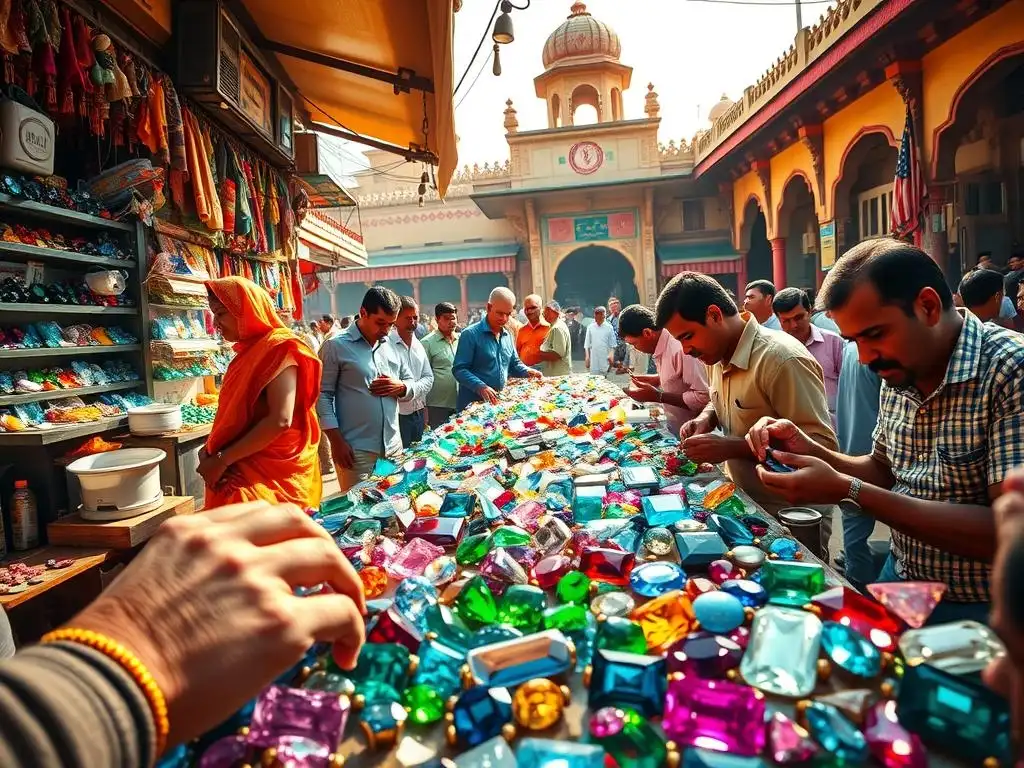
Welcome to Ancient India History, where we delve into the captivating tapestry of India's rich heritage! In this exploration, we’re uncovering the latest trends in the Indian gemstone market—a realm where artistry meets history. Have you ever wondered how the ancient techniques in gem cutting have shaped today's vibrant market? Join us as we unravel the intricate processes and timeless traditions that define the world of Indian gemstones. Prepare to be amazed and inspired as you journey through the dazzling landscape of history, culture, and craftsmanship that awaits you!
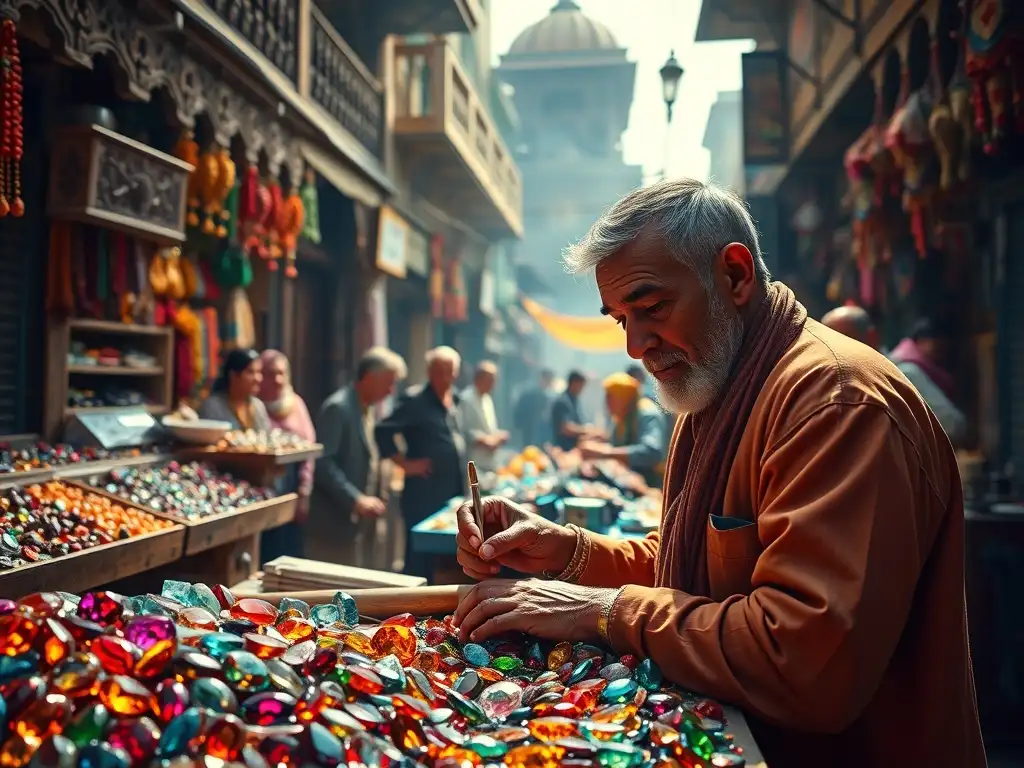
Introduction to the Indian Gemstone Market Trends
The Indian gemstone market is a vibrant tapestry woven from centuries of tradition, craftsmanship, and cultural significance. As one of the oldest centers for gem trading, India plays a pivotal role in the global gemstone industry, showcasing a rich variety of stones that reflect the country's diverse heritage. From the intricacies of the Indus Valley civilization, where gemstones were revered, to the flourishing trade routes of the Gupta Empire, the legacy of gem cutting and trading has evolved into a modern-day phenomenon.
In recent years, the Indian gemstone market has witnessed significant trends driven by both local and international demand. Factors such as increased consumer interest in sustainable and ethically sourced gemstones, advancements in technology, and the rise of online marketplaces are reshaping the landscape of this industry. As buyers seek unique and high-quality pieces, understanding the intricacies of gem cutting becomes essential for making informed purchasing decisions. This article delves into the essential elements one should consider when navigating the Indian gemstone markets, offering insights into the art of gem cutting and the nuances of gemstone quality.
Understanding Gemstone Quality: Key Factors to Consider
When it comes to the Indian gemstone market, the quality of gemstones is paramount. Buyers should be well-informed about the various factors that contribute to a gemstone's value and appeal. Understanding these elements not only enhances the purchasing experience but also fosters appreciation for the artistry involved in gem cutting. Here are some key factors to consider:
The Four Cs of Gemstone Quality
- Cut: The cut of a gemstone refers to how well it has been shaped and faceted. A well-cut stone reflects light beautifully, enhancing its brilliance and overall aesthetic appeal.
- Color: The color of a gemstone greatly influences its value. Gemstones come in a variety of hues, and certain shades are more sought after than others. For instance, a rich blue sapphire is often more valuable than a lighter shade.
- Clarity: Clarity refers to the presence of inclusions or blemishes in a gemstone. Stones that are free from imperfections are typically more valuable, as they offer a clearer and more stunning appearance.
- Carat Weight: The carat weight of a gemstone is a measure of its size. Generally, larger gemstones are rarer and therefore more valuable, but this is also dependent on the other Cs.
Regional Variations in Gemstone Quality
India is home to numerous regions renowned for their specific gemstones and cutting styles. Understanding these regional variations can aid buyers in identifying quality stones and appreciating the unique characteristics of each market.
- Jaipur: Known as the "Gem City of India," Jaipur specializes in colored stones like rubies, emeralds, and sapphires. The craftsmanship here is exceptional, with a focus on traditional faceting techniques.
- Surat: This city is famous for diamond cutting and processing. Surat is known for its high-quality diamonds, often exported worldwide, reflecting contemporary cutting technology.
- Bangalore: Bangalore is a hub for both gemstones and jewelry, with a growing focus on innovative designs and ethical sourcing practices.
By exploring these regional markets, buyers can find a diverse array of gemstones, each with its unique story and quality attributes, making the experience of purchasing gemstones in India both enriching and exciting.
Popular Gemstones in the Indian Market
India has a rich tradition of gemstone trading, with its markets offering an array of exquisite stones renowned for their beauty and cultural significance. The popularity of gemstones in India can be traced back to ancient times when they were used not only as adornments but also for their purported mystical properties. Some of the most sought-after gemstones in the Indian market include:
- Diamonds: Often referred to as the "king of gemstones," Indian diamonds, particularly those from the mines of Panna and the Golconda region, are highly valued for their clarity and brilliance.
- Emeralds: Known for their vibrant green color, Indian emeralds, especially those from the Zambian and Colombian origins, are favored for their quality and affordability.
- Rubies: Indian rubies, particularly from the Kashmir region, are prized for their deep red hues and exceptional clarity, making them a popular choice for fine jewelry.
- Sapphires: Blue sapphires, predominantly sourced from Sri Lanka, have gained immense popularity in India due to their striking appearance and association with astrological beliefs.
- Topaz: Available in various colors, Indian topaz is a versatile gemstone that appeals to many buyers for its affordability and beauty.
These gemstones not only reflect the artistic heritage of India but also cater to contemporary tastes, making them central to the Indian gemstone market trends.
Top Gemstones to Buy in India
When exploring the Indian gemstone market, certain gemstones stand out as must-buys due to their quality, significance, and market trends. Here are the top gemstones to consider:
- Diamond: With a variety of cuts and settings, diamonds remain a timeless investment and a symbol of luxury.
- Emerald: Often associated with success and prosperity, emeralds are particularly popular among those who believe in astrology.
- Ruby: Known for its passionate red color, rubies are often sought after for engagement rings and heirloom pieces.
- Blue Sapphire: This gemstone is revered in Indian culture for its healing properties and is often recommended by astrologers.
- Garnet: A lesser-known but beautiful gemstone, garnets are available in various colors and are gaining popularity due to their uniqueness.
Investing in these gemstones not only enhances one's jewelry collection but also aligns with the current trends in the Indian gemstone market, which emphasize both aesthetics and astrological significance.
The Art of Gem Cutting: Techniques and Tools
Gem cutting is a skilled art that transforms rough stones into dazzling gems ready for adornment. The process involves various techniques and tools that enhance the gemstone's natural beauty while maximizing its brilliance and clarity. An understanding of these techniques and tools is essential for both buyers and aspiring gem cutters.
Traditional vs. Modern Gem Cutting Techniques
The evolution of gem cutting techniques reflects the technological advancements and artistic expressions of different eras.
- Traditional Techniques:
- Cabochon Cutting: This technique involves shaping the gemstone into a smooth, rounded form without facets. It is commonly used for softer stones like turquoise and opal.
- Faceting: This traditional method uses precise angles to create flat surfaces, maximizing light reflection. It has been practiced for centuries and is still widely used for diamonds and other precious stones.
- Modern Techniques:
- Laser Cutting: With the advent of technology, laser cutting has revolutionized the gem cutting industry. This technique allows for greater precision and can create intricate designs that were previously unattainable.
- Computer-Aided Design (CAD): Modern gem cutters use CAD software to design and visualize their creations, allowing for more innovative shapes and styles.
Both traditional and modern techniques have their place in the Indian gemstone market, catering to different consumer preferences and trends.
Essential Tools for Gem Cutters
Gem cutters rely on a variety of specialized tools to achieve the perfect cut. Here are some essential tools commonly used in the industry:
- Gem Saw: A precision tool used to cut rough stones into manageable pieces.
- Grinding Wheel: Utilized for shaping and smoothing the gemstone.
- Polishing Machine: Essential for giving the final shine to the gem, enhancing its brilliance and visual appeal.
- Facet Machine: A specialized tool that allows for the precise cutting of facets on stones, particularly useful for diamonds and sapphires.
- Magnifying Glass: Used to inspect the gemstone during the cutting process, ensuring accuracy and quality.
Understanding these tools and techniques not only enhances the appreciation of gemstones but also informs buyers about the craftsmanship involved in creating stunning pieces. As the Indian gemstone market continues to evolve, the blend of traditional artistry and modern technology will likely shape its future trends.
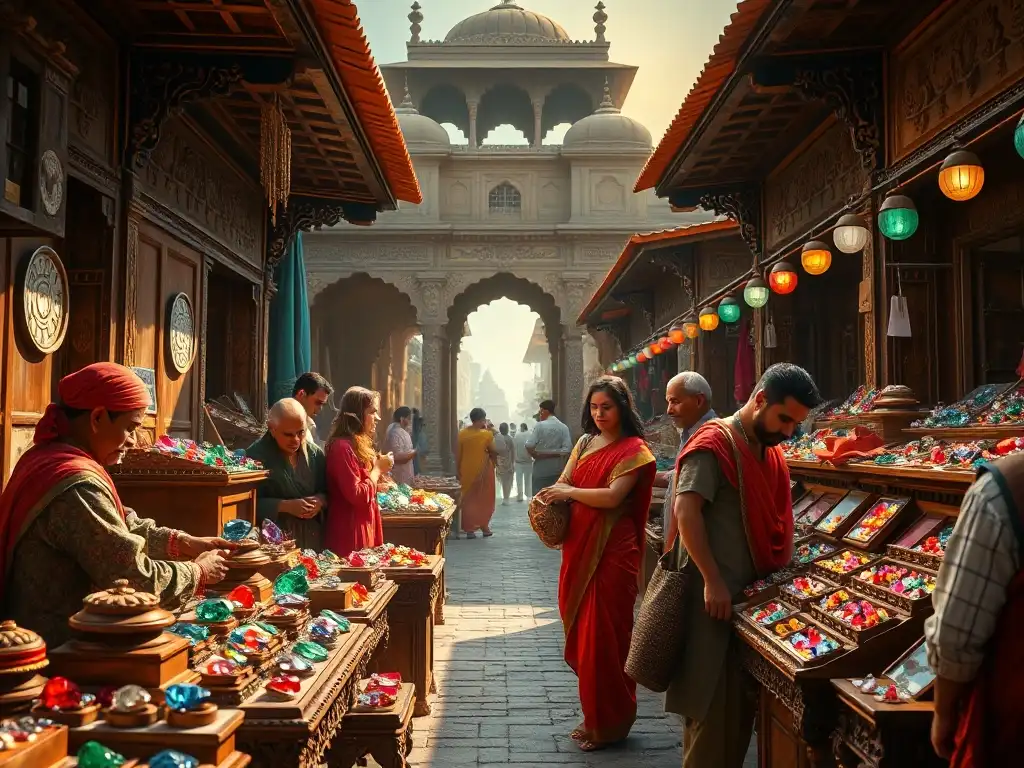
Navigating the vibrant and bustling Indian gemstone markets can be both an exhilarating and overwhelming experience. With a rich history of gemstone trade dating back thousands of years, India boasts a myriad of markets where buyers can find a dazzling array of gemstones, each with its unique charm and significance.
When exploring these markets, it's essential to familiarize oneself with the local customs and practices. Bargaining is a common practice, and understanding the cultural nuances can greatly enhance your shopping experience. Additionally, it's advisable to visit multiple vendors to gauge quality and price, as there can be significant variation between sellers.
Furthermore, being well-informed about the types of gemstones available, their origins, and their market values can empower buyers to make educated decisions. Whether you're a seasoned collector or a first-time buyer, taking the time to research and navigate these markets can lead to some incredible finds.
Best Gemstone Markets in India
-
Jaipur
Known as the "Pink City," Jaipur is renowned for its exquisite gemstones, especially colored stones such as rubies, sapphires, and emeralds. The Johari Bazaar is a must-visit for gem enthusiasts, offering a plethora of shops specializing in both loose stones and jewelry.
-
Delhi
The capital city hosts several gemstone markets, with Chandni Chowk being one of the most famous. Here, you can find a diverse range of gemstones at competitive prices, along with traditional jewelry designs that reflect India's rich heritage.
-
Bangkok
While technically not in India, Bangkok is a pivotal hub for Indian gem traders. Many Indian gem merchants frequent the Gem and Jewelry Fair held in Bangkok, making it a significant market for sourcing high-quality gemstones.
-
Surat
Known for its diamond cutting and polishing industry, Surat is a key player in the Indian gemstone market. The city is home to numerous diamond traders and manufacturers, offering a unique opportunity to purchase high-quality diamonds directly from the source.
-
Hyderabad
Famous for its pearls and colorful gemstones, Hyderabad's markets, such as Laad Bazaar, are ideal for those looking to buy traditional Indian jewelry adorned with exquisite stones.
Tips for Buying Gemstones in Indian Markets
- Educate Yourself: Before entering the market, familiarize yourself with the different types of gemstones, their qualities, and price ranges. This knowledge will help you identify good deals and avoid overpriced stones.
- Check Certifications: Always ask for certification from recognized gemological laboratories for high-value purchases. This documentation provides assurance regarding the authenticity and quality of the gemstone.
- Inspect the Gemstone: Look closely at the gemstone for any inclusions, color variations, and overall quality. The brilliance and clarity of the stone can significantly impact its value.
- Bargain Wisely: Don't hesitate to negotiate the price. Bargaining is a customary practice in Indian markets, and being respectful and well-informed can lead to better deals.
- Buy from Reputable Sellers: Seek out established sellers with a good reputation within the market. Customer reviews and word-of-mouth recommendations can guide you towards trustworthy vendors.
Understanding Market Trends and Future Predictions
The Indian gemstone market is continuously evolving, influenced by global demand, technological advancements, and shifting consumer preferences. Understanding these trends is crucial for buyers and investors alike, as they provide insights into the future of gemstone trading in India.
Current Trends in Indian Gemstone Markets
- Sustainable Sourcing: There is a growing trend towards ethically sourced gemstones, with consumers increasingly valuing sustainability and transparency in the supply chain. Many Indian jewelers are now focusing on eco-friendly practices in their sourcing and production processes.
- Online Marketplaces: The rise of e-commerce has significantly impacted the gemstone market, with many buyers opting for online purchases. This trend has expanded the reach of Indian gemstones to a global audience, allowing sellers to showcase their products through digital platforms.
- Customization and Personalization: Consumers are showing a preference for customized jewelry pieces that reflect their personal style and stories. Gemstone vendors are responding by offering bespoke services, allowing buyers to create unique jewelry tailored to their preferences.
Future Predictions for Indian Gemstone Market Trends
- Technological Integration: The future of the Indian gemstone market is likely to see enhanced integration of technology, including virtual reality and augmented reality, to provide immersive shopping experiences. This innovation may allow customers to visualize how gemstones will look in jewelry before making a purchase.
- Growth in International Trade: As globalization continues to shape markets, Indian gemstones are expected to gain even more traction in international markets. The potential for export growth presents opportunities for Indian gem traders to expand their reach beyond traditional boundaries.
- Rising Demand for Colored Gemstones: With an increasing appreciation for unique and vibrant colored gemstones, such as tanzanite and aquamarine, the market is likely to see a surge in demand for these stones. This trend may lead to an increase in mining and sourcing efforts for rare colored gemstones.
Understanding the dynamics of the Indian gemstone markets, including current trends and future predictions, is essential for making informed purchasing decisions. As the market continues to evolve, staying ahead of these trends will enable buyers to navigate the vibrant landscape of Indian gemstones with confidence.
Conclusion: Embracing the Legacy of Indian Gem Cutting
The art of gem cutting in India is not merely a craft; it is a heritage that has been meticulously honed over centuries. Rooted in ancient traditions, each gemstone tells a story, reflecting the rich cultural history and artistry of Indian civilization. From the precision of lapidary techniques to the intricate designs that adorn pieces of jewelry, Indian gem cutters have mastered the ability to enhance the natural beauty of stones, transforming them into exquisite works of art.
As consumers increasingly seek authenticity and quality in their purchases, understanding the nuances of the Indian gemstone market becomes essential. The trends indicate a growing appreciation for ethically sourced gems and artisanal craftsmanship, aligning with global movements towards sustainable and responsible consumerism. By embracing these values, buyers not only support local artisans but also contribute to the preservation of this ancient art form.
Exploring the Indian gemstone market offers a unique opportunity to appreciate the profound legacy of gem cutting in India. With a focus on quality, ethics, and artistry, consumers can find joy not just in the beauty of gemstones, but also in the cultural significance they embody.
Call to Action
Are you ready to delve into the vibrant world of Indian gemstones? Whether you're a collector, a jewelry enthusiast, or simply curious about the art of gem cutting, now is the perfect time to explore the diverse offerings available in the Indian gemstone markets.
- Visit your local gem shops or markets to experience firsthand the stunning variety of stones and the expertise of artisans.
- Attend gemstone exhibitions and fairs to learn more about the latest trends and engage with industry experts.
- Educate yourself further on the significance of different gemstones and the cutting techniques used to create them.
By participating in the Indian gemstone market, you not only enrich your own collection but also help preserve a timeless tradition. Join the movement towards appreciating and supporting the legacy of Indian gem cutting today! 🌟
- Introduction to the Indian Gemstone Market Trends
- Understanding Gemstone Quality: Key Factors to Consider
- Popular Gemstones in the Indian Market
- The Art of Gem Cutting: Techniques and Tools
- Navigating the Indian Gemstone Markets
- Understanding Market Trends and Future Predictions
- Conclusion: Embracing the Legacy of Indian Gem Cutting
- Call to Action
- What are the current trends in the Indian gemstone market?
- How does the art of gem cutting impact the value of gemstones?
- What should buyers consider when purchasing gemstones in Indian markets?
- Are there specific gemstones that are trending in India?
- How does the cultural significance of gemstones influence their market?
Frequently Asked Questions
What are the current trends in the Indian gemstone market?
The Indian gemstone market is witnessing a surge in demand for sustainable and ethically sourced gemstones, alongside a growing interest in unique and custom-cut stones.
How does the art of gem cutting impact the value of gemstones?
The art of gem cutting significantly enhances a gemstone's brilliance and visual appeal, directly affecting its market value and desirability among buyers.
What should buyers consider when purchasing gemstones in Indian markets?
Buyers should prioritize certification of authenticity, understand cut quality, and be aware of the stone's origin and treatments to ensure they make informed purchases.
Are there specific gemstones that are trending in India?
Yes, colored gemstones like sapphires, rubies, and emeralds are increasingly popular, with a notable rise in interest in semi-precious stones such as amethyst and topaz.
How does the cultural significance of gemstones influence their market?
In Indian culture, gemstones are often associated with astrology and spirituality, which drives their demand, particularly for birthstones and astrological remedies.
Final Reflection: Embracing the Beauty of Indian Gemstone Markets
The allure of the Indian gemstone market is not just in its vibrant colors and exquisite cuts, but in its rich cultural heritage and evolving trends. As we navigate through the complexities of modern commerce and consumer preferences, understanding the nuances of gem cutting and market dynamics becomes increasingly vital. The craftsmanship involved in gem cutting reflects not only skill but also the deep-rooted traditions that have shaped this industry for centuries.
The Indian gemstone market is a living tapestry of culture, artistry, and innovation that continues to influence global trends. From the intricate designs of traditional cuts to the contemporary styles that cater to modern tastes, the evolution of this market is a testament to adaptability and creativity. As the renowned gemologist GIA states, The beauty of a gemstone lies not just in its appearance, but in the story it tells.
This sentiment resonates deeply within the Indian gemstone market, where each stone carries a narrative of its origin, craftsmanship, and the hands that shaped it.
As you reflect on the insights shared in this article, consider how you can apply this knowledge to your own experiences, whether you're a collector, a buyer, or simply an admirer of these natural wonders. Take a moment to appreciate the artistry behind each gemstone and the cultural significance it holds. Let this understanding inspire you to explore the Indian gemstone market with a discerning eye and an open heart, recognizing that each piece is not just a product, but a celebration of heritage and human creativity.
Unveil the Beauty of Gem Cutting Today!
Thank you for exploring the fascinating world of gem cutting in India's vibrant markets! We hope you’ve gained insights that inspire you to appreciate the artistry and skill involved in this timeless craft. Now, let’s take your interest to the next level with some actionable steps!
- Dive Deeper into gem cutting techniques by researching online tutorials or attending a local workshop to enhance your knowledge.
- Visit Your Local Gemstone Market or shop online to explore a variety of gemstones and witness firsthand the stunning beauty discussed in this article.
- Share Your Discoveries with friends or on social media; ignite a conversation about your favorite gemstone and its unique attributes!
Which gemstone speaks to you the most, and how do you see its beauty reflected in your everyday life?