
Ashoka the Great: A Pioneer of Environmental Stewardship


Welcome to Ancient India History, where we embark on a captivating journey through the rich tapestry of India's past. Today, we delve into the remarkable story of Ashoka the Great, a ruler whose environmental legacy continues to resonate through the ages. As a pioneer of environmental stewardship, Ashoka's contributions extend far beyond his reign, inviting us to explore the profound impact of ancient Indian civilizations on our world today.
Curious to discover how this illustrious emperor harmonized governance with nature? Join us as we unravel the threads of history and unveil the lessons that Ashoka has to offer in our ever-evolving relationship with the environment.
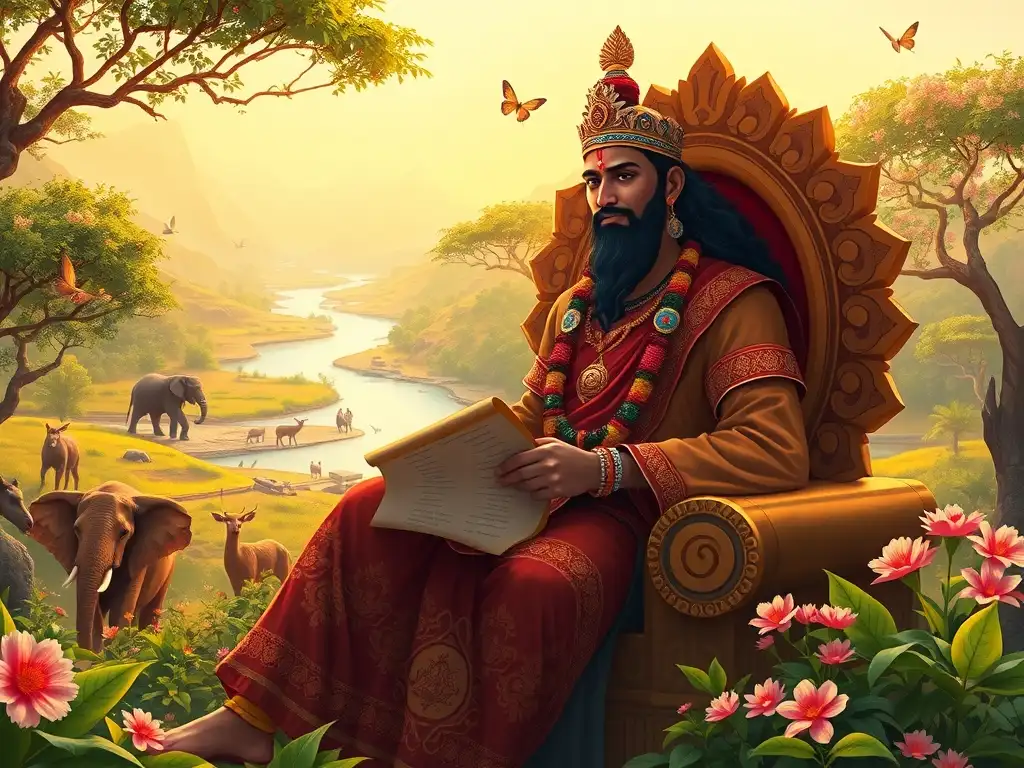
Introduction to Ashoka the Great
Ashoka the Great, one of the most revered emperors in Indian history, ruled during the 3rd century BCE and is widely celebrated for his remarkable contributions to governance and society. His reign is characterized by a transformative shift from a path of conquest to one of peace and compassion, profoundly influencing the cultural and ethical landscape of ancient India.
While Ashoka is often remembered for his promotion of Buddhism and moral governance, his environmental legacy is a critical aspect that warrants exploration. As we delve into Ashoka's environmental stewardship, we uncover how his policies and philosophies promoted the conservation of nature and the sustainable use of resources, making him a pioneer in environmental consciousness long before the modern era.
Overview of Ashoka's Reign and Influence
Ashoka ascended to the throne of the Maurya Empire around 268 BCE, following a period marked by military conquests and territorial expansion. However, after witnessing the devastation caused by the Kalinga War, he underwent a profound transformation. This pivotal moment led him to embrace the principles of non-violence, compassion, and ethical governance. Ashoka became a proponent of Dharma, emphasizing moral values and the welfare of all beings. His reign is notable not only for its political achievements but also for his efforts to unify diverse cultures and religions under a common ethical framework.
Importance of Environmental Stewardship in Ancient India
In ancient India, the relationship between humans and nature was deeply ingrained in cultural and spiritual beliefs. The concept of environmental stewardship was not merely a practical necessity but also a moral obligation. Ancient texts and traditions often emphasized the interconnectedness of all life forms and the responsibility of individuals to protect and preserve their surroundings. Ashoka's recognition of this principle aligned with the broader ethos of ancient Indian civilization, where nature was revered and seen as a source of sustenance and spiritual enrichment.
Ashoka the Great's Environmental Legacy
Ashoka's environmental legacy is particularly significant, as it reflects his commitment to sustainable practices and the well-being of future generations. His approach to governance included a profound understanding of the ecological challenges of his time, and he implemented policies aimed at promoting environmental health.
The Concept of Environmental Stewardship in Ashoka's Time
During Ashoka's reign, environmental stewardship was not merely a theoretical concept but a practical mandate. The emperor understood that the prosperity of his empire depended on the health of its natural resources. He promoted the sustainable use of forests, water bodies, and wildlife, recognizing their intrinsic value to society. This holistic approach laid the groundwork for a governance model that prioritized ecological balance and sustainability, echoing the principles of stewardship that resonate today.
Ashoka's Edicts and Their Environmental Implications
One of the most enduring aspects of Ashoka's legacy is his edicts, inscribed on pillars and rocks throughout his empire. These edicts contained directives that emphasized the importance of protecting flora and fauna, as well as the need for compassion towards all living beings. For instance, one of his edicts explicitly prohibited the killing of certain animals and encouraged the planting of trees along roads to provide shade and sustenance for travelers. This proactive stance on environmental issues illustrates Ashoka's visionary approach to governance and his understanding of the interconnectedness of life.
Preservation of Natural Resources in Ashoka's Era
Under Ashoka's rule, significant efforts were made to preserve natural resources. The establishment of protected areas for wildlife and the promotion of afforestation initiatives were key components of his environmental strategy. Ashoka recognized that the degradation of natural habitats could lead to dire consequences for his empire. By safeguarding these resources, he ensured the sustainability of agriculture, which was vital for the economy and the well-being of his subjects. His commitment to conservation laid the foundation for future generations to appreciate and protect the environment, establishing a legacy that continues to inspire discussions on environmental stewardship today.
Key Initiatives for Environmental Protection
Ashoka the Great, the third Mauryan emperor who reigned from approximately 268 to 232 BCE, is renowned not only for his expansive empire but also for his notable contributions to environmental stewardship. Under his rule, various initiatives were implemented that aimed at protecting and preserving the natural environment. These initiatives were rooted in his deep understanding of the interconnectedness of life and the need for harmony between humans and nature.
One of the significant aspects of Ashoka's environmental legacy was his emphasis on conservation practices that ensured the survival of various species and their habitats. Through a series of edicts inscribed on pillars and rocks across the empire, he advocated for sustainable practices that sought to maintain ecological balance. Ashoka's policies reflect an early recognition of the importance of environmental health, which resonates with contemporary discussions on sustainability.
Promoting Fauna and Flora Conservation
Ashoka initiated several measures aimed at conserving both fauna and flora. He recognized the critical role animals and plants play in maintaining ecological balance and ensured their protection through legal and social reforms. One of his notable edicts explicitly stated that hunting was to be restricted in certain areas, especially during breeding seasons. This helped in the replenishment of animal populations and protected endangered species.
Furthermore, Ashoka promoted the planting of trees along roads and in public spaces, which not only provided shade and beauty but also contributed to biodiversity. The establishment of medicinal gardens was another key initiative, where plants with therapeutic properties were cultivated to support the health of his subjects. This holistic approach to conservation underscored his commitment to environmental sustainability and public health.
Establishment of Protected Areas and Sacred Groves
In a groundbreaking move for his time, Ashoka established protected areas and sacred groves, which served as sanctuaries for wildlife and plant life. These areas were designated as off-limits to exploitation, allowing ecosystems to thrive without human interference. Ashoka's edicts encouraged the preservation of these groves, which were often associated with religious and cultural significance, creating a dual purpose of spiritual and ecological conservation.
The concept of sacred groves is still prevalent in various cultures today, demonstrating Ashoka's forward-thinking approach to environmental protection. By intertwining ecological conservation with spiritual beliefs, he fostered a sense of reverence for nature among his subjects, promoting an enduring legacy of environmental stewardship.
Water Management Practices and Their Impact
Water management was another critical area where Ashoka made significant strides. He recognized the importance of water resources for agriculture and sustenance. Under his reign, sophisticated irrigation systems were developed, including the construction of dams and reservoirs that optimized water use for farming. This not only enhanced agricultural productivity but also ensured that communities had access to reliable water supplies.
Moreover, Ashoka’s emphasis on the ethical treatment of water sources highlighted his understanding of sustainable practices. He encouraged the maintenance of rivers and lakes, advocating against pollution and promoting clean water initiatives. This foresight in water management had lasting impacts on the agricultural landscape of ancient India, ensuring food security and community health.
The Role of Buddhism in Ashoka’s Environmental Philosophy
Buddhism played a pivotal role in shaping Ashoka’s environmental philosophy. As a devout follower of Buddhism, he integrated its tenets into his governance and societal practices, reflecting a profound understanding of the interconnectedness of all life forms. His commitment to Buddhist principles informed his approach to environmental stewardship, where compassion and respect for all living beings became foundational elements of his policies.
Connection Between Buddhism and Environmental Ethics
The ethical framework of Buddhism emphasizes compassion for all living beings and respect for the natural world. Ashoka’s conversion to Buddhism catalyzed a transformation in his governance, where he began to see the environment not merely as a resource to be exploited but as a sacred entity deserving of protection. This perspective fostered an ethos of environmental ethics that permeated his rule.
Through his edicts, Ashoka communicated the importance of living harmoniously with nature, urging his subjects to adopt practices that would protect and sustain the environment. The Buddhist principle of interconnectedness resonated in his call for sustainable practices, reinforcing the idea that the health of the environment is intrinsically linked to human well-being.
Ashoka’s Promotion of Ahimsa and Its Environmental Significance
One of the cornerstones of Ashoka’s rule was the principle of Ahimsa, or non-violence. He extended this concept beyond human interactions to encompass all living beings, advocating for the protection of animals and plants. By promoting Ahimsa, Ashoka encouraged an ethical lifestyle that prioritized the well-being of both the environment and its inhabitants.
This commitment to non-violence translated into practical policies aimed at reducing harm to the environment. Ashoka’s approach discouraged over-exploitation of natural resources and emphasized the need for sustainable practices. His promotion of Ahimsa is thus a significant component of his environmental legacy, highlighting the moral obligation to protect the earth and its ecosystems for future generations.
Comparative Analysis of Ashoka's Environmental Policies
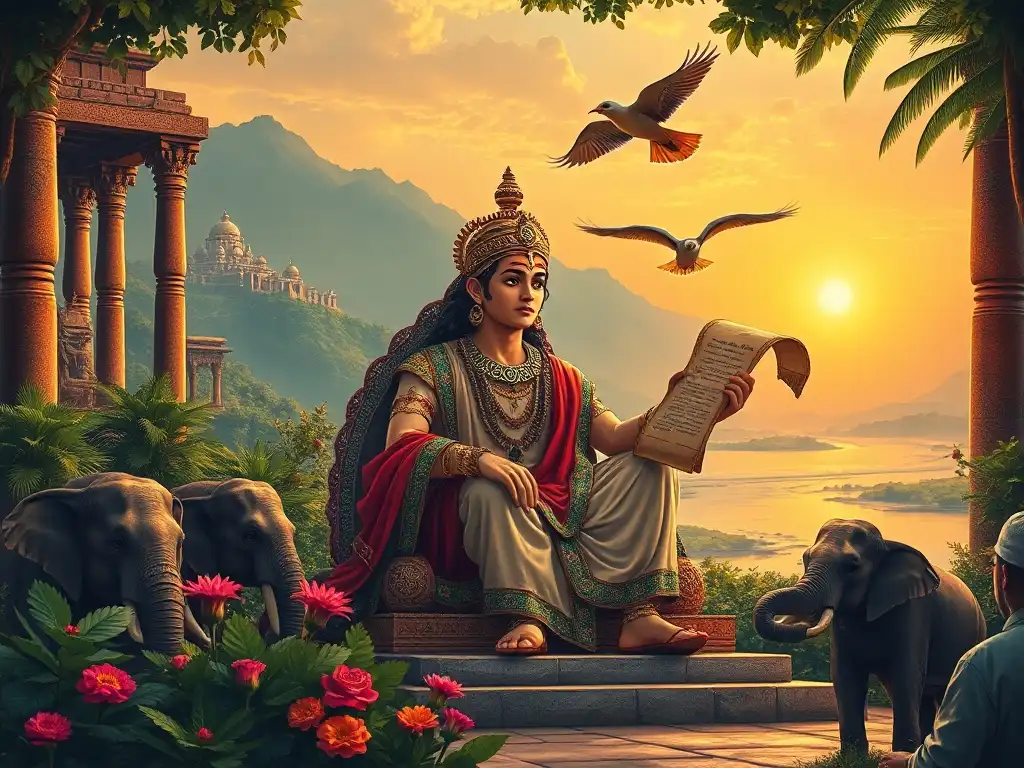
Ashoka the Great, renowned for his transformative reign in the 3rd century BCE, is celebrated not only for his military conquests and spread of Buddhism but also for his groundbreaking environmental policies. His approach to governance was deeply intertwined with a philosophy of respect for nature, which set him apart from many contemporary rulers. Unlike the prevalent attitudes of his time, which often prioritized expansion and economic gain, Ashoka implemented a series of reforms aimed at promoting ecological balance and sustainability.
One of the key features of Ashoka's environmental policy was the establishment of protected areas. He designated vast regions as wildlife sanctuaries, allowing flora and fauna to thrive without human interference. This initiative not only preserved biodiversity but also underscored his belief that humans should coexist harmoniously with nature. Additionally, Ashoka's edicts emphasized the importance of reforestation and the planting of trees along roads and in public spaces, which improved air quality and provided shade for travelers.
In contrast, other ancient rulers often viewed nature as a resource to be exploited. For example, the Persian Empire under Darius I focused on extensive agricultural projects that led to deforestation and soil degradation. Ashoka's policies, therefore, represent a pioneering shift towards environmental stewardship, demonstrating a holistic understanding of governance that included ecological considerations.
Ashoka vs. Other Ancient Rulers in Environmental Stewardship
While many ancient rulers engaged in large-scale construction and urbanization, often at the expense of the environment, Ashoka's reign is characterized by a commitment to sustainable practices. Unlike emperors such as Qin Shi Huang of China, who centralized power and exploited natural resources for monumental projects like the Great Wall, Ashoka advocated for the protection of natural habitats. His edicts reflect a rare sensitivity to environmental issues, emphasizing the need for compassion towards all living beings.
Moreover, Ashoka's policies were not merely symbolic; they were institutionalized through a series of formal edicts and laws that governed the treatment of animals and the conservation of natural resources. For instance, he banned the hunting of certain species and implemented regulations to protect forests. In contrast, rulers like Alexander the Great focused primarily on military dominance, often disregarding the ecological ramifications of their campaigns.
Ashoka's approach to environmental stewardship was revolutionary for his time, showcasing a progressive mindset that recognized the intrinsic value of nature. His legacy serves as a stark reminder of the importance of integrating ecological considerations into governance, a lesson that remains relevant today.
Lessons from Ashoka's Approach to Sustainable Governance
Ashoka's emphasis on environmental stewardship offers several valuable lessons for contemporary governance. His holistic vision of leadership illustrated that the well-being of a nation is intrinsically linked to the health of its environment. By prioritizing ecological balance, modern leaders could foster sustainable development that benefits both society and the environment.
One crucial lesson from Ashoka's approach is the importance of public awareness and education regarding environmental issues. He utilized his edicts, inscribed on rocks and pillars, to communicate his values and policies to the public, promoting a culture of respect for nature. This highlights the role of effective communication in fostering a collective responsibility towards environmental conservation.
Furthermore, Ashoka's integration of ethical governance and environmental responsibility serves as a model for contemporary leaders. His policies reflect a deep understanding of the interconnectedness of all life, urging us to reconsider our relationship with the environment and adopt practices that promote sustainability.
Legacy of Ashoka the Great’s Environmental Stewardship
Ashoka the Great's environmental legacy extends beyond his reign, influencing subsequent generations and shaping the discourse on ecological responsibility in India and beyond. His pioneering initiatives laid the groundwork for a cultural ethos that recognizes the significance of preserving nature.
Impact on Subsequent Indian Dynasties
The impact of Ashoka’s environmental policies can be traced through various Indian dynasties that followed. The Gupta Empire, for instance, adopted some of Ashoka's principles, promoting the importance of green spaces and conservation efforts. Historical texts from this period reflect a continued emphasis on the protection of flora and fauna, indicating that Ashoka’s lessons were influential in shaping the governance of future rulers.
Additionally, Ashoka’s commitment to non-violence and compassion towards living beings resonated with subsequent Buddhist rulers, who often integrated environmental stewardship into their governance. This enduring legacy is evident in the continued reverence for nature found in Indian cultural and religious practices, which echo Ashoka's vision.
Contemporary Relevance of Ashoka's Environmental Legacy
In today's context, Ashoka the Great’s environmental legacy is more relevant than ever. With the increasing challenges posed by climate change, deforestation, and biodiversity loss, his approach to sustainable governance offers a blueprint for contemporary leaders. Ashoka’s recognition of the intrinsic value of nature and the need for compassionate stewardship serves as a guiding principle for modern environmental policies.
Moreover, Ashoka's emphasis on education and public engagement in environmental issues is a crucial aspect that resonates with current global movements advocating for sustainability. As nations grapple with the consequences of environmental degradation, revisiting Ashoka’s principles can inspire innovative policies that promote ecological balance and social well-being.
Ashoka the Great's environmental legacy stands as a testament to the potential of governance that prioritizes harmony between humanity and nature. His visionary policies and ethical approach to leadership continue to inspire contemporary efforts towards creating a sustainable future.
Conclusion
Ashoka the Great stands as a monumental figure not only in the realm of ancient Indian history but also in the broader context of environmental stewardship. His reign marked a significant departure from conventional imperial pursuits, prioritizing the well-being of the natural world alongside societal welfare. Through his policies and personal ethos, Ashoka demonstrated a profound understanding of the interconnectedness between humanity and the environment, laying the groundwork for sustainable practices that resonate even in contemporary discussions on ecology.
Summary of Ashoka’s Contributions to Environmental Stewardship
Ashoka’s environmental legacy is encapsulated in several key contributions that highlight his innovative approach:
- Promotion of Non-Violence and Compassion: Ashoka’s conversion to Buddhism deeply influenced his views on nature and life. He advocated for non-violence (ahimsa), which extended beyond human interactions to encompass all living beings, advocating for the protection of flora and fauna.
- Edicts on Wildlife Preservation: His rock edicts explicitly addressed the need to protect wildlife and their habitats. He prohibited the killing of certain animals and established sanctuaries, emphasizing the importance of biodiversity.
- Afforestation Initiatives: Ashoka recognized the significance of forests for maintaining ecological balance. He implemented large-scale afforestation programs, encouraging the planting of trees and the preservation of existing forests, which contributed to soil conservation and climate regulation.
- Water Management Systems: His reign saw advancements in water conservation techniques, including the construction of wells, ponds, and irrigation systems. These efforts not only supported agriculture but also ensured a sustainable water supply for future generations.
- Cultural and Religious Integration: By promoting environmental awareness through Buddhist teachings, Ashoka fostered a cultural respect for nature. His efforts to integrate environmental stewardship into religious practices encouraged subsequent generations to value and protect their natural surroundings.
Final Thoughts on the Importance of Learning from Ashoka the Great’s Environmental Legacy
Learning from Ashoka the Great’s environmental legacy is crucial in today's context, where environmental challenges such as climate change, deforestation, and biodiversity loss are at the forefront of global concerns. His holistic vision presents a model for integrating ecological awareness within governance and daily living.
Ashoka’s principles of compassion towards all living beings and his proactive approach to environmental conservation serve as a reminder that leadership should encompass the stewardship of nature. By reflecting on his legacy, modern societies can draw valuable lessons on sustainable practices and the importance of nurturing our environment for future generations.
In essence, Ashoka the Great's environmental legacy not only enriches our understanding of ancient Indian civilization but also provides timeless guidance for fostering a harmonious relationship between humanity and the natural world. Embracing his values can inspire contemporary efforts aimed at achieving ecological balance and sustainability.
- Introduction to Ashoka the Great
- Ashoka the Great's Environmental Legacy
- Key Initiatives for Environmental Protection
- The Role of Buddhism in Ashoka’s Environmental Philosophy
- Comparative Analysis of Ashoka's Environmental Policies
- Legacy of Ashoka the Great’s Environmental Stewardship
- Conclusion
- What were Ashoka the Great's contributions to environmental stewardship?
- How did Ashoka's policies impact ancient Indian society?
- What is the significance of Ashoka's edicts regarding the environment?
- How did Ashoka's reign influence future generations regarding environmental issues?
- What lessons can we learn from Ashoka the Great's environmental legacy today?
Frequently Asked Questions
What were Ashoka the Great's contributions to environmental stewardship?
Ashoka the Great is known for promoting sustainable practices and forest conservation during his reign. He established edicts that emphasized the protection of wildlife and natural resources.
How did Ashoka's policies impact ancient Indian society?
His policies encouraged a shift towards non-violence and compassion for all living beings, fostering a more harmonious relationship between humans and the environment in ancient India.
What is the significance of Ashoka's edicts regarding the environment?
Ashoka's edicts are significant as they reflect his commitment to environmental ethics and public welfare, making him an early advocate for environmentalism in governance.
How did Ashoka's reign influence future generations regarding environmental issues?
Ashoka's emphasis on ecological balance and respect for nature has inspired future leaders and policies that prioritize sustainable development and environmental protection.
What lessons can we learn from Ashoka the Great's environmental legacy today?
Ashoka's legacy teaches us the importance of responsible stewardship of natural resources and the need for compassionate policies that promote ecological sustainability in modern governance.
Final Reflection: Embracing Ashoka's Environmental Legacy Today
Ashoka the Great's environmental legacy remains profoundly relevant in our contemporary world, where the urgency of ecological preservation is more pressing than ever. His pioneering approach to stewardship not only transformed the landscape of ancient India but also serves as a timeless reminder of our responsibility to protect the planet. As we grapple with climate change and environmental degradation, Ashoka's principles resonate with an undeniable clarity: sustainable practices are not just a choice but a necessity for future generations.
The influence of Ashoka's commitment to environmental stewardship continues to shape our cultural and social landscape. His emphasis on compassion and respect for all living beings has inspired countless movements advocating for ecological balance and conservation. As we witness a resurgence in environmental activism, we can draw parallels to Ashoka's vision of harmony between humanity and nature. The greatness of a nation and its moral progress can be judged by the way its animals are treated.
This quote encapsulates the essence of Ashoka's legacy, urging us to reflect on our own actions and their impact on the world around us.
As we contemplate the lessons from Ashoka the Great, let us take this opportunity to reflect on our individual roles in fostering a sustainable future. Consider how you can embody the principles of environmental stewardship in your daily life, whether through mindful consumption, supporting conservation efforts, or advocating for policies that protect our planet. Together, we can honor Ashoka's legacy by becoming champions of the environment, ensuring that his vision of a harmonious world continues to thrive for generations to come.
Embrace Ashoka's Legacy: Take Action for Our Planet!
Thank you for exploring the inspiring history of Ashoka the Great and his commitment to environmental stewardship. By understanding his values, you’ve gained a unique perspective on how we can all contribute to a healthier planet. Now, it's time to turn that inspiration into action!
Here are some actionable steps you can take today:
- Lead by Example: Initiate a local tree-planting project in your community or engage with existing environmental organizations. Your efforts can inspire others to join the cause!
- Spread the Word: Share this article with friends and family to raise awareness about Ashoka's vision for environmental responsibility.
- Connect and Collaborate: Participate in online forums or local clubs focused on sustainability and environmental advocacy to exchange ideas and solutions.
What unique action will you take today to honor Ashoka's legacy in your community? Share your thoughts and ideas below!