
The Impact of Climate on Ancient Indian Military Campaigns

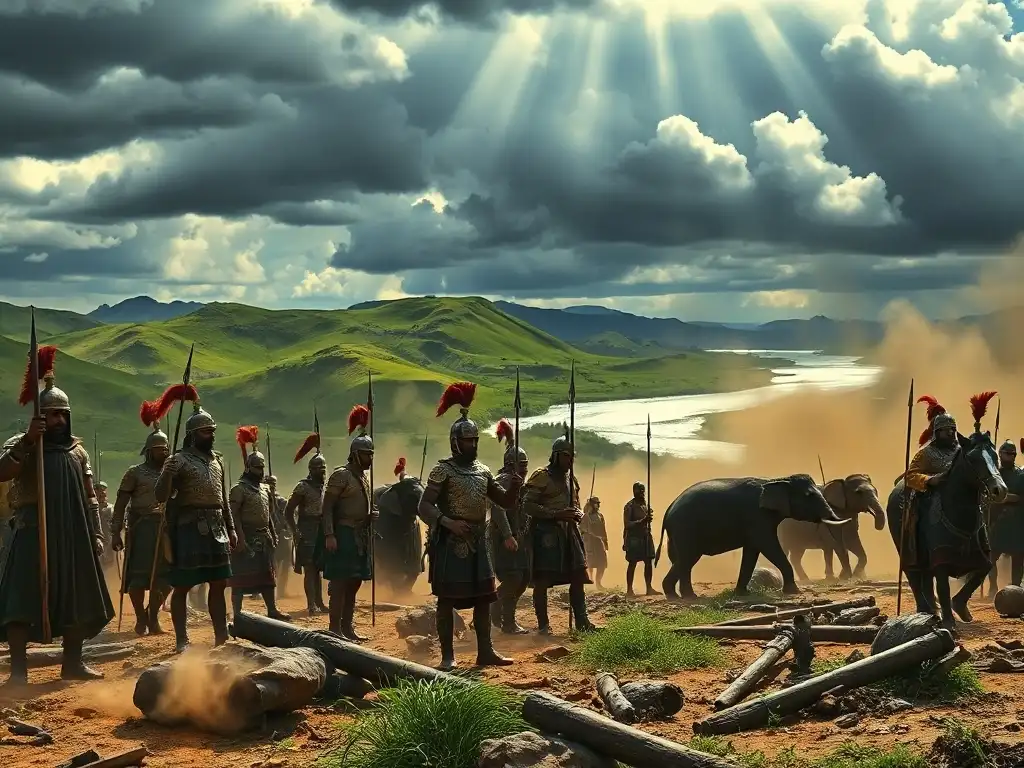
Welcome to Ancient India History, where we embark on an enthralling journey through the kaleidoscopic tapestry of ancient Indian civilizations. In our featured article, "The Impact of Climate on Ancient Indian Military Campaigns," we delve into the profound ways in which climate shaped the strategies, successes, and failures of military endeavors throughout history. What hidden connections between weather patterns and warfare might surprise you? Join us as we uncover these captivating narratives and more, inviting you to explore the intricate interplay of environment and culture that defined an era.

Introduction to Climate Effects on Ancient India
The history of ancient India is enriched with a tapestry of military campaigns that were profoundly influenced by the region's diverse climate and geography. From the strategic maneuvers during the Indus Valley Civilization to the campaigns of the Gupta Empire, climate effects on ancient India played a crucial role in shaping military decisions, logistics, and outcomes. Understanding how various climatic conditions impacted warfare can provide deeper insights into the successes and failures of ancient Indian military strategies. This exploration reveals the intricate relationship between environmental factors and military prowess, highlighting how leaders adapted to the challenges posed by nature.
Overview of Ancient Indian Military Strategies
Ancient Indian military strategies were not solely based on tactics and weaponry; they were intricately linked to the climate and terrain of the region. Military leaders often considered seasonal changes, monsoons, and temperature variations when planning their campaigns. For instance, the timing of battles was frequently aligned with the agricultural calendar, as successful campaigns depended on the availability of resources and troop movements. Additionally, the knowledge of local geography and climate allowed commanders to exploit enemy weaknesses, using environmental factors to their advantage.
Importance of Climate in Military Planning
The significance of climate in military planning cannot be overstated. Leaders had to account for:
- Monsoon Seasons: Critical for timing campaigns, as heavy rains could hinder troop movements.
- Temperature Fluctuations: Extreme heat or cold could affect the health and morale of soldiers.
- Geographical Features: Rivers, mountains, and forests influenced battle formations and strategies.
By understanding these factors, military planners could devise strategies that maximized their strengths while minimizing the impacts of adverse climate conditions.
Geographic and Climatic Diversity of Ancient India
Ancient India was characterized by a vast geographic expanse, encompassing a variety of climatic zones that shaped its military history. From the arid deserts of Rajasthan to the lush valleys of the Himalayas, the regional diversity played a pivotal role in determining the effectiveness of military campaigns.
Major Climate Zones in Ancient India
The major climate zones of ancient India included:
- Tropical Monsoon: Characterized by heavy rainfall, this zone influenced agricultural cycles and military logistics.
- Arid and Semi-Arid: In regions like Rajasthan, the scarcity of water required unique strategies for troop sustenance.
- Temperate Climate: Areas such as the northern plains provided fertile grounds but also presented challenges during the monsoon season.
Understanding these climate zones was essential for ancient commanders to strategize effectively.
Influence of Geography on Military Campaigns
Geography significantly impacted military campaigns in ancient India. The interplay between climate and terrain created unique challenges:
- River Valleys: Acted as natural barriers and routes for invasion, necessitating strategic crossings and defenses.
- Mountain Ranges: Provided both refuge and obstacles, influencing troop movements and supply lines.
- Desert Regions: Required specialized tactics for navigation and resource management.
These geographic features, coupled with climatic conditions, shaped the outcomes of numerous battles and campaigns throughout ancient Indian history, underscoring the profound impact of climate on military endeavors.
Historical Context of Military Campaigns in Ancient India
The military history of ancient India is characterized by a series of campaigns shaped not only by political ambitions and territorial expansion but also significantly influenced by the region's diverse climatic conditions. The subcontinent's geography—ranging from the vast plains of the Indo-Gangetic region to the rugged mountains of the Himalayas—created varied environments that necessitated different military strategies.
Kingdoms such as the Mauryas, Guptas, and various regional powers engaged in numerous battles and conquests, often dictated by the seasons. The seasonal monsoons, dry spells, and the geographical diversity played crucial roles in determining the timing and success of military campaigns. Understanding this historical context sheds light on how ancient Indian rulers adapted their strategies to leverage or mitigate the effects of climate on warfare.
Notable Battles Influenced by Climate
Several key battles in ancient Indian history were profoundly impacted by climate conditions. For instance:
- Battle of the Hydaspes (326 BCE): Fought between Alexander the Great and King Porus, this battle took place during the monsoon season. The river, swollen by the rains, added a tactical layer to the conflict, impacting troop movements and strategies.
- The Kalinga War (261-260 BCE): Ashoka’s campaign against the Kalinga kingdom was influenced by the weather patterns of the region. The monsoon not only affected the logistics of troop movements but also the morale of soldiers, as heavy rains could lead to difficult conditions for warfare.
- Chola Expeditions (9th–13th centuries CE): The Chola dynasty’s naval expeditions were also shaped by the monsoon winds. The timing of these campaigns was crucial for successful sea travel and military engagement in Southeast Asia.
These examples illustrate how climate not only influenced the outcomes of battles but also shaped the military strategies of ancient Indian rulers.
Case Studies of Major Campaigns and Their Climate Challenges
- Mauryan Campaigns (322-185 BCE): The Mauryan Empire under Chandragupta Maurya faced numerous challenges related to the diverse climates of India. The empire's vast expanse meant that military leaders needed to account for varying weather patterns across regions, from the arid deserts of Rajasthan to the humid coasts of the Deccan.
- Gupta Empire (c. 240-550 CE): During the Gupta period, the military campaigns against the Huns were significantly affected by the climatic conditions. The seasonal shifts played a crucial role in determining troop readiness and supply lines, as the Huns often exploited the dry season for rapid movement.
- Rajput Battles (c. 6th-12th centuries CE): The Rajputs often engaged in battles during specific seasons to avoid the harsh summer heat or the torrential monsoons, which could bog down their cavalry and elephants, critical to their warfare tactics.
These case studies highlight the necessity for leaders to adapt their strategies based on climate, showcasing the interplay between environmental factors and military operations.
The Role of Monsoons in Ancient Indian Warfare
Monsoons, the seasonal winds that bring heavy rainfall, played an instrumental role in shaping military campaigns in ancient India. The onset and retreat of the monsoon season directly influenced agricultural cycles, troop mobility, and overall warfare strategies.
Understanding the dual nature of monsoons—both as a benefactor of agricultural abundance and a potential hindrance to military operations—is essential to grasp their impact on ancient Indian warfare.
Understanding the Monsoon Season
The monsoon season typically lasts from June to September in India, bringing significant rainfall that can transform the landscape. This annual climatic phenomenon is divided into two main phases: the southwest monsoon, which affects the majority of the country, and the retreating northeast monsoon. The timing and intensity of these rains could determine the operational capabilities of armies.
Military leaders had to be astute in their understanding of the monsoon's patterns to plan campaigns effectively. For instance, launching an offensive during the early monsoon could lead to logistical challenges, while timing an attack just after the rains could take advantage of softer ground conditions for troop movements.
Strategic Advantages and Disadvantages of Monsoon Timing
The timing of military campaigns in relation to the monsoon season offered both advantages and disadvantages:
- Advantages:
- Supply of Resources: The rains replenished water supplies and enriched the land, enabling armies to sustain themselves during campaigns.
- Mobility in Wet Conditions: Certain terrains became more accessible after the rains, allowing for unexpected tactical maneuvers.
- Disadvantages:
- Impassable Terrain: Heavy rains could render roads and paths unusable, leading to logistical nightmares for moving troops and supplies.
- Impact on Morale: Constant rainfall and muddy conditions could lower the morale of soldiers, affecting their combat readiness.
The monsoon's influence necessitated a careful consideration of timing and strategy in military campaigns, making it a crucial element in the planning and execution of warfare in ancient India. Understanding these climatic factors is essential for comprehending the complexities of ancient Indian military history.
Climate and Resource Availability
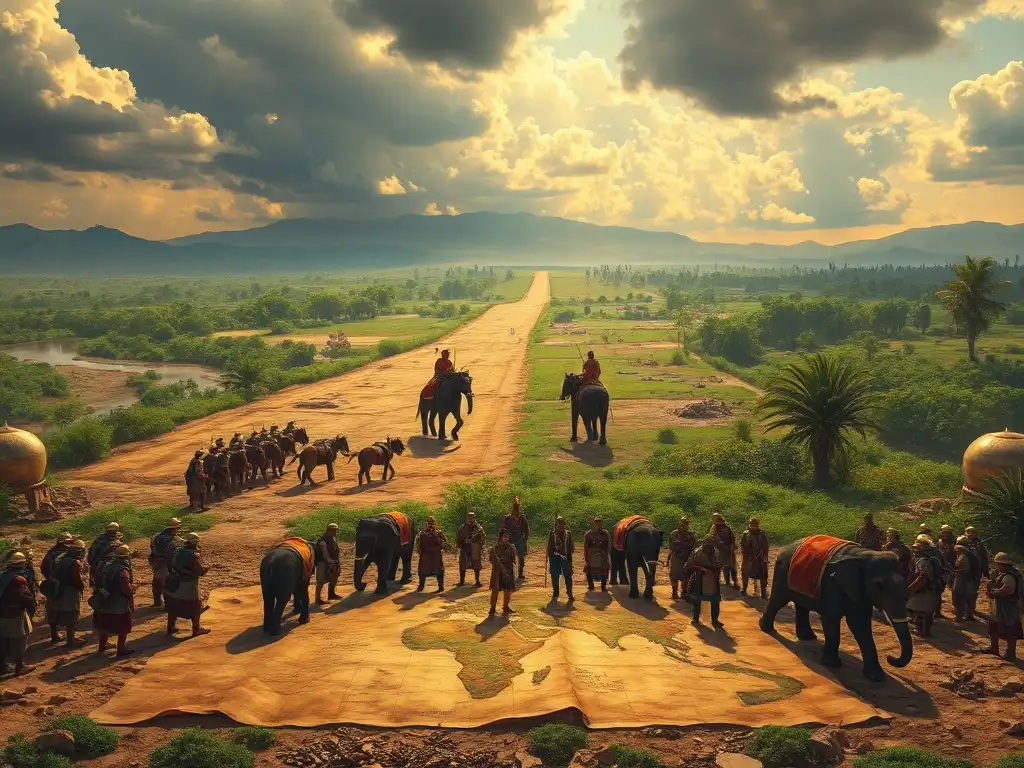
The climate of ancient India played a crucial role in shaping military campaigns, influencing everything from troop movements to the sustainability of armies. The geographical diversity and climatic variations across the subcontinent meant that different regions experienced unique challenges and advantages. The availability of resources, particularly food and water, directly affected an army's ability to mobilize and sustain itself during campaigns. Understanding the interplay between climate and resource availability is essential to comprehend how ancient Indian militaries strategized their operations.
Impact of Climate on Food Supply for Armies
Food supply was paramount for the success of any military campaign in ancient India. The agrarian nature of society meant that armies relied heavily on locally sourced provisions. Seasonal variations, influenced by the Indian monsoon, determined crop yields and therefore the availability of food. During periods of abundant rainfall, harvests flourished, allowing armies to stockpile supplies. Conversely, during droughts or unseasonable weather, crop failures could lead to severe shortages.
For example, the Mauryan Empire, which thrived under the influence of a stable monsoon, could mobilize large armies equipped with sufficient provisions. In contrast, campaigns conducted during dry seasons often faced logistical nightmares, with soldiers suffering from hunger and malnutrition. This dependence on climate necessitated careful planning and timing for military leaders, as the success of their campaigns hinged on ensuring that their armies could be adequately fed.
Water Sources and Their Importance in Campaigns
Water sources were equally critical for sustaining military forces. Ancient Indian armies typically relied on rivers, lakes, and wells for their water supply, which played a decisive role in their operational capabilities. The availability of fresh water not only supported the hydration of troops but also facilitated the maintenance of animals, critical for transportation and logistics.
The significance of water sources can be illustrated by examining the campaigns of the Gupta Empire, which often engaged in battles across diverse terrains. Access to rivers such as the Ganges was vital for logistics, allowing for the swift movement of troops and provisions. In contrast, regions that suffered from water scarcity posed significant challenges, requiring armies to adjust their strategies or risk severe attrition.
Adverse Weather Conditions and Military Outcomes
Adverse weather conditions could drastically alter the outcomes of military campaigns in ancient India. The unpredictable nature of the climate often influenced battle readiness and troop performance. Leaders had to adapt their strategies to mitigate the risks posed by harsh weather, which could lead to unexpected defeats or tactical advantages.
Effects of Heat and Drought on Troop Morale
Extreme heat and prolonged drought had profound effects on troop morale and effectiveness. Ancient Indian soldiers, particularly those engaged in prolonged campaigns, could suffer from exhaustion and dehydration, leading to diminished combat readiness. The psychological toll of facing relentless heat could also reduce morale, as soldiers grappled with fatigue and the constant threat of heat-related illnesses.
Historical accounts indicate that armies facing extreme heat often had to adjust their strategies, opting for night marches or establishing temporary camps to shield their soldiers from the worst of the climate. This adaptability was essential for maintaining troop efficacy and morale in the face of challenging conditions.
Impact of Floods and Heavy Rains on Military Movements
Conversely, floods and heavy rains presented their own set of challenges, often disrupting military movements and supply lines. Prolonged periods of rain could render roads impassable, complicating logistics and troop deployments. Rivers could swell, creating barriers that armies had to navigate carefully, sometimes leading to delays or strategic retreats.
For instance, during the monsoon season, many campaigns had to be postponed or altered to accommodate the flooding of key territories. Historical records suggest that the armies of the Mauryan Empire faced significant delays due to monsoon rains, impacting their ability to launch timely offensives. Thus, understanding the effects of floods and heavy rains was crucial for military leaders in planning successful operations.
Adaptations to Climate Challenges in Warfare
Ancient Indian military leaders exhibited remarkable adaptability in response to the diverse climatic challenges they faced during their campaigns. The subcontinent's varied climate—ranging from the arid deserts of Rajasthan to the monsoon-drenched regions of the Deccan—required armies to evolve their strategies and logistics to ensure successful military operations.
Troops were often organized based on seasonal conditions. For instance, during the monsoon season, armies would adapt their movement patterns, utilizing rivers for transportation and ensuring they had adequate supplies to combat the challenges posed by heavy rains. Additionally, the timing of campaigns was crucial; many military leaders opted to launch their offensives just before the onset of the monsoon, taking advantage of the enemy's unpreparedness.
Furthermore, local knowledge was invaluable. Commanders relied on scouts and local informants to navigate the terrain effectively and to predict weather patterns, which could drastically affect troop morale and combat readiness. The ability to adapt to these climatic conditions not only influenced the outcome of battles but also determined the longevity and success of military campaigns throughout ancient Indian history.
Innovations in Military Tactics Due to Climate
The unique climate of ancient India necessitated innovative military tactics tailored to specific environmental conditions. One notable method was the use of guerrilla warfare, particularly in regions with dense forests or rugged terrain. This approach allowed smaller, more agile units to conduct surprise attacks on larger enemy forces, leveraging the environment to their advantage.
In arid regions, armies developed specialized formations and tactics to conserve energy and manage resources effectively. For instance, troops would often travel at night to avoid the scorching daytime heat, adjusting their combat strategies accordingly. The use of camels in desert warfare provided mobility across difficult terrains, allowing for quicker maneuvers and supply transport.
Moreover, the seasonal availability of water sources played a significant role in tactical planning. Armies would identify and secure water supplies before engaging in battle, ensuring that their troops remained hydrated and capable of sustained fighting. These tactical innovations, driven by climatic conditions, significantly shaped the strategies employed by ancient Indian military leaders.
Use of Technology and Resources to Mitigate Climate Effects
Ancient Indian militaries also harnessed technology and local resources to mitigate the impacts of climate on warfare. The construction of advanced fortifications, for instance, provided shelter and strategic advantages during adverse weather conditions. These forts often included water storage systems and provisions that allowed armies to withstand prolonged sieges or adverse climates.
The use of specialized weaponry adapted to different climates was another significant development. For example, lighter weapons were favored in humid regions to prevent rusting and maintain effectiveness. Conversely, heavier armaments were employed in drier areas, where they could be effectively used without the risk of damage from moisture.
Additionally, ancient texts and manuscripts, such as the Arthashastra by Kautilya, offered military leaders insights into resource management and logistics, emphasizing the importance of understanding climatic influences. This knowledge enabled commanders to develop comprehensive strategies that incorporated both military and environmental considerations.
Case Studies of Notable Battles and Climate Influence
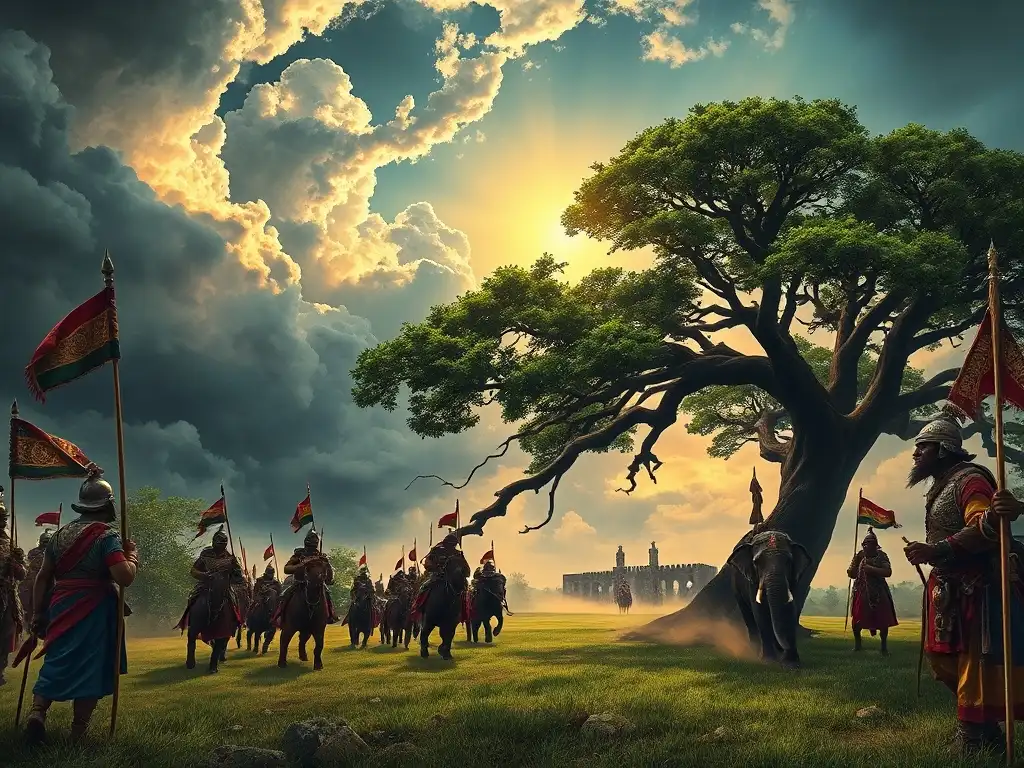
Examining specific battles reveals the profound impact of climate on ancient military campaigns in India. Two notable examples, the Battle of Kalinga and the Campaign of Alexander the Great in India, illustrate how climate influenced strategies, outcomes, and historical significance.
The Battle of Kalinga
The Battle of Kalinga, fought in 261 BCE, serves as a pivotal example of climate's role in warfare. Ashoka the Great led his Mauryan forces against the Kalinga kingdom, situated along the eastern coast of India. The battle was marked by intense conflict, with both sides experiencing the brutal heat of summer.
In preparation for the battle, Ashoka's forces had to navigate the difficult terrain of the Kalinga region, which included dense forests and riverine systems. The climate dictated their approach; the monsoon season was fast approaching, and securing water supplies was essential for maintaining troop morale and combat readiness.
Ultimately, the battle's outcome—Ashoka's victory—was profoundly influenced by his ability to adapt to the environmental conditions, as well as his strategic use of local alliances and knowledge of the region, showcasing the critical interplay between climate and military strategy.
The Campaign of Alexander the Great in India
Alexander the Great's campaign in India (327-325 BCE) offers another illustrative case of climate's influence on military operations. As he advanced into the Indian subcontinent, Alexander encountered diverse climatic conditions that tested his army's resilience and adaptability.
The heat of the Indian plains was a stark contrast to the cooler climates of Persia and Macedonia, leading to significant challenges in troop endurance and health. To combat the oppressive heat, Alexander implemented a strategy of night marches, allowing his troops to travel during cooler hours and rest during the heat of the day.
Moreover, his forces faced logistical challenges in securing adequate supplies of food and water, as the local populations were often uncooperative. Alexander's ability to negotiate and adapt his tactics in response to these climatic challenges was crucial in maintaining the momentum of his campaign, ultimately leading to significant, albeit temporary, successes in the region.
These case studies underscore the importance of climate effects on ancient India, illustrating how environmental factors were integral to military strategy and outcomes throughout history.
Conclusion: The Lasting Impact of Climate on Ancient Indian Military History
The interplay between climate and military strategy in ancient India has left an indelible mark on its military history. Understanding the climatic conditions that influenced ancient campaigns sheds light on the successes and failures of various empires. From the monsoon rains that determined troop movements to the harsh summers that impacted logistics, each climatic factor played a critical role in shaping military decisions. The lasting impact of these climate effects can be seen in the military doctrines that evolved in response to environmental challenges, which have informed strategies in subsequent historical periods.
The consequences of climate on ancient military campaigns extend beyond mere tactics; they encompass broader themes of adaptability and resilience. Ancient Indian leaders and generals learned to navigate the complexities of their environment, leading to innovative strategies that not only addressed immediate challenges but also laid the groundwork for future military doctrines. The lessons gleaned from these experiences continue to resonate, offering insights into the importance of environmental awareness in warfare.
Summary of Key Climate Effects on Military Campaigns
Several key climate effects significantly influenced ancient Indian military campaigns:
- Monsoonal Patterns: The seasonal monsoon rains were crucial for agriculture, but they also affected troop movement and supply lines. Armies often planned campaigns around these patterns to avoid the challenges posed by heavy rains or droughts.
- Temperature Extremes: The harsh summers could lead to exhaustion and decreased morale among troops. Campaigns were often timed to avoid the peak heat, showcasing the importance of timing in military strategy.
- Geographical Variability: Different regions in India experienced distinct climatic conditions, impacting strategy. For example, the arid regions required different logistical considerations compared to the fertile plains.
- Natural Disasters: Floods, droughts, and other natural calamities could disrupt military campaigns, forcing commanders to adapt their strategies to the prevailing conditions.
Understanding these effects not only contextualizes the military history of ancient India but also highlights the critical relationship between environment and warfare.
Reflection on Lessons Learned from Ancient Strategies
The ancient Indian military campaigns offer valuable lessons on the significance of environmental factors in warfare. Leaders such as Chandragupta Maurya and Ashoka the Great adapted their strategies based on climatic conditions, demonstrating foresight and flexibility. This adaptability is a crucial lesson for modern military strategists and historians alike.
Furthermore, the importance of logistics and supply chain management, influenced by climate, emphasizes the need for comprehensive planning in military operations. The strategies developed in ancient India to navigate climatic challenges serve as a reminder that environmental awareness is essential for successful military campaigns, a principle that remains relevant in contemporary warfare.
Further Reading on Ancient Indian Military History
For those interested in deepening their understanding of ancient Indian military history and the effects of climate on warfare, several resources are available that offer detailed insights and analyses.
Suggested Books and Resources for Deeper Understanding
Here are some recommended books and resources:
- "The Art of War in Ancient India" by Capt. Sanjeev Kumar: This book explores the military strategies employed in ancient India, integrating discussions on climatic considerations.
- "Military History of Ancient India" by A. K. Sharma: A comprehensive overview of military campaigns and their environmental contexts.
- "The Geography of Warfare in Ancient India" by R. N. Sharma: This resource delves into how geographical and climatic factors shaped military engagements in ancient India.
- Online Journals and Articles: Several academic journals publish research on ancient Indian military history, with specific articles dedicated to climate effects.
Related Articles on Climate and Warfare in Ancient India
To further explore the relationship between climate and military conflicts in ancient India, consider reading the following articles:
- "Monsoon Warfare: Strategies of Ancient Indian Armies": An analysis of how monsoonal patterns influenced military tactics.
- "Climate Change and the Fall of Empires: Lessons from Ancient India": This article discusses how changing climatic conditions contributed to the decline of various empires.
- "Logistics and Climate: The Backbone of Ancient Indian Campaigns": A detailed look at how logistics were affected by climate and geography in ancient military operations.
These resources provide extensive insights into the intricate relationship between climate and warfare in ancient Indian history, enriching the understanding of this fascinating subject.
- Introduction to Climate Effects on Ancient India
- Geographic and Climatic Diversity of Ancient India
- Historical Context of Military Campaigns in Ancient India
- The Role of Monsoons in Ancient Indian Warfare
- Climate and Resource Availability
- Adverse Weather Conditions and Military Outcomes
- Adaptations to Climate Challenges in Warfare
- Case Studies of Notable Battles and Climate Influence
- Conclusion: The Lasting Impact of Climate on Ancient Indian Military History
- Further Reading on Ancient Indian Military History
- What role did climate play in ancient Indian military campaigns?
- How did seasonal changes affect military logistics?
- Were there specific battles that were notably impacted by climate?
- How did ancient civilizations adapt their strategies to climatic conditions?
- What resources did ancient armies rely on that were affected by climate?
Frequently Asked Questions
What role did climate play in ancient Indian military campaigns?
Climate significantly influenced strategic decisions, troop movements, and resource availability during military campaigns in ancient India.
How did seasonal changes affect military logistics?
Seasonal changes, particularly the monsoon, affected supply lines and troop readiness, making timing crucial for successful campaigns.
Were there specific battles that were notably impacted by climate?
Yes, several battles, such as those during the Gupta Empire, demonstrated how droughts or floods could turn the tide in favor of one side.
How did ancient civilizations adapt their strategies to climatic conditions?
Ancient civilizations developed innovative strategies and technologies to mitigate the effects of climate, such as water management systems and seasonal planning.
What resources did ancient armies rely on that were affected by climate?
Ancient armies depended on agricultural resources and water supply, both of which were directly impacted by climate conditions like droughts and seasonal rains.
Final Reflection: The Enduring Legacy of Climate on Ancient Indian Military Campaigns
The intricate relationship between climate and military strategy in ancient India continues to resonate in our contemporary understanding of warfare and resource management. As we explore the historical significance of climate effects on ancient India, we uncover not only the tactical decisions made by leaders but also the broader implications of environmental factors on the outcomes of conflicts. This understanding is crucial today, as we face similar challenges in adapting to climate change and its impacts on global stability.
The influence of climate on military campaigns has shaped not just the outcomes of battles, but the very fabric of society and culture in ancient India. The strategic adaptations made by ancient leaders in response to climatic conditions offer valuable lessons for modern societies grappling with environmental challenges. As historian Romila Thapar aptly stated, History is not just a record of events; it is a reflection of the interplay between human agency and the environment.
This interplay reminds us that our past is deeply intertwined with the natural world, and understanding this relationship can guide us in navigating our future.
As we reflect on the lessons learned from the climate effects on ancient India, I invite you to consider how these insights can inform your own actions in the present. What strategies can you adopt in your daily life to mitigate the impacts of climate change? Whether it’s advocating for sustainable practices, supporting policies that protect our environment, or simply being mindful of your ecological footprint, every action counts. Let us draw inspiration from the resilience of our ancestors and commit to creating a future where humanity thrives in harmony with nature.
Embark on Your Journey Through Ancient Climate and Warfare!
Thank you for diving into the fascinating relationship between climate and military endeavors in ancient India! Your exploration has unveiled the intricate ways in which environmental factors shaped pivotal campaigns throughout history. Now, it's time to take action!
- Join a local historical society or group focused on ancient cultures to discuss how climate has influenced historical events.
- Share your insights from this article on social media to inspire others to explore the lessons of history.
- Expand your knowledge by reading and researching specific campaigns mentioned, paying special attention to how geography influenced military tactics!
What surprising connections can you draw between climate and military strategies in today's world?