
The Role of Diplomacy in Ancient Indian Warfare: Treaties and Alliances

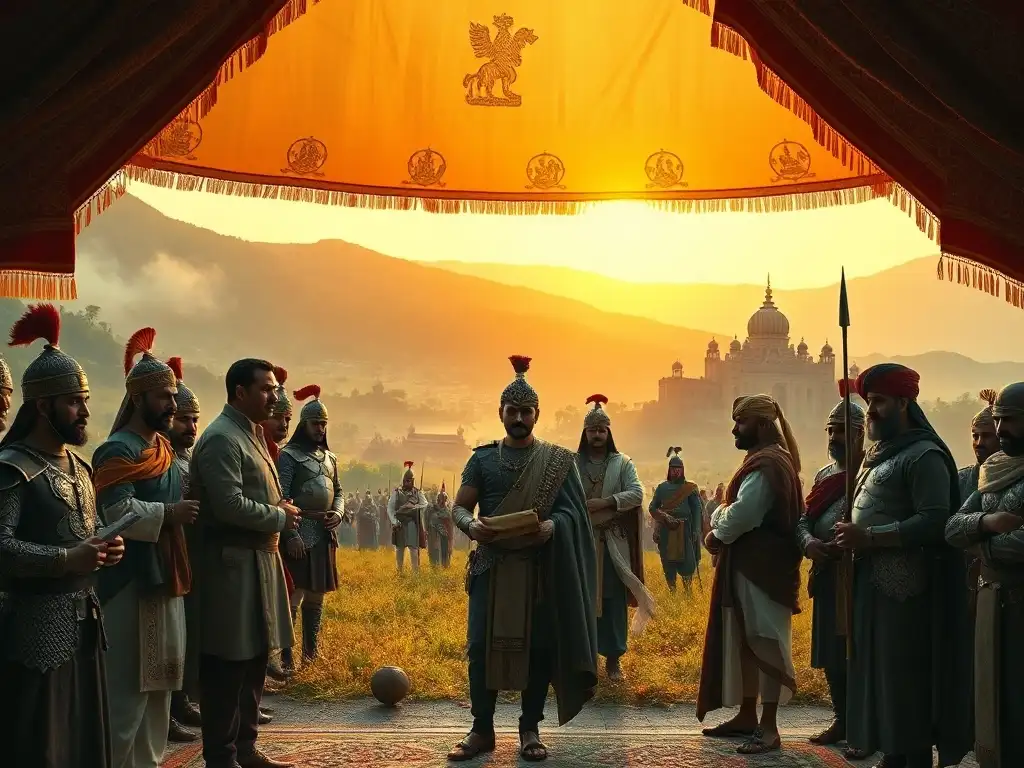
Welcome to Ancient India History, where we embark on a captivating journey through the rich tapestry of ancient Indian civilizations. From the sophisticated urban planning of the Indus Valley to the intellectual flourishing of the Gupta Empire, our exploration unveils the profound cultural contributions that shaped the subcontinent. In this article, we delve into the intriguing world of Ancient Indian warfare diplomacy, revealing how treaties and alliances played a pivotal role in the strategies of ancient rulers.
Prepare to be fascinated as we uncover the sophisticated methods that not only determined the outcomes of battles but also forged lasting relationships between powerful kingdoms. Join us as we unlock the secrets of this dynamic era and explore the art of diplomacy in the crucible of warfare!
Introduction to Ancient Indian Warfare Diplomacy
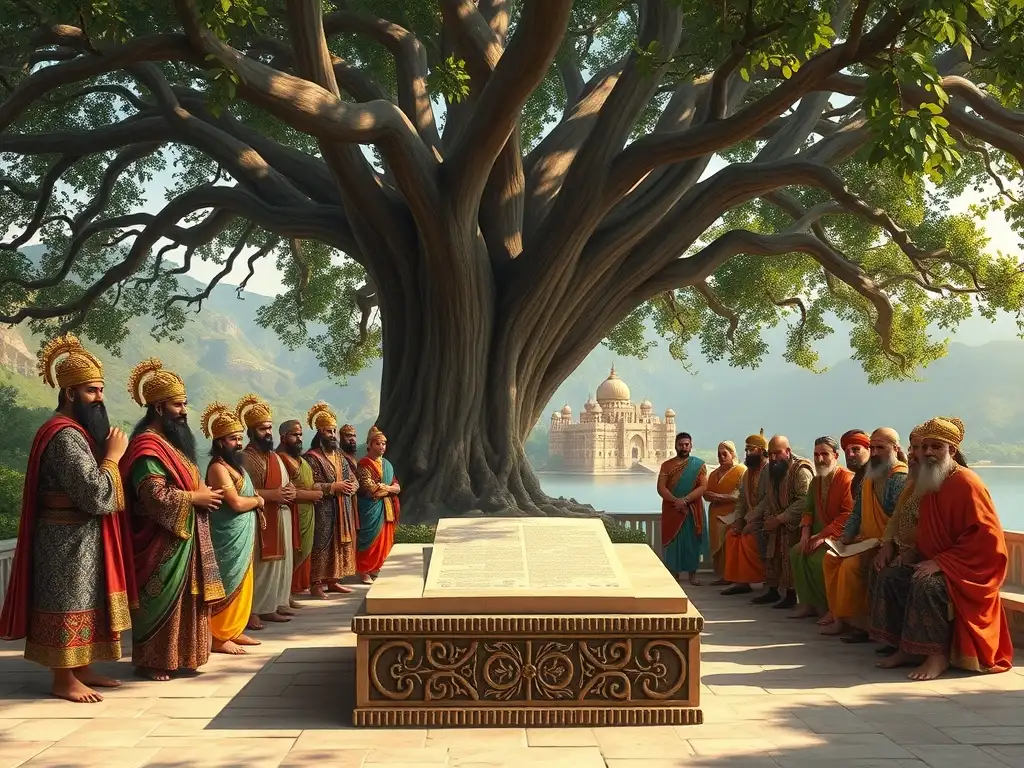
Diplomacy played a pivotal role in shaping the landscape of ancient Indian warfare, where treaties and alliances often determined the outcomes of conflicts and the stability of kingdoms. The intricate web of relationships and agreements among various states was essential not only for military cooperation but also for maintaining peace and facilitating trade.
Throughout history, ancient Indian civilizations, from the Indus Valley to the Gupta Empire, exhibited a profound understanding of the strategic importance of diplomatic engagement in warfare. This article delves into the multifaceted role of diplomacy in ancient Indian warfare, highlighting significant treaties, alliances, and the underlying principles that governed these interactions.
Overview of Ancient Indian Warfare
Ancient Indian warfare was characterized by a combination of traditional combat techniques and strategic diplomacy. Various kingdoms, such as the Mauryas, Guptas, and Kalingas, employed diverse tactics that included:
- Chariot warfare: Utilization of horse-drawn chariots for mobility and speed.
- Infantry formations: Development of organized foot soldiers skilled in various combat forms.
- Siege warfare: Techniques employed to capture fortified cities and strongholds.
The military strategies were often complemented by diplomatic efforts, which allowed these kingdoms to forge alliances and negotiate peace treaties. Notable historical battles, such as the Kalinga War, illustrate how diplomacy and warfare were intertwined, with both elements playing crucial roles in the outcomes of conflicts.
Importance of Diplomacy in Military Strategy
The significance of diplomacy in ancient Indian military strategy cannot be overstated. It served multiple functions:
- Conflict prevention: Diplomatic negotiations often helped avert wars through treaties and agreements.
- Strengthening alliances: Forming coalitions with other states allowed kingdoms to pool resources and military strength.
- Intelligence gathering: Engaging diplomatically with neighboring states provided vital information that could inform military tactics.
In essence, diplomacy was not merely a supplementary aspect of warfare; it was a core component of military strategy that influenced decisions and shaped the political landscape of ancient India.
Historical Context of Diplomacy in Ancient India
Understanding the historical context of diplomacy in ancient India requires an exploration of its evolution and the key kingdoms that navigated these complex relationships.
Evolution of Diplomatic Practices
The roots of diplomatic practices in ancient India can be traced back to the Vedic period, where the principles of negotiation and alliance-building were formalized. Key developments included:
- Use of emissaries: Kings would send envoys to negotiate terms and convey messages, establishing the foundation for formal diplomacy.
- Cultural exchanges: Diplomatic relations often included cultural interactions that fostered goodwill and strengthened ties between states.
- Legal frameworks: Texts such as the Arthashastra by Kautilya outlined strategies for diplomacy, espionage, and statecraft, emphasizing the importance of negotiation in governance.
These practices evolved over centuries, adapting to the changing political dynamics and the emergence of powerful empires.
Influential Kingdoms and Their Diplomatic Approaches
Several kingdoms in ancient India exemplified distinct diplomatic approaches that influenced their military engagements:
- Maurya Empire: Known for its centralized governance, the Mauryas utilized a combination of military might and diplomatic negotiations to expand their territory.
- Gupta Empire: The Guptas focused on building alliances through matrimonial ties, fostering stability and reducing the likelihood of conflict.
- Kalinga Kingdom: The Kalinga War serves as a prime example where diplomacy failed, resulting in a significant military confrontation that ultimately led to Ashoka’s embrace of non-violence.
By examining the diplomatic strategies of these influential kingdoms, we gain insight into how ancient Indian warfare diplomacy shaped the region's history and interactions.
Key Treaties and Alliances in Ancient Indian Warfare
In ancient India, warfare was not solely defined by battles and conquests; diplomacy played a crucial role in establishing treaties and alliances that shaped the outcomes of conflicts. Various kingdoms and empires engaged in negotiations to secure their interests, forge alliances, and mitigate the consequences of warfare. These treaties were often pivotal in determining the balance of power and influenced subsequent military strategies. Understanding these key treaties and alliances provides insight into the sophisticated diplomatic practices of ancient Indian civilizations and their approach to warfare.
Major Treaties that Shaped Military Outcomes
Several treaties stand out in ancient Indian history for their significant impact on military outcomes.
- The Treaty of Prithviraj and Muhammad Ghori (1192 CE): This treaty followed the First Battle of Tarain, where Prithviraj Chauhan's forces faced defeat against Muhammad Ghori. The treaty, though temporary, set the stage for a series of hostilities and highlighted the importance of formal agreements in managing conflict.
- The Treaty of Kanauj (c. 830 CE): This treaty between the Gurjara-Pratihara king Nagabhata II and the Pala king Dharmapala was essential in establishing a temporary peace in northern India. It showcased the diplomatic negotiations used to address territorial disputes and regional power struggles.
- The Treaty of Samudragupta (4th Century CE): During the reign of Samudragupta, diplomatic treaties were utilized to secure alliances with neighboring kingdoms. His military campaigns were often complemented by strategic diplomacy, resulting in a network of alliances that reinforced his empire's influence.
These treaties illustrate how ancient Indian rulers used diplomacy not only to end conflicts but also to consolidate power and establish their dominance over rival kingdoms.
Notable Alliances and Their Impact on Warfare
Alliances formed through diplomacy were pivotal in ancient Indian warfare, influencing military strategies and outcomes.
- The Rajput Confederacies: Various Rajput clans often formed alliances to counter common threats, particularly from the Mughals. These alliances allowed them to pool resources and military strength against more formidable opponents, demonstrating the effectiveness of unified fronts in warfare.
- The Maurya and Nanda Alliances: The Mauryan empire, particularly under Chandragupta Maurya, formed strategic alliances with local rulers to strengthen its military capabilities. These alliances facilitated the expansion of Mauryan influence and control over vast territories without constant warfare.
- The Deccan Sultanates: In the 16th century, the Deccan Sultanates formed alliances to resist the expansion of the Mughal Empire. These diplomatic partnerships enabled the Sultanates to coordinate military actions and sustain their autonomy for longer periods.
These notable alliances emphasize the strategic importance of diplomacy in ancient Indian warfare, as they allowed kingdoms to enhance their military effectiveness and negotiate more favorable terms in conflicts.
Mechanisms of Diplomacy in Warfare
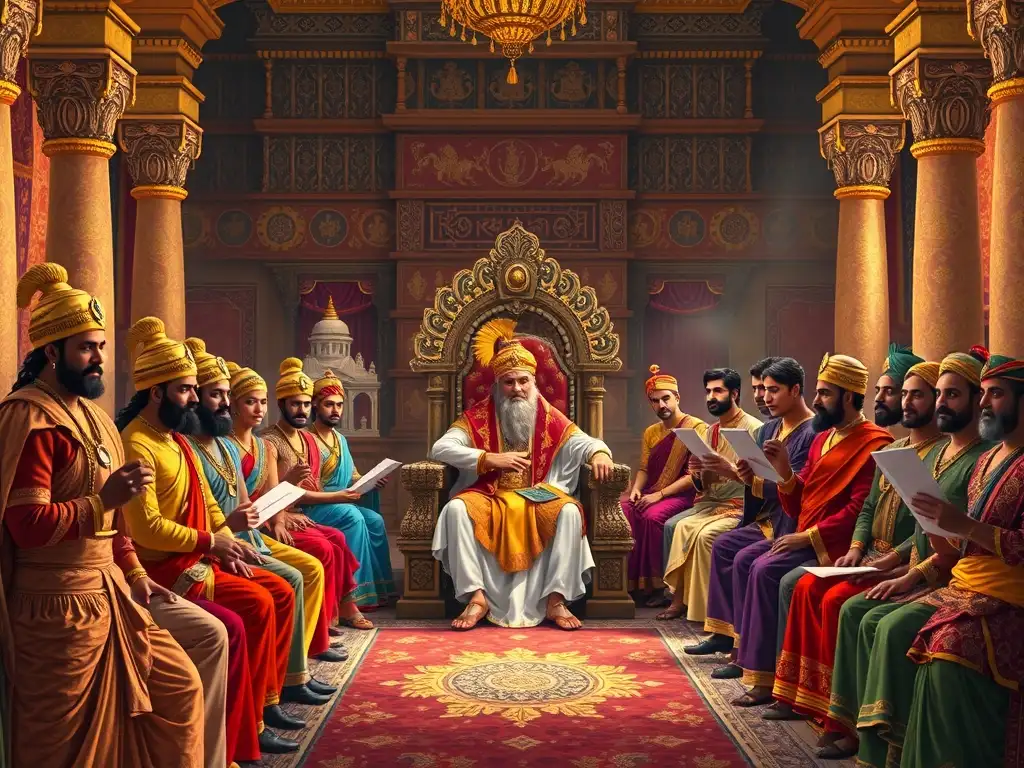
The mechanisms of diplomacy in ancient Indian warfare encompassed various practices, including the appointment of envoys, the use of formal negotiations, and the establishment of communication methods. These practices were essential for conducting effective diplomacy and managing relationships between warring states.
Envoys and Diplomatic Missions
Envoys played a critical role in ancient Indian diplomacy, acting as intermediaries between rival kingdoms. These representatives were often chosen for their skills in negotiation and understanding of the political landscape.
- Selection of Envoys: Rulers typically appointed trusted advisors or members of the royal family as envoys to ensure loyalty and credibility during negotiations.
- Diplomatic Missions: Envoys were dispatched on missions to convey messages, propose treaties, or seek alliances. Their success depended on their ability to navigate complex political situations and the existing relationships between states.
- Ceremonial Functions: Envoys often participated in formal ceremonies to strengthen diplomatic ties. The exchange of gifts and the display of goodwill were common practices that helped establish trust between parties.
These mechanisms underscore the significance of envoys in facilitating dialogue and negotiations during warfare, highlighting the intricate balance between diplomacy and military strategy.
Communication Methods in Ancient Indian Diplomacy
Effective communication was vital for the success of diplomatic missions in ancient India. Various methods were employed to convey messages and negotiate terms.
- Written Correspondence: Many treaties and agreements were documented in writing, often in languages such as Sanskrit or Prakrit. These written records ensured clarity and served as references for future interactions.
- Oral Communication: In addition to written messages, oral communication was common. Envoys would engage in direct discussions with rulers and their advisors, utilizing rhetoric and persuasion to advocate for their positions.
- Symbols and Signatures: The use of seals and symbols played a crucial role in authenticating documents and agreements. Rulers often stamped their seals on treaties to signify approval and commitment to the terms.
These communication methods highlight the sophisticated nature of ancient Indian diplomacy, illustrating how rulers navigated the complexities of warfare while striving for peaceful resolutions through effective negotiation strategies.
Case Studies of Diplomatic Successes and Failures
The landscape of ancient Indian warfare was significantly shaped by diplomacy, which often determined the success or failure of military endeavors. Two notable case studies highlight this dynamic: the successful Treaty of Nanda and Maurya and the failed Alliance of Rajput States. Each of these instances provides insight into how diplomatic approaches could either bolster or undermine military strategies.
Successful Treaties: The Treaty of Nanda and Maurya
The Treaty of Nanda and Maurya, established in the 4th century BCE, serves as a prime example of successful diplomacy in ancient India. The Nanda dynasty, known for its wealth and military prowess, faced the rising threat from the Mauryan Empire under Chandragupta Maurya. Instead of engaging in a prolonged conflict, both parties opted for a diplomatic solution.
This treaty led to a mutual agreement that allowed for trade and military cooperation between the two powers. The Nandas benefited from the Mauryan military might, while the Mauryas secured resources vital for their expansion. This alliance not only prevented bloodshed but also fostered a period of economic prosperity for both dynasties. The successful negotiation showcased how diplomatic channels could effectively mitigate conflict, allowing both sides to achieve their objectives without resorting to warfare.
Failed Alliances and Their Consequences: The Alliance of Rajput States
In contrast, the Alliance of Rajput States during the medieval period illustrates the pitfalls of diplomatic failures. The Rajput clans, renowned for their valor and chivalry, attempted to unite against the common threat posed by the Mughal Empire. However, internal rivalries and lack of cohesive leadership hindered their efforts to forge a strong alliance.
The failure to establish a unified front resulted in significant consequences for the Rajputs. Individual clans continued to engage in conflicts among themselves rather than focusing on the external threat. This disunity ultimately allowed the Mughals to conquer vast territories with relative ease, as they exploited the Rajputs' inability to collaborate effectively. The case of the Rajput Alliance serves as a cautionary tale about the importance of cohesion and mutual trust in diplomatic relations, particularly in the context of defense against a common enemy.
The Role of Culture and Religion in Diplomacy
Cultural and religious factors played a pivotal role in shaping diplomatic relations in ancient India. These elements not only influenced the motivations behind treaties and alliances but also affected the success or failure of diplomatic negotiations.
Cultural Influences on Diplomatic Relations
Cultural exchange was a crucial aspect of ancient Indian diplomacy. The shared cultural practices, languages, and customs often facilitated smoother negotiations and fostered mutual respect among various states. For instance, the adoption of similar art forms, literature, and philosophies helped in creating a common ground for dialogue.
Additionally, royal marriages were a common diplomatic strategy, serving to strengthen ties between different kingdoms. By marrying into powerful families, rulers sought to create bonds that could deter conflict and promote peace. In such cases, cultural affinities often outweighed political differences, leading to more stable alliances.
Religious Factors in Treaties and Alliances
Religion also played a significant role in shaping diplomatic relations in ancient India. The principles of dharma, or duty, often guided rulers in their interactions with others. Treaties and alliances were sometimes steeped in religious significance, where commitments were viewed as sacred pacts.
For example, the establishment of treaties between Buddhist kingdoms often emphasized peace and non-violence, aligning with the core tenets of Buddhism. Conversely, alliances forged under the banner of Hinduism frequently involved rituals and ceremonies that reinforced the unity among the states involved. Thus, religious beliefs not only influenced diplomatic strategies but also served as a framework for legitimizing treaties and alliances in the eyes of the populace.
By examining these cultural and religious dimensions, we gain a deeper understanding of how ancient Indian warfare diplomacy was intricately woven into the social fabric of the time, impacting both military and political landscapes.
Comparative Analysis of Diplomacy and Warfare Strategies
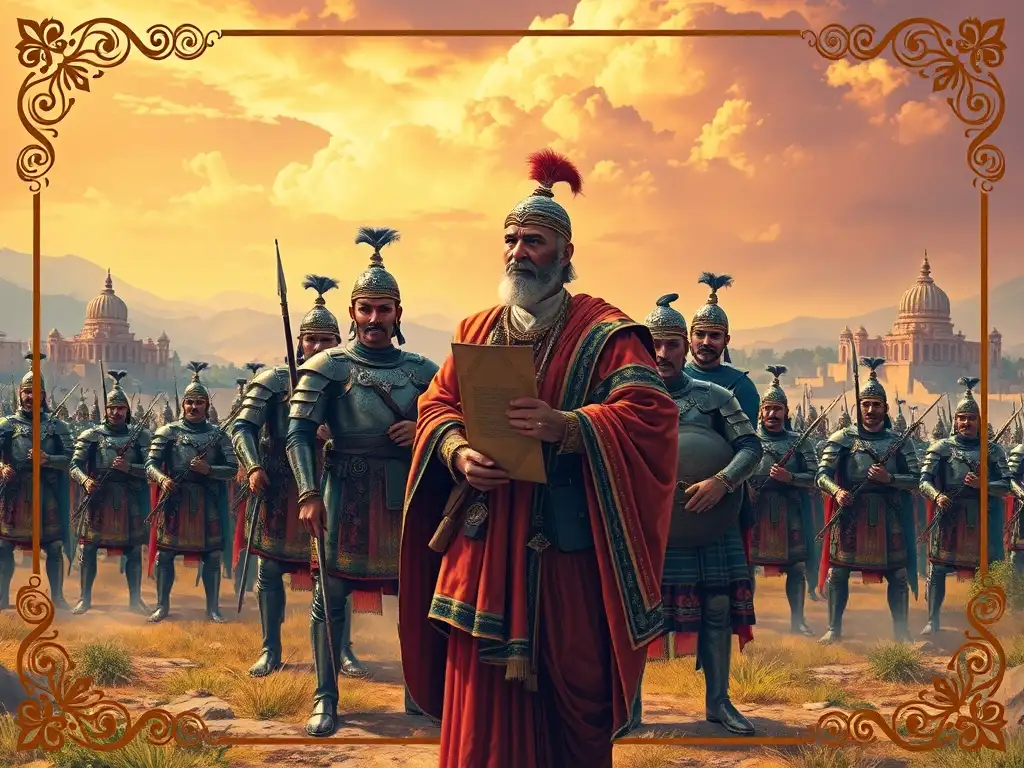
In ancient India, the intricate relationship between diplomacy and warfare was pivotal in shaping the political landscape. Diplomacy often served as a precursor to military action, and alliances were forged to create a balance of power among various states. The ancient Indian texts, particularly the Arthashastra by Kautilya (Chanakya), emphasize the significance of strategic planning, negotiation, and the use of soft power in conjunction with military might. This dual approach allowed kingdoms to navigate conflicts and maintain stability without resorting to outright warfare whenever possible.
The interplay of diplomacy and military strategies is evident in various historical instances, where treaties and alliances were utilized not just as tools of peace but also as tactical measures to weaken adversaries. This comparative analysis highlights how ancient Indian states employed diplomacy to gain advantages in warfare, often leading to outcomes where military confrontation could be avoided or delayed, thereby conserving resources and lives.
Diplomacy vs. Military Confrontation
Ancient Indian rulers understood that military confrontation came with significant costs, both economically and socially. Thus, many opted for diplomatic channels to resolve conflicts. The use of envoys, marriage alliances, and treaties were common practices to solidify relationships and deter potential aggressors. For example, the Mauryan Empire often utilized marriage as a diplomatic tool, marrying into rival families to secure alliances and promote peace.
In contrast, military confrontation was sometimes unavoidable, particularly when diplomatic efforts failed or when a state felt threatened. The Kalinga War, fought by Emperor Ashoka, serves as a notable example of military engagement following unsuccessful diplomatic overtures. The aftermath led to a profound transformation in Ashoka's approach to governance, emphasizing the importance of Dharma (moral law) over conquest.
The Balance of Power in Ancient Indian Warfare
The concept of the balance of power was central to ancient Indian diplomacy. States often formed alliances to counterbalance stronger adversaries, which was critical in a region characterized by a variety of competing kingdoms. The Mahabharata, an epic narrative, illustrates the complex political maneuverings where treaties and alliances played a crucial role in the lead-up to the great war of Kurukshetra.
Diplomatic strategies were also reflected in the practice of Sama-Dana-Bheda-Danda, a fourfold policy of negotiation, offering rewards, sowing discord, and using force as a last resort. This multifaceted approach allowed rulers to adapt their strategies based on the prevailing political climate, ensuring that they could maintain power without excessive reliance on warfare.
Conclusion: The Legacy of Diplomacy in Ancient Indian Warfare
The legacy of diplomacy in ancient Indian warfare is evident in the sophisticated political strategies employed by various kingdoms. The integration of diplomatic measures with military tactics not only shaped the outcomes of conflicts but also influenced the governance and societal structures of ancient Indian states.
Lasting Impact on Subsequent Indian Military Strategies
The principles of ancient Indian warfare diplomacy have left a lasting impact on subsequent military strategies in India. The emphasis on negotiation and alliance formation continued to be relevant in later historical periods, influencing both regional and imperial power dynamics. This legacy is reflected in the military strategies of later empires, such as the Mughal Empire, which often employed similar diplomatic tactics to consolidate power and expand their territories.
Reflection on the Importance of Diplomacy in Historical Context
Reflecting on the importance of diplomacy in ancient Indian warfare provides valuable insights into the broader historical narrative. Diplomacy was not merely a means to avoid war; it was an essential component of statecraft that allowed for the negotiation of peace, the creation of alliances, and the strategic manipulation of power dynamics. Understanding this aspect of ancient Indian history enriches our perspective on the complexities of warfare and governance, highlighting how diplomacy can be as influential as military might in shaping the course of history.
References and Further Reading
Understanding the role of diplomacy in ancient Indian warfare is crucial for comprehending the complexities of military strategies and political maneuvers during this era. Below is a curated list of key texts and resources that provide valuable insights into this subject, allowing readers to deepen their knowledge of ancient Indian warfare diplomacy.
Key Texts on Ancient Indian Warfare Diplomacy
-
"The Art of War in Ancient India" by R. K. Sharma
This book delves into military strategies and the significance of diplomatic engagement in the context of ancient Indian warfare. Sharma highlights various treaties and their impact on the political landscape.
-
"Warfare in Ancient India" by Upendra Singh
Singh offers an in-depth analysis of the various forms of warfare practiced in ancient India, emphasizing the role of diplomacy in forming alliances and resolving conflicts.
-
"Kautilya's Arthashastra" translated by L.N. Sharma
This foundational text on statecraft provides essential insights into the diplomatic strategies employed by ancient Indian rulers. Kautilya’s theories on alliances, espionage, and negotiation are particularly relevant for understanding ancient Indian warfare diplomacy.
-
"Ancient Indian Warfare: History and Historiography" by Ashish Kaul
Kaul's work critically examines the historiography of ancient Indian warfare, including the diplomatic aspects that shaped military conflicts and alliances throughout history.
-
"The Mahabharata: A Study of Ancient Indian Warfare" by J. S. Grewal
Grewal analyzes the epic Mahabharata as a historical source, focusing on its portrayal of diplomacy in warfare and the intricate treaties that influenced the outcomes of battles.
Suggested Resources for Deeper Understanding
-
Online Journals and Databases:
Explore reputable academic journals such as the Journal of Military History and the Asian Studies Review, which frequently publish articles on ancient Indian warfare and diplomacy.
-
Documentaries and Lectures:
Platforms like YouTube feature documentaries and lectures by historians that explore ancient Indian military strategies, including diplomatic negotiations. Search for series that cover the Maurya and Gupta empires.
-
University Courses:
Many universities offer online courses or lectures on Ancient Indian history that include modules on warfare and diplomacy. Websites like Coursera or edX can be valuable for accessing such courses.
-
Archaeological Reports:
The findings from archaeological sites such as the Indus Valley civilization provide context on how diplomacy may have influenced trade and conflict. Look for reports published by archaeological societies in India.
-
Historical Fiction and Literature:
While not strictly academic, historical novels based on ancient Indian history can offer engaging narratives that illustrate the complexities of warfare and diplomacy. Titles such as "The Palace of Illusions" by Chitra Banerjee Divakaruni provide imaginative insight into these themes.
By exploring these resources, readers can gain a comprehensive understanding of how diplomacy shaped ancient Indian warfare, highlighting its significance in the broader context of military history.
- Introduction to Ancient Indian Warfare Diplomacy
- Historical Context of Diplomacy in Ancient India
- Key Treaties and Alliances in Ancient Indian Warfare
- Mechanisms of Diplomacy in Warfare
- Case Studies of Diplomatic Successes and Failures
- The Role of Culture and Religion in Diplomacy
- Comparative Analysis of Diplomacy and Warfare Strategies
- Conclusion: The Legacy of Diplomacy in Ancient Indian Warfare
- References and Further Reading
Frequently Asked Questions
What was the significance of diplomacy in ancient Indian warfare?
Diplomacy played a crucial role in ancient Indian warfare, often determining the outcomes of conflicts through treaties and alliances rather than direct confrontation.
How did ancient Indian states form alliances?
Ancient Indian states formed alliances through marriage ties, trade agreements, and strategic partnerships, which enhanced their military strength and political stability.
What were some famous treaties in ancient Indian history?
Some notable treaties include the Treaty of Purushottama between the kingdoms and various agreements made during the Maurya and Gupta periods, which helped maintain peace and order.
How did the Gupta Empire utilize diplomacy?
The Gupta Empire skillfully employed diplomacy by forming alliances with neighboring kingdoms, allowing them to expand their influence and maintain a relative peace during their reign.
What role did cultural exchanges play in ancient Indian diplomacy?
Cultural exchanges fostered diplomatic relationships, as sharing art, religion, and literature often eased tensions and opened doors for cooperation among different kingdoms.
Final Reflection: The Enduring Legacy of Ancient Indian Warfare Diplomacy
The intricate dance of diplomacy in ancient Indian warfare remains profoundly relevant today, as it underscores the importance of negotiation and alliances in conflict resolution. In a world where military might often overshadows dialogue, the lessons learned from the treaties and alliances of ancient India remind us that wisdom and strategy can pave the way for peace. The historical significance of these diplomatic efforts not only shaped the outcomes of battles but also influenced the cultural and political landscapes of the time, demonstrating that the pen can indeed be mightier than the sword.
The impact of ancient Indian warfare diplomacy resonates through the ages, shaping contemporary approaches to international relations and conflict management. The strategies employed by ancient Indian states reveal a nuanced understanding of human relationships and the power dynamics at play. As we navigate our own complex geopolitical environment, we can draw inspiration from the past. In the midst of chaos, there is also opportunity.
This quote encapsulates the essence of diplomacy; it is in our most challenging times that the potential for negotiation and understanding can lead to transformative outcomes.
As we reflect on the lessons of ancient Indian warfare diplomacy, let us embrace the call to action: to prioritize dialogue over discord in our personal and collective lives. Each of us has the power to foster understanding and build alliances, whether in our communities, workplaces, or global interactions. By applying the principles of diplomacy that have stood the test of time, we can contribute to a future where cooperation triumphs over conflict, ensuring that the legacy of our ancestors continues to guide us toward a more harmonious world.
Unleash the Power of Diplomacy in Ancient Warfare!
Thank you for diving into the fascinating world of diplomacy in ancient Indian warfare. You've uncovered the essential role that treaties and alliances played in shaping the history of this rich civilization. Now, it’s time to take that knowledge and transform it into action!
Here are a few steps you can take to deepen your understanding and engage with others who share your interest:
- Explore Historical Diplomacy: Delve into resources related to ancient Indian treaties. Consider visiting local libraries or online archives to discover historical texts and artifacts that provide insight into this complex subject.
- Share Your Insights: Engage your community by discussing your newfound knowledge on social media or in local discussion groups. Even a simple post can spark curiosity and encourage others to explore this captivating topic!
- Join the Conversation: Connect with fellow history enthusiasts on forums or platforms dedicated to ancient history. Share your thoughts on how diplomacy influenced not only warfare but also the very fabric of society.
Are you ready to delve deeper into the intricate world of ancient diplomacy and warfare? Consider how these strategies influenced the outcomes of battles and shaped alliances that endured beyond individual conflicts.