
Iron and Steel: The Metallurgical Advances of Ancient Indian Weaponry

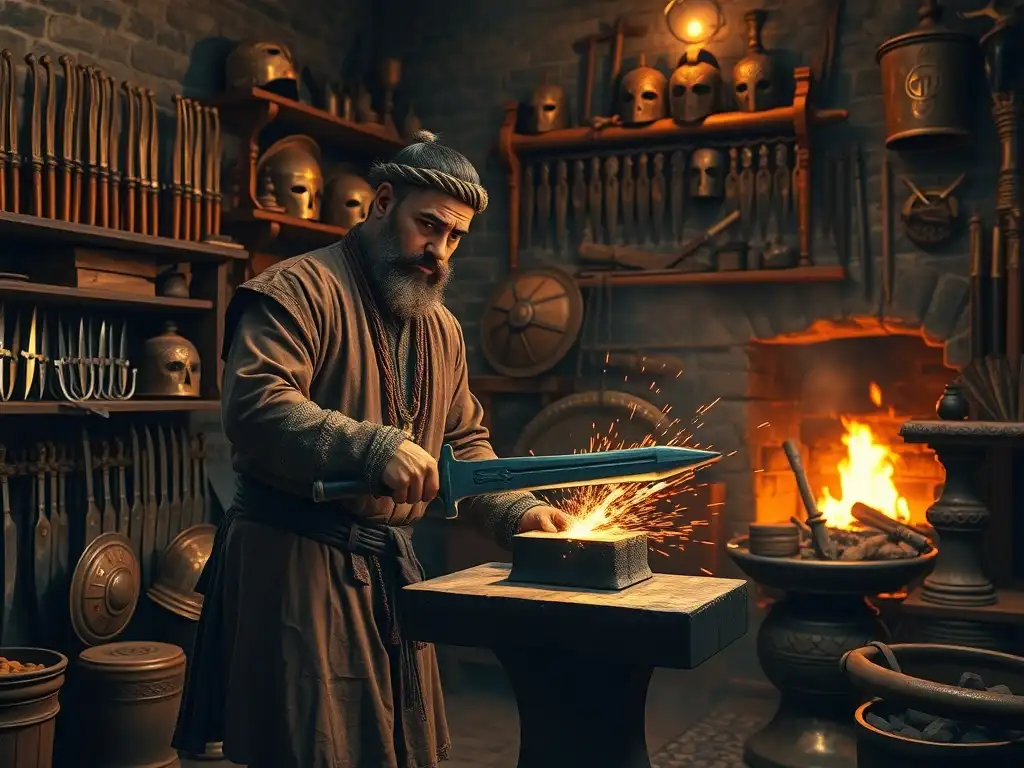
Welcome to Ancient India History, where we embark on an exhilarating journey through the rich tapestry of ancient Indian civilizations. From the innovative societies of the Indus Valley to the magnificent Gupta Empire, each era reveals remarkable stories of culture and ingenuity. In our latest article, we delve into the captivating world of Ancient Indian metallurgy advancements, particularly focusing on the iron and steel used in weaponry that shaped military history.
Prepare to uncover the secrets behind these technological feats and discover how they influenced not just warfare, but the very fabric of society. Dive in to explore the extraordinary legacy that continues to inspire generations!
- Introduction to Ancient Indian Metallurgy Advancements
- Historical Context of Metallurgical Techniques in Ancient India
- Key Metallurgical Advancements in Ancient Indian Weaponry
- Types of Weapons Produced with Advanced Metallurgy
- Influence of Ancient Indian Metallurgy on Global Weaponry
- Conclusion: The Legacy of Ancient Indian Metallurgy Advancements
-
Frequently Asked Questions
- What were the key metallurgical advancements in ancient India?
- How did ancient Indian metallurgy influence weaponry?
- What is the significance of the Indus Valley in metallurgy?
- How did the Gupta Empire contribute to metallurgical knowledge?
- What materials were commonly used in ancient Indian metallurgy?
- Final Reflection: The Enduring Legacy of Ancient Indian Metallurgy
- Unveil the Mastery of Ancient Indian Metallurgy!
Introduction to Ancient Indian Metallurgy Advancements
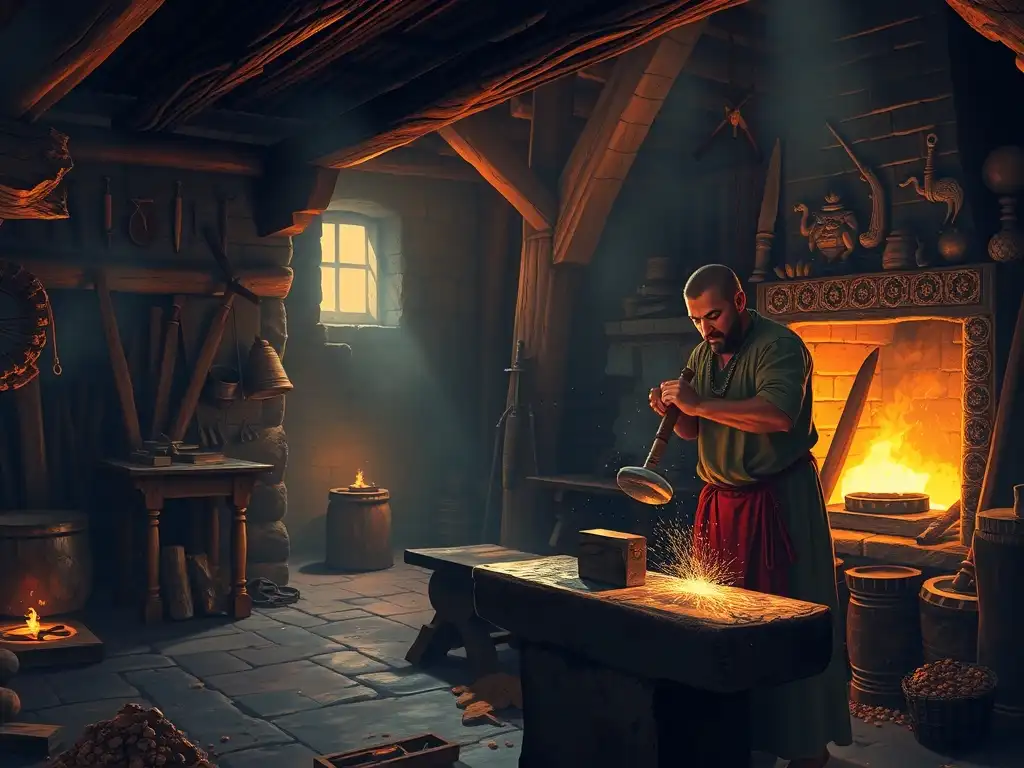
Ancient Indian metallurgy advancements represent a cornerstone in the technological evolution of weaponry and military strategies throughout history. From the intricate craftsmanship of the Indus Valley Civilization to the sophisticated techniques employed during the Gupta Empire, the ability to extract and manipulate metals fostered not only the production of weapons but also contributed significantly to the cultural and economic vitality of ancient Indian societies. This article will delve into the rich history of metallurgical practices in ancient India, highlighting their implications on weaponry and military technologies, and showcasing how these innovations laid the groundwork for future advancements.
Overview of Ancient Indian Metallurgy
The history of ancient Indian metallurgy is characterized by significant achievements that were ahead of their time. The earliest known evidence of metal use in India dates back to around 5000 BCE, with the Indus Valley Civilization (approximately 3300–1300 BCE) being a key player in the initial developments. Archaeological findings reveal that this civilization utilized copper, bronze, and later iron, demonstrating advanced techniques for smelting and alloying.
Here are some notable advancements in ancient Indian metallurgy:
- Copper Age (c. 3000 BCE):
- The production of copper artifacts, including tools and weapons.
- Use of casting and hammering techniques.
- Bronze Innovations:
- Development of bronze tools and weapons, enhancing durability and functionality.
- Artifacts such as the famous bronze dancing girl from Mohenjo-Daro showcase craftsmanship.
- Iron Age (c. 1200 BCE onward):
- The advent of iron smelting, marked by the production of superior weaponry.
- Introduction of the "Wootz steel" process, which led to the creation of high-quality steel that was highly coveted.
These advancements not only facilitated warfare but also played an integral role in trade, agriculture, and daily life, positioning ancient Indian civilizations as significant contributors to the global metallurgical landscape.
Importance of Metallurgy in Weaponry Development
Metallurgy was pivotal in the evolution of ancient Indian weaponry, as it directly influenced the effectiveness and sophistication of military hardware. The development of various metals allowed for the creation of diverse weapons, including swords, spears, and shields, each tailored for specific combat needs.
Key aspects of metallurgy's importance in weaponry development include:
- Enhanced Durability and Strength:
- Iron weapons were significantly stronger than their bronze counterparts, providing an advantage in combat.
- The emergence of Wootz steel, known for its resilience and sharpness, revolutionized sword-making.
- Innovation in Design:
- Metallurgical advancements enabled the creation of more complex weapon designs, such as curved swords (khukris) and advanced projectile weapons.
- The ability to create lighter yet stronger weapons improved maneuverability on the battlefield.
- Strategic Military Advantages:
- The superior quality of Indian metallurgy allowed for the establishment of powerful armies capable of defending territories and expanding influence.
- Historical accounts suggest that Indian steel was sought after by traders, highlighting its significance in warfare beyond regional boundaries.
The metallurgical advancements in ancient India not only transformed weaponry but also played a fundamental role in shaping military strategies and the socio-political landscape of the time. The legacy of these innovations continues to be a point of pride and interest in the study of military history and technology.
Historical Context of Metallurgical Techniques in Ancient India
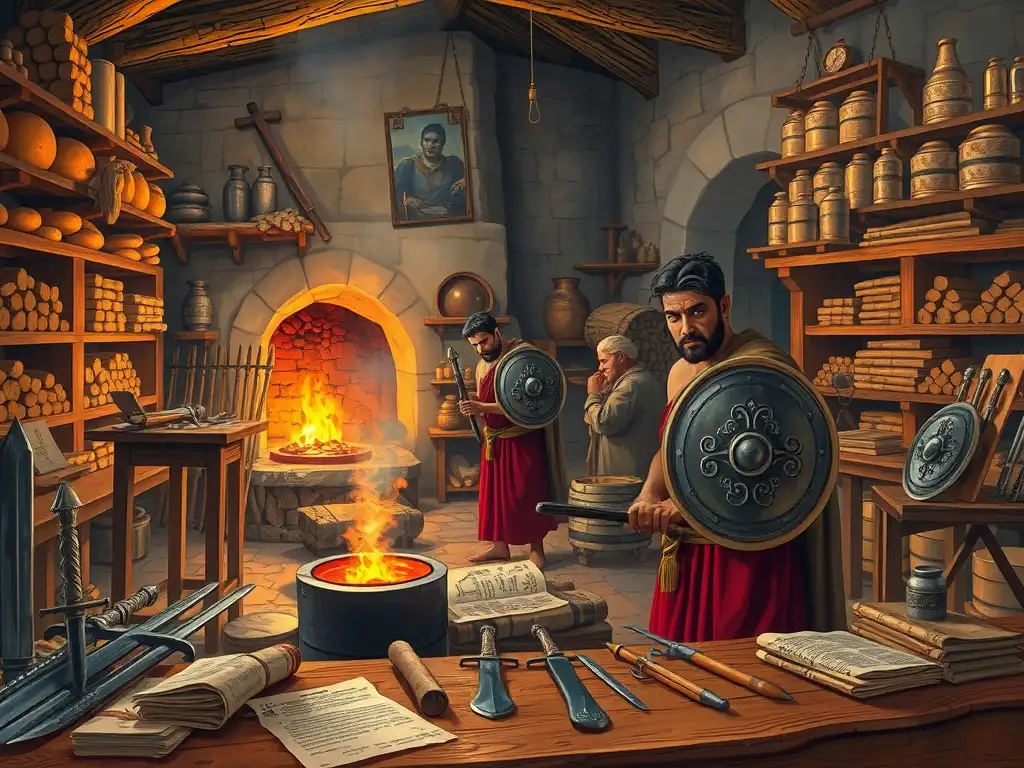
The Indus Valley Civilization and Early Metallurgical Practices
The Indus Valley Civilization, thriving from around 3300 to 1300 BCE, was one of the earliest urban cultures known for its advanced techniques in metallurgy. Evidence suggests that the inhabitants of this civilization engaged in the smelting of copper and bronze, as reflected in their use of tools, ornaments, and weapons.
Key aspects of their metallurgical practices include:
- Copper Production: The Indus Valley people primarily utilized copper, which was sourced from nearby regions. Archaeological findings indicate that they used a unique method of casting, where molten copper was poured into molds to create various items, including tools and decorative pieces.
- Bronze Alloys: They also experimented with bronze, an alloy of copper and tin, which allowed for the production of stronger and more durable tools and weapons. This innovation marked a significant advancement in their technology and craftsmanship.
- Trade Networks: The metallurgical advancements were facilitated by extensive trade networks that enabled the exchange of materials and techniques with neighboring civilizations, such as Mesopotamia. This interaction likely contributed to the refinement of their metallurgical skills.
The Vedic Period: Innovations in Metalworking
The Vedic Period, spanning approximately from 1500 to 500 BCE, was a transformative era for ancient Indian metallurgy, marked by significant innovations in metalworking techniques that catered to both everyday needs and military applications.
- Iron Use: This period saw the introduction of iron, which gradually replaced bronze for weaponry and tools. The use of iron was a crucial development, as it provided a more abundant and resilient resource. By the end of this period, iron had become the dominant metal for weapon production.
- Advanced Smelting Techniques: The Vedic craftspeople developed advanced smelting techniques, including high-temperature furnaces that allowed them to produce wrought iron. This process involved heating iron ore with charcoal, resulting in a more workable and stronger metal.
- Cultural Significance: Metalworking during this time was not only functional but also held cultural importance. Many Vedic texts reference the significance of weapons, emphasizing their role in warfare and societal status. The crafting of weapons became an essential skill, leading to the establishment of specialized smithing communities.
The Maurya Empire: Advancements in Iron and Steel Production
The Maurya Empire (c. 322-185 BCE) is renowned for its significant advancements in iron and steel production, marking a pinnacle in ancient Indian metallurgy. Under the reign of Emperor Ashoka, the empire saw remarkable innovations that had far-reaching implications for weaponry and military technology.
- High-Quality Steel (Wootz Steel): The Mauryan period is particularly noted for the production of wootz steel, a high-carbon steel known for its exceptional strength and ability to be honed to a sharp edge. This type of steel was highly sought after and became a hallmark of Indian metallurgy, influencing weapon-making across the region.
- Technological Innovations: The Mauryans implemented sophisticated techniques in metalworking, including the use of crucibles for steel production. This method allowed for better control over the composition and quality of the metal, leading to the creation of superior weapons.
- Military Applications: The advancements in metallurgy directly impacted military capabilities. The Mauryan army was equipped with high-quality iron and steel weapons, such as swords, spears, and shields, which enhanced their effectiveness in warfare. This technological edge contributed to the empire's expansion and consolidation of power.
The metallurgical advancements of ancient Indian civilizations, from the early practices in the Indus Valley to the sophisticated techniques of the Maurya Empire, laid the foundation for a rich tradition of weaponry and military technology that would influence future generations.
Key Metallurgical Advancements in Ancient Indian Weaponry
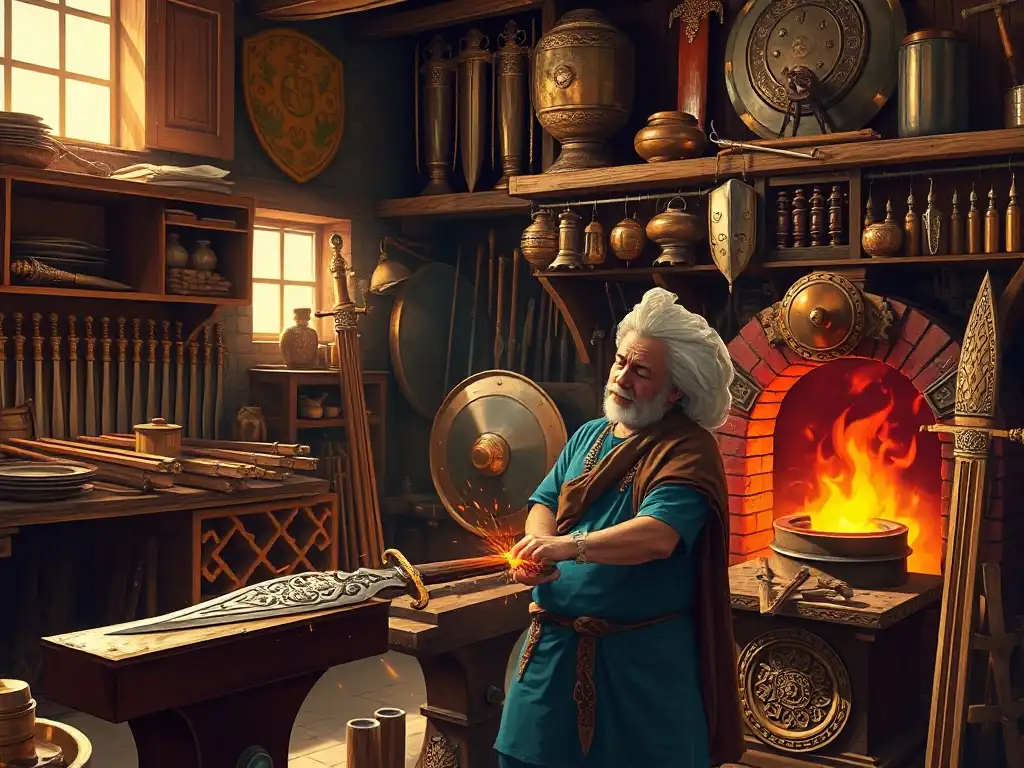
The advancements in metallurgy during ancient Indian civilizations played a critical role in the development of weaponry. Ancient Indian metallurgy, particularly in the production of iron and steel, not only showcased the technological prowess of the time but also influenced military strategies and outcomes in various historical contexts. Among these advancements, the development of Wootz steel and innovative techniques in iron smelting and forging stand out as pivotal contributions.
The Development of Wootz Steel
Wootz steel, also known as "wootz" or "damasked steel," is one of the most iconic metallurgical achievements of ancient India. This high-quality steel originated from the region near modern-day Karnataka and was highly sought after due to its exceptional properties.
Characteristics of Wootz Steel
Wootz steel is distinguished by its:
- High Carbon Content: Typically containing about 1.5% to 2% carbon, Wootz steel is known for its hardness and ability to hold a sharp edge.
- Patterned Surface: The unique crystalline structure formed during the production process gives Wootz steel its characteristic patterns, often resembling flowing water or ripples. This not only enhances its aesthetic appeal but also indicates its quality.
- Toughness and Flexibility: Despite its high carbon content, Wootz steel maintains a level of flexibility that prevents shattering upon impact, making it ideal for weapons like swords and daggers.
The combination of these characteristics made Wootz steel particularly advantageous for military applications, where durability and effectiveness were paramount.
Historical Significance of Wootz Steel in Weaponry
The historical significance of Wootz steel in ancient Indian weaponry can be highlighted through several key points:
- Trade and Exchange: Wootz steel was exported to various regions, including the Middle East and Europe, where it was highly valued. This trade not only facilitated cultural exchange but also established ancient India as a center of advanced metallurgical knowledge.
- Influence on Other Cultures: The techniques used to produce Wootz steel influenced metallurgical practices in other civilizations, leading to the development of similar steel types, such as Damascus steel in the Middle East.
- Role in Warfare: The superior quality of Wootz steel swords and weapons provided Indian warriors with a significant advantage in battles, contributing to the success of various empires and dynasties throughout history.
Techniques in Iron Smelting and Forging
Ancient Indian metallurgists employed advanced techniques in iron smelting and forging that were crucial for producing high-quality weapons. These methods laid the groundwork for the development of robust iron weaponry.
Crucible Steel Production Methods
The production of crucible steel involved several sophisticated techniques:
- Crucible Process: The raw materials, including iron ore and carbon sources (like charcoal), were combined in a crucible and heated to high temperatures, allowing the carbon to diffuse into the iron.
- Controlled Environment: The process required precise temperature control and an oxygen-restricted environment to prevent oxidation, enabling the creation of steel with uniform composition and desired properties.
- Reheating and Hammering: After cooling, the steel was reheated and hammered to remove impurities, enhancing its strength and durability.
These methods not only exemplified the technical skill of ancient Indian metallurgists but also resulted in high-quality iron and steel products suitable for various military applications.
Impact on Weapon Durability and Performance
The impact of these metallurgical techniques on weapon durability and performance was profound:
- Enhanced Strength: The use of advanced smelting and forging techniques resulted in weapons that were not only stronger but also lighter, allowing for improved maneuverability in combat.
- Corrosion Resistance: The properties of the produced iron and steel made these weapons more resistant to rust and corrosion, ensuring longevity and reliability in battlefield conditions.
- Variety of Weapons: Innovations in metallurgy allowed for the production of a diverse range of weapons, from swords and spears to armor and shields, catering to various combat styles and strategies.
The metallurgical advancements in ancient Indian weaponry, particularly the development of Wootz steel and the sophisticated techniques in iron smelting and forging, significantly contributed to the military effectiveness and historical legacy of ancient Indian civilizations. These advancements not only reflect the ingenuity of ancient Indian metallurgists but also their lasting influence on weaponry across cultures.
Types of Weapons Produced with Advanced Metallurgy
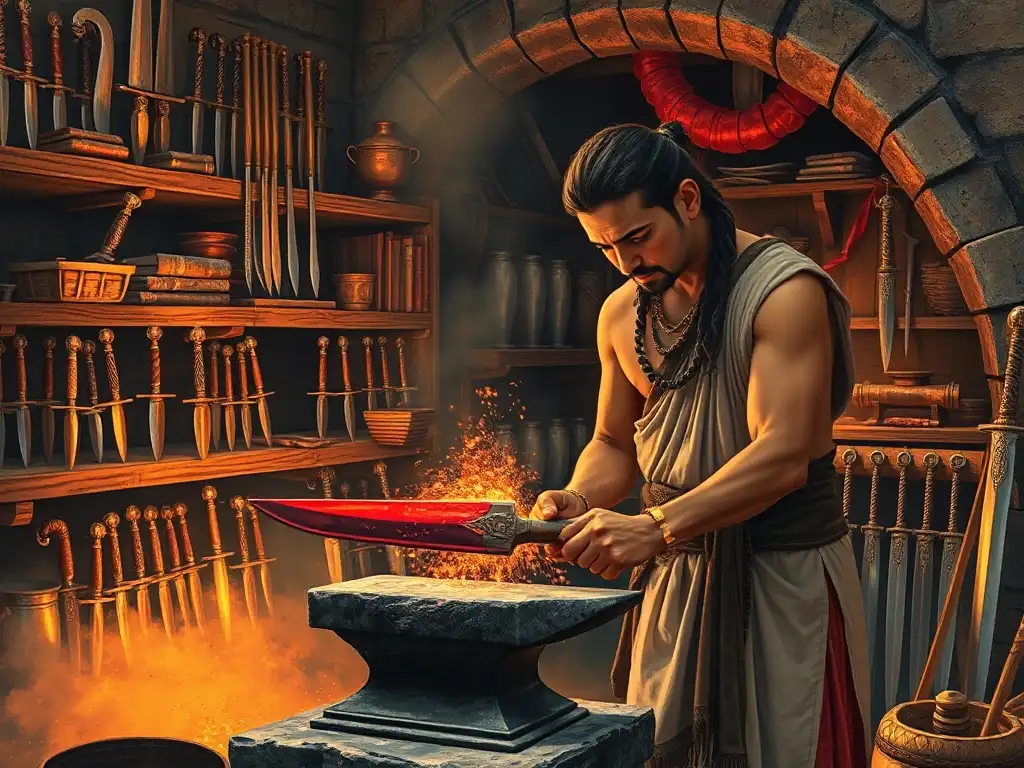
Ancient Indian metallurgy advancements played a crucial role in developing various weapons that shaped military strategies and combat effectiveness. The sophisticated techniques in metalworking allowed artisans to create a diverse array of weaponry, each tailored for specific purposes on the battlefield. Below, we explore some of the most significant types of weapons produced during this remarkable era.
Swords and Blades: Craftsmanship and Design
The sword, known as "kshur" in ancient texts, was a symbol of valor and nobility in ancient India. The craftsmanship involved in producing these weapons was highly advanced, with blacksmiths employing techniques passed down through generations.
- Materials: The primary metals used in sword-making included iron and steel, with the famed "wootz steel" being particularly notable. Wootz steel, known for its high carbon content, was praised for its durability and ability to hold a sharp edge.
- Design Features:
- Curvature: Swords such as the khanda featured a broad blade with a pronounced curve, providing both slashing capability and thrusting power.
- Hilt and Guard: The intricate designs of hilts often included symbolic motifs and were made from materials like brass, enhancing both aesthetics and grip.
The legendary swords of ancient India were not only practical but also crafted as works of art, often adorned with precious stones and intricate carvings, reflecting the skill and creativity of their makers.
Projectiles: Development of Advanced Weapons
Projectiles played a significant role in ancient Indian warfare, with metallurgy advancements leading to the creation of highly effective ranged weapons.
- Bows and Arrows:
- Construction: Bows were typically made from wood, but the arrowheads were crafted from iron or steel, ensuring maximum lethality. The use of barbed arrowheads increased the effectiveness of injuries inflicted on opponents.
- Innovative Features: Some arrows were designed with multiple arrowheads or specialized tips to penetrate armor, showcasing the ingenuity of ancient Indian weapon designers.
- Crossbows:
- Mechanics: The introduction of crossbows allowed for greater accuracy and power in ranged attacks. The metal components of the crossbow mechanism, crafted with precision, contributed to its effectiveness on the battlefield.
- Catapults and Siege Weapons:
- Materials: These formidable machines utilized iron components that enhanced their durability and strength, allowing them to launch projectiles over great distances, effectively breaching fortifications.
The advancements in projectile weaponry not only increased the range and impact of attacks but also revolutionized strategies in ancient Indian warfare.
Armor and Defensive Gear: Metallurgical Innovations
The development of armor and defensive gear was equally significant in the context of ancient Indian metallurgy advancements.
- Types of Armor:
- Chain Mail: Crafted from interconnected metal rings, chain mail provided flexibility and protection. The skill involved in crafting chain mail was paramount, as it required meticulous attention to detail.
- Plate Armor: Large plates of iron or steel were fashioned into garments that offered enhanced protection against slashing and piercing attacks. The quality of the metal and the craftsmanship determined the effectiveness of the armor.
- Shields:
- Construction: Shields were often made from a combination of wood and metal, providing both lightweight maneuverability and robust defense. The outer layer was typically reinforced with iron or steel, maximizing durability.
- Innovative Techniques:
- Quenching and Tempering: Metallurgical techniques such as quenching and tempering were utilized to enhance the strength and flexibility of metal used in armor production. These processes allowed for the creation of armor that could withstand the rigors of battle while remaining lightweight.
The advancements in armor and defensive gear underscored the importance of metallurgy in ensuring the safety and effectiveness of warriors in ancient Indian armies, shaping the outcomes of many battles throughout history.
Influence of Ancient Indian Metallurgy on Global Weaponry
Trade and Cultural Exchange in Metallurgical Techniques
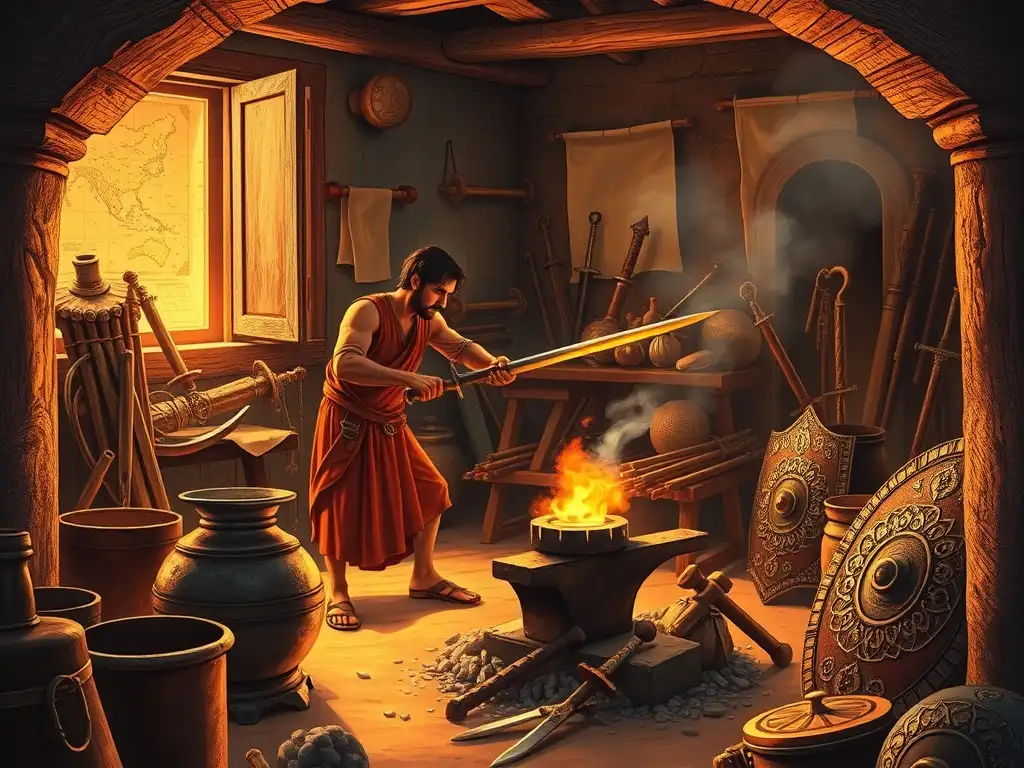
The advancements in ancient Indian metallurgy were not only significant within the subcontinent but also had far-reaching implications for global weaponry. Between 1500 BCE and 500 CE, India became a prominent center for the production and trade of high-quality metals, particularly iron and steel. The trade routes, such as the Silk Road and maritime paths, facilitated the exchange of metallurgical knowledge and techniques between India and other civilizations.
- Key Trade Centers: Major trading hubs like Taxila, Ujjain, and Pataliputra acted as melting pots for cultural and technological exchange. Here, metallurgists shared their expertise with foreign merchants and travelers, disseminating knowledge about iron smelting and the production of superior steel, such as wootz steel.
- Cultural Interactions: The interaction between various cultures led to the adaptation and enhancement of metallurgical practices. For example, Indian blacksmithing techniques influenced the production of weaponry in regions like Persia and the Mediterranean.
The cultural exchange fostered by trade not only enriched Indian metallurgy but also allowed foreign civilizations to adopt and adapt these techniques, leading to improved weaponry and military technology globally.
The Spread of Indian Metallurgical Practices to Other Civilizations
The impact of ancient Indian metallurgy on global weaponry is evident in the way its practices spread to other civilizations. The unique techniques developed in India, particularly in the crafting of iron and steel, set a benchmark for metallurgical excellence.
- Wootz Steel: Renowned for its high quality, wootz steel was a product of ancient Indian metallurgical innovation. Its unique properties made it highly sought after in regions such as the Middle East and Europe. The process of producing wootz steel, involving the use of high-carbon iron, was a closely guarded secret in India and later became a benchmark for sword-making in various cultures.
- Influence on Weaponry Design: The techniques developed in India influenced the design and manufacturing of swords, daggers, and other weapons in neighboring regions. For instance, the Damascus steel swords of the Islamic Golden Age were inspired by Indian practices, incorporating similar methods of forging and steel production.
- Military Innovations: Indian metallurgical advancements contributed to significant military innovations beyond weaponry. The use of iron for tools and plows, as well as innovations in armor, were disseminated through trade and warfare, enhancing the capabilities of various armies around the world.
The ancient Indian metallurgy advancements not only revolutionized weaponry within India but also laid the groundwork for metallurgical practices in other civilizations, demonstrating a legacy that continues to resonate in modern metallurgy.
Conclusion: The Legacy of Ancient Indian Metallurgy Advancements
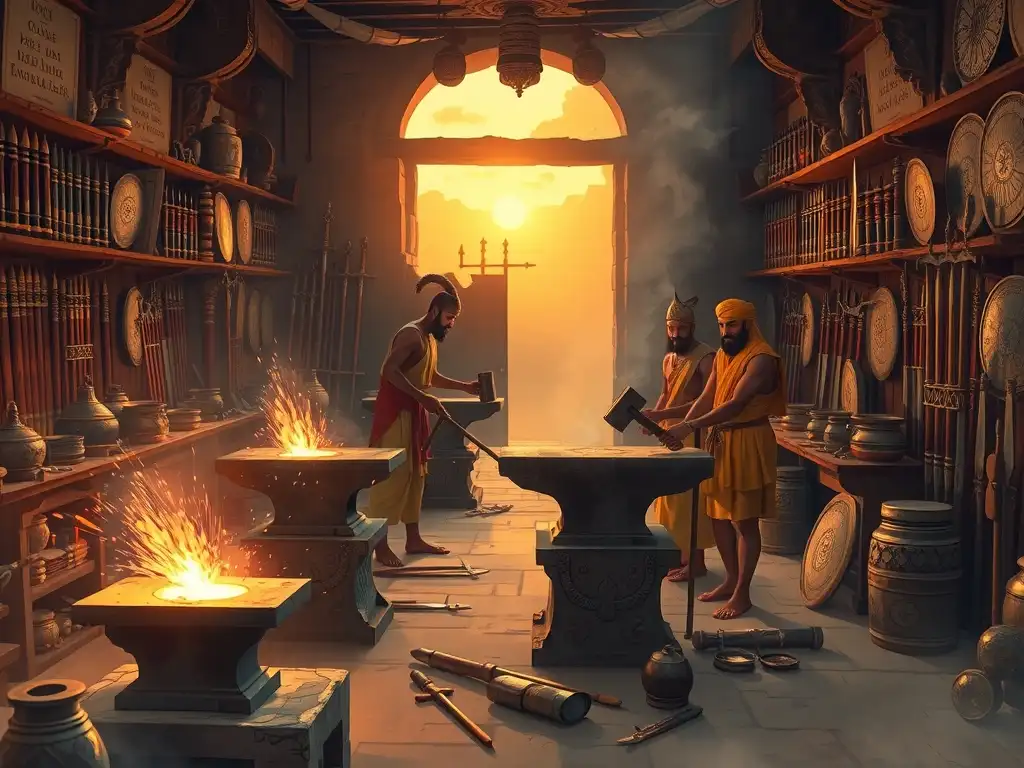
The legacy of ancient Indian metallurgy advancements is a testament to the ingenuity and skill of the civilizations that thrived in the Indian subcontinent. From the sophisticated techniques used in the production of iron and steel to the intricate designs of weaponry, these advancements not only revolutionized military technology but also influenced various aspects of society, economy, and culture. The mastery of metallurgy enabled ancient Indian warriors to craft formidable weapons, enhancing their combat effectiveness and altering the course of conflicts throughout history.
The contributions of ancient Indian metallurgists laid the groundwork for future innovations in weaponry and materials science, highlighting the importance of these advancements in shaping historical narratives. As we reflect on this rich history, it becomes evident that the techniques developed by these early metallurgists were not merely functional but also a reflection of their artistry and understanding of materials.
Reflection on the Impact of Metallurgy on Military Technology
The relationship between metallurgy and military technology is profound, particularly in the context of ancient Indian civilizations. The innovations in metallurgy provided these societies with a competitive edge in warfare, which can be observed in several key aspects:
- Quality of Materials: The ability to produce high-quality iron and steel significantly enhanced the durability and effectiveness of weapons. For instance, the production of wootz steel, known for its strength and sharpness, became a sought-after material for swords and blades, giving Indian warriors a distinct advantage.
- Diverse Weaponry: Ancient Indian metallurgists developed a variety of weapons, including swords, spears, and bows, each crafted with meticulous attention to detail. The use of advanced metallurgy allowed for the creation of weapons that were not only functional but also aesthetically appealing.
- Tactical Advancements: The development of superior weaponry facilitated new tactics and strategies in warfare. With better arms, armies could engage in larger and more complex battles, leading to significant shifts in power dynamics among ancient kingdoms.
- Economic Impact: The metallurgy sector also contributed to the economy by fostering trade. The reputation of Indian steel attracted merchants from distant lands, creating a vibrant trade network that further enriched the cultural and material exchanges of the time.
These factors jointly illustrate how ancient Indian metallurgy advancements were pivotal in shaping the military landscape, providing both a tactical advantage in conflicts and a foundation for future developments in weaponry.
The Enduring Influence of Ancient Indian Weaponry in Modern Times
The influence of ancient Indian weaponry extends beyond historical battles; it continues to resonate in modern times through various avenues:
- Cultural Heritage: Many traditional martial arts in India, such as Kalaripayattu, retain the techniques and philosophies rooted in ancient weaponry. The weapons used in these arts often pay homage to the designs and materials of the past, preserving the legacy of ancient metallurgical techniques.
- Modern Metallurgy: The principles of metallurgy developed in ancient India have found their way into contemporary practices. Techniques such as alloying and heat treatment, which were refined by ancient metallurgists, inform current metallurgical processes, underscoring the long-lasting impact of these advancements.
- Historical Studies and Reenactments: The fascination with ancient weaponry has led to a resurgence of interest in historical studies and reenactments. Scholars and enthusiasts alike delve into the intricacies of ancient Indian weapon design and metallurgy, contributing to a greater appreciation of this heritage.
- Global Recognition: Ancient Indian metallurgy has gained recognition on the global stage, influencing metallurgical practices in other cultures. The trade of wootz steel, for instance, was not only a testament to Indian craftsmanship but also a catalyst for cross-cultural exchanges that shaped metallurgical advancements worldwide.
The advancements in ancient Indian metallurgy not only revolutionized military technology but also left an indelible mark on contemporary culture and practices. The study of these historical achievements enriches our understanding of the past and showcases the profound impact that ancient civilizations continue to have on the modern world.
Frequently Asked Questions
What were the key metallurgical advancements in ancient India?
Ancient India saw significant advancements in metallurgy, particularly with iron and steel production, which enabled the creation of strong weapons and tools.
How did ancient Indian metallurgy influence weaponry?
The quality of iron and steel produced in ancient India led to the development of superior weaponry, contributing to military strength and technological progress during various empires.
What is the significance of the Indus Valley in metallurgy?
The Indus Valley Civilization is recognized for its early metallurgical practices, including the use of copper and bronze, which laid the groundwork for later advancements in iron production.
How did the Gupta Empire contribute to metallurgical knowledge?
During the Gupta Empire, there were remarkable improvements in metalworking techniques that enhanced the production of high-quality iron and steel, furthering military and industrial capabilities.
What materials were commonly used in ancient Indian metallurgy?
Ancient Indian metallurgists primarily utilized iron, steel, copper, and bronze, showcasing their expertise in metalworking and the ability to create durable and effective tools and weapons.
Final Reflection: The Enduring Legacy of Ancient Indian Metallurgy
The advancements in ancient Indian metallurgy, particularly in iron and steel production, are not just relics of the past; they are foundational elements that continue to shape our modern understanding of materials science. The sophistication of techniques developed in ancient India showcases a remarkable blend of innovation and craftsmanship that resonates with contemporary metallurgical practices. As we delve into the intricacies of these advancements, we uncover a narrative that underscores the importance of cultural heritage in technological evolution.
The influence of ancient Indian metallurgy extends far beyond the realm of weaponry; it has permeated various aspects of our cultural and social landscape. The techniques and philosophies surrounding metalworking have inspired generations of artisans and scientists alike, fostering a deep appreciation for the interplay between tradition and innovation. As noted by historian R. S. Sharma, The metallurgical achievements of ancient India reflect not only technical prowess but also a profound understanding of the materials and their potential.
This acknowledgment of the past serves as a reminder of the rich tapestry of knowledge that informs our present and future.
As we reflect on the lessons gleaned from ancient Indian metallurgy, let us embrace the spirit of inquiry and craftsmanship that defined these early innovators. I invite you to explore your own relationship with materials—whether in art, science, or everyday life—and consider how the wisdom of the past can inspire your own creative and intellectual pursuits. By honoring the legacy of these metallurgical advancements, we not only celebrate our history but also pave the way for future innovations that honor the intricate dance between tradition and progress.
Unveil the Mastery of Ancient Indian Metallurgy!
Thank you for exploring the fascinating world of ancient Indian weaponry with us! You've just uncovered the rich history and innovative techniques behind the metallurgy that shaped a remarkable era. Now, it’s time to take a step further and connect with this vibrant heritage.
Here are a few actions you can take right now:
- Dive deeper into ancient techniques: Research a specific metallurgical process mentioned in this article and discover its influence on modern technology.
- Share your thoughts: Join the conversation by commenting below about your favorite ancient weapon or metallurgical technique.
- Explore a local museum or exhibition: Visit an exhibit on ancient weaponry or metallurgy in your area and experience history firsthand.
What aspect of ancient Indian metallurgy fascinates you the most, and how do you think it influences today’s technological advancements?