
The Transition from Ancient to Medieval Warfare in India: A Historical Overview

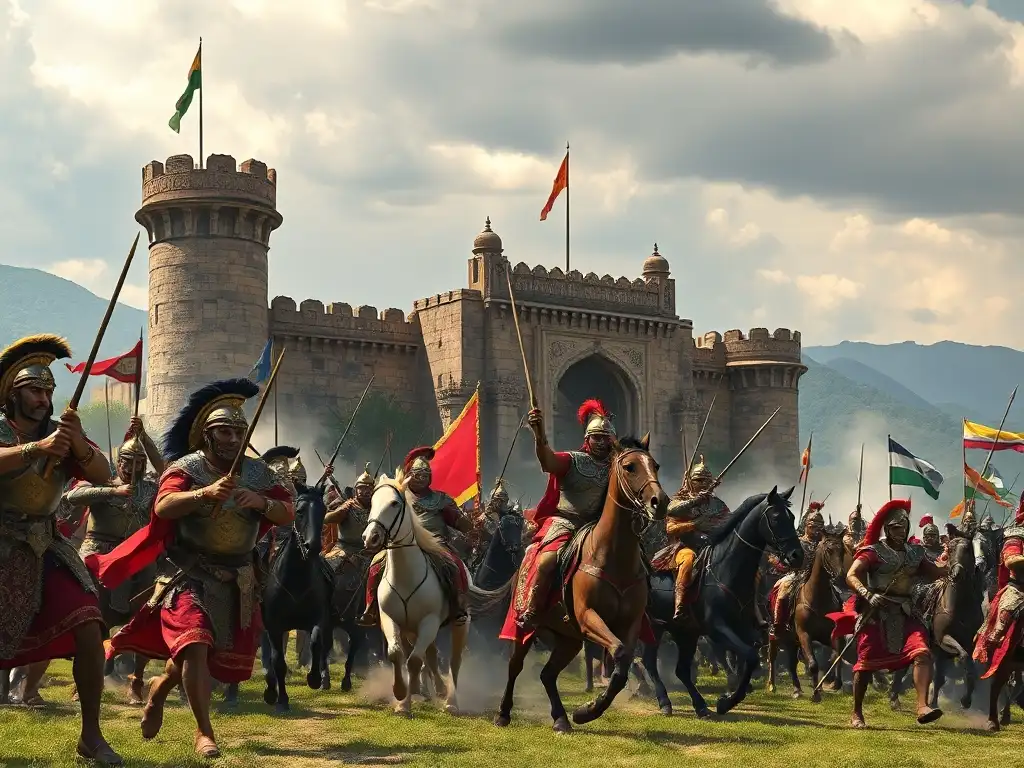
Welcome to Ancient India History, where we embark on a fascinating journey through the rich tapestry of ancient Indian civilizations. Here, we delve into the intricate details of Ancient Indian warfare history, revealing how military strategies and conflicts shaped the very fabric of society from the Indus Valley to the Gupta Empire. Are you ready to uncover the pivotal transitions from ancient to medieval warfare that not only defined battles but also influenced culture and governance? Join us as we explore the profound impact of warfare on these ancient societies and their lasting contributions to history.
Introduction to Ancient Indian Warfare History
The history of warfare in ancient India is a captivating narrative that reflects the evolution of military strategies, technologies, and socio-political dynamics over millennia. From the sophisticated urban centers of the Indus Valley Civilization to the expansive empires of the Mauryas and Guptas, ancient Indian warfare was characterized by a rich tapestry of diverse practices, beliefs, and innovations.
As we delve into the transition from ancient to medieval warfare, it becomes essential to explore the foundational elements that defined military engagements in this region, including the weapons, tactics, and the overarching philosophies that guided these ancient warriors. This exploration not only sheds light on the conflicts that shaped the subcontinent but also underscores the cultural and historical significance of these military practices in the context of India's broader historical narrative.
Significance of Studying Ancient Indian Warfare
Understanding ancient Indian warfare is crucial for several reasons:
- Cultural Insight: Warfare played a pivotal role in shaping the identities and cultures of ancient Indian civilizations. Analyzing military tactics and strategies provides insights into the social hierarchies, religious beliefs, and economic conditions of the time.
- Technological Advancements: Ancient Indian warfare saw significant technological innovations, from the chariots of the Vedic period to the advanced military formations of the Mauryan Empire. This evolution mirrors the technological advancements of the society.
- Political Dynamics: The rise and fall of empires in ancient India were often precipitated by military conflicts. Understanding these wars allows us to comprehend the political landscape and territorial expansions that defined the region.
- Legacy and Influence: The military traditions established in ancient India influenced subsequent periods, including medieval and colonial times. By studying these transitions, we can trace the continuity and change in military thought and practice through the ages.
Overview of Warfare in Ancient India
Ancient Indian warfare was marked by a variety of strategies and techniques, which evolved significantly across different periods. Here are some key aspects:
- Weapons and Armor:
- Chariots: Essential for mobility and speed, chariots were used extensively in battles, particularly in the Vedic period.
- Infantry: Foot soldiers armed with bows, swords, and shields formed the backbone of ancient armies.
- Cavalry: The use of horses became increasingly prominent, especially during the Mauryan period.
- Tactics:
- Formation: Armies were often organized into various formations, with specific roles for infantry, cavalry, and chariots.
- Siege Warfare: As city-states developed, the art of siege warfare became crucial, with strategies designed to breach fortified structures.
- Philosophical and Ethical Dimensions:
- Dharma: The concept of dharma played a critical role in shaping the ethics of warfare, dictating the moral obligations of warriors and rulers.
- Ancient Texts: Texts like the Mahabharata and Arthashastra provide valuable insights into the strategies, ethics, and philosophies underpinning ancient Indian military practices.
The study of ancient Indian warfare not only enriches our understanding of historical conflicts but also illuminates the complexities of ancient Indian society, paving the way for a deeper appreciation of its legacy in the transition to medieval warfare.
- Introduction to Ancient Indian Warfare History
- Significance of Studying Ancient Indian Warfare
- Overview of Warfare in Ancient India
- What were the main features of ancient Indian warfare?
- How did the Indus Valley Civilization influence warfare?
- What role did religion play in ancient Indian warfare?
- How did the Gupta Empire change the landscape of warfare in India?
- What were the key differences between ancient and medieval warfare in India?
The Characteristics of Ancient Indian Warfare
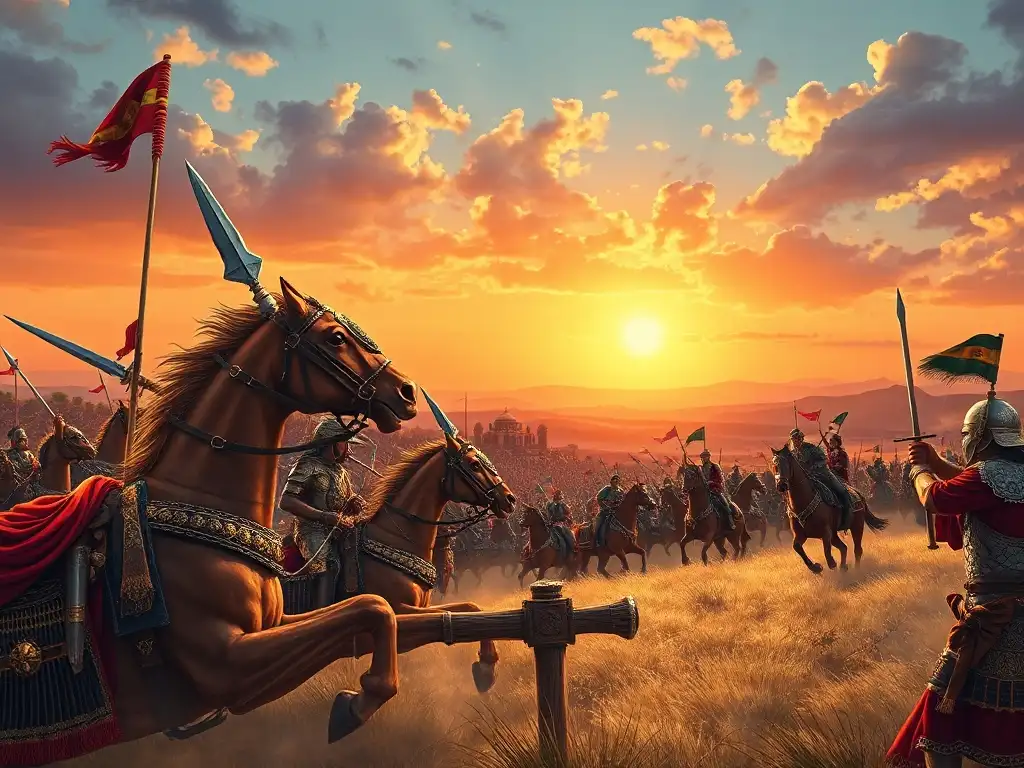
Ancient Indian warfare was characterized by a unique blend of strategies, weapons, and military organization that reflected the diverse cultures and regional practices across the subcontinent. Warfare in ancient India evolved in response to geographical conditions, technological advancements, and societal changes, leading to a complex military landscape that is crucial in understanding the broader context of Ancient Indian warfare history.
The ancient Indian military system was not only about armed conflict but also encompassed diplomatic relations, alliances, and socio-political dynamics. The concept of dharma (duty) played a significant role, influencing when and how wars were fought. Various kingdoms and empires, such as the Mauryas, Guptas, and others, demonstrated distinct approaches to warfare, shaped by their economic resources, cultural values, and geographic challenges.
Weapons and Technology in Ancient Indian Warfare
Ancient Indian warfare utilized a diverse array of weapons and technologies, which evolved over time. The primary weapons included:
- Infantry Weapons: Swords (such as the khanda), spears, and bows were common among foot soldiers. The use of the bow and arrow was particularly significant, with archers playing a crucial role in battles.
- Siege Weapons: Techniques and tools for besieging fortifications included battering rams and catapults, reflecting a sophisticated understanding of military engineering.
- Armor and Shields: Soldiers often wore armor made of metal or leather, enhancing their protection. Shields, typically round and made of wood or metal, were essential for defense during combat.
Table: Common Weapons Used in Ancient Indian Warfare
| Weapon Type | Description | Usage |
|---|---|---|
| Swords | Double-edged, effective for close combat | Infantry battles |
| Bows | Long-range weapon with various arrow types | Archery units |
| Spears | Versatile weapon for both throwing and thrusting | Infantry and cavalry |
| Chariots | Two-wheeled vehicles used for speed and mobility | Command and maneuvering |
| Elephants | Used as a platform for archers and as combatants | Shock troops |
The advancement in metallurgy also contributed to more effective weapons, with texts such as Arthashastra describing military tactics and the importance of maintaining a well-armed army.
Military Tactics and Strategies in Ancient Battles
Military tactics in ancient India were diverse and often tailored to the specific context of each battle. Key strategies included:
- Flanking Maneuvers: Commanders would often seek to outmaneuver their opponents by attacking their sides, exploiting weaknesses in formation.
- Use of Terrain: Ancient Indian generals utilized the landscape strategically, positioning troops in advantageous locations such as hills or forests to gain a tactical edge.
- Psychological Warfare: The display of strength through formations, war cries, and the use of elephants was aimed at demoralizing the enemy before the battle even began.
A notable example of ancient military strategy is found in the battles fought by the Mauryan Empire, where the combination of infantry, cavalry, and elephants was coordinated into a cohesive force. The Mahabharata also provides insights into ancient military strategies, showcasing the significance of planning and intelligence in warfare.
Role of Chariots and Elephants in Warfare
Chariots and elephants played a pivotal role in ancient Indian warfare, serving both practical and symbolic purposes.
- Chariots: Typically drawn by horses, chariots provided mobility and a platform for archers. They were essential in the early battles and were extensively used in the Mahabharata, where they represented speed and maneuverability.
- Elephants: The use of war elephants was a distinctive feature of ancient Indian armies. They were not only used for transportation but also as formidable combat units capable of causing chaos in enemy ranks. Elephants often carried archers and were equipped with armor, making them a significant asset in battle.
“The elephant, symbolizing strength, was often regarded as a royal animal and played a crucial role in establishing dominance in the battlefield.”
The strategic employment of these units could turn the tide in battles, highlighting the innovative military practices that characterized ancient Indian warfare. The effectiveness of chariots and elephants in combat scenarios is well-documented in historical records and literature, underscoring their importance in the military tactics of the time.
The characteristics of ancient Indian warfare reflect a rich tapestry of military history, showcasing the evolution of weapons, strategies, and the integration of cultural elements into military practice. Understanding these features provides a comprehensive view of the ways in which ancient Indian civilizations approached the art of war.
Major Dynasties and Their Contributions to Warfare
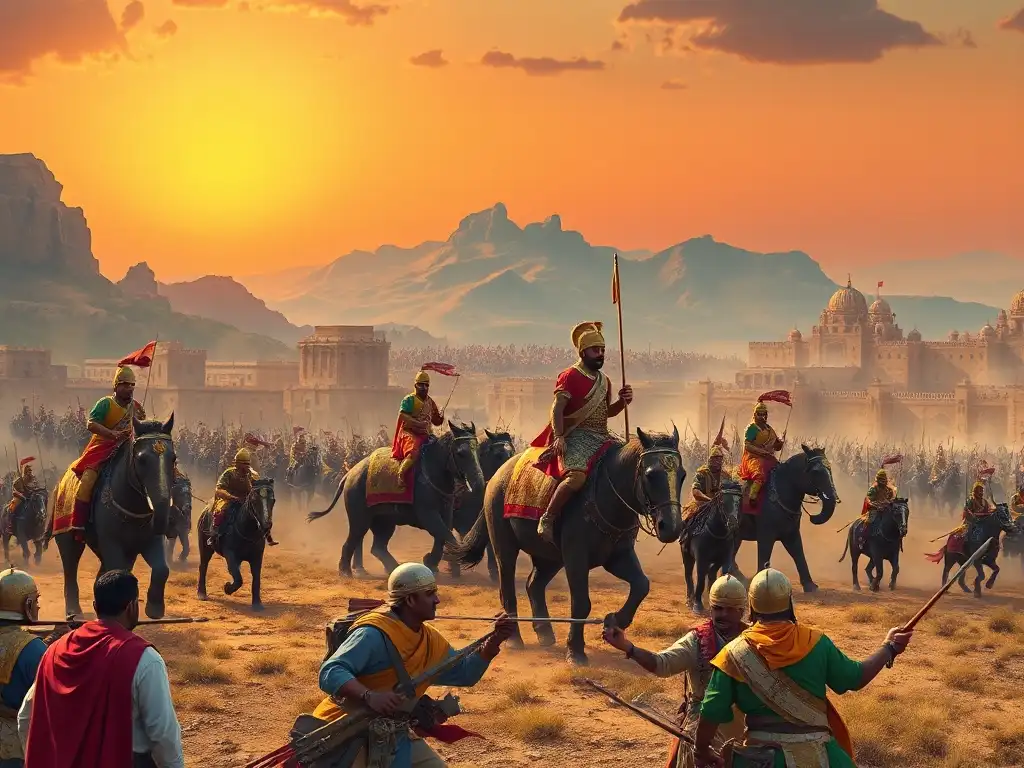
The evolution of warfare in ancient India is intricately linked to the significant dynasties that ruled the subcontinent. Each dynasty brought forth innovations, military strategies, and cultural influences that shaped the landscape of warfare. Here, we explore two of the most impactful empires—the Maurya Empire and the Gupta Empire—along with the regional variations in warfare that characterized ancient Indian history.
The Maurya Empire: Innovations in Military Organization
The Maurya Empire (c. 322–185 BCE) marked a pivotal moment in ancient Indian warfare history, characterized by its unprecedented military organization and strategic innovations. Under the leadership of Chandragupta Maurya and later his grandson Ashoka, the empire expanded its territory through a combination of military prowess and diplomatic strategies.
Key Contributions:
- Centralized Command Structure: The Mauryan military was notable for its structured hierarchy, with a clear chain of command that facilitated effective communication and coordination during campaigns. This organization allowed for the rapid mobilization of troops across vast distances.
- Diverse Army Composition: The Maurya army was composed of infantry, cavalry, elephants, and chariots, reflecting a diverse approach to warfare. The use of war elephants, in particular, became a hallmark of Mauryan military tactics, instilling fear in enemy ranks and serving as a formidable force in battle.
- Innovative Warfare Techniques: Chandragupta’s campaigns against the Nanda Empire showcased innovative strategies, such as the use of guerilla tactics and psychological warfare. The Mauryans also employed spies and intelligence networks to gather information about enemy movements, further enhancing their strategic advantage.
- Ashoka's Transformation: After the Kalinga War, Ashoka's conversion to Buddhism led to a significant shift in military philosophy. He promoted non-violence and diplomacy, which influenced subsequent Indian rulers and their approaches to warfare.
The Gupta Empire: A Golden Age of Warfare
The Gupta Empire (c. 320–550 CE) is often regarded as a golden age in Indian history, not only for its advancements in arts and sciences but also for its military achievements. The Guptas effectively utilized both traditional and innovative strategies to maintain their power and expand their territory.
Key Contributions:
- Cavalry Dominance: The Gupta military is noted for its heavy reliance on cavalry, which became the backbone of their forces. The use of swift cavalry units allowed for rapid maneuvers and the ability to outflank opponents during battles.
- Fortifications and Defense: The Guptas invested in fortifications and defensive strategies, constructing robust forts that served as both military strongholds and administrative centers. This emphasis on defense helped protect their territories from invasions.
- Military Treatises and Literature: The period saw the composition of significant military texts, such as the Arthashastra by Kautilya (Chanakya), which provided insights into statecraft, warfare strategies, and economic management. Such literature contributed to the sophisticated understanding of warfare during this era.
- Cultural Integration: Gupta warfare was not solely about military conquest; it also involved the integration of diverse cultures and regions. This approach fostered loyalty among conquered peoples and helped maintain stability within the empire.
Regional Variations in Warfare Across Ancient India
Ancient Indian warfare was not monolithic; it varied significantly across regions due to geographical, cultural, and economic factors. These regional differences led to distinctive military practices and strategies that shaped the overall landscape of warfare in ancient India.
Examples of Regional Variations:
- The Deccan Plateau: In this region, warfare often involved the use of guerilla tactics due to the rugged terrain. Smaller kingdoms, like the Satavahanas, utilized swift cavalry and archers to navigate the difficult landscape effectively.
- Northern India: The fertile plains of the north saw the rise of large empires like the Mauryas and Guptas. Here, traditional warfare focused on large-scale battles with organized infantry and the strategic use of chariots and elephants, reflecting the region's agricultural abundance.
- South India: The Chola and Pandya empires in the south emphasized naval power and coastal defense. Their military strategies included raiding and controlling trade routes, showcasing an emphasis on maritime capabilities.
- Cultural Influences: Local cultures influenced warfare styles, with varying armaments and tactics based on available resources and societal norms. For instance, the use of bows and arrows was prevalent among certain tribes, while others favored melee combat with swords and shields.
The study of ancient Indian warfare history reveals a rich tapestry of military innovations and regional variations, shaped by the major dynasties that ruled the subcontinent. The Maurya and Gupta empires stand out for their contributions to military organization, strategy, and cultural integration, while regional practices highlight the diversity of warfare across ancient India.
Factors Leading to the Transition to Medieval Warfare
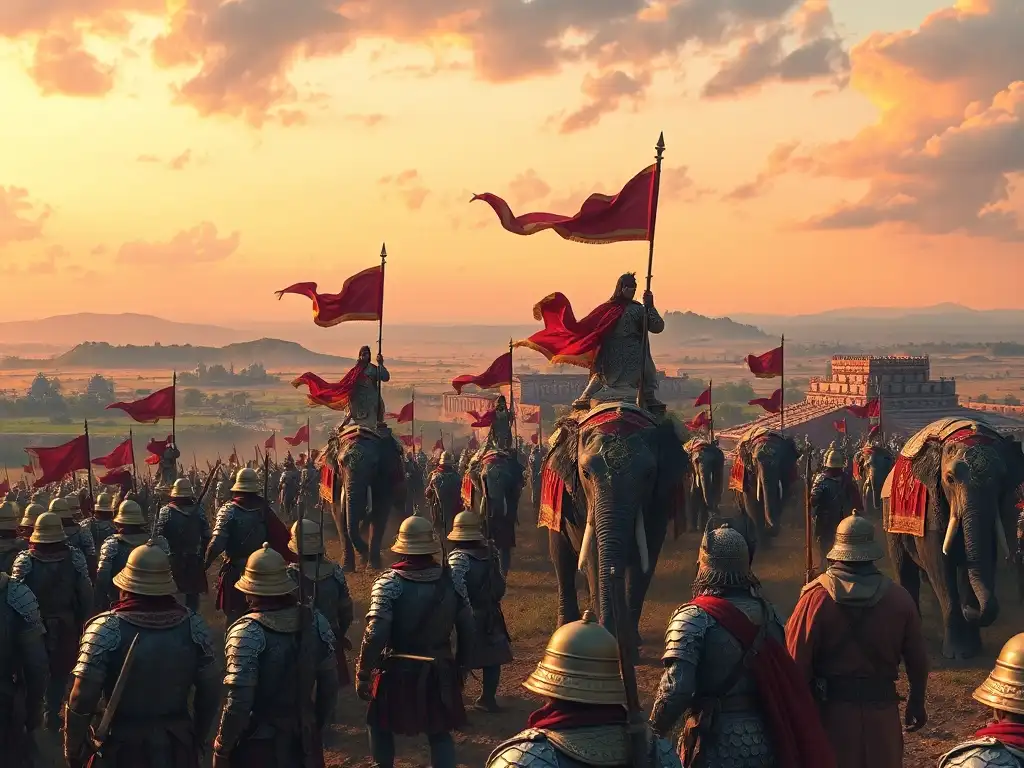
The transition from ancient to medieval warfare in India was marked by a complex interplay of various factors that reshaped military strategies and practices. Understanding these factors provides insight into how ancient Indian warfare history evolved, paving the way for new paradigms.
Socio-Political Changes Influencing Warfare
The socio-political landscape of ancient India underwent significant transformations that directly influenced warfare. Notable factors include:
- Rise of Regional Kingdoms: With the decline of the large empires like the Maurya and Gupta, regional kingdoms began to assert their independence. This fragmentation led to localized conflicts, where warfare tactics became tailored to specific socio-political contexts.
- Feudal System Emergence: The rise of feudalism introduced a new hierarchy in military organization. Local chieftains gained power, relying on vassals and their own retinues to engage in warfare, shifting the focus from large standing armies to smaller, more agile forces.
- Economic Factors: Trade and agriculture played a crucial role in warfare. Wealthier states could afford better equipment and larger armies, while poorer states struggled to maintain military capabilities. This economic disparity influenced the scale and nature of conflicts.
The socio-political changes not only redefined military alliances but also altered the objectives of warfare, as regional powers sought to expand their territories and influence.
Cultural Exchanges and Their Impact on Military Strategies
Cultural exchanges that occurred due to trade, conquests, and migrations had a profound impact on military strategies in ancient India. Key aspects include:
- Influence of Neighboring Cultures: Encounters with Persian, Greek, and Central Asian cultures introduced new military technologies and tactics. For example, the use of cavalry became more prevalent, adapting to the evolving battlefield requirements.
- Religious and Ideological Motivations: The spread of various religions, including Buddhism and Jainism, influenced the ethical frameworks surrounding warfare. In contrast, more aggressive ideologies emerged, promoting the idea of dharma-yuddha (righteous warfare) which justified military actions.
- Art and Literature: The depiction of warfare in ancient art and literature, such as the Mahabharata and Ramayana, provided not only moral lessons but also tactical insights. These texts influenced military leaders in their strategic planning and execution of battles.
Cultural exchanges enriched the existing military traditions, fostering an environment where new strategies could emerge, contributing to the transition to medieval warfare.
The Rise of New Warfare Techniques
The evolution of warfare techniques was a significant factor in the transition from ancient to medieval warfare. Important changes included:
- Adoption of New Weapons: The introduction of advanced weaponry, such as the composite bow and crossbow, changed combat dynamics. These weapons allowed for greater range and lethality, necessitating changes in battle formations and tactics.
- Formation Tactics: The shift from traditional phalanx formations to more flexible troop arrangements allowed for better maneuverability on the battlefield. Armies began to incorporate a mix of infantry, cavalry, and war elephants to create a more versatile fighting force.
- Fortifications and Siege Warfare: The rise of fortified cities and the development of siege tactics became crucial as kingdoms sought to protect their territories. Techniques such as the use of siege engines and strategic planning for prolonged engagements marked a shift in how battles were fought.
As new warfare techniques emerged, they laid the groundwork for the complex military engagements characteristic of medieval India, reflecting the rich and diverse ancient Indian warfare history.
The Emergence of Medieval Warfare in India
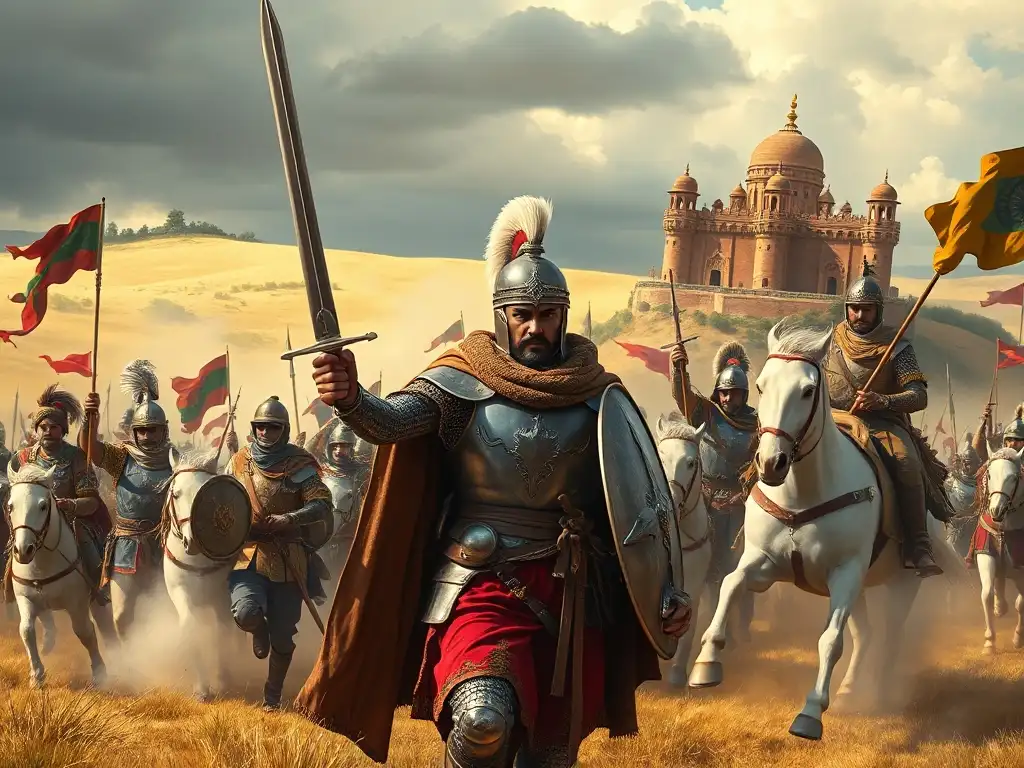
The transition from ancient to medieval warfare in India marks a significant evolution in military strategy, organization, and technology. This transformation occurred around the 8th century CE, leading to the rise of new kingdoms, the influence of foreign invaders, and changes in the socio-political landscape. During this period, the structure of armies, the nature of conflicts, and the motivations behind warfare began to shift, reflecting broader changes in Indian society.
The emergence of medieval warfare can be attributed to several factors, including the decline of the Gupta Empire, the rise of regional powers, and the arrival of Islamic empires. As the political landscape became fragmented, warfare became more localized, with smaller kingdoms often clashing for territory and resources. The introduction of new military technologies and tactics also played a crucial role, as did the changing dynamics of alliances and enmities among different kingdoms.
Key Characteristics of Medieval Indian Warfare
Medieval Indian warfare was marked by distinct characteristics that differentiated it from ancient practices.
- Military Organization:
- Armies began to be organized into standing forces rather than relying solely on feudal levies. This shift allowed for more professional soldiering and better training.
- The use of cavalry and archers became prominent, with a greater emphasis on mobility and speed in combat.
- Weaponry and Armor:
- Advancements in weaponry, including the introduction of gunpowder and artillery, transformed battlefield strategies. Firearms started to appear towards the late medieval period, changing traditional combat dynamics.
- Armor became more sophisticated, with the use of steel and other materials providing better protection for soldiers.
- Tactics and Strategies:
- Warfare tactics evolved to include the use of fortifications and siege warfare. The construction of fortified cities and strongholds became common, necessitating new strategies for assault and defense.
- The employment of guerilla tactics and ambush strategies gained traction, especially in hilly or forested terrains, where conventional formations were less effective.
The Role of Religion and Ideology in Medieval Conflicts
Religion and ideology played a pivotal role in shaping the nature of conflicts during the medieval period in India.
- Religious Motivations:
- The rise of Islamic empires introduced a new religious dimension to warfare. Conflicts often had religious overtones, with rulers invoking divine justification for their campaigns. The Islamic conquests, for instance, aimed at expanding the influence of Islam in the subcontinent.
- Cultural and Ideological Factors:
- Hindu rulers frequently framed their wars against Islamic invaders as a matter of defending dharma (righteousness) and their cultural heritage. This ideological underpinning fueled military campaigns and motivated soldiers.
- Impact on Society:
- The intertwining of religion and warfare led to significant societal changes, including shifts in loyalty and identity among populations. Religious minorities often found themselves in complex positions during territorial conflicts, affecting communal relations across various regions.
Comparison of Ancient and Medieval Warfare Tactics
The tactical approaches of ancient and medieval warfare in India exhibit notable differences, reflecting the evolution of military thought and technology.
| Aspect | Ancient Warfare | Medieval Warfare |
|---|---|---|
| Army Composition | Primarily infantry-based with chariots | Increased emphasis on cavalry and archers |
| Tactics | Phalanx formations and chariot charges | Fluid formations, siege warfare, and guerilla tactics |
| Weaponry | Swords, bows, and spears | Introduction of gunpowder, artillery, and advanced melee weapons |
| Fortifications | Simple defensive structures | Complex forts and walled cities |
| Leadership | Often tribal or clan-based | Emergence of centralized military leadership under kings and emperors |
The contrast in tactics underscores the dramatic shifts in the nature of warfare from the ancient to the medieval period. As technology and societal structures evolved, so too did the strategies and methodologies employed in conflict, paving the way for future developments in military history in India.
Understanding the nuances of ancient Indian warfare history is essential to appreciating the complexity of medieval military practices, which were deeply influenced by the socio-political, religious, and technological changes of the time.
Case Studies: Notable Battles During the Transition
The Battle of Kalinga and Its Impact on Warfare
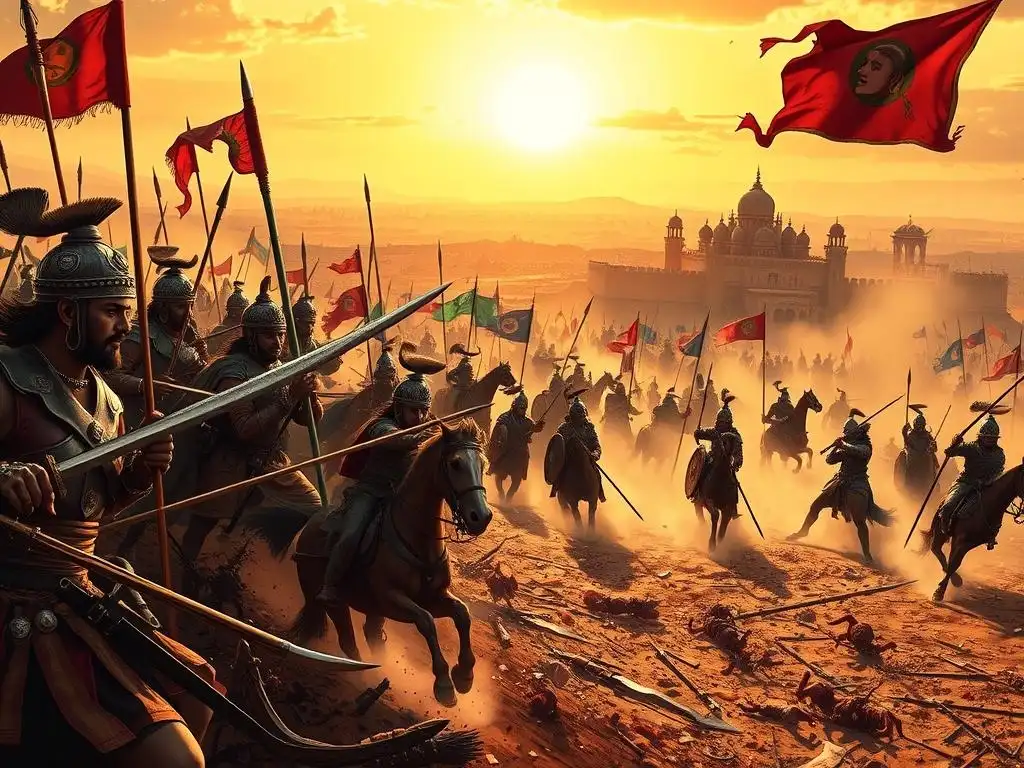
The Battle of Kalinga, fought in 261 BCE, stands as one of the most significant conflicts in ancient Indian warfare history. This battle was between the Mauryan Empire, led by Emperor Ashoka, and the state of Kalinga, located on the eastern coast of India. It is notable not only for its military implications but also for its profound influence on the philosophies of warfare and governance in ancient India.
The Mauryan forces, which were well-organized and equipped with advanced military strategies, faced Kalinga's fierce defenders. The battle was brutal, resulting in massive casualties, with estimates suggesting that over 100,000 soldiers and civilians lost their lives. This staggering loss deeply affected Ashoka, leading him to adopt a policy of Dhamma, promoting non-violence and tolerance.
Key Outcomes of the Battle of Kalinga:
- Shift in Military Strategy: Ashoka's realization of the horrors of war prompted a shift from aggressive military expansion to a more diplomatic approach.
- Cultural Integration: The aftermath of the battle saw the spread of Buddhism, which emphasized peace and non-violence, reshaping the cultural landscape of India.
- Military Reforms: The Mauryan Empire began to emphasize psychological warfare, intelligence gathering, and diplomacy over sheer military might.
The Battle of Kalinga thus marks a pivotal moment in ancient Indian warfare history, illustrating the transition from traditional warfare to a more complex understanding of conflict and governance.
The Rise of Rajput Warfare in Medieval India
As we move into the medieval period, the emergence of the Rajputs significantly transformed the landscape of Indian warfare. Known for their valor and chivalric codes, the Rajputs played a crucial role in shaping the dynamics of military engagements in northern India from the 6th to the 17th centuries.
Characteristics of Rajput Warfare:
- Cavalry Dominance: Rajput armies primarily relied on cavalry, utilizing horses for rapid movements and tactical advantages in battle.
- Fortified Strongholds: They built impressive forts that served both as defensive structures and symbols of power, influencing military architecture in India.
- Clan Warfare: Warfare among Rajput clans often revolved around honor and loyalty, with battles fought over land, prestige, and familial honor.
The Rajputs' unique approach to warfare included a blend of traditional tactics with innovations, such as the use of archers and infantry in coordination with their cavalry. This evolution in military strategy laid the groundwork for future confrontations with emerging powers, including the Mughals.
Notable Battles:
- Battle of Haldighati (1576): A defining conflict between Maharana Pratap of Mewar and the Mughal army, showcasing the Rajput spirit of resistance.
- Siege of Chittorgarh: Reflecting the Rajputs' commitment to honor, this siege exemplified the lengths to which they would go to protect their strongholds.
The rise of Rajput warfare exemplifies a transition in ancient Indian warfare history, where personal valor and clan loyalty became pivotal in military engagements.
The Influence of Islamic Conquests on Indian Warfare
The arrival of Islamic powers in the Indian subcontinent marked a significant transformation in warfare, introducing new tactics, technologies, and strategies that would forever change the trajectory of ancient Indian warfare history.
Key Innovations Brought by Islamic Conquests:
- Use of Gunpowder: The introduction of gunpowder weaponry changed the dynamics of battles, leading to the development of cannons and firearms, which were previously unknown in India.
- Cavalry Tactics: Islamic armies emphasized swift cavalry maneuvers, allowing them to outflank traditional infantry formations effectively.
- Military Organization: The establishment of a more structured military hierarchy and the use of professional soldiers replaced the feudal system prevalent among Indian kingdoms.
The Ghaznavid and Ghurid invasions in the 11th and 12th centuries, respectively, exemplified these changes. These invasions not only brought destruction but also facilitated cultural exchanges that would influence the subcontinent's military practices.
Case Studies of Islamic Influence:
- Battle of Tarain (1191 and 1192): The first battle saw Prithviraj Chauhan's forces defeat Muhammad Ghori, while the second marked a pivotal shift as Ghori claimed victory, leading to the establishment of Muslim rule in northern India.
- Expansion of the Delhi Sultanate: The subsequent establishment of the Delhi Sultanate resulted in a blend of Indian and Islamic military traditions, leading to the creation of a new warfare paradigm.
The Islamic conquests thus significantly altered the landscape of ancient Indian warfare, introducing innovations that would resonate throughout the subcontinent for centuries to come.
Conclusion: The Legacy of Ancient Indian Warfare History
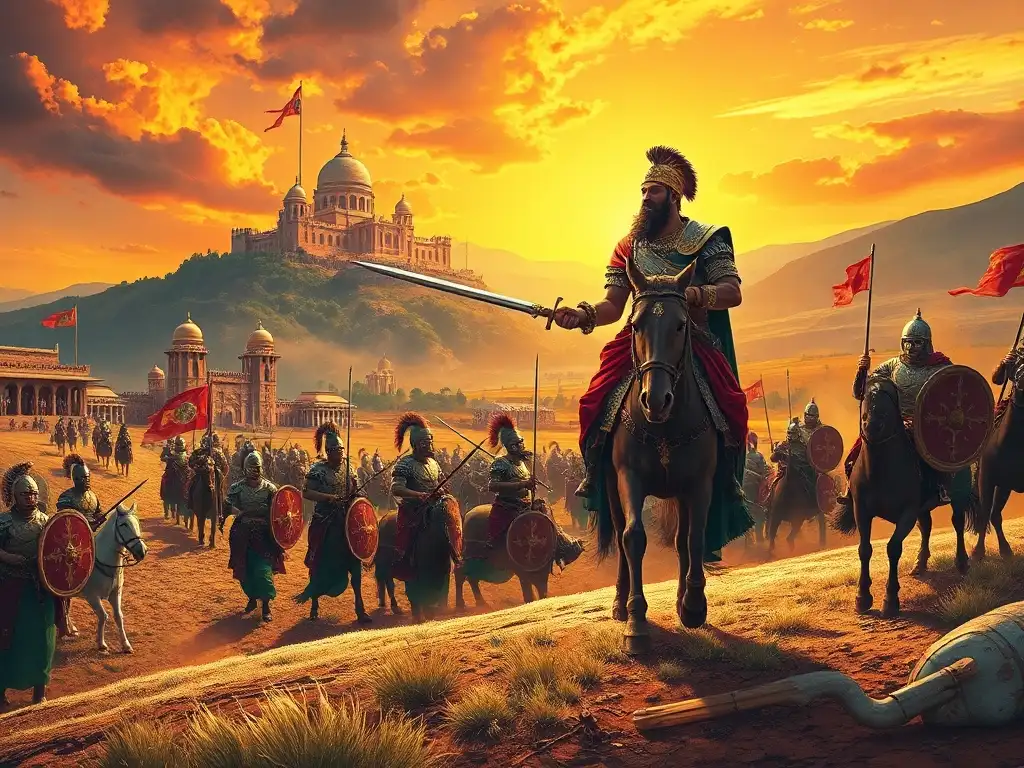
The legacy of ancient Indian warfare history is profound and multifaceted, influencing not only the military strategies of subsequent eras but also the cultural and societal structures of India. This historical backdrop shaped the very essence of how conflicts were approached, fought, and resolved in the subcontinent. From the intricately planned battles of the Indus Valley Civilization to the grand campaigns of the Gupta Empire, ancient Indian warfare was characterized by a blend of strategic innovation, tactical adaptability, and socio-political dynamics.
Lasting Effects on Modern Warfare in India
The principles and tactics developed during ancient Indian warfare have left an indelible mark on modern military practices in the region. Some notable aspects include:
- Strategic Philanthropy: The ancient texts, such as the Arthashastra by Kautilya, emphasized the importance of strategy not just in warfare but in governance and diplomacy. Modern Indian military leaders often draw upon these principles to formulate contemporary strategies.
- Use of Terrain: Ancient Indian generals exploited geographical features to their advantage, a tactic that remains relevant today. The understanding of local terrain, weather patterns, and resource distribution continues to guide military operations.
- Guerrilla Warfare Tactics: The concept of using unconventional warfare, as seen in the resistance against invasions, has been revisited in modern conflicts. The adaptability showcased by ancient warriors serves as a reference point for contemporary insurgency and counter-insurgency operations.
- Cultural Integration: Warfare in ancient India was often intertwined with cultural and religious significance. This aspect persists in modern India, where military actions are sometimes influenced by national identity and cultural narratives.
Reflections on the Evolution of Warfare in Indian History
The evolution of warfare in Indian history illustrates a trajectory marked by innovation and adaptation. Key reflections include:
- Technological Advancements: The transition from rudimentary weapons to more advanced armaments, such as bows, arrows, and eventually artillery, showcases the continuous evolution of combat technology. Each period in ancient Indian warfare introduced new techniques and weapons, reflecting both the ingenuity of its people and the influence of external interactions.
- The Role of Cavalry and Elephants: The use of cavalry and war elephants became defining elements of ancient Indian armies, influencing battlefield dynamics and strategies. Their significance can be traced through various dynasties, ultimately impacting the formation of military units in later periods.
- Political and Social Dimensions: Warfare in ancient India was not merely a military affair; it was deeply intertwined with social hierarchies and political structures. The rise and fall of empires were often dictated by military success or failure, demonstrating the pivotal role warfare played in shaping Indian history.
- Cultural Exchange and Influence: Ancient Indian warfare facilitated cultural exchanges with neighboring civilizations, enriching military practices and strategies. The interactions with Persians, Greeks, and Central Asian tribes introduced new ideas and methodologies that were integrated into Indian warfare.
The study of ancient Indian warfare history reveals a dynamic interplay of strategy, technology, and cultural identity. This historical overview not only honors the legacy of ancient warriors but also serves as a foundation for understanding the complexities of warfare in India’s past and how they resonate in the present.
Frequently Asked Questions
What were the main features of ancient Indian warfare?
Ancient Indian warfare was characterized by chariotry, infantry, and the use of war elephants. Strategies often included guerrilla tactics and the significance of fortifications in battles.
How did the Indus Valley Civilization influence warfare?
The Indus Valley Civilization laid the groundwork for future military strategies, showcasing advanced urban planning and fortified cities. This emphasis on defense set a precedent for later military structures.
What role did religion play in ancient Indian warfare?
Religion significantly influenced warfare in ancient India, with many rulers seeking divine approval for their campaigns. Sacred rituals and ceremonies were often conducted before battles to ensure success.
How did the Gupta Empire change the landscape of warfare in India?
The Gupta Empire introduced more organized military structures and strategies, emphasizing cavalry and the use of archers. This period also saw the evolution of military technology and tactics.
What were the key differences between ancient and medieval warfare in India?
The transition from ancient to medieval warfare involved changes in tactics, weaponry, and the use of gunpowder. Medieval warfare saw the rise of larger armies and more complex battle strategies compared to earlier practices.
Final Reflection: The Evolution of Warfare and Its Lasting Legacy
The transition from ancient to medieval warfare in India illustrates a profound shift in military strategies, technologies, and societal structures that remains highly relevant today. As we navigate a world increasingly defined by conflict and competition, understanding the historical context of warfare can provide invaluable insights into the complexities of modern geopolitics. The lessons drawn from ancient Indian warfare history not only highlight the ingenuity of past civilizations but also remind us of the cyclical nature of conflict and the importance of learning from history.
Cultural narratives and social dynamics have been deeply influenced by the evolution of warfare. The strategies and philosophies that emerged during this transitional period have shaped not only military tactics but also the very fabric of Indian society. As we reflect on these historical developments, we recognize that "history is not just about the past; it is a lens through which we can understand the present and shape the future." > This quote encapsulates the ongoing relevance of our exploration into ancient Indian warfare, emphasizing the need to connect historical insights with contemporary challenges.
As you ponder the themes presented in this article, I invite you to consider how the lessons of ancient Indian warfare can be applied in your own life. Reflect on the importance of adaptability, strategy, and understanding the broader context of conflict—both in personal and societal realms.
Let the rich tapestry of India's military history inspire you to approach challenges with a thoughtful perspective, recognizing that every battle fought in the past has the potential to inform our actions today. Embrace the opportunity to learn from history, and carry its lessons forward into a future where wisdom and understanding can prevail over conflict.
Embark on Your Journey Through India's Military Evolution!
Thank you for dedicating your time to explore the fascinating transition from ancient to medieval warfare in India. We hope you’ve gained valuable insights into the rich historical tapestry and strategic innovations that shaped the subcontinent’s military landscape. Now, it's time to take that knowledge and put it into action!
Here’s how you can deepen your understanding and engage with this captivating topic:
- Dive Deeper: Read further about the significant battles and influential leaders who defined this era in Indian history. Visit our detailed articles linked below to explore more about the strategies and technologies employed.
- Share Your Insights: Engage with fellow history enthusiasts by joining our community forum. Share your thoughts or discoveries about the evolution of warfare; your perspective could spark insightful discussions!
- Visit Historical Sites: Plan a trip to key locations that played pivotal roles during this period—experience history firsthand!
What aspect of India’s military evolution has intrigued you the most, and how do you think it has influenced the world today?