
The Intersection of Sankhya and Ayurveda: Philosophy Meets Healing


Welcome to Ancient India History, where we embark on a fascinating journey through the rich tapestry of ancient Indian civilizations. Today, we delve into the intriguing intersection of Sankhya philosophy and Ayurveda—a harmonious blend of thought and healing that has shaped wellness practices for centuries. Discover how these profound teachings intertwine to offer insights not just into the past, but into holistic living today. Are you ready to unravel the mysteries of this philosophical and medicinal legacy? Keep reading to explore how these two pillars of ancient wisdom continue to influence our lives!
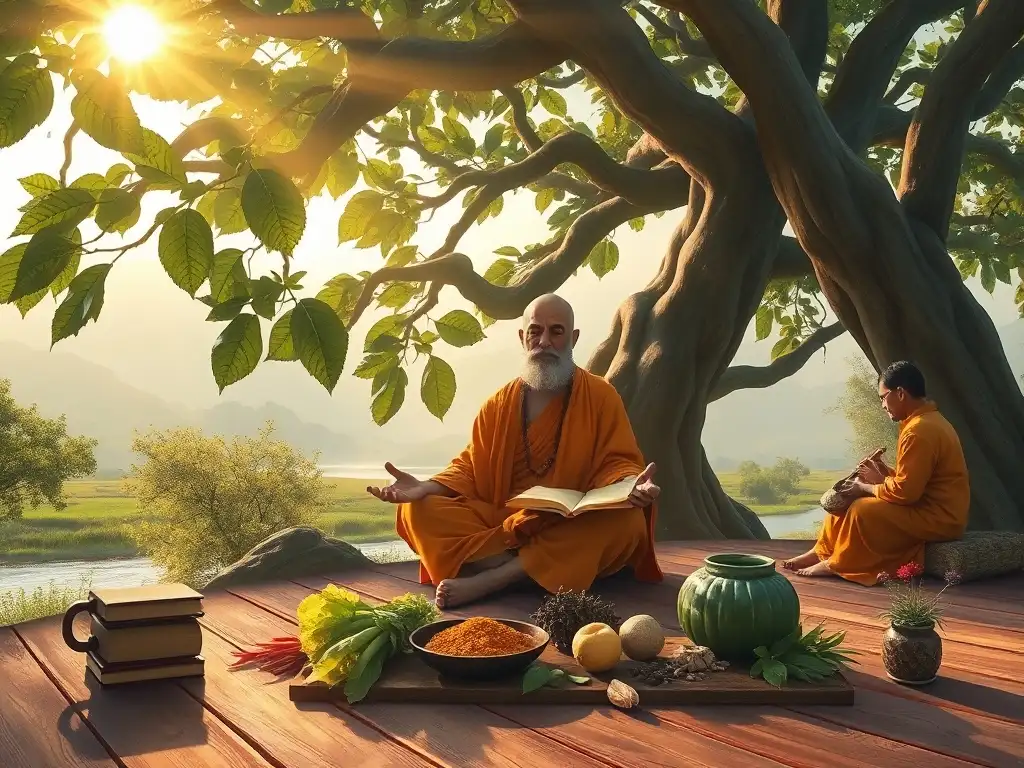
The intersection of Sankhya philosophy and Ayurveda represents a profound convergence of thought and practice in ancient Indian civilization. Both systems, deeply rooted in the rich tapestry of Indian intellectual heritage, offer invaluable insights into the nature of existence, health, and the human experience. Sankhya, one of the oldest philosophical systems in India, provides a theoretical framework that seeks to understand the duality of consciousness and matter. In contrast, Ayurveda, often referred to as the science of life, is a holistic healing system that integrates physical, mental, and spiritual well-being.
Through this exploration, we aim to shed light on how Sankhya philosophy informs Ayurvedic practices, facilitating a comprehensive understanding of health that transcends the mere absence of disease. By examining the foundational principles of both systems, we can appreciate their contributions to wellness and the philosophical underpinnings that guide their healing methodologies. This article will delve into the origins, core principles, and key figures of Sankhya philosophy, as well as provide an overview of Ayurveda, its historical context, fundamental concepts, and the pivotal role of doshas in Ayurvedic healing.
Understanding Sankhya Philosophy
Origins of Sankhya Thought in Ancient India
Sankhya philosophy traces its roots back to ancient India, emerging around the 6th century BCE. It is traditionally attributed to the sage Kapila, whose teachings laid the groundwork for this dualistic system of thought. The term "Sankhya" itself means "number" in Sanskrit, reflecting its foundational approach to categorizing and analyzing the components of reality. The philosophy developed as a means to explore the nature of consciousness and the material world, establishing a framework that would influence various schools of thought, including Yoga and Buddhism.
Core Principles of Sankhya Philosophy
At the heart of Sankhya philosophy lies the distinction between Purusha (consciousness) and Prakriti (matter). This dualism posits that while Purusha is unchanging and eternal, Prakriti is dynamic and ever-evolving. Sankhya articulates the process of creation through a systematic enumeration of the 25 principles, which include Mahat (the great intellect), Ahamkara (ego), and the five elements (earth, water, fire, air, and space). This categorization provides a comprehensive understanding of how individual consciousness interacts with the material world, ultimately guiding practitioners toward liberation (moksha).
Key Figures in the Development of Sankhya
Throughout history, several notable figures have contributed to the evolution of Sankhya philosophy. Apart from the legendary sage Kapila, scholars such as Ishvara Krishna, who authored the Sankhya Karika, played a crucial role in articulating and systematizing its principles. Their works have been instrumental in ensuring that Sankhya remains a vital part of the philosophical discourse in India, influencing not only other philosophical schools but also practical disciplines like Ayurveda.
An Overview of Ayurveda
Historical Context of Ayurveda in Ancient Indian Medicine
Ayurveda, often referred to as the "science of life," has its origins in the Vedic texts, dating back to around 1500 BCE. This ancient healing system emerged as a response to the need for understanding health and disease in the context of the human experience. Ayurveda encompasses a vast body of knowledge that integrates spirituality, philosophy, and practical healing methods. It emphasizes the balance between mind, body, and spirit, aiming to promote longevity and wellness.
Fundamental Concepts of Ayurveda
The foundational concepts of Ayurveda revolve around the idea of balance within the body. Central to this system is the understanding of the five elements (Pancha Mahabhuta), which combine to form three doshas: Vata, Pitta, and Kapha. Each dosha represents different physiological and psychological characteristics, and their balance is essential for optimal health. Ayurveda posits that health is achieved when these doshas are in harmony, enabling the body to function effectively.
The Role of Doshas in Ayurvedic Healing
In Ayurveda, doshas play a pivotal role in diagnosing and treating ailments. Each individual possesses a unique dosha constitution, known as Prakriti, which influences their physical and mental characteristics. Ayurvedic practitioners assess a person's dosha balance to address health issues and tailor treatments accordingly. This personalized approach not only emphasizes the importance of individual differences but also aligns with the philosophical insights of Sankhya, highlighting the interconnectedness of consciousness and the material world in the quest for health.
The Philosophical Connection Between Sankhya and Ayurveda
The relationship between Sankhya philosophy and Ayurveda is deep-rooted, as both systems emerged from the same cultural and intellectual milieu of ancient India. Sankhya, one of the six orthodox schools of Indian philosophy, primarily focuses on the duality of Purusha (consciousness) and Prakriti (matter or nature). Ayurveda, on the other hand, is a holistic healing system that seeks to promote health and well-being through a balance of body, mind, and spirit.
Sankhya philosophy provides a framework for understanding the nature of existence, the principles of causation, and the interplay of the material and spiritual realms. This philosophical backdrop enriches Ayurvedic practices, which utilize these concepts to address health issues. By understanding the fundamental nature of reality, Ayurvedic practitioners can devise treatments that resonate with the patient's unique constitution and life circumstances.
How Sankhya Philosophy Influences Ayurvedic Practices
Sankhya philosophy significantly influences Ayurvedic practices through its foundational concepts. One of the most critical aspects is the idea of the three Gunas (qualities) — Sattva (purity), Rajas (activity), and Tamas (inertia) — which are integral to both philosophies. In Ayurveda, these Gunas are used to analyze an individual’s mental state and physical health, guiding practitioners in creating personalized treatment plans.
Additionally, Sankhya's emphasis on the interplay between Purusha and Prakriti informs Ayurvedic understanding of disease and health. Ayurveda posits that health arises from a harmonious balance of the body’s doshas (Vata, Pitta, Kapha), which are derived from the five elements in nature. This balance is influenced by both internal (Prakriti) and external (Purusha) factors, illustrating how Sankhya's philosophical principles manifest in Ayurvedic healing methodologies.
The Role of Prakriti and Purusha in Healing

In the context of Ayurveda, Prakriti and Purusha play essential roles in the healing process. Prakriti refers to the individual's unique constitution, encompassing physical, mental, and emotional characteristics that are determined at birth. This concept helps Ayurvedic practitioners understand the inherent tendencies and vulnerabilities of each person, allowing for tailored treatments that align with their natural disposition.
Purusha, representing the universal consciousness, is integral to understanding the broader context of healing. Ayurveda teaches that true healing occurs when there is a connection between the individual (Prakriti) and the universal consciousness (Purusha). This connection emphasizes the importance of mental and spiritual well-being in the healing process, reinforcing the idea that physical ailments often have deep-rooted psychological or spiritual origins.
Comparing the Epistemology of Sankhya and Ayurveda
The epistemological approaches of Sankhya and Ayurveda share similarities yet also exhibit distinct characteristics. Sankhya philosophy employs a rational and analytical framework to categorize knowledge, emphasizing direct perception (Pratyaksha), inference (Anumana), and testimony (Shabda) as valid means of knowledge acquisition. This systematic approach aids in understanding the nature of reality and consciousness.
Conversely, Ayurveda incorporates experiential knowledge gathered through centuries of practice, alongside philosophical insights from Sankhya. Ayurvedic texts often emphasize the importance of observation and personal experience in understanding health and healing. This blend of rational analysis and experiential wisdom creates a holistic epistemological framework that enriches both Sankhya philosophy and Ayurvedic practice, allowing for a comprehensive understanding of health and wellness.
Practical Applications of Sankhya Philosophy in Ayurveda
The practical applications of Sankhya philosophy within Ayurveda are abundant and varied, providing a robust framework for diagnosis and treatment. By applying the principles of Sankhya, Ayurvedic practitioners can explore the fundamental causes of health imbalances. For instance, the Gunas can be utilized to assess a patient’s lifestyle, diet, and mental state, guiding practitioners in recommending suitable therapies and lifestyle changes.
Moreover, the distinction between Purusha and Prakriti allows practitioners to evaluate the mental and emotional factors influencing physical health. This duality empowers healthcare professionals to create a more profound and holistic approach to healing, addressing not only physical symptoms but also the underlying emotional and spiritual factors contributing to illness.
Integrating Sankhya Concepts into Ayurvedic Treatments
Integrating Sankhya concepts into Ayurvedic treatments involves a comprehensive understanding of the individual’s constitution and the dynamics of their mental and physical health. Practitioners can use the principles of Sankhya to design therapies that align with the patient's unique needs, incorporating various modalities such as herbal remedies, dietary adjustments, yoga, and meditation.
For example, a patient exhibiting an excess of Rajas may benefit from treatments that promote Sattva, such as calming herbal teas and meditative practices. Conversely, a patient with a predominance of Tamas may require invigorating therapies to stimulate energy and motivation. This integration of Sankhya philosophy enhances the effectiveness of Ayurvedic treatments, leading to more personalized and impactful healing experiences.
Case Studies: Successful Treatments Utilizing Both Systems

Real-world applications of integrating Sankhya philosophy and Ayurveda have yielded notable success stories in holistic healing. For instance, a case study of a patient suffering from chronic anxiety demonstrated significant improvement when treated with Ayurvedic practices grounded in Sankhya principles. The treatment plan included herbal formulations to balance the doshas, alongside mindfulness practices aimed at enhancing Sattva and reducing Rajas.
Another case involved a patient with recurrent digestive issues. By assessing the individual’s Prakriti and utilizing Sankhya's philosophical insights, the Ayurvedic practitioner was able to recommend specific dietary changes and lifestyle modifications that not only addressed the physical symptoms but also brought about mental clarity and emotional stability.
These examples illustrate the effective synergy between Sankhya philosophy and Ayurvedic practices, showcasing how ancient wisdom can be harnessed to foster profound healing and well-being.
The Importance of Balance: Mind, Body, and Spirit in Healing
A core tenet of both Sankhya philosophy and Ayurveda is the emphasis on balance among the mind, body, and spirit. This triad is essential for achieving optimal health and well-being. Ayurveda teaches that imbalances in any one aspect can lead to physical and mental health issues, underscoring the need for a holistic approach to healing that considers all dimensions of a person.
Practitioners often recommend lifestyle modifications, dietary changes, and therapeutic practices that promote this balance. Techniques such as yoga and meditation, rooted in Sankhya, play a crucial role in harmonizing the mind and body, allowing individuals to connect with their inner selves and achieve a state of equilibrium. By prioritizing the balance of mind, body, and spirit, the integration of Sankhya philosophy with Ayurvedic practices fosters a comprehensive approach to health that resonates with the ancient wisdom of Indian philosophy.
The Contemporary Relevance of Sankhya Philosophy and Ayurveda
The relevance of Sankhya philosophy and Ayurveda in contemporary society is increasingly recognized as people seek holistic approaches to health and well-being. These ancient systems offer profound insights into the nature of reality, the self, and the interconnectedness of life. Sankhya, with its foundational principles of dualism and the enumeration of elements that compose existence, provides a philosophical framework that complements the practical applications of Ayurveda. Together, they encourage a comprehensive understanding of physical, mental, and spiritual health, aligning well with modern demands for integrated health solutions.
In today's fast-paced world, the principles of balance and harmony espoused by both Sankhya and Ayurveda resonate deeply. Individuals are beginning to appreciate the significance of tailoring health practices to their unique constitutions (doshas), which reflects a personalized approach that acknowledges variations in individual needs. This shift marks a departure from the one-size-fits-all model prevalent in conventional medicine, highlighting the enduring wisdom of these ancient systems.
Modern Interpretations of Ancient Wisdom
Modern interpretations of Sankhya philosophy and Ayurveda have emerged as scholars, practitioners, and wellness enthusiasts explore these ancient teachings through contemporary lenses. This exploration often involves integrating scientific research with traditional practices, leading to a renaissance of interest in topics such as mindfulness, nutrition, and alternative therapies. For example, the concept of prakriti (nature or constitution) in Sankhya is being examined in light of genetics and personalized medicine, bridging ancient wisdom with modern scientific understanding.
Moreover, contemporary yoga and meditation practices often draw from Sankhya's philosophical underpinnings, emphasizing the importance of self-awareness and the distinction between the eternal self (Purusha) and the material world (Prakriti). These practices foster mental clarity and emotional resilience, which are invaluable in navigating today's challenges. As a result, the teachings of Sankhya and Ayurveda are finding renewed relevance in stress management, preventive health care, and overall wellness strategies, enabling individuals to cultivate a deeper connection with themselves and their surroundings.
The Rise of Holistic Health: Bridging Philosophy and Practice
The rise of holistic health is a significant trend that bridges the gap between philosophy and practice, making the teachings of Sankhya and Ayurveda more accessible to a wider audience. Holistic health emphasizes the interconnectedness of body, mind, and spirit, aligning perfectly with the philosophies inherent in both systems. Practitioners are increasingly adopting holistic modalities, which incorporate not only physical treatments but also mental and emotional support.
This integrated approach often includes dietary practices rooted in Ayurveda, such as the use of herbs and spices known for their healing properties, alongside mindfulness practices derived from Sankhya philosophy. As people seek out natural and preventive health solutions, the demand for Ayurvedic practices, including consultations with Ayurvedic practitioners, detoxification processes (panchakarma), and lifestyle modifications, continues to grow. This shift towards holistic health underscores the timeless nature of Sankhya and Ayurveda, affirming their roles as pivotal sources of wisdom in modern well-being.
Future Directions for Research in Sankhya and Ayurveda
As the interest in Sankhya philosophy and Ayurveda continues to grow, future research directions are becoming increasingly vital for their evolution and relevance. Interdisciplinary studies that combine insights from philosophy, psychology, and health sciences could pave the way for deeper understanding and validation of these ancient systems. For instance, research exploring the psychological benefits of Ayurvedic practices in managing stress and anxiety could provide valuable data for both practitioners and patients.
Additionally, there is a need for rigorous clinical studies that evaluate the efficacy of Ayurvedic treatments within modern medical frameworks, thus legitimizing their practices in contemporary health care settings. Collaboration between traditional practitioners and modern healthcare providers could foster a more integrated approach, allowing for a synthesis of knowledge that respects both ancient wisdom and modern science. This holistic research approach could lead to innovations in health care that not only honor ancient practices but also enhance their application in today's world.
Conclusion: The Lasting Impact of Sankhya Philosophy and Ayurveda
The lasting impact of Sankhya philosophy and Ayurveda is evident in their continued influence on contemporary health and wellness practices. Their teachings, which advocate for balance, self-awareness, and holistic well-being, resonate strongly amidst the modern challenges of life. By emphasizing the importance of understanding one's nature and maintaining equilibrium, both systems provide timeless guidance that remains relevant today.
Reflections on the Interconnectedness of Philosophy and Healing
The interconnectedness of philosophy and healing is a central theme in both Sankhya and Ayurveda. This relationship underscores the notion that true healing encompasses more than just physical remedies; it involves emotional, mental, and spiritual dimensions. Recognizing this interconnectedness allows individuals to approach their health more holistically, fostering a deeper understanding of their own experiences and promoting overall well-being.
Reflections on the practices derived from both systems reveal a path towards self-realization and empowerment. By engaging with these teachings, individuals can cultivate a sense of purpose that transcends mere symptom management and leads to profound transformations in their lives. This holistic perspective is increasingly valued in a world that often prioritizes quick fixes over sustainable health practices.
Embracing Ancient Wisdom for Modern Wellness
Embracing ancient wisdom for modern wellness is a journey that many are undertaking as they seek to navigate the complexities of contemporary life. By integrating the principles of Sankhya philosophy and Ayurveda into daily routines, individuals can foster resilience, enhance their well-being, and create a more balanced lifestyle. This integration often involves making conscious choices related to diet, exercise, mindfulness, and self-care, all of which are foundational to both systems.
As society continues to evolve, the wisdom of Sankhya and Ayurveda offers valuable insights that encourage individuals to reconnect with their innate selves and the world around them. In doing so, they not only honor the rich heritage of these ancient traditions but also contribute to a more holistic understanding of health that is essential for thriving in today's world.
- Understanding Sankhya Philosophy
- An Overview of Ayurveda
- The Philosophical Connection Between Sankhya and Ayurveda
- How Sankhya Philosophy Influences Ayurvedic Practices
- The Role of Prakriti and Purusha in Healing
- Comparing the Epistemology of Sankhya and Ayurveda
- Practical Applications of Sankhya Philosophy in Ayurveda
- Integrating Sankhya Concepts into Ayurvedic Treatments
- Case Studies: Successful Treatments Utilizing Both Systems
- The Importance of Balance: Mind, Body, and Spirit in Healing
- The Contemporary Relevance of Sankhya Philosophy and Ayurveda
- Conclusion: The Lasting Impact of Sankhya Philosophy and Ayurveda
Frequently Asked Questions
What is Sankhya philosophy?
Sankhya philosophy is an ancient Indian philosophical system that emphasizes the distinction between consciousness and matter. It forms a foundational aspect of various Indian philosophies, particularly in understanding the nature of reality.
How does Ayurveda relate to Sankhya philosophy?
Ayurveda, the traditional Indian system of medicine, utilizes principles from Sankhya philosophy to explain the human body and its functions. The philosophical concepts help in understanding health and disease through a holistic lens.
What are the key contributions of ancient Indian civilizations to philosophy?
Ancient Indian civilizations contributed significantly to various philosophical schools, including Sankhya, Vedanta, and Buddhism. They explored metaphysical concepts, ethics, and the nature of existence, influencing both Eastern and Western thought.
How has the intersection of Sankhya and Ayurveda evolved over time?
The intersection of Sankhya and Ayurveda has evolved as practitioners integrate philosophical insights into healing practices. This integration allows for a deeper understanding of wellness, emphasizing the balance between mind, body, and spirit.
Why is studying the intersection of Sankhya and Ayurveda important?
Studying the intersection of Sankhya and Ayurveda is essential for appreciating the holistic approach to health and well-being in ancient Indian thought. It highlights the interconnectedness of philosophy and practical healing methods, enriching our understanding of human experience.
Final Reflection: The Harmonious Union of Sankhya Philosophy and Ayurveda
The intersection of Sankhya philosophy and Ayurveda is not merely an academic exploration; it is a vital lens through which we can understand holistic well-being in today's fast-paced world. As we navigate the complexities of modern life, the principles of Sankhya—rooted in understanding the duality of existence—offer profound insights into the nature of our being, while Ayurveda provides practical tools for nurturing our health. This synergy between philosophy and healing is more relevant than ever, as we seek balance in a world that often feels chaotic and overwhelming.
Cultural and social landscapes are continually shaped by the philosophies we embrace. The teachings of Sankhya and the practices of Ayurveda remind us of the interconnectedness of mind, body, and spirit. They encourage us to cultivate awareness and harmony within ourselves and with the world around us. As the renowned philosopher Alan Watts once said, > “The more a thing tends to be permanent, the more it tends to be lifeless.” This quote encapsulates the essence of both Sankhya and Ayurveda, urging us to embrace change and flow with the rhythms of life, rather than resist them.
As you reflect on the insights shared in this article, I invite you to consider how you can integrate the wisdom of Sankhya and Ayurveda into your daily life. Take a moment to pause, breathe, and connect with your inner self. Whether through meditation, mindful eating, or simply being present in the moment, these practices can lead to profound transformations. Let the teachings of these ancient philosophies inspire you to cultivate a life of balance, health, and awareness, paving the way for a brighter, more harmonious future.
Unveil the Healing Power of Ancient Wisdom!
Thank you for diving into the rich intersection of Sankhya and Ayurveda with us! By exploring these ancient philosophies, you've taken a significant step towards enriching your understanding of holistic healing and personal well-being. Now, let’s translate that knowledge into action!
Here are a few steps to deepen your journey into this fascinating realm:
- Explore further by reading more about complementary practices: Consider studying additional Indian philosophies that enhance your wellness journey.
- Engage with our community: Share your thoughts or experiences with Sankhya and Ayurveda in the comments below, and connect with like-minded individuals.
- Implement what you've learned: Begin incorporating Ayurvedic principles into your daily routine, such as adjusting your diet or practicing mindfulness.
What aspect of Sankhya resonates with you the most, and how do you see it influencing your wellness journey?