
The Artistic Innovations of Northern India: Sculpture, Painting, and Pottery

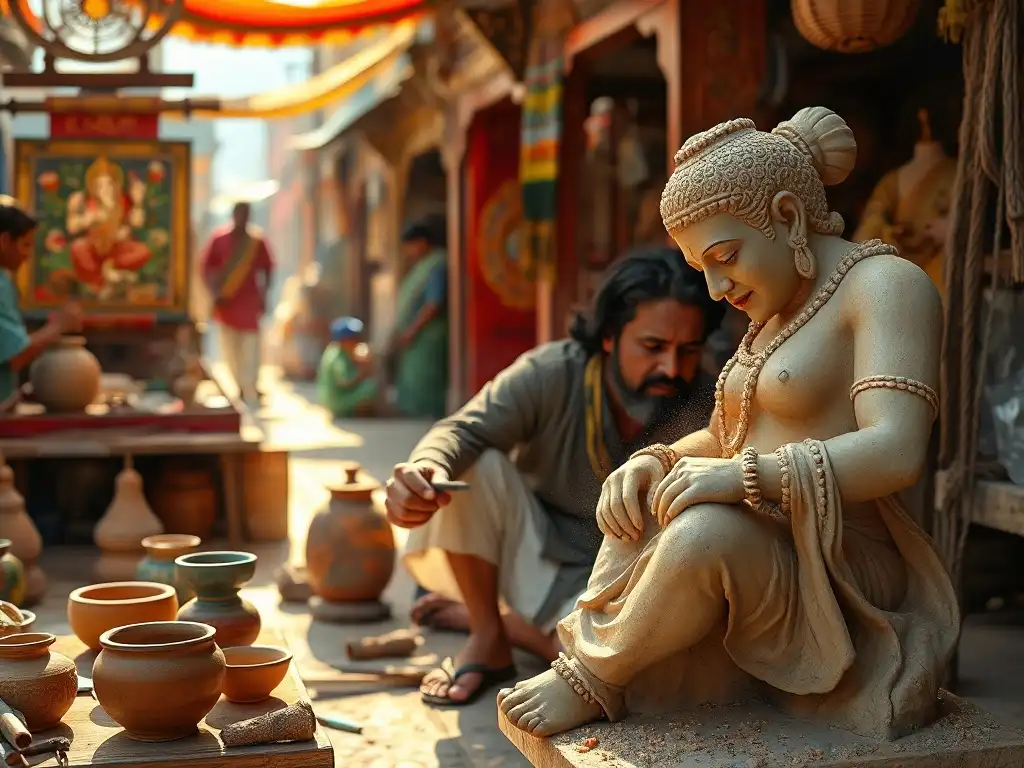
Welcome to Ancient India History, where we journey through the rich tapestry of time that weaves together the diverse cultures and remarkable contributions of ancient Indian civilizations. In this exploration, we invite you to uncover the artistic innovations of Northern India, a realm where sculpture, painting, and pottery flourished, leaving an indelible mark on the world. Prepare to be captivated as we delve into the vibrant artistic expressions that defined an era and shaped the cultural landscape of a civilization. The story of creativity and ingenuity awaits you—read on to discover the masterpieces that echo through the ages!
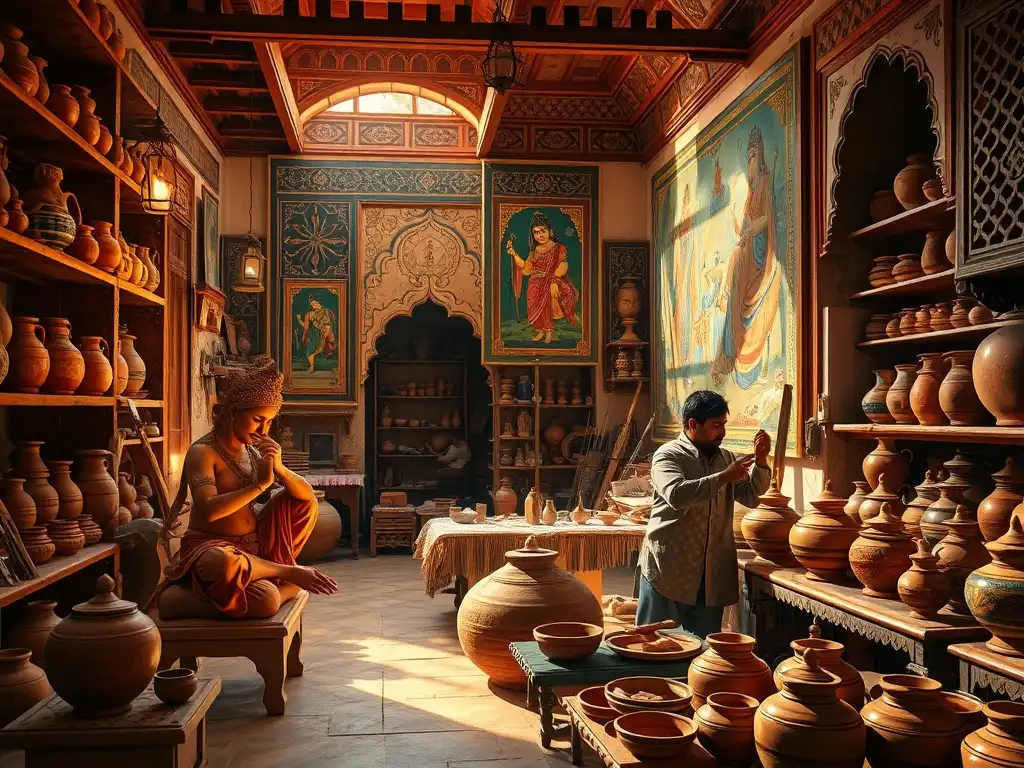
Introduction to Ancient Indian Artistic Innovations
The artistic innovations of ancient India, particularly in Northern India, represent a vibrant tapestry of cultural expression that has profoundly shaped the region's historical narrative. From the intricate sculptures that adorn temples to the vivid frescoes that bring life to ancient walls, the artistic endeavors of these civilizations reflect not only aesthetic sensibilities but also deep philosophical and spiritual beliefs.
This article delves into the diverse realms of sculpture, painting, and pottery, showcasing how these forms of art were not merely decorative but served as vital conduits for cultural identity and religious expression. By exploring the nuances of these artistic innovations, we can better appreciate the rich heritage of ancient Northern India and its lasting impact on the world.
Overview of Northern India's Cultural Heritage
Northern India boasts a cultural heritage that is as diverse as it is profound, influenced by various dynasties, religions, and philosophies over the centuries. Key civilizations, such as the Indus Valley, Maurya, and Gupta Empires, laid the groundwork for artistic expression that would flourish in subsequent eras.
- Geographical Diversity: The landscapes of Northern India, ranging from the Himalayan foothills to fertile plains, provided a rich backdrop for artistic development.
- Cultural Syncretism: The confluence of various cultural traditions, including Hinduism, Buddhism, and Jainism, has enriched the region's artistic landscape, leading to unique styles and motifs that reflect a blend of influences.
Importance of Art in Ancient Indian Civilizations
Art in ancient Indian civilizations served multiple purposes, intertwining aesthetics with functionality, spirituality, and social commentary.
- Religious Significance: Many artworks were created for religious purposes, embodying the beliefs and narratives of the time. Temples were adorned with sculptures depicting deities, mythological stories, and moral lessons.
- Cultural Identity: Artistic expressions acted as symbols of cultural identity and community pride, reflecting the values and aspirations of the people.
Sculpture in Ancient Northern India
Sculpture stands out as one of the most significant forms of artistic innovation in ancient Northern India. The evolution of styles and techniques over time showcases the region's artistic dynamism.
Evolution of Sculpture Styles in Northern India
The evolution of sculpture in Northern India can be traced through various historical periods, each contributing distinctive styles and themes.
- Indus Valley Civilization: Early examples of sculpture, such as terracotta figurines and seals, highlight a sophisticated understanding of form and function.
- Mauryan Era: The introduction of large-scale stone sculptures, exemplified by the Ashoka Pillars, reflects an advanced technical mastery and a shift towards monumental art.
- Gupta Period: This era is often regarded as the golden age of Indian sculpture, characterized by graceful figures and intricate detailing, as seen in the famous sculptures of the Ajanta Caves.
Notable Sculptural Techniques and Materials
The techniques and materials used in ancient Indian sculpture were diverse and often region-specific, showcasing a remarkable level of craftsmanship.
- Materials: Common materials included stone (like sandstone and marble), bronze, and terracotta, each chosen for their durability and aesthetic potential.
- Techniques: Techniques such as carving, casting, and bas-relief were employed to create intricate designs and lifelike representations.
Iconic Sculptures and Their Cultural Significance
Iconic sculptures from Northern India not only serve as artistic masterpieces but also hold significant cultural and historical relevance.
- The Great Buddha of Sarnath: This sculpture symbolizes the spread of Buddhism and the philosophical teachings of the Buddha, representing peace and enlightenment.
- Khajuraho Temples: Known for their erotic sculptures, these artworks challenge conventional narratives and reveal the complex interplay of sexuality, spirituality, and art in ancient Indian society.
Through exploring these aspects of sculpture, this article aims to illuminate the profound contributions of ancient Indian artistic innovations and their enduring legacy.
Painting Traditions in Ancient Northern India
The painting traditions of ancient Northern India are a testament to the rich artistic heritage that flourished in the region. Over the centuries, various styles emerged, each reflecting the socio-political, religious, and cultural dynamics of the time. From the intricate frescoes of Ajanta to the vibrant wall paintings of the Rajput courts, the diversity in techniques and themes showcases the artistic innovations that defined ancient Indian painting.
Historical Development of Painting Styles
The historical development of painting styles in ancient Northern India can be traced back to the early phases of the Indian civilization. The Indus Valley Civilization (circa 3300–1300 BCE) laid the groundwork with simple designs and motifs found on pottery and seals. However, it was during the Mauryan Empire (322–185 BCE) that painting began to gain prominence, particularly with the introduction of more complex narratives and religious themes.
The Gupta period (circa 240–550 CE) marked a significant evolution in painting, characterized by the emergence of naturalism and the use of vibrant colors. The Ajanta Caves, with their exquisite murals, are prime examples of this period, depicting Buddhist themes and narratives. Following this, the Rajput period (circa 16th century) introduced a fusion of local and Mughal styles, leading to dynamic court paintings that captured the grandeur of royal life and mythology.
Techniques Used in Ancient Indian Paintings
Ancient Indian painters employed a variety of innovative techniques to create their artworks. Among these, the fresco technique was prominent in cave paintings, where pigments were applied to wet plaster, allowing colors to bond with the wall surface. This method was especially effective in preserving the vibrancy of colors over centuries.
Another significant technique was tempera painting, which involved mixing pigments with a binding agent such as egg yolk. This method allowed for fine detailing and was commonly used in manuscript illustrations. The use of natural pigments derived from minerals, plants, and animal sources contributed to the rich color palette found in ancient Indian paintings, showcasing the artists' deep understanding of materials.
Major Themes and Subjects in Northern Indian Paintings
The major themes and subjects in Northern Indian paintings varied significantly, often reflecting the prevailing religious and cultural sentiments of the time. Religious narratives, particularly those related to Hinduism and Buddhism, dominated the early paintings, with scenes depicting deities, bodhisattvas, and mythological stories.
In addition to religious themes, courtly life and nature became popular subjects, especially during the Rajput period. Artists often portrayed royal patrons, their entourages, and pastoral scenes, highlighting the connection between nature and daily life. Furthermore, allegorical and historical themes became prominent, narrating tales of valor and moral lessons through vibrant imagery.
Pottery Innovations in Ancient Northern India
Pottery innovations in ancient Northern India represent a crucial aspect of the region's artistic heritage. The evolution of pottery styles not only highlights the technical prowess of ancient artisans but also provides insights into the cultural and economic aspects of daily life.
Types of Pottery and Their Historical Context
Various types of pottery emerged throughout the different periods of ancient Northern India, each serving distinct purposes and reflecting the historical context. The painted grey ware (circa 1000 BCE) is one of the earliest forms, characterized by its simple geometric designs and utility in domestic settings.
During the Mauryan period, more sophisticated pottery was developed, with the introduction of red and black ware, often associated with funerary practices. The Gupta period witnessed the rise of fine terracotta wares, which were used in both domestic and ceremonial contexts, showcasing intricate designs and vibrant glazes. Additionally, the Nahar Group of pottery, known for its unique craftsmanship, gained prominence in the late historical period, further diversifying the regional pottery landscape.
Crafting Techniques and Materials Used in Pottery
The crafting techniques and materials used in ancient Indian pottery reveal a high level of skill and innovation. Potters primarily used clay sourced from riverbanks, which was shaped into various forms using the potter’s wheel. The advancement of the wheel allowed for greater uniformity and complexity in design.
Firing techniques also evolved, with the use of kilns leading to improved durability and aesthetic qualities in pottery. The application of glazes and paints allowed artisans to create visually striking pieces, with the colors often derived from natural minerals. Techniques such as incising and slip decoration added further detail, enhancing the artistic appeal of pottery items.
Significance of Pottery in Everyday Life and Rituals
Pottery held immense significance in everyday life and rituals in ancient Northern India. Everyday pottery, such as cooking pots, storage jars, and utensils, was essential for domestic activities, showcasing the functional aspects of their design.
In addition to utilitarian purposes, pottery also played a pivotal role in religious and ceremonial practices. Ritualistic pottery, often adorned with symbolic motifs, was used in various rites, including weddings and festivals. The presence of pottery in burial sites indicates its importance in funerary practices, as it was believed to accompany the deceased in the afterlife. Thus, pottery was not merely a craft but an integral component of the cultural and spiritual fabric of ancient Northern Indian society.
Interconnections Between Sculpture, Painting, and Pottery
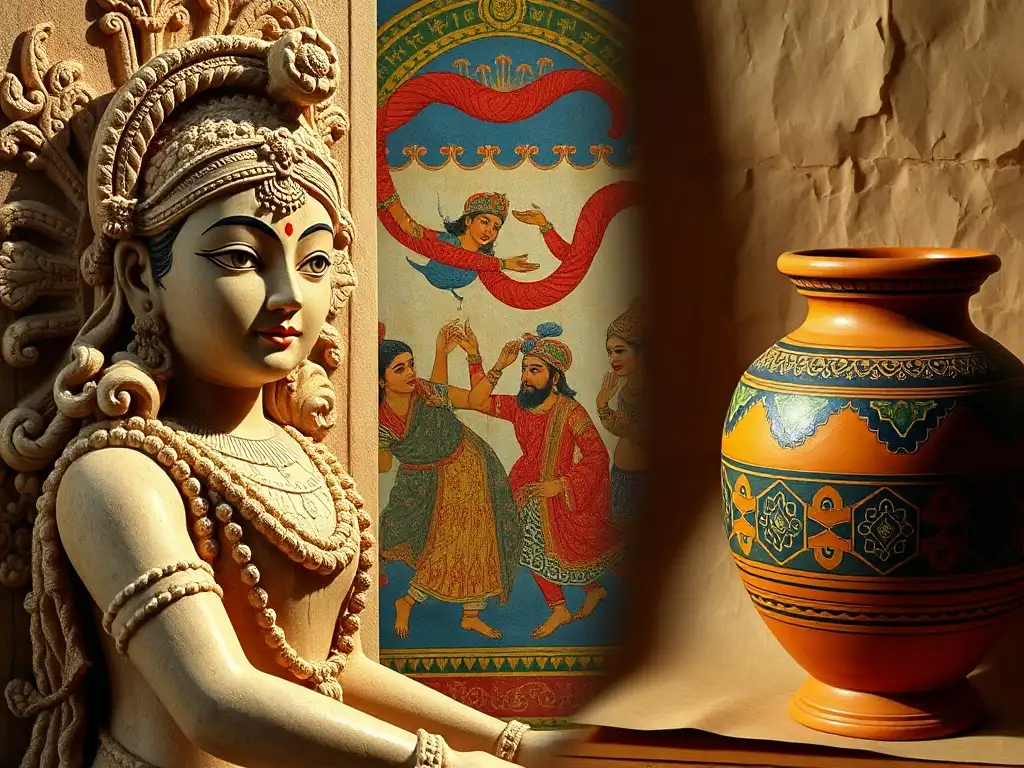
The artistic innovations of ancient Northern India reveal a profound interconnectedness between sculpture, painting, and pottery. Each art form not only complemented the others but also shared common themes and motifs, which facilitated a rich tapestry of cultural expression. Sculptural works often served as the focal point for painted narratives and decorative pottery, creating a holistic experience for viewers. For instance, temples adorned with intricate sculptures frequently featured frescoes that depicted scenes from mythology, while pottery showcased similar motifs, creating a cohesive artistic language that transcended individual mediums.
This interrelation extended to the materials used as well. Clay, a fundamental medium for pottery, was also employed in creating terracotta sculptures. The same pigments used in paintings were often derived from natural minerals and plants, underscoring the resourcefulness of ancient artisans who utilized available materials to enhance their artistic expressions. By examining these connections, one can appreciate how ancient Indian artists fostered a vibrant dialogue between different artistic forms, reflecting the complexity and diversity of their cultural heritage.
The Role of Art in Reflecting Cultural Values
Art in ancient Northern India served as a mirror to the cultural values of the time. It encapsulated the societal norms, beliefs, and aspirations of the people, illustrating their relationship with the divine, nature, and each other. Sculptures, often depicting deities and mythological figures, were not merely decorative but served as conduits for worship and spiritual connection. These artistic expressions were imbued with symbolism and meaning, offering insights into the ancient worldview.
Moreover, paintings found in frescoes and manuscripts depicted everyday life, rituals, and significant events, reinforcing community identity and continuity. Pottery, often adorned with motifs and patterns, reflected both aesthetic values and practical functionality, signifying the importance of craftsmanship and utility in daily life. By examining these artistic forms, we gain a deeper understanding of how ancient societies articulated their values, beliefs, and narratives through creativity.
Shared Themes Across Different Art Forms
Across the diverse artistic expressions of Northern India, certain themes consistently emerge, highlighting the shared cultural heritage of the region. Common motifs such as flora and fauna, celestial beings, and mythological narratives are prevalent in sculptures, paintings, and pottery. For example, the lotus, symbolizing purity and enlightenment, appears in various forms across all three mediums, linking them through a universal theme.
Additionally, the depiction of social and cosmic orders, often represented through hierarchical compositions and narratives, reveals a collective understanding of the universe and humanity's place within it. The interplay of these themes across different art forms not only enriches the individual artworks but also creates a cohesive artistic dialogue that resonates throughout ancient Indian culture.
Conclusion: The Legacy of Ancient Indian Artistic Innovations
The artistic innovations of ancient Northern India have left an indelible mark on the cultural landscape, influencing not only contemporary art but also the broader scope of Indian heritage. The intricate relationship between sculpture, painting, and pottery has fostered a rich artistic legacy that continues to inspire and inform modern artistic practices.
Lasting Impact on Contemporary Indian Art
The legacy of ancient Indian artistic innovations is evident in contemporary Indian art, where traditional themes and techniques are reinterpreted and celebrated. Modern artists draw inspiration from the rich iconography, vibrant colors, and storytelling traditions of their ancestors, incorporating these elements into their works. This fusion of ancient and modern styles allows for a dynamic dialogue between the past and present, ensuring that the cultural narratives of ancient India remain relevant and accessible.
Furthermore, the revival of traditional crafts, such as pottery and textile arts, showcases a renewed appreciation for the skills and aesthetics of ancient artisans. By embracing these historical practices, contemporary artists contribute to the sustainability of cultural heritage, ensuring that the artistic innovations of ancient India continue to thrive.
Preservation and Recognition of Ancient Art Forms
Efforts to preserve and recognize the artistic innovations of ancient Northern India have gained momentum in recent years. Archaeological excavations, museum exhibitions, and academic research have all played a critical role in bringing attention to these invaluable art forms. Organizations dedicated to heritage conservation work to protect ancient sites and promote awareness of traditional crafts, fostering a sense of pride in India's rich artistic legacy.
In addition, educational initiatives aimed at teaching traditional art techniques to younger generations ensure that the knowledge and skills of ancient artisans are not lost. By preserving and celebrating these art forms, we honor the creative spirit of ancient India and create a foundation for future artistic endeavors, ensuring that the legacy of ancient Indian artistic innovations endures for generations to come.
References and Further Reading
To gain a deeper understanding of the artistic innovations of ancient India, particularly in Northern India, a diverse array of resources is available. These materials include scholarly books, articles, and museum catalogs that explore the intricate details of sculpture, painting, and pottery from various historical perspectives. Engaging with these references will enhance your knowledge and appreciation of the rich artistic heritage of ancient Indian civilizations.
Suggested Books on Ancient Indian Art and Culture
-
"A History of Indian Art" by Krishna Chaitanya
This comprehensive work offers an in-depth exploration of Indian art from prehistoric to modern times, providing insightful discussions on various forms including sculpture and painting.
-
"Indian Art and Culture" by N. D. Rajkumar
This book covers the evolution of art and cultural expressions in India, with a focus on regional styles and the impact of historical events on artistic developments.
-
"The Art of Ancient India: Buddhist, Hindu, Jain" by Susan L. Huntington and John C. Huntington
This seminal text delves into the artistic accomplishments of ancient Indian cultures, examining the thematic and stylistic elements of their artworks.
-
"The Sculpture of India" by R. P. Bhatia
This detailed examination of Indian sculpture traces its evolution through various dynasties, highlighting key works and artistic techniques.
-
"Indian Painting: A History" by B. N. Goswamy
Focusing on the rich tradition of painting in India, this book surveys the various styles and their historical contexts, from frescoes to miniature paintings.
Notable Museums Featuring Northern Indian Art
-
National Museum, New Delhi
The National Museum hosts an extensive collection of artifacts, including sculptures, paintings, and pottery from various periods, showcasing the artistic innovations of ancient Northern India.
-
Indian Museum, Kolkata
As one of the oldest museums in India, it features a significant collection of ancient Indian art, including sculptures and textiles, reflecting the diverse cultural heritage.
-
Gandhi Museum, Varanasi
This museum not only commemorates Mahatma Gandhi but also displays a range of artworks from Northern India, focusing on the region's rich artistic traditions.
-
National Gallery of Modern Art, New Delhi
Although primarily focused on modern art, this gallery also exhibits works that are influenced by traditional Northern Indian artistic styles, bridging the ancient with the contemporary.
-
Chhatrapati Shivaji Maharaj Vastu Sangrahalaya, Mumbai
Formerly known as the Prince of Wales Museum, this institution houses a remarkable collection of ancient Indian artifacts, including sculptures that represent the artistic legacy of Northern India.
- Introduction to Ancient Indian Artistic Innovations
- Sculpture in Ancient Northern India
- Painting Traditions in Ancient Northern India
- Pottery Innovations in Ancient Northern India
- Interconnections Between Sculpture, Painting, and Pottery
- Conclusion: The Legacy of Ancient Indian Artistic Innovations
- References and Further Reading
- What are the main artistic innovations of ancient Indian civilizations?
- How did sculpture evolve in Northern India?
- What role did painting play in ancient Indian culture?
- How did pottery reflect ancient Indian artistic innovations?
- What is the significance of the Gupta Empire in terms of artistic contributions?
Frequently Asked Questions
What are the main artistic innovations of ancient Indian civilizations?
Ancient Indian civilizations showcased remarkable artistic innovations in sculpture, painting, and pottery, reflecting their rich cultural heritage and artistic excellence.
How did sculpture evolve in Northern India?
Sculpture in Northern India evolved through various dynasties, highlighting techniques such as carving stone and casting metals, which resulted in intricate and detailed representations of deities and figures.
What role did painting play in ancient Indian culture?
Painting served as a vital medium for storytelling and religious expression, often depicting mythological themes and everyday life, showcasing the diversity of styles and techniques across different regions.
How did pottery reflect ancient Indian artistic innovations?
Pottery from ancient India illustrated the use of glazing techniques and decorative motifs, often featuring geometric patterns and natural imagery, which were important for both functional and aesthetic purposes.
What is the significance of the Gupta Empire in terms of artistic contributions?
The Gupta Empire is often referred to as the Golden Age of India, where artistic innovations flourished, leading to advancements in sculpture and painting that influenced future generations and contributed to the cultural legacy of India.
Final Reflection: The Enduring Legacy of Ancient Indian Artistic Innovations
The artistic innovations of Northern India serve as a testament to the rich cultural tapestry that has shaped our world today. From intricate sculptures to vibrant paintings and exquisite pottery, these ancient practices not only reflect the creativity of their time but also continue to inspire contemporary artists and artisans. The legacy of these innovations is a reminder that art transcends time, speaking to the human experience in ways that resonate across generations.
Cultural expressions rooted in ancient traditions have a profound impact on our modern society. The techniques and themes explored by artists of Northern India have influenced countless movements and styles, fostering a deeper appreciation for craftsmanship and storytelling in art. As we navigate a world increasingly driven by technology, the importance of these artistic foundations cannot be overstated. Art is the most beautiful of all lies.
– Claude Debussy. This quote encapsulates the essence of how these ancient innovations continue to shape our perceptions and experiences of beauty and creativity.
As you reflect on the artistic innovations of Northern India, consider how these lessons can be applied to your own life. Embrace the creativity within you, drawing inspiration from the past to forge your unique path forward. Whether through creating your own art or appreciating the works of others, let the spirit of these ancient traditions guide you in expressing your individuality and connecting with the world around you. The legacy of ancient Indian artistic innovations is not just a historical account; it is an invitation to explore, create, and celebrate the beauty of human expression.
Unveil Your Inner Artist Today!
Thank you for exploring the artistic innovations of Northern India! Your interest in this rich heritage not only celebrates the creativity found in sculpture, painting, and pottery but also encourages you to delve deeper into these captivating art forms. Now, let’s transform that excitement into action!
- Start your creative journey by recreating a traditional Northern Indian art piece at home. Whether you choose sculpture, painting, or pottery, share your masterpiece with others!
- Visit a local museum or gallery that showcases Indian art and immerse yourself in the culture. Take notes on inspiring techniques and styles that resonate with you.
- Join an online community dedicated to Indian art, where you can connect with fellow enthusiasts, exchange experiences, and discover new techniques.
What unique piece of Northern Indian art will you create or explore first, and how will it inspire your artistic journey?