
The Legacy of Ancient Indian Surgery: Lessons for Modern Medicine

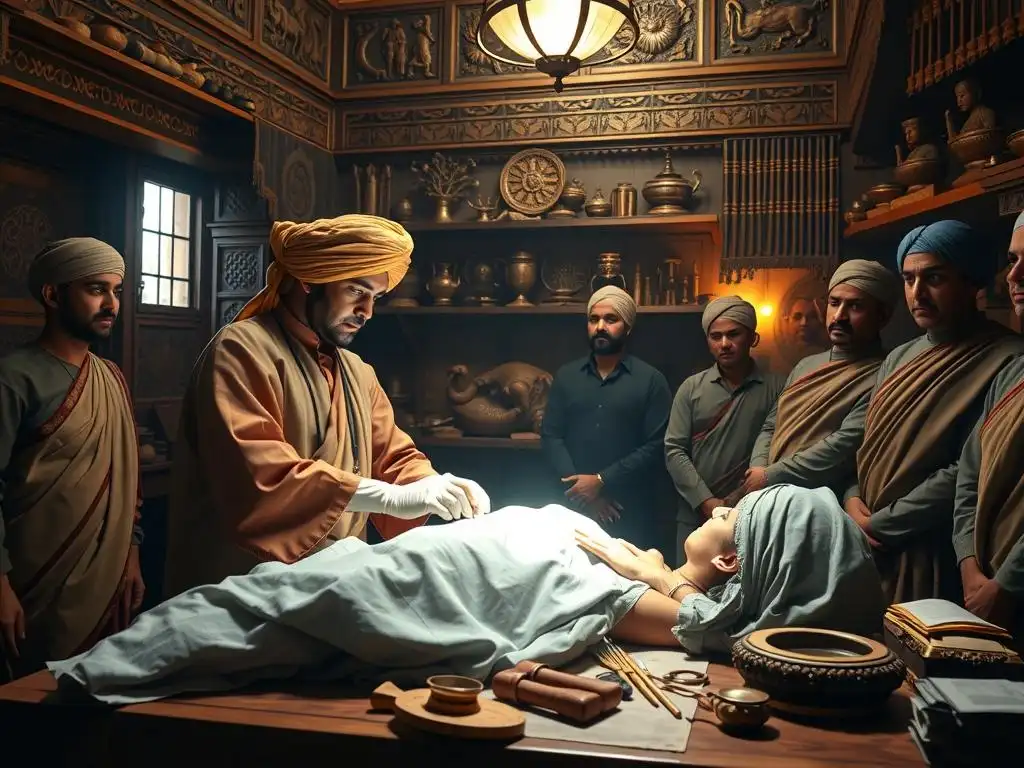
Welcome to Ancient India History, where we embark on a captivating journey through the rich tapestry of ancient Indian civilizations. Dive deep into the fascinating world of Ancient Indian surgery techniques, a remarkable legacy that not only shaped medical practices of the time but also offers invaluable lessons for modern medicine. As we uncover the intricate methods and philosophies that defined surgical practices during the era of the Gupta Empire and beyond, you’ll discover how these ancient innovations continue to resonate today. Get ready to explore, as each click unveils a story waiting to be told!
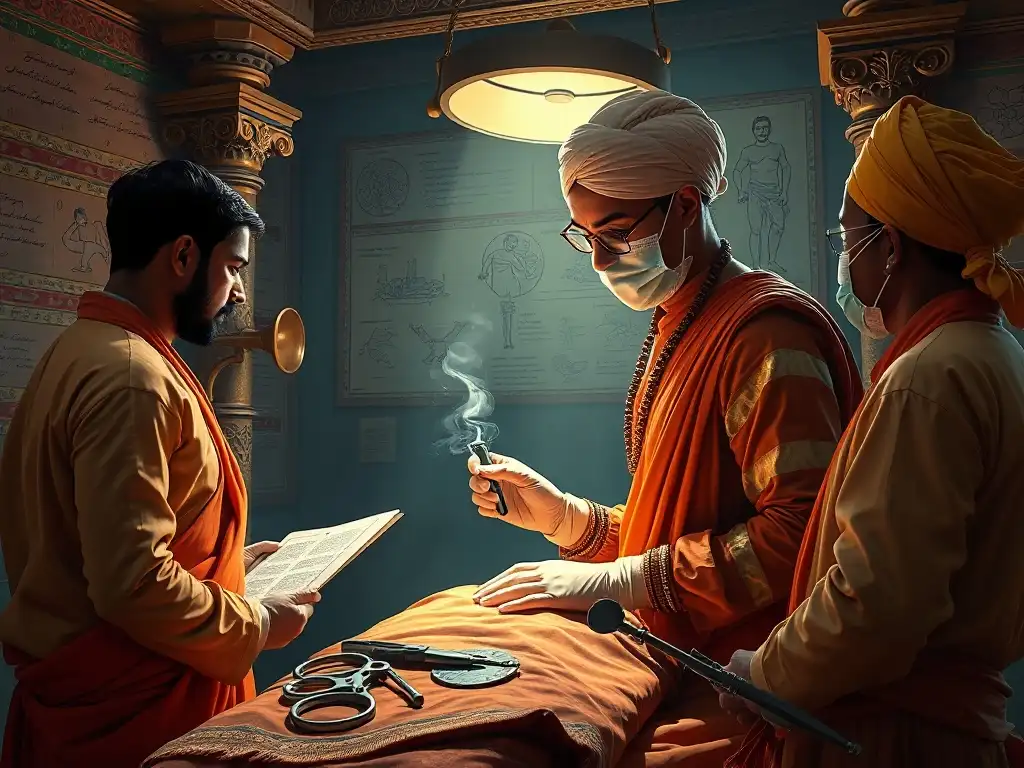
Ancient Indian surgery techniques have played a pivotal role in shaping medical practices that persist even in contemporary medicine. As we delve into the rich tapestry of surgical knowledge developed in ancient India, we uncover a wealth of insights that not only highlight the ingenuity of early practitioners but also offer valuable lessons for modern medical practices.
From the sophisticated surgical instruments crafted during the Indus Valley Civilization to the comprehensive medical texts of the Gupta Empire, this article aims to illuminate the profound contributions of ancient Indian surgery. By examining these historical techniques and their significance, we can appreciate the advanced understanding of human anatomy and healing that existed thousands of years ago and how these practices continue to resonate in today's medical field.
Introduction to Ancient Indian Surgery Techniques
Overview of Ancient Indian Medical Practices
Ancient Indian medical practices were deeply rooted in holistic healing and incorporated a blend of physical, spiritual, and herbal remedies. The Ayurveda, a system of medicine that dates back over 3,000 years, emphasized the balance between mind, body, and spirit. Surgical techniques were an integral part of Ayurveda, where practitioners, known as Surgeons or Shalya, specialized in various surgical procedures.
Common practices included:
- Suturing wounds
- Setting fractures
- Performing surgeries such as cataract removal
These techniques were documented in ancient texts, showcasing a sophisticated understanding of human anatomy and surgical interventions.
Significance of Surgery in Ancient Indian Medicine
Surgery in ancient Indian medicine was not merely a practical endeavor but a respected art form. It held significant cultural and religious importance, with references found in ancient scriptures like the Sushruta Samhita and Charaka Samhita. These texts provided detailed accounts of surgical techniques, emphasizing the importance of cleanliness, patient care, and ethical considerations in medical practice.
The significance can be summarized as follows:
- Cultural Respect: Surgeons were revered in society, akin to priests.
- Innovative Techniques: Many surgical methods developed during this time remain relevant today.
- Comprehensive Training: Surgeons underwent extensive training, often learning through apprenticeship.
Historical Context of Ancient Indian Surgery
Early Surgical Practices in the Indus Valley Civilization
The Indus Valley Civilization (circa 2500–1700 BCE) is recognized for its advanced urban planning and sophisticated cultural practices, which included early surgical techniques. Archaeological findings suggest that practitioners performed surgeries such as trepanation, where a portion of the skull was removed to treat ailments.
Key practices included:
- Use of bronze and copper instruments: Indicating a high level of metallurgy.
- Evidence of surgical procedures: Found in remains, suggesting a systematic approach to surgery.
Development of Surgical Techniques during the Vedic Period
The Vedic period (circa 1500–500 BCE) saw a significant evolution in surgical practices, with texts like the Sushruta Samhita laying the foundation for surgical education. This period emphasized the importance of anatomy, physiology, and surgical ethics, marking a transformation in how surgery was perceived and practiced.
Noteworthy developments included:
- Anatomical studies: Enhanced understanding of the human body.
- Introduction of anesthesia: Early forms of anesthesia were described to manage pain during procedures.
Contributions of Ancient Indian Surgeons in the Gupta Empire
The Gupta Empire (circa 320–550 CE) is often referred to as the "Golden Age" of India, during which significant advancements in various fields, including medicine and surgery, were made. Surgeons like Sushruta and Charaka made groundbreaking contributions that influenced not only Indian medicine but also the global medical landscape.
Key contributions included:
- Inventive surgical instruments: Over 120 surgical instruments were cataloged.
- Advanced surgical techniques: Including plastic surgery and cataract operations, which were remarkably sophisticated for the time.
The legacy of these ancient practices continues to inspire modern medical techniques and surgical methodologies, ensuring that the insights gained from ancient Indian surgery techniques remain relevant today.
Key Ancient Indian Surgical Techniques
Ancient Indian surgery is renowned for its sophisticated techniques and extensive knowledge that laid the groundwork for modern medical practices. The key ancient Indian surgical techniques can be traced back to texts like the Sushruta Samhita, which details a variety of procedures and medical philosophies. Among the prominent techniques were:
- Surgical Excision: This involved the removal of tumors and abnormal growths, showcasing an understanding of anatomy and disease.
- Cataract Surgery: Known as couching, this technique was used to treat cataracts by displacing the cloudy lens within the eye, an early precursor to modern ophthalmology.
- Plastic Surgery: Techniques for reconstructing noses and other body parts were practiced, particularly in cases of injury or punishment, demonstrating advanced knowledge of human anatomy.
- Treatments for Fractures and Wounds: Ancient surgeons utilized various methods to treat broken bones, including setting fractures and stitching wounds, emphasizing their understanding of healing processes.
These techniques reflect a deep understanding of human anatomy and the importance of hygiene, which are foundational to contemporary surgical practices.
Sushruta Samhita: The Foundational Text of Surgery
The Sushruta Samhita, attributed to the ancient physician Sushruta, is often considered the cornerstone of surgical knowledge in ancient India. This text, composed around 600 BCE, is one of the earliest comprehensive medical treatises, covering a wide array of surgical techniques, anatomy, and patient care. Key features of the Sushruta Samhita include:
- Detailed Surgical Techniques: It describes over 300 surgical procedures and 120 surgical instruments, showcasing an extensive understanding of anatomy and surgical practices.
- Ethical Considerations: The text emphasizes the importance of ethics in medicine, detailing the responsibilities of a surgeon and the necessity for proper patient consent.
- Holistic Approach: Sushruta advocated for a holistic approach to treatment, incorporating diet, lifestyle, and psychological well-being alongside surgical intervention.
The Sushruta Samhita not only serves as a historical document but also offers invaluable insights that continue to inspire modern surgical education and practices.
Types of Surgical Procedures in Ancient India
Ancient Indian surgery encompassed a wide range of procedures that addressed various medical conditions. The following are some notable types of surgical procedures practiced:
- Cranial Surgery: Known as shira karma, this involved trepanation and other techniques for treating head injuries or disorders.
- Obstetric Surgery: Procedures related to childbirth, including cesarean sections, were documented, reflecting an advanced understanding of obstetrics.
- Urological Surgery: Techniques for treating urinary tract issues, including the removal of stones, were practiced, indicating early developments in urology.
- Orthopedic Surgery: This included procedures for realigning bones and treating joint issues, highlighting a profound knowledge of musculoskeletal anatomy.
The variety and complexity of these surgical procedures underscore the advanced level of medical practice in ancient India.
Instruments Used in Ancient Indian Surgery
The surgical instruments used in ancient Indian surgery were carefully crafted to meet the needs of various procedures. The design and materials of these instruments reveal a sophisticated understanding of both functionality and hygiene.
Surgical Tools: Materials and Design
Ancient Indian surgical tools were primarily made from materials such as:
- Metals: Bronze, iron, and later steel were commonly used, allowing for durable and sharp instruments.
- Wood and Bone: Some surgical tools were crafted from wood or bone, particularly for procedures that required a non-metallic approach.
- Stone: Certain tools, especially for cutting or scraping, were made from sharpened stones.
The designs of these tools included:
- Scalpels and Knives: Used for incisions and excisions, with fine edges for precision.
- Forceps: Essential for grasping tissues or removing foreign objects.
- Surgical Hooks and Probes: Employed for maneuvering tissues and exploring cavities, reflecting an understanding of anatomy.
These materials and designs demonstrate the innovative spirit of ancient Indian surgeons, who prioritized both effectiveness and safety.
Innovations in Surgical Instruments
Innovations in surgical instruments during ancient Indian times were significant for their time. Some notable advancements included:
- Development of Specialized Tools: Instruments were tailored for specific procedures, such as the surgical scalpel for precise cuts, enhancing surgical accuracy.
- Ergonomic Designs: Many tools were designed to fit comfortably in the surgeon's hand, allowing for better control during delicate procedures.
- Sterilization Practices: Early methods to cleanse instruments were recognized, indicating an awareness of infection control long before modern methods were established.
These innovations not only improved surgical outcomes but also laid a foundation for the evolution of surgical instruments in later medical practices.
Comparison with Modern Surgical Tools
When comparing ancient Indian surgical instruments with modern surgical tools, several parallels and contrasts emerge:
| Feature | Ancient Indian Instruments | Modern Surgical Tools |
|---|---|---|
| Material | Bronze, iron, wood, stone | Stainless steel, titanium |
| Design | Basic, yet functional | Ergonomically advanced |
| Specialization | Tailored for specific uses | Highly specialized instruments |
| Sterilization | Early hygiene practices | Advanced sterilization techniques |
| Precision | Manual dexterity required | Mechanically enhanced precision |
Despite the significant advancements in materials and technology, the fundamental principles of surgical practice, such as precision, control, and patient safety, remain consistent with the practices established by ancient Indian surgeons. This enduring legacy reflects the profound impact of ancient Indian surgery on the evolution of modern medicine.
Philosophical and Ethical Considerations in Ancient Indian Surgery
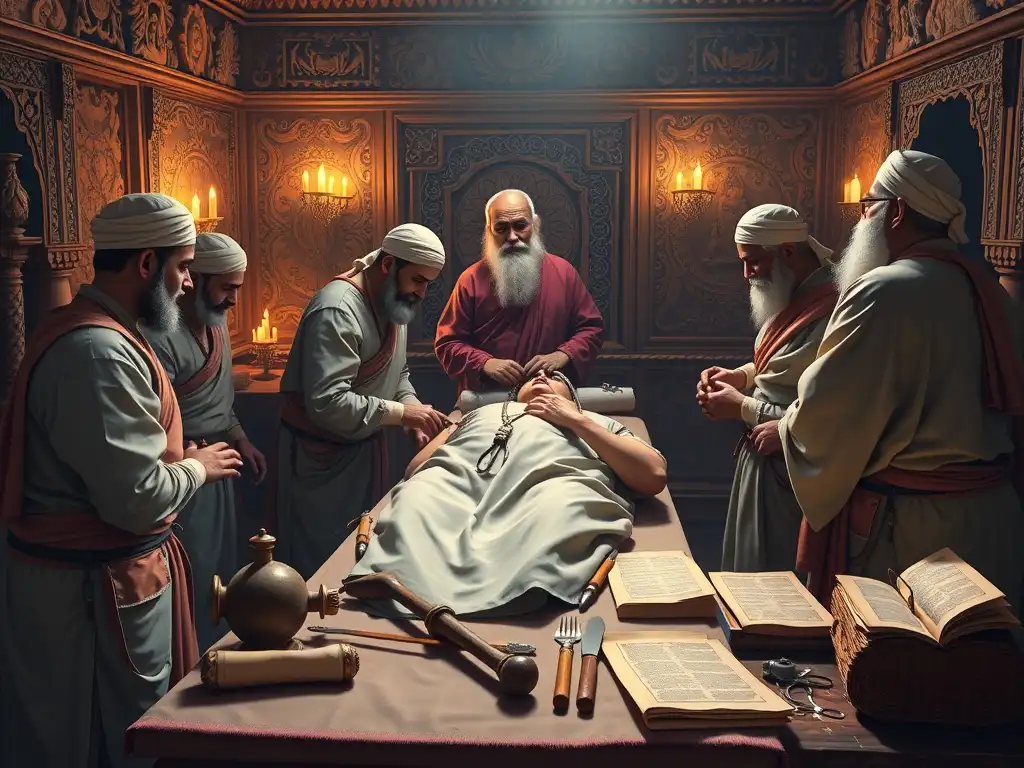
Ancient Indian surgery was deeply intertwined with the philosophical and ethical frameworks of the time. The practice of surgery was not merely a technical skill but was viewed through a holistic lens that encompassed the physical, spiritual, and moral dimensions of health. Central to this philosophy was the belief that the human body was a microcosm of the universe, and any surgical intervention needed to respect this intrinsic balance.
The ethical considerations in ancient Indian surgery were guided by texts such as the Sushruta Samhita, which emphasized the importance of a surgeon's character and integrity. Surgeons were expected to possess not only technical skills but also a compassionate disposition, ensuring that the patient’s dignity and welfare were prioritized. This ethical framework has notable parallels in modern medical ethics, where the principles of beneficence, non-maleficence, and respect for patient autonomy are paramount.
The Role of Ayurveda in Surgical Practices
Ayurveda, the ancient Indian system of medicine, played a critical role in shaping surgical practices in ancient India. It provided a comprehensive understanding of health, disease, and the human body, which informed surgical methodologies. Ayurvedic texts outlined various surgical procedures, techniques, and instruments, emphasizing the necessity of aligning surgical practices with overall health principles.
In Ayurveda, surgery was considered one of the ashtanga ayurveda (eight branches of medicine), highlighting its significance in the holistic treatment of patients. Practitioners of Ayurveda integrated surgical techniques with herbal remedies, diet, and lifestyle modifications, aiming to restore balance and promote healing. This holistic approach laid the groundwork for contemporary integrative medicine, where various healing modalities are combined to enhance patient outcomes.
Ethical Guidelines for Surgeons in Ancient India
The ethical guidelines for surgeons in ancient India were rooted in the principles of Dharma (duty/righteousness) and Ahimsa (non-violence). Surgeons were expected to act in accordance with these principles, ensuring that their actions were justified and aimed at alleviating suffering. The Sushruta Samhita delineated specific codes of conduct for surgeons, including:
- Competence: Surgeons were to be well-trained and knowledgeable in both surgical techniques and patient care.
- Consent: Informed consent was a fundamental aspect, with surgeons required to explain procedures and potential risks to patients.
- Confidentiality: Upholding patient privacy was essential, fostering trust between the surgeon and the patient.
These ethical guidelines not only ensured the well-being of patients but also contributed to the professional integrity of the surgical profession.
Comparing Ancient Indian Surgery with Modern Techniques
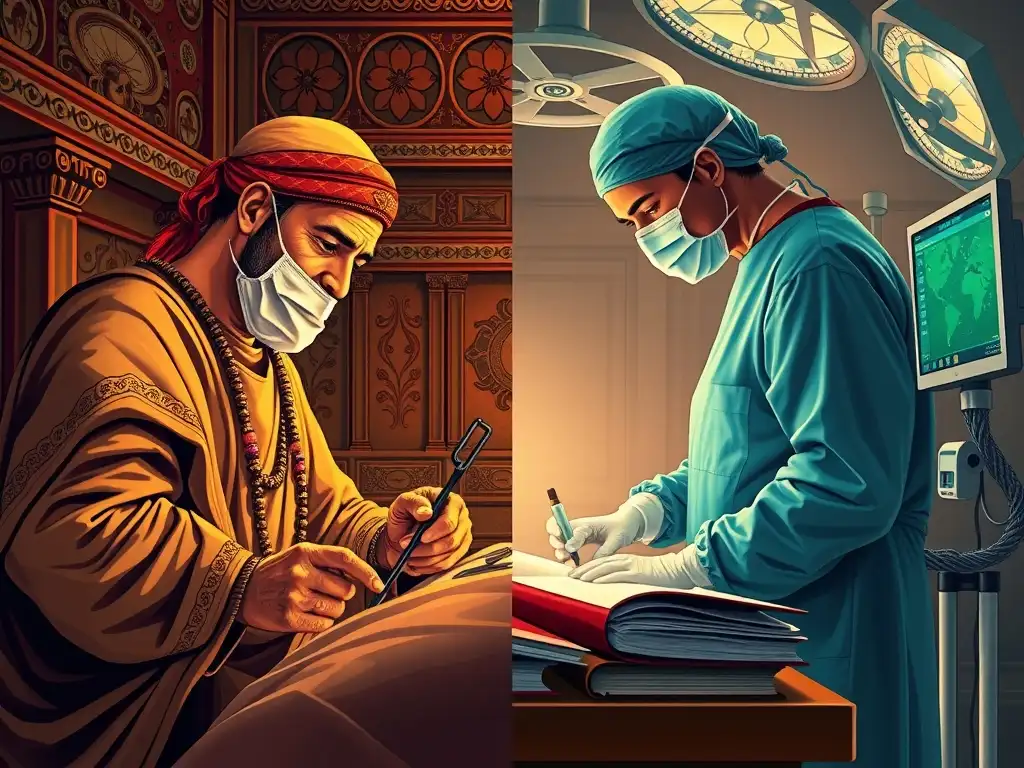
Similarities and Differences in Surgical Approaches
When comparing ancient Indian surgery with modern techniques, several similarities and differences emerge. Both practices emphasize the importance of a thorough understanding of human anatomy and pathology. Ancient Indian surgeons, like their modern counterparts, utilized a range of surgical instruments and techniques for procedures such as suturing, excision, and incision.
However, differences are evident in the technological advancements and methodologies employed. Modern surgery benefits from sophisticated imaging technology, anesthesia, and minimally invasive techniques, which were not available in ancient times. Furthermore, contemporary surgical practices are often backed by scientific research and evidence-based medicine, whereas ancient practices were based on empirical knowledge and philosophical beliefs.
Lessons Learned: How Ancient Techniques Influence Modern Surgery
The legacy of ancient Indian surgical techniques continues to influence modern medicine in various ways. Techniques such as rhinoplasty, documented in the Sushruta Samhita, have inspired contemporary reconstructive surgeries. The meticulous attention to detail and understanding of wound healing portrayed in ancient texts offer valuable insights into surgical practices today.
Moreover, the holistic approach of integrating psychological and physical health in patient care serves as a reminder for modern practitioners to consider the broader context of health. As the field of medicine evolves, the wisdom from ancient Indian surgical practices can inform and enrich current methodologies, fostering a more comprehensive approach to healing that honors both tradition and innovation.
The Relevance of Ancient Indian Surgery in Contemporary Medicine
Ancient Indian surgery, particularly as documented in texts like the Sushruta Samhita, has proven to be remarkably relevant in contemporary medical practices. The comprehensive surgical techniques outlined by ancient Indian physicians not only demonstrate a profound understanding of human anatomy but also showcase innovative methods that resonate with modern surgical principles. For instance, Sushruta is often referred to as the "father of surgery," and his methods of surgical procedures, such as rhinoplasty (reconstruction of the nose), are still foundational in reconstructive surgery today.
Moreover, ancient Indian surgery emphasized the importance of patient care, hygiene, and ethical practices, which align closely with contemporary medical ethics. The holistic approach towards health, which involved physical, mental, and spiritual well-being, is increasingly recognized in modern medicine, particularly in fields like integrative and complementary medicine. By acknowledging and studying these ancient techniques, modern practitioners can enhance their understanding of surgical practices and patient care, leading to improved outcomes.
Integrating Ancient Wisdom into Modern Medical Practices
The integration of ancient wisdom into modern medical practices can be achieved through various avenues. One prominent method is through the education of medical professionals about ancient surgical techniques and philosophies. By incorporating ancient texts into medical curriculum, students can gain insights into alternative approaches to surgery that prioritize patient-centric care and holistic treatment.
Additionally, some hospitals and clinics are beginning to incorporate ancient practices such as Ayurveda and Siddha into their treatment protocols. This can include the use of herbal remedies alongside surgical interventions, providing a more comprehensive treatment plan for patients. Furthermore, surgical techniques derived from ancient Indian practices, such as minimal invasive procedures, can be adapted and refined using modern technology and equipment.
Case Studies: Successful Applications of Ancient Techniques Today
Several modern case studies illustrate the successful application of ancient Indian surgical techniques. For example, a renowned plastic surgeon in India has adopted Sushruta's techniques for rhinoplasty, achieving remarkable results in restoring both function and aesthetics to patients. This surgeon has trained extensively in the traditional methods and has integrated them with modern surgical techniques, demonstrating the efficacy of combining ancient practices with contemporary approaches.
Another notable case involves the use of ancient suturing techniques that emphasize the importance of tissue preservation and minimal scarring. Surgeons have reported that employing these techniques has led to faster recovery times and reduced complications in postoperative care. These examples not only highlight the effectiveness of ancient methods but also encourage further exploration and research into how these practices can be adapted for current medical practices.
Conclusion: The Enduring Legacy of Ancient Indian Surgery
The enduring legacy of ancient Indian surgery is a testament to the advanced understanding and capabilities of ancient physicians. Their contributions laid the groundwork for surgical practices that are still relevant today, demonstrating a sophisticated grasp of anatomy, surgical techniques, and patient care. As contemporary medicine continues to evolve, it is essential to recognize and appreciate the foundations laid by these ancient practices.
Reflection on the Impact of Ancient Techniques on Modern Medicine
Reflecting on the impact of ancient techniques on modern medicine reveals a rich tapestry of knowledge that has shaped surgical practices throughout history. The principles of meticulous surgical technique, ethical practice, and holistic care established by ancient Indian surgeons serve as guiding philosophies for today’s medical professionals. This historical perspective not only enriches the understanding of modern medicine but also encourages a more integrative approach to health care.
Future Directions: Bridging Ancient Knowledge with Modern Innovation
Looking ahead, the future directions for bridging ancient knowledge with modern innovation are promising. Research into ancient surgical texts and techniques can lead to new discoveries that enhance current practices. Collaborative efforts between historians, surgeons, and researchers can foster a multidisciplinary approach to medicine that honors ancient wisdom while embracing technological advancements.
Moreover, as the focus on personalized medicine grows, ancient practices that emphasize individualized care can provide valuable insights into patient treatment plans. By promoting further examination and integration of ancient Indian surgical techniques, the medical field can benefit from a more comprehensive understanding of health and healing, ultimately improving patient care and surgical outcomes.
- Introduction to Ancient Indian Surgery Techniques
- Historical Context of Ancient Indian Surgery
- Key Ancient Indian Surgical Techniques
- Instruments Used in Ancient Indian Surgery
- Philosophical and Ethical Considerations in Ancient Indian Surgery
- The Role of Ayurveda in Surgical Practices
- Ethical Guidelines for Surgeons in Ancient India
- Comparing Ancient Indian Surgery with Modern Techniques
- The Relevance of Ancient Indian Surgery in Contemporary Medicine
- Conclusion: The Enduring Legacy of Ancient Indian Surgery
Frequently Asked Questions
What were some key ancient Indian surgery techniques?
Ancient Indian surgery techniques included complex procedures such as plastic surgery, cataract surgery, and orthopedic surgeries, showcasing a deep understanding of human anatomy.
How did Ayurveda influence ancient Indian surgery?
Ayurveda played a crucial role in ancient Indian surgery by providing a holistic approach to health, integrating medicinal herbs and surgical techniques for effective treatments.
Who was Sushruta and why is he significant?
Sushruta, often referred to as the father of surgery, authored the Sushruta Samhita, a seminal text detailing surgical techniques and instruments, which laid the foundation for modern surgical practices.
What are the contributions of ancient Indian surgery to modern medicine?
Ancient Indian surgery has contributed to modern medicine by introducing innovative surgical techniques and practices that are still relevant today, emphasizing patient care and surgical ethics.
How can we learn from the legacy of ancient Indian surgery?
We can learn from the legacy of ancient Indian surgery by studying its methodologies and philosophies, which can enhance contemporary practices through a synergy of tradition and innovation.
Final Reflection: Embracing the Wisdom of Ancient Indian Surgery Techniques
The legacy of ancient Indian surgery techniques continues to resonate profoundly in today's medical landscape, reminding us that innovation often springs from the past. As we navigate the complexities of modern medicine, it is essential to acknowledge the foundational practices that have shaped our understanding of surgical techniques. The remarkable achievements of ancient Indian surgeons, who performed intricate procedures with remarkable precision, challenge us to rethink our approach to healing and patient care.
The influence of these ancient practices extends beyond mere historical significance; they serve as a testament to the ingenuity and resilience of human beings in the face of adversity. The principles of holistic care and the emphasis on patient well-being found in ancient texts still echo in contemporary medical ethics. As we strive for advancements in technology and technique, we must not forget the wisdom encapsulated in the words of Sushruta, who stated, The physician must be able to distinguish the nature of the disease and the constitution of the patient.
This timeless insight underscores the importance of personalized medicine and the need to treat the individual, not just the ailment.
As we reflect on the lessons from ancient Indian surgery, let us be inspired to integrate these teachings into our own lives and practices. Consider how the values of empathy, precision, and holistic understanding can enhance your approach to health and healing. Whether you are a medical professional, a student, or someone seeking to improve your well-being, take a moment to honor the rich legacy of those who came before us. Embrace the opportunity to learn from their wisdom and apply these timeless lessons to foster a more compassionate and effective healthcare system for the future.
Unveil the Secrets of Timeless Healing!
Thank you for taking the time to explore the fascinating world of ancient Indian surgery. You've uncovered invaluable lessons that can enrich modern medical practices and inspire new approaches to healing. Now, let's carry that momentum forward and take action!
- Dive deeper into the rich history of ancient medicine by exploring additional articles on our site. Expand your understanding of how these pioneering techniques can inform current practices.
- Share this knowledge with friends or fellow practitioners! Start a conversation about the relevance of ancient techniques in today's medical landscape.
- Consider implementing one method or principle you found compelling into your own health practices or discussions. It might just lead to a profound discovery!
Which ancient surgical wisdom do you believe could significantly impact today’s healthcare practices?