
Ancient Indian Surgery: A Blend of Science and Spirituality

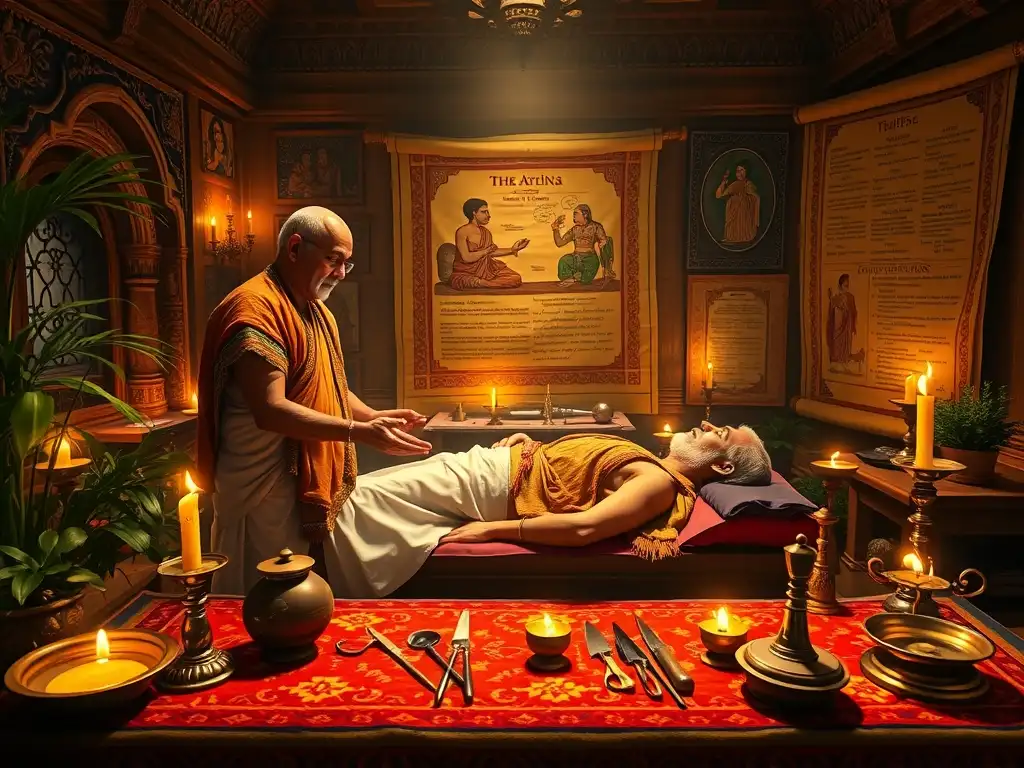
Welcome to Ancient India History, where we embark on an exhilarating journey through the rich tapestry of ancient Indian civilizations. As we delve into the remarkable realm of ancient Indian surgery techniques, prepare to uncover a fascinating blend of science and spirituality that has shaped medical practices for centuries. Discover the innovative methods and profound philosophies that not only advanced healthcare but also reflected the intricate relationship between body and spirit. Join us as we explore the depths of this ancient wisdom and ignite your curiosity to learn more!
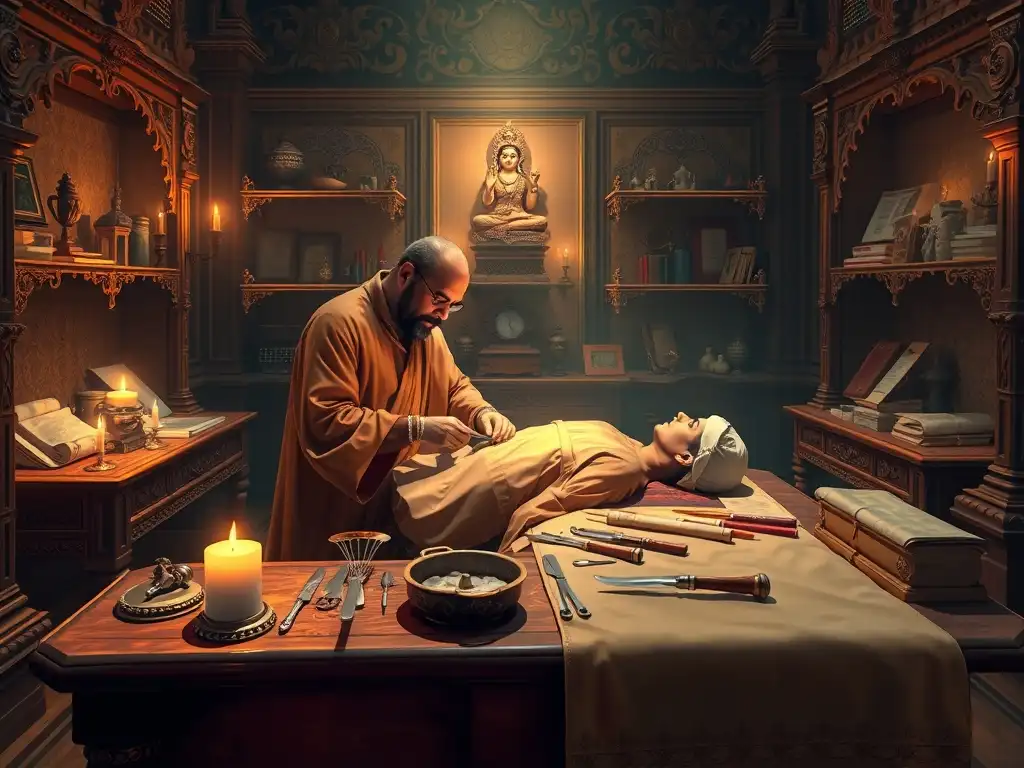
Introduction to Ancient Indian Surgery Techniques
The legacy of ancient Indian surgery is a fascinating intersection of science, spirituality, and holistic healing. As one of the earliest civilizations, ancient India made significant advancements in medical practices, notably in surgery, which has shaped modern techniques and philosophies. Ancient Indian surgery techniques reflect not only the technical skills of practitioners but also the cultural and spiritual beliefs that guided their practices. This article delves into the rich history and contributions of ancient Indian surgery, exploring how these techniques were developed and their relevance in the broader context of ancient Indian medicine.
Overview of Surgical Practices in Ancient India
Surgical practices in ancient India were not merely a collection of procedures but a sophisticated system grounded in deep philosophical and spiritual understanding. Notable practitioners like Sushruta, often regarded as the "Father of Surgery," made remarkable contributions by documenting surgical techniques, tools, and medical ethics. The ancient Indian texts, particularly the "Sushruta Samhita," describe a range of surgical procedures, from minor operations to complex surgeries such as cataract removal and plastic surgery.
Some of the key aspects of surgical practices in ancient India include:
- Innovative Techniques: Techniques such as rhinoplasty and abscess drainage were developed with a keen understanding of anatomy and physiology.
- Surgical Instruments: Ancient Indian surgeons utilized a variety of instruments made from metals, bamboo, and other materials, showcasing their ingenuity and craftsmanship.
- Holistic Approach: The integration of surgery with Ayurveda emphasized the importance of balance between body, mind, and spirit, and highlighted the role of diet and lifestyle in recovery.
Importance of Surgery in Ancient Indian Medicine
Surgery held a vital place in ancient Indian medicine, complementing the herbal and therapeutic treatments prevalent at the time. It was essential for treating traumatic injuries, congenital deformities, and various diseases. The philosophical underpinnings of Ayurveda influenced surgical practices, with a focus on restoring health and harmony to the body.
The importance of surgery in this context can be summarized as follows:
- Treatment of Injuries: Surgery was indispensable for the treatment of battle wounds and injuries, which were common in ancient times.
- Cultural Significance: Surgical success stories were often celebrated, highlighting the skill and divine blessings attributed to surgeons.
- Scientific Advancements: The evolution of surgical techniques laid the groundwork for future medical practices, contributing to the global understanding of surgery.
Historical Context of Ancient Indian Surgery
Understanding the historical context of ancient Indian surgery helps to appreciate its evolution and significance. The roots of surgical practices can be traced back to the Indus Valley Civilization, where evidence of advanced medical knowledge has been discovered.
Origins of Surgical Techniques in Ancient India
The origins of surgical techniques in ancient India can be linked to the holistic medical system of Ayurveda, which dates back over 3,000 years. This system emphasized the need for surgical intervention as part of comprehensive healthcare. The teachings of Sushruta and his contemporaries are paramount in this historical narrative, as they compiled knowledge from various sources and established foundational surgical principles.
Key points regarding the origins include:
- Indus Valley Evidence: Archaeological findings suggest a sophisticated understanding of health and surgery in the Indus Valley Civilization, including surgical tools and medical procedures.
- Influential Figures: Sushruta and his followers played a pivotal role in developing and documenting surgical techniques in ancient texts.
- Cultural Integration: The integration of surgical practices with spiritual beliefs and rituals underscored the importance of a holistic approach to medicine.
Influential Texts on Ancient Indian Surgery
Several texts from ancient India serve as crucial references for understanding surgical techniques. The most notable among these is the "Sushruta Samhita," which remains a cornerstone of surgical literature. This text not only details surgical methods but also provides insights into the ethical practices and philosophies that guided ancient surgeons.
Some influential texts include:
- Sushruta Samhita: A comprehensive guide that includes descriptions of surgical procedures, instruments, and the principles of surgical practice.
- Charaka Samhita: While primarily focused on internal medicine, it offers valuable insights into the interconnectedness of surgical and non-surgical treatments.
- Vagbhatta's Ashtanga Hridaya: This text synthesizes various medical knowledge, including surgical practices, reflecting the holistic approach of ancient Indian medicine.
Through these texts, we gain a profound understanding of the techniques, principles, and cultural significance of ancient Indian surgery, showcasing a remarkable blend of science and spirituality that continues to resonate in modern medical practices.
Key Ancient Indian Surgery Techniques
Ancient Indian surgery, often regarded as a remarkable blend of scientific knowledge and spiritual beliefs, showcased a variety of sophisticated techniques that were ahead of their time. Notably, the Sushruta Samhita, attributed to the ancient surgeon Sushruta, serves as a pivotal text in this field. Among the key surgical techniques described are:
- Surgical Excision: This involved the removal of tumors or abscesses, demonstrating a clear understanding of pathologies.
- Cataract Surgery: Known as "couching," this technique involved dislocating the lens of the eye, which was performed with precision and care.
- Rhinoplasty: Sushruta is celebrated as one of the earliest practitioners of reconstructive surgery, particularly in the reconstruction of the nose.
- Amputation: Techniques for amputation were also documented, showcasing the ability to manage trauma and severe injuries.
The ancient texts emphasize not only the technical aspects of these procedures but also the importance of hygiene and the use of anesthesia derived from herbal sources, highlighting an advanced understanding of surgical practices.
Surgical Instruments Used in Ancient Indian Practices
The surgical instruments utilized in ancient Indian surgery were both innovative and functional. These tools were meticulously crafted, often from materials such as bronze, steel, and even ivory. Some notable instruments include:
- Scalpels: Sharp instruments designed for incisions.
- Forceps: Used for grasping and manipulating tissues.
- Surgical Hooks: Employed to hold back tissue during procedures.
- Sutures: Made from materials like silk or cotton to stitch wounds.
The design and variety of these instruments indicate a sophisticated approach to surgery, allowing surgeons to perform intricate operations with precision. The craftsmanship of these tools reflects the advanced metallurgical skills of ancient Indian artisans.
Types of Surgical Procedures in Ancient India
Ancient Indian texts document a wide range of surgical procedures that were practiced. Some of the prominent types include:
- Orthopedic Surgery: Treatment of fractures and dislocations was common, with techniques designed to realign bones.
- Obstetrics: Surgical interventions during childbirth were noted, including procedures to manage complications.
- Urosurgery: Operations related to urinary tract issues were also performed.
- Plastic Surgery: Reconstruction of facial features, particularly following injuries or amputation, showcased a deep understanding of human anatomy.
These procedures not only highlight the technical capabilities of ancient Indian surgeons but also underscore their commitment to patient care and recovery.
The Blend of Science and Spirituality in Ancient Indian Surgery
The practice of surgery in ancient India was deeply interwoven with spiritual beliefs and healing practices. This integration of science and spirituality is evident in the methodologies employed by surgeons, who viewed the body not merely as a physical entity but as part of a larger cosmic order.
Role of Spirituality in Healing Practices
Spirituality played a crucial role in the healing practices of ancient India. Surgeons often engaged in rituals and prayers before performing surgeries, believing that divine blessings would ensure successful outcomes. This spiritual dimension contributed to a holistic approach to healing, where the mental and emotional state of the patient was considered just as important as the physical procedure itself.
Moreover, the belief in karma and the interconnectedness of life influenced the ethical considerations in surgical practices, prompting surgeons to uphold a moral responsibility towards their patients.
Influence of Ayurveda on Surgical Techniques
Ayurveda, the ancient Indian system of medicine, significantly impacted surgical techniques. The principles of Ayurveda emphasized balance within the body, and this understanding shaped the surgical approaches. Key aspects include:
- Holistic Diagnosis: Surgeons utilized Ayurvedic concepts to assess the overall health of the patient, rather than focusing solely on the surgical site.
- Use of Herbal Anesthetics: Many surgical procedures employed herbal concoctions for pain management, showcasing a thorough understanding of pharmacology.
- Post-Operative Care: Ayurvedic practices were integral to recovery, involving dietary recommendations and herbal treatments to promote healing.
The synergy between Ayurveda and surgical practices ensured a comprehensive approach to health care, marking ancient Indian surgery as a sophisticated and deeply rooted tradition.
Contributions of Ancient Indian Surgeons
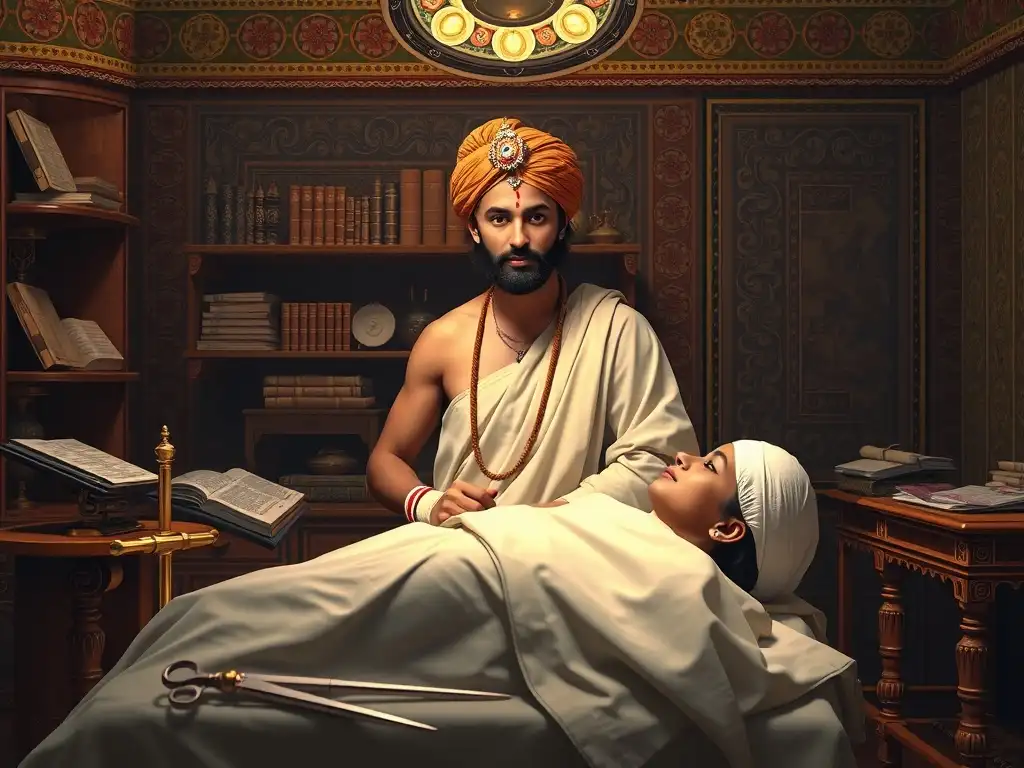
Ancient Indian surgeons made significant contributions to the field of medicine, particularly in the realm of surgery. Their understanding of human anatomy, surgical techniques, and medicinal practices was advanced for their time, blending empirical observation with spiritual and philosophical beliefs. Key contributions include the development of surgical instruments, methods for anesthesia, and techniques for wound management, all of which laid the groundwork for modern surgical practices.
One of the most notable texts from this era is the Sushruta Samhita, attributed to Sushruta, often referred to as the "father of surgery." This ancient text systematically describes surgical procedures, including over 300 surgical techniques and 120 surgical instruments. It emphasizes a holistic approach to healing, integrating physical, mental, and spiritual well-being. The principles articulated in these texts reflect a blend of rigorous scientific inquiry and deep spiritual understanding, demonstrating the sophisticated nature of ancient Indian medical practices.
Notable Surgeons and Their Innovations
Several renowned surgeons emerged in ancient India, each contributing uniquely to surgical methodologies and practices.
- Sushruta: Often considered the pioneer of surgery, Sushruta's Samhita serves as a foundational text for surgical education. He introduced techniques such as rhinoplasty (nose reconstruction) and cataract surgery, showcasing his innovative spirit and understanding of human anatomy.
- Charaka: While primarily known for his work in internal medicine, Charaka's contributions also extended to surgical practices. His texts discuss the importance of surgery in the treatment of diseases, emphasizing the interconnectedness of surgical and medicinal approaches.
- Jivaka: Another prominent figure, Jivaka, was known for his surgical expertise and as a physician to the Buddha. His methods included various forms of surgical procedures, especially in the field of trauma and battlefield medicine.
These surgeons not only advanced surgical techniques but also emphasized the importance of ethics and the physician's role in society, establishing a legacy that would influence future generations.
Legacy of Ancient Indian Surgery Techniques
The legacy of ancient Indian surgery extends far beyond their time, influencing medical practices across civilizations. The surgical techniques developed by ancient Indian surgeons were not only innovative but also systematic, paving the way for future medical advancements. The incorporation of detailed anatomical knowledge and surgical protocols provided a framework that would inspire medical practitioners for centuries.
Indian surgery techniques were notably characterized by their emphasis on cleanliness, the use of herbal anesthetics, and the careful management of surgical instruments. These principles are reflected in modern surgical practices, underscoring the enduring impact of ancient methodologies on contemporary medicine.
Impact on Modern Surgical Practices
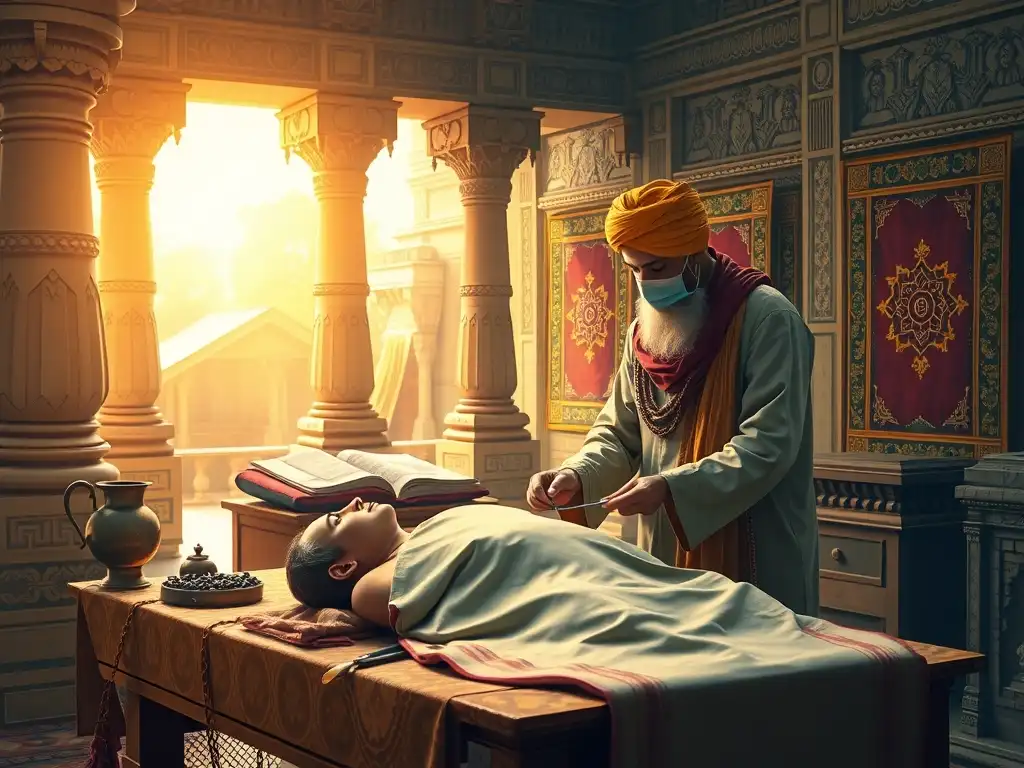
Ancient Indian surgery techniques have left a lasting imprint on modern surgical practices. Many surgical procedures and instruments described in texts like the Sushruta Samhita have parallels in today’s medical field. For instance, the use of sutures, scalpels, and forceps can be traced back to ancient Indian innovations. Furthermore, the concepts of aseptic techniques and patient care resonate with contemporary surgical protocols aimed at minimizing infection and promoting recovery.
Additionally, the holistic approach to medicine, which integrates physical and mental health, continues to influence the way modern medicine views patient care. The emphasis on understanding the whole person rather than merely treating symptoms reflects a timeless philosophy rooted in ancient Indian practices.
Preservation of Ancient Techniques in Contemporary Medicine
The preservation of ancient Indian surgical techniques is evident in various contemporary medical practices, particularly in the fields of Ayurveda and holistic medicine. Many practitioners today incorporate traditional methods alongside modern medical techniques, recognizing the value of ancient wisdom in addressing health issues.
Institutions focusing on the revival of traditional medicine often emphasize the training of new generations of surgeons in ancient techniques. Workshops and courses that teach the principles found in the Sushruta Samhita and other ancient texts are becoming more prevalent, ensuring that the knowledge and practices of ancient Indian surgery are not lost to time.
Moreover, ongoing research into the efficacy of traditional surgical methods, such as the use of herbal anesthetics and natural remedies, is helping to bridge the gap between ancient practices and modern medicine, fostering a greater understanding of their significance in today's healthcare landscape.
Conclusion
Ancient Indian surgery techniques represent a remarkable intersection of science and spirituality that has left a profound legacy on medical practices throughout history. The sophisticated methodologies developed by ancient Indian surgeons, such as Sushruta, underscore an advanced understanding of human anatomy and surgical procedures that was ahead of its time. Through meticulous texts like the Sushruta Samhita, these techniques not only provided practical solutions to medical challenges but also integrated philosophical and spiritual elements, reflecting the holistic approach of ancient Indian medicine.
As we reflect on the significance of these ancient practices, it becomes clear that they were not merely clinical procedures but were part of a broader cultural ethos that valued the interconnectedness of body, mind, and spirit. This holistic approach has influenced various medical traditions across the globe, shaping perspectives on health and healing that persist today.
Reflection on the Significance of Ancient Indian Surgery Techniques
The significance of ancient Indian surgery techniques extends beyond their historical context; they provide insight into the innovative spirit of ancient civilizations. Techniques such as rhinoplasty, cataract surgery, and the use of anesthetics demonstrate not only technical proficiency but also a profound understanding of human biology. These advancements reveal that ancient Indian surgeons were not only skilled practitioners but also thinkers who sought to improve the human condition.
Moreover, the ethical considerations embedded in ancient surgical practices highlight the moral responsibility that practitioners held towards their patients. The emphasis on patient care and the spiritual dimensions of healing contributed to a medical framework that prioritized well-being over mere technical success. This ethical approach resonates with contemporary practices, as modern medicine increasingly acknowledges the importance of patient-centered care.
The Lasting Influence of Ancient Indian Medicine on Global Practices
The influence of ancient Indian medicine on global practices is both significant and enduring. The principles and techniques developed in ancient India have traveled through time, impacting various cultures and medical systems around the world. For instance, surgical techniques documented in the Sushruta Samhita were later referenced and adapted within other medical traditions, such as Greco-Roman medicine.
Furthermore, the holistic understanding of health that underpins ancient Indian medicine has inspired modern medical practices, particularly in the fields of integrative and alternative medicine. Concepts such as Ayurveda continue to thrive, promoting a comprehensive approach to health that considers physical, mental, and spiritual well-being.
The legacy of ancient Indian surgery techniques is not only a testament to the ingenuity of past civilizations but also a cornerstone upon which modern medicine continues to build. As we explore the rich tapestry of ancient Indian history, we acknowledge the invaluable contributions that these surgical techniques have made to the advancement of medical science and the holistic practice of healing around the globe.
- Introduction to Ancient Indian Surgery Techniques
- Historical Context of Ancient Indian Surgery
- Key Ancient Indian Surgery Techniques
- The Blend of Science and Spirituality in Ancient Indian Surgery
- Contributions of Ancient Indian Surgeons
- Notable Surgeons and Their Innovations
- Legacy of Ancient Indian Surgery Techniques
- Impact on Modern Surgical Practices
- Preservation of Ancient Techniques in Contemporary Medicine
- Conclusion
- What are the origins of ancient Indian surgery techniques?
- How did spirituality influence ancient Indian surgery?
- What notable texts discuss ancient Indian surgical practices?
- What were some common surgical procedures in ancient India?
- How did ancient Indian surgery techniques influence modern medicine?
Frequently Asked Questions
What are the origins of ancient Indian surgery techniques?
Ancient Indian surgery techniques can be traced back to the Indus Valley Civilization, where early medical practices were documented, leading to advanced surgical procedures in later periods.
How did spirituality influence ancient Indian surgery?
Spirituality played a significant role, as healing was often seen as a divine process, intertwining medical practices with religious beliefs and rituals.
What notable texts discuss ancient Indian surgical practices?
Key texts include the Sushruta Samhita, which is considered one of the foundational works on surgery, detailing various techniques and instruments used in ancient India.
What were some common surgical procedures in ancient India?
Common procedures included plastic surgery, cataract removal, and cesarean sections, showcasing the advanced understanding of human anatomy and surgical techniques.
How did ancient Indian surgery techniques influence modern medicine?
Ancient Indian surgery laid the groundwork for many modern practices, particularly in anesthesia and surgical instruments, highlighting the blend of science and spirituality in medical history.
Final Reflection: The Timeless Wisdom of Ancient Indian Surgery
Ancient Indian surgery techniques represent a remarkable intersection of science and spirituality that continues to resonate in today's world. As we navigate the complexities of modern medicine, it becomes increasingly clear that the holistic approaches of the past offer invaluable insights into patient care and well-being. The wisdom embedded in these ancient practices reminds us that healing is not merely a physical process but also a deeply spiritual journey.
The influence of ancient Indian surgery techniques can be seen in contemporary discussions about integrative medicine and holistic health. These practices have not only shaped surgical methodologies but have also contributed to a broader understanding of the mind-body connection. As we reflect on this legacy, we are reminded of the words of Hippocrates: Wherever the art of medicine is loved, there is also a love of humanity.
This sentiment echoes the essence of ancient Indian surgery, where the practitioner’s role transcended mere technical skill, embracing compassion and spiritual awareness.
As we look to the future, let us take a moment to reflect on how we can incorporate the lessons of ancient Indian surgery into our own lives. Consider the balance of science and spirituality in your approach to health and wellness. Whether it’s through mindfulness practices, holistic healing, or simply fostering a deeper connection with ourselves and others, we can honor this rich tradition by applying its principles in our daily lives. Embrace the wisdom of the past as we forge a path toward a more compassionate and integrated approach to health in the modern world.
Unlock the Secrets of Ancient Healing!
Thank you for joining us on this journey through the fascinating world of ancient Indian surgery. By exploring the blend of science and spirituality, you’ve tapped into a rich heritage that continues to inspire modern medicine. Now, it's time to take the next step in your exploration!
Consider these empowering actions:
- Dive deeper into this ancient knowledge by reading books or articles on Ayurveda and the surgical practices of ancient physicians.
- Share your newfound insights with friends or on social media to foster awareness of these incredible historical practices.
- Explore local workshops or online courses that delve into holistic healing techniques inspired by ancient traditions.
What aspect of ancient healing are you most excited to explore further, and why? Your thoughts could inspire others on a similar journey!