
Why Ayurvedic Medicine Is a GameChanger in Holistic Health Approaches


Welcome to Ancient India History, where we embark on a fascinating journey through the rich tapestry of ancient Indian civilizations, uncovering their remarkable contributions to culture, science, and wellness. In this exploration, we invite you to delve into the benefits of Ayurvedic medicine, a time-honored practice that is revolutionizing holistic health approaches in modern times. As we unpack the secrets and wisdom of this ancient tradition, you'll discover how its principles can transform well-being today.
Are you ready to unlock the mysteries of Ayurveda and its profound impact on health? Continue reading to explore how this ancient wisdom is shaping contemporary wellness.
- Introduction to Ayurvedic Medicine and Holistic Health
- The Benefits of Ayurvedic Medicine in Holistic Approaches
- Comparative Analysis: Ayurvedic Medicine vs. Conventional Medicine
- Essential Ayurvedic Products for Modern Health
- How to Incorporate Ayurvedic Medicine into Daily Life
- Real-Life Success Stories: Transformations Through Ayurvedic Medicine
- Myths and Realities of Ayurvedic Medicine
- Conclusion: The Future of Ayurvedic Medicine in Holistic Health
- Frequently Asked Questions
- Final Reflection: Embracing the Benefits of Ayurvedic Medicine for Holistic Health
- Embrace the Power of Ayurveda Today!
Introduction to Ayurvedic Medicine and Holistic Health
Ayurvedic medicine, one of the oldest systems of healthcare in the world, originates from the ancient Indian civilization and offers a profound approach to health and wellness. With its roots tracing back over 5,000 years, Ayurveda emphasizes a holistic understanding of health, focusing on the balance between mind, body, and spirit. As modern society increasingly seeks integrative solutions to health challenges, the benefits of Ayurvedic medicine have gained significant attention. This article delves into the pivotal aspects of Ayurvedic practices, exploring how they align with contemporary holistic health approaches and their resurgence in modern healthcare.
Understanding the Concept of Holistic Health
Holistic health is a philosophy that looks beyond just the physical aspects of health, encompassing a comprehensive view of an individual's overall well-being. It integrates multiple dimensions of health, including:
- Physical: The bodily functions and physical condition.
- Emotional: Mental health and emotional balance.
- Social: Relationships and social connections.
- Spiritual: Personal beliefs and life purpose.
- Environmental: The impact of surroundings on health.
The holistic approach promotes the idea that all these elements are interconnected, and imbalances in one area can affect others. This perspective is intrinsic to Ayurvedic medicine, which treats individuals as whole beings rather than isolated symptoms. By addressing the root causes of health issues through personalized treatments and natural remedies, Ayurveda offers a unique path to achieving optimal health.
Overview of Ayurvedic Medicine: A Historical Perspective
Ayurvedic medicine, derived from the Sanskrit words "Ayur" (life) and "Veda" (knowledge), is a comprehensive system that combines science, philosophy, and spirituality. Its historical evolution can be categorized into several key periods:
- Indus Valley Civilization (circa 2500-1500 BCE): Archaeological findings indicate early practices of health and wellness that inform Ayurveda's foundational concepts.
- Vedic Period (1500-500 BCE): The texts of the Vedas laid the groundwork for Ayurvedic principles, emphasizing the importance of balance and harmony.
- Classical Period (500 BCE-1200 CE): Key texts such as the "Charaka Samhita" and "Sushruta Samhita" were written, detailing extensive knowledge on diagnosis, treatments, and surgical procedures.
- Medieval Period (1200-1800 CE): Ayurveda faced challenges from foreign invasions but continued to evolve, integrating new ideas while preserving its core principles.
Throughout its history, Ayurveda has not only survived but thrived, adapting to changes in society while maintaining its holistic approach to health.
The Rise of Ayurvedic Medicine in Modern Healthcare
In recent years, there has been a noticeable resurgence of interest in Ayurvedic medicine, particularly within the context of modern healthcare. This revival can be attributed to several factors:
- Increased Awareness: Growing awareness of chronic diseases and the limitations of conventional medicine has led many to explore alternative and complementary therapies.
- Scientific Validation: Research studies have begun to validate Ayurvedic practices, highlighting their effectiveness in treating various health conditions, such as stress management, digestion issues, and chronic pain.
- Integration into Wellness Programs: Many healthcare providers are now incorporating Ayurvedic principles into wellness programs, promoting prevention and personalized care.
- Global Adoption: With the rise of the wellness movement, Ayurveda has found a global audience, leading to an increase in Ayurvedic products and practices being adopted worldwide.
The integration of Ayurvedic medicine into modern healthcare represents a significant shift towards a more holistic understanding of health, emphasizing prevention, balance, and natural remedies. As we continue to explore the benefits of Ayurvedic medicine, it becomes clear that this ancient practice holds valuable insights for contemporary health challenges.
The Benefits of Ayurvedic Medicine in Holistic Approaches

Ayurvedic medicine, one of the oldest systems of medicine, originates from ancient India and emphasizes a holistic approach to health and wellness. Its benefits extend beyond mere symptom treatment, focusing instead on the overall balance and well-being of an individual. Here are some key benefits of Ayurvedic medicine that highlight its significance in holistic health approaches:
- Personalized Treatment: Ayurvedic medicine recognizes the unique constitution of each individual, known as Prakriti. This leads to tailored treatments that consider a person's physical, emotional, and spiritual needs, rather than a one-size-fits-all approach.
- Disease Prevention: By promoting a balanced lifestyle through diet, exercise, and meditation, Ayurveda emphasizes prevention as a fundamental aspect of health. This proactive stance helps mitigate the risk of chronic diseases.
- Integration of Mind and Body: Ayurvedic practices prioritize mental well-being alongside physical health. Techniques such as yoga and meditation are integral to its philosophy, fostering a deep connection between mind, body, and spirit.
- Use of Natural Remedies: Ayurveda relies heavily on natural herbs and remedies, minimizing the use of synthetic medications. This not only reduces side effects but also promotes long-term health benefits.
- Enhanced Digestion and Metabolism: Ayurvedic principles focus on Agni (digestive fire), which is crucial for maintaining optimal health. A well-functioning digestive system leads to better nutrient absorption and overall vitality.
Key Principles of Ayurvedic Medicine
Ayurvedic medicine is built on foundational principles that guide its practice and philosophy. Understanding these principles is essential for appreciating how Ayurvedic medicine contributes to holistic health:
- The Five Elements: Ayurveda is based on the concept of five elements – earth, water, fire, air, and space. These elements combine to form three doshas: Vata, Pitta, and Kapha, which define an individual's constitution.
- Dosha Balance: The balance of doshas is central to health. Ayurveda teaches that an imbalance can lead to illness. By identifying an individual's dosha, practitioners can recommend lifestyle changes and treatments to restore harmony.
- Detoxification: Known as Panchakarma, Ayurvedic detoxification processes are designed to cleanse the body of toxins ( ama) that accumulate due to poor diet, stress, and environmental factors.
- Sattva, Rajas, and Tamas: These three gunas represent mental qualities that influence behavior and health. Ayurveda encourages the cultivation of Sattva (purity) for a balanced mind, while managing Rajas (activity) and Tamas (inertia).
- Diet and Nutrition: Food is considered medicine in Ayurveda. The emphasis is on consuming wholesome, seasonal foods that are suitable for one's dosha and that promote balance in the body.
How Ayurvedic Medicine Addresses Mind, Body, and Spirit
Ayurvedic medicine's unique approach integrates the mind, body, and spirit, recognizing that these elements are interconnected. Here’s how Ayurveda addresses each aspect:
- Mind: Techniques such as meditation, mindfulness, and yoga help in managing stress and promoting mental clarity. Ayurveda suggests that a peaceful mind leads to better physical health.
- Body: Ayurvedic practices include herbal treatments, dietary recommendations, and physical therapies like Abhyanga (oil massage) to enhance physical well-being. This combination aids in the prevention and treatment of various ailments.
- Spirit: Ayurveda promotes spiritual practices that foster self-awareness and connection to the universe. Rituals, prayers, and ethical living are encouraged to enhance spiritual health.
- Holistic Integration: By addressing mental, physical, and spiritual health, Ayurveda offers a comprehensive approach to wellness that is increasingly relevant in today’s fast-paced world. This integration leads to a more balanced life and improved quality of living.
The Role of Natural Remedies in Ayurvedic Practices
Natural remedies are a cornerstone of Ayurvedic medicine, reflecting its commitment to harnessing the healing power of nature. Here’s an exploration of their role:
- Herbal Treatments: Ayurveda employs a wide variety of herbs, each selected for its unique properties. For example, Tulsi (holy basil) is revered for its stress-relieving effects, while Ashwagandha is known for its adaptogenic qualities, helping the body cope with stress.
- Essential Oils: Aromatherapy plays a significant role in Ayurvedic practices. Essential oils derived from plants are used for their therapeutic properties, enhancing mental clarity, relaxation, and emotional balance.
- Dietary Supplements: Ayurvedic formulations, such as Chyawanprash and Triphala, are designed to support immune function and digestive health. These natural supplements are favored for their holistic benefits without harmful side effects.
- Holistic Healing: Natural remedies in Ayurveda not only target specific health issues but also promote overall well-being. This holistic healing approach aligns with the current trends of integrating natural solutions into modern healthcare.
The benefits of Ayurvedic medicine extend far beyond traditional practices, offering profound insights into achieving holistic health through personalized care, natural remedies, and a deep connection between mind, body, and spirit. As we embrace these ancient techniques in modern healthcare, we unlock the potential for improved health outcomes and a more balanced lifestyle.
Scientific Evidence Supporting the Benefits of Ayurvedic Medicine
The benefits of Ayurvedic medicine have been increasingly recognized in recent years, backed by a growing body of scientific research. This ancient system of medicine, which originated in India over 3,000 years ago, emphasizes a holistic approach to health that integrates body, mind, and spirit. Here’s an overview of the scientific evidence supporting its various benefits.
1. Efficacy in Chronic Disease Management
Research has demonstrated that Ayurvedic treatments can play a significant role in managing chronic diseases. For instance, a study published in the Journal of Ayurveda and Integrative Medicine highlighted the effectiveness of Ayurvedic interventions in the management of diabetes. The study found that lifestyle modifications, dietary changes, and herbal remedies improved glycemic control and reduced complications associated with the disease.
- Key Findings:
- Reduction in blood sugar levels.
- Improvement in insulin sensitivity.
- Decrease in diabetes-related complications.
2. Stress Reduction and Mental Health
Ayurveda places a strong emphasis on mental well-being, with practices such as yoga, meditation, and herbal treatments designed to alleviate stress and anxiety. A systematic review in the Journal of Alternative and Complementary Medicine examined the effects of Ayurvedic practices on mental health. The review concluded that these practices significantly reduced stress levels and improved overall mental health.
- Key Takeaways:
- Enhanced mood and emotional stability.
- Improved coping mechanisms for stress.
- Reduction in symptoms of anxiety and depression.
3. Anti-Inflammatory Properties
Numerous studies have explored the anti-inflammatory benefits of Ayurvedic herbs. For example, turmeric, a staple in Ayurvedic medicine, contains curcumin, which has been shown to inhibit inflammatory pathways. Research published in Nutrients highlighted curcumin's effectiveness in reducing inflammation associated with various conditions, including arthritis and metabolic syndrome.
- Noteworthy Aspects:
- Curcumin as a natural anti-inflammatory agent.
- Support for joint health and mobility.
- Potential in managing chronic inflammatory diseases.
4. Immune System Support
Ayurvedic practices bolster the immune system through dietary recommendations, herbal formulations, and lifestyle modifications. A study in the International Journal of Ayurvedic Medicine found that specific Ayurvedic herbs, such as Ashwagandha and Tulsi, enhanced immune response and increased resistance to infections.
- Highlighted Benefits:
- Strengthened immune response.
- Improved resilience against common illnesses.
- Enhanced overall vitality and energy levels.
5. Personalized Healthcare
One of the foundational principles of Ayurveda is its personalized approach to healthcare, which tailors treatments to an individual's unique constitution (Prakriti) and imbalances (Vikriti). Research indicates that personalized medicine can lead to better health outcomes. A study published in the Journal of Personalized Medicine emphasized that personalized Ayurvedic treatments resulted in significant improvements in patients' health markers compared to standard treatments.
- Personalization Advantages:
- Customized treatment plans.
- Higher patient satisfaction and adherence to treatments.
- Better overall health outcomes.
The scientific evidence supporting the benefits of Ayurvedic medicine is substantial and growing. As researchers continue to explore this ancient system of medicine, its relevance in modern healthcare becomes increasingly clear, offering valuable insights into holistic health approaches. The integration of Ayurvedic principles into contemporary healthcare could redefine how we view health and wellness in a holistic context.
Comparative Analysis: Ayurvedic Medicine vs. Conventional Medicine

Ayurvedic medicine, deeply rooted in ancient Indian traditions, offers a distinctive approach to health and wellness compared to conventional medicine. This section presents a comparative analysis, highlighting both the advantages and disadvantages of Ayurvedic practices in contrast to mainstream medical treatments.
Advantages of Ayurvedic Approaches Over Conventional Treatments
-
Holistic Perspective:
Ayurvedic medicine emphasizes treating the whole person rather than just addressing symptoms. This approach takes into account physical, emotional, and spiritual well-being, promoting a comprehensive path to health.
-
Natural Remedies:
Ayurvedic treatments primarily use natural substances, such as herbs, oils, and dietary adjustments. This focus on natural ingredients often results in fewer side effects compared to synthetic pharmaceuticals.
-
Personalized Treatment Plans:
Each person's constitution (Prakriti) is unique in Ayurveda, leading to customized treatment plans. Practitioners assess individual needs and imbalances, allowing for tailored therapies that enhance the effectiveness of treatments.
-
Preventive Health:
Ayurveda emphasizes prevention through lifestyle choices, diet, and routine practices, encouraging individuals to maintain balance and prevent diseases before they arise. This proactive approach can significantly reduce healthcare costs in the long term.
-
Integration with Modern Healthcare:
Ayurvedic practices can complement conventional treatments, providing a more diversified healthcare approach. This integration can lead to improved patient outcomes, particularly in chronic conditions.
Disadvantages and Considerations of Ayurvedic Practices
-
Lack of Scientific Validation:
Although Ayurveda has been practiced for thousands of years, many of its treatments lack rigorous scientific studies that validate their effectiveness. This can make it challenging for some patients and healthcare providers to embrace Ayurvedic practices fully.
-
Quality Control Issues:
The quality of Ayurvedic products can vary significantly. Some may contain contaminants or not reflect their labeled ingredients, leading to potential health risks. Patients must ensure they source remedies from reputable suppliers.
-
Time-Intensive Treatments:
Ayurvedic treatment regimens can be lengthy and require significant lifestyle changes. This may not be feasible for individuals seeking immediate relief from acute health issues.
-
Potential for Interaction with Conventional Medications:
Ayurvedic herbs can interact with prescription medications, leading to adverse effects. Patients must consult healthcare professionals when integrating Ayurvedic remedies with conventional treatments.
-
Regulatory Oversight:
In many countries, Ayurvedic practitioners may not be subject to the same regulatory standards as conventional medical professionals. This can lead to variability in practitioner quality and patient safety.
When to Choose Ayurvedic Medicine: Recommendations for Patients
-
Chronic Conditions:
Patients dealing with chronic conditions such as arthritis, digestive issues, or stress-related disorders may benefit from Ayurvedic treatments that focus on long-term management and lifestyle adjustments.
-
Preventive Care:
Individuals seeking to enhance their overall wellness or prevent health issues may find Ayurvedic practices beneficial, as they promote a balanced lifestyle and holistic health.
-
Seeking Complementary Therapies:
Those undergoing conventional treatments may consider Ayurveda to complement their existing healthcare plans, particularly in managing side effects or enhancing recovery.
-
Preference for Natural Remedies:
Patients who prefer natural, plant-based treatments over pharmaceuticals may feel more aligned with Ayurvedic approaches, especially if they have concerns about the side effects of conventional medicines.
-
Personalized Health Management:
Individuals looking for a tailored health strategy that considers their unique constitution and lifestyle may find value in consulting an Ayurvedic practitioner for personalized recommendations.
While Ayurvedic medicine presents numerous benefits, including a holistic perspective and personalized treatment plans, it is essential for patients to weigh these advantages against potential drawbacks. Informed decision-making, guided by healthcare professionals, can lead to a harmonious integration of Ayurvedic and conventional medicine for enhanced health outcomes.
Essential Ayurvedic Products for Modern Health
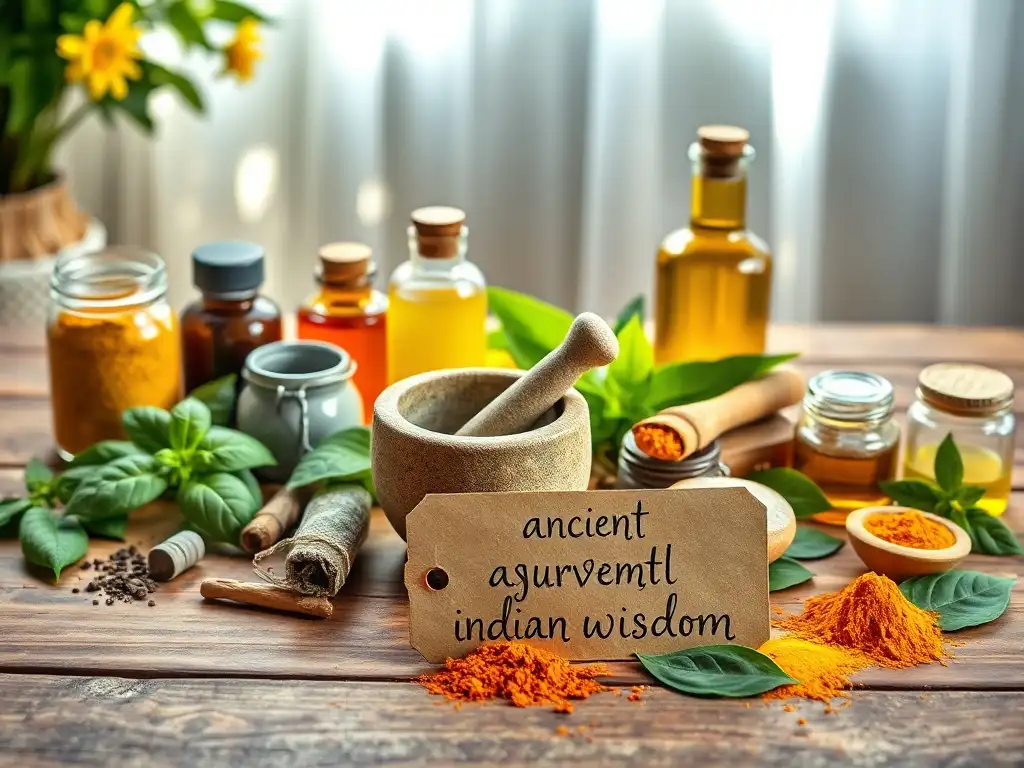
Ayurvedic medicine, rooted in ancient Indian wisdom, has gained remarkable recognition in modern healthcare for its holistic approach to well-being. An essential aspect of this system is the use of specific Ayurvedic products, including herbs and oils, which offer numerous benefits for physical, mental, and emotional health. These products are integral to the practice of Ayurveda and have been utilized for centuries to promote balance and harmony within the body.
Top Ayurvedic Herbs and Their Benefits
Ashwagandha: Stress Relief and Energy Boost
Ashwagandha, also known as Withania somnifera, is a powerful adaptogenic herb widely used in Ayurvedic medicine. It is celebrated for its ability to reduce stress and anxiety levels, thereby enhancing mental clarity and focus. Research shows that ashwagandha can lower cortisol levels, the hormone related to stress, making it an ideal supplement for those facing chronic stress.
- Benefits of Ashwagandha:
- Reduces symptoms of anxiety and depression.
- Enhances cognitive function and memory.
- Boosts energy levels and physical performance.
- Supports immune function and overall vitality.
Turmeric: Anti-Inflammatory and Antioxidant Properties
Turmeric, or Curcuma longa, is another cornerstone of Ayurvedic medicine, renowned for its active compound, curcumin. This vibrant yellow spice boasts potent anti-inflammatory and antioxidant properties, making it a valuable addition to modern health regimens.
- Benefits of Turmeric:
- Alleviates chronic pain and inflammation.
- Improves skin health and combats acne.
- Supports joint health and mobility.
- May reduce the risk of chronic diseases, including heart disease and cancer.
Triphala: Digestive Health and Detoxification
Triphala is a traditional Ayurvedic herbal formulation composed of three fruits: Amalaki, Bibhitaki, and Haritaki. This blend is primarily known for its digestive health benefits and detoxifying properties, making it a popular choice for maintaining gut health.
- Benefits of Triphala:
- Promotes regular bowel movements and alleviates constipation.
- Aids in digestion and nutrient absorption.
- Supports weight management by enhancing metabolism.
- Acts as a natural detoxifier, flushing out toxins from the body.
Ayurvedic Oils and Their Therapeutic Uses
Ayurvedic oils play a significant role in promoting health and well-being through topical applications and therapeutic massage. These oils are often infused with various herbs, enhancing their therapeutic properties and effectiveness.
Neem Oil: Skin Health and Purification
Neem oil, derived from the seeds of the neem tree (Azadirachta indica), is celebrated for its potent antiseptic, antibacterial, and antifungal properties. It has been utilized in Ayurveda for centuries to address various skin conditions and promote overall skin health.
- Benefits of Neem Oil:
- Treats acne, eczema, and psoriasis.
- Moisturizes and nourishes dry skin.
- Protects against infections and promotes wound healing.
- Acts as a natural insect repellent and skin purifier.
Sesame Oil: Traditional Practices in Massages and Treatments
Sesame oil, known as "tila" in Ayurveda, is a widely used oil for therapeutic massages and treatments. Rich in essential fatty acids and antioxidants, it is valued for its nourishing and rejuvenating properties.
- Benefits of Sesame Oil:
- Improves skin elasticity and reduces signs of aging.
- Enhances blood circulation and promotes relaxation.
- Acts as a carrier oil for herbal formulations.
- Supports detoxification through the practice of oil pulling and abhyanga (self-massage).
Incorporating these essential Ayurvedic products into modern health practices not only provides numerous health benefits but also connects individuals to the ancient wisdom of Ayurveda, enhancing their holistic health journey.
How to Incorporate Ayurvedic Medicine into Daily Life

Steps to Begin Your Journey with Ayurvedic Medicine
Embarking on the journey of integrating Ayurvedic medicine into your daily life can be both enriching and transformative. Here are some structured steps to guide you through this process:
-
Understand Your Dosha
Ayurvedic medicine is based on the concept of doshas—Vata, Pitta, and Kapha. Identifying your dominant dosha helps tailor your approach:
- Vata: Creative, energetic, but prone to anxiety.
- Pitta: Ambitious, confident, but can be fiery and irritable.
- Kapha: Calm, steady, but may struggle with lethargy.
You can determine your dosha through online quizzes or consultations with Ayurvedic practitioners.
-
Incorporate Ayurvedic Principles into Diet
Nutrition plays a vital role in Ayurveda. Focus on incorporating:
- Seasonal and local foods: Eating in harmony with the seasons boosts vitality.
- Balanced meals: Combine tastes (sweet, sour, salty, bitter, pungent, and astringent) for overall health.
- Herbs and spices: Utilize turmeric, ginger, and other spices for their healing properties.
-
Establish a Daily Routine (Dinacharya)
Consistency is key in Ayurveda. A daily routine might include:
- Waking up early (before sunrise)
- Morning rituals such as tongue scraping and oil pulling
- Regular meal times and sleep schedules
-
Mindfulness and Meditation
Incorporate mindfulness practices to enhance mental well-being. This may involve:
- Daily meditation sessions
- Practicing yoga to balance energies and promote flexibility
-
Regular Consultation with Practitioners
Regular check-ins with Ayurvedic practitioners can help adjust your practices based on your evolving needs.
Recommended Ayurvedic Products for Beginners
Starting with Ayurvedic products can greatly enhance your experience. Here’s a curated list of beginner-friendly products:
| Product | Description | Benefits |
|---|---|---|
| Ashwagandha Powder | An adaptogenic herb that helps combat stress. | Reduces anxiety, boosts energy. |
| Turmeric Capsules | Anti-inflammatory supplement made from turmeric root. | Supports joint health and immunity. |
| Triphala | A blend of three fruits used for detoxification. | Promotes digestive health and detox. |
| Coconut Oil | Versatile oil for cooking and skin care. | Moisturizes skin, enhances digestion. |
| Herbal Tea Blends | Various blends like ginger tea or tulsi tea. | Aids digestion and promotes relaxation. |
Creating a Personalized Ayurvedic Routine
A personalized Ayurvedic routine aligns with your unique dosha and lifestyle, ensuring maximum benefits. Here’s how to create one:
- Morning Rituals
- Tongue Scraping: Use a copper or stainless-steel scraper to detoxify.
- Oil Pulling: Swish sesame or coconut oil in your mouth for 10-20 minutes to remove toxins.
- Balanced Meals
- Plan meals that cater to your dosha. For example:
- Vata: Warm, moist foods like soups and stews.
- Pitta: Cool, hydrating foods like salads and smoothies.
- Kapha: Light, spicy foods to stimulate digestion.
- Plan meals that cater to your dosha. For example:
- Incorporate Herbs
- Use herbal remedies tailored to your needs. For instance, if you're feeling sluggish, consider incorporating ginger or black pepper.
- Evening Wind Down
- Establish a calming evening routine that may include herbal teas, gentle yoga, or meditation to prepare for restful sleep.
- Regular Monitoring and Adjustment
- Keep track of how your body responds to different practices and adjust your routine as necessary. This could involve changing herbs, meal types, or even the timing of your daily rituals.
By following these steps and incorporating Ayurvedic principles, you can enhance your holistic health journey and experience the numerous benefits of Ayurvedic medicine in your daily life.
Real-Life Success Stories: Transformations Through Ayurvedic Medicine

Case Study 1: Overcoming Chronic Stress with Ayurveda
Chronic stress is a prevalent issue in modern society, often leading to a myriad of health complications. One remarkable case involves a 35-year-old software engineer, Ravi, who struggled with high levels of stress due to his demanding job. After seeking help from an Ayurvedic practitioner, he was introduced to a personalized treatment plan that included herbal supplements, dietary modifications, and specific yoga practices.
The Ayurvedic approach focused on balancing Ravi's doshas, primarily targeting his Vata imbalance, which was linked to his anxiety and restlessness. The treatment included:
- Herbs: Ashwagandha and Brahmi were prescribed to enhance mental clarity and reduce stress levels.
- Diet: A shift towards warm, nourishing foods helped to stabilize his energy levels and improve digestion.
- Yoga and Meditation: Daily practices were recommended to promote relaxation and mindfulness.
After three months of consistent treatment, Ravi reported a significant reduction in stress levels, improved focus at work, and a newfound sense of calm in his daily life. This transformation underscores the benefits of Ayurvedic medicine as a viable method for managing chronic stress.
Case Study 2: Managing Diabetes through Ayurvedic Treatments
Diabetes management is crucial for millions worldwide, and Ayurveda offers holistic strategies for controlling blood sugar levels. An inspiring example is that of Priya, a 50-year-old woman diagnosed with type 2 diabetes. Traditional medications had side effects that led her to explore Ayurvedic options.
Priya began her journey with a comprehensive assessment by an Ayurvedic doctor who designed a tailored regimen. Key components included:
- Herbal Formulations: Bitter gourd (Karela) and fenugreek seeds were integrated into her diet to help regulate blood sugar.
- Dietary Adjustments: Emphasis was placed on whole grains, legumes, and seasonal vegetables, promoting balanced meals that sustain energy without spikes in glucose levels.
- Lifestyle Changes: Incorporating light physical activity and stress management techniques, such as Pranayama (breath control), contributed to overall well-being.
Within six months, Priya experienced significant improvements in her blood sugar readings and lost excess weight, proving that Ayurvedic medicine can be an effective tool in managing diabetes and enhancing quality of life.
Case Study 3: Wellness and Longevity with Ayurvedic Practices
The pursuit of wellness and longevity is a universal goal, and Ayurveda provides a comprehensive framework for achieving it. An exemplary case is that of Arun, a 60-year-old retiree who sought to enhance his vitality and overall health post-retirement.
Through an Ayurvedic lifestyle overhaul, Arun engaged in various practices aimed at promoting wellness:
- Detoxification: A seasonal Panchakarma detox was conducted to cleanse the body of toxins, rejuvenating his system.
- Daily Routine (Dinacharya): Establishing a consistent daily routine, including early rising, tongue scraping, and oil pulling, contributed to improved digestion and energy levels.
- Mindful Eating: Focusing on Sattvic foods—fresh, organic, and minimally processed—helped him cultivate a deeper connection with his meals, fostering better digestion and mental clarity.
After one year of adhering to these Ayurvedic principles, Arun noted enhanced energy levels, improved mental acuity, and a more balanced emotional state. His journey illustrates not just the benefits of Ayurvedic medicine, but also its potential to foster a lifestyle of longevity and holistic wellness.
These real-life success stories exemplify the transformative potential of Ayurvedic medicine in addressing various health challenges. Each case highlights the importance of personalized treatment and holistic approaches that consider the physical, mental, and emotional aspects of health.
Myths and Realities of Ayurvedic Medicine

The ancient practice of Ayurveda, which dates back over 5,000 years, has garnered significant attention in modern healthcare. However, along with its growing popularity, numerous myths have emerged that can mislead those seeking information about its benefits. Understanding these myths and the realities behind them is crucial for anyone considering Ayurvedic medicine as a holistic health approach.
Common Misconceptions about Ayurvedic Treatments
-
Ayurveda is Just Herbal Medicine
Many people believe that Ayurveda is solely focused on herbal remedies. While herbs are a fundamental component, Ayurveda encompasses a holistic approach that includes diet, lifestyle changes, detoxification processes, and mental well-being. The Sanskrit term "Ayurveda" translates to "the science of life," indicating its comprehensive nature.
-
Ayurvedic Treatments Are Not Evidence-Based
Critics often claim that Ayurvedic treatments lack scientific backing. However, numerous studies have investigated the efficacy of various Ayurvedic practices and products. For instance, research on Ashwagandha has shown it to be effective in reducing stress and anxiety, highlighting that Ayurveda does have a basis in empirical evidence.
-
All Ayurvedic Products Are Safe
While many Ayurvedic products are safe, not all are created equally. There are instances where products may contain harmful substances or heavy metals due to poor manufacturing practices. It is essential for consumers to be discerning and to choose reputable brands that prioritize quality and safety.
-
Ayurveda Is Only for Chronic Conditions
Another misconception is that Ayurveda is only beneficial for chronic illnesses. In reality, Ayurvedic principles can be applied to enhance overall health, improve well-being, and prevent diseases. Regular Ayurvedic practices can lead to a balanced lifestyle and better health outcomes.
The Truth About the Efficacy of Ayurvedic Products
Ayurvedic medicine emphasizes the balance between the mind, body, and spirit. This holistic approach has led to several benefits that can be observed through various practices and products. Some key points regarding the efficacy of Ayurvedic treatments include:
- Personalized Treatments: Ayurveda recognizes that each individual is unique, and treatments are tailored accordingly. This personalized approach often leads to better health outcomes compared to one-size-fits-all solutions.
- Preventive Medicine: One of the core tenets of Ayurveda is prevention. By promoting a balanced lifestyle and using natural products, Ayurvedic practices can help ward off illnesses before they develop.
- Integration with Modern Medicine: A growing number of healthcare professionals are acknowledging the benefits of Ayurveda and integrating it with conventional treatments. This integrated approach can enhance patient care and provide holistic solutions.
- Positive Patient Experiences: Anecdotal evidence from patients who use Ayurvedic products often highlights positive experiences, including improved energy levels, better digestion, and enhanced mental clarity. These subjective benefits are increasingly supported by clinical studies.
How to Differentiate Between Quality Ayurvedic Products
Choosing high-quality Ayurvedic products is essential for ensuring their safety and effectiveness. Here are some guidelines to help differentiate between quality offerings:
- Check for Certifications: Look for products that have been certified by reputable organizations, such as the Ayush Department of India, which ensures that the product meets specific safety and quality standards.
- Research the Brand: Investigate the brand’s reputation and history. Brands that are transparent about their sourcing and manufacturing processes are often more reliable.
- Ingredient Quality: Examine the ingredient list. High-quality Ayurvedic products should contain pure, natural ingredients, with no artificial additives or fillers.
- Reviews and Testimonials: Reading customer reviews and testimonials can provide insights into the effectiveness and reliability of the product. However, ensure that these reviews come from reputable sources.
- Consult Professionals: If possible, consult with an Ayurvedic practitioner who can recommend high-quality products tailored to your specific needs.
By understanding the myths and realities of Ayurvedic medicine, recognizing its efficacy, and knowing how to select quality products, individuals can fully embrace the benefits of Ayurvedic medicine in their holistic health journeys.
Conclusion: The Future of Ayurvedic Medicine in Holistic Health
Ayurvedic medicine, with its ancient roots and holistic approach, continues to gain traction in modern healthcare. As society increasingly embraces holistic health practices, Ayurvedic medicine stands out as a valuable contributor due to its comprehensive methodology that emphasizes balance, prevention, and personalized care. The future of Ayurvedic medicine in holistic health will likely involve more integration within mainstream healthcare systems, further validation through scientific research, and a growing recognition of its benefits in treating chronic conditions.
The Growing Popularity of Ayurvedic Practices in Wellness Communities
The interest in Ayurvedic practices has surged in wellness communities, driven by a collective shift towards natural and preventive health solutions. Here are some factors contributing to this growing popularity:
- Personalized Treatment Plans: Ayurveda emphasizes individualized care, recognizing that each person has a unique constitution (Prakriti) and health needs. This tailored approach resonates well with those seeking effective and personalized health solutions.
- Holistic Health Benefits: Practitioners advocate for the comprehensive benefits of Ayurvedic medicine, which includes physical, mental, and spiritual well-being. Techniques such as yoga, meditation, and dietary adjustments are integral components that promote overall health.
- Integration with Modern Practices: Many wellness centers are incorporating Ayurvedic principles into their offerings, such as detoxification programs (Panchakarma) and herbal treatments. This fusion creates a more inclusive approach to health and wellness, appealing to a broader audience.
- Increased Awareness of Chronic Health Issues: With a rise in chronic diseases, many individuals are seeking alternative treatments that address root causes rather than just symptoms. Ayurvedic medicine, with its focus on prevention and balance, provides an attractive alternative for managing conditions like diabetes, stress, and digestive disorders.
Final Thoughts on the Benefits of Ayurvedic Medicine
The benefits of Ayurvedic medicine are becoming increasingly validated in the context of modern health challenges. Here are some key points to consider:
- Natural and Safe Remedies: Ayurvedic treatments primarily utilize natural herbs, oils, and dietary practices, minimizing the risk of side effects often associated with pharmaceuticals.
- Focus on Prevention: One of the fundamental principles of Ayurveda is the emphasis on prevention. Regular practices such as cleansing (Shodhana) and rejuvenation (Rasayana) can lead to long-term health benefits, reducing the incidence of disease.
- Mind-Body Connection: Ayurveda recognizes the intricate relationship between the mind and body, promoting practices that enhance mental clarity and emotional health alongside physical wellness.
- Scientific Research and Validation: Increasingly, scientific studies are validating Ayurvedic practices. Research is exploring the efficacy of various Ayurvedic herbs and formulations, further cementing their role in modern healthcare.
- Global Acceptance: As Ayurveda gains recognition worldwide, it is being embraced by various cultures, enhancing its credibility and leading to a more significant presence in global health discussions.
The future of Ayurvedic medicine in holistic health looks promising, with its wealth of benefits poised to play a crucial role in the evolution of wellness practices. As more people seek comprehensive, natural solutions, Ayurveda stands ready to offer a time-tested approach to achieving optimal health and well-being.
Frequently Asked Questions
What is Ayurvedic medicine?
Ayurvedic medicine is an ancient healing system from India that emphasizes a holistic approach to health, focusing on balance in the body, mind, and spirit.
What are the core principles of Ayurveda?
The core principles of Ayurveda include the concept of doshas, which are energies that govern physiological functions, and the importance of diet, lifestyle, and herbal remedies in maintaining health.
How can Ayurvedic medicine benefit modern health practices?
Ayurvedic medicine offers natural remedies and preventative care strategies that can enhance overall well-being, reduce stress, and support a healthy lifestyle in conjunction with modern medicine.
Are there any scientific studies supporting Ayurvedic practices?
Yes, numerous studies have shown that Ayurvedic practices can be effective for various conditions, particularly in managing chronic illnesses and improving quality of life through natural therapies.
How can someone start incorporating Ayurveda into their life?
To start with Ayurveda, one can consult an Ayurvedic practitioner, adopt healthy eating habits, and integrate mindfulness practices like yoga and meditation into their daily routine for overall wellness.
Final Reflection: Embracing the Benefits of Ayurvedic Medicine for Holistic Health
Ayurvedic medicine stands at the forefront of holistic health approaches, offering a profound understanding of the interconnectedness of mind, body, and spirit. In a world increasingly dominated by quick fixes and isolated treatments, the principles of Ayurveda remind us of the importance of nurturing our entire being. The benefits of Ayurvedic medicine are not just historical relics; they resonate deeply in today's quest for sustainable health and well-being.
The cultural and social landscape is continually shaped by our understanding of health, and Ayurvedic medicine plays a pivotal role in this evolution. As more individuals seek natural and integrative solutions to health challenges, the wisdom of Ayurveda offers a roadmap to balance and harmony. This ancient practice encourages us to listen to our bodies and respect our unique constitutions, fostering a deeper connection to ourselves and the world around us. The greatest wealth is health.
— Virgil. This quote encapsulates the essence of Ayurveda, reminding us that true wealth lies in our well-being.
As you reflect on the insights shared in this article, consider how you can incorporate the principles of Ayurvedic medicine into your daily life. Take a moment to explore your own health journey and recognize the power of holistic approaches. Whether it's through mindful eating, herbal remedies, or daily self-care rituals, each small step can lead to transformative changes. Embrace the benefits of Ayurvedic medicine and allow it to guide you toward a healthier, more balanced life.
Embrace the Power of Ayurveda Today!
Thank you for exploring the transformative world of Ayurvedic medicine with us! By understanding its principles, you have unlocked a pathway to holistic health that can truly enrich your life. Now it's time to take the insights from this article and put them into action.
- Start your journey by incorporating a simple Ayurvedic practice into your daily routine. Consider beginning with a morning ritual, such as drinking warm lemon water or practicing mindful breathing.
- Explore your dosha type! Discover your unique Ayurvedic constitution by taking an online quiz, and tailor your lifestyle choices to align with its recommendations.
- Share your enthusiasm! Connect with friends or join a local community group focused on holistic health to discuss and practice Ayurvedic techniques together.
How will you use the wisdom of Ayurveda to create a more balanced and fulfilling life?