
The Future of Healing: Integrating Ayurvedic Products into Modern Health Systems


Welcome to Ancient India History, where we embark on a captivating journey through the rich tapestry of ancient Indian civilizations. Discover how the wisdom of the past continues to shape our present, especially in the realm of health and wellness. Our featured article, "The Future of Healing: Integrating Ayurvedic Products into Modern Health Systems," delves into the transformative power of Ayurveda, revealing how these age-old practices can harmonize with contemporary medical approaches. Are you ready to explore the fascinating intersection of tradition and innovation? Join us as we unlock the secrets of a timeless legacy that still resonates today!
Introduction to Integrating Ayurveda into Modern Health
In recent years, there has been a notable resurgence of interest in traditional healing practices, with Ayurveda standing out as a prominent holistic system of medicine originating from ancient India. Known for its comprehensive approach to health and well-being, Ayurveda emphasizes the balance between mind, body, and spirit, a principle that has gained traction in today's fast-paced and often stressful modern life.
As the global healthcare landscape evolves, integrating Ayurveda into modern health systems presents a promising avenue for enhancing patient care and promoting wellness. This integration is not merely about the application of Ayurvedic products but also involves a fundamental shift in how healthcare is perceived and delivered. By embracing Ayurvedic principles, healthcare providers can offer a more personalized and preventive approach to health, addressing the root causes of ailments rather than merely treating symptoms.
The potential benefits of integrating Ayurveda into modern health systems are manifold, including:
- Holistic Care: Ayurveda's comprehensive nature allows for the treatment of various ailments by focusing on the individual as a whole.
- Preventive Health: With an emphasis on lifestyle and dietary practices, Ayurveda promotes preventive measures that can reduce the incidence of chronic diseases.
- Natural Products: The use of herbal and natural remedies aligns with growing consumer preferences for organic and sustainable health solutions.
As we explore the future of healing, it is crucial to understand how Ayurvedic products can complement modern medical practices, offering innovative solutions that respect ancient wisdom while meeting contemporary health challenges. This article will delve deeper into the various aspects of integrating Ayurveda into modern health systems, examining its potential impact on healthcare delivery and patient outcomes.
- What is Ayurveda and how does it relate to modern health systems?
- How can Ayurvedic products be integrated into contemporary medicine?
- What are some benefits of using Ayurvedic products in modern health care?
- Are there any challenges in integrating Ayurveda with modern health systems?
- How does the Gupta Empire influence the practice of Ayurveda today?
Understanding Ayurveda: A Holistic Approach to Health

What is Ayurveda?
Ayurveda, a traditional system of medicine that originated in ancient India over 3,000 years ago, is often described as the "science of life" (from the Sanskrit words "Ayus" meaning life and "Veda" meaning science or knowledge). It encompasses a holistic approach to health, focusing on the balance between the body, mind, and spirit. The fundamental principle of Ayurveda is that health is not merely the absence of disease but a state of complete physical, mental, and social well-being.
Ayurveda operates on the concept of doshas, which are the three energies believed to circulate in the body. These doshas—Vata (air and space), Pitta (fire and water), and Kapha (earth and water)—represent different combinations of the five elements (earth, water, fire, air, and space). Each individual possesses a unique constitution, or Prakriti, which dictates their physical and emotional characteristics. The balance of these doshas is crucial for maintaining health, and imbalances can lead to illness.
In addition to doshas, Ayurveda emphasizes the importance of lifestyle choices, including diet, exercise, and mental practices. Techniques such as yoga, meditation, and various forms of detoxification (like Panchakarma) are integral to Ayurvedic healing. This comprehensive approach encourages individuals to take charge of their health by aligning their lifestyles with their unique constitution and the natural rhythms of the environment.
The Role of Ayurvedic Products in Modern Healthcare
As modern healthcare systems increasingly recognize the value of holistic approaches, Ayurvedic products have started to gain traction as complementary therapies. These products, ranging from herbal formulations to essential oils and dietary supplements, offer a diverse array of benefits that align with contemporary health needs.
- Herbal Remedies: Ayurvedic herbal products, derived from natural sources, are tailored to support the body's systems and promote healing. For instance, Ashwagandha is renowned for its adaptogenic properties, helping to reduce stress and improve overall vitality. Research has shown that such herbs can enhance immune function and improve mental clarity, making them valuable in stress management programs.
- Dietary Supplements: Many Ayurvedic principles emphasize the importance of nutrition. Products such as Triphala, a blend of three fruits, are used for digestive health and detoxification. Integrating these supplements into modern diets can provide additional nutritional benefits and help address common health issues like constipation and digestive disorders.
- Essential Oils: The use of essential oils in Ayurveda for aromatherapy has gained popularity in modern wellness practices. Oils like sandalwood and lavender are utilized for their calming effects, promoting mental clarity and emotional stability. These oils can be integrated into therapeutic practices, enhancing relaxation and stress relief.
- Preventive Healthcare: Ayurveda's focus on prevention aligns well with contemporary health paradigms that prioritize wellness over mere disease management. By emphasizing lifestyle choices, Ayurvedic products can help individuals maintain balance and prevent the onset of chronic illnesses.
- Personalized Medicine: Modern healthcare is increasingly moving towards personalized approaches. Ayurvedic practices, with their emphasis on individual constitution and tailored treatments, can complement this trend by offering personalized health solutions based on one's dosha.
As the integration of Ayurveda into modern health systems continues to evolve, Ayurvedic products present a promising avenue for enhancing health and well-being. Their holistic, individualized approach resonates with the growing demand for comprehensive health solutions in today's fast-paced world. The future of healing may very well lie in the harmonious blend of ancient wisdom and modern innovation.
The Current Landscape of Modern Health Systems

The modern healthcare system is an intricate network that encompasses a variety of services, technologies, and practices designed to maintain and improve health. However, it faces numerous challenges that hinder its ability to deliver optimal care to patients.
Challenges in Modern Healthcare
Modern healthcare systems grapple with several pressing challenges, which can impede the effective integration of alternative therapies like Ayurveda:
- Rising Costs: Healthcare expenses continue to soar, making access a significant issue for many. In the United States, for instance, healthcare costs have increased by over 50% in the past decade, leading to a growing number of uninsured individuals.
- Chronic Disease Prevalence: The rise in chronic diseases such as diabetes, heart disease, and obesity places immense strain on healthcare resources. According to the World Health Organization (WHO), chronic diseases are responsible for 71% of global deaths, necessitating a shift in treatment approaches.
- Fragmented Care: Many healthcare systems operate in silos, resulting in disjointed care for patients. This fragmentation can lead to miscommunication and a lack of cohesive treatment plans.
- Over-Reliance on Pharmaceuticals: There is a growing concern regarding the over-prescription of medications, often without considering holistic approaches. This reliance can lead to side effects and compounding health issues.
- Patient Engagement: Engaging patients in their own care is a challenge. A study from the National Institute of Health shows that only 30% of patients actively participate in their treatment decisions, which can hinder the effectiveness of care.
- Cultural Sensitivity: The modern healthcare system often lacks sensitivity to diverse cultural practices and beliefs, which can alienate patients who might benefit from alternative approaches like Ayurveda.
Opportunities for Integration
Despite the challenges, there are significant opportunities to integrate Ayurveda into modern health systems, creating a more comprehensive approach to wellness:
- Holistic Approach: Ayurveda emphasizes a holistic view of health, addressing the physical, mental, and spiritual well-being of individuals. This aligns well with the current trend toward personalized medicine, where treatments are tailored to individual needs.
- Preventive Care: Ayurvedic practices focus on prevention rather than just treatment. Implementing Ayurvedic principles could enhance preventive care strategies, reducing the burden of chronic diseases.
- Cost-Effectiveness: Integrating Ayurvedic products can potentially reduce healthcare costs. For example, herbal remedies often have lower costs and fewer side effects compared to pharmaceuticals, which can lead to reduced overall expenditure.
- Increased Patient Satisfaction: Incorporating holistic practices can enhance patient satisfaction. A survey by the National Center for Complementary and Integrative Health found that patients who used complementary approaches reported higher satisfaction with their care.
- Research and Development: There is a growing interest in researching Ayurvedic practices within scientific frameworks. Collaborative studies can validate Ayurvedic methods, fostering acceptance in conventional medicine.
- Cultural Competency: Integrating Ayurveda can enhance cultural competency within healthcare systems, making them more inclusive for diverse populations. This can lead to better patient engagement and outcomes.
By recognizing and harnessing these opportunities, modern healthcare can evolve to integrate Ayurveda more effectively, ultimately enhancing patient care and outcomes. The synergy between ancient wisdom and contemporary practices holds the potential to transform healing in the 21st century.
Key Ayurvedic Products for Modern Health Integration

The integration of Ayurvedic products into modern health systems presents a unique opportunity to enhance healthcare approaches by combining ancient wisdom with contemporary science. Ayurvedic medicine emphasizes a holistic view of health, focusing on balance and harmony within the body. The following key Ayurvedic products exemplify how this ancient practice can be seamlessly woven into modern health paradigms.
Herbal Supplements: Bridging Tradition and Science
Herbal supplements play a pivotal role in Ayurveda and have garnered significant attention in modern health systems. These supplements are derived from various plants, roots, and herbs that have been used for centuries to promote wellness.
- Turmeric (Curcuma longa): Known for its anti-inflammatory properties, turmeric contains curcumin, which is increasingly being studied for its potential to prevent chronic diseases such as heart disease and diabetes. Research indicates that curcumin can enhance cognitive function and may play a role in combating neurodegenerative disorders.
- Ashwagandha (Withania somnifera): Often referred to as "Indian ginseng," ashwagandha is renowned for its adaptogenic properties. Studies have shown that it can help reduce stress, improve mental clarity, and enhance overall vitality, making it a valuable supplement in managing modern-day stressors.
- Brahmi (Bacopa monnieri): This herb is traditionally used to enhance memory and cognitive function. Recent scientific investigations suggest that Brahmi may help improve attention span and learning ability, making it particularly relevant for today’s fast-paced, information-rich environments.
Integrating these herbal supplements into modern healthcare can be achieved through clinical trials and collaborations between Ayurvedic practitioners and medical professionals. This partnership can facilitate the development of standardized dosages and formulations, ensuring safety and efficacy in use.
Ayurvedic Oils and Balms
Ayurvedic oils and balms are integral to traditional healing practices and are gaining recognition in modern therapeutic applications. These products are often used for their therapeutic properties and the holistic benefits they provide.
- Sesame Oil (Sesamum indicum): Known for its nourishing and warming qualities, sesame oil is commonly used in Ayurvedic treatments for massage and oil pulling. Its rich content of antioxidants and fatty acids supports skin health and enhances detoxification, making it a popular choice among health-conscious individuals.
- Brahmi Oil: Infused with the goodness of Brahmi, this oil is often used in head massages to promote relaxation and enhance cognitive function. Its use in modern wellness practices can provide a tranquil experience while simultaneously supporting mental clarity.
- Mahanarayan Oil: This oil is made from a blend of herbs and is traditionally used for joint pain and inflammation. Research indicates its effectiveness in alleviating symptoms of arthritis and muscle stiffness, making it a natural alternative to synthetic pain relief medications.
The incorporation of Ayurvedic oils and balms into modern health systems can enhance patient care, providing alternative options for those seeking holistic treatments. Creating awareness about the benefits of these products through educational campaigns can further encourage their usage.
Customized Ayurvedic Diet Plans
Diet is a cornerstone of Ayurvedic practices, and customized dietary plans can significantly contribute to individual health outcomes. By focusing on the unique constitution (Prakriti) of an individual, Ayurvedic principles can guide dietary choices that promote balance and well-being.
- Personalized Nutrition: Ayurvedic diet plans consider various factors such as body type, age, lifestyle, and health conditions. This personalized approach ensures that dietary recommendations are tailored to meet the specific needs of individuals, promoting optimal health and vitality.
- Seasonal Eating: Ayurveda emphasizes the importance of aligning diet with seasonal changes. For instance, incorporating lighter foods such as salads and fruits during warmer months, while consuming warming foods like soups and stews in colder months, can help maintain balance and support immunity.
- Mindful Eating Practices: Ayurveda advocates for mindful eating, which encourages individuals to be aware of their food choices and eating habits. This practice can foster a healthier relationship with food and promote better digestion and absorption of nutrients.
By integrating customized Ayurvedic diet plans into modern health systems, practitioners can offer comprehensive care that addresses both physical and emotional aspects of health. Collaborations between dietitians and Ayurvedic experts can facilitate the development of these personalized plans, ensuring a holistic approach to wellness.
The integration of Ayurvedic products into modern health systems not only enriches the options available for health promotion but also honors the wisdom of ancient practices. As research continues to support the efficacy of these products, their role in modern healthcare is likely to expand, fostering a more inclusive and diverse approach to health and wellness.
Integrating Ayurveda into Modern Health Systems: Step-by-Step

Step 1: Educating Healthcare Professionals
Integrating Ayurveda into modern health systems begins with the education and training of healthcare professionals. This step is crucial because a lack of understanding can lead to skepticism about Ayurvedic practices and products.
- Curriculum Development: Medical schools and healthcare training programs should include modules on Ayurveda, emphasizing its historical significance and contributions to holistic health. This curriculum could cover:
- The principles of Ayurveda, including the concepts of doshas (body constitutions), dhatus (tissues), and srotas (channels).
- The therapeutic applications of Ayurvedic herbs and formulations, supported by scientific research.
- Case studies highlighting successful integration of Ayurvedic practices in patient care.
- Workshops and Seminars: Regular workshops and seminars can facilitate knowledge exchange between Ayurvedic practitioners and conventional healthcare providers. These events can:
- Showcase evidence-based research on Ayurvedic products.
- Provide platforms for discussions on patient outcomes when combining Ayurvedic and modern treatments.
- Continuing Medical Education (CME): Offering CME credits for courses on Ayurveda can incentivize healthcare professionals to engage with this ancient system of medicine, fostering a culture of integrative health practices.
Step 2: Developing Collaborative Care Models
The second step in integrating Ayurveda into modern health systems involves creating collaborative care models that allow for the seamless incorporation of Ayurvedic principles with conventional medical practices.
- Interdisciplinary Teams: Forming interdisciplinary teams that include Ayurvedic practitioners, physicians, nutritionists, and therapists can enhance patient care. These teams can:
- Conduct comprehensive assessments that consider both Ayurvedic and biomedical perspectives.
- Create personalized treatment plans that utilize Ayurvedic products alongside conventional medications.
- Patient-Centered Care: Emphasizing a patient-centered approach means respecting patients' preferences for Ayurvedic treatments. This can involve:
- Educating patients about the benefits of combining Ayurveda with their current treatment regimens.
- Providing resources such as informational brochures or access to Ayurvedic specialists within the healthcare facility.
- Research Collaborations: Encouraging joint research initiatives between Ayurvedic experts and medical researchers can produce valuable data on the efficacy of Ayurvedic products in various health conditions. This evidence can pave the way for acceptance in modern healthcare frameworks.
Step 3: Implementing Ayurvedic Products in Clinical Practice
The final step focuses on the practical implementation of Ayurvedic products within clinical settings. This requires a systematic approach to ensure safety, efficacy, and patient satisfaction.
- Quality Assurance: Establishing strict quality assurance protocols for Ayurvedic products is essential. This includes:
- Sourcing high-quality herbs and formulations from reputable manufacturers.
- Conducting rigorous testing for purity and potency to meet modern healthcare standards.
- Clinical Guidelines: Developing clear clinical guidelines on the use of Ayurvedic products in specific health conditions can aid healthcare providers in their practice. These guidelines should include:
- Dosage recommendations and potential interactions with conventional medications.
- Protocols for monitoring patient outcomes when Ayurvedic products are used.
- Patient Feedback Mechanisms: Implementing feedback mechanisms allows healthcare providers to gather patient experiences with Ayurvedic treatments. This data can be instrumental in refining practices and ensuring that integrative approaches are effective and well-received.
By following these steps, the integration of Ayurveda into modern health systems can become a reality, providing a more holistic approach to health and wellness that honors ancient traditions while embracing contemporary medical advancements.
Common Myths About Ayurveda and Modern Health

Ayurveda, an ancient system of medicine that originated in India over 3,000 years ago, has garnered significant attention in recent years as a complementary approach to modern healthcare. However, several myths persist that can undermine its credibility and effectiveness. Addressing these misconceptions is crucial for a better understanding of how integrating Ayurveda into modern health can benefit individuals seeking holistic well-being.
Debunking Misconceptions
-
Ayurveda is Only for Specific Conditions
One common myth is that Ayurveda is effective only for certain ailments, particularly chronic conditions. In reality, Ayurveda offers a comprehensive approach to health that emphasizes prevention and maintenance of overall wellness. It can be utilized for various health issues, from digestive disorders to stress management, making it applicable to a broad audience.
-
Ayurveda Lacks Scientific Basis
Critics often claim that Ayurveda is not supported by scientific research. However, numerous studies have demonstrated the efficacy of Ayurvedic treatments. For instance, a systematic review published in the Journal of Alternative and Complementary Medicine highlighted positive outcomes for chronic diseases when treated with Ayurvedic methods, challenging the notion that its practices are purely anecdotal.
-
All Ayurvedic Products are the Same
There's a misconception that all Ayurvedic products are identical, leading consumers to overlook variations in quality and formulation. In truth, Ayurvedic products can differ significantly based on their ingredients and preparation methods. It's essential to choose products from reputable sources that adhere to quality standards to ensure efficacy.
-
Ayurveda is Backward and Primitive
Some people perceive Ayurveda as outdated or primitive compared to modern medicine. This notion fails to recognize that Ayurveda is a sophisticated system based on extensive observations of natural phenomena and human health. Its principles, such as the balance of doshas (body energies), can complement and enhance modern medical practices.
-
Ayurvedic Treatments Take Too Long to Work
While Ayurveda emphasizes a gradual approach to healing, it does not mean that results are unattainable. Many individuals report experiencing improvements in their health within weeks of starting an Ayurvedic regimen. The timeline for results varies significantly among individuals, depending on their unique constitution and health conditions.
Evidence Supporting Ayurveda's Integration
The growing body of research and clinical evidence supporting the integration of Ayurveda into modern health systems is compelling. Here are some key points highlighting this integration:
- Synergistic Benefits: Studies have shown that Ayurvedic practices can enhance the effectiveness of conventional treatments. For example, the combination of Ayurvedic herbal remedies with modern pharmaceuticals has led to improved outcomes in managing diabetes and hypertension.
- Holistic Approach: Ayurveda's holistic perspective addresses not only the physical symptoms but also the emotional and spiritual aspects of health. This comprehensive approach aligns well with the increasing emphasis on patient-centered care in modern medicine.
- Preventive Health: Ayurveda places a strong focus on preventive health, encouraging lifestyle modifications and dietary adjustments that can reduce the risk of chronic diseases. This preventive aspect is increasingly relevant as healthcare systems aim to reduce costs associated with treating chronic conditions.
- Increasing Popularity: The rising interest in wellness and natural health solutions has led to a growing demand for Ayurvedic products. A market report indicates that the global Ayurvedic market is expected to reach approximately $9.7 billion by 2026, illustrating a shift toward integrating these ancient practices into mainstream health regimes.
- Regulatory Support: Governments and health organizations are beginning to recognize the value of integrating Ayurveda into health systems. For instance, the World Health Organization (WHO) has published guidelines for the safe use of traditional medicine, which includes Ayurveda, further legitimizing its role in modern healthcare.
Debunking common myths about Ayurveda is essential for fostering a more accurate understanding of its potential benefits. As more evidence emerges supporting its integration into modern health systems, Ayurveda stands poised to contribute meaningfully to holistic health practices. By embracing both ancient wisdom and contemporary medical advancements, we can pave the way for a more integrative approach to health and well-being.
Resources for Further Exploration
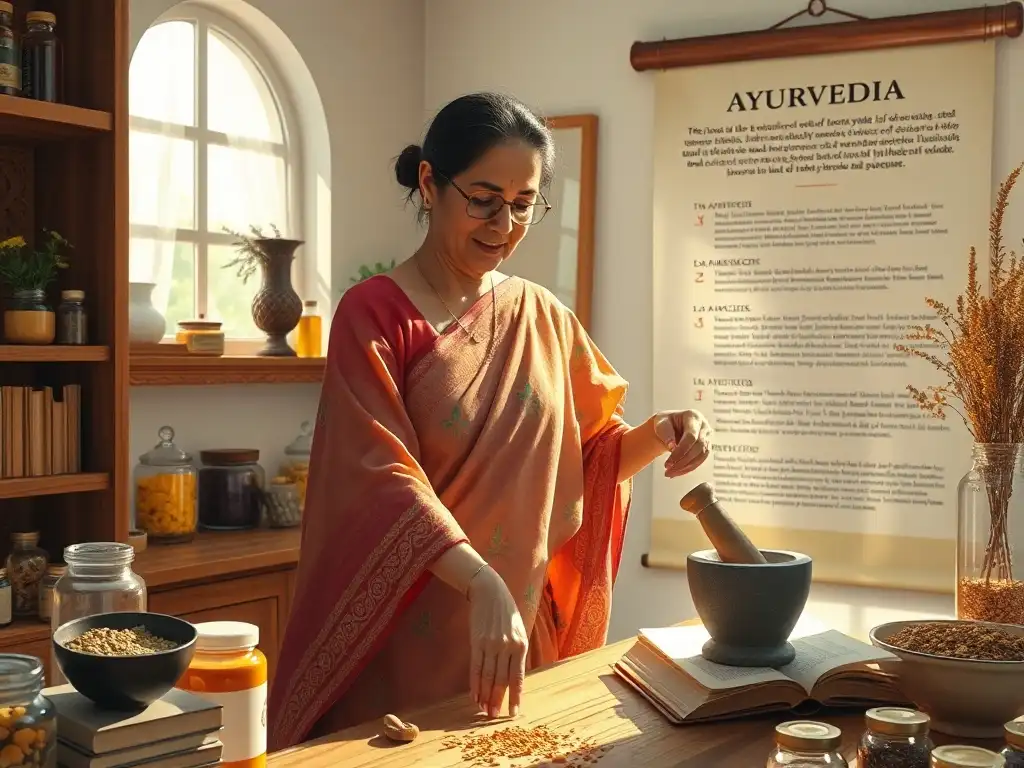
Integrating Ayurveda into modern health systems offers a unique opportunity to blend ancient wisdom with contemporary practices. To fully appreciate this integration, it's essential to explore various resources that delve into Ayurvedic principles, products, and their relevance in today's healthcare landscape.
Recommended Ayurvedic Products
When considering Integrating Ayurveda into modern health, the selection of Ayurvedic products is crucial. Below are some highly regarded products that embody the principles of Ayurveda and have gained recognition in modern health circles:
- Ashwagandha Supplements
- Benefits: Known for its adaptogenic properties, it helps reduce stress and anxiety while enhancing stamina and vitality.
- Forms Available: Capsules, powders, and liquid extracts.
- Turmeric Curcumin
- Benefits: A potent anti-inflammatory and antioxidant, turmeric supports joint health and overall wellness.
- Forms Available: Powders, capsules, and tinctures.
- Triphala
- Benefits: A traditional herbal formulation that aids digestion and detoxification, promoting gut health.
- Forms Available: Tablets, powders, and teas.
- Brahmi (Bacopa Monnieri)
- Benefits: Enhances cognitive function and memory, while also reducing stress and anxiety.
- Forms Available: Capsules, powders, and teas.
- Neem
- Benefits: Known for its purifying properties, neem supports skin health and detoxification.
- Forms Available: Capsules, oils, and powders.
- Ghee
- Benefits: A clarified butter that is considered a superfood in Ayurveda, supporting digestive health and nutrient absorption.
- Forms Available: Organic and grass-fed varieties.
- Ayurvedic Herbal Teas
- Benefits: Various blends like chai, ginger, and tulsi that aid digestion, boost immunity, and promote relaxation.
- Forms Available: Loose leaf and bagged varieties.
Further Reading on Ayurveda in Modern Health
To deepen your understanding of how Ayurveda can be integrated into modern health systems, consider the following resources:
- Books
- The Complete Book of Ayurvedic Home Remedies by Vasant Lad: This comprehensive guide offers practical advice on using Ayurvedic principles for self-care.
- Ayurveda: The Science of Self-Healing by Vasant Lad: A foundational text that explores the principles of Ayurveda and its application in health and wellness.
- Research Articles
- A systematic review on the efficacy of Ayurvedic treatments in managing chronic diseases can provide insights into how these ancient practices can complement modern therapies.
- Studies focusing on the pharmacological benefits of Ayurvedic herbs offer evidence-based support for their integration into healthcare.
- Online Courses
- Many institutions offer online courses in Ayurveda, providing structured learning for healthcare professionals interested in integrating Ayurvedic practices into their work.
- Webinars and Workshops
- Engaging in webinars led by Ayurveda experts can enhance knowledge and provide networking opportunities with professionals in both Ayurveda and modern health sectors.
By exploring these resources, individuals and practitioners can gain a deeper understanding of Integrating Ayurveda into modern health, ensuring that the synergy between ancient wisdom and contemporary health practices is both effective and beneficial.
Frequently Asked Questions
What is Ayurveda and how does it relate to modern health systems?
Ayurveda is an ancient Indian healing system that emphasizes balance within the body and mind. Its holistic approaches can complement modern health practices, promoting integrative wellness.
How can Ayurvedic products be integrated into contemporary medicine?
Integrating Ayurvedic products involves collaboration between Ayurvedic practitioners and healthcare providers to create comprehensive treatment plans that include herbal remedies, dietary changes, and lifestyle adjustments.
What are some benefits of using Ayurvedic products in modern health care?
The use of Ayurvedic products can enhance preventive care, reduce reliance on pharmaceuticals, and address the root causes of health issues, leading to a more sustainable approach to wellness.
Are there any challenges in integrating Ayurveda with modern health systems?
Challenges include lack of standardization in Ayurvedic practices, differing regulations between holistic and conventional medicine, and the need for more clinical research to validate Ayurvedic efficacy.
How does the Gupta Empire influence the practice of Ayurveda today?
The Gupta Empire was pivotal in the development of Ayurveda, laying the groundwork for its principles and texts. Today, its philosophies continue to shape Ayurvedic practices, merging historical wisdom with modern applications.
Final Reflection: Embracing Ayurveda for a Holistic Future
The integration of Ayurveda into modern health systems is not just a trend; it represents a profound shift towards a more holistic approach to healing. As we navigate an increasingly complex healthcare landscape, the wisdom of ancient practices like Ayurveda offers invaluable insights into achieving balance and well-being. The urgency of this integration has never been more apparent, as individuals seek alternatives that resonate with their values and promote overall health.
Cultural and social landscapes are evolving, and the embrace of Ayurvedic principles is a testament to our collective desire for a more comprehensive understanding of health. The ongoing dialogue between traditional wisdom and contemporary medicine is reshaping our perceptions of wellness. As Dr. Vasant Lad once said, Ayurveda is a science of life, and it teaches us how to live in harmony with nature.
This perspective is crucial as we strive to create health systems that honor both the body and the environment, fostering a sense of interconnectedness that is often overlooked in modern practices.
As we look to the future, I invite you to reflect on how the principles of Ayurveda can enrich your own health journey. Consider how you can incorporate these ancient practices into your daily life, fostering a deeper connection to your well-being. Whether through mindful eating, herbal remedies, or holistic self-care rituals, each step you take towards integrating Ayurveda can contribute to a more balanced and fulfilling life. Let us embrace this opportunity to redefine health, not just as the absence of illness, but as a vibrant state of harmony and vitality.
Embrace a Healthier Future with Ayurveda!
Thank you for diving into the fascinating world of Ayurveda and its potential to reshape modern health systems. You've gained valuable insights into how these ancient practices can harmonize with contemporary wellness and healing approaches. Now, it’s time to explore how you can integrate these principles into your own life!
- Start your journey by trying an Ayurvedic product—whether it’s a herbal tea, essential oil, or skincare item. Feel the difference!
- Share your experiences with others— engage on social media to inspire and connect with like-minded individuals.
- Consider joining a local workshop or online course to deepen your understanding of Ayurveda and its practices in daily life.
As you embark on this transformative path, we’d love to hear from you! What Ayurvedic practice are you most curious to explore, and how do you envision it enhancing your well-being?