
How Ayurvedic Practices Can Enhance Modern Medical Treatments

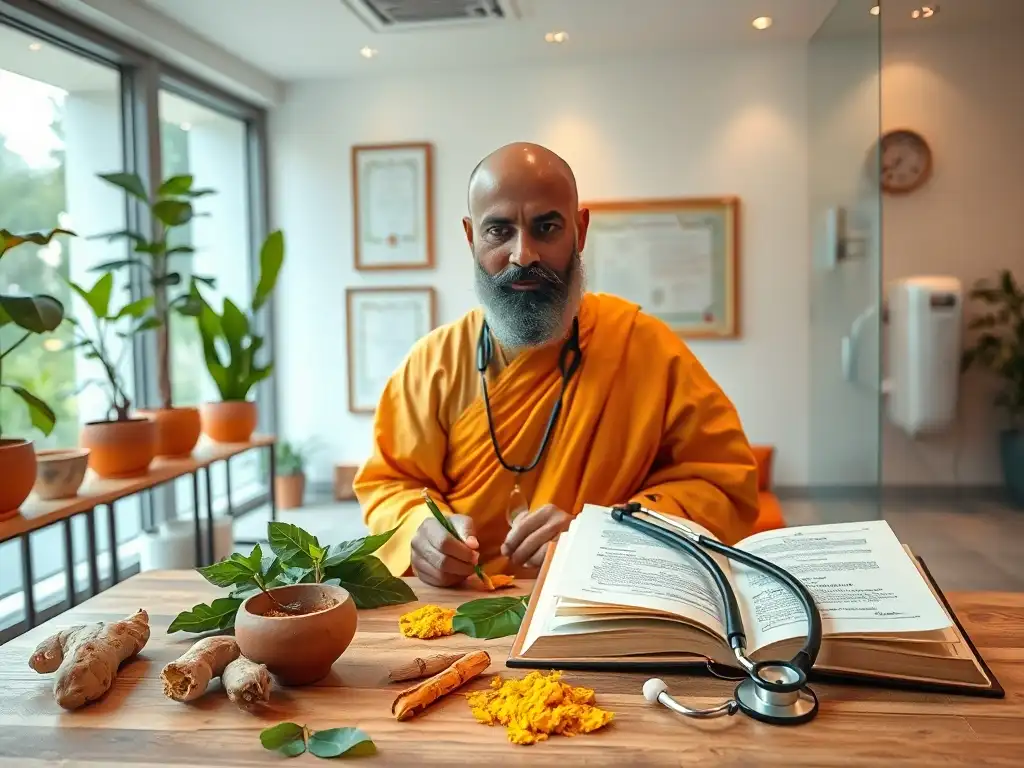
Welcome to Ancient India History, where we embark on a fascinating journey through the rich tapestry of India's past! Here, we dive into the profound wisdom of ancient civilizations and their lasting impact on our world today. In our featured article, "How Ayurvedic Practices Can Enhance Modern Medical Treatments," we explore the intriguing intersection of age-old healing traditions and contemporary medical innovations. Discover how ancient knowledge continues to inspire and enhance our understanding of health and wellness in the modern era. Get ready to unlock the secrets of Ayurveda and see how it can revolutionize your approach to healthcare!
- Introduction to Ayurvedic Practices for Modern Medicine
- Historical Context of Ayurvedic Practices
- The Integration of Ayurvedic Practices in Modern Treatments
- Key Ayurvedic Practices Beneficial for Modern Medical Treatments
- Products and Services that Bridge Ayurveda and Modern Medicine
- Challenges and Considerations in Adopting Ayurvedic Practices
- Conclusion: The Future of Ayurvedic Practices in Modern Medicine
- Call to Action
- Frequently Asked Questions
- Final Reflection: Bridging Tradition and Innovation in Healing
- Enhance Your Wellness Journey with Ayurveda!
Introduction to Ayurvedic Practices for Modern Medicine
Ayurvedic practices have been the cornerstone of health and wellness in India for over 5,000 years, offering a rich tapestry of knowledge that integrates the physical, mental, and spiritual aspects of health. As modern medicine continues to evolve, there is an increasing interest in how these ancient practices can complement contemporary treatments. This article explores the intersection of Ayurvedic principles and modern medicine, highlighting how Ayurvedic practices can enhance healthcare outcomes in today's world. By examining the holistic approach of Ayurveda, we can uncover its relevance and potential applications in modern healthcare, particularly in the realm of integrative medicine.
Understanding Ayurveda: A Holistic Approach to Health
Ayurveda, derived from the Sanskrit words "Ayus" (life) and "Veda" (knowledge), is often referred to as the "Science of Life." This ancient Indian system of medicine emphasizes a holistic approach to health, focusing on balance within the body and harmony with the environment. Here are some key components that define Ayurveda:
- Doshas: Ayurveda identifies three primary energies or doshas—Vata, Pitta, and Kapha—that govern physical and mental processes. Each individual has a unique dosha composition, which influences their health and wellness.
- Prakriti: This concept refers to an individual’s unique constitution, determined by their dosha balance. Understanding one's prakriti helps tailor dietary and lifestyle choices to promote optimal health.
- Sattva, Rajas, and Tamas: These three qualities represent mental states that affect one's health. Sattva (purity), Rajas (activity), and Tamas (inertia) are essential for maintaining mental well-being.
Ayurvedic practices include various therapies, such as herbal treatments, dietary recommendations, yoga, and meditation, all designed to restore balance and promote healing. By focusing on prevention and wellness, Ayurveda encourages individuals to take an active role in their health journey.
The Relevance of Ayurvedic Practices in Contemporary Healthcare
In recent years, there has been a growing recognition of the value of Ayurvedic practices within modern healthcare systems. Here are several ways in which these ancient practices are being integrated into contemporary medical treatments:
- Complementary Therapies: Ayurvedic treatments can serve as effective complementary therapies alongside conventional medicine. For instance, herbal remedies and dietary adjustments may enhance the efficacy of pharmaceutical treatments, particularly in chronic conditions like diabetes and hypertension.
- Stress Management: With the increasing prevalence of stress-related illnesses, Ayurvedic practices such as yoga and meditation have gained popularity for their ability to reduce stress and promote mental clarity. These practices can be easily incorporated into modern wellness programs.
- Personalized Medicine: The Ayurvedic emphasis on individual constitution and personalized treatment plans aligns well with the modern trend toward personalized medicine. Tailoring treatments based on an individual's unique dosha can lead to more effective health interventions.
- Preventive Health: Ayurveda's focus on preventive care resonates strongly with current healthcare initiatives aimed at promoting wellness and preventing diseases. Lifestyle modifications recommended in Ayurveda can help mitigate the risk of chronic diseases.
The integration of Ayurvedic practices into modern medicine offers a promising pathway toward enhancing healthcare outcomes. By valuing the holistic and individualized approach of Ayurveda, we can foster a more comprehensive understanding of health that combines the best of both ancient wisdom and modern science.
Historical Context of Ayurvedic Practices

The Origins of Ayurveda in Ancient India
Ayurveda, a term derived from the Sanskrit words "Ayur" (life) and "Veda" (knowledge), is one of the oldest systems of medicine in the world, originating in ancient India over 3,000 years ago. Its roots can be traced back to the Vedic texts, particularly the Atharva Veda, which contains early references to health, disease, and healing practices.
The foundational philosophy of Ayurveda emphasizes the balance between the mind, body, and spirit. Ancient scholars believed that health is a state of equilibrium among the three doshas (Vata, Pitta, and Kapha), which are energies that govern physiological and psychological functions. This holistic approach diverged from the more reductionist perspectives of contemporary medicine, focusing instead on individualized treatment plans that address the unique constitution of each patient.
The influence of Ayurveda extended beyond mere medical practices; it was interwoven with the spiritual and cultural fabric of ancient Indian society. Rituals, dietary guidelines, and herbal remedies were integral to daily life, showcasing the deep understanding of natural processes that ancient practitioners possessed. As trade routes expanded, Ayurvedic knowledge spread to other regions, influencing various cultures and contributing to a broader understanding of health and wellness.
Key Texts and Principles of Ayurvedic Medicine
Ayurveda is supported by a rich corpus of texts that codify its principles and practices. The most significant among these are:
- Charaka Samhita: Often regarded as the foundational text of Ayurvedic medicine, it covers a wide range of topics, including diagnosis, treatment of diseases, and the importance of lifestyle and diet. Charaka emphasized the role of the physician as a healer who must understand the intricacies of the human body and its environment.
- Sushruta Samhita: This text is attributed to Sushruta, who is often called the "father of surgery." The Sushruta Samhita details surgical techniques, anatomy, and the use of various instruments, showcasing an advanced understanding of surgical procedures and post-operative care in ancient India.
- Ashtanga Hridaya: Compiled by Vagbhata, this text synthesizes the teachings of the Charaka and Sushruta Samhitas, providing a comprehensive overview of Ayurvedic principles, including the eight branches of Ayurveda, which encompass surgery, pediatrics, and toxicology.
The principles of Ayurveda are encapsulated in several key concepts:
- Tridosha Theory: Understanding the balance of Vata, Pitta, and Kapha is central to diagnosing and treating ailments. Each dosha represents a combination of the five elements (earth, water, fire, air, and space) and their influence on physiological functions.
- Prakriti: The concept of individual constitution, or prakriti, refers to the unique combination of doshas present in an individual from birth. This notion underlines the importance of personalized treatment approaches in Ayurvedic medicine.
- Ojas, Tejas, and Prana: These terms refer to vital life forces. Ojas symbolizes vitality and immunity, Tejas represents metabolic energy, and Prana refers to the life force. Maintaining a balance among these energies is considered essential for overall health.
By integrating ancient wisdom with modern scientific understanding, Ayurvedic practices for modern medicine offer a unique perspective on health that emphasizes prevention and holistic healing. As contemporary healthcare increasingly acknowledges the value of integrative approaches, the relevance of Ayurveda continues to grow, paving the way for innovative treatments that respect both tradition and innovation.
The Integration of Ayurvedic Practices in Modern Treatments
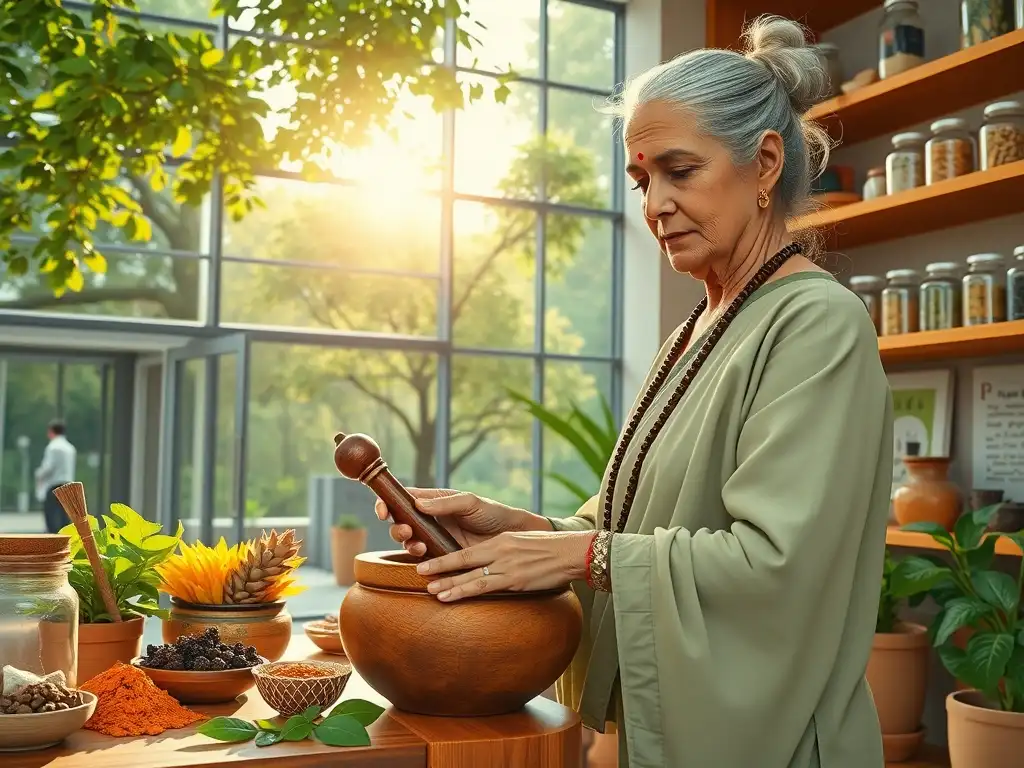
The integration of Ayurvedic practices into modern medical treatments represents a significant shift in how healthcare is approached today. As the global health community increasingly recognizes the importance of holistic wellness, Ayurvedic practices are being embraced for their potential to enhance the efficacy of conventional medicine. This integration is not merely about combining treatments but also involves a deeper understanding of patient care that emphasizes prevention, lifestyle modifications, and the use of natural remedies.
Ayurveda, an ancient Indian system of medicine, provides a comprehensive framework for health that focuses on balancing the body, mind, and spirit. By addressing the root causes of ailments rather than just the symptoms, Ayurveda offers invaluable insights into patient care that can complement modern medical practices. This is especially relevant in chronic disease management, where lifestyle factors significantly affect health outcomes.
How Ayurveda Complements Conventional Medicine
Ayurvedic practices for modern medicine can enhance treatment through various complementary approaches:
- Holistic Treatment Approach:
- Ayurveda emphasizes a holistic view of health, considering physical, mental, and emotional states. This can guide healthcare providers to adopt a more comprehensive approach to patient care, focusing on overall well-being rather than isolated symptoms.
- Personalized Medicine:
- Ayurvedic principles advocate for personalized treatment based on individual constitution (Prakriti), which can enhance patient outcomes in modern medicine. Tailoring treatments to fit individual needs can lead to more effective and sustainable health improvements.
- Preventative Care:
- Ayurveda prioritizes prevention through lifestyle modifications, dietary changes, and stress management techniques. By integrating these practices, modern medicine can promote preventive care strategies that reduce the incidence of chronic diseases.
- Natural Remedies:
- The use of herbal formulations and dietary recommendations in Ayurveda can complement pharmacological treatments. For example, certain herbs like Ashwagandha and Turmeric have been shown to possess anti-inflammatory and adaptogenic properties, enhancing recovery and overall health when used alongside conventional medications.
- Mindfulness and Stress Management:
- Techniques such as yoga and meditation, rooted in Ayurvedic philosophy, are increasingly recognized for their benefits in managing stress and enhancing mental health. Incorporating these practices into patient care can improve outcomes for conditions like anxiety and depression.
Case Studies: Successful Integration of Ayurvedic Practices
Several case studies illustrate the successful integration of Ayurvedic practices into modern healthcare settings:
-
Case Study 1: Cancer Treatment
In a clinical setting, a study involving breast cancer patients demonstrated enhanced recovery rates when integrating Ayurvedic practices such as dietary adjustments and herbal supplements alongside conventional chemotherapy. Patients reported improved quality of life and reduced side effects from treatments.
-
Case Study 2: Diabetes Management
A pilot study tracked patients with type 2 diabetes who incorporated Ayurvedic dietary guidelines and lifestyle changes into their treatment plans. Results showed significant improvements in blood sugar levels and overall health metrics, highlighting the effectiveness of a combined approach.
-
Case Study 3: Chronic Pain Management
In a pain management clinic, patients utilizing Ayurvedic techniques such as massage (Abhyanga) and yoga experienced reduced pain levels and improved mobility when paired with traditional pain relief methods. This case exemplifies the potential for Ayurveda to enhance conventional analgesics.
The integration of Ayurvedic practices into modern medicine not only enriches the therapeutic landscape but also emphasizes a commitment to patient-centered care. As research continues to validate these practices, we anticipate broader acceptance and implementation in healthcare systems worldwide, ultimately leading to improved health outcomes and patient satisfaction.
Key Ayurvedic Practices Beneficial for Modern Medical Treatments
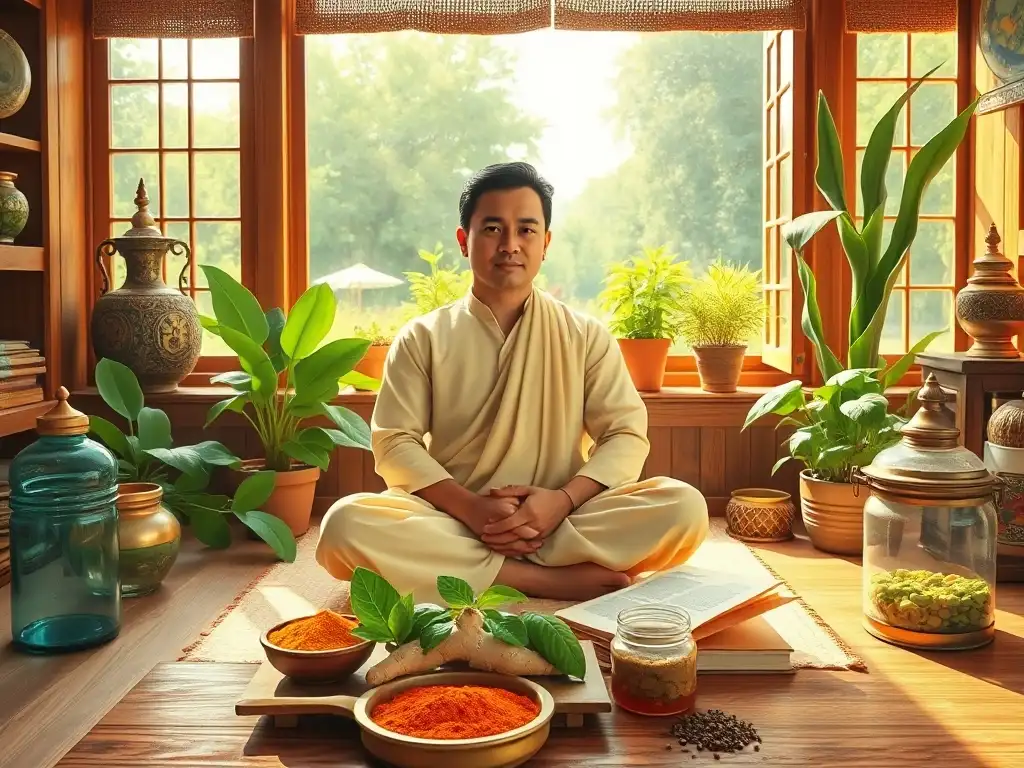
Ayurvedic practices offer a holistic approach to health that can complement modern medical treatments, enhancing their effectiveness and promoting overall well-being. By integrating these ancient practices into contemporary healthcare, patients may experience improved outcomes and better management of various health conditions. The following sections delve into specific Ayurvedic practices that are particularly beneficial in a modern medical context.
Herbal Remedies: Enhancing Pharmaceutical Efficacy
Herbal remedies are a cornerstone of Ayurveda, utilized for centuries to treat a wide range of ailments. These natural substances can enhance the efficacy of pharmaceutical treatments, offering synergistic benefits that modern medicine is increasingly recognizing.
Popular Ayurvedic Herbs for Health (e.g., Ashwagandha, Turmeric)
- Ashwagandha: Known for its adaptogenic properties, Ashwagandha helps the body adapt to stress, potentially improving the effectiveness of treatments for anxiety and depression. Research suggests it can lower cortisol levels and enhance overall mental clarity.
- Turmeric: The active compound, curcumin, has powerful anti-inflammatory and antioxidant properties. Studies have shown that turmeric can enhance the effects of various anti-inflammatory drugs, making it useful for patients with conditions like arthritis.
- Brahmi: This herb is renowned for its cognitive-enhancing properties. It supports memory and concentration, which can be beneficial for patients undergoing treatments that affect cognitive function.
- Ginger: Often used to alleviate nausea, especially in chemotherapy patients, ginger can significantly enhance the comfort level during treatment, promoting better adherence to medicinal protocols.
- Triphala: A combination of three fruits, Triphala aids digestion and detoxification. Its use alongside medications can improve nutrient absorption and overall gut health, crucial for recovery.
Dietary Approaches: The Role of Nutrition in Healing
In Ayurveda, dietary habits are tailored to individual needs and are seen as fundamental to maintaining health and preventing disease. Modern medicine is beginning to acknowledge the importance of nutrition in healing, making Ayurvedic dietary approaches particularly relevant.
Recommended Ayurvedic Diet Plans for Patients
- Balanced Diet:
- Incorporates all six tastes: sweet, sour, salty, bitter, pungent, and astringent.
- Focuses on whole, unprocessed foods, including grains, legumes, vegetables, fruits, nuts, and seeds.
- Seasonal Eating:
- Encourages consumption of seasonal produce to align with the body's natural rhythms and improve digestion.
- For example, a lighter diet in summer with cooling foods like cucumber and mint, and a more warming diet in winter with hearty soups and stews.
- Detoxification Plans:
- Utilizes cleansing protocols such as Panchakarma, which can be integrated with modern detox diets to enhance the elimination of toxins and improve overall health.
- Personalized Nutrition:
- Diet plans are customized based on individual dosha (body constitution), promoting a tailored approach that modern medicine is increasingly adopting through personalized medicine.
- Mindful Eating:
- Emphasizes the importance of being present during meals, which can improve digestion and nutrient absorption. This practice can be especially beneficial for patients recovering from surgery or illness.
By incorporating these Ayurvedic practices into modern medical treatments, healthcare providers can offer a more comprehensive approach that not only addresses the symptoms of diseases but also promotes a deeper sense of well-being and prevention. Through the synergy of ancient wisdom and modern science, patients may find new pathways to health and healing.
Mind-Body Techniques: Yoga and Meditation in Recovery
The integration of mind-body techniques, particularly yoga and meditation, into modern medical treatments has gained traction due to their profound benefits on both mental and physical health. Originating from ancient Indian traditions, these practices focus on harmonizing the body, mind, and spirit, promoting overall well-being.
Yoga, characterized by a series of postures (asanas), breathing techniques (pranayama), and meditation, has been shown to enhance physical health by improving flexibility, strength, and balance. Regular practice can aid in the management of chronic conditions such as arthritis, asthma, and cardiovascular diseases. Additionally, yoga has been linked to reduced stress levels, which can significantly impact recovery times and overall health.
Meditation complements yoga by fostering mental clarity and emotional stability. It involves techniques to focus the mind and eliminate distractions, leading to reduced anxiety and depression. Studies indicate that meditation can lower cortisol levels, a stress hormone, and enhance emotional resilience, making it a valuable tool for patients undergoing treatment for various ailments.
The synergistic effect of yoga and meditation can be particularly beneficial for individuals recovering from surgery or illness. By promoting relaxation and reducing stress, these practices can enhance the body’s natural healing processes, thereby improving outcomes in modern medical treatments.
Benefits of Yoga and Meditation in Modern Medicine
The incorporation of yoga and meditation into modern medical practices offers numerous benefits, making them essential components of holistic healthcare approaches. Here are some key advantages:
- Stress Reduction: Both yoga and meditation are effective in lowering stress and anxiety levels. This is crucial for patients facing chronic illnesses or undergoing surgical procedures, as high stress can impede recovery.
- Pain Management: Research has demonstrated that yoga can reduce the perception of pain and improve pain tolerance. Techniques such as mindfulness meditation have also been shown to alter the brain's response to pain, providing patients with effective coping strategies.
- Enhanced Immune Function: Engaging in regular yoga and meditation can bolster the immune system. Studies suggest that these practices increase the production of antibodies and strengthen the body’s defense mechanisms against infections.
- Improved Mental Health: Yoga and meditation have been linked to decreased symptoms of depression and anxiety. By fostering a sense of calm and well-being, these practices can improve patients' overall mental health, which is often a critical component in recovery.
- Support for Chronic Conditions: For patients with chronic conditions like diabetes or hypertension, yoga can aid in managing symptoms through lifestyle modifications and enhanced physical fitness. Meditation contributes by promoting mindfulness, helping patients adhere to treatment plans and make healthier lifestyle choices.
- Better Sleep Quality: Regular practice of yoga and meditation can lead to improved sleep patterns. Quality sleep is vital for recovery, as it allows the body to heal and regenerate.
The benefits of yoga and meditation extend far beyond their traditional roots, presenting significant advantages in the realm of modern medicine. By integrating these ancient Ayurvedic practices into contemporary healthcare, patients can experience enhanced recovery and improved quality of life.
Products and Services that Bridge Ayurveda and Modern Medicine

The integration of Ayurvedic practices into modern medicine has led to the development of various products and services that cater to health and wellness needs. These offerings not only respect traditional Ayurvedic principles but also embrace contemporary scientific approaches. Here are some key areas where Ayurveda and modern medicine intersect:
- Herbal Supplements: A wide range of herbal supplements rooted in Ayurvedic teachings are now available, formulated to support various health conditions. These products are often backed by scientific studies that validate their efficacy.
- Holistic Health Services: Many healthcare providers are incorporating Ayurvedic consultations into their practices, offering integrative approaches that blend both disciplines.
- Customized Ayurvedic Treatments: Personalization is key in both Ayurveda and modern medicine. Tailored treatment plans based on individual needs and health conditions are becoming increasingly popular.
- Education and Workshops: Organizations and practitioners are hosting workshops and educational sessions that teach the principles of Ayurveda alongside modern medical knowledge, empowering individuals to make informed health choices.
Top Ayurvedic Supplements for Health and Wellness
Ayurvedic supplements have gained recognition for their potential to enhance overall health and wellness. Here are some of the most recommended Ayurvedic supplements that are making waves in the modern healthcare space:
- Ashwagandha
- Benefits: Known for its adaptogenic properties, Ashwagandha helps in reducing stress and anxiety, improving energy levels, and enhancing cognitive functions.
- Use: Often available in powder or capsule form, it is recommended to consult a healthcare professional for appropriate dosage.
- Turmeric (Curcumin)
- Benefits: Turmeric is renowned for its anti-inflammatory and antioxidant properties. It supports joint health and is believed to improve brain function.
- Use: Typically found in capsules, drinks, or as a spice in foods, curcumin is best absorbed with black pepper or fat.
- Triphala
- Benefits: A combination of three fruits, Triphala promotes digestive health, detoxification, and overall rejuvenation.
- Use: Available as tablets or powder, it is recommended to take Triphala in the evening for optimal results.
- Brahmi
- Benefits: This herb is used to enhance memory, concentration, and cognitive function, making it a favorite among students and professionals alike.
- Use: Generally consumed as a powder or in capsule form, it can also be taken with warm milk.
- Amla (Indian Gooseberry)
- Benefits: Amla is known for its high vitamin C content and is a powerful antioxidant that supports immune health and skin vitality.
- Use: Available as juice, powder, or capsules, it can be consumed in various forms.
Himalaya Herbal Healthcare: Features and Benefits
Himalaya Herbal Healthcare is a prominent brand that exemplifies the integration of Ayurvedic practices into modern health products. Their offerings are characterized by:
- Quality Ingredients: Himalaya sources high-quality, natural ingredients, ensuring that their products are effective and safe for consumption.
- Research-Backed Formulations: Each product is developed based on extensive research, combining traditional Ayurvedic knowledge with modern scientific validation.
- Variety of Products: Himalaya offers a wide range of products, including dietary supplements, skincare, and personal care, catering to various health and wellness needs.
- Sustainability: The brand emphasizes sustainable practices, ensuring that their sourcing and production processes are environmentally friendly.
By bridging the gap between ancient wisdom and modern science, Himalaya Herbal Healthcare has made Ayurvedic practices accessible to a broader audience, enhancing their relevance in contemporary healthcare.
Integrative Health Services: Finding Practitioners
As the demand for Ayurvedic practices in modern medicine grows, finding qualified practitioners becomes essential for ensuring effective treatment. Integrative health services combine the best of both worlds, providing patients with a holistic approach to health.
- Consultation Services: Many clinics now offer consultations that incorporate Ayurvedic assessments alongside conventional medical evaluations.
- Wellness Programs: Integrative health services often include personalized wellness programs that draw from both Ayurveda and modern therapies, addressing physical, mental, and emotional well-being.
- Community Awareness: Increased awareness about the benefits of Ayurveda has led to more practitioners being trained in integrative approaches, making it easier to find qualified professionals.
How to Choose Qualified Ayurvedic Practitioners
Selecting the right Ayurvedic practitioner is crucial for achieving desired health outcomes. Here are some essential tips to consider:
- Credentials and Training: Ensure that the practitioner has formal education and training in Ayurveda from a recognized institution.
- Experience: Look for practitioners with experience in treating your specific health concerns, as familiarity with your condition can enhance treatment effectiveness.
- Holistic Approach: Choose practitioners who adopt a holistic approach, considering not just symptoms but overall lifestyle and health.
- Client Reviews: Check testimonials and reviews from previous clients to gauge the effectiveness and quality of care provided.
- Consultation: Schedule an initial consultation to discuss your health goals and assess the practitioner's communication style and approach to treatment.
By carefully selecting qualified Ayurvedic practitioners, patients can effectively integrate Ayurvedic practices into their modern medical treatments, ultimately enhancing their overall health and well-being.
Ayurvedic Tools: Essential Equipment for Home Practice
Ayurvedic practices emphasize a holistic approach to health, integrating the body, mind, and spirit. To effectively engage in these practices at home, certain tools and equipment can enhance the experience and outcomes. Here are some essential Ayurvedic tools that are commonly used:
- Abhyanga Vessels: These are specifically designed for the practice of self-massage (Abhyanga). They often come in the form of bowls or containers that hold warm oils, allowing for the easy application of herbal or medicated oils onto the skin.
- Neti Pot: This tool is used for nasal irrigation, a practice that helps clear the sinuses and nasal passages. Utilizing a neti pot with saline solution can alleviate symptoms of allergies, colds, and sinus infections.
- Dhoop Sticks or Incense: Burning herbal incense is a traditional practice in Ayurveda, which helps purify the air and create a calming environment. Dhoop sticks made from natural ingredients can aid in meditation and relaxation.
- Tongue Scrapers: An essential part of morning routines in Ayurveda, tongue scrapers help remove toxins (ama) from the tongue, promoting oral hygiene and overall health.
- Herbal Teas and Infusion Pots: Drinking herbal teas is commonplace in Ayurveda. Infusion pots allow for the brewing of medicinal herbs, enhancing digestion and detoxification.
Using these tools in daily routines can significantly contribute to an Ayurvedic lifestyle, promoting better health and well-being.
Recommended Products and Their Uses (e.g., Abhyanga Oil)
In modern Ayurvedic practice, several products have gained popularity for their effectiveness and ease of use. Here are some recommended Ayurvedic products, along with their specific uses:
| Product | Description | Uses |
|---|---|---|
| Abhyanga Oil | A blend of herbal oils designed for self-massage. | Promotes circulation, relaxes muscles, and nourishes skin. Ideal for daily self-care routines. |
| Triphala Powder | A mix of three fruits (amla, haritaki, and bibhitaki). | Aids digestion, detoxifies, and supports overall health. Can be taken as a powder or in capsule form. |
| Chyawanprash | A herbal jam rich in antioxidants and nutrients. | Boosts immunity, supports respiratory health, and enhances vitality. Often taken with warm water or milk. |
| Tulsi Tea | Made from the holy basil plant, revered in Ayurveda. | Reduces stress, supports respiratory health, and enhances immunity. Can be enjoyed hot or cold. |
| Ashwagandha Capsules | A natural adaptogen known for its stress-relieving properties. | Supports mental health, boosts energy levels, and aids in recovery from stress. Convenient for daily supplementation. |
Integrating these Ayurvedic products into modern healthcare practices can provide numerous benefits, acting as complementary treatments that align with contemporary medical approaches. By leveraging the wisdom of ancient traditions, individuals can enhance their health and well-being in a holistic manner.
Challenges and Considerations in Adopting Ayurvedic Practices

The integration of Ayurvedic practices into modern medical treatments presents a unique set of challenges and considerations that must be carefully navigated. While there is increasing interest in these ancient practices, it is essential to address common misconceptions and ensure the safety and efficacy of Ayurvedic products used in healthcare settings.
Misconceptions About Ayurveda in Modern Medicine
One of the primary obstacles in adopting Ayurvedic practices for modern medicine is the prevalence of misconceptions surrounding Ayurveda itself. Many individuals view Ayurveda as merely an alternative or complementary therapy, often dismissing its complexities and rich historical context. This misunderstanding can lead to skepticism among healthcare professionals and patients alike.
-
Perception as Unscientific:
Many critics argue that Ayurvedic practices lack rigorous scientific validation. However, a growing body of research is beginning to demonstrate the effectiveness of various Ayurvedic treatments, such as herbal medicine and dietary guidelines, which can be complementary to conventional therapies.
-
Oversimplification of Practices:
Ayurveda is often reduced to simple herbal remedies without recognizing its holistic approach. It encompasses lifestyle, diet, mental health, and physical well-being, promoting an integrated view of health that modern medicine could benefit from.
-
Cultural Bias:
There can be a cultural bias against non-Western medical practices. This bias often stems from a lack of understanding of the principles and methodologies that underpin Ayurveda, which can hinder widespread acceptance in the medical community.
To overcome these misconceptions, it is crucial to promote educational initiatives that emphasize the scientific research supporting Ayurvedic practices. Engaging healthcare professionals in discussions about the historical significance and modern applications of Ayurveda can foster a more inclusive approach to patient care.
Safety and Efficacy: Ensuring Quality in Ayurvedic Products
Another significant challenge in integrating Ayurvedic practices into modern medicine is ensuring the safety and efficacy of Ayurvedic products. As the demand for these products increases, so does the need for rigorous standards and quality control measures.
-
Standardization Issues:
Ayurvedic formulations often vary in potency and composition. The lack of standardization can lead to inconsistent results and potential adverse effects. Establishing clear guidelines for the production and labeling of Ayurvedic products is essential to ensure consumers receive safe and effective treatments.
-
Contaminants and Adulterants:
Some Ayurvedic products may be contaminated with heavy metals or adulterated with synthetic substances, posing serious health risks. Regulatory bodies must enforce stricter quality control measures to prevent these issues, ensuring that Ayurvedic products meet safety standards comparable to those of conventional pharmaceuticals.
-
Clinical Research and Trials:
More extensive clinical trials are necessary to assess the efficacy of Ayurvedic treatments in modern healthcare. These trials can bridge the gap between traditional practices and contemporary medical standards, providing valuable data to support the integration of Ayurveda into mainstream medicine.
Addressing misconceptions and ensuring the safety and efficacy of Ayurvedic products are critical factors in successfully incorporating Ayurvedic practices into modern medical treatments. By fostering a deeper understanding and promoting rigorous standards, the healthcare community can embrace the potential of Ayurvedic practices for enhancing patient care.
Conclusion: The Future of Ayurvedic Practices in Modern Medicine

The integration of Ayurvedic practices into modern medical treatments presents a promising frontier for healthcare. As the medical community increasingly recognizes the value of holistic approaches, the potential for collaboration between Ayurveda and conventional treatments is becoming clearer. This synergy could lead to more comprehensive care models that address not only physical ailments but also mental and emotional well-being.
The Potential for Collaboration Between Ayurveda and Conventional Treatments
Ayurvedic practices offer unique insights into patient care, emphasizing individualized treatment plans tailored to a person's constitution (Prakriti) and current imbalances (Vikriti). This personalized approach can complement conventional medicine, which often relies on standardized treatment protocols. For instance, incorporating Ayurvedic principles such as dietary adjustments, herbal remedies, and mindfulness techniques can enhance the effectiveness of modern pharmacological interventions by:
- Reducing Side Effects: Ayurvedic herbs, such as turmeric and ashwagandha, have shown potential in mitigating side effects associated with pharmaceutical drugs.
- Improving Patient Compliance: The holistic nature of Ayurveda may encourage patients to engage more actively in their treatment plans, fostering better adherence to prescribed therapies.
- Promoting Preventative Health: Ayurveda’s emphasis on prevention and wellness can help reduce the incidence of chronic diseases, thereby alleviating the burden on modern healthcare systems.
Case Studies of Successful Integration
- Cancer Care: Several studies have documented the benefits of integrating Ayurvedic practices into cancer treatment regimens, focusing on enhancing quality of life and managing symptoms.
- Chronic Pain Management: Combining Ayurveda with conventional pain management strategies has led to improved outcomes for patients suffering from chronic pain conditions, such as arthritis.
Encouraging Further Research and Acceptance in Healthcare
To fully realize the potential of Ayurvedic practices for modern medicine, it is crucial to promote further research and foster acceptance within the healthcare community. This involves:
- Conducting Clinical Trials: Rigorous scientific studies are essential to validate the efficacy and safety of Ayurvedic treatments. Such research can bridge the gap between traditional knowledge and modern scientific understanding.
- Creating Educational Programs: Integrating Ayurvedic education into medical curricula and professional development can enhance healthcare providers’ understanding and appreciation of these ancient practices.
- Building Multidisciplinary Teams: Encouraging collaboration between Ayurvedic practitioners and conventional healthcare providers can create a more holistic approach to patient care, benefiting from the strengths of both systems.
As we explore the rich legacy of Ayurvedic practices, we must embrace the opportunity to integrate these ancient wisdoms into modern healthcare frameworks. The future of medicine may very well lie in the harmonious coexistence of Ayurveda and conventional treatments, leading to improved health outcomes and a more patient-centered approach to care.
Call to Action
In a world where modern medicine often prioritizes quick fixes and pharmaceutical solutions, it’s essential to consider holistic approaches that can enhance overall well-being. Ayurvedic practices, rooted in thousands of years of tradition, offer valuable insights and techniques that can complement contemporary medical treatments. By integrating these ancient methods into your healthcare routine, you can foster a more comprehensive approach to health.
Explore Ayurvedic Products for Enhanced Health
Ayurveda emphasizes balance and harmony among the body, mind, and spirit. Many Ayurvedic products are designed to support this balance, promoting not only physical health but also mental and emotional well-being. Incorporating Ayurvedic practices into modern medicine can lead to:
- Improved Patient Outcomes: Studies have shown that integrating Ayurvedic treatments, such as herbal remedies and dietary adjustments, can enhance the effectiveness of conventional therapies.
- Personalized Care: Ayurveda emphasizes individualized treatment plans based on one’s unique constitution (Prakriti), allowing for tailored healthcare solutions.
- Preventive Health: Ayurvedic practices focus on prevention through lifestyle changes, which can reduce the incidence of chronic diseases often treated in modern medicine.
Check Out Our Recommended Products (e.g., [Himalaya Ashwagandha])
To help you embrace the benefits of Ayurvedic practices, we recommend exploring some of the following products:
| Product Name | Key Benefits | Suggested Use |
|---|---|---|
| Himalaya Ashwagandha | Reduces stress and anxiety, boosts energy levels | Take daily as a supplement |
| Kerala Ayurveda Brahmi | Enhances cognitive function and memory | Use in herbal tea or as a capsule |
| Patanjali Triphala | Aids digestion and detoxification | Consume before meals |
| Organic India Tulsi Tea | Supports immune health and stress relief | Enjoy as a daily beverage |
Integrating these Ayurvedic products into your routine can enhance your health journey, providing a synergistic effect when combined with modern medical approaches. By embracing the wisdom of ancient practices, you can cultivate a more holistic approach to your health and well-being.
Frequently Asked Questions
What are Ayurvedic practices?
Ayurvedic practices are traditional healing methods originating from ancient India, focusing on balance between mind, body, and spirit to promote health and well-being.
How can Ayurvedic practices enhance modern medicine?
Ayurvedic practices can enhance modern medicine by providing holistic approaches and strategies for preventive care, thereby complementing conventional treatments.
Are there any scientific studies supporting Ayurvedic practices?
Yes, several scientific studies have been conducted that demonstrate the effectiveness of Ayurvedic practices in managing various health conditions, particularly in areas like stress management and chronic diseases.
Can Ayurvedic remedies be used alongside conventional treatments?
Absolutely! Many Ayurvedic remedies can be safely used alongside conventional treatments, but it is essential to consult with a healthcare professional to ensure compatibility and safety.
What is the significance of diet in Ayurvedic practices?
In Ayurvedic practices, diet plays a crucial role in maintaining health and preventing disease. It emphasizes the consumption of natural and wholesome foods tailored to individual doshas or body types.
Final Reflection: Bridging Tradition and Innovation in Healing
In today's fast-paced world, the integration of Ayurvedic practices into modern medical treatments is not just a trend but a vital evolution in healthcare. As we face rising health challenges and a growing demand for holistic approaches, the wisdom of Ayurveda offers invaluable insights that resonate deeply with contemporary medical practices. This blend of ancient knowledge and modern science is not merely an option; it is a necessary step toward a more comprehensive understanding of health and wellness.
The influence of Ayurvedic practices on our cultural and social landscape is profound and ongoing. As we embrace these time-tested methods, we find ourselves reconnecting with the essence of healing that prioritizes balance, prevention, and individual well-being. This shift is echoed in the words of Dr. Deepak Chopra, who said, "> The future of medicine is not a single approach but a blend of ancient wisdom and modern science." This perspective underscores the importance of viewing health through a multifaceted lens, where Ayurveda complements and enhances the efficacy of conventional treatments.
As we move forward, I invite you to reflect on how you can incorporate Ayurvedic principles into your own health journey. Consider the power of mindfulness, dietary choices, and lifestyle adjustments that resonate with your unique constitution. Embrace the opportunity to explore these practices, not only as a means to enhance your well-being but also as a way to contribute to a more holistic approach to healthcare. Together, let us champion a future where the wisdom of the past informs the innovations of tomorrow, creating a healthier world for all.
Enhance Your Wellness Journey with Ayurveda!
Thank you for taking the time to explore the fascinating integration of Ayurvedic practices alongside modern medical treatments. You’ve uncovered the profound impact these ancient methods can have on your overall well-being. Now, let’s put that knowledge into action!
Here are a few steps you can take to enrich your health journey:
- Incorporate Ayurvedic principles into your daily routine by introducing herbal remedies or dietary adjustments that support your overall health.
- Join an online community or forum focused on Ayurveda to share experiences, tips, and support with others who are also embracing these holistic practices.
- Explore local workshops or classes that offer hands-on lessons in Ayurvedic practices, allowing you to deepen your understanding and connect with like-minded individuals.
What’s one Ayurvedic principle you’re excited to try as part of your current health regimen?